Breeds that are extremely similar to each other
When we meet a dog on the street, we usually identify the breed by its size, color, head shape, and distinctive features. But there are pairs of breeds that are so similar that even experienced owners often confuse them with each other. These twin dogs share the same appearance because of similar origins, similar breeding standards, or because the difference between them is only in the details.
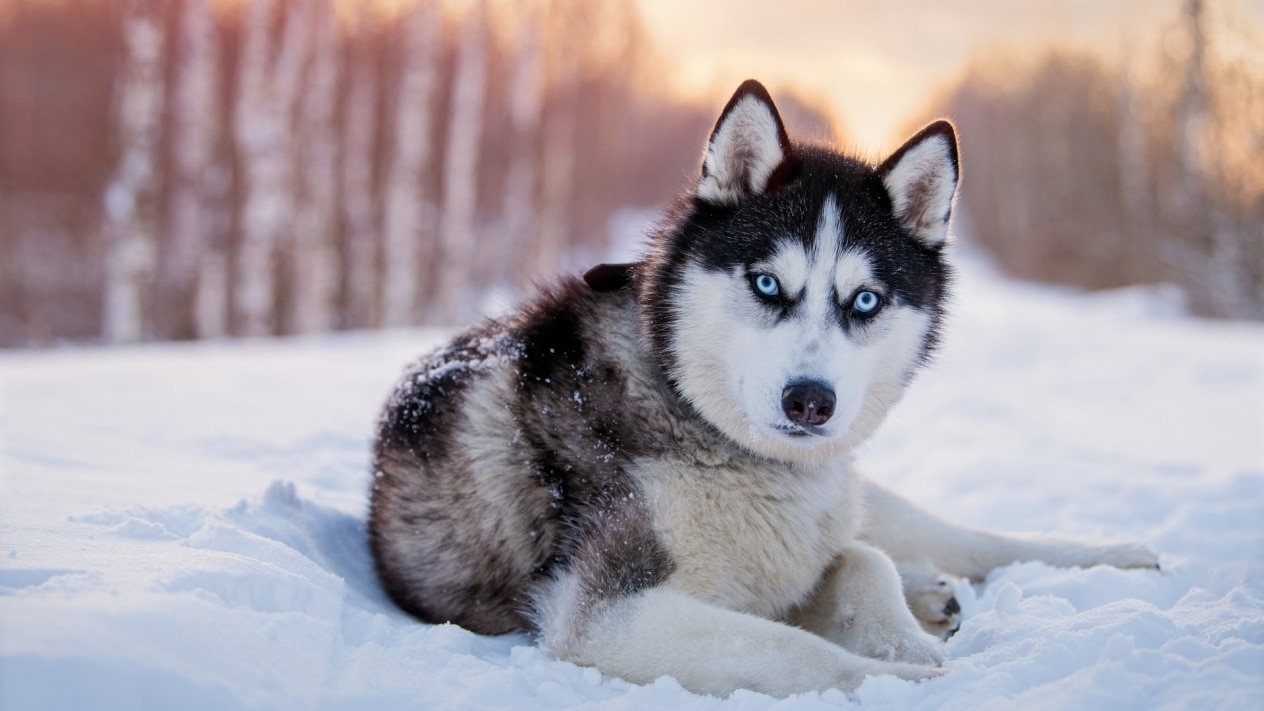
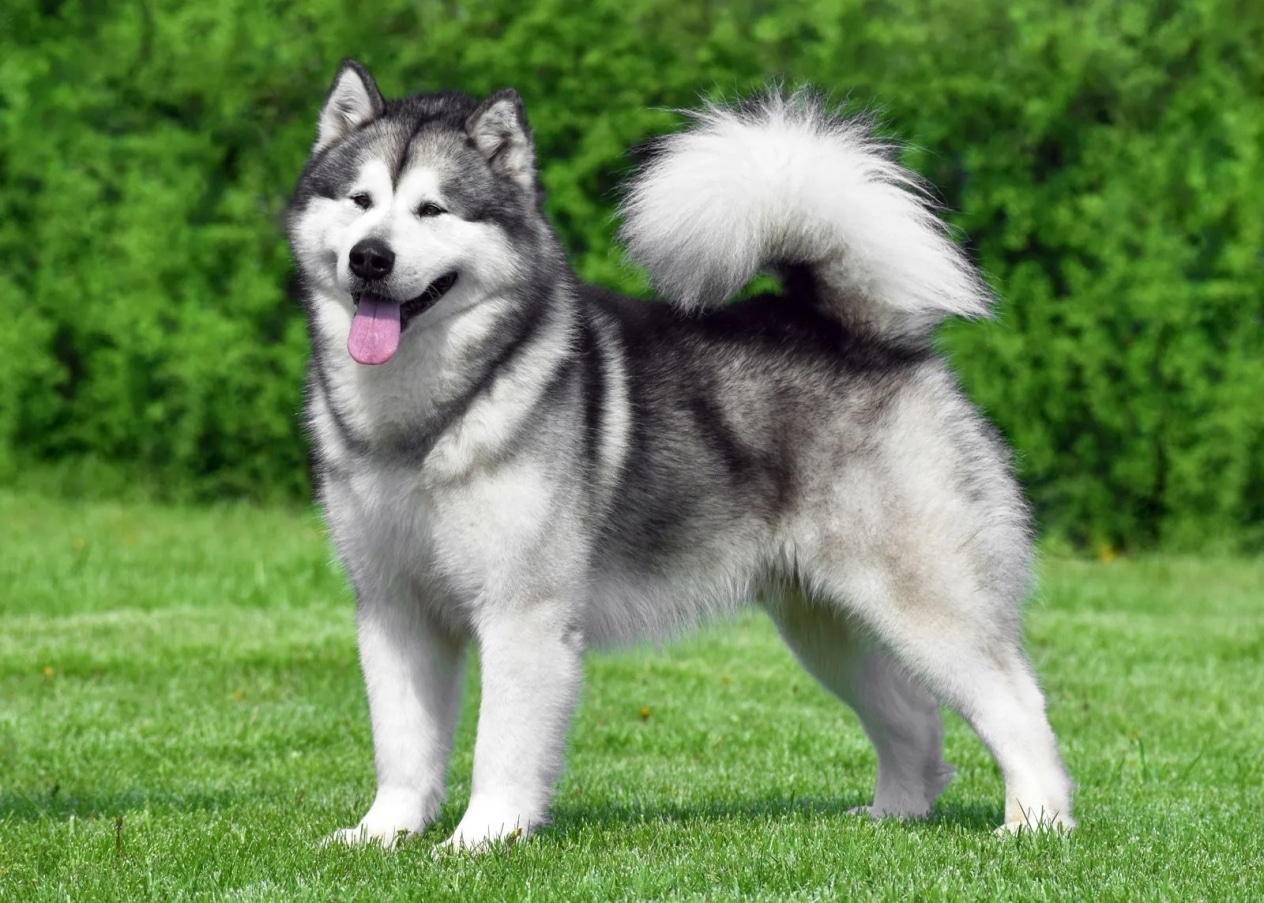
Siberian Husky and Alaskan Malamute
Both breeds have thick fur, a distinctive “wolf” look, and light-colored masks on their faces. However, huskies are slimmer and lighter, their eyes can be blue, and their tails are less bent. The Malamute is much larger, has only brown eyes and a more massive build. Huskies are built for speed, while the Malamute is built for heavy draft work.
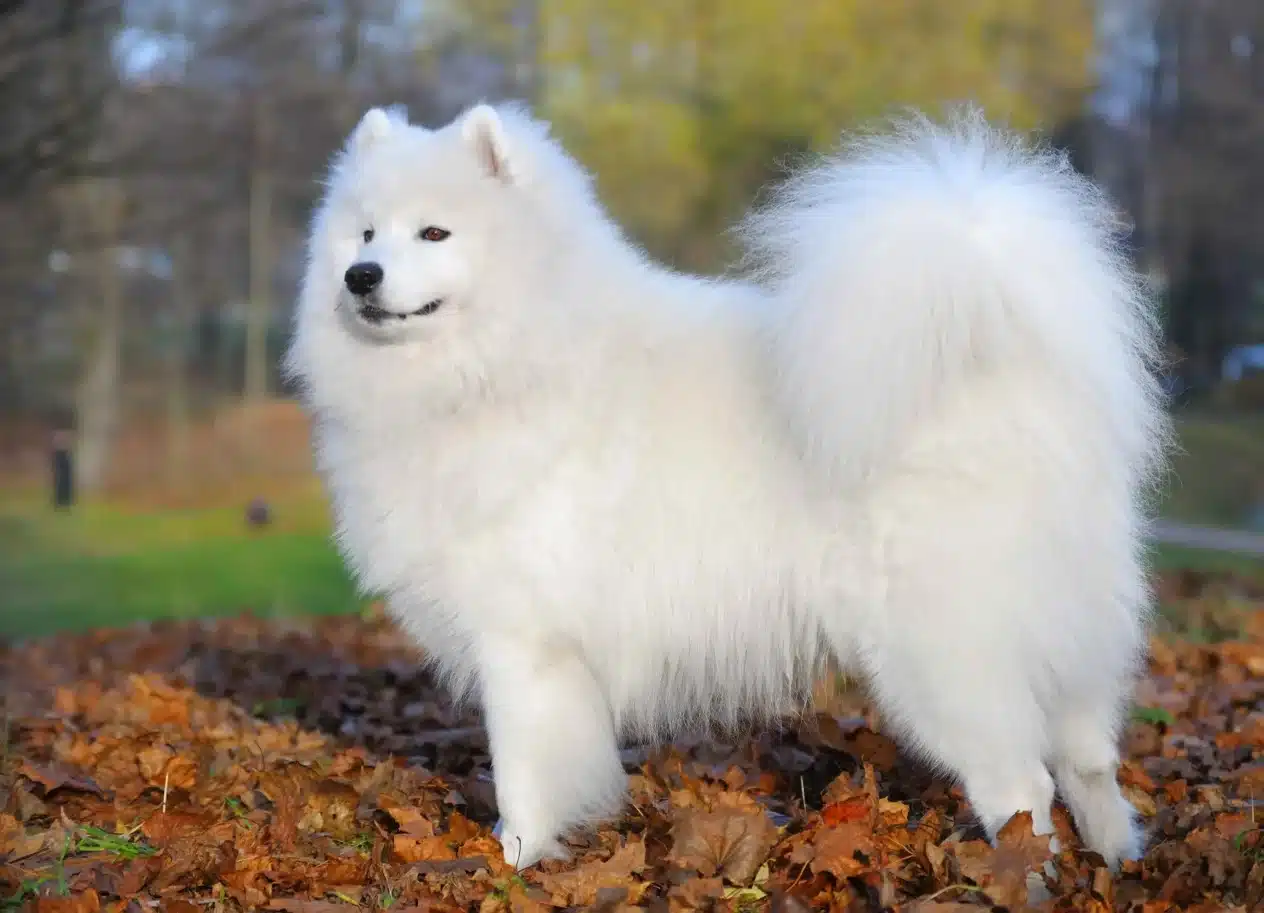
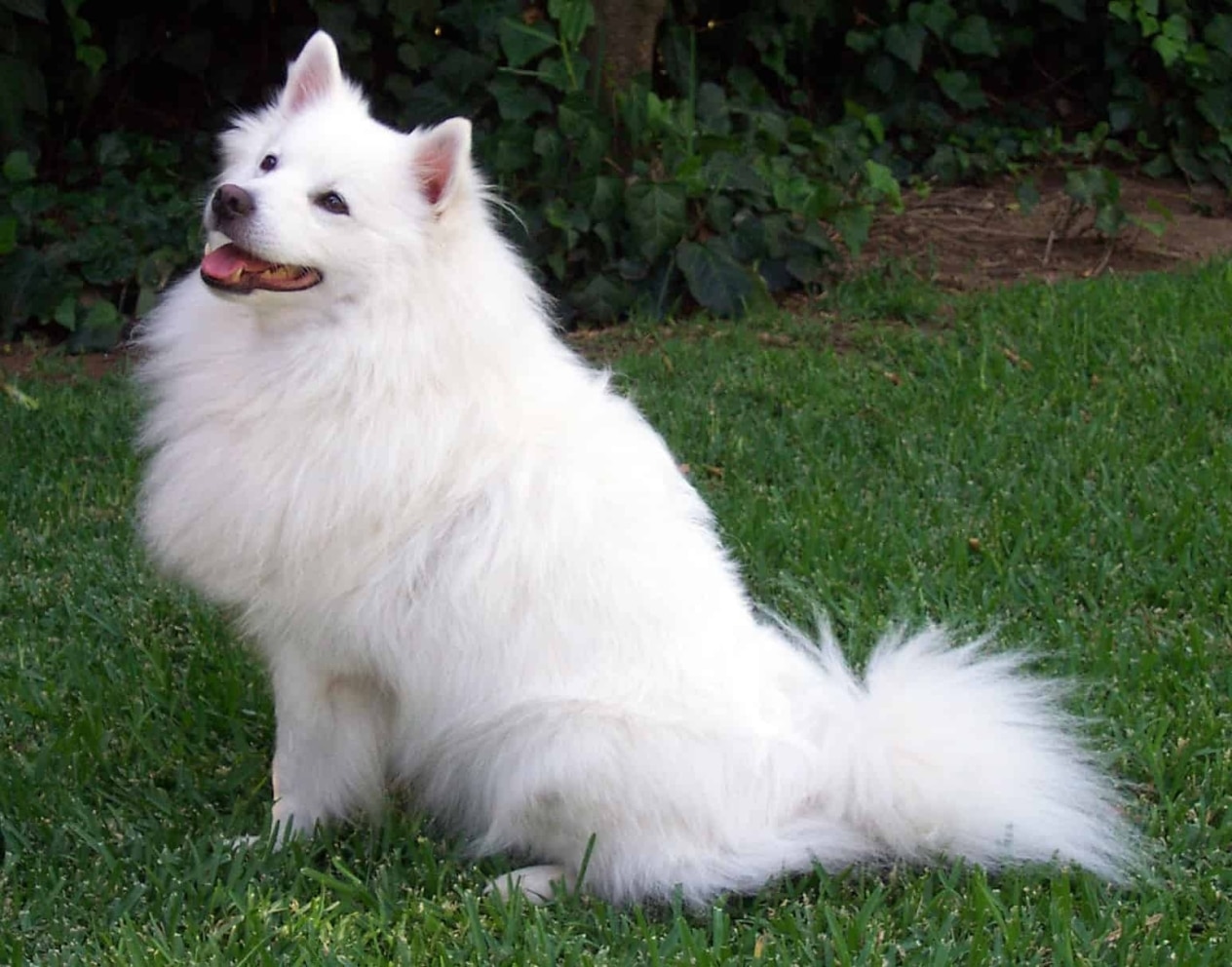
The Samoyed and the American Eskimo dog.
Both have snowy white fluffy fur and a friendly expression on their faces. However, the Samoyed is larger, with a longer, thicker coat and a more expressive “smile” on its face. The American Eskimo dog can be more compact and resembles a “mini version” of the Samoyed.
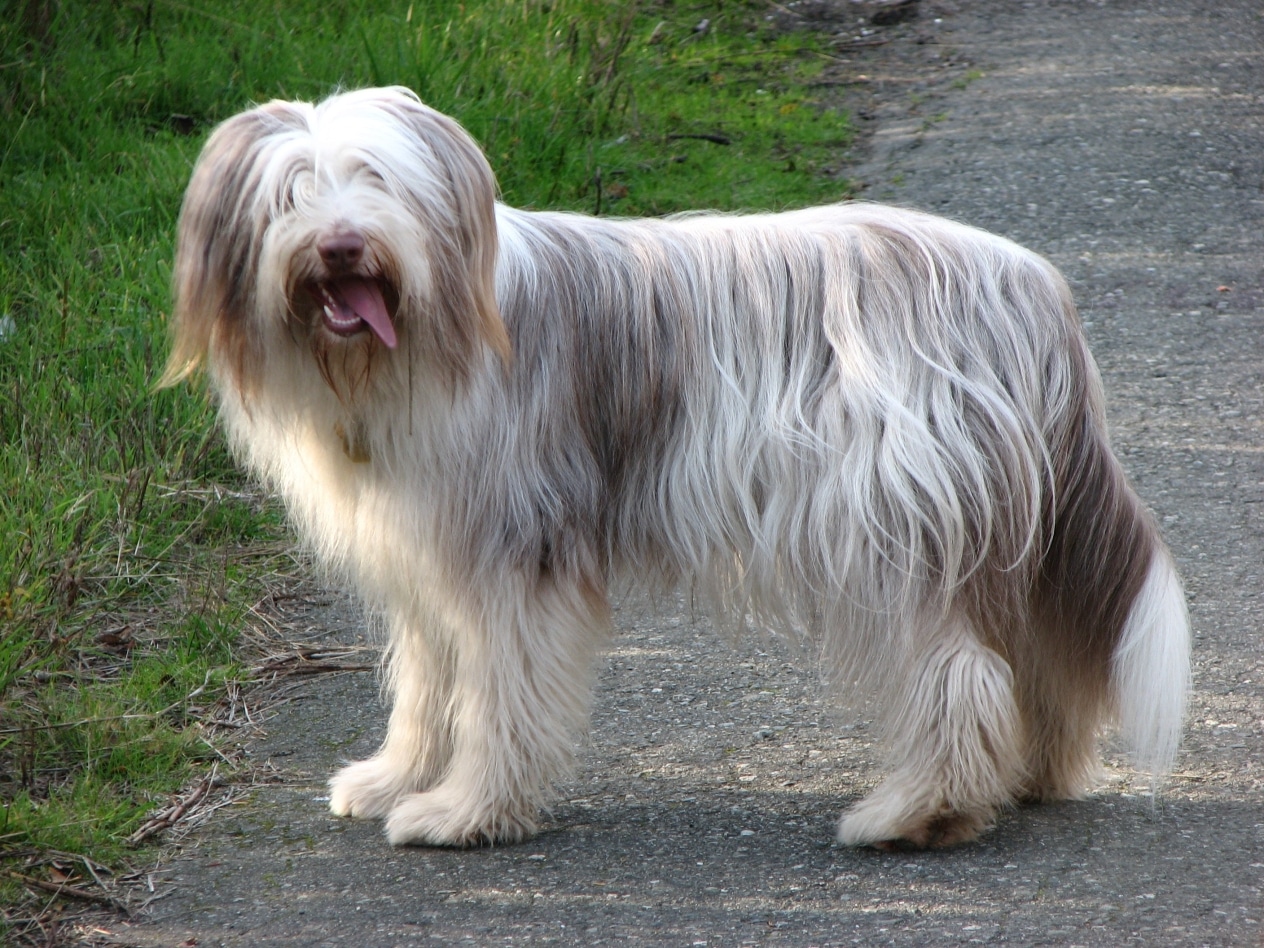
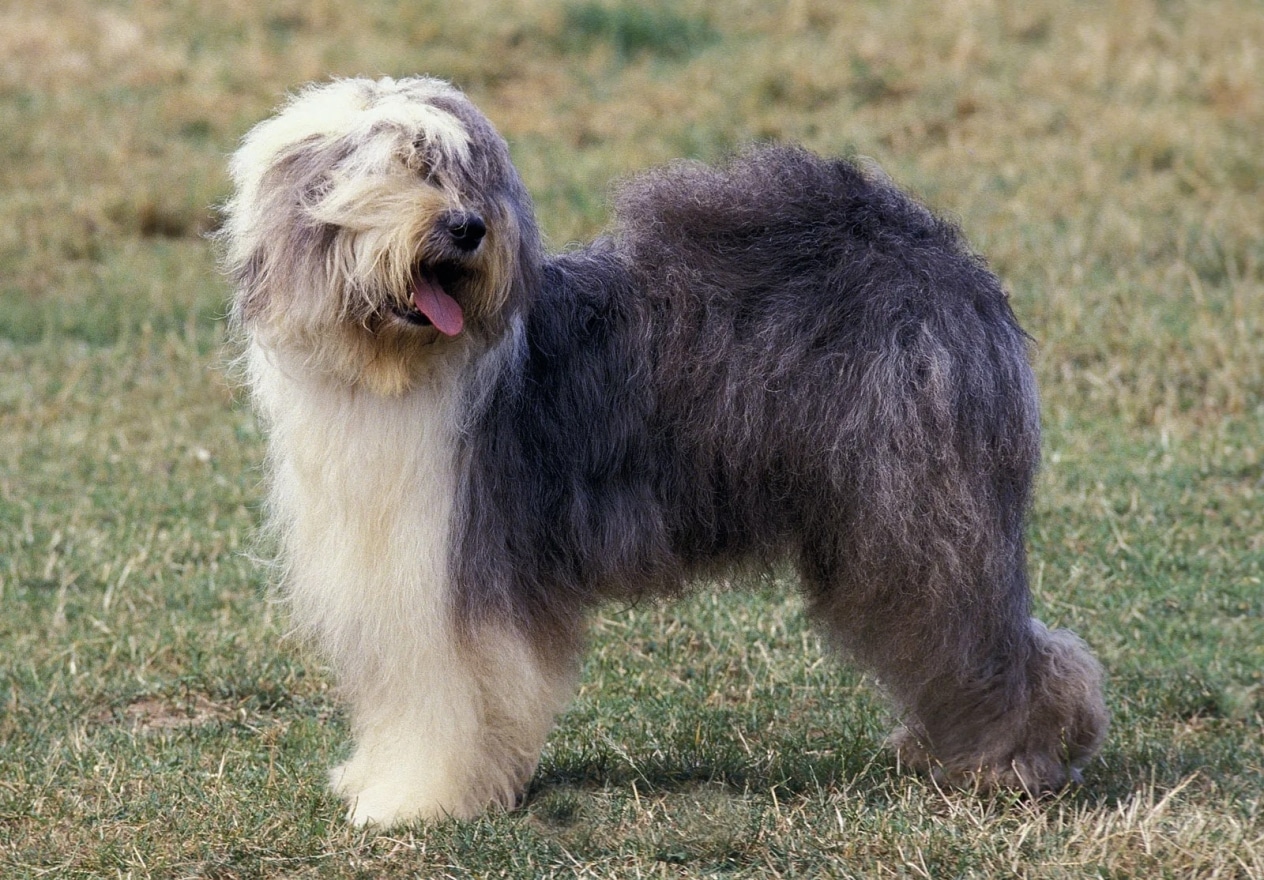
Bearded Collie and Old English Sheepdog.
These sheepdog breeds are covered in thick, long fur that falls over the eyes. They can be distinguished by their build: the Old English Sheepdog is more massive and broad, and its coat is fluffier and heavier. The Bearded Collie has a lighter body, moves more gracefully and has a silkier coat.
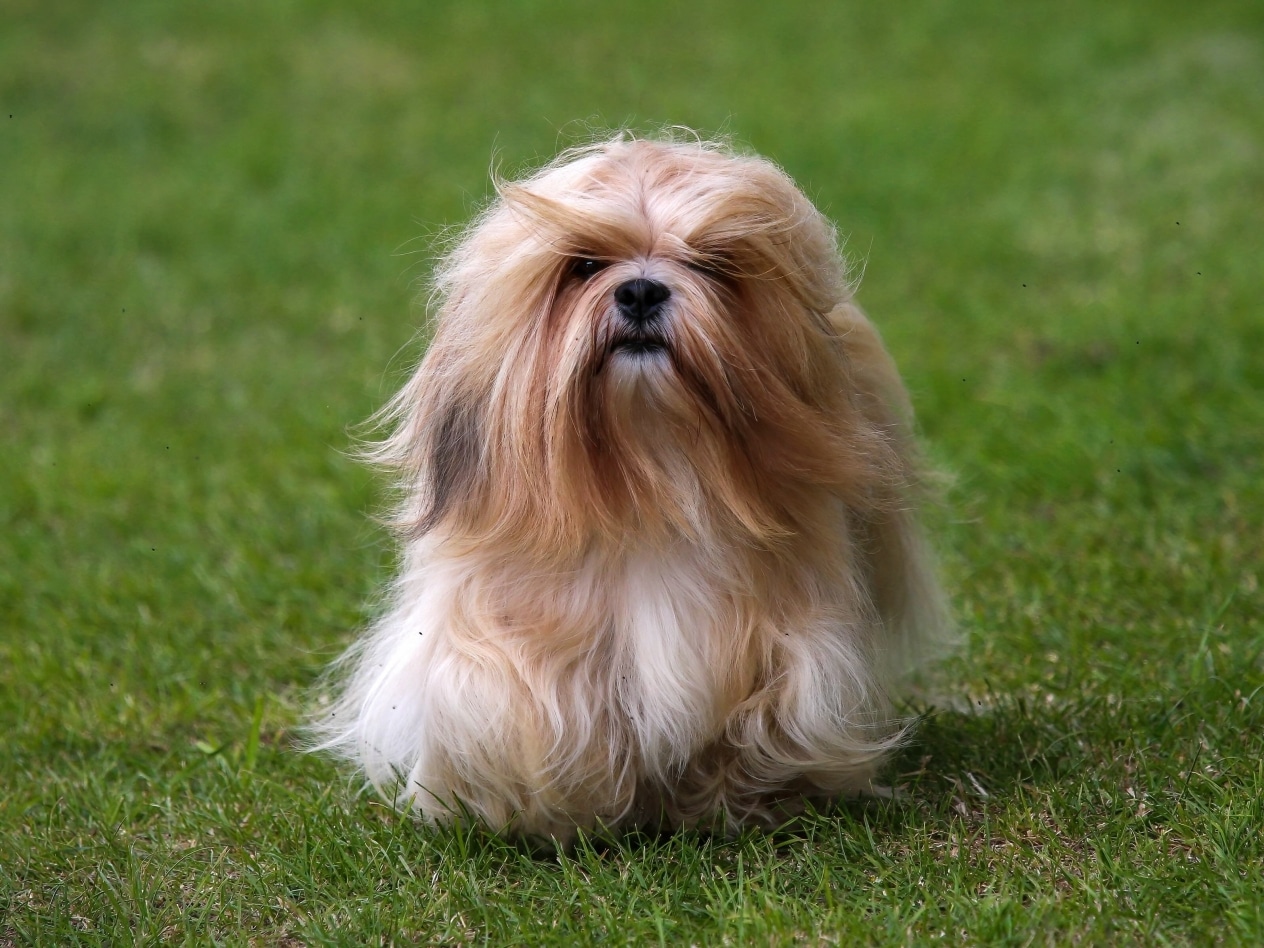
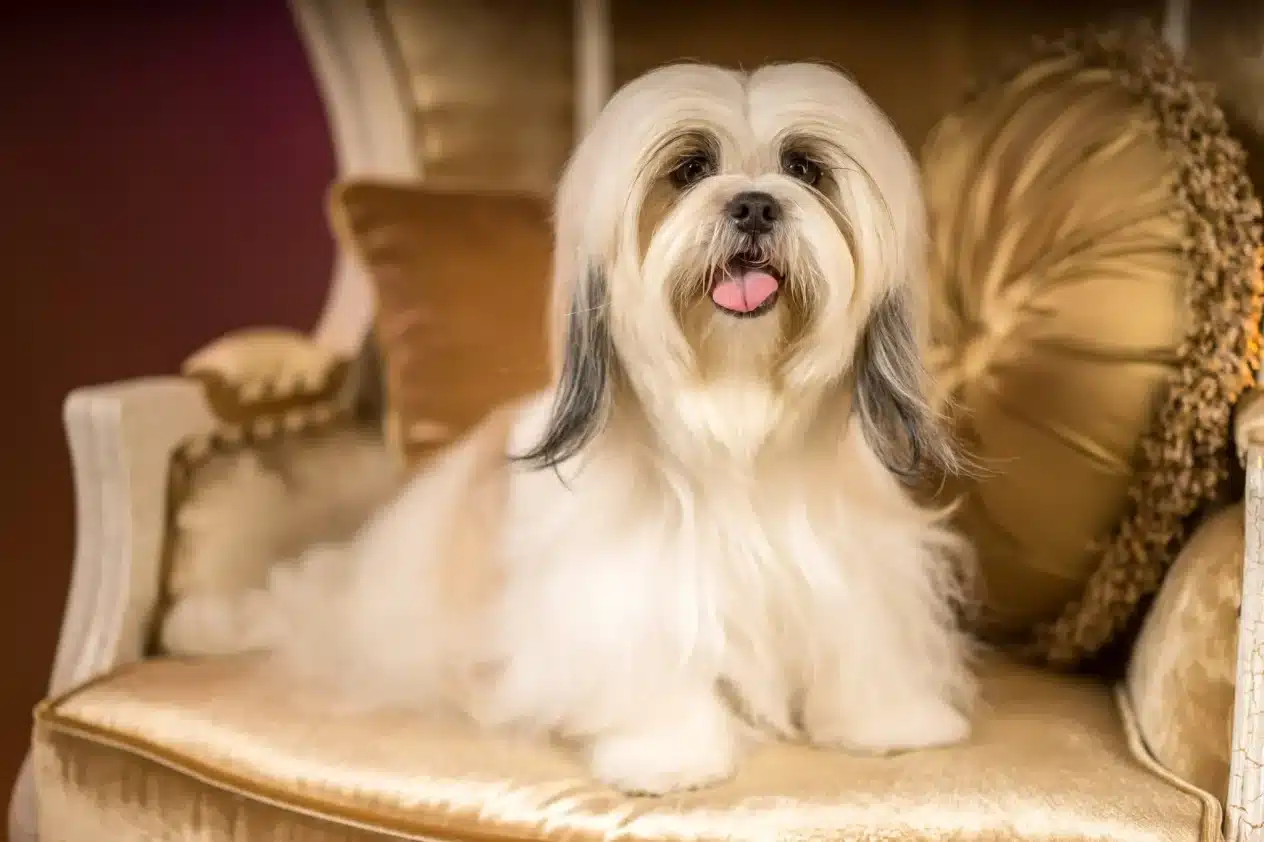
Lhasa Apso and Shih Tzu.
Both miniature breeds have a long, luxurious coat and a compact body. The difference lies in the muzzle: the Lhasa Apso has a longer muzzle, while the Shih Tzu is shorter and rounder. The Shih Tzu also looks more “childlike” with its expressive eyes and more delicate coat.
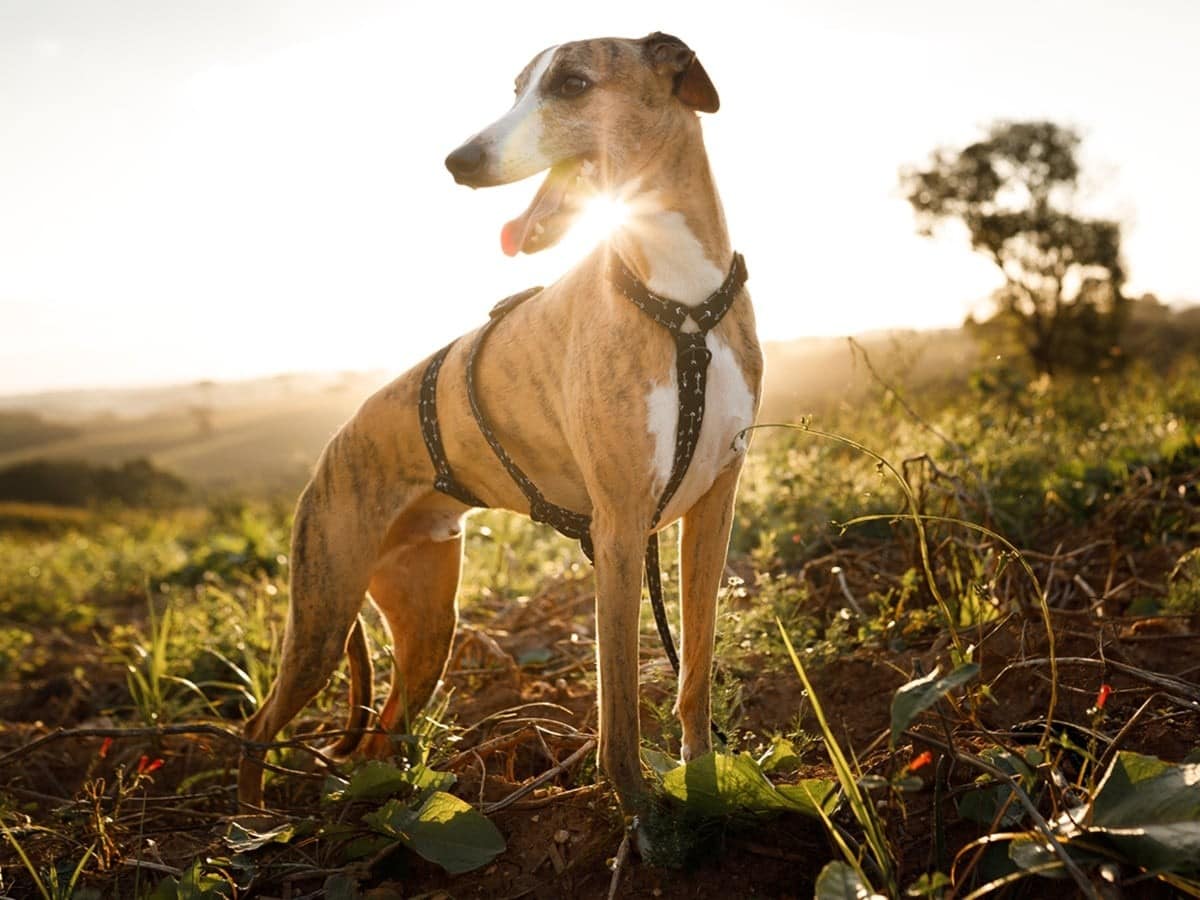
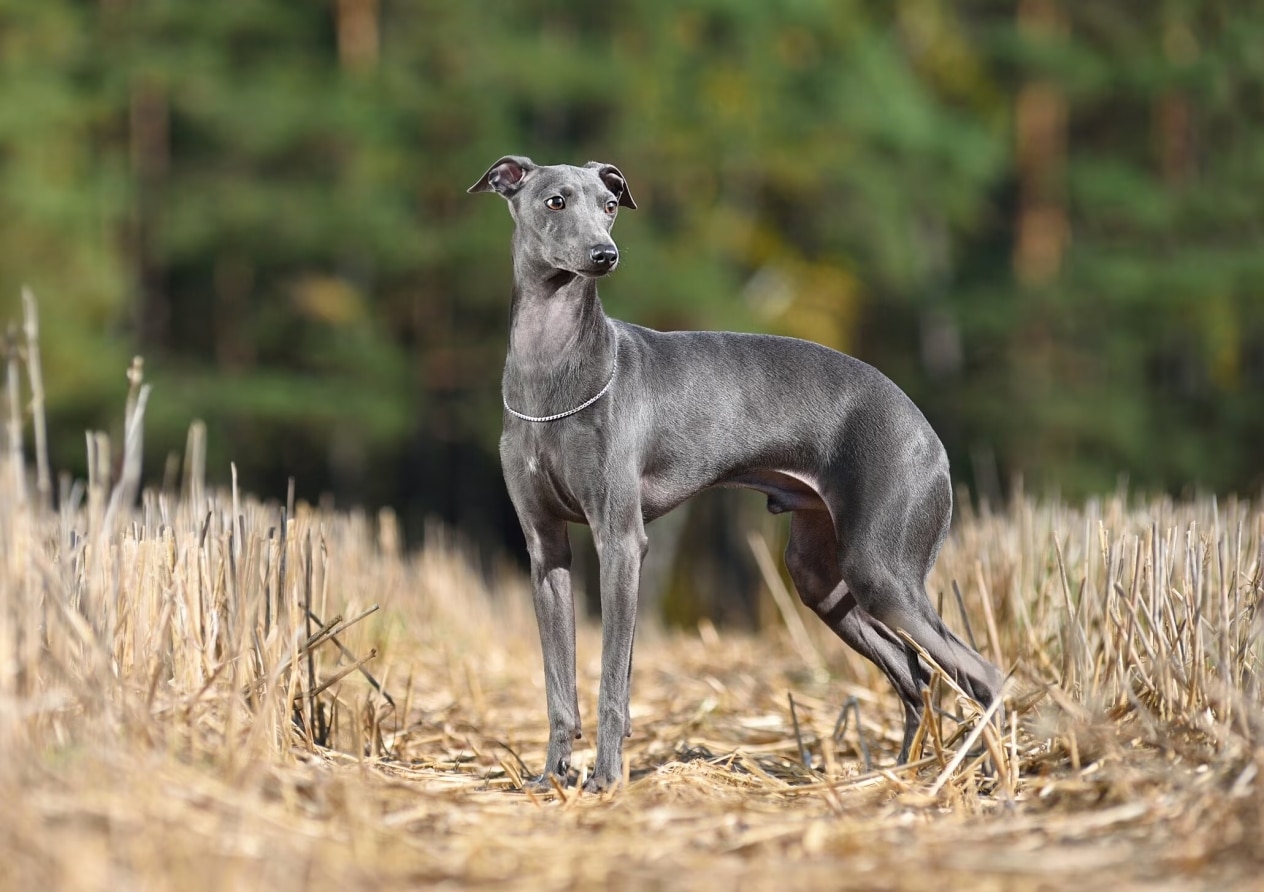
Whippet and Italian Greyhound.
These slender greyhounds look almost identical: thin legs, smooth coat and easy running. But the Italian Greyhound is much smaller and more fragile, while the Whippet is larger and stronger, capable of extraordinary speed. The easiest way to tell them apart is by their size.
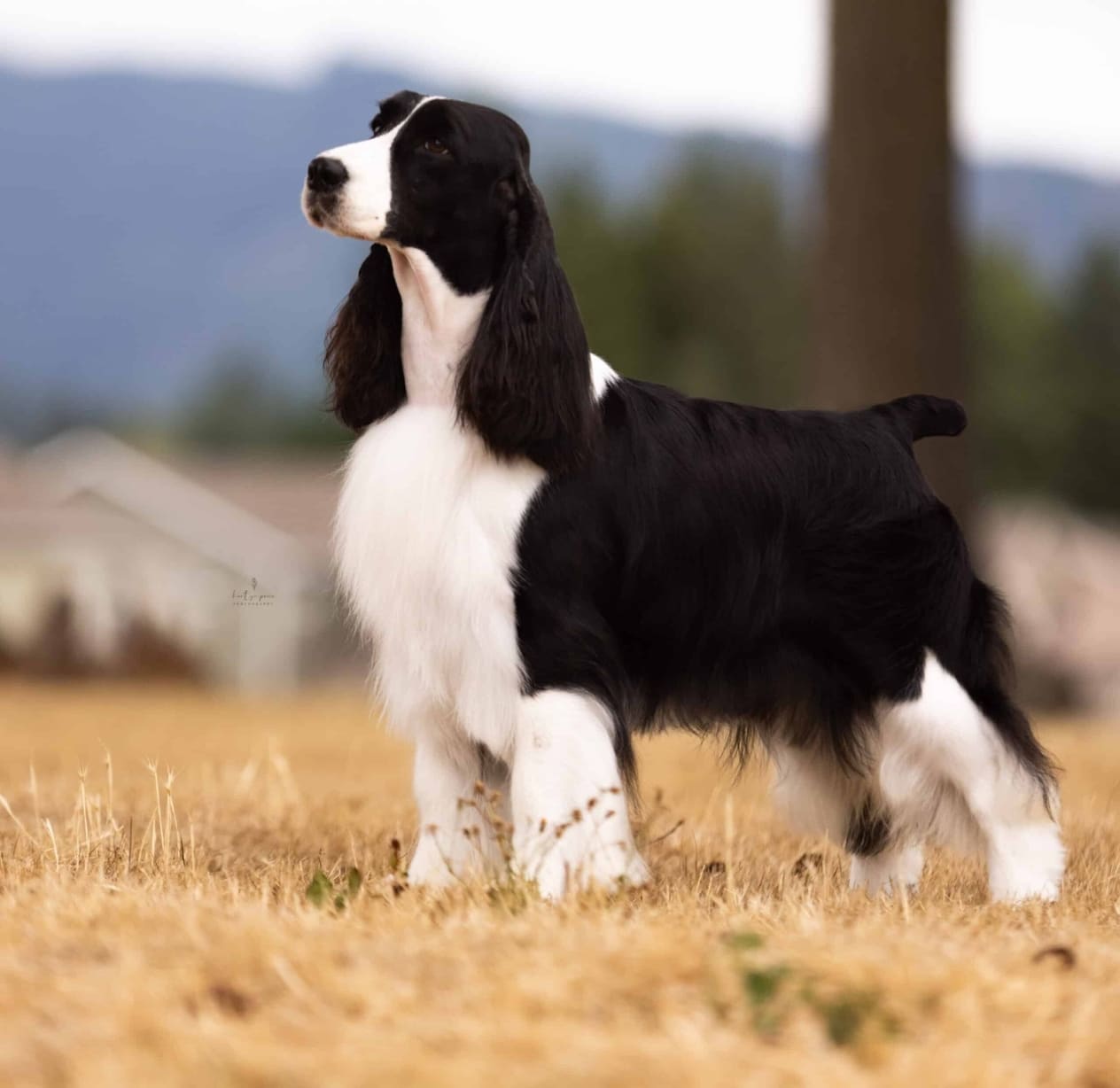
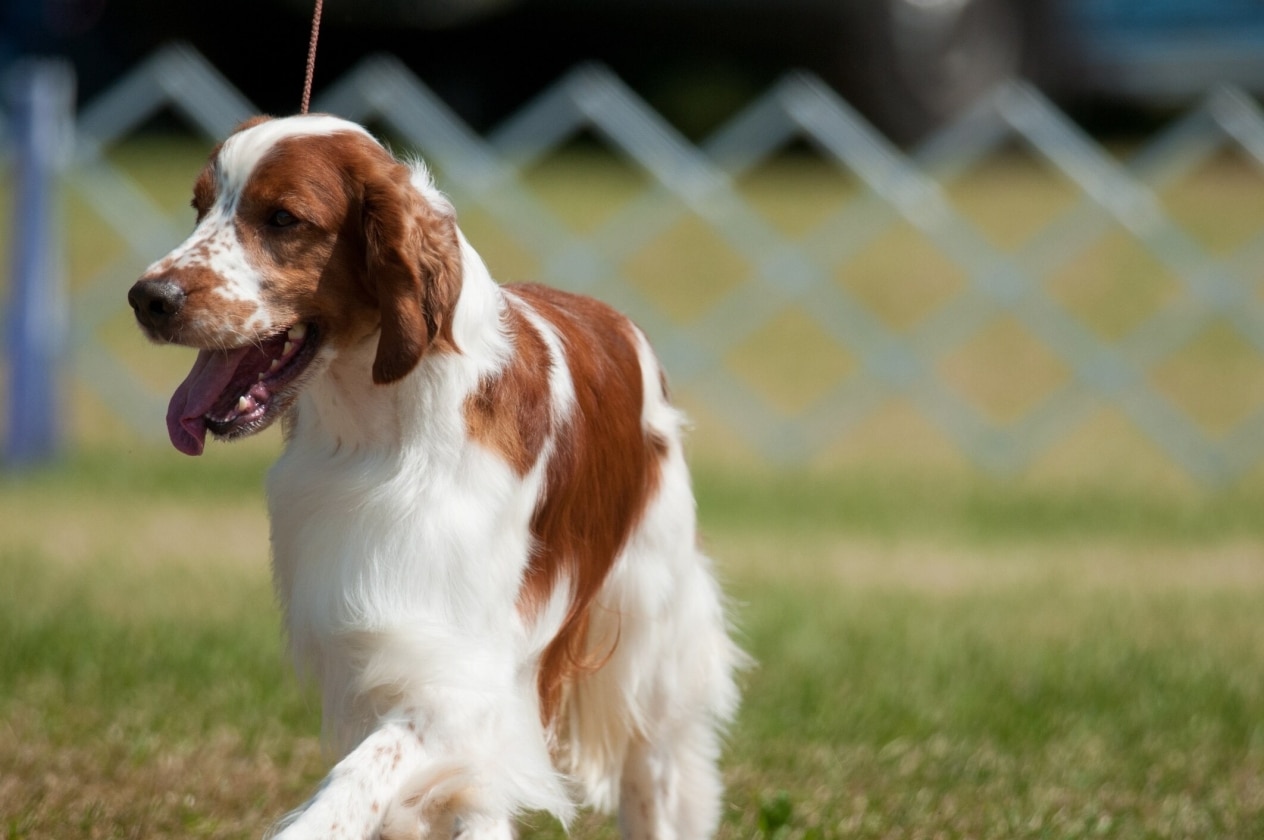
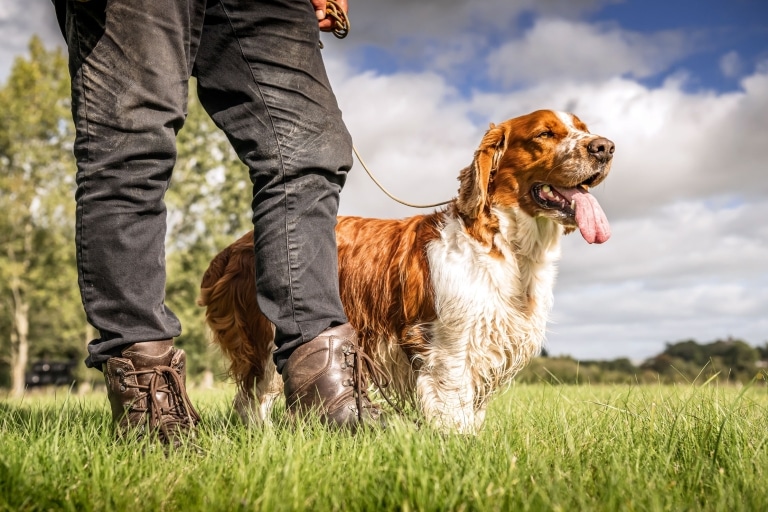
English Springer Spaniel and Welsh Springer Spaniel.
Both spaniels are energetic, with white-red coloring and medium coat length. The difference in color: the Welsh has a richer reddish tone, whereas the English can have black or liver shades. The English also tends to be larger and more colorful.
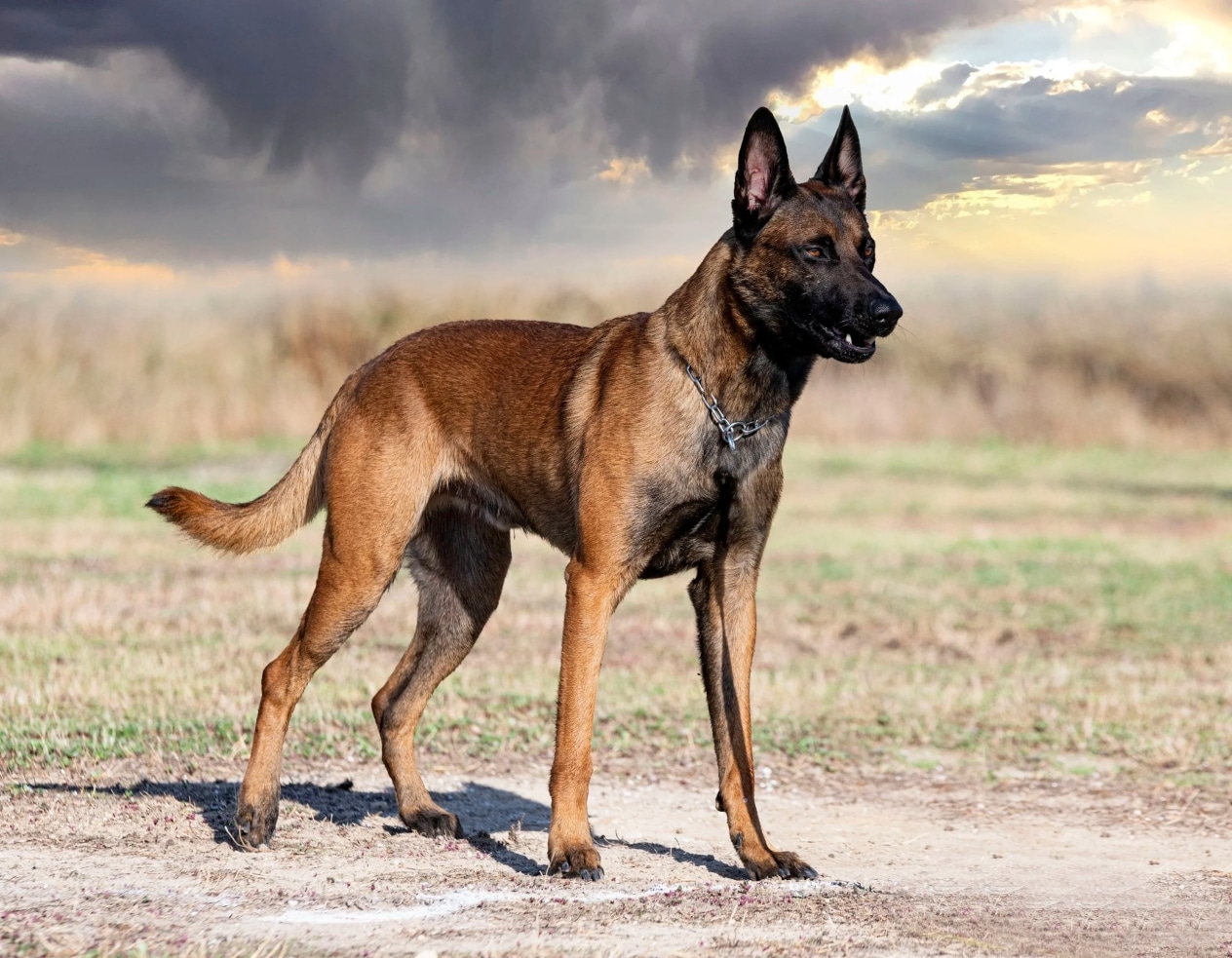
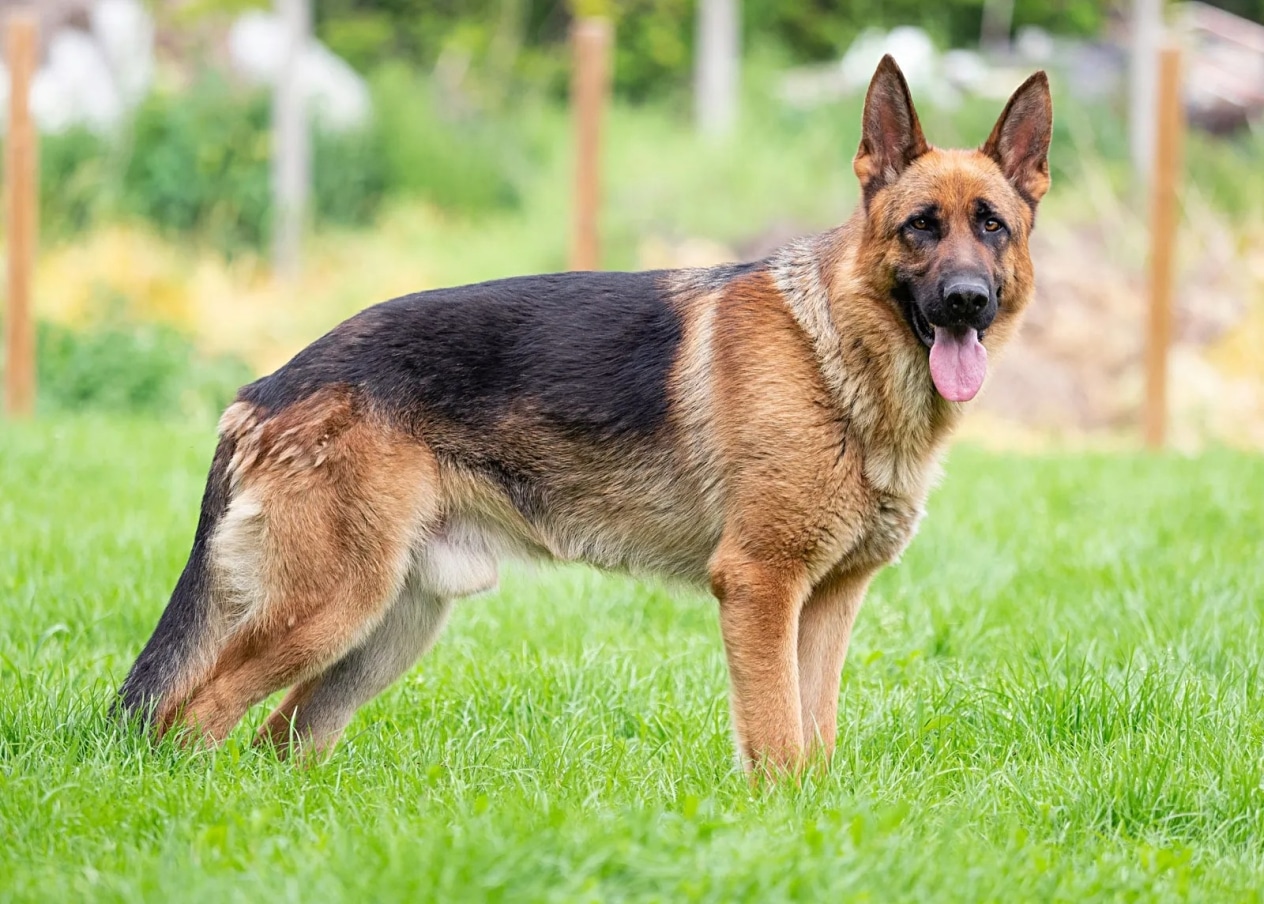
Belgian Malinois and German Shepherd.
At first glance, they are very similar: both breeds are medium-sized, with straight ears and similar coloring. But the Malinois is slimmer and lighter, while the German Shepherd is more massive, with a characteristic sloping back. The Malinois is fast and sharp in its work, while the Shepherd is hardy and balanced.
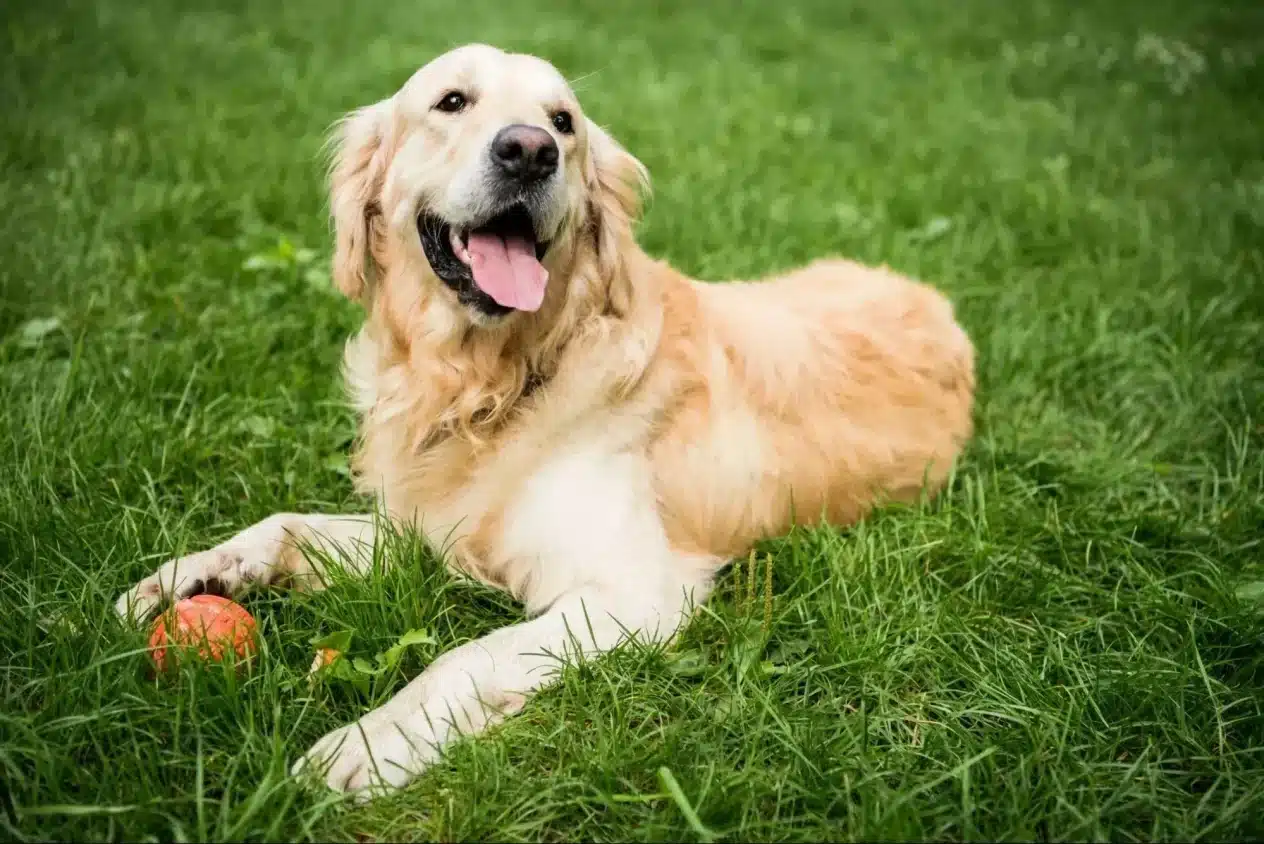
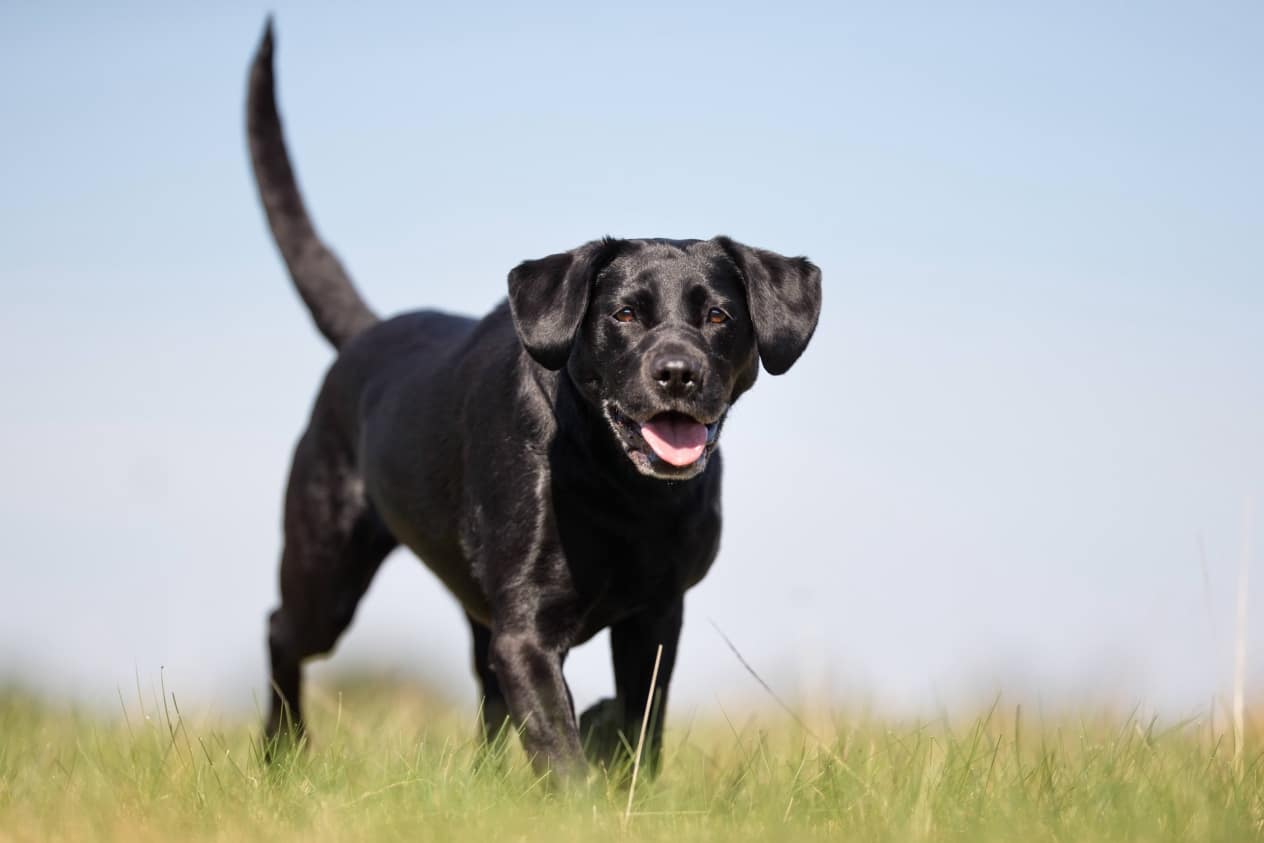
Golden Retriever and Labrador Retriever.
Two of the world’s most popular breeds are often confused. Both have a cream or golden coat color, a friendly personality, and a medium size. But the Golden Retriever has a longer and wavy coat, a fluffier tail, and softer facial features. The Labrador, on the other hand, has a short, dense coat and a more working, sturdy build.
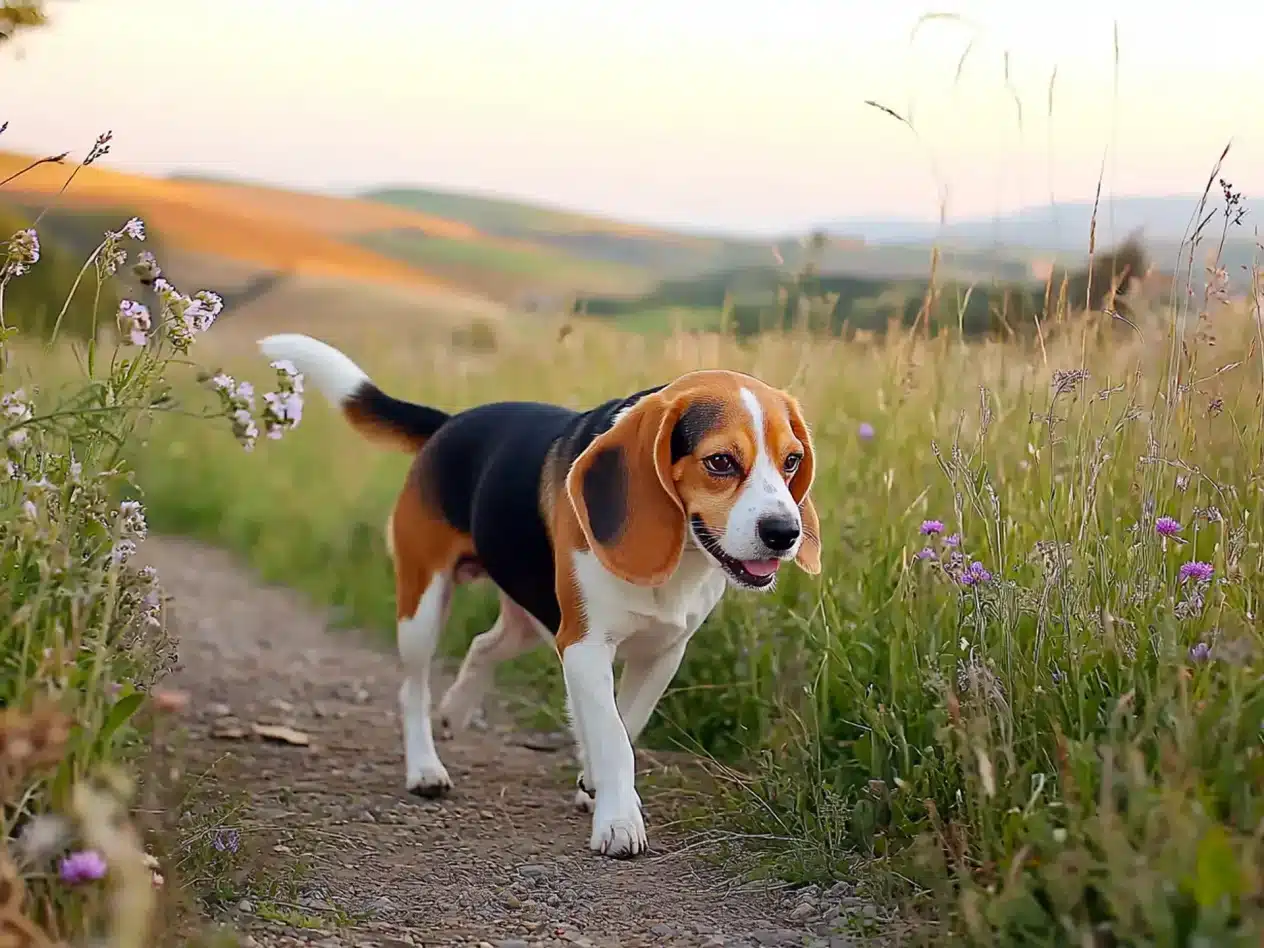
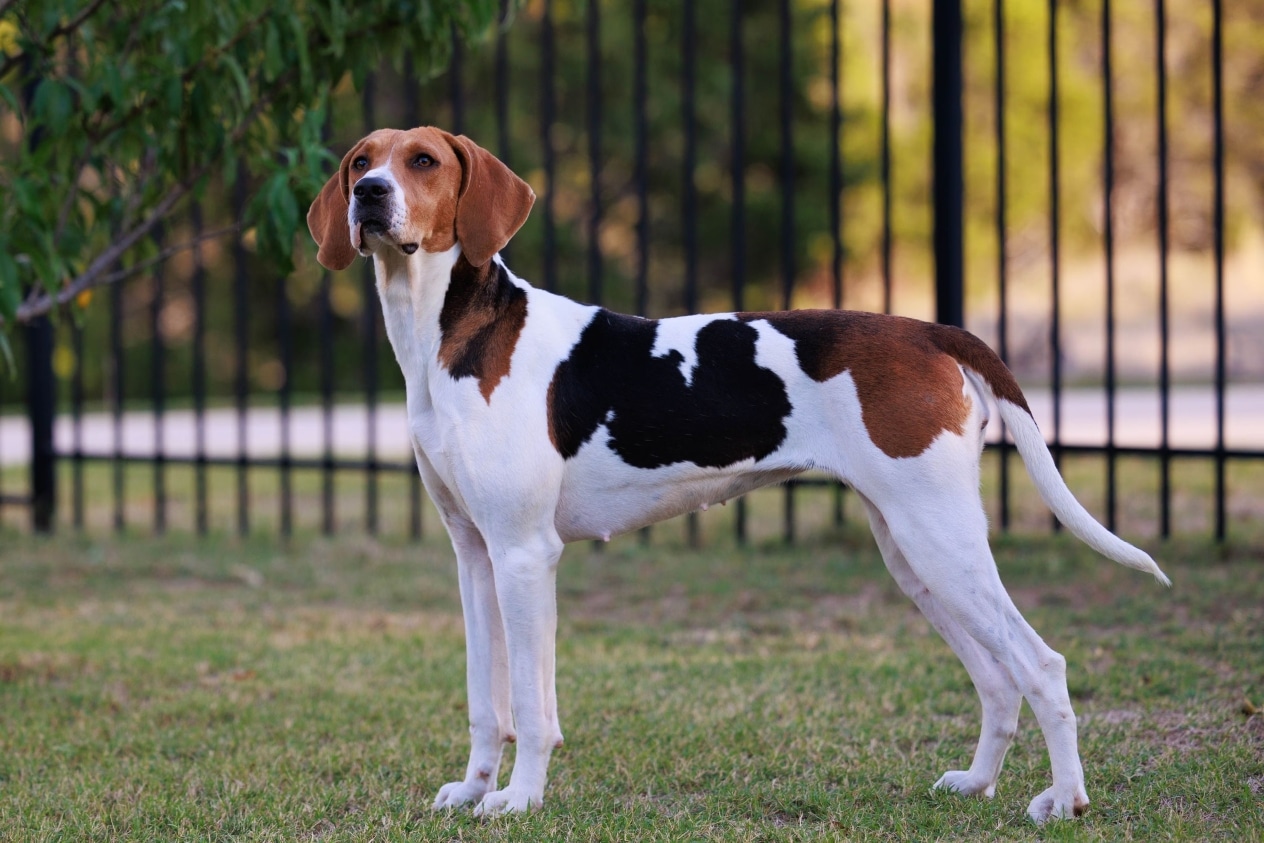
Beagle and Eastern European hounds.
In the hunting regions of Ukraine you can find hunting hounds, which look similar to the Beagle due to their tricolor coloring. Beagles are more compact and have a characteristic “puppy-like” muzzle expression, while hounds are taller, with longer legs and a more working temperament.
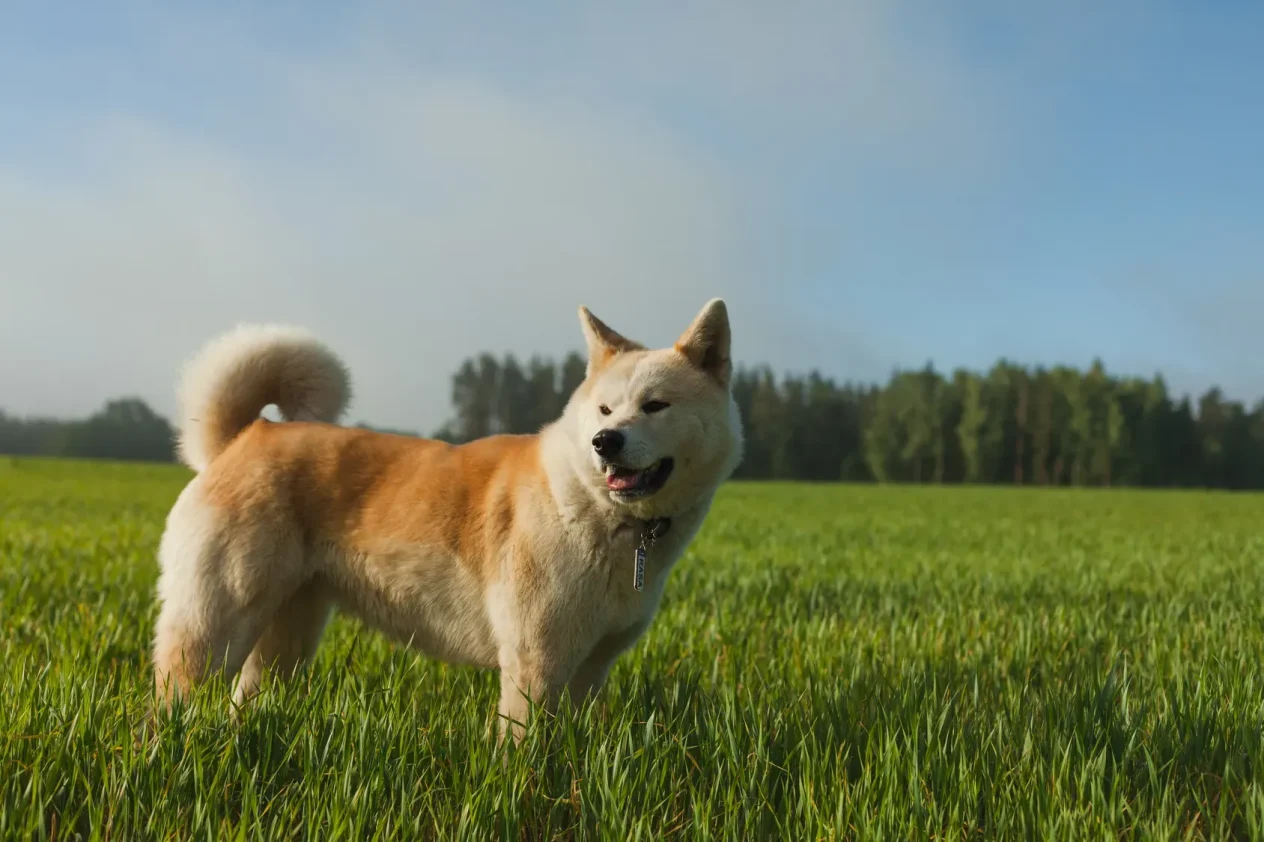
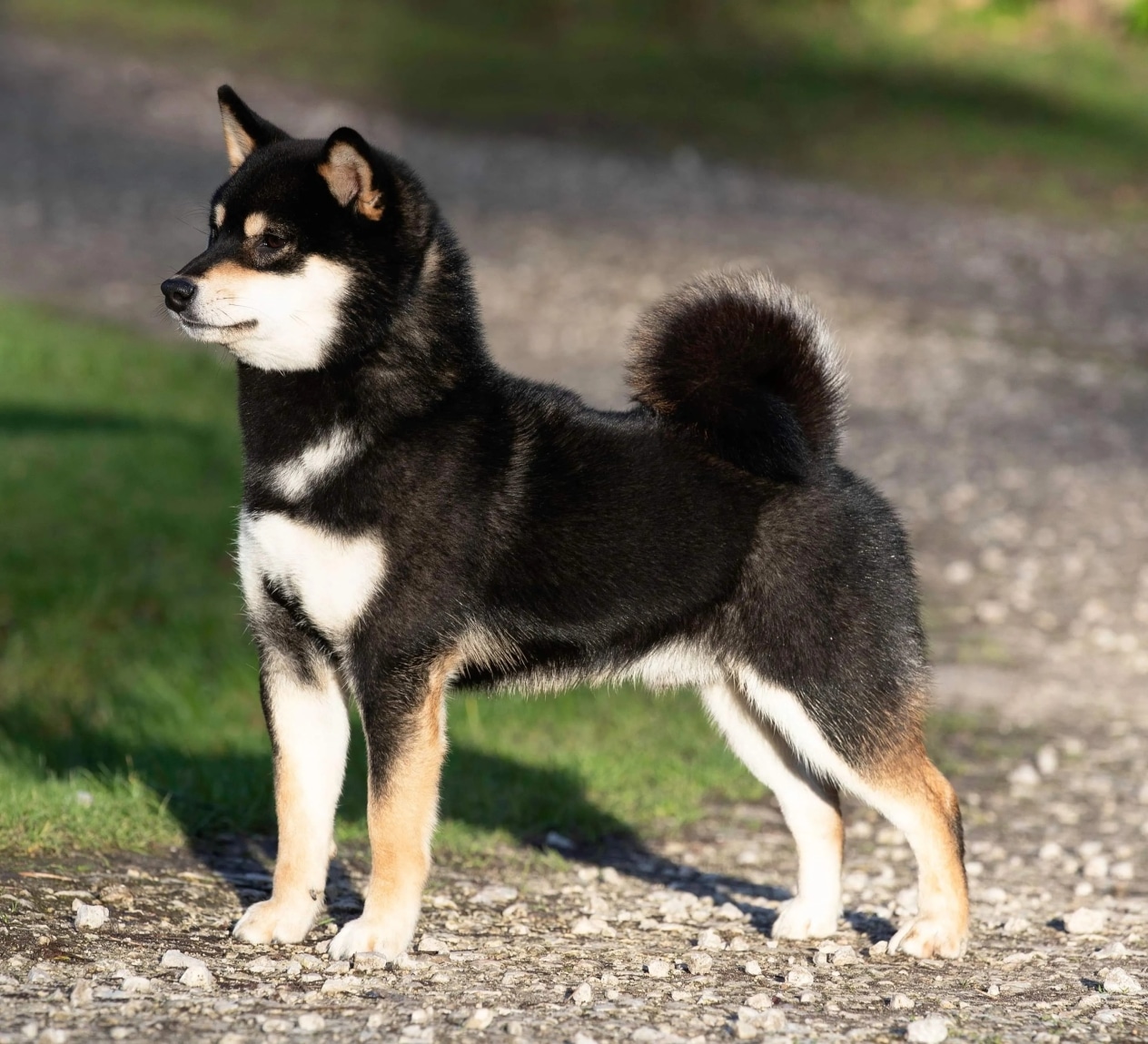
Akita Inu and Shiba Inu.
Both Japanese breeds have red coloring, standing ears and a bent tail. Distinguishing them is simple: the Akita is much larger and more massive, while the Shiba is compact and resembles a “mini version”. In terms of character, the Akita is more calm and serious, while the Shiba is independent and energetic.
Why it is important to know the difference
Recognizing breeds correctly is important for more than just interesting conversation on a walk. It determines your dog’s approach to nutrition, coat care, exercise levels and even veterinary care. Some breeds are prone to specific diseases and have different temperaments, so knowing the small differences helps ensure a happy and healthy life for your dog.