History and origins
The English Mastiff is one of the oldest and largest breeds in the world, dating back to Roman times. Historians remember these dogs as fearless fighters who accompanied warriors in battle, guarded estates and were even used to hunt large animals. In medieval England, mastiffs were kept in castles as watchmen, capable of independently scaring off thieves or predators.
The modern English Mastiff has retained its greatness, but its role has changed. Today it is more of a calm family guardian than a warrior. It is known for its poise, loyalty and friendliness to children.
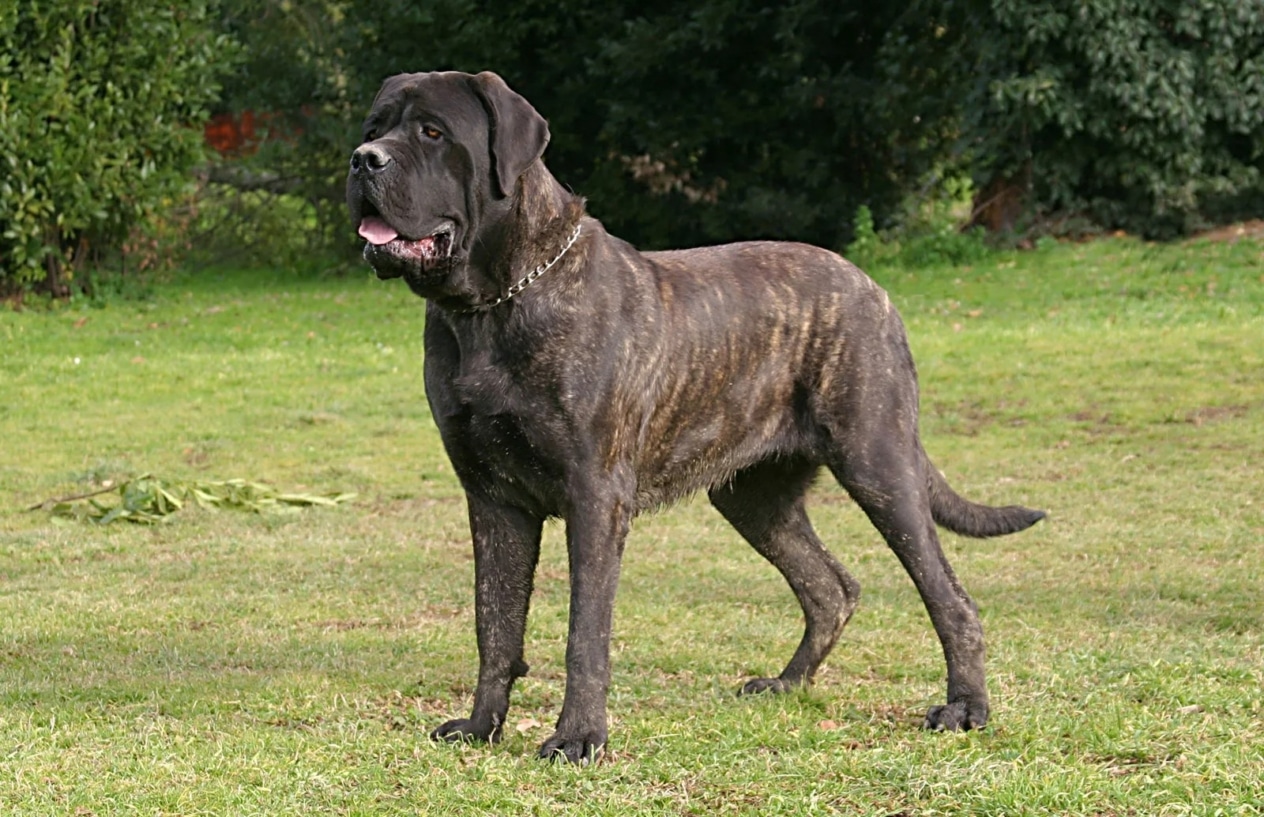
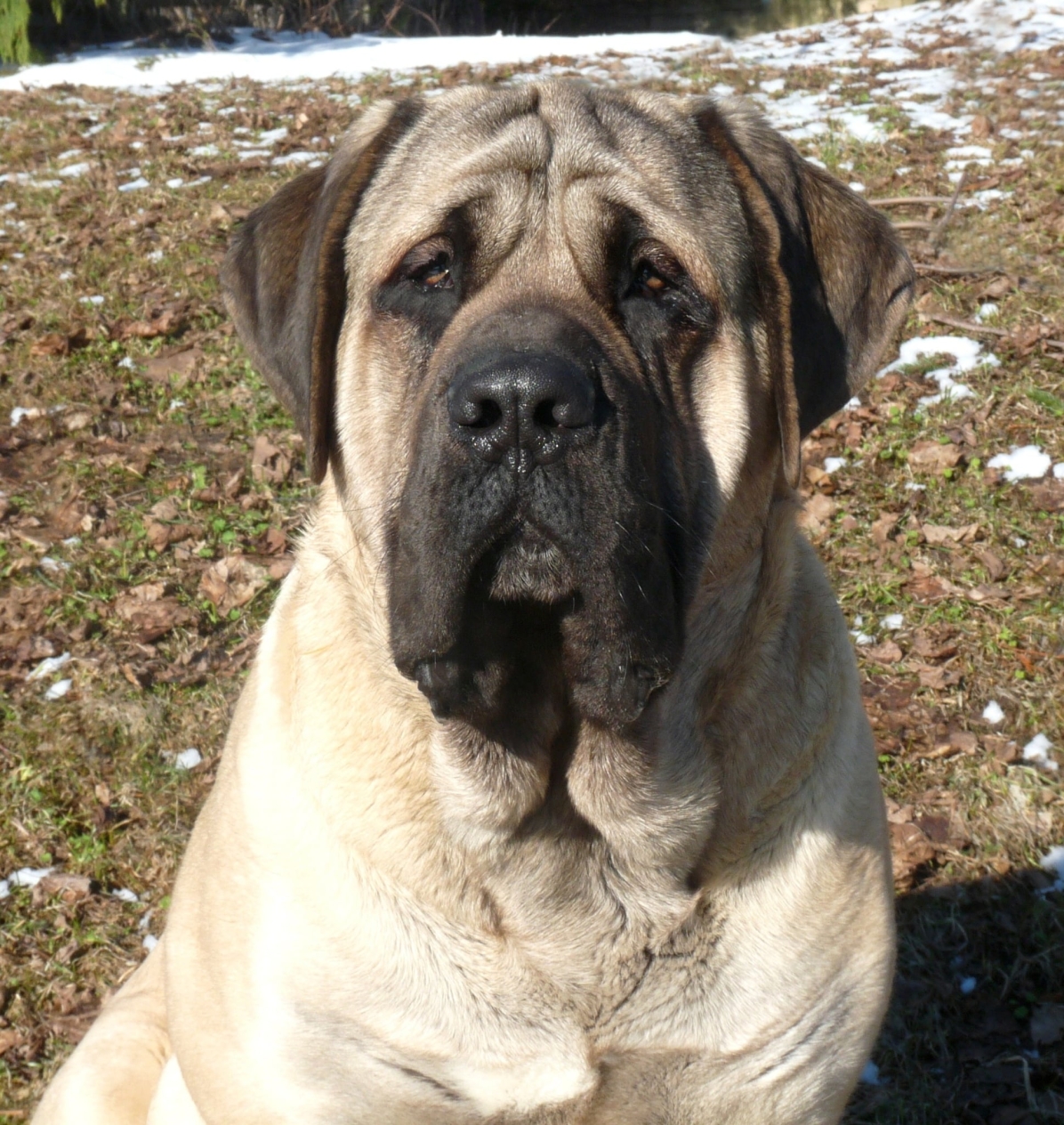
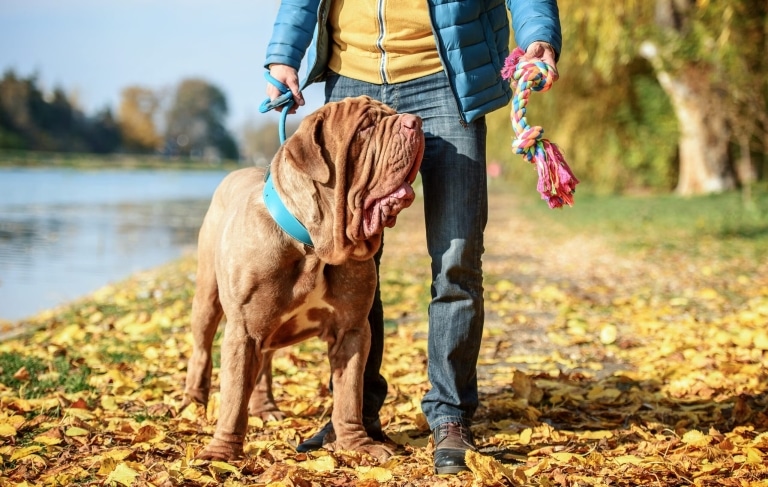
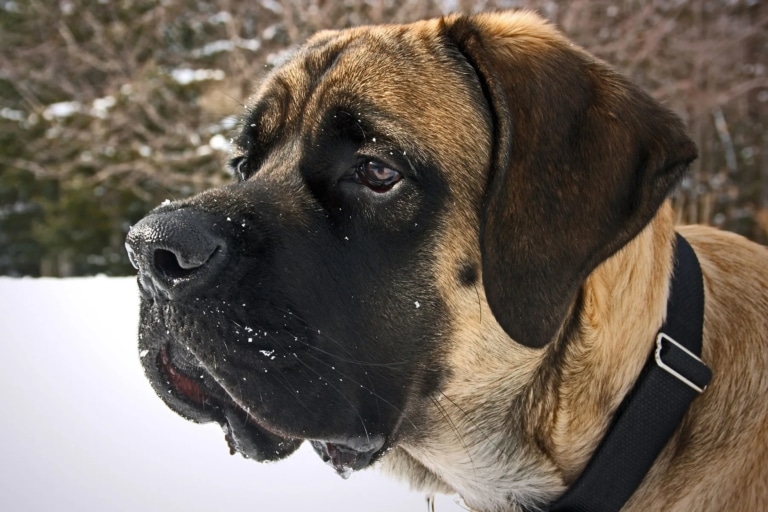
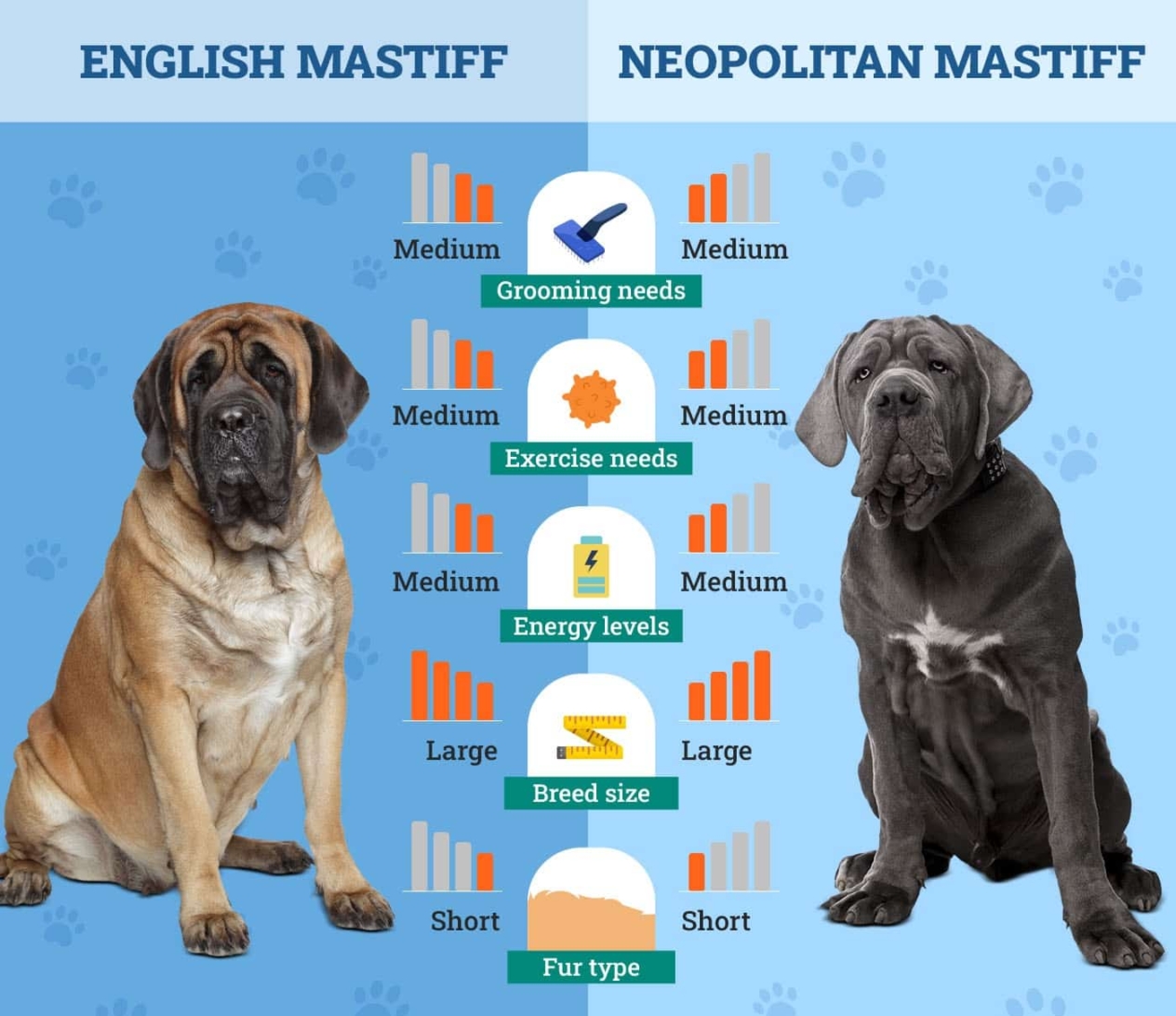
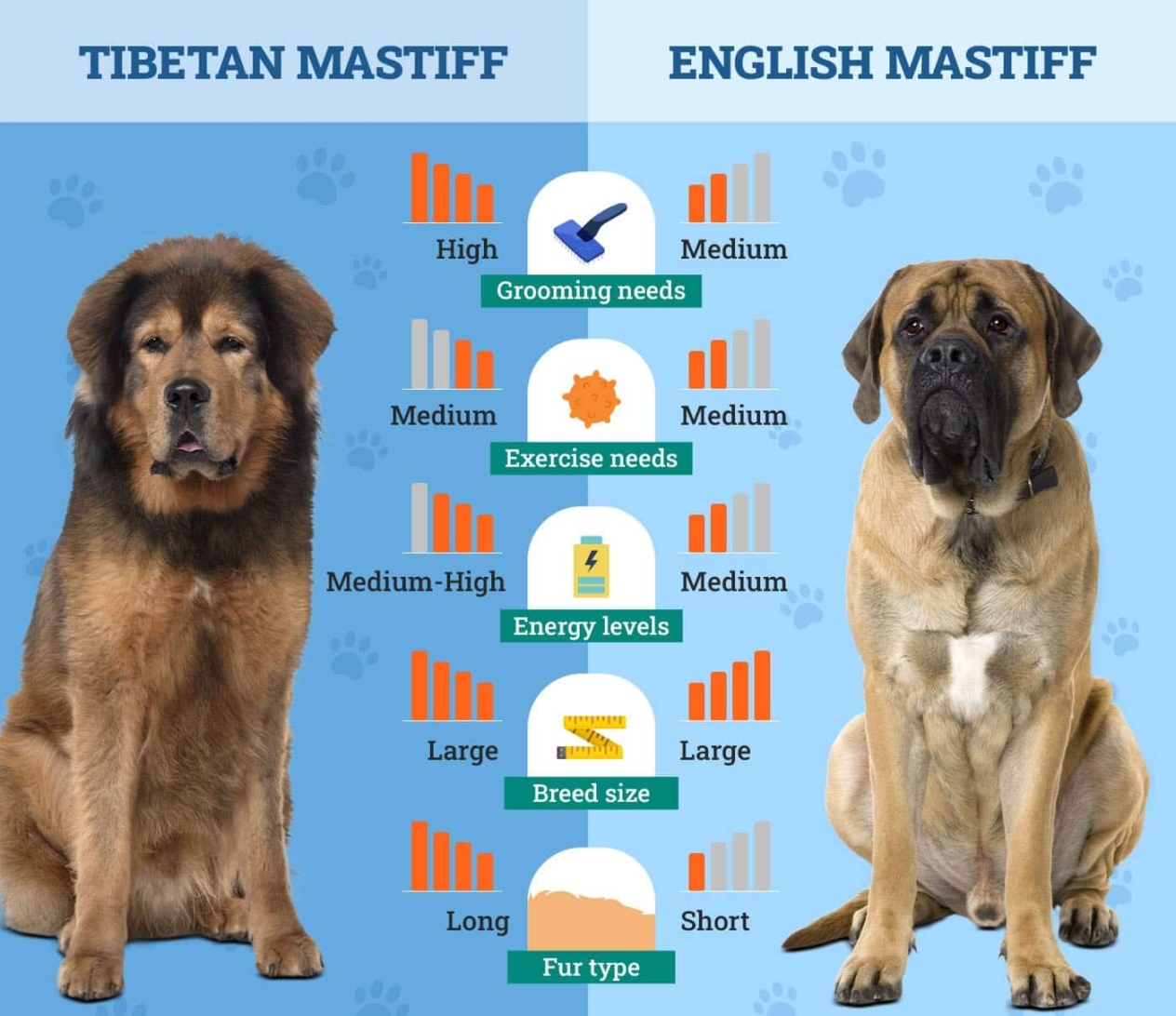
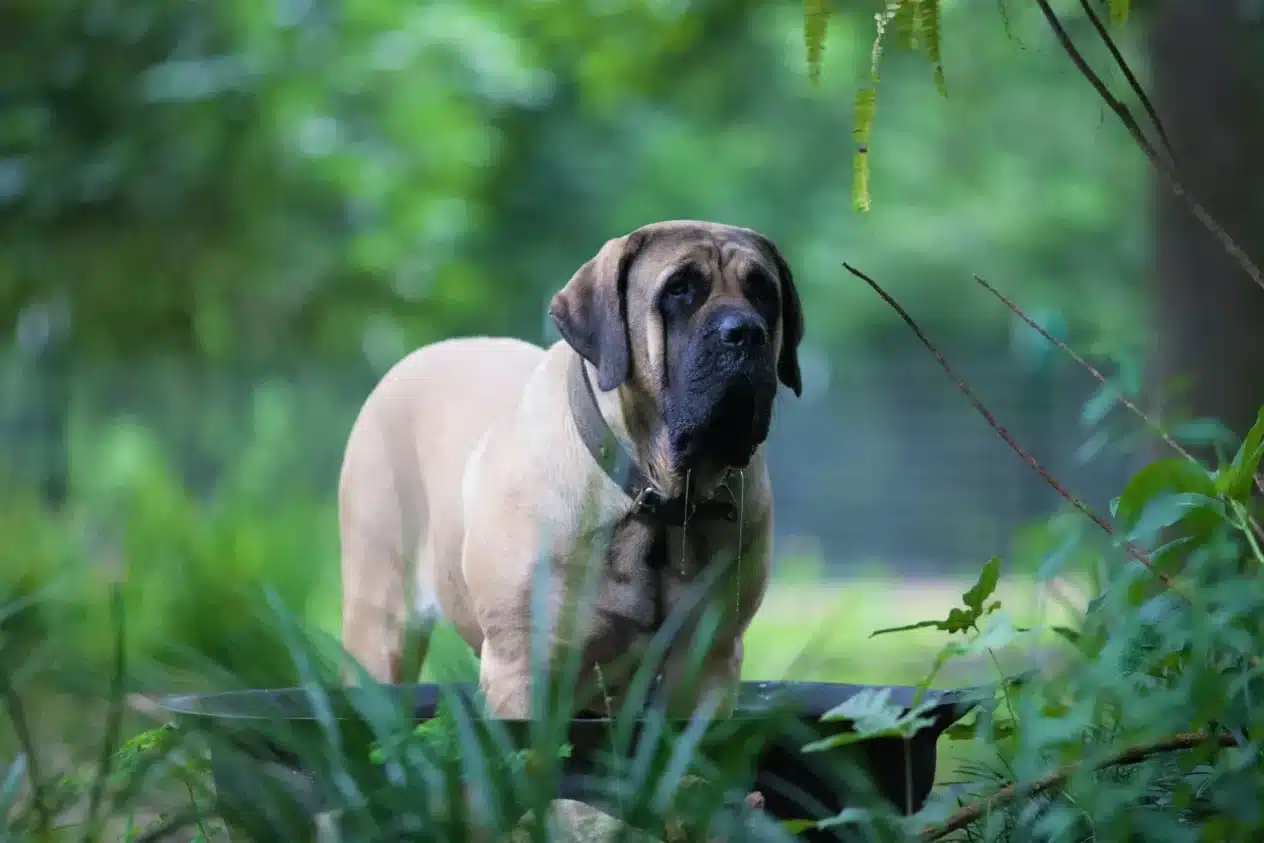
Adult male Mastiffs can reach 90 cm in withers and weigh more than 100-120 kg. Bitches are a little smaller, but also give the impression of majestic dogs. The body is broad, muscular, with powerful paws and strong bones. The head is large and square, with a short muzzle and folds of skin. The coat is short and dense, with a thick undercoat that protects from the cold.
Character and behavior
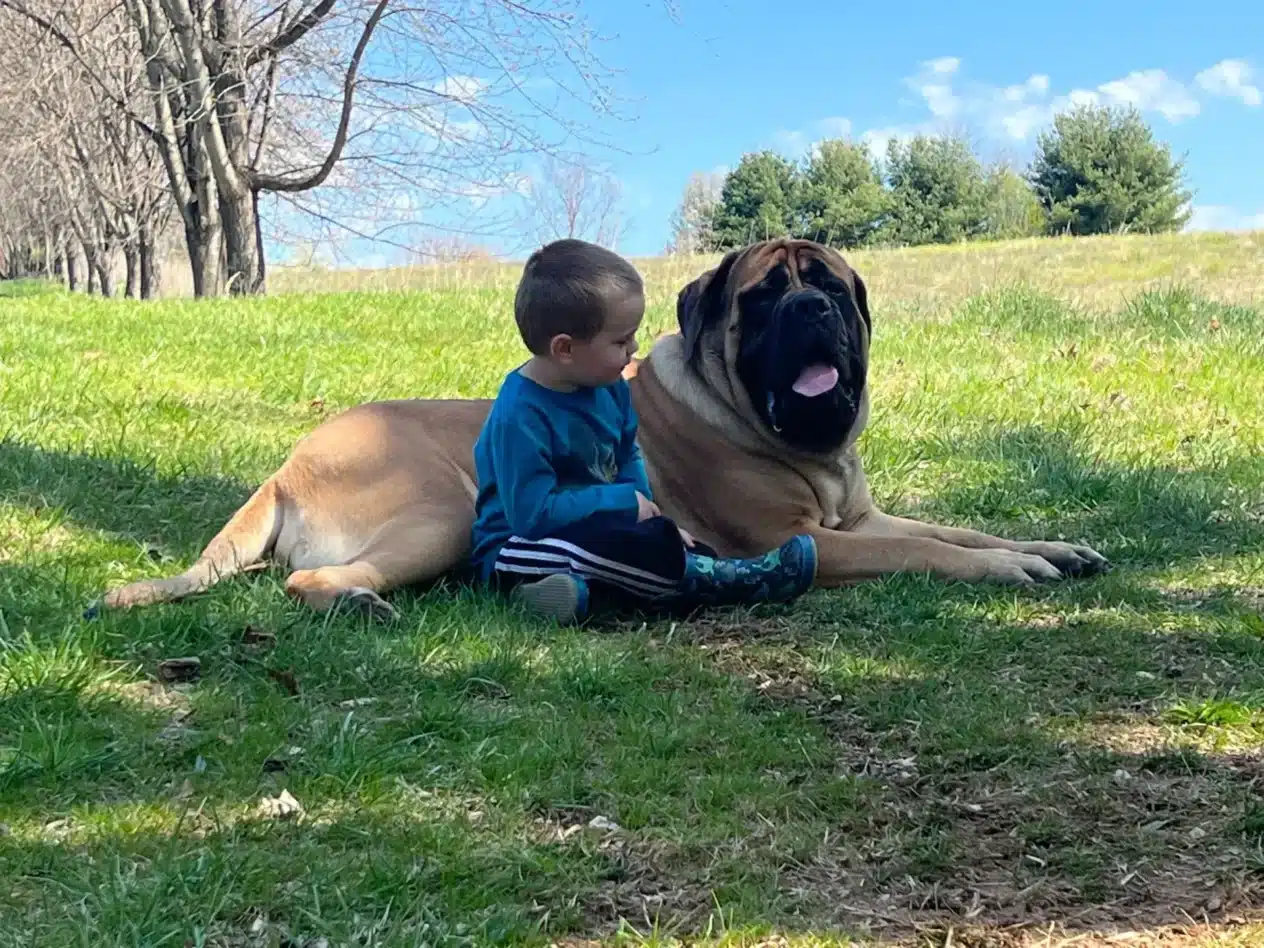
The English Mastiff is a giant dog with a soft soul. Despite the formidable appearance, he has a calm and balanced character. Its main trait is loyalty to the family. Mastiff is not prone to excessive aggression, but in case of danger instantly becomes on the defense of the owner.
In everyday life, this is an intelligent, patient and even a little lazy dog. It does not need excessive activity, but daily walks are mandatory to maintain health. Thanks to its poise and natural calmness, the Mastiff gets along well with children and other pets.
Mastiff puppies
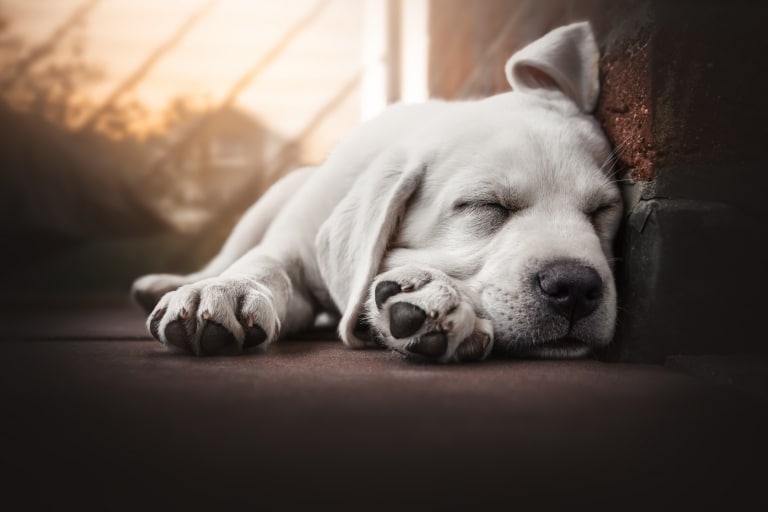
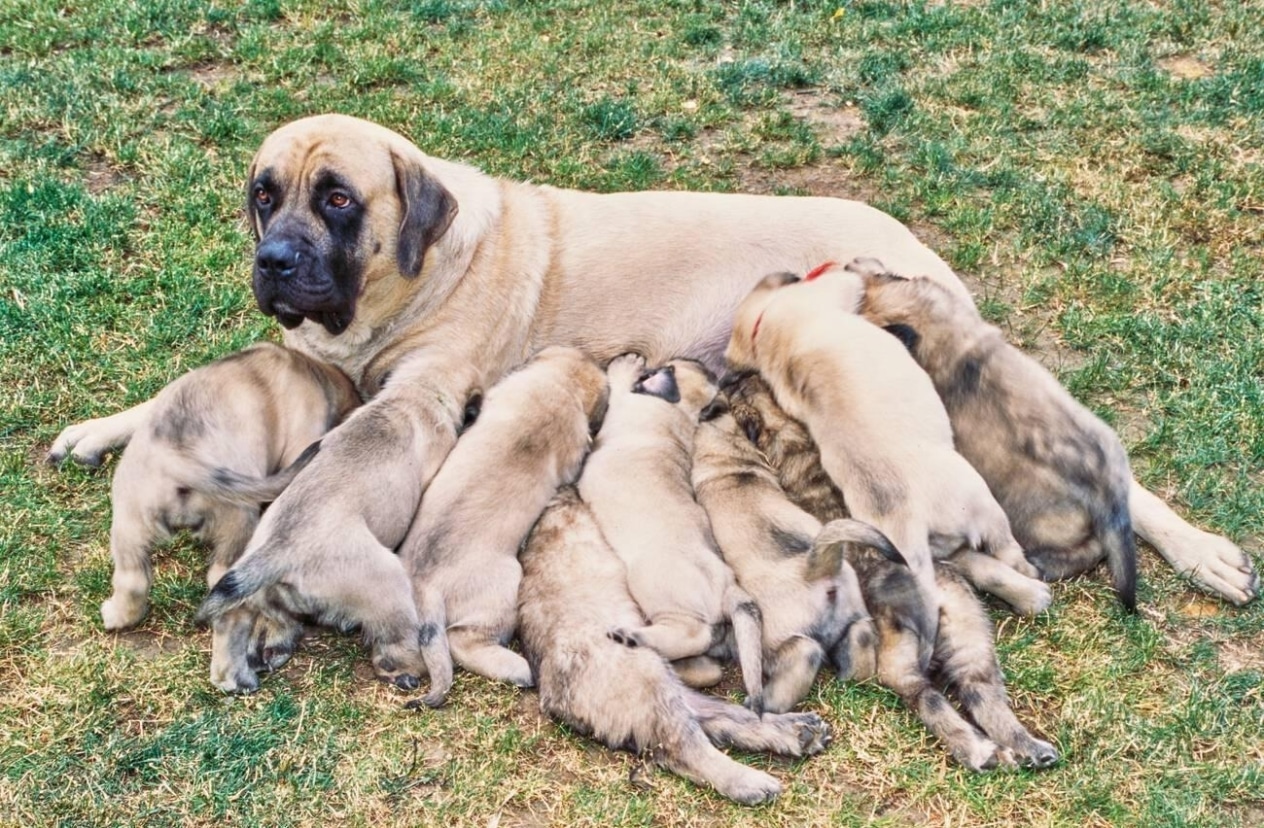
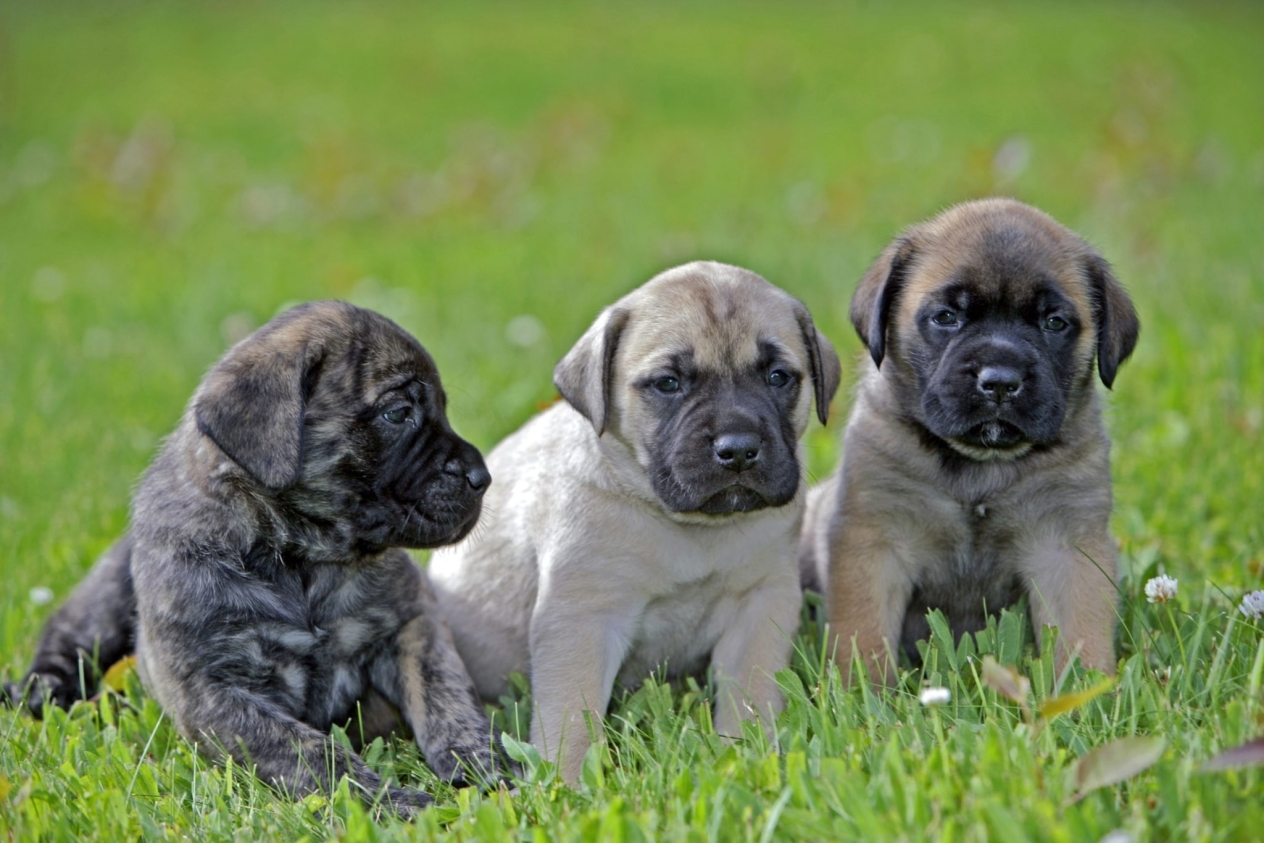
Baby Mastiffs grow quickly and can gain up to 60-70 kg in the first year. Proper development requires a careful selection of food with a high content of proteins and minerals, because their joints and skeleton are under great strain. In education, early socialization is important, as an unmanageable mastiff in adulthood can become a serious problem. Puppies are energetic, playful, but immediately show guarding instincts.
English Mastiff grooming
Despite its short coat, the English Mastiff needs systematic and attentive grooming. It is not an ornamental breed, but its large body, tendency to shed and skin characteristics require regular grooming.
The mastiff’s coat is dense, with a well-developed undercoat. He molts twice a year – in spring and fall, and the molt is quite intense, given the size of the dog. During this period, the Mastiff should be combed out at least 3-4 times a week, using combs with metal teeth, fluffers and rubber gloves to remove dead hair. Out of season, one thorough combing per week is sufficient. This not only reduces the amount of hair in the house, but also stimulates circulation and skin health.
Bathing of mastiffs is carried out infrequently – once every 2-3 months or when necessary. For washing, be sure to use special shampoos for dogs with sensitive skin, because because of the large folds, mastiffs are prone to irritations. After bathing, it is important to thoroughly dry the coat and especially the skin folds to avoid the development of bacteria and fungal infections.
Special attention should be paid to the ears, which are large and prone to accumulation of dirt and moisture. Regular cleaning with special wipes or solutions prevents otitis media. The eyes should be inspected and wiped if discharge appears.
Nails will naturally shed due to the dog’s weight, but they should be checked regularly and trimmed if necessary. It’s also important to brush his teeth or at least give him special treats to clean them – Mastiffs are prone to tartar buildup.
The skin folds on the muzzle and neck deserve special attention. In the warm season, moisture, food residue or dirt can accumulate in them, which leads to irritations and unpleasant odor. They should be inspected daily and cleaned with soft wipes.
Conclusion
The English Mastiff is a living legend among dogs that combines gigantic size and good-natured character. It is perfectly suited for the role of guardian and family pet, but requires a responsible owner who is willing to pay attention to education, health and regular grooming.
This breed requires space, quality food and consistent grooming. However, for those who are able to give it the right conditions, the English Mastiff becomes not just a dog, but a true friend and guard whose greatness is felt in everything.