What hypervitaminosis is and why it occurs
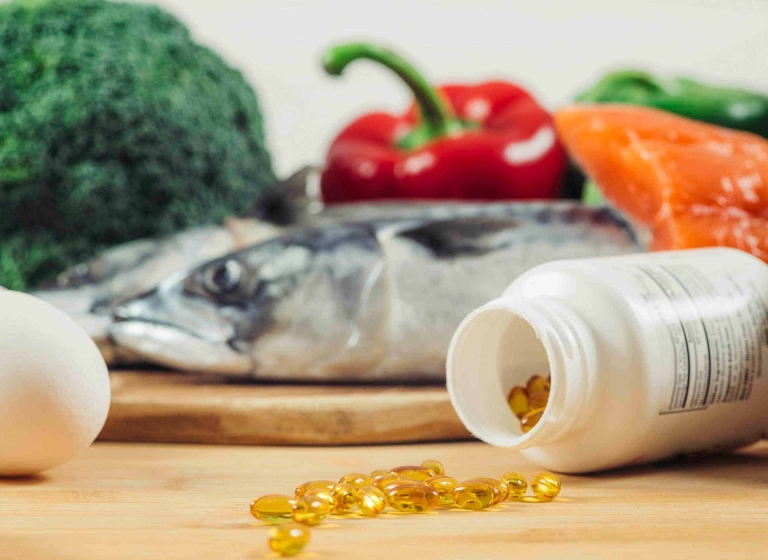
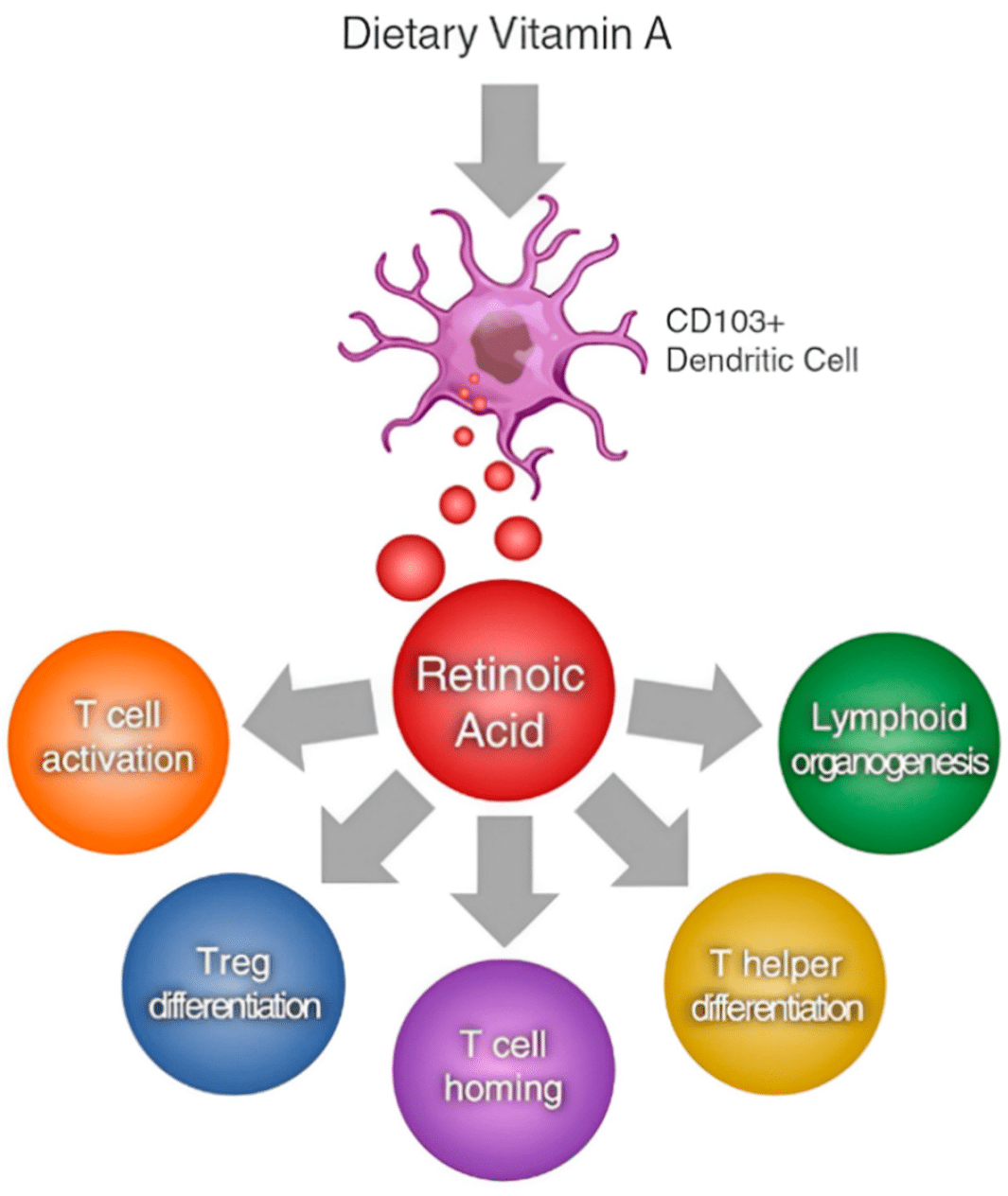
Hypervitaminosis in cats is a pathological condition that develops due to excessive vitamin intake in the body. Most often it occurs with the improper use of vitamin supplements, when owners, wanting to make the diet better, exceed the recommended doses. Fat-soluble vitamins A, D, E and K are especially dangerous for cats, as they accumulate in the liver and fatty tissue, unlike water-soluble vitamins (C and B), which are more often excreted from the body. Excess vitamins can poison the animal’s body in the same way as toxins, gradually destroying internal organs.
How hypervitaminosis in cats manifests itself
Symptoms depend on the specific vitamin, but there are common signs. With an excess of vitamin A, problems with the musculoskeletal system are observed: bones become brittle, lameness occurs, it hurts the cat to move. With an overdose of vitamin D, calcium is deposited in the kidneys and blood vessels, which leads to heart damage, kidney failure and dehydration. Excess vitamin E can cause blood clotting disorders, and overdosing on vitamin C can cause bladder stones. Additionally, cats can become lethargic, lose their appetite, vomit frequently, become thin, and have skin and coat problems. It’s important to remember: symptoms accumulate gradually, so the disease often goes unnoticed until serious complications occur.
How to treat and prevent hypervitaminosis
The first and main rule is not to give the cat vitamins without the appointment of a veterinarian. If there is a suspicion of overdose, it is necessary to immediately go to the clinic, where they will make blood and urine tests, ultrasound of internal organs and determine the level of vitamins. Treatment depends on which vitamin has accumulated: the animal may be prescribed infusion therapy to eliminate toxins, a special diet with the exclusion of additives, drugs to support the liver and kidneys. Prevention consists in a balanced diet: high-quality ready-made feeds already contain a full set of necessary vitamins, so additional complexes in most cases are not necessary. Homemade food requires special control, but even here it is necessary to adhere to the dosage agreed with the doctor.
Conclusion
Hypervitaminosis in cats is a serious problem that often arises not from a lack of care, but from an excessive desire to do “better” for the pet. An excess of vitamins is as harmful to the body as their deficiency, so it is important not to self-medicate. A balanced diet and consultation with a veterinarian before any supplements is the key to a healthy cat. Proper care and attention of the owner will help to keep the animal active, beautiful coat and long years of life.