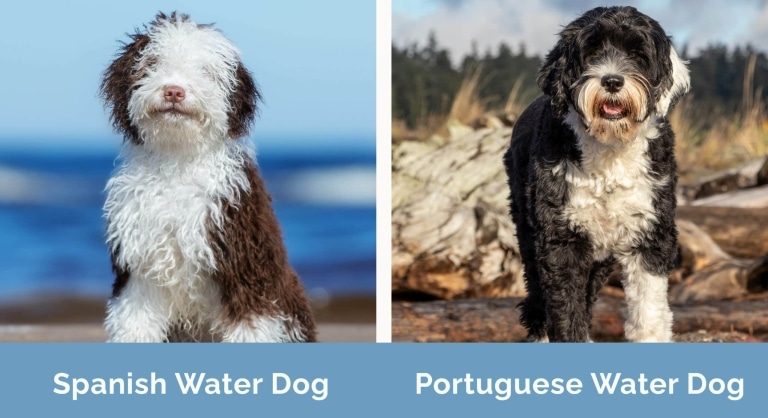
There’s an interesting trend: a lot of people in the
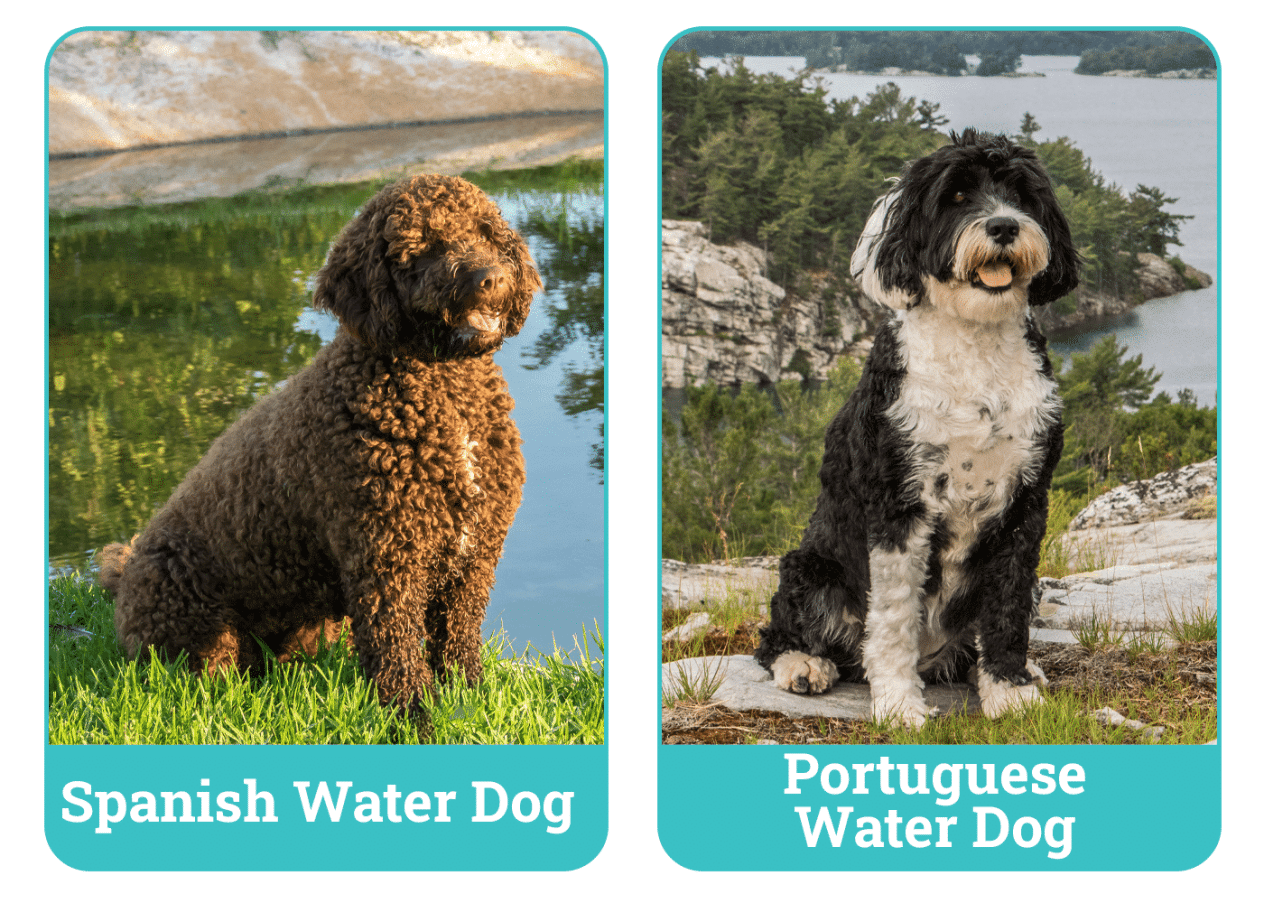
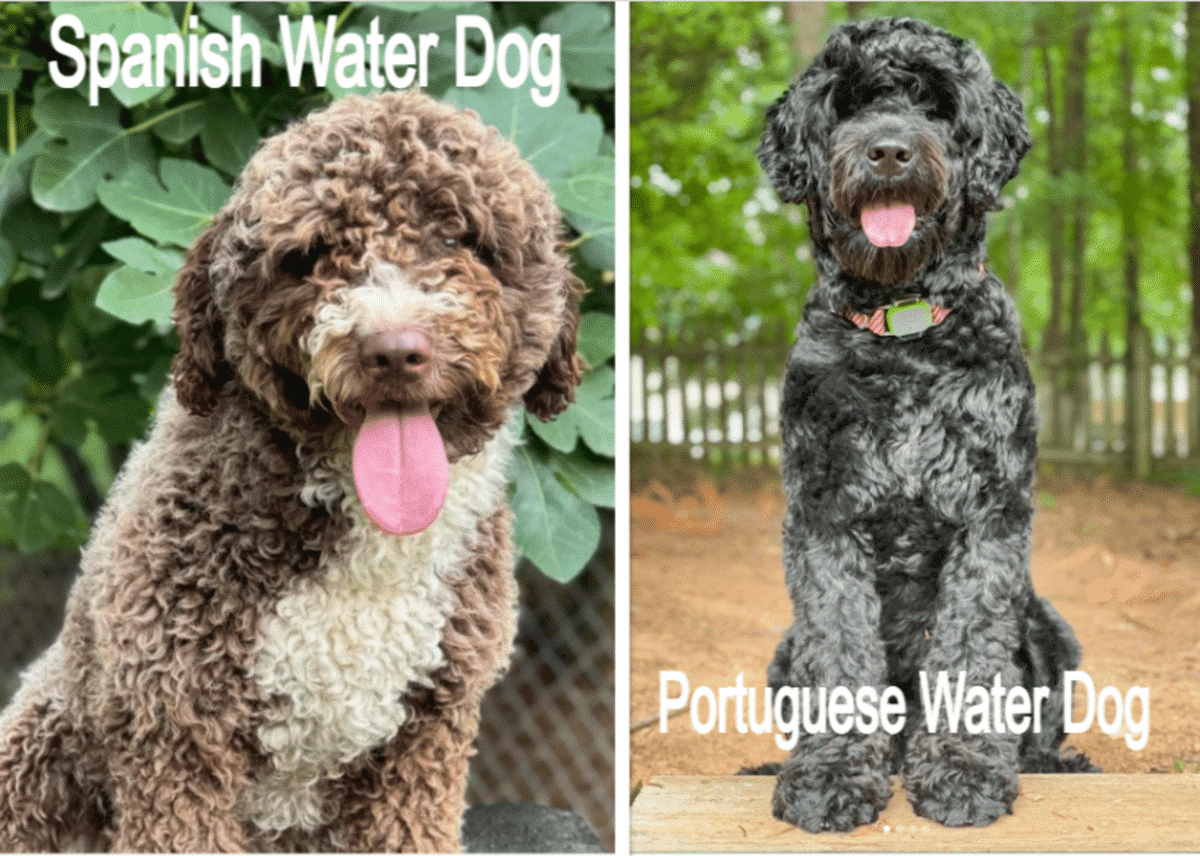
believe that the Portuguese Water Dog and the Spanish Water Dog are the same breed, or at least two varieties of the same type. This opinion arises because of their love of water, curly coat and working nature. We even come across articles on the internet from serious publications, where they describe, that they are one and the same breed. However, this is completely erroneous. These are two completely different breeds, with different history, different purpose and even different principles of care. They are united by the word “water dog”, but everything else is unique and separate.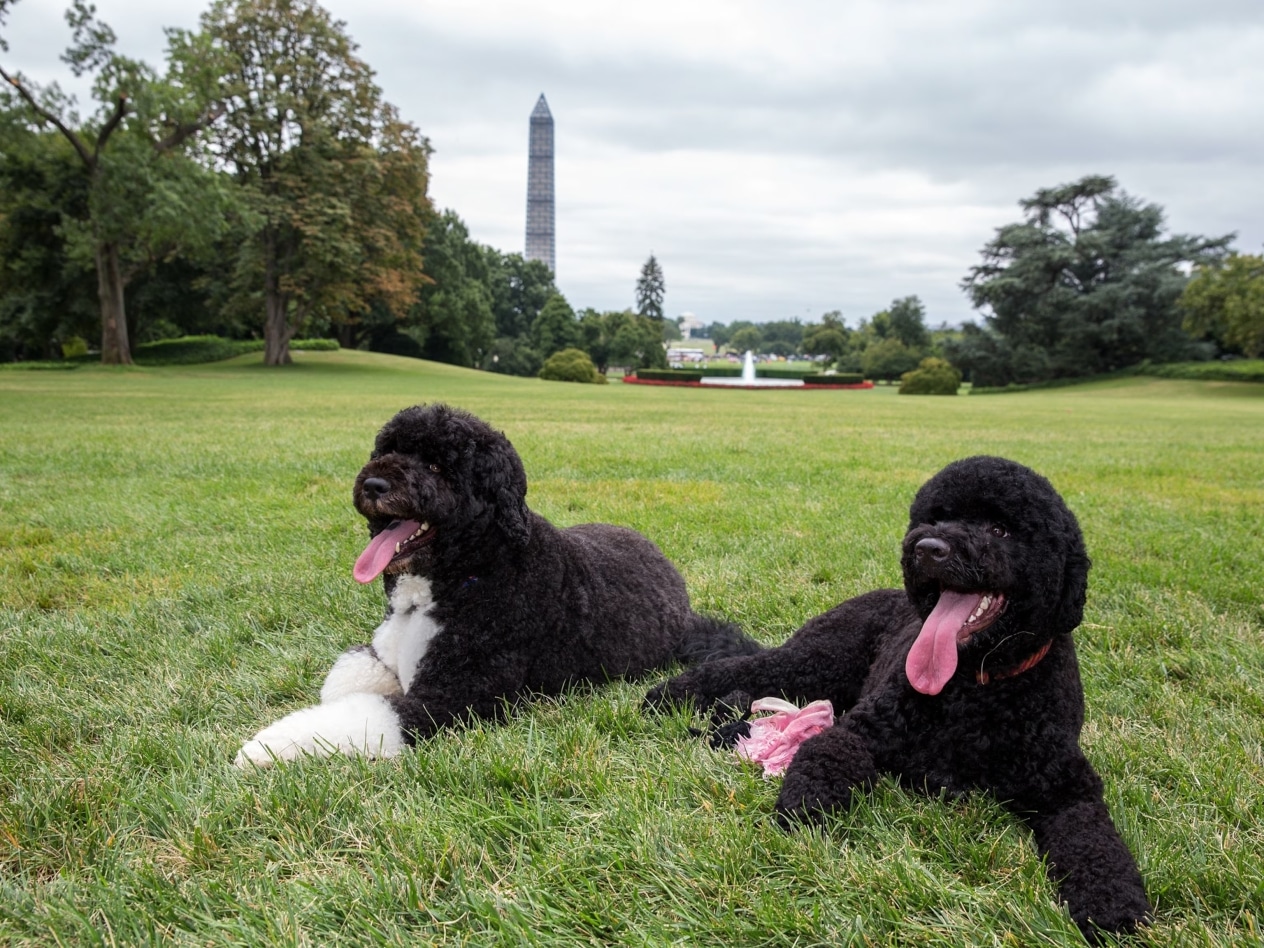
Origin of the Portuguese Water Dog
The Portuguese Water Dog traces its ancestry back to the fishing regions of the Portuguese coast. For centuries, it has been an indispensable assistant to sailors – diving into cold waves, retrieving broken nets, relaying messages between boats, guarding cargo and even fending off predators approaching the boat. His body is harmonious and muscular, and his coat is dense, wavy or curly, created by nature to work in the water and to dry quickly. The character is always active, emotional, sociable, with great love for family and high trainability. This is a dog that doesn’t sit still, constantly looking for interaction and loves tricks, tasks, games and working around humans.
Portuguese Water Dog Grooming
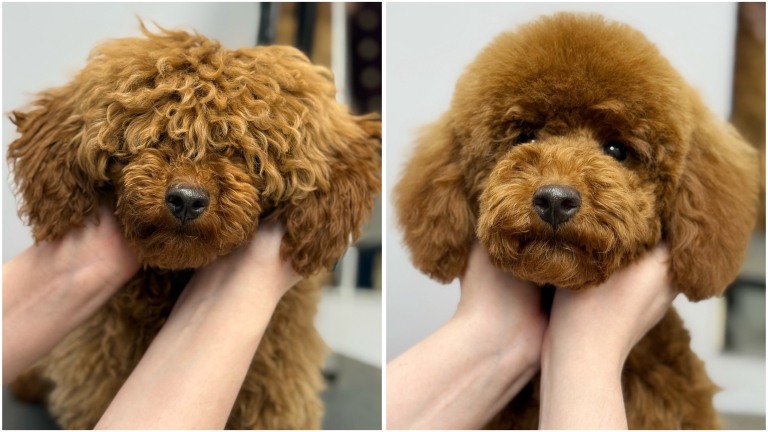
Its coat does not shed in the usual sense, which makes the breed attractive to people prone to allergies. But caring for such a coat requires professionalism – regular bathing, proper cosmetics, frequent combing and salon grooming. Famous haircuts “lion style” or full shortening – this is not a fashion, but a historical purpose, because this form helped the dog to be mobile in the water, to keep warm and quickly perform work tasks.
The origin of the Spanish water dog
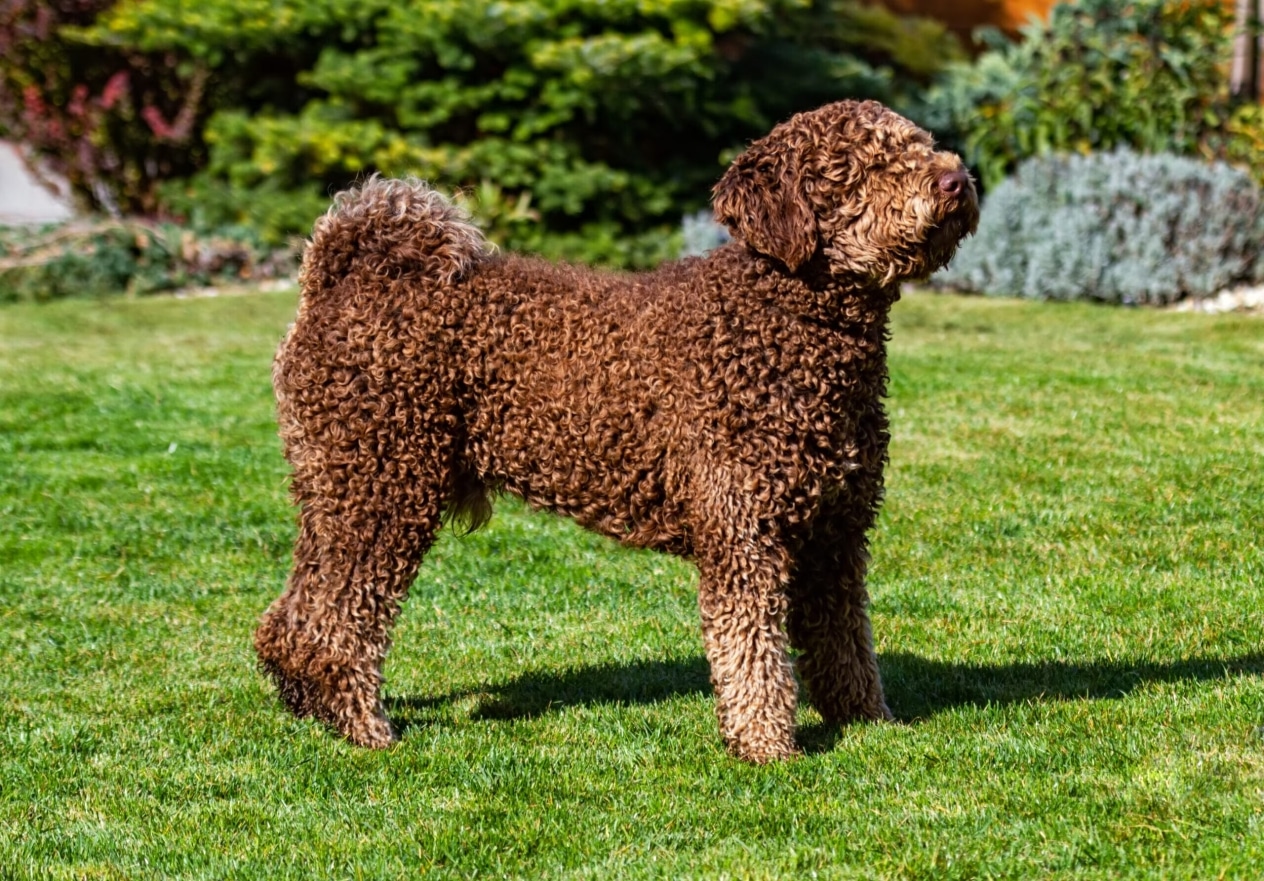
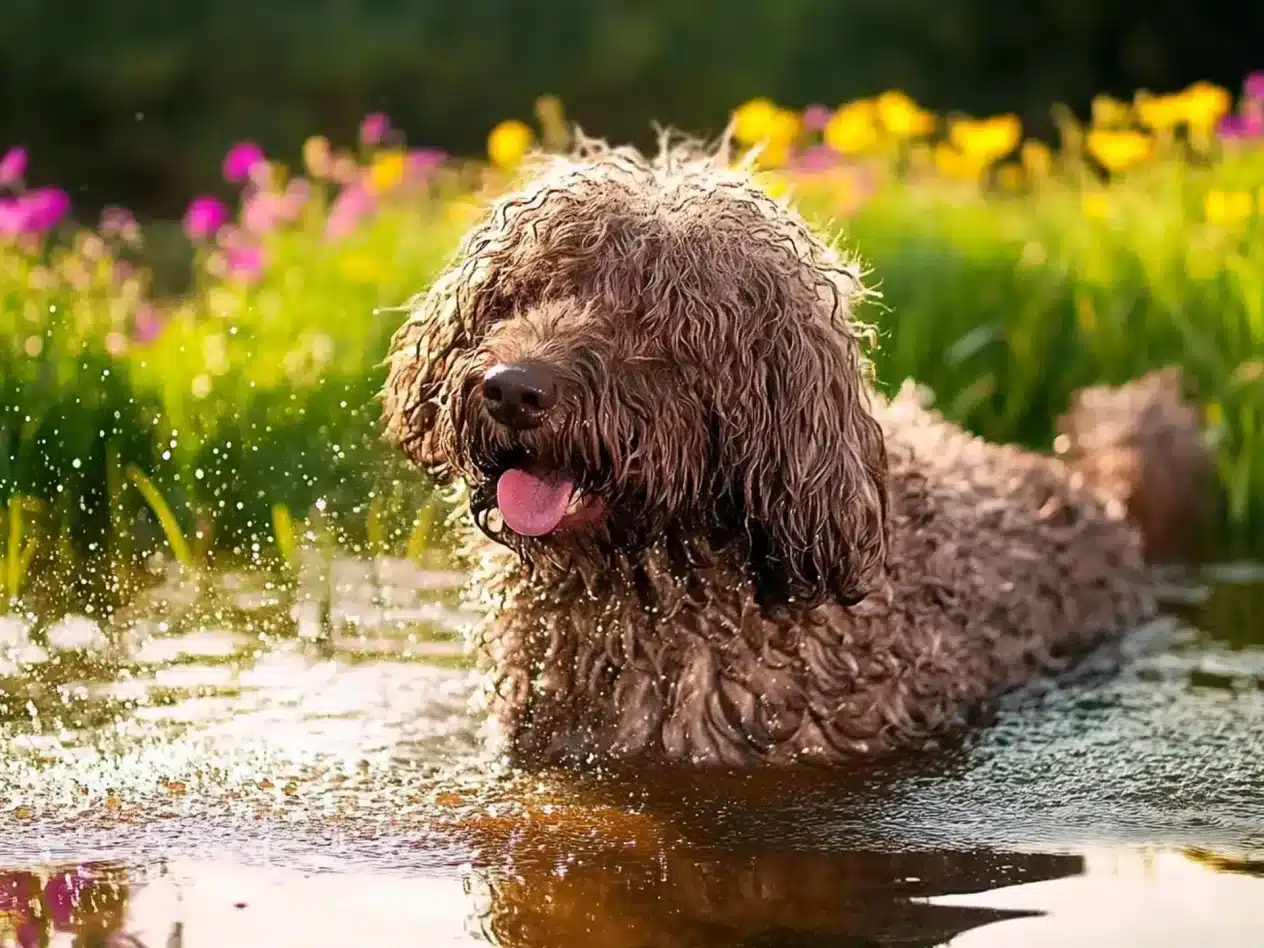
The Spanish water dog has a very different path. Its homeland is Spain, and its main task for a long time was not maritime at all. She worked on mountains, farms, pastures, and in agriculture, where she fulfilled the role of shepherd, guard, hunter, and working dog. While she is just as great in the water, she has a different temperament – focused, alert, working, a bit more reserved than her Portuguese relative. Her coat is dense, tightly curled, sometimes forming natural laces that look very recognizable and create a distinctive silhouette.
Care of the Spanish Water Dog
The Spanish Water Dog is not brushed. This is the main rule that makes it unique in grooming. The coat should naturally form curls or cordage, and grooming is all about maintaining the natural structure without the intervention of brushes. Washing is done with the correct cosmetics, and drying requires a technique that allows the curls to lay flat. Overwatering or improper drying can cause the coat to pile up and develop coils. But despite this naturalness, the breed needs professional supervision, as its coat easily loses its shape if not accompanied.
Two energies, two types of working minds
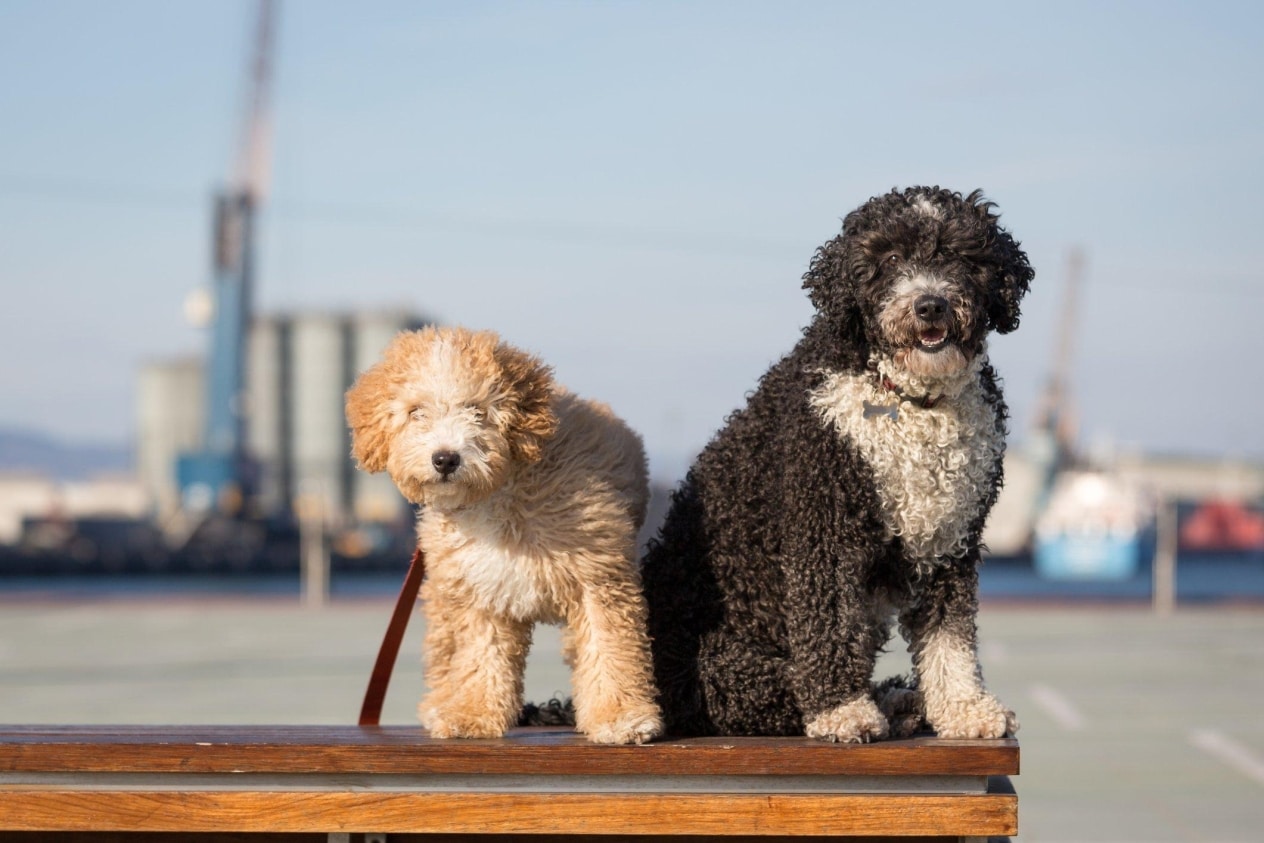
The Portuguese is an open, fun-loving, very family-oriented dog who tends to be in the center of events, makes friends easily and seeks emotional contact. The Spaniel, on the other hand, is more reserved, focused and disciplined, whose powerful working mind requires clear tasks and a rationed workload. Their energies are different: the Portuguese is more of a “companion athlete”, while the Spaniard is a “working intellectual” who clearly knows his role in the team.
Do they share common roots?
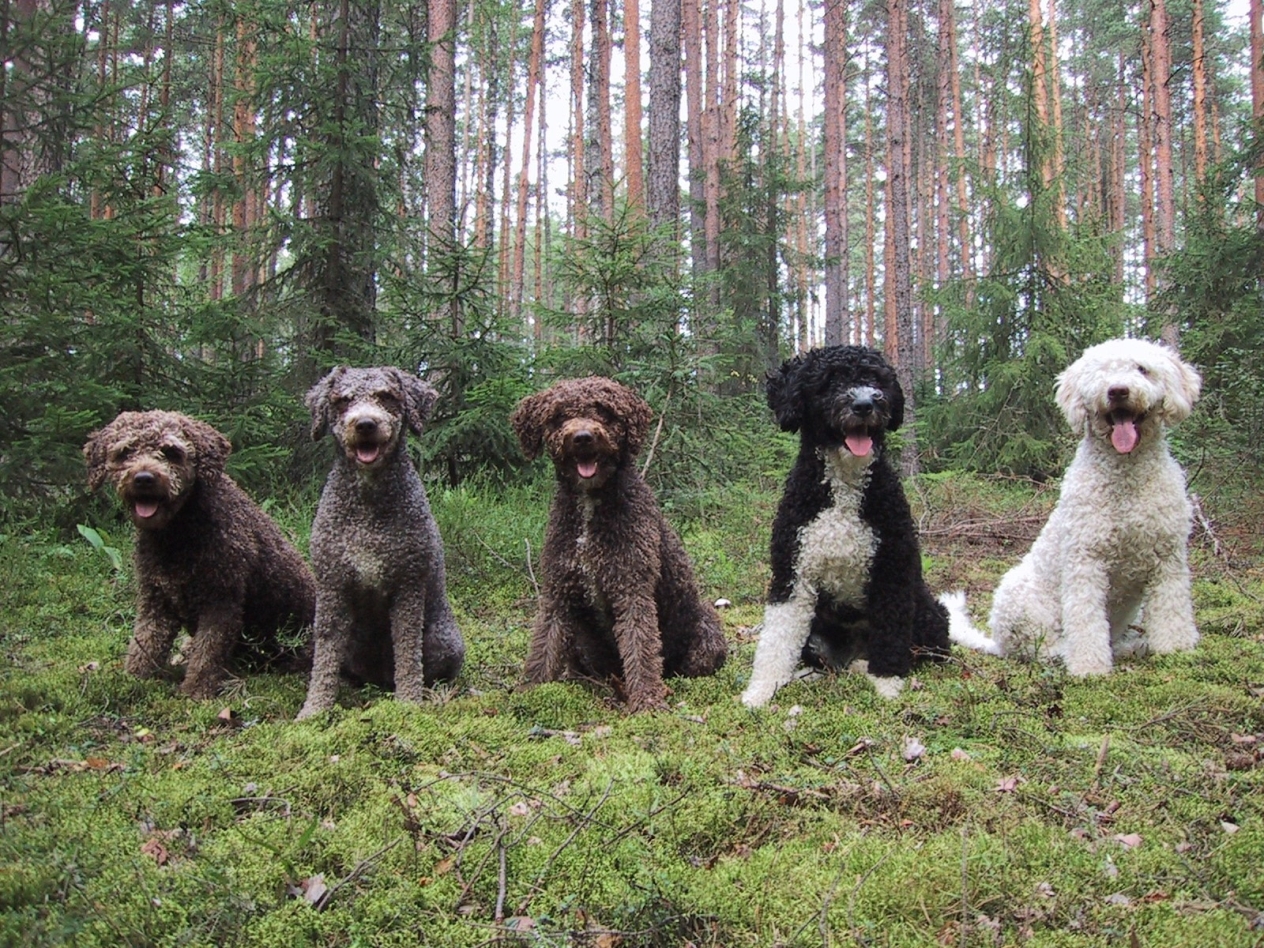
Despite the similarity in name, these breeds do not share a common origin. Their paths were formed independently, in different environments, with different tasks and under different influences. The Portuguese is an ocean worker, the Spaniel a versatile land herder and water hunter. Similarities are recorded only in love of water, curly hair and high intelligence – but this is more a consequence of natural selection for similar types of tasks than a common genetic root.
Conclusion
The Portuguese and Spanish Water Dogs are two close in spirit but very different in nature. They are united by water, activity and intelligence, but their origins, working tasks, coat structure and lifestyle have shaped them as separate breeds with their own standards. The diversity of these dogs shows how differently a breed can evolve, even with outward similarities. Although some people sometimes confuse them and think they are the same dog, in fact there is a whole historical and characterological gulf between them that makes each breed unique.