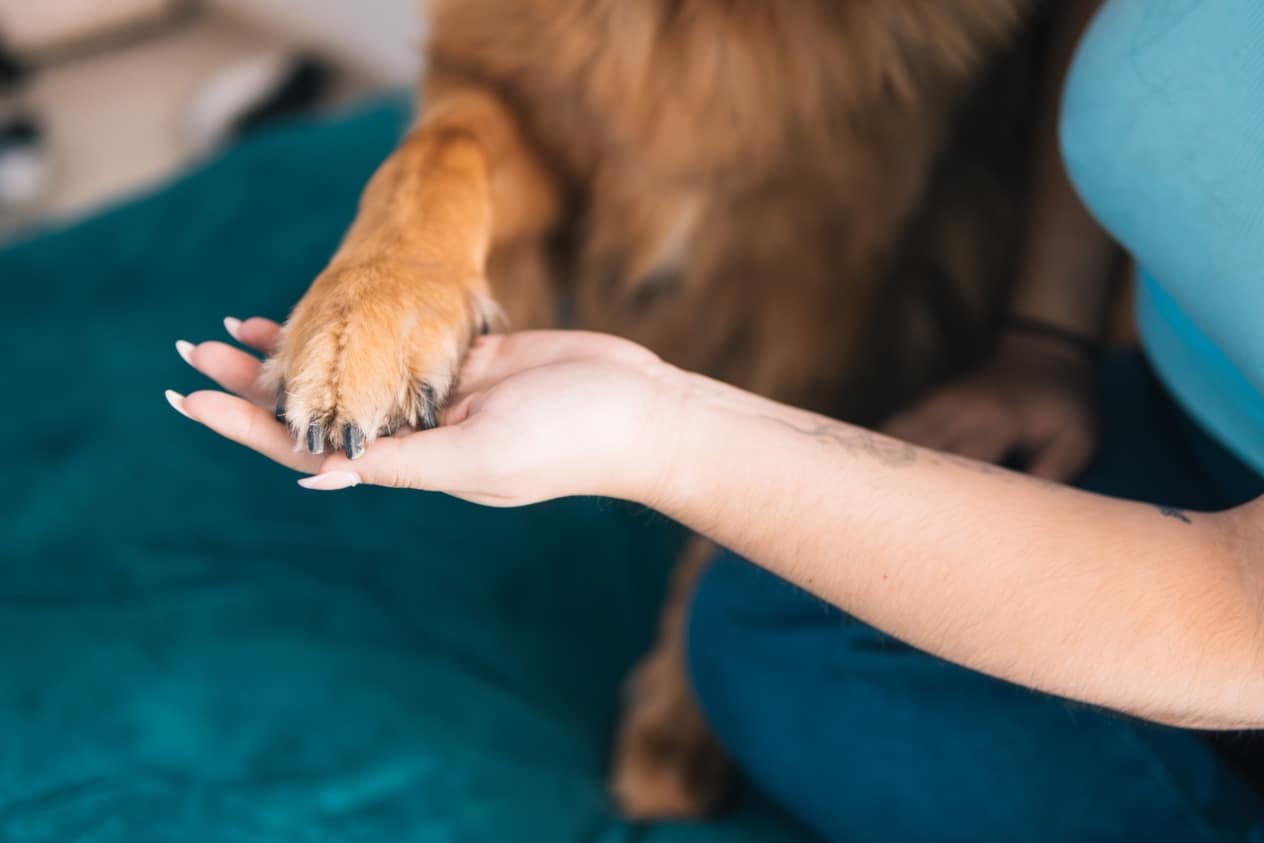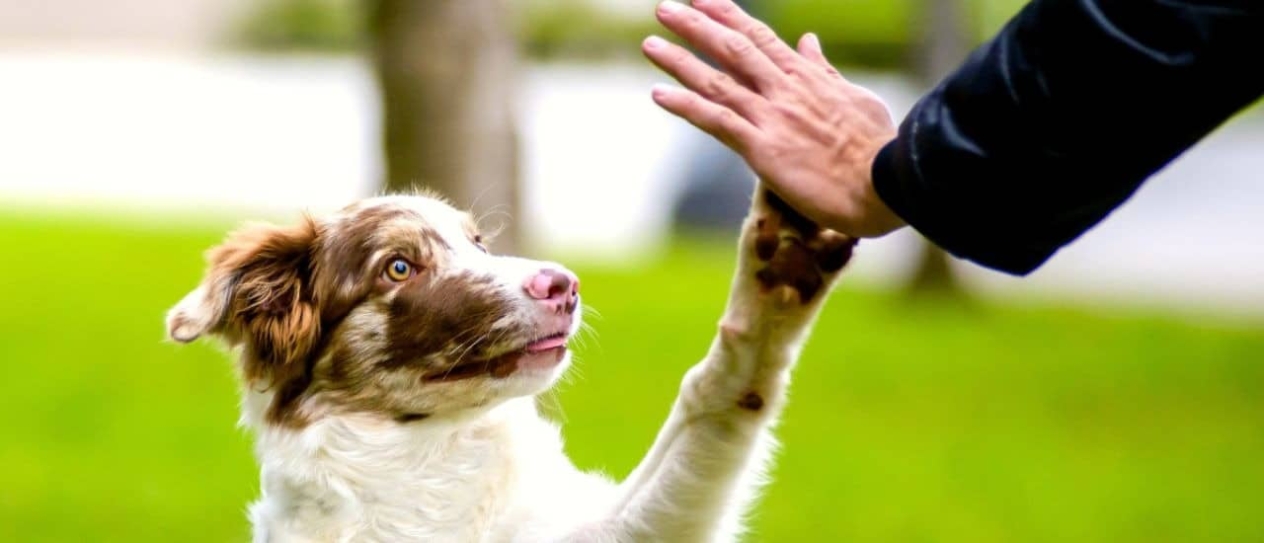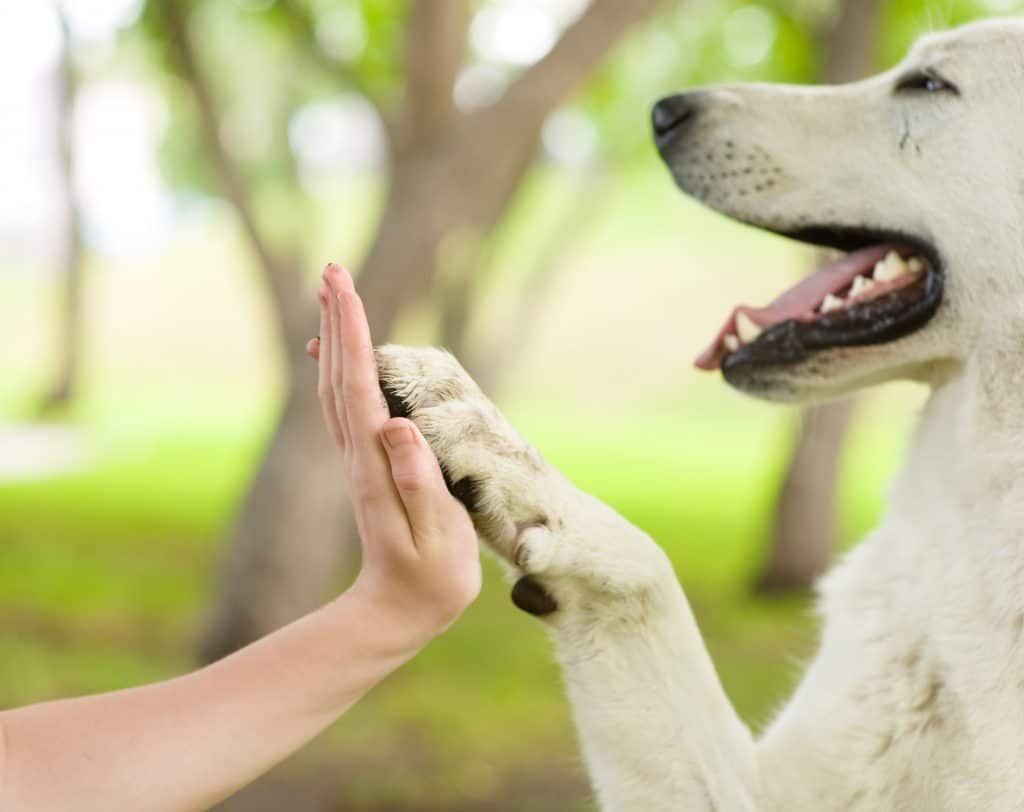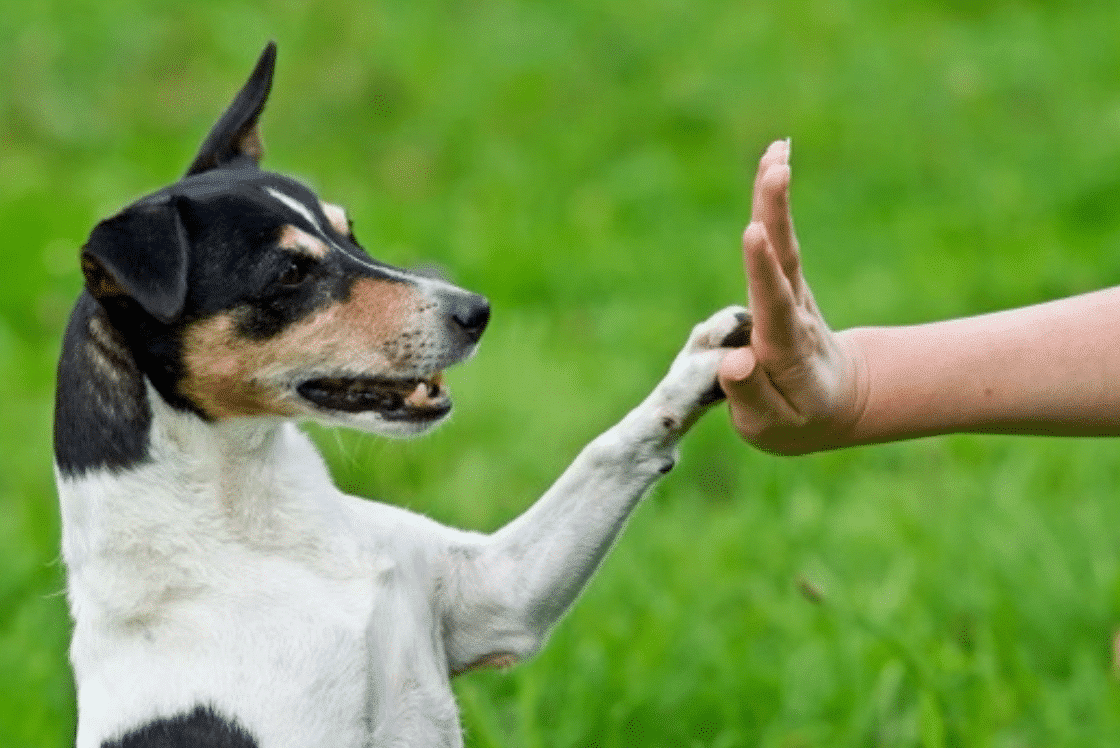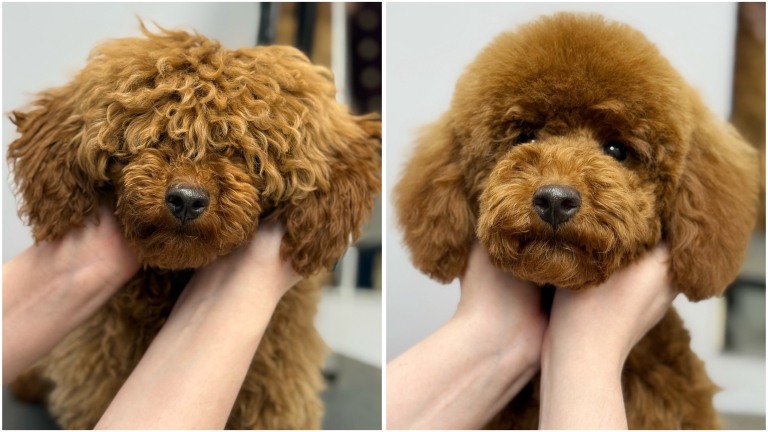
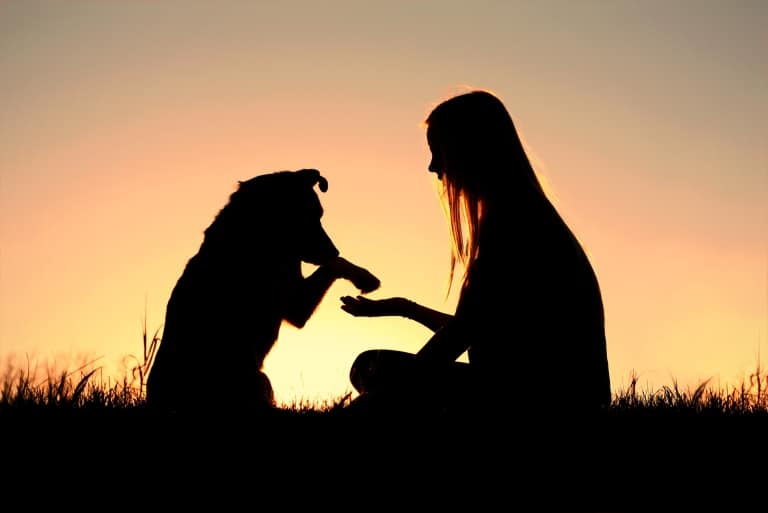
For us, touching is a manifestation of tenderness; for a dog, it is an information signal. A hand approaching from above can cause fear or alertness, especially in a dog from the street or with negative experiences. Even the sweetest movement can be interpreted as a threat if it is sudden or unexpected. Dogs evaluate everything: the angle of approach, speed, your mood, and even body odor. The areas of the head, ears, and tail are particularly sensitive to touch, and this is where unwanted contact most often occurs. Instead, if the hand is extended gently, from below, without pressure, it is a signal “I am not a threat.” The animal can stretch, sniff, and only then allow itself to be petted if it trusts you.
Petting is not always pleasant
People think that petting is always pleasant. But dogs have their own “comfort” and “anxiety” zones. Not every dog likes to be touched constantly or intrusively. Some dogs enjoy a long scratching of the sides or chest, while others tolerate it only out of politeness. It is important to notice the signals: if the dog turns its head away, licks its nose, yawns, shrinks or moves away, it is not “he is shy”, it is “I am uncomfortable”. Likewise, you should not touch your dog when he is eating, sleeping, or not taking the initiative to make contact. And vice versa – when the dog touches you with his nose or nuzzles his side, it means “yes, pet me some more.”
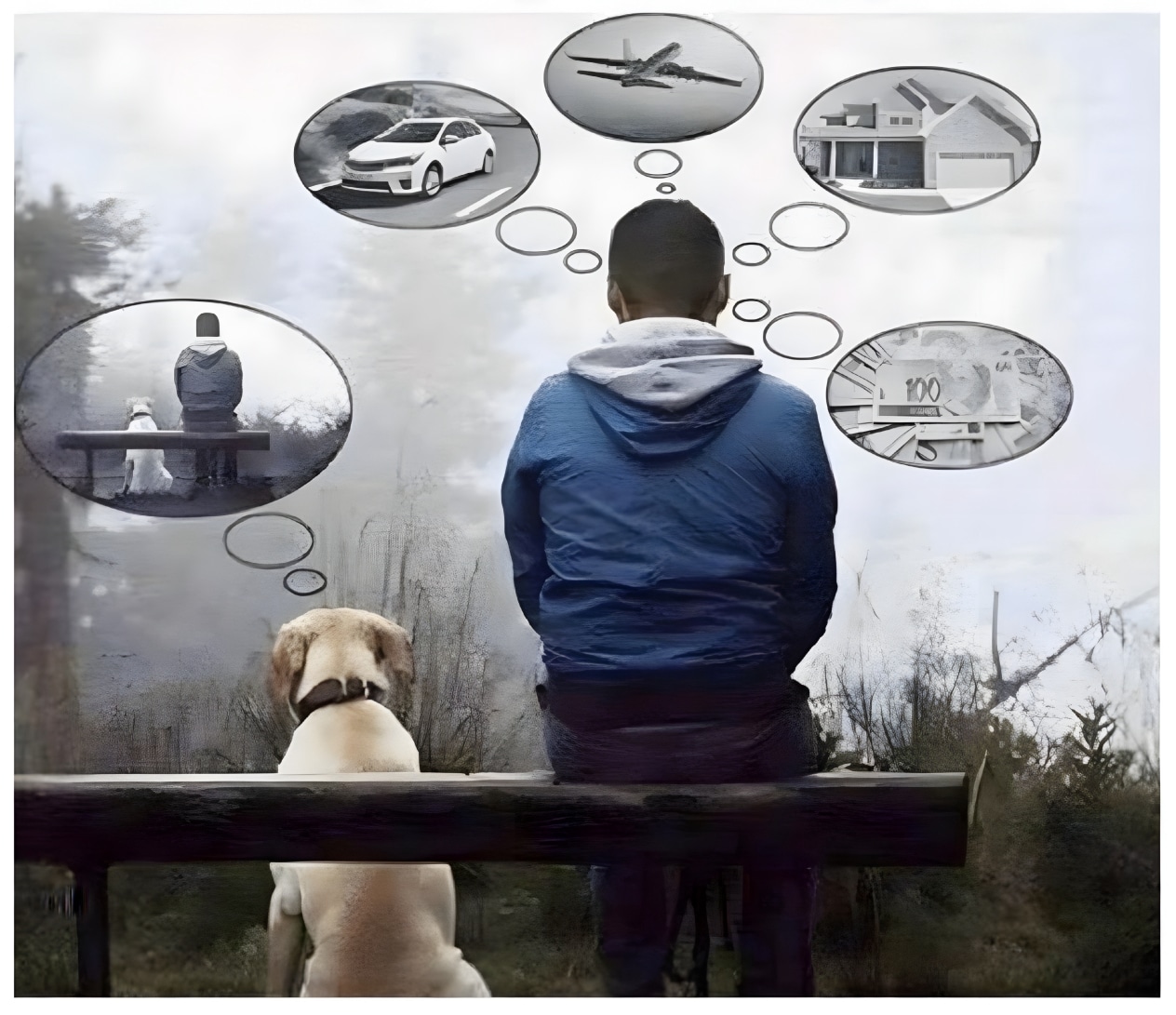
When the dog asks for touch, but we don’t understand
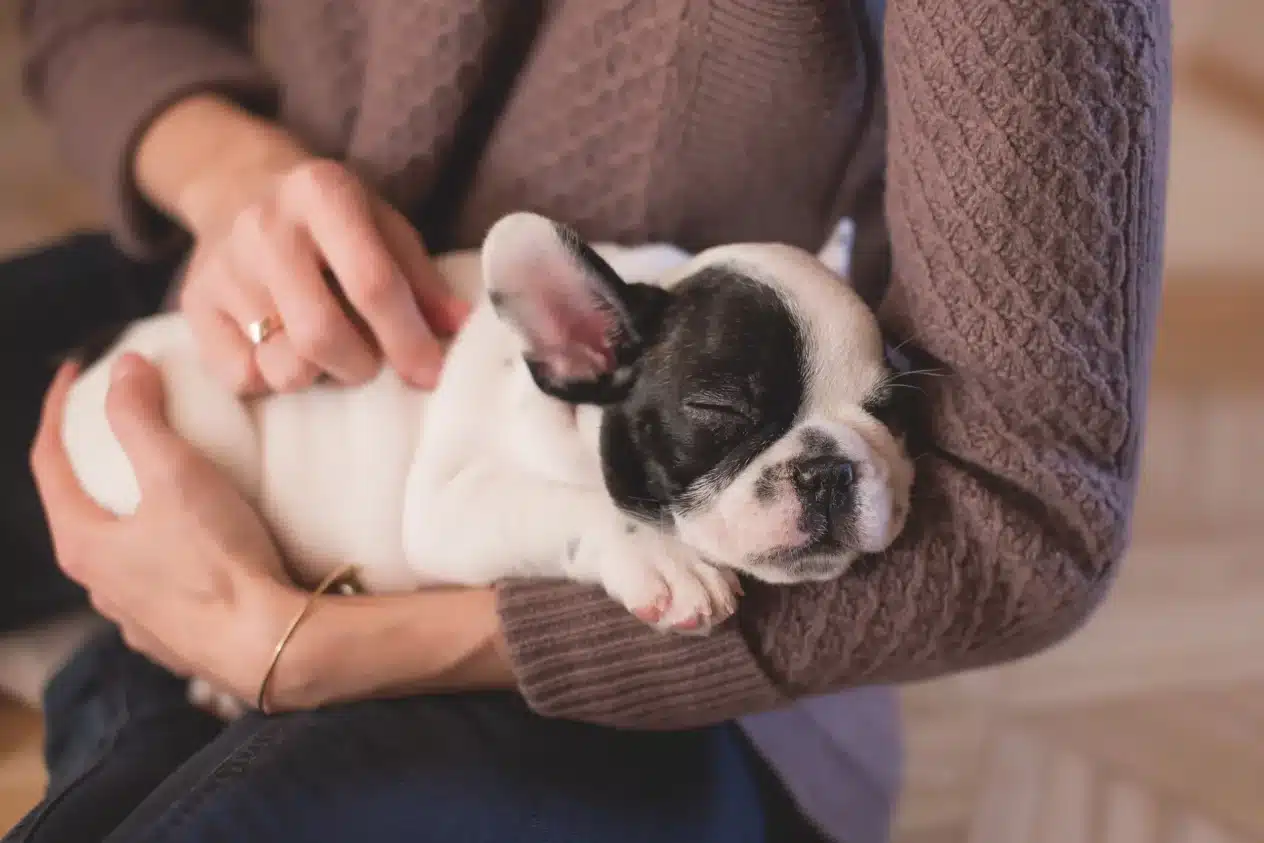
Dogs are not always straightforward in their requests. Sometimes we don’t notice how it silently invites us to mutual contact. A light touch of the nose to the hand, an attentive look when he sits down next to us and just waits – these are all ways to say “pet me, I need it”. Many dogs will literally “expose” a part of their body – sides, neck, chest – and stay close to you, keeping their eyes on you. Especially emotionally sensitive animals seek touch when they are scared, sad, or just want warmth. This is not an imposition, but a way of saying, “I trust you.” Sometimes it’s enough to respond with a gentle movement, and your dog calms down, relaxes, and happily closes its eyes – because that’s exactly what was needed. At such moments, the human hand becomes the best therapy.
Conclusion.
For a dog, a human hand is a symbol of interaction, trust, and control. That’s why a dog never thinks “pet me because you’re a human”, but always: “what does this hand want now?”. And the more delicately we behave, the more likely it is that the hand will become a source of pleasant contact rather than tension. So before you extend your hand, let Tails read your intentions. Because real contact is when there is mutual consent.