Origin of the Burma
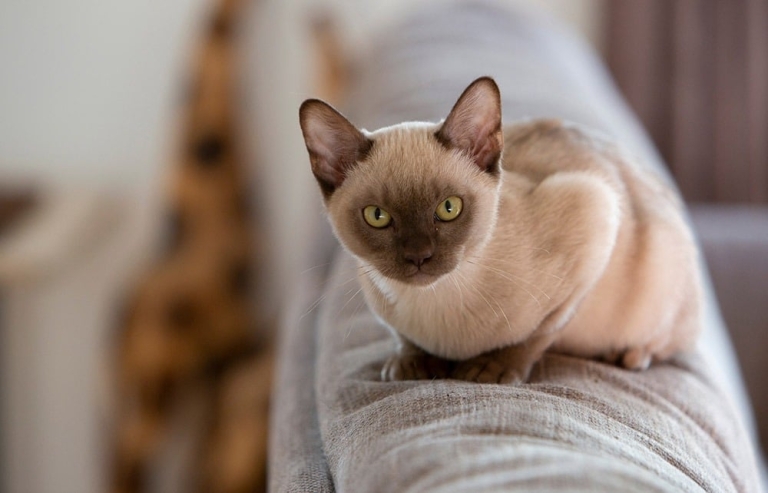
The history of the Burmese cat begins not with official breeding books, but with the myths, warm winds and ringing pagodas of ancient Burma – modern-day Myanmar. It was from there, in the 1930s, that a cat named Wong Mao – dark brown, with shiny fur and golden eyes – came to the United States. She became the first representative from which the breed now known as the Burmese cat was developed.
Although the ancestors of the Burmese lived in monasteries and were considered spiritual animals, the modern breed was formed outside of Asia – first in America, then in Britain. Over time, these two lines diverged in development: the American Burma got a more massive body, more round features, and the British – a more elegant, elongated shape. Both lines retained the main thing – character and brilliance, not to be confused with anything.
The inner world of the burmese
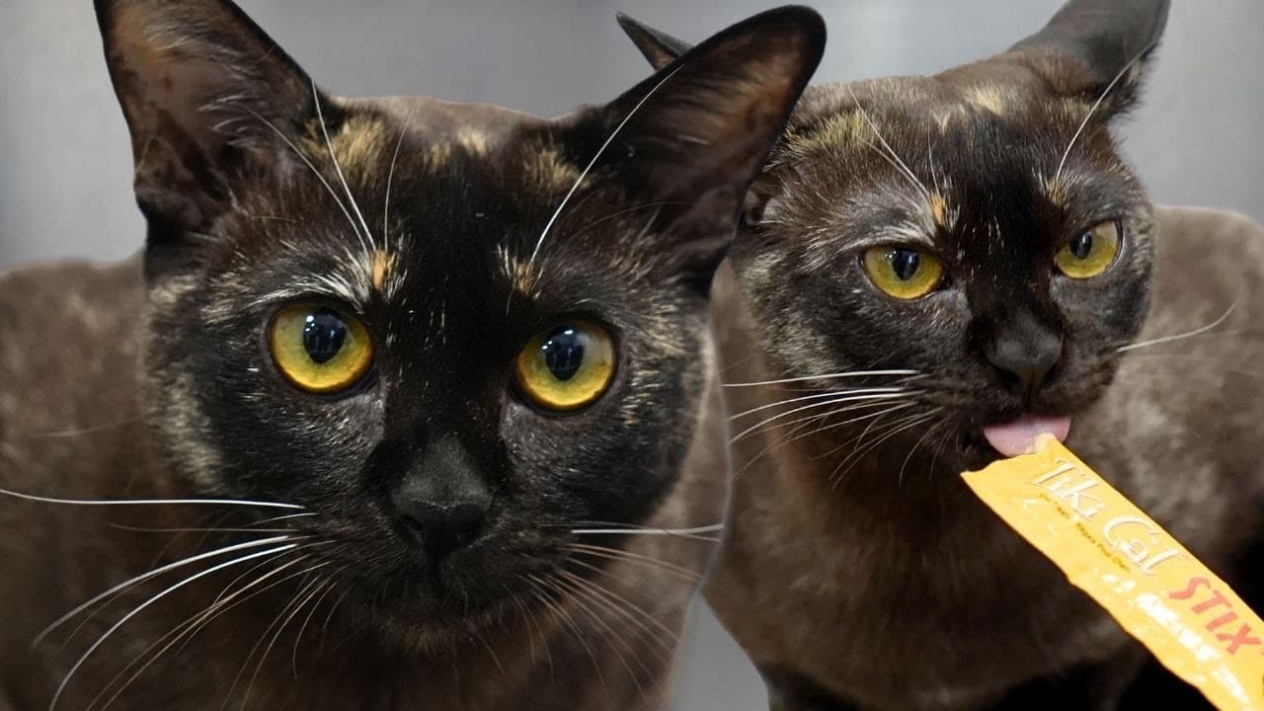
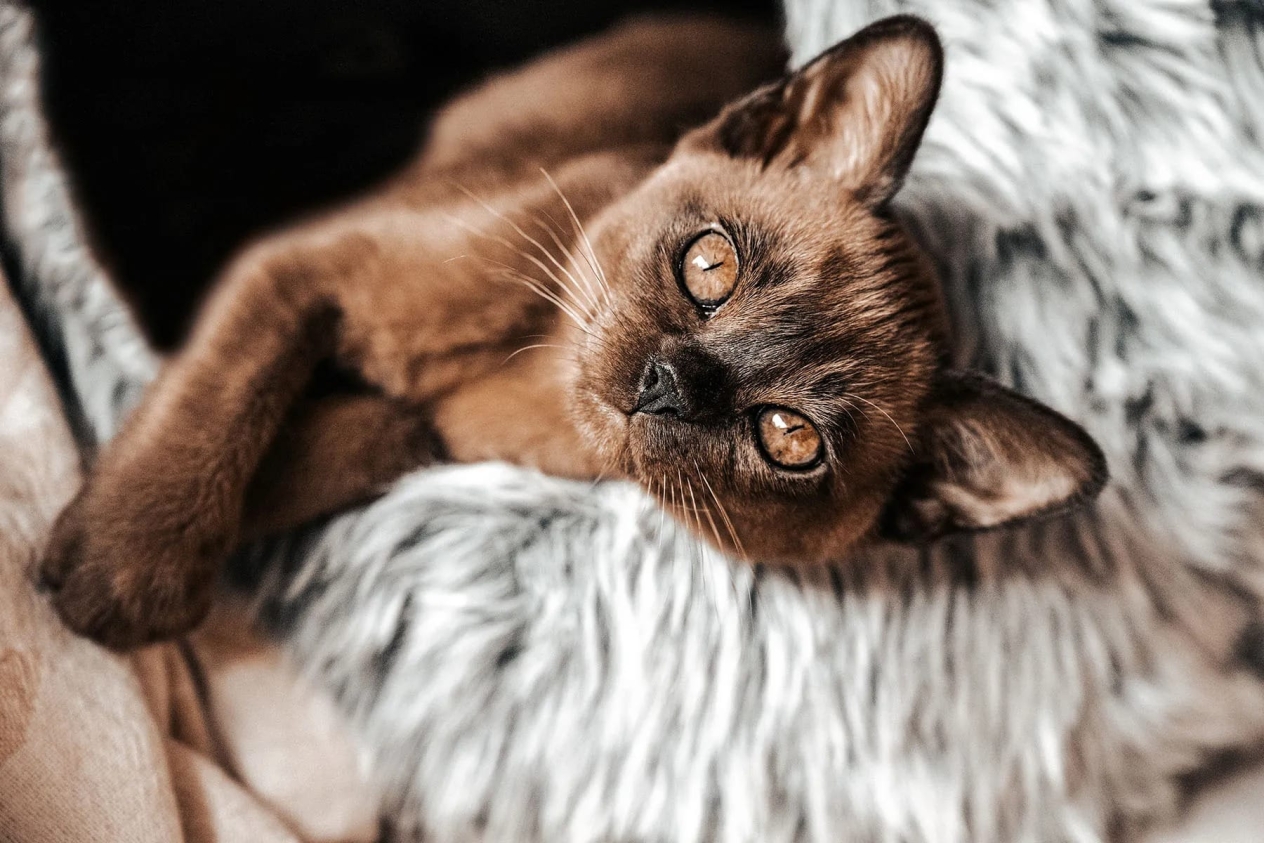
A Burmese cat is never a background cat. It doesn’t sit aloofly in a corner – it lives close by, participates, looks directly into your eyes. It is a communicator animal that talks with a look, a touch of a paw, or a soft purr like the quiet melody of an old piano.
Burma is incredibly human-oriented, its emotional depth is sometimes amazing – it reacts to your mood, changes its behavior according to the situation. There is no indifference with her: she is either near or very near.
These cats get along well with children, adults, even with other animals – provided they are given attention and not left alone for long. Loneliness is something that the Burma tolerates badly. But if its world is filled with people – it blossoms: plays, explores, gives warmth and amazing emotional presence.
The outside world of the burmese
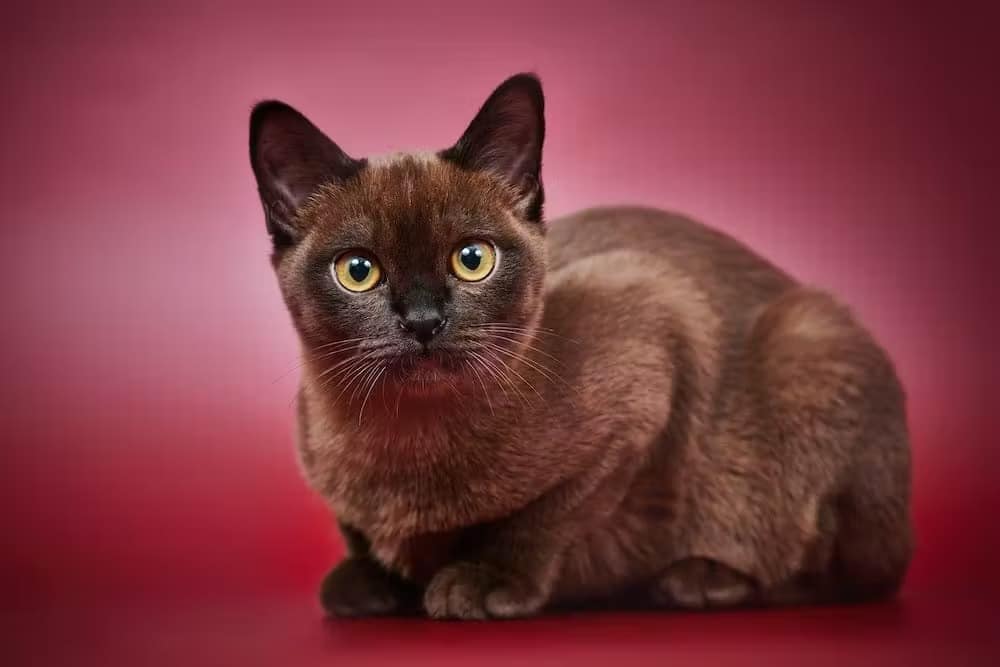
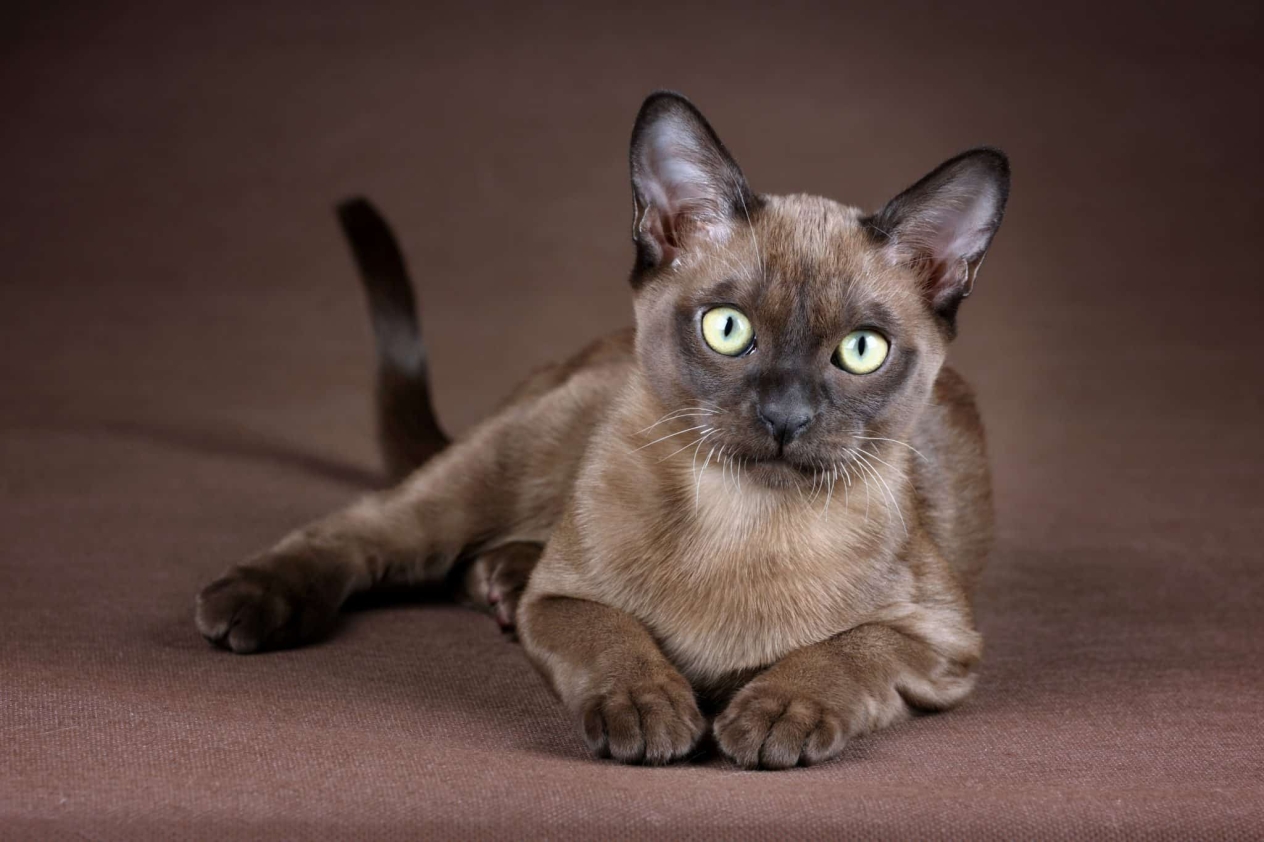
The Burmese cat is a harmony of form and texture. Medium-sized, with a dense, muscular body, it surprises those who take it in their arms: outwardly it seems light, but in fact it is surprisingly heavy for its size. Her movements are smooth, without sudden jumps or fuss. When the burma walks across the room, she floats as if she knows she is being watched.
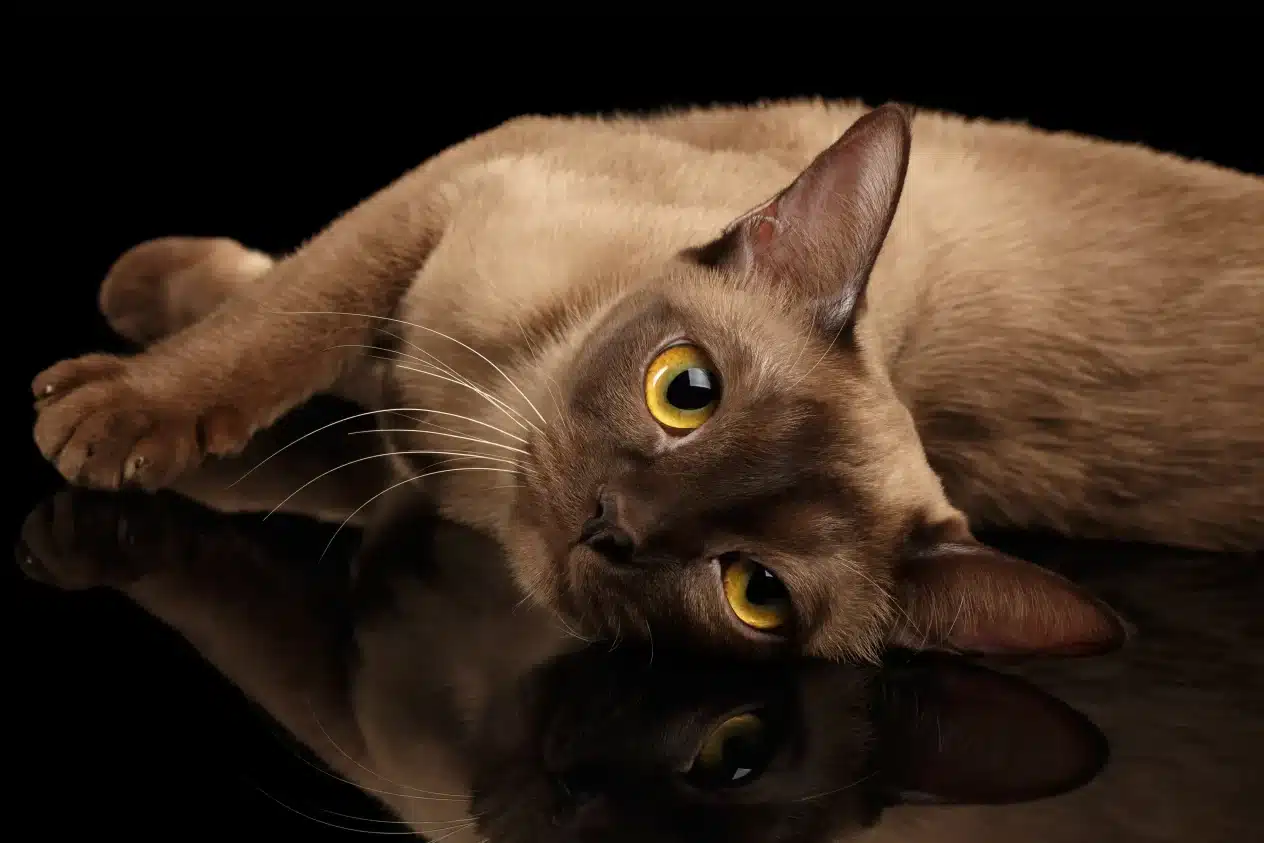
Her eyes are truly hypnotic. Large, expressive, with shades of yellow, amber, sometimes – light gold.
The Burma’s coat is short, almost clinging to the body. It is shiny – sometimes it seems that the cat has just been wiped with a silk napkin. Touching it is like touching velvet, and the coat has no undercoat, so it doesn’t bunch up and doesn’t require complicated care.
All a Burma cat needs (Burmese cat grooming) is regular light brushing with a soft brush (once a week), nutritional control and obligatory visits to the veterinarian. Although the breed is in good health, there is a definite tendency to gum disease, so oral care is important.
One more thing – the Burma does not like the cold. Because of the lack of undercoat, she is very dependent on heat: physical and emotional. Its place is not on the balcony, but under a blanket next to you.
Conclusion
The Burmese cat is not a breed for mass consumption. She won’t appeal to those who want an independent “interior cat”. But she is invaluable to those looking for a real emotional connection. The Burmese has no ostentatious luxury, its beauty is in its quiet perfection and its value is in its depth of presence.