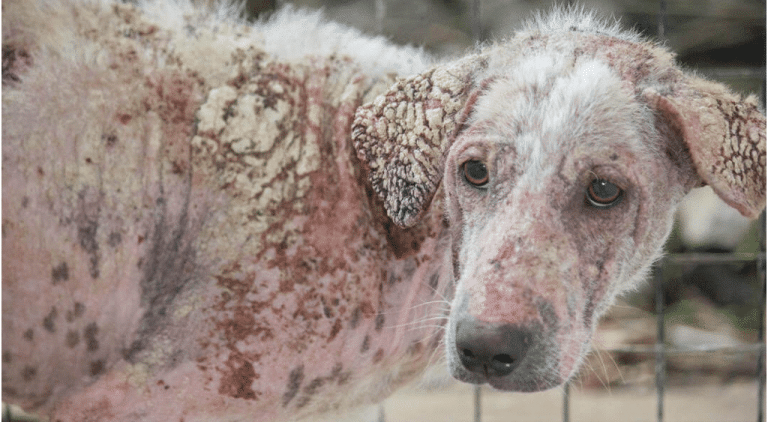
A dog’s skin is the largest organ of its body. It is also a mirror of health, reflecting the condition of the immune system, diet, parasites, grooming and even psychological comfort. Modern dogs live close to humans and face a number of factors that can affect the condition of their skin, from the environment to the foods they consume. Any changes – itching, rashes, flaking or hair loss – can be the first sign of serious diseases. That’s why it’s important to know their manifestations and how to take the right action to give your Ponytail a quality life.
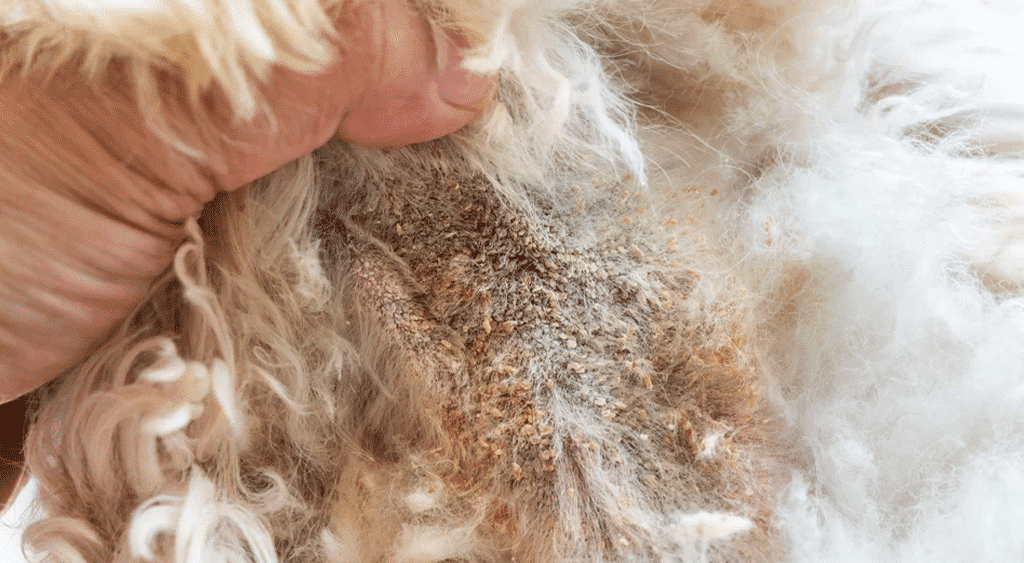
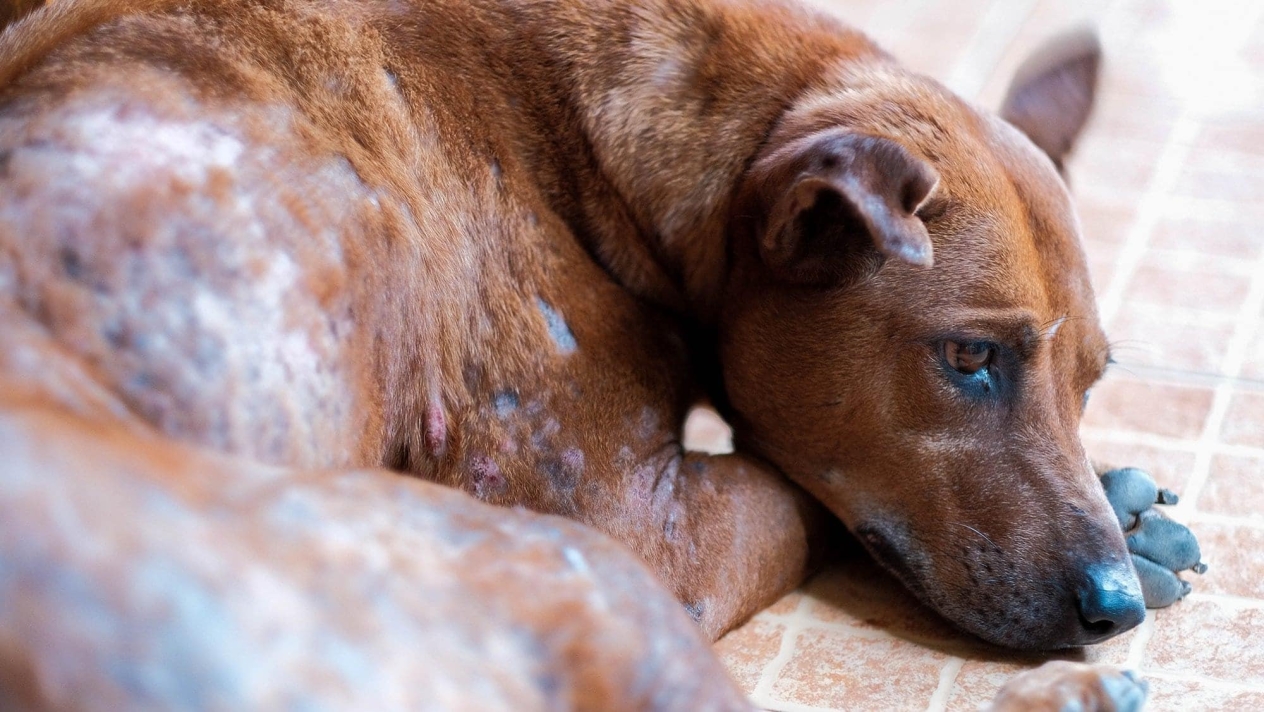
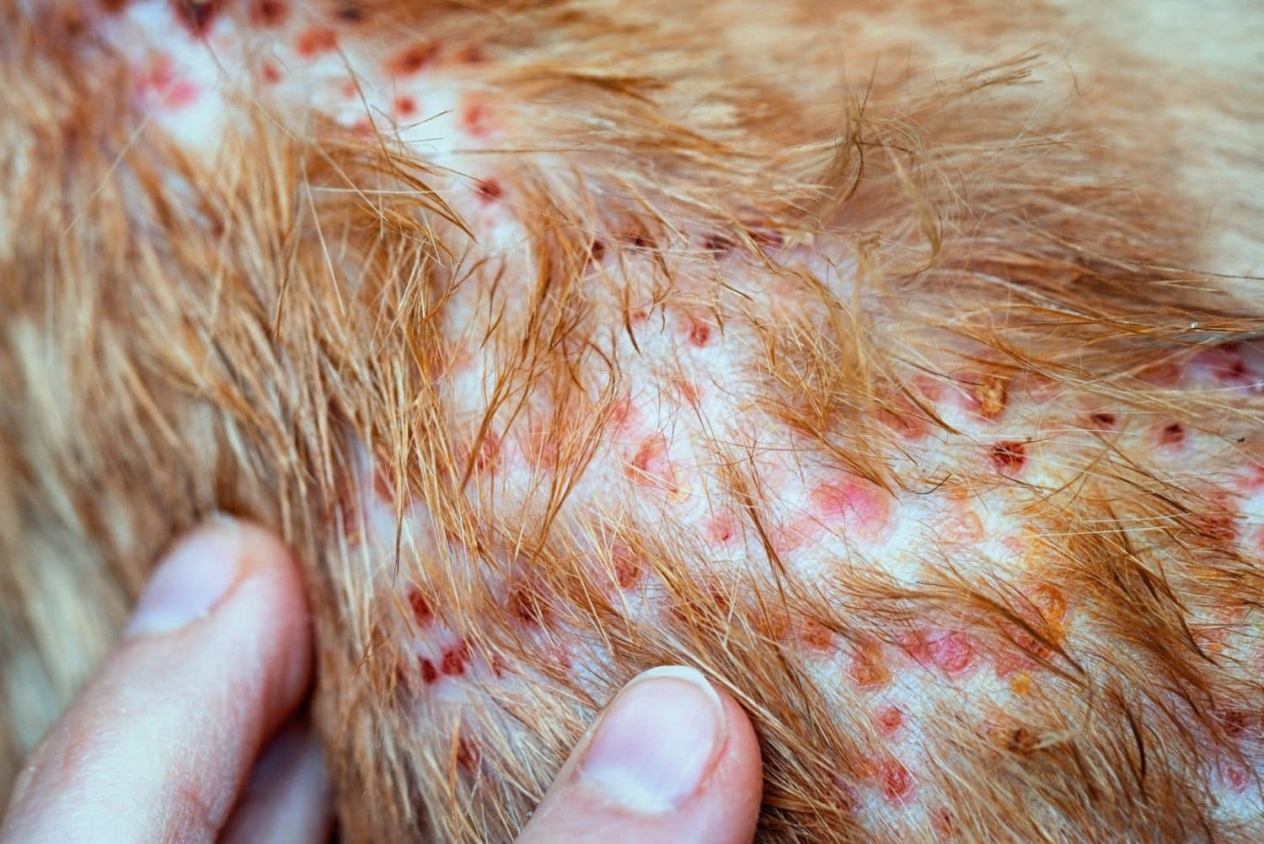
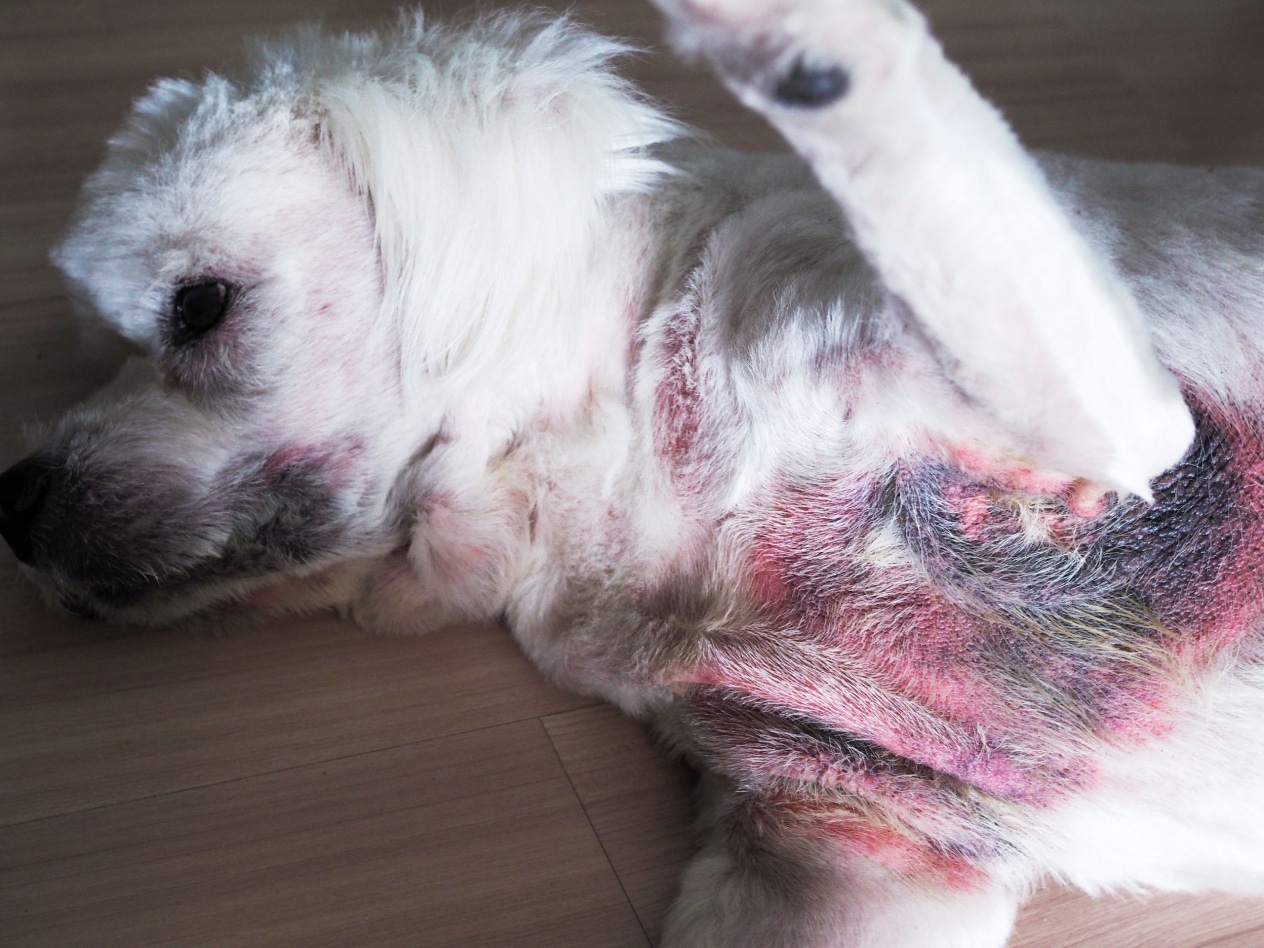
The main skin diseases in dogs and their manifestations
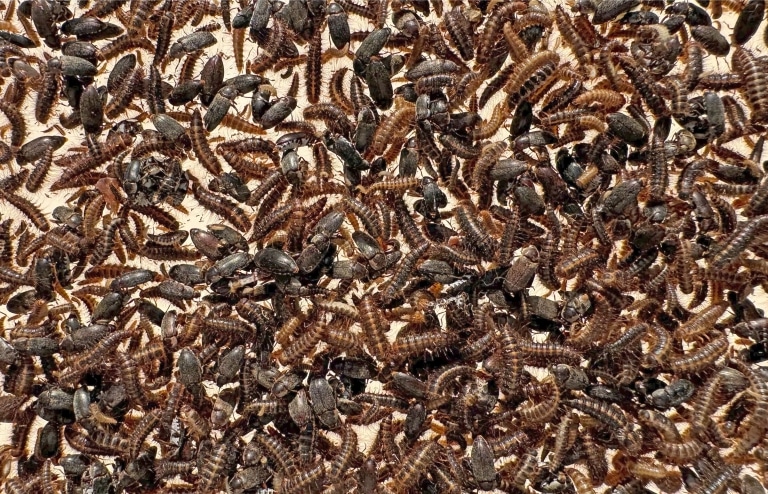
Among the most common skin problems in dogs, veterinary experts point out allergic dermatitis, parasitic infections (fleas, mites, scabies), bacterial and fungal infections, as well as seborrhea, eczema, pyoderma and hormonal disorders. The symptoms of these conditions are often similar: itching, redness, flaking, rashes, hair loss, wounds, foul odor, and changes in skin color or texture. For example, in allergic dermatitis, the skin becomes red, a rash and severe itching appear, and the animal may scratch the affected areas until they bleed. Parasitic lesions are often accompanied by pitting, scabs or wet sores. Fungus often causes single round patches of scaly skin, and bacterial infections cause pustules or ulcers. Seborrhea is manifested by increased oiliness, dandruff, and an unpleasant odor. Many skin diseases can be accompanied by general malaise: lethargy, loss of appetite, fever.
Causes of skin diseases and the role of prevention
The appearance of skin problems is rarely accidental. Most often it signals disorders in the body: food intolerance, weakened immunity, vitamin deficiency, stress or the presence of parasites. In many cases, the cause is an incorrect or poor quality diet: excess or deficiency of protein, carbohydrates, fats, minerals and vitamins affects the condition of the coat and skin. Do not forget about external factors – contact with chemicals, excessive humidity, dust, household allergens. Parasites also play a big role: even a single flea can cause severe allergic dermatitis, and mites – long-term, difficult to heal lesions. Bacteria and fungi are active on damaged or weakened skin, especially in the folds, between the fingers and behind the ears. Genetic predisposition, breed characteristics and even the emotional state of the dog can also influence the development of skin problems. Proper prevention begins with a comprehensive approach: balanced nutrition, regular parasite treatment, hygiene, avoidance of stress, control of coat and skin condition, and regular visits to the veterinarian.
Treatment of skin diseases: modern approaches
Before starting treatment, it is important to conduct a thorough diagnosis: veterinarian examination, sometimes – blood tests, skin scraping, microscopy, cultures for fungi or bacteria, allergy tests. An accurate diagnosis allows you to choose an effective treatment regimen and avoid unnecessary use of antibiotics or hormones. Depending on the cause of the disease, treatment may include antiparasitic drugs (drops, sprays, shampoos), antibiotics or antifungal agents, antihistamines and immunomodulatory drugs. An important role is played by special therapeutic shampoos, ointments, sprays, which help to reduce inflammation and accelerate healing. For dogs with food allergies or intolerance, a diet using hypoallergenic food or home food under the supervision of a specialist is often prescribed. In the case of complications – severe itching, sores, or large areas of skin affected – complex treatment with additional medications such as corticosteroids may be required, but only under the supervision of a doctor. It is important to follow the prescription and not to self-medicate: improper use of medications can lead to complications and chronicity of the disease.
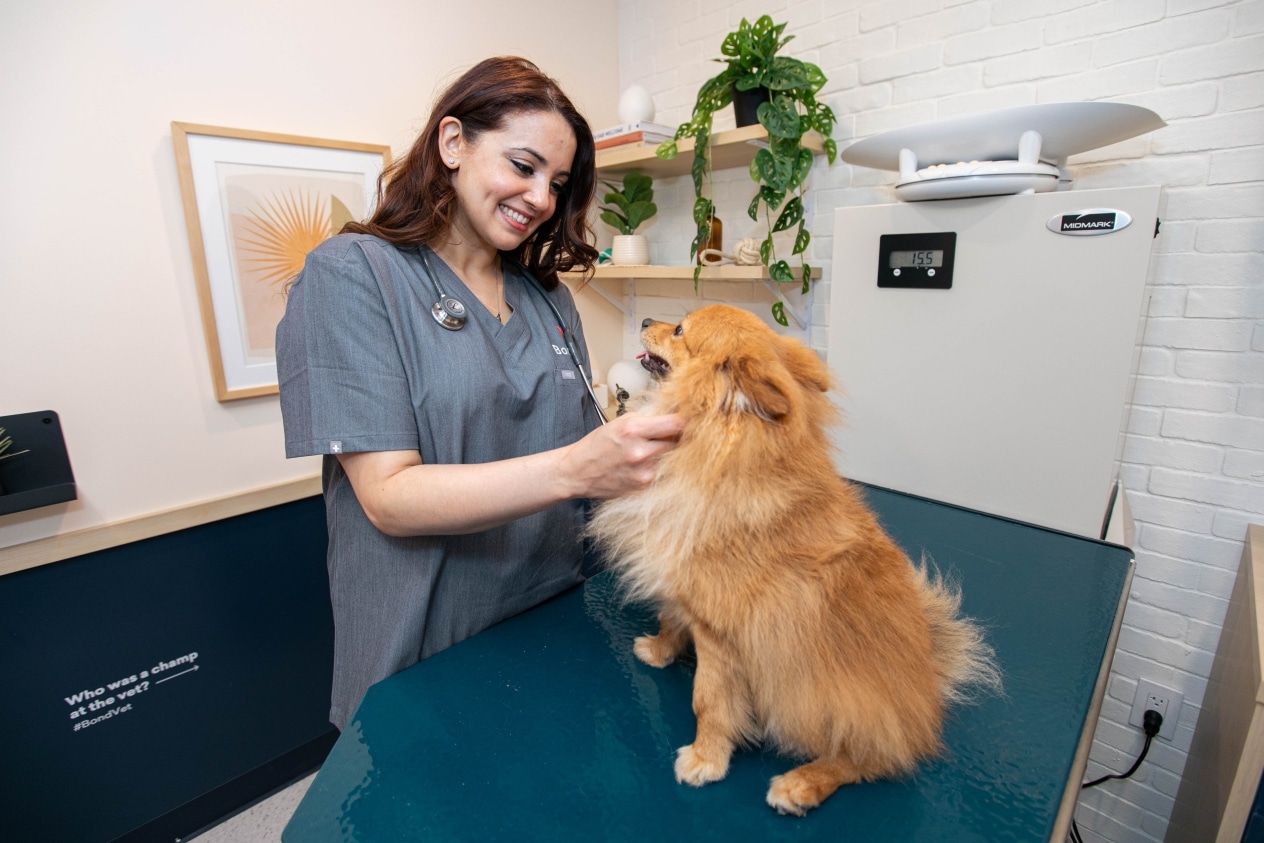
Prevention and the role of dog grooming
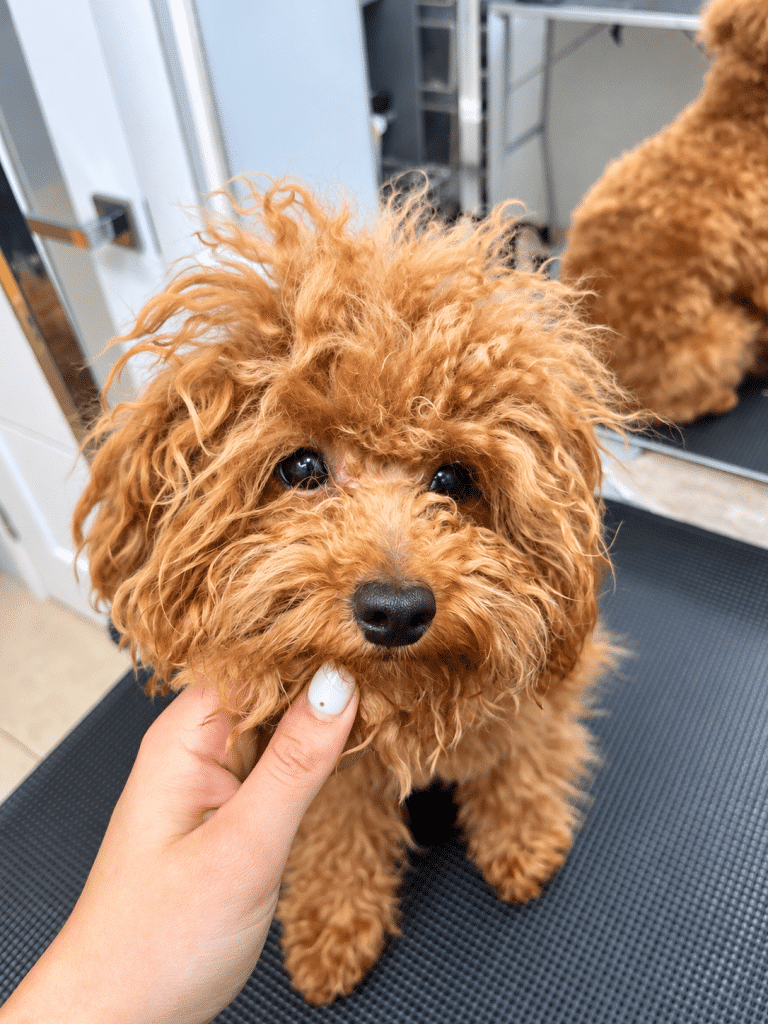
Quality daily grooming of your dog is the best prevention of skin problems. Regular combing helps to remove dead hairs, reduce the risk of pitting and evenly distribute natural skin oil. Bathing should be moderate and only with special dog shampoos – human products can damage the skin’s natural protective barrier. It is equally important to timely treat the animal from fleas and ticks, to monitor the cleanliness of bedding, toys, bowls. Dogs with long or thick hair need regular professional grooming: it is not only beauty, but also prevention of many problems. In the salon, a master groomer will examine the condition of the skin, can timely notice early signs of disease and advise further action. In case of any suspicious changes, do not delay a visit to the veterinarian – early diagnosis and treatment significantly increase the chances of a full recovery. Your dog’s skin health is a reflection of your care, attention and love.