
By-products have long occupied an important place in the diet of dogs. They are valuable because they contain not only protein, but also many vitamins, minerals and beneficial compounds that are often lacking in regular meat. However, not all offal products are equally safe and not everyone is suitable for regular feeding. Some are truly health promoting, while others can cause disorders or even serious problems.

Which offal products are good for dogs
Liver
This is a real “vitamin cocktail” for the dog. It contains large amounts of vitamin A, B vitamin, iron and folic acid. Liver improves blood formation, skin and coat health and strengthens the immune system. But it should not be given too often – because of the risk of vitamin A overdose. It is optimal to include in the diet 1-2 times a week in small quantities.
Heart
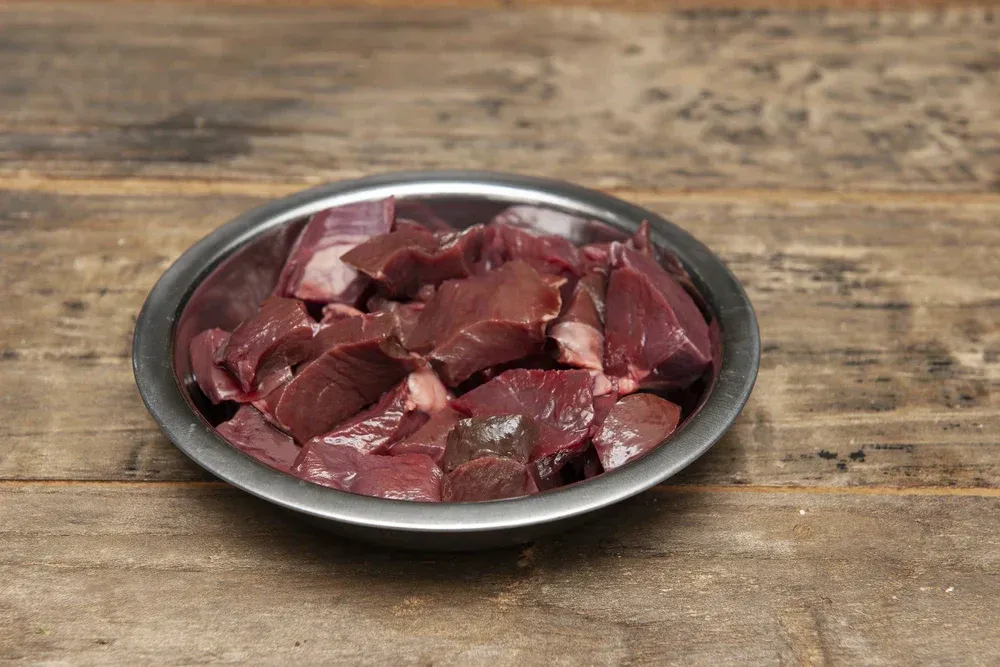
An extremely nutritious product that contains a lot of protein, taurine and coenzyme Q10. Heart is considered one of the healthiest by-products because it is well digested and suitable even for dogs with sensitive digestion.
Kidneys
Rich in B vitamins and selenium. They have a positive effect on the nervous system and maintain hormonal balance. Before cooking, they should be well washed and processed to remove excess metabolic products.
Lungs
Have a low calorie content, but contain protein and collagen. They are convenient to use as a natural treat during workouts. However, too many lungs in the diet is not recommended due to their low nutritional content compared to other organs.
Tongue
It is a tender and nutritious meat that is great for dog nutrition. It contains protein and B vitamins, is well digested and is liked by most animals.
Stomachs (rudders)
Raw rudders are especially valuable, because they contain enzymes that have a positive effect on digestion and intestinal microflora. They help digest heavy foods and reduce the risk of stomach problems.
Trachea, ears, paws
These offal products are a source of chondroitin and glucosamine, which support joints and cartilage tissue. They are often dried and used as a natural chewy treat.
Which offal products are undesirable for dogs
Spleen
Although it is rich in iron, its consumption can cause severe digestive disorders. In large quantities, spleen provokes diarrhea, so it is not recommended as a regular food for dogs.
Brain
This by-product contains a lot of fat and cholesterol. For the animal it has no particular benefit, but the risk of gaining excess weight or creating a load on the liver is high. In addition, the brain spoils quickly and is dangerous without proper heat treatment.
Eyes and other small parts of the head
Often contain a lot of connective tissue and few nutrients. They can also be a source of bacteria if not stored properly.
Gall bladder and pancreas
These organs are not suitable for dogs to eat at all. They contain substances that can cause serious poisoning and damage to internal organs.
Spiced or smoked offal.
Human treats like smoked ears or spiced liver are completely unsuitable for dogs. Salt, spices and smoking additives are dangerous to their stomach and kidneys.
How to give by-products to your dog
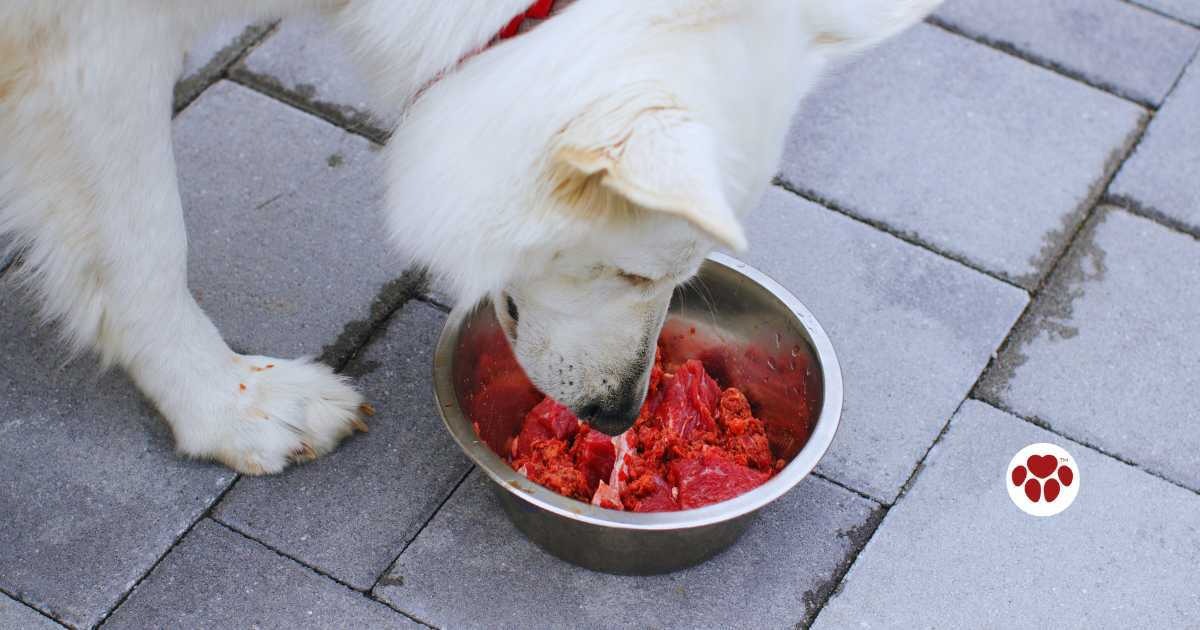
Feeding form. Most offal is best given after it has been boiled. Some (such as rumen) can be offered raw, but only from reliable sources.
Frequency. It is optimal to include by-products in the diet 2-3 times a week. They should not replace meat, but only supplement it.
Quantity. Subproducts are better to give small portions, gradually introducing them into the menu to avoid digestive disorders.
Balance. It is better to combine different types – for example, heart with a small amount of liver, or scars with trachea. This will allow the animal to get maximum nutrients without overloading the body.

Conclusion
By-products are an important part of a dog’s diet that can make the diet more balanced and healthful. Heart, liver, kidney, scars and trachea are considered the most valuable. They provide the body with protein, vitamins, enzymes and substances for joint health. Spleen, brain and other specific organs, on the other hand, are of little use and often dangerous. The main rule is moderation and the quality of the product. If the owner properly introduces offal into the diet, the dog gets not only a tasty, but also a healthy addition to the basic diet.