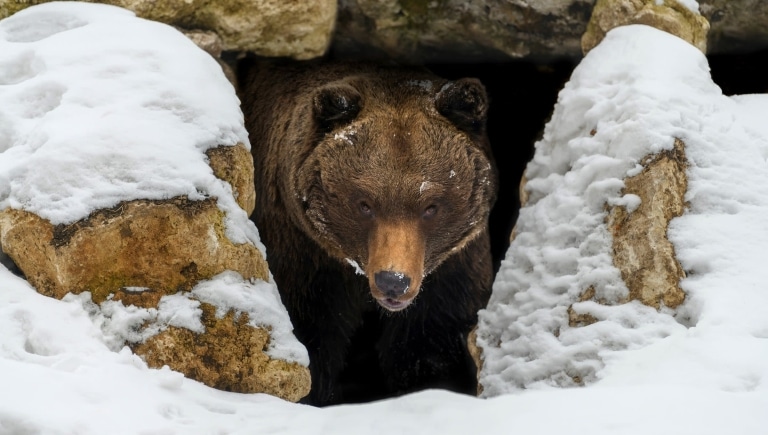
Bears are often talked about as if they just “shut down” for six months. They lie down in the fall – wake up in the spring, lose weight, stretch and go about their business. But the truth is much more interesting and much more complicated. What happens to a bear in winter is one of the most unique survival mechanisms among mammals.
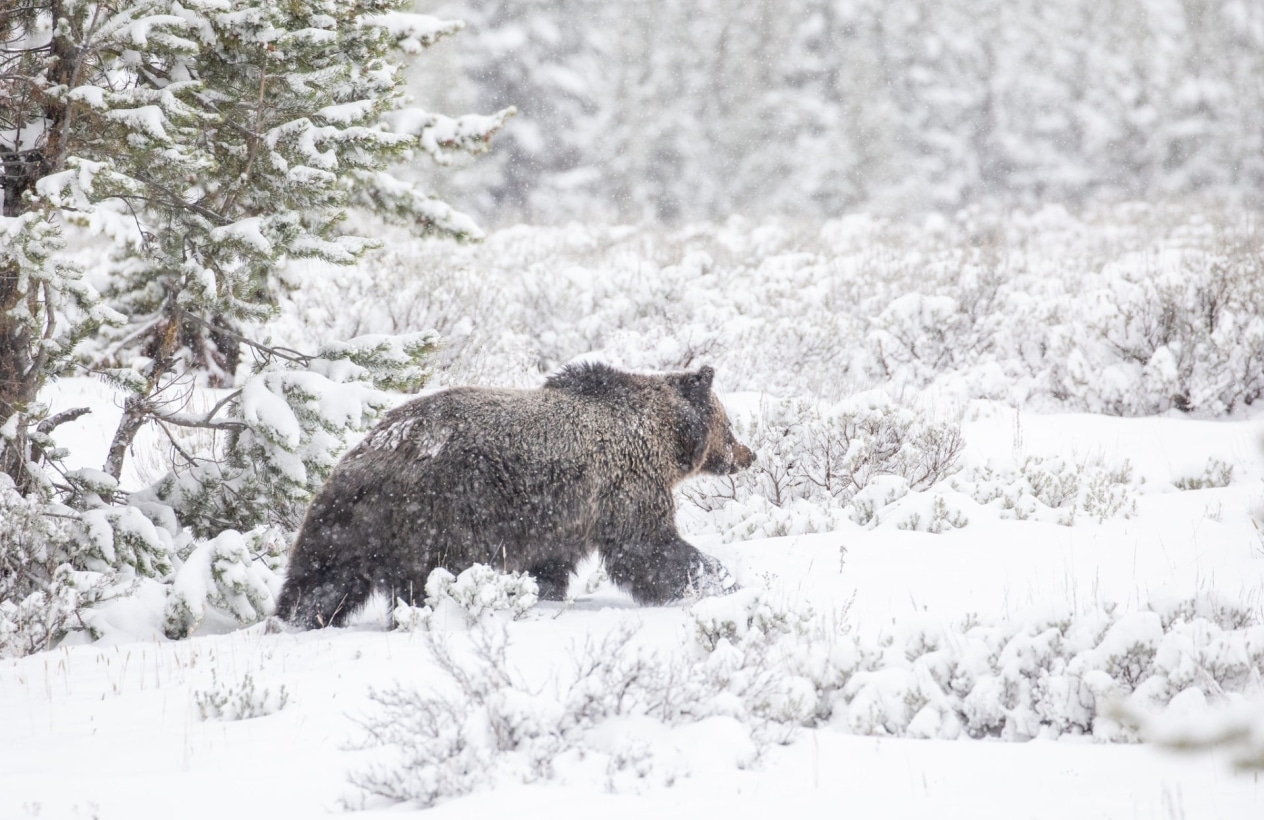
The bear doesn’t sleep the way we imagine.
The bear does not go into classic hibernation like smaller animals. Its state is called winter sleep or a deep form of torpor. His body temperature drops by only a few degrees, his heart beats more slowly, his breathing becomes sparse, but he does not lose his ability to react to danger. If the den is disturbed, the bear can wake up instantly – an important difference from true hibernation.
How the body survives months without food, water or movement
This is where the real miracle begins. Before winter, the bear doesn’t just “get full”, it changes the whole mode of its body. Fat becomes not just a store of energy, but a source of water, heat and nutrients. Products of metabolism do not accumulate and do not poison the body, muscles do not weaken, bones do not lose density. For a human, six months of lying down would mean a catastrophe for the body; for a bear, it is a normally designed survival mode.
Indeed, it can last up to six months
Yes, in northern regions it can. In Alaska, Siberia or Canada, bears can stay in the den for five and sometimes six months. But it’s not a continuous sleep with no breaks. The bear may change positions, wake up for short periods of time, and sometimes even leave the den if conditions change. In warmer regions with mild winters and available food, such a long period of sleep may not be necessary at all.
Bears and babies are a separate story
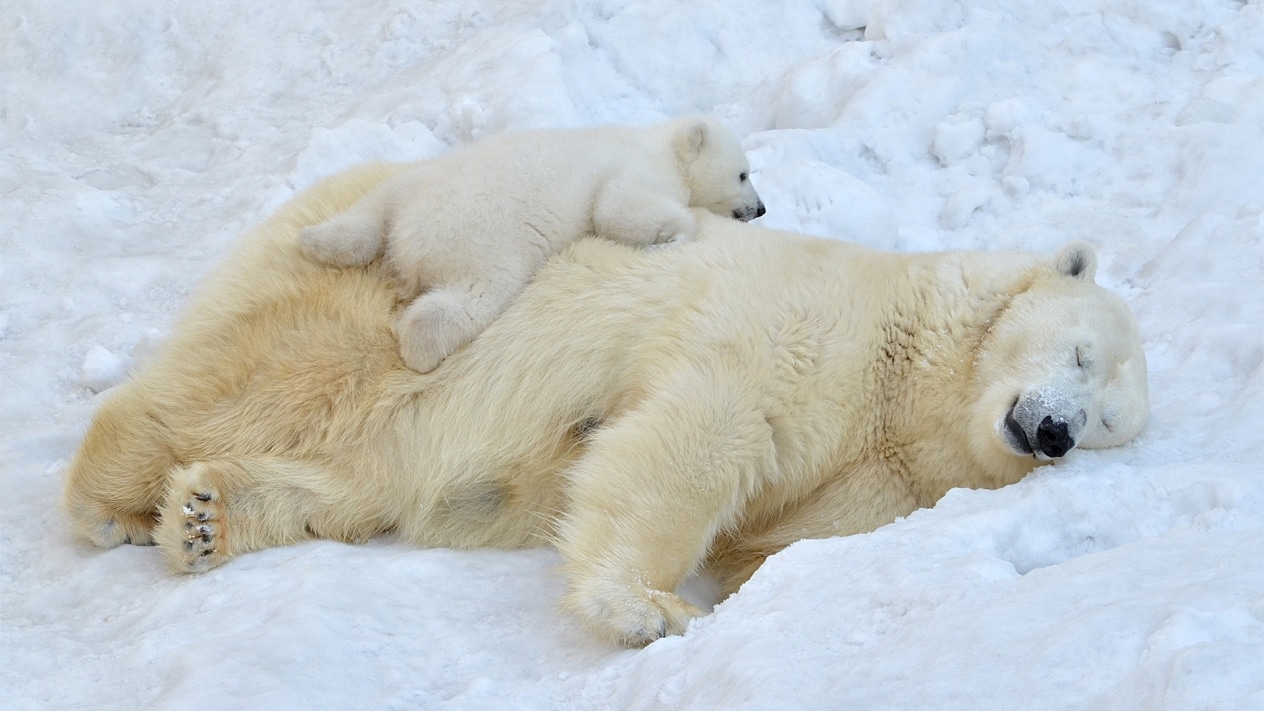
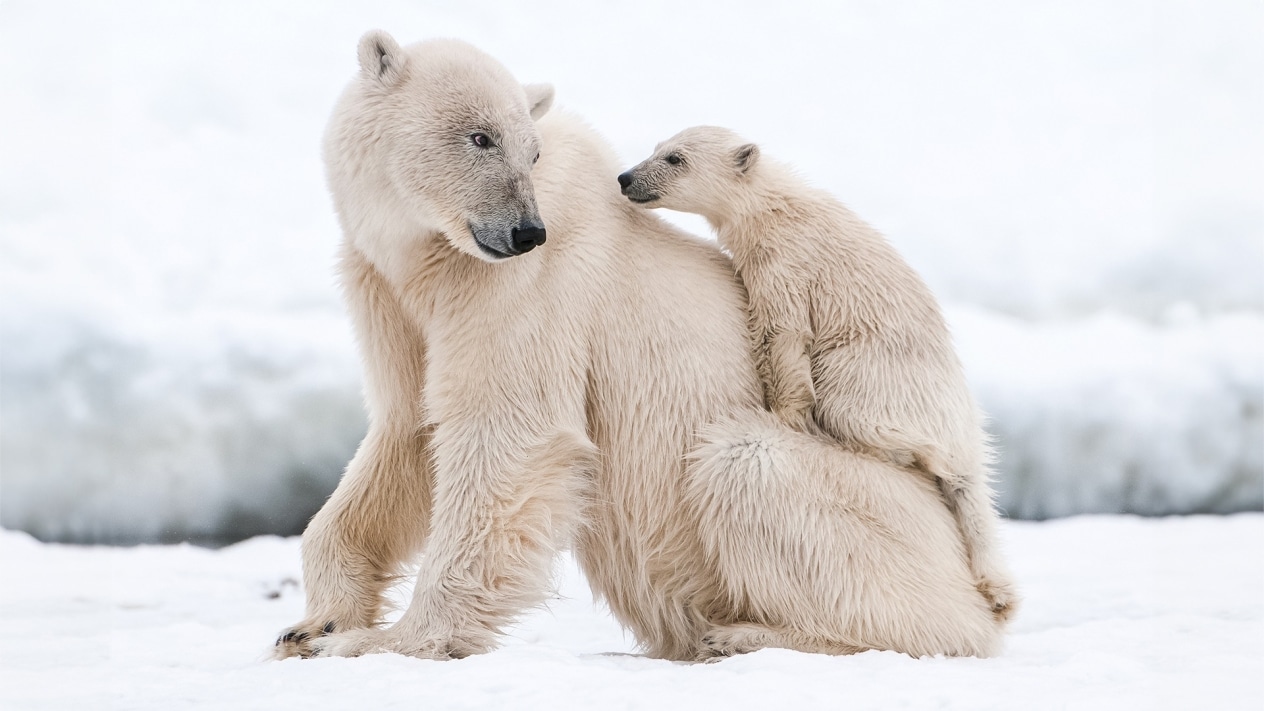
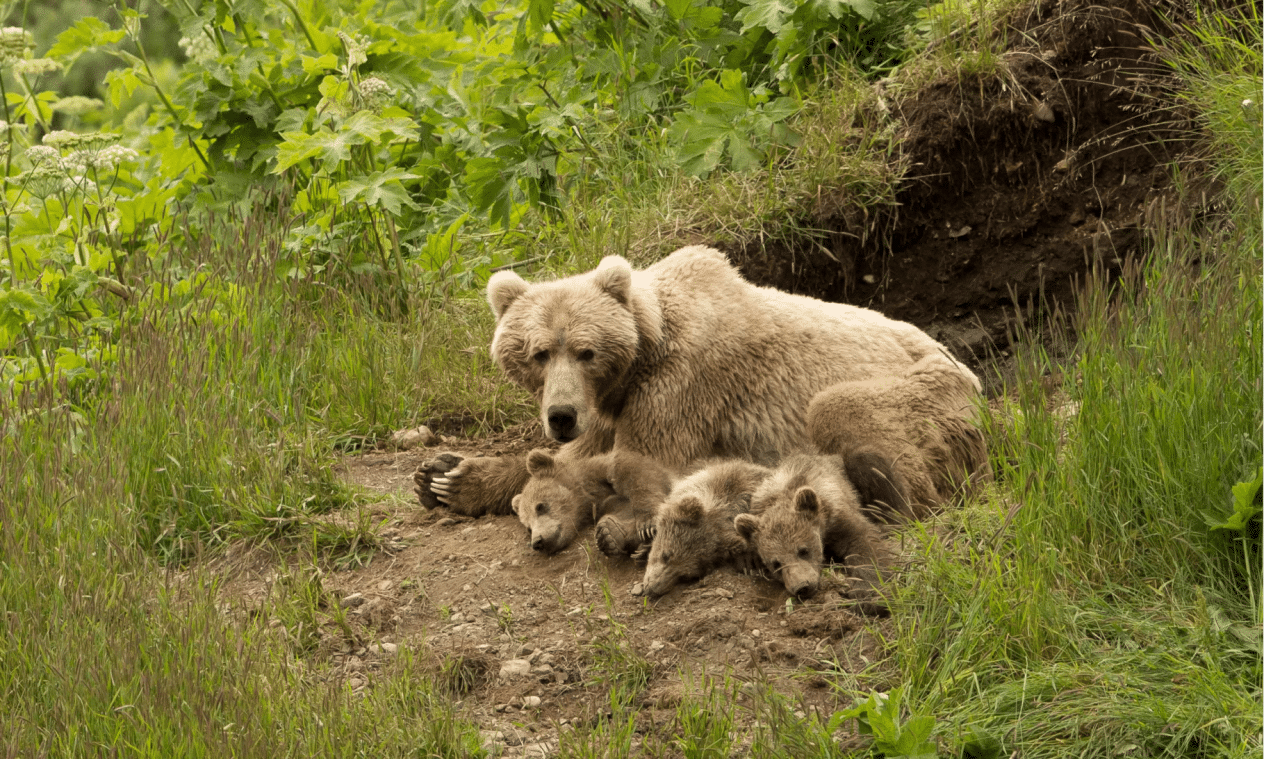
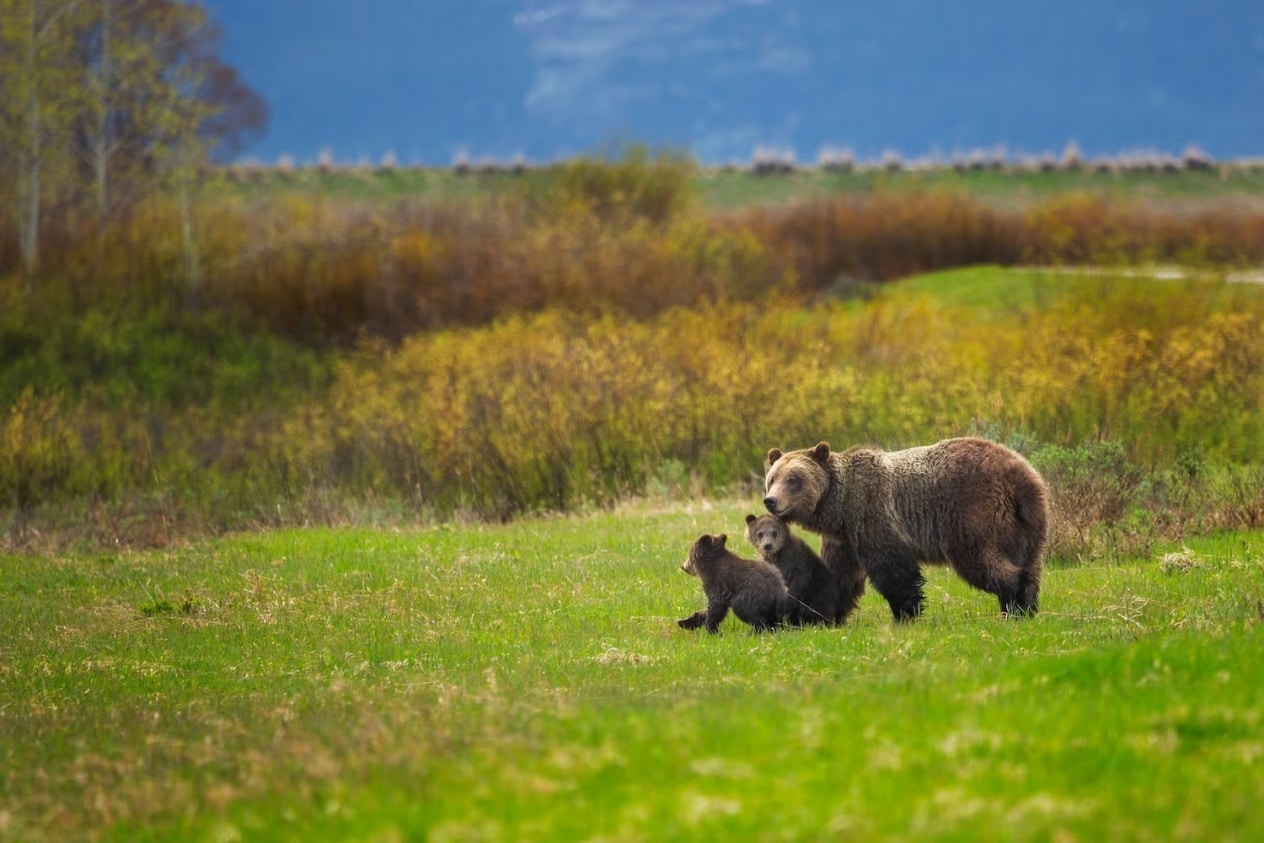
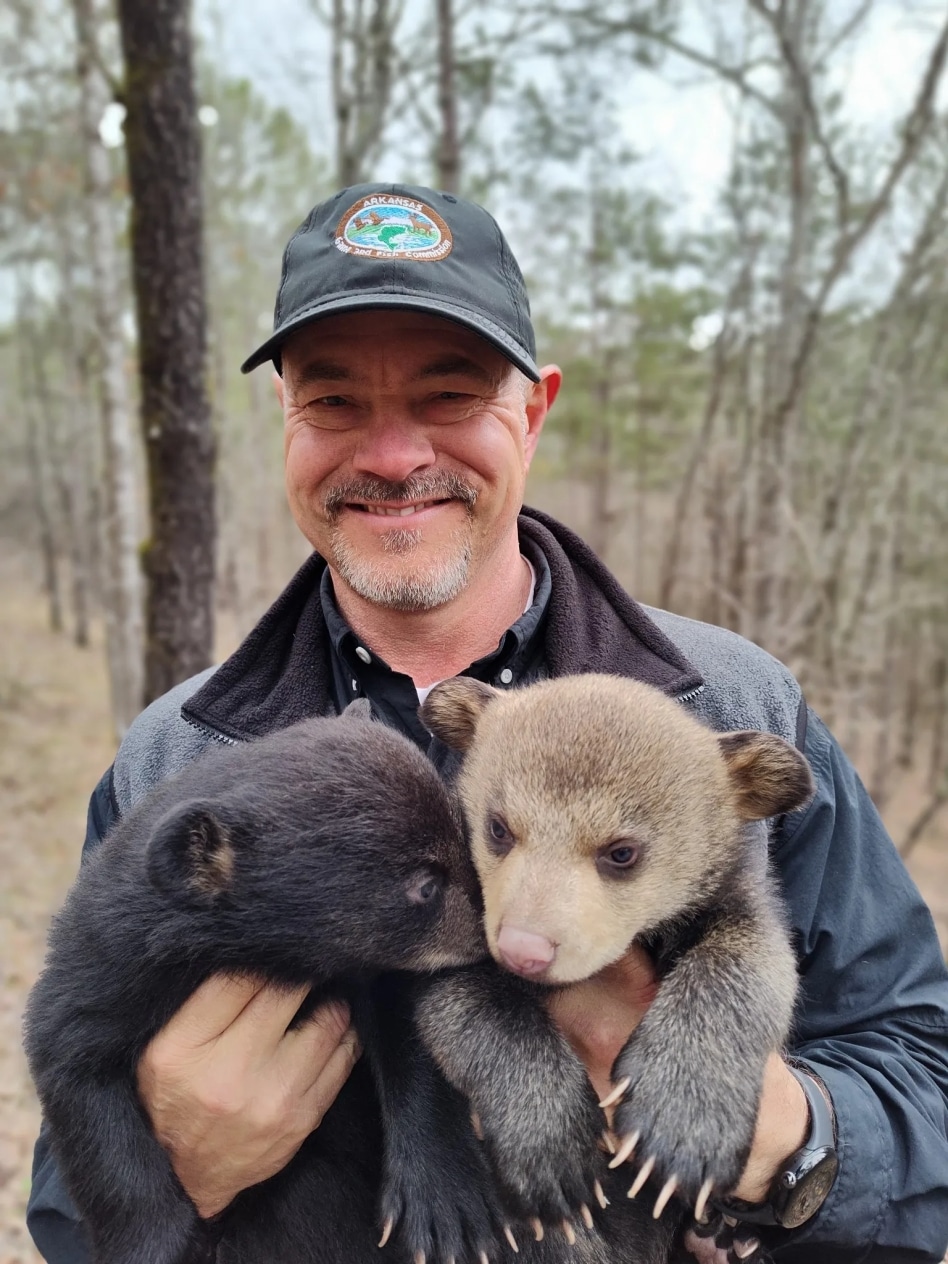
The most interesting thing is that female bears give birth to cubs during their winter sleep. The cubs come into the world tiny and helpless, and the mother nurses them, almost without waking up. Her body simultaneously sustains its own life and the life of the babies without receiving food from the outside. This is a striking example of how finely tuned this system is.
Why not all bears sleep in the same way
The duration of winter sleep is influenced by climate, age, sex, amount of stored fat, and even an animal’s experience. Young or weaker bears may wake up more often. Males tend to sleep less steadily than female bears. And in years when fall has been poor on food, winter sleep may be shorter and more restless.
Conclusion
So, bears are indeed capable of spending up to six months in winter sleep, but this is not a “shutdown”, but a complex, well-thought-out survival mechanism. This is not laziness or magic, but a deep biological wisdom laid down by the Creator, which allows them to survive cold, hunger and lack of resources without destroying their bodies.