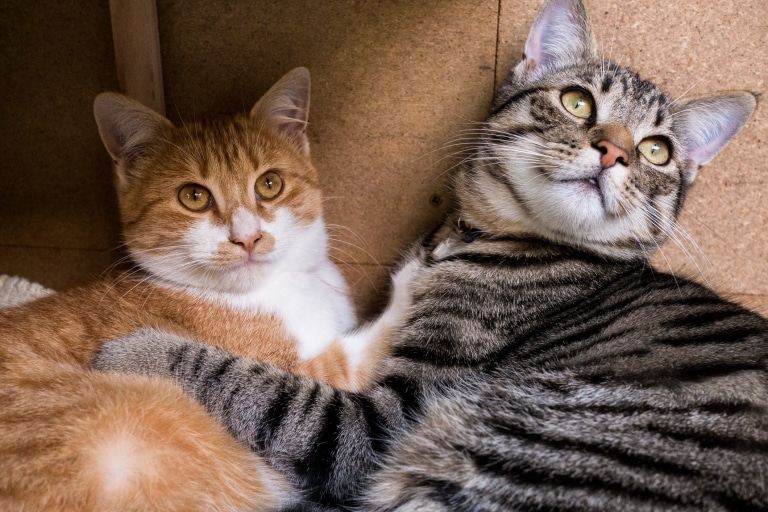

Everyone who lives with a cat has at least once caught himself thinking: “He understands me. The cat looks directly into the eyes, responds to the name, ignores requests, but appears exactly at the moment when the word “eat” sounds. So what is this – a fluke, training or a real understanding of human speech? The answer is considerably more interesting than a simple yes or no.

What exactly do cats understand when we talk to them
Cats do not perceive human speech the way we do – they do not parse grammar, do not analyze the meaning of words and do not build logical chains. But they do recognize sound patterns. Intonation, timbre of voice, rhythm of speech, repeated words – all this cat reads very accurately. For him, the word “is” is not an abstract concept, but a sound signal that many times coincided with a specific action. The same applies to the name, prohibitions, affectionate appeals. The cat does not translate the phrase, but he knows what is expected of him and what usually follows.
Interestingly, cats often react not to the words themselves, but to the way they are said. For them, an affectionate, calm tone means safety, while a tense or harsh tone means potential threat. That is why the cat can “understand” the emotional state of a person even better than the content of his words. In fact, the cat reads not speech, but the person through sound.
Cats are extremely observant creatures. They live next to a person for years, studying his behavior down to the last detail. They know at what point you wake up, what your footsteps sound like, the difference between an “I’m busy” voice and an “I’m bored” voice. Therefore, their reactions often seem deliberate and even sly. A cat may “ignore” an appeal, not because they don’t understand, but because they choose not to respond. And this is a key difference between cats and dogs – a cat always reserves the right to choose.
Cats are also able to form associations not only with words, but with whole phrases if they are regularly repeated in the same context. They can recognize when it is about them, even in a common dialogue. But it’s important to realize: the cat is not trying to conform to human expectations. She is not striving to “be obedient.” She coexists with you, adapting as much as is beneficial and comfortable for her.
Research:
1) Name Recognition Research
Japanese scientists at the University of Tokyo conducted experiments in which cats were sequentially played several sounds followed by their name. The cats responded (moved their ears and head) specifically to their name and not to other words, indicating an ability to recognize the sound patterns of human speech – at least their name. This does not mean that they “understand language” the way humans do, but they differentiate sounds by their meaning to themselves.
2) Recognizing the host’s voice
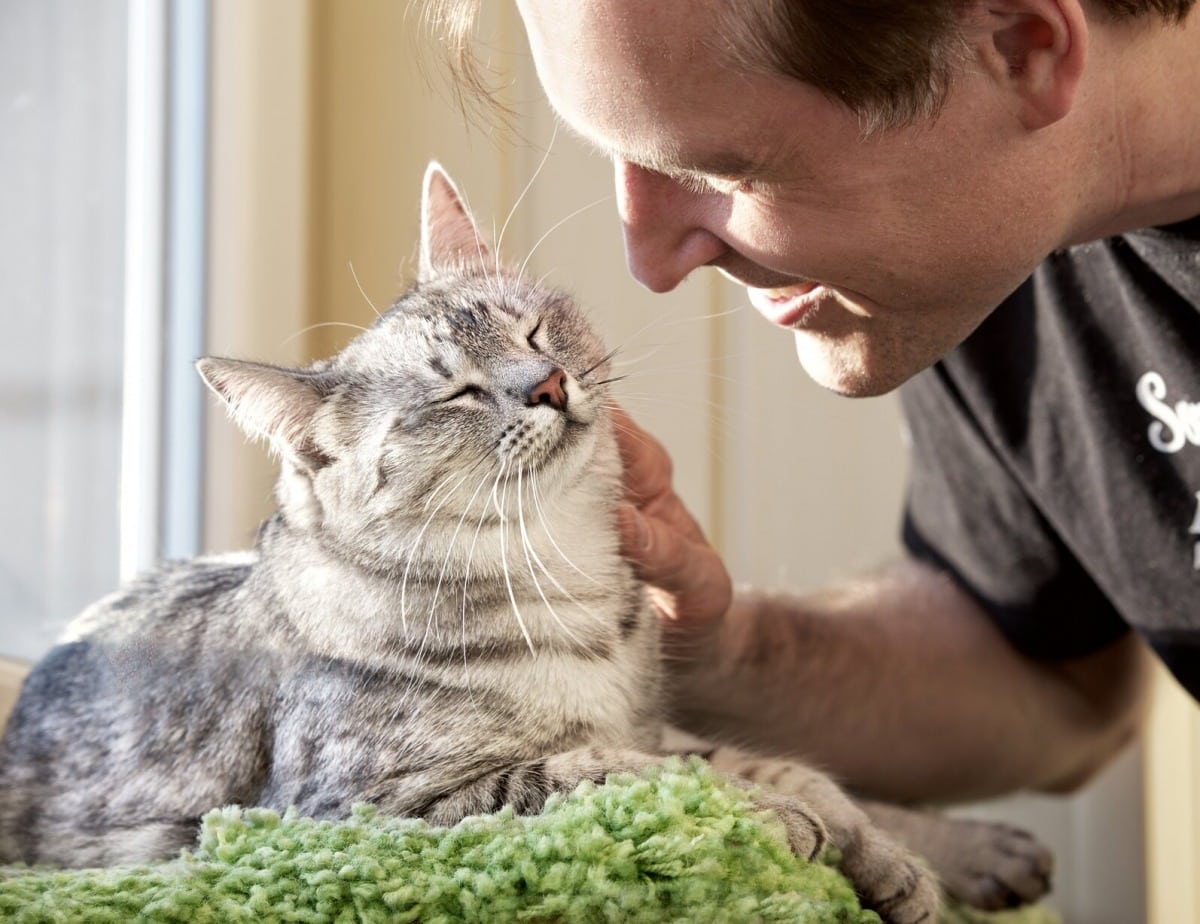
In another study (working with animal behavior), cats showed different orienting responses (ear and head movements) to recordings of voices – their own owner and strangers. The response was stronger when the owner’s voice was heard. This shows that cats recognize familiar human voices, although they do not necessarily understand their content.
3) Word-object associations
A research team from Japan (2024) showed that cats can quickly form associations between a word and a picture of an object during a “swich test” (stimulus switching) experiment. This is a basic ability for word learning, but it is not indicative of language comprehension in the human sense – it is the formation of associations between sound and meaning.

Conclusion
So, cats don’t understand human speech in the human sense, but they understand us perfectly well. Through intonation, repetitive sounds, emotions and behavioral cues, they read our intentions and moods. That’s why communication with a cat often feels magical – you speak different languages, but surprisingly find common ground.
The cat doesn’t translate words. He reads you. And perhaps that is why its silent understanding is sometimes deeper than any phrases.