We have already written a lot about dog mixes and métis, but until now we have never touched upon the topic of cat crosses. And for nothing – because cat mestizos deserve no less attention. It is a wonderful world, where different traits, characters and even genes of wild ancestors are combined.
Why are cat mixes talked about less often?
First, cats are less dependent on humans than dogs and are often perceived as “regular pets,” even if they have a pedigree. Second, in dogs, mixes are actively promoted as new designer breeds, while in cats this phenomenon is less common. And, thirdly, there is less information about cat crosses, because cat breeding is traditionally more conservative.
Can different breeds of cats be combined?
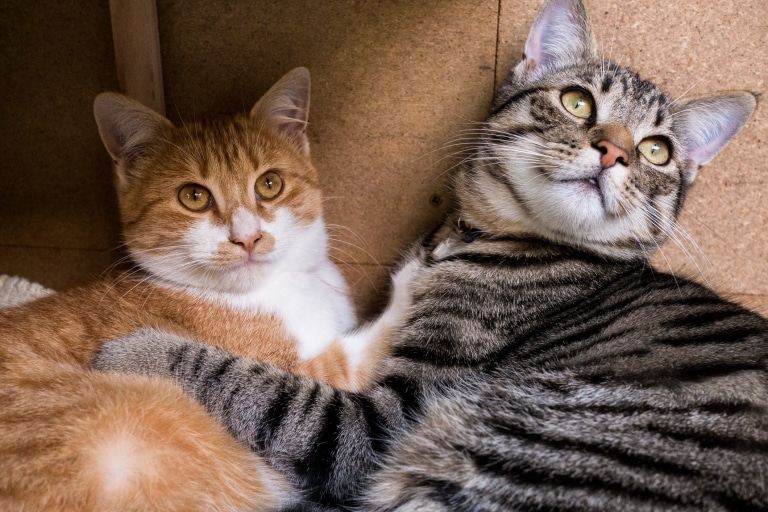
Yes, different breeds of cats can be crossed. This is done both to create new official breeds and accidentally. There are many examples. In general, the offspring depends on the combination of genes. Somewhere the mix gives more viable and cute kittens, and somewhere – the risk of serious hereditary problems.
The most popular cat mixes are
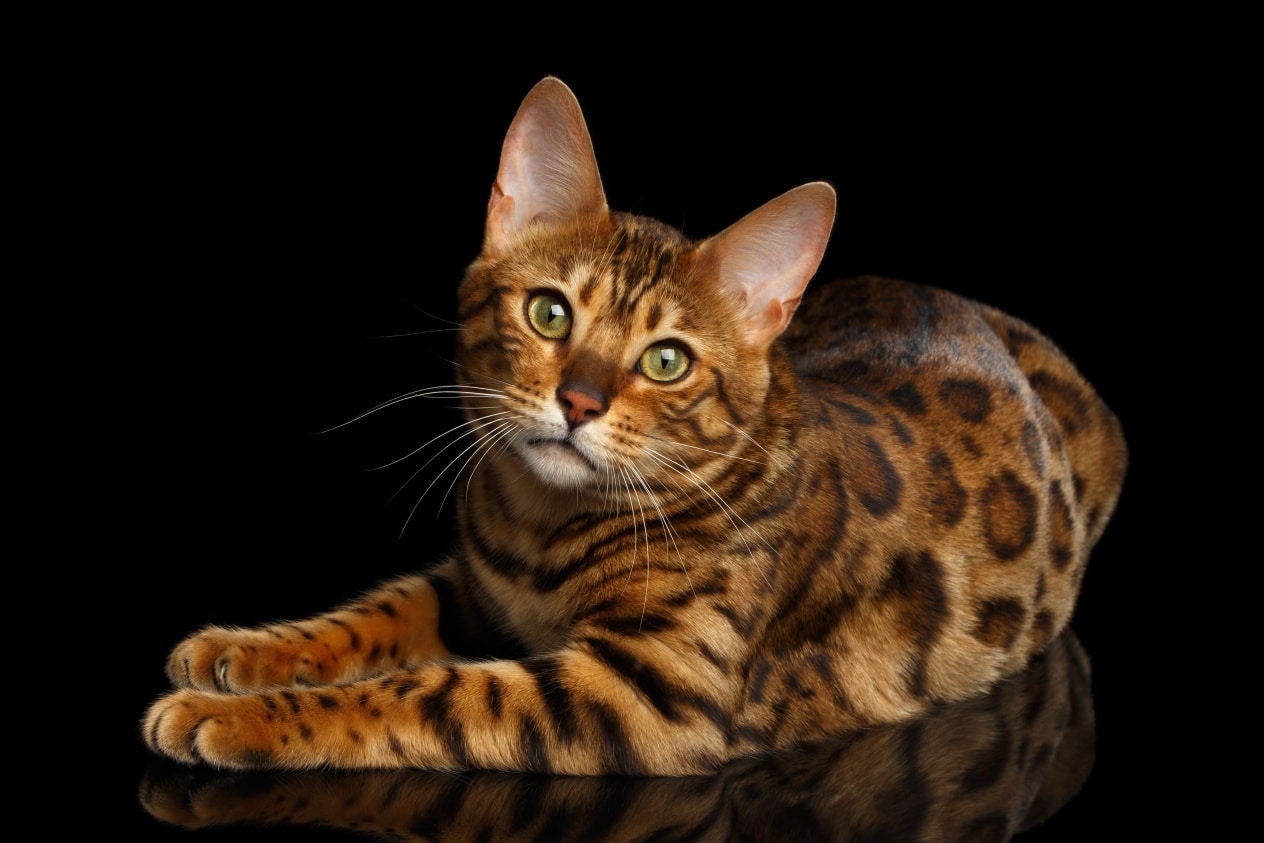
Bengal (Bengal cat).
Bengals came about by crossing domestic cats with the Asian leopard cat. They combined the exotic appearance of a wild ancestor and the character of a domestic favorite. Their coloring resembles the skin of a leopard – with large contrasting spots or marble pattern. Bengals are extremely active, requiring lots of play and mental stimulation. They are cats for energetic people, as they love to climb, jump and even learn tricks. Along with the beauty comes the requirement for attention – without enough interaction, they can become bored and harmful in the home.
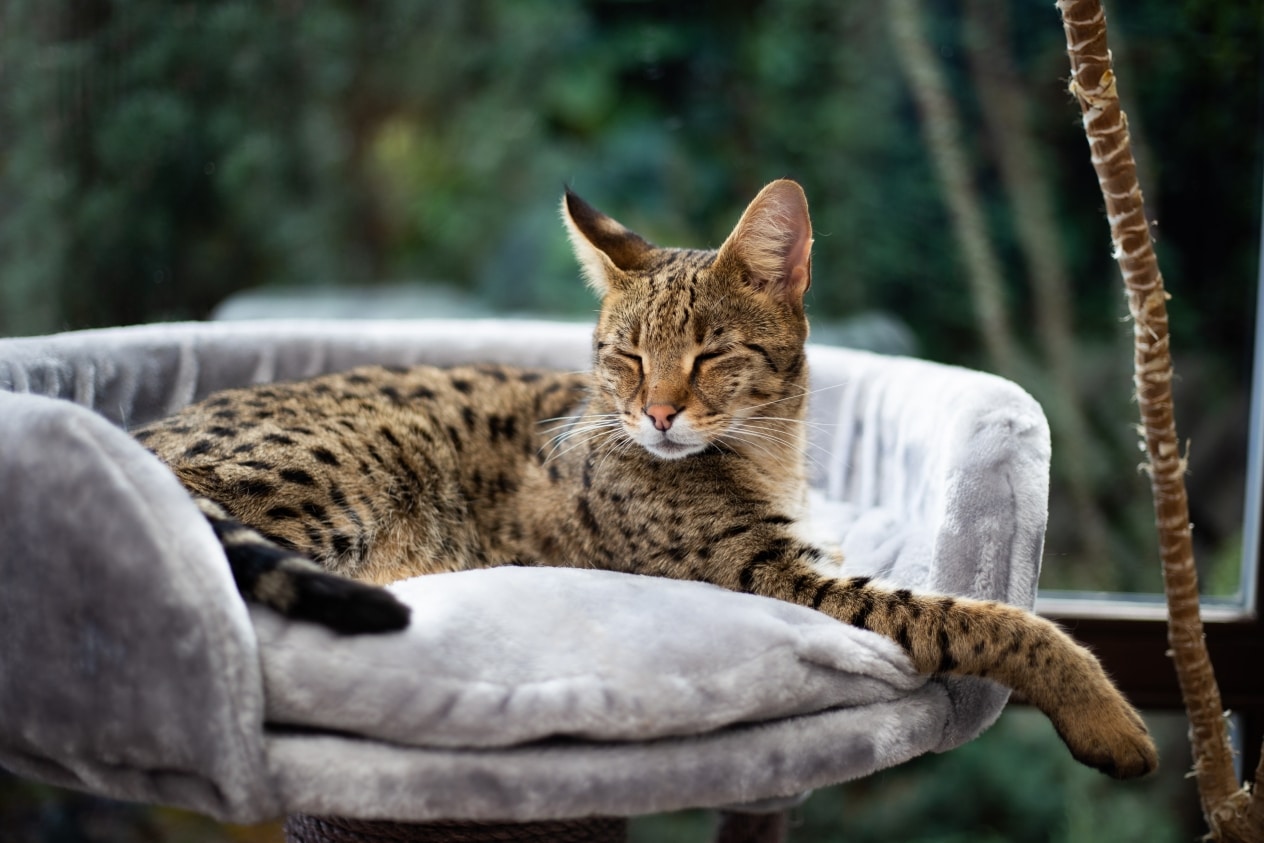
Savannah
The Savannah is the result of crossbreeding a domestic cat with the serval, a wild African animal. It is one of the largest and most expensive breeds in the world: adult Savannahs can weigh up to 15-18 kilograms and can be as tall as a man’s knee. They have long slender paws, large ears and a spotted body resembling a real wild predator. By nature, Savannahs are very active, independent and need large spaces. The first generations (F1-F3) often retain wild behavior, are difficult to raise, and are suitable only for experienced owners willing to provide them with freedom and sophisticated care.
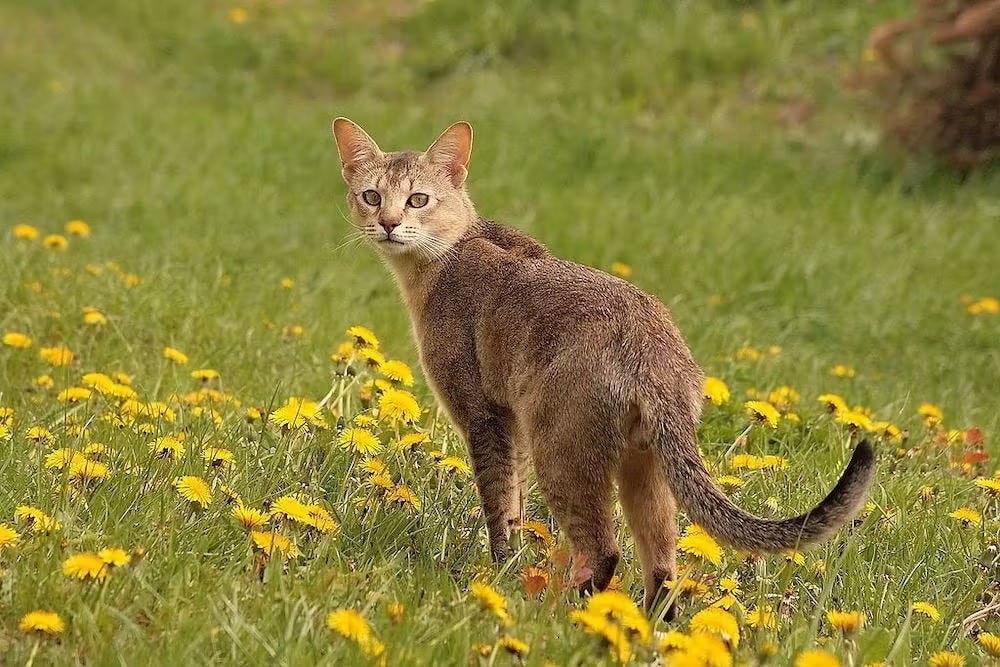
Chausie
This is a hybrid of a domestic cat and a swamp cat that lives in Africa and Asia. Chausies have a slender athletic body, long paws and look like miniature wild predators. They are extremely agile, love to run, hunt and explore new spaces. Because of this, Chowsies need large homes or access to safe walking. These cats are not for “couch life”, they need active owners who will pay attention to games and development. They are difficult to keep in a small apartment because without space, they quickly become restless.
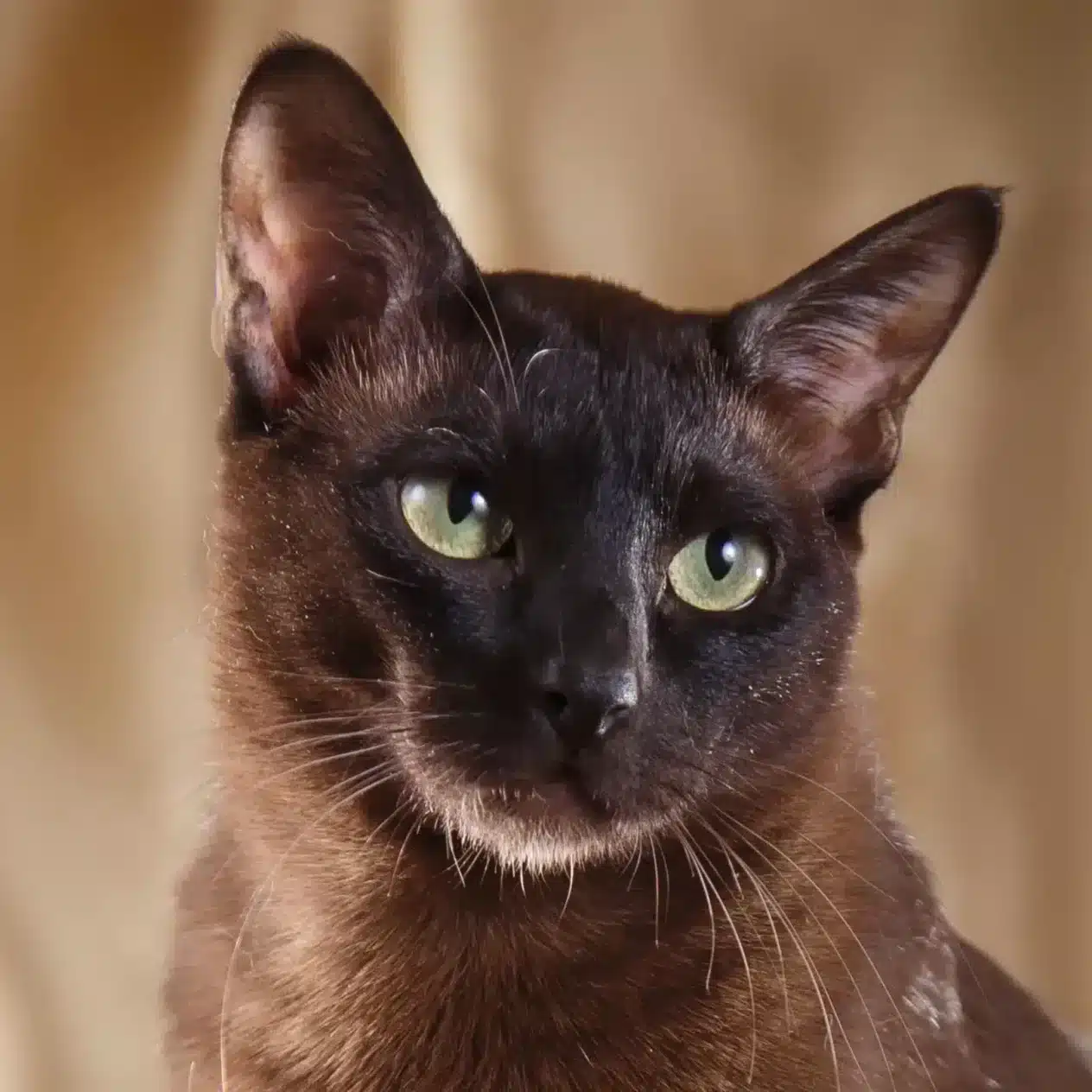
Tonkinese cat.
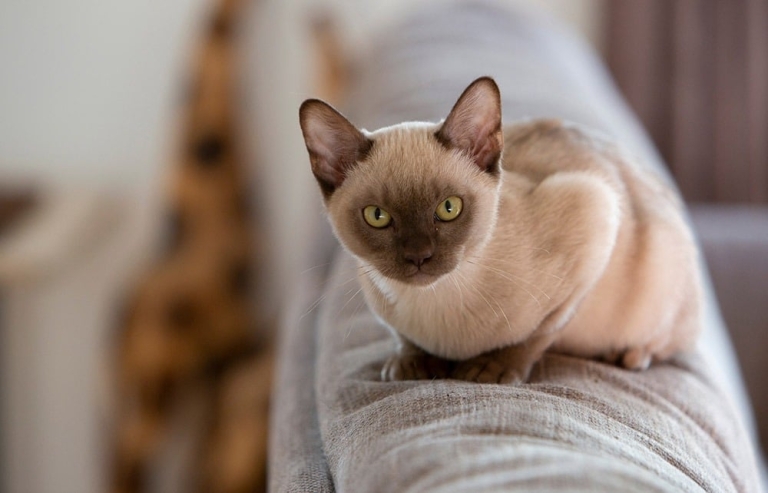
The Tonkinese cat is one of the most successful examples of the “domestic” cross. It combined the gracefulness of the Siamese cat with the softness of the Burmese character. Tonkinese are very sociable, love to be near a person and do not tolerate loneliness. They have a unique mink color – something between contrasting Siamese and solid Burmese. They are great companions for families because they are adaptable, affectionate and intelligent.
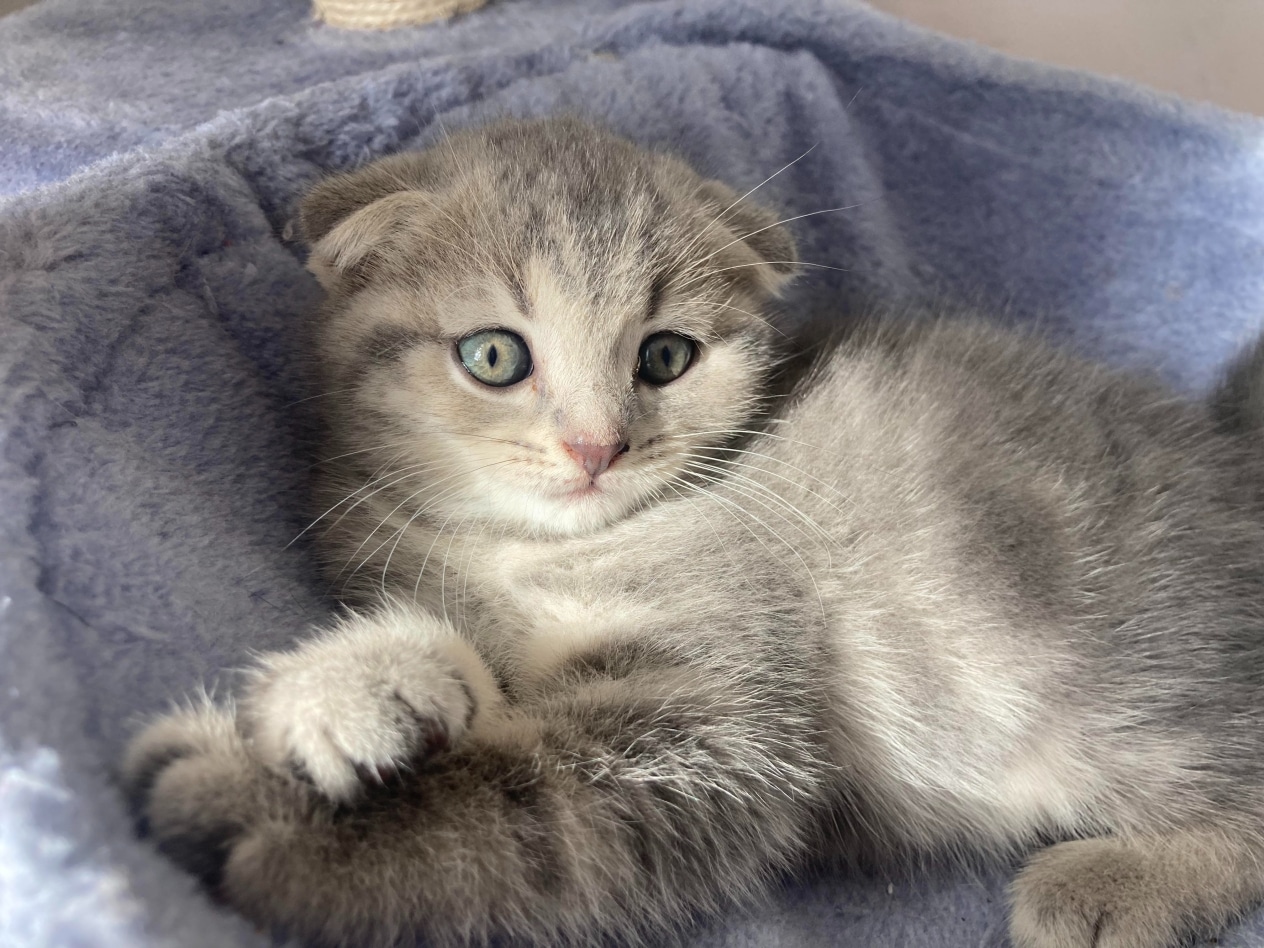
Foldex
The Foldex is a Canadian breed created from a cross between the Scottish Fold and the Exotic Shorthair. The cats have a round face, short body, large eyes and sometimes folded ears, making them very cute and “doll-like” in appearance. They are usually friendly and affectionate, but because of the genetics of the Scotish Folds, they often have joint and spinal problems. Therefore, Foldex breeding is still controversial among breeders.
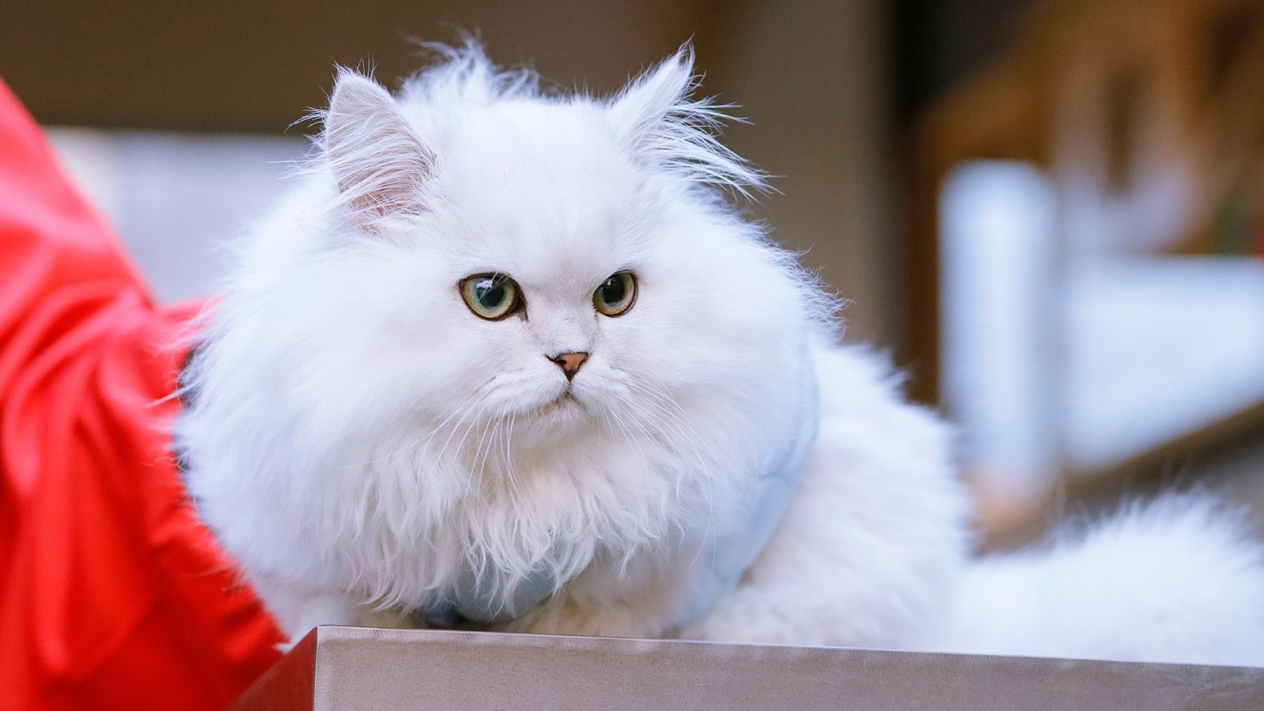
Minuet (Minuet, or Napoleon)
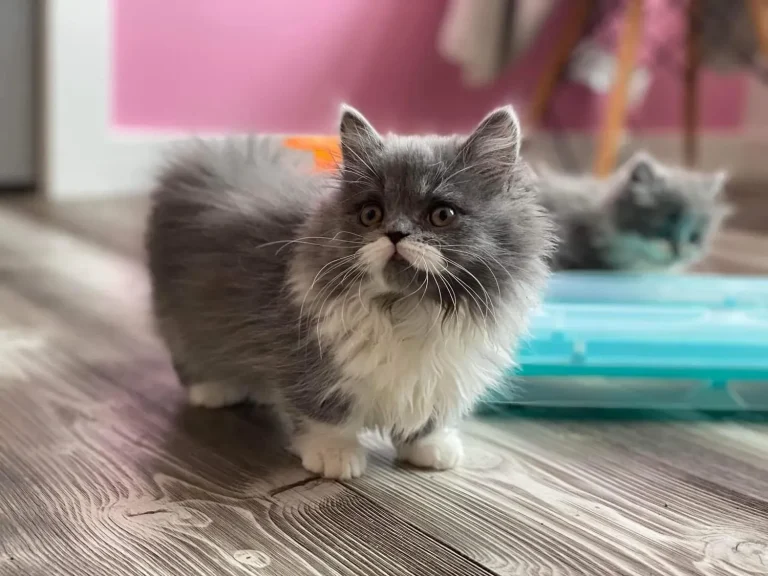
Minuet combined the munchkin with its short legs and Persian with thick hair and flat face. The result is a cat with the look of a plush toy that instantly wins hearts. They are affectionate, calm and very attached to their owners. However, due to the combination of mutations, these cats can have health problems: short legs contribute to spinal strain, and the flat face sometimes leads to breathing difficulties.
Conclusion
Cat mixes are a combination of beauty, genetics, and contradictions. Some, like the Tonkinese or Bengal, have become full-fledged breeds, while others remain controversial due to health issues. And hybrids with wild cats are a very special category that requires a lot of responsibility and knowledge.
It is important to remember that every crossbreeding should take into account the welfare of the animal, not its appearance.