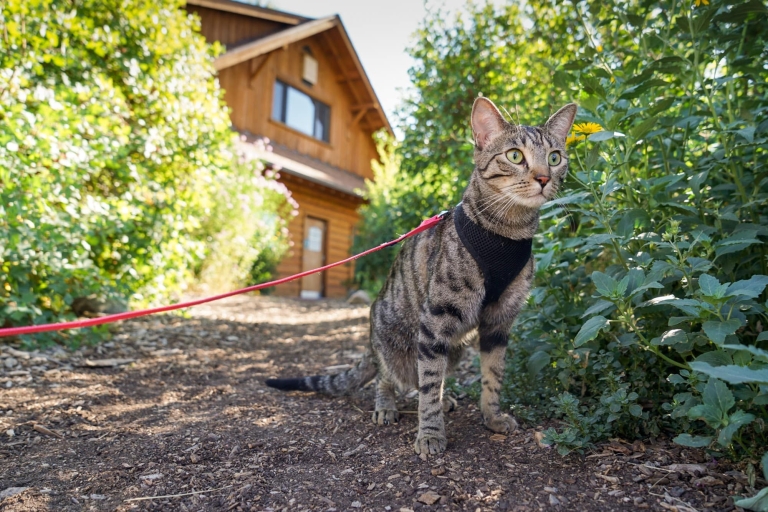
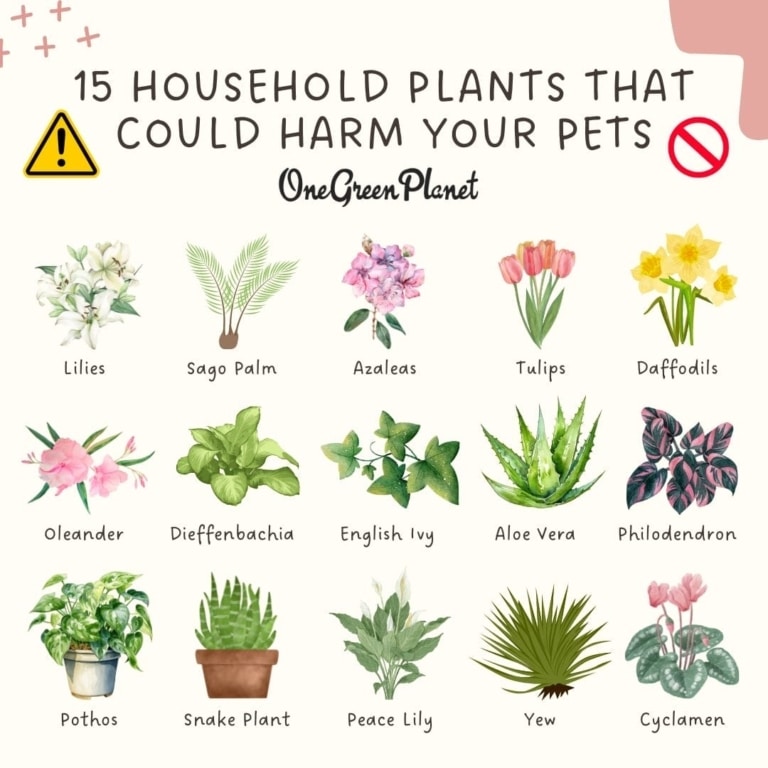
Nature is designed for harmony, but not every gift is safe for our pets. Flowers and ornamental plants decorate homes, but many of them contain toxic substances that can cause allergies, digestive disorders, seizures or even serious organ damage in animals. Knowing about dangerous plants is not just an element of care, but part of true owner responsibility.
Why some plants are harmful to animals
Most toxic plants produce poisonous compounds as a natural defense against insects or herbivores. In cats and dogs, these substances cause reactions we may not immediately notice: vomiting, salivation, dilated pupils, loss of appetite, seizures, or even cardiac arrest. Particularly dangerous situations occur when an animal tastes leaves, flowers or even water from a vase out of boredom or curiosity.

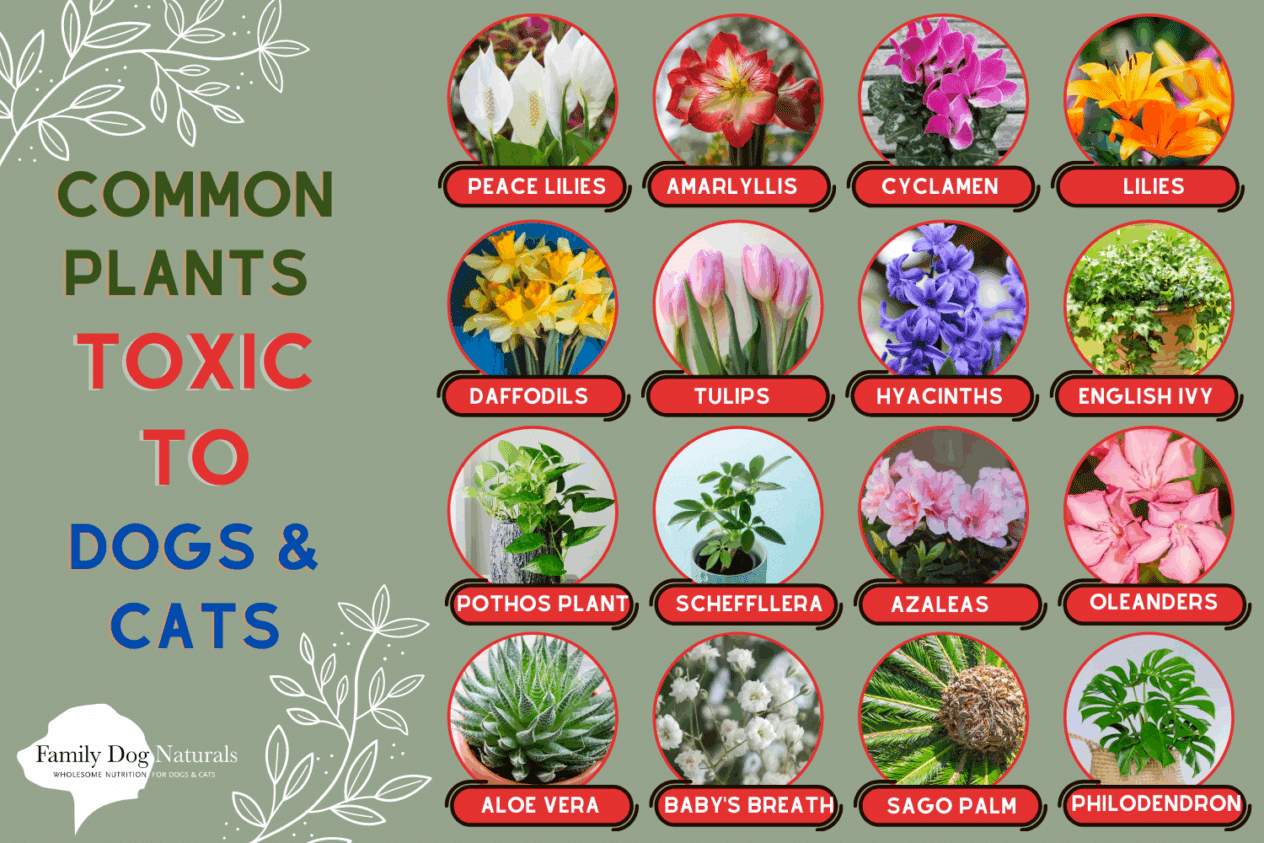
The most common poisonous plants in our homes are
1- Lilies (Lilium spp.)
Absolutely all parts of the lily are deadly to cats. Even a drop of water from the vase can cause acute kidney failure. In dogs, the symptoms are milder, but also serious: vomiting, apathy, weakness.
2. Dieffenbachia (Dieffenbachia).
A popular houseplant that is often placed in the living room. Its sap contains calcium oxalate crystals – if ingested, it causes mucous membrane burns, salivation, swelling of the tongue and difficulty breathing.
3- Azalea (Rhododendron spp.)
Beautiful flowers, but the toxins gratanotoxins affect the heart and nervous system. Even a few leaves can cause vomiting, seizures, and in severe cases, coma.
4- Aloe (Aloe vera).
While aloe is a real burn and skin remedy for humans, it can be poisonous for cats and dogs. The leaves contain aloin, which causes diarrhea, weakness, and changes in urine color.
5. Ficus (Ficus elastica, benjamina)
Ficus milky juice irritates mucous membranes and causes itching, vomiting and dermatitis. Often animals lick the leaves without feeling threatened, and the owner notices only the consequences.
6. Kalanchoe (Kalanchoe spp.).
Contains bufadienides – compounds that affect the heart rhythm. Symptoms: nausea, vomiting, trembling, in severe cases – arrhythmia.
7. Tulips and daffodils
The bulbs of these spring beauties are the most dangerous part. They contain alkaloids that provoke vomiting, diarrhea, loss of coordination and heart damage.
8. Ivy (Hedera helix).
Its berries and leaves are poisonous. They cause severe vomiting in dogs and tremors, seizures and drowsiness in cats. Even contact with the juice can cause skin irritation.
9. Monstera
Very popular among interior plant lovers in recent years, but its leaves also contain calcium oxalates. Even a small piece can cause swelling of the tongue and throat, which is dangerous for cats with narrow airways.
10. Oleander (Nerium oleander).
One of the most dangerous plants in the world. Contains cardiac glycosides that, even in microdoses, can cause death. Animals die after eating a few leaves or even chewing a twig.
The most common poisonous plants on a walk
A walk seems safe, but it’s outdoors where animals often come into contact with dangerous species that grow right underfoot. Even a brief lick of a leaf can be fatal to a cat or dog.
1. borschtail (Heracleum sosnowskyi).
Its sap causes severe burns when it comes in contact with the skin when exposed to the sun. If a dog runs through a bramble thicket, it can cause blisters, sores, itching and even eye inflammation.
2- Belladonna (Atropa belladonna)
Known as wolfberry, the entire plant is poisonous, especially the fruit. In animals it causes agitation, rapid heartbeat, convulsions, and then sudden respiratory depression.
3. Hemerica (Veratrum spp.)
It grows in meadows and near forests. Its rhizome contains powerful alkaloids that cause severe vomiting, confusion and convulsions. Even a small dose is dangerous to small dogs.
4. Lily of the valley (Convallaria majalis).
A delicate spring plant, but its fragrant bells contain cardiac glycosides. Animals may experience irregular heart rhythms, nausea, and a drop in body temperature.
5. Buttercup (Ranunculus spp.).
The sap of this plant irritates mucous membranes, causes salivation and inflammation of the oral cavity. Most often animals suffer after tasting the herb during a walk.
6. Foxglove (Digitalis purpurea).
A plant with beautiful purple flowers, but is extremely poisonous. It contains cardiac glycosides that disrupt the heart and can cause it to stop.
7. Wormwood (Artemisia absinthium).
Although it has medicinal properties, it is toxic to animals in large doses. Causes vomiting, weakness, and incoordination.
8. Wild onions, garlic and onion herbs
Contain thiosulfates that destroy red blood cells in the blood of cats and dogs, causing anemia. Symptoms may not appear until a few days after a walk.
9. Field mustard and canola
During flowering, they release toxic oils that irritate the gastric mucosa. The animal may experience nausea, regurgitation and weakness.
10. Hemlock spotted hemlock (Conium maculatum)
One of the most dangerous wild herbs. Even a small bite of a stem or leaf causes respiratory distress, paralysis and death within hours.
How to recognize pet poisoning
Symptoms depend on the species of plant, but there are general signs to look out for:
excessive salivation, vomiting or diarrhea;
dilated pupils, unsteady gait, seizures;
difficulty breathing, coughing;
apathy, refusal to eat, weakness;
urine discoloration, cramping or blue tongue.
If you suspect your cat or dog has eaten part of a plant, contact your veterinarian immediately. Do not attempt to induce vomiting on your own without counseling – this can worsen the condition, especially with acid or alkaline juice poisoning.
Safe alternatives for homes with animals
There are many beautiful and safe plants that you can safely keep at home:
spathiphyllum (in small quantities), violets, bamboo, mint, basil, green moss, chlorophytum, palms (except for cycad). They create coziness, purify the air and do not carry a threat to tails.

How to avoid danger
To keep your cat or dog safe:
Keep potentially dangerous plants out of reach, don’t leave bouquets on the floor, check the composition of soil mixtures and don’t let them drink water from vases. Even if the pet seems indifferent to greenery – curiosity can wake up at any time.
Conclusion
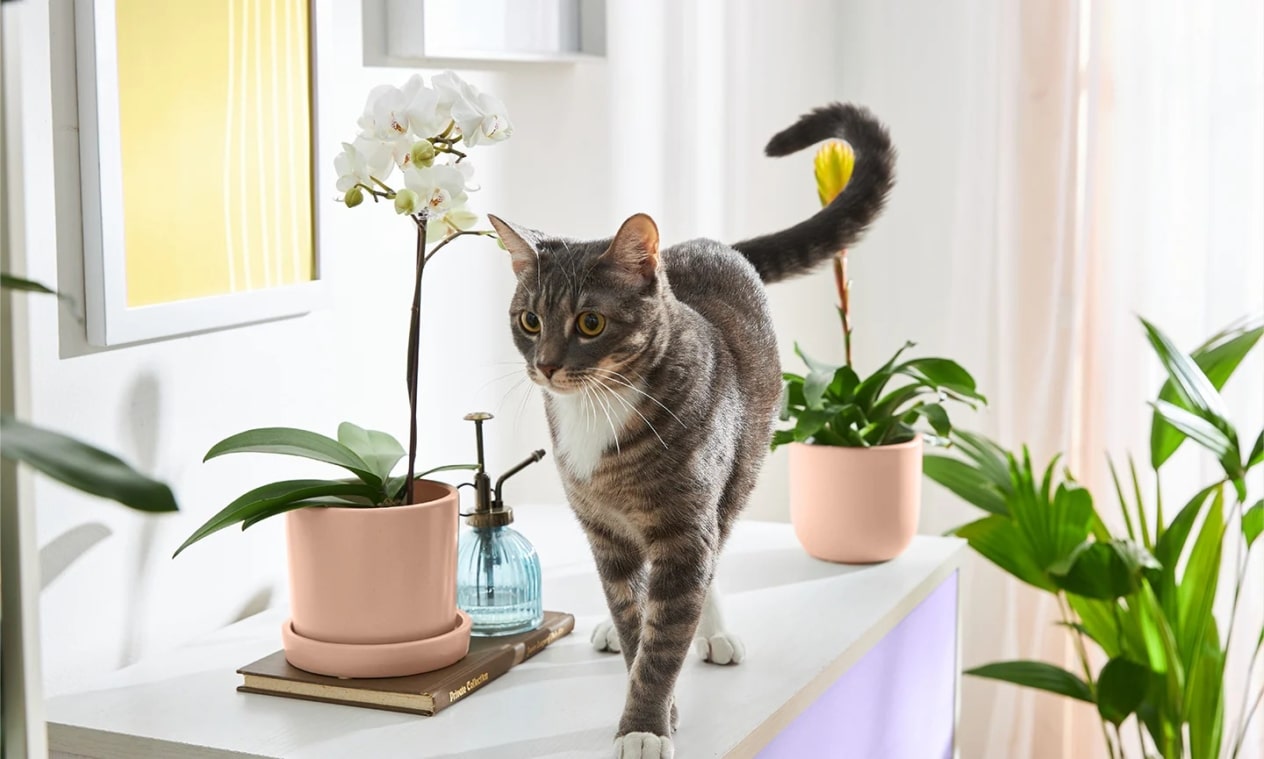
Love for nature is wonderful, but it requires a sensible approach. Plants can decorate the house, but before you put a new vase on the windowsill, make sure that it does not pose a threat to your cat or dog. Caring is paying attention to the little things that can keep your Ponytail alive.