Cats sleep: how much and how they sleep
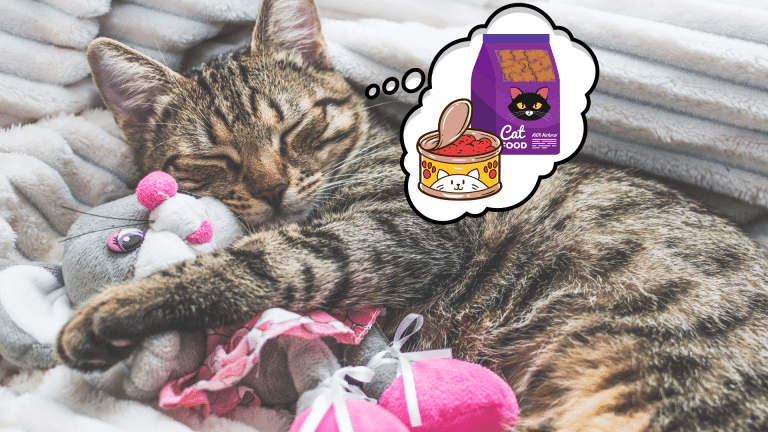
Cats are known for their love of sleep. On average, an adult cat spends 12 to 16 hours a day dozing, and some even up to 20. This is due to their predator nature: in the wild, big cats rest most of the day to build up their energy for hunting. Domestic Pets have retained the same instincts, even if their “prey” is now limited to a bowl of food.
Sleep in cats consists of several phases. First, they enter slow-wave sleep, when the body is maximally relaxed, breathing is even, and consciousness sinks into deep rest. Then comes the REM phase (rapid eye movements) – it is at this point that the cat may move its paws, twitch its whiskers, twitch its tail, or even make sounds. This phase is directly related to the occurrence of dreams. So, when you see your Ponytail “chasing” something in his sleep or meowing slightly, he is almost certainly dreaming.
Evidence that cats have dreams
Science has some interesting confirmation. Back in the twentieth century, scientists conducted experiments on cats, connecting electrodes to their brains to monitor activity during sleep. The results were similar to those of humans: in the REM phase, the cats’ brains work as intensely as in the waking state. This means that at this moment they form images, emotions and action sequences – i.e. dreams.
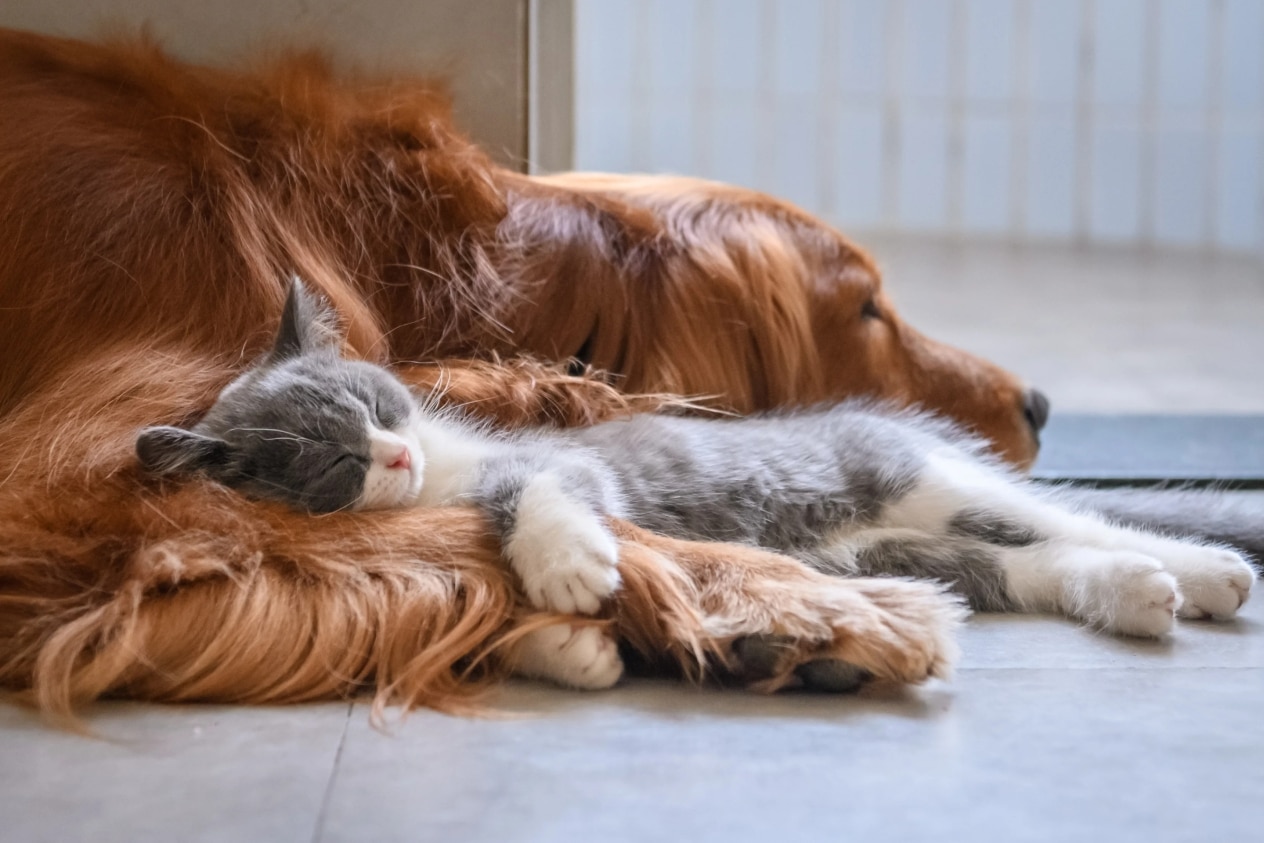
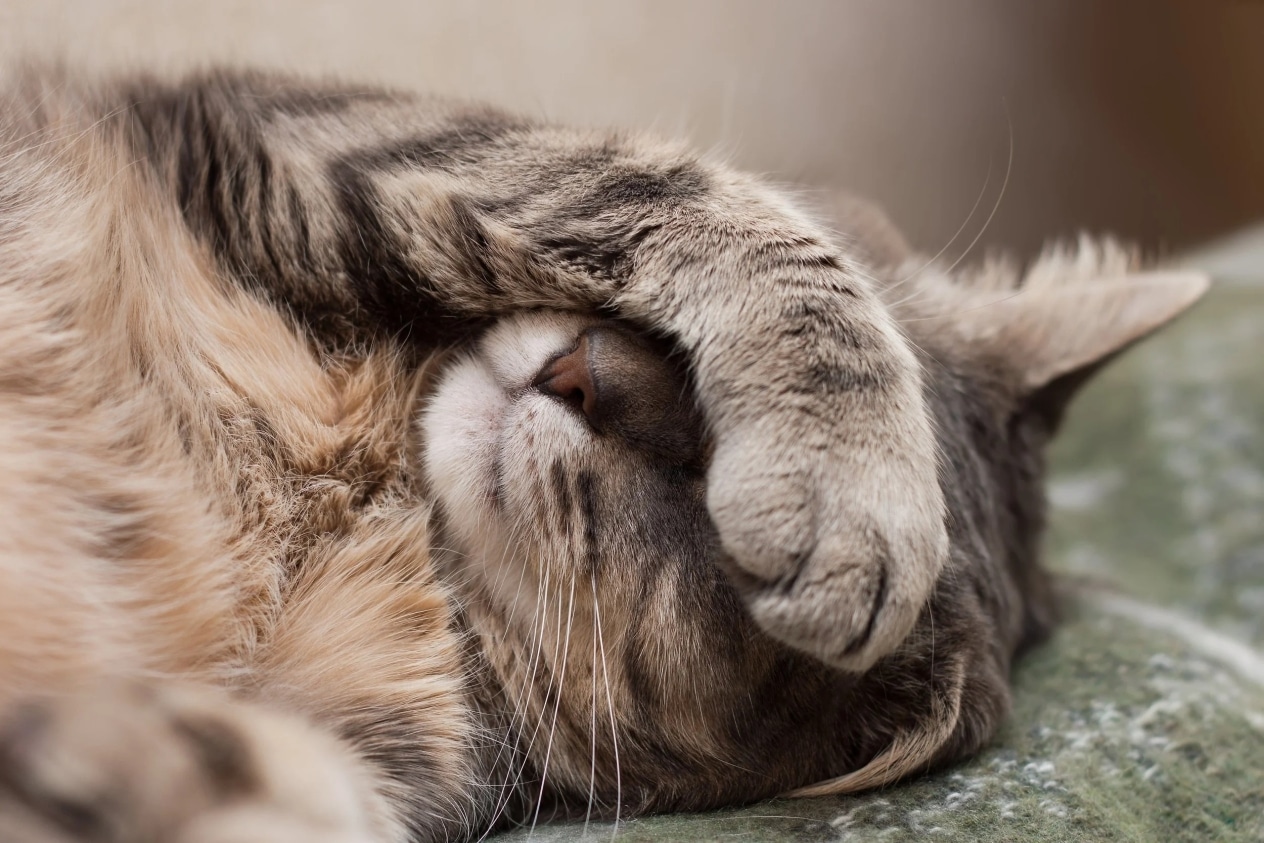
In addition, observations of cat behavior only reinforce these conclusions. You can often see a cat “running” in its sleep, moving its paws as if chasing someone. Some purr as if experiencing pleasantness, while others suddenly flinch as if experiencing something disturbing. This is a typical pattern for dreams, from pleasant moments to reflecting stressful events.
Similar studies on rats showed that after performing tasks during the day, their brains reproduced the same “maps” of actions during sleep. In cats, it’s the same situation. That is, if they chased a toy mouse during the day, at night the brain can “replay” these scenes again.
What cats can dream about and why it is important
The content of dreams in cats, of course, we can not know exactly, but scientists and behavioral observations allow us to make assumptions. Most often, cats dream about scenes related to their natural instincts: hunting, running, jumping. This is why they may move their paws or whiskers as if in pursuit of prey.
But cat dreams can also contain scenes from their everyday life. This is interaction with the owner, playing with a favorite toy, pleasant feelings from caressing or eating. The cat is able to “relive” in a dream those moments that were especially bright for him during the day. There is a possibility that negative impressions can also appear in a dream: a conflict with another animal, an unfamiliar odor or a loud sound.
Why it matters. Sleep, particularly the REM phase, plays a huge role in a cat’s mental health. It helps the brain process information, assimilate new experiences, and reduce stress levels. In kittens, quality sleep is especially important for the development of the nervous system. If a cat does not get enough sleep on a regular basis or its sleep is frequently interrupted, it can become irritable, anxious or even ill.
Therefore, the owner’s task is to take care of a quiet place to rest. A warm bed in a quiet corner, the absence of unnecessary noise and stress – the guarantee that your Pet will have a full sleep and pleasant dreams.
Conclusion
Yes, cats do dream. Scientific studies and observations prove it conclusively. Their brains in the REM phase are as active as humans’, reproducing images and emotions. In these dreams, cats live little adventures: hunting, playing, interacting with their owner. And for us humans, it is nice to imagine that our Tail not only sleeps most of the day, but also travels in his own dream world.