Top dogs prone to obesity
Among the different breeds, there are those that are particularly prone to the problem of being overweight. The ones that have the most risk are:
Labrador Retriever – known for its insatiable nature and love of food.
Pug – small size combined with low mobility quickly leads to fullness.
Beagle – very active by nature, but easily gains extra pounds with excess food.
Cocker Spaniel – prone to obesity due to slow metabolism.
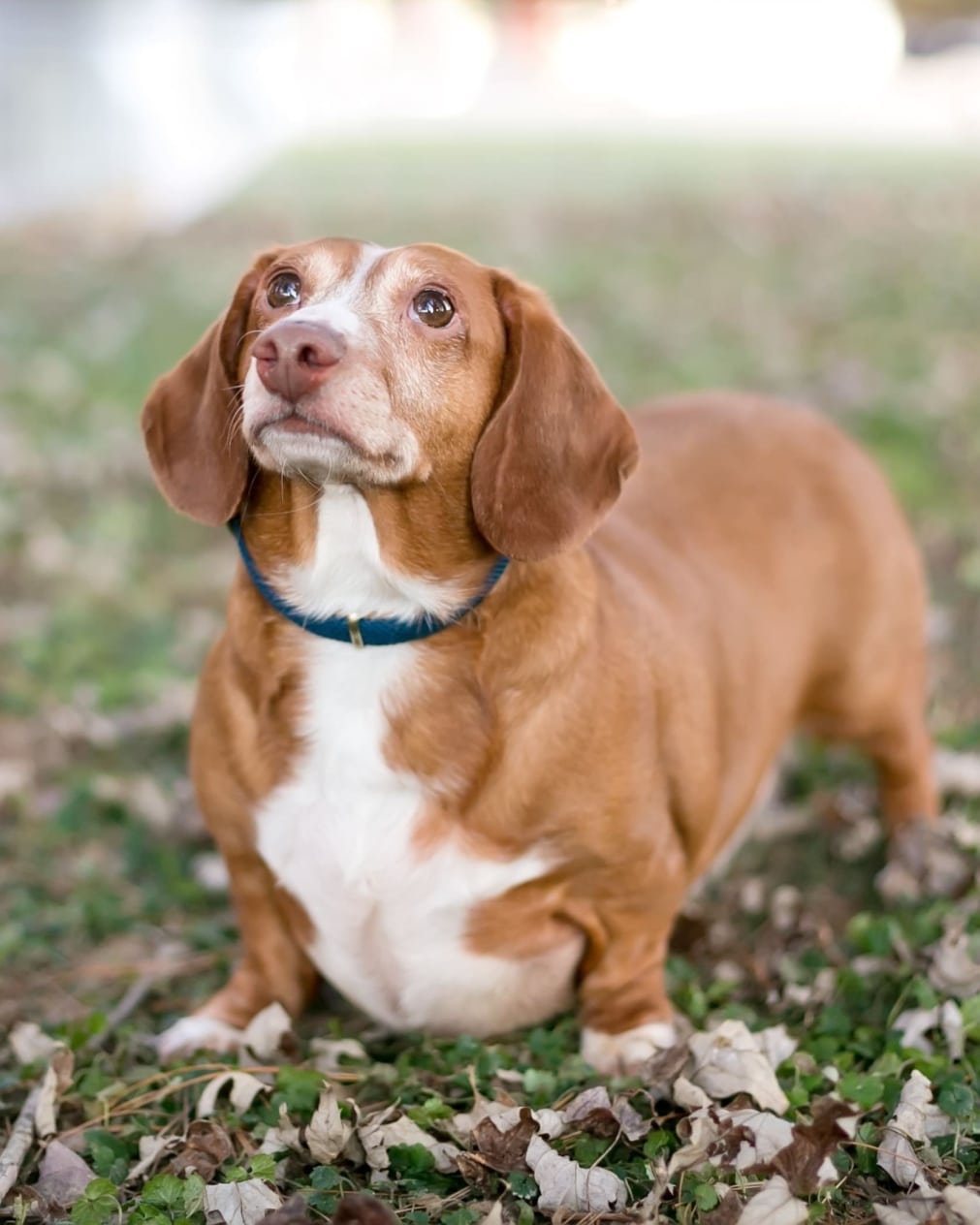
Dachshund – long body and short legs make any extra pounds an extra burden.
Bulldog – moves little due to its quiet nature, which increases the risk of obesity.
Golden Retriever – has a good appetite and needs active walks to stay in shape.
Rottweiler – a massive breed that gains weight quickly without enough activity.
Schnauzer – especially medium and miniature ones that lead a less mobile lifestyle.
Basset Hound – slow in temperament and very prone to overeating.
These dogs have a slower metabolism and the love of food often takes precedence over activity. This is why they need special dietary control and regular exercise, otherwise obesity becomes a chronic problem that negatively affects the quality and length of life.
Why these dogs gain weight faster than others
The causes of obesity in predisposed breeds lie in a complex of factors. First, genetics and heredity: many generations of dogs have been bred without an emphasis on stamina or activity, but instead focus on appearance or character. Second, behavioral traits: pugs, spaniels or bulldogs do not require excessive exercise and easily adapt to the “couch” lifestyle. Thirdly, appetite and tendency to overeat – Labradors and Beagles are known for their insatiability, so even a small excess of food is quickly deposited as fat. In addition, castration or sterilization, when the hormonal background changes and metabolism slows down, as well as age have an additional influence: over the years, the dog moves less, but the habit of eating well remains.

How to prevent obesity in dogs of predisposed breeds
Preventing obesity is the responsibility of the owner, because it is the lifestyle that determines the health of the animal. The most important thing is to control the diet: properly selected food, refusal of frequent treats and feeding from the table. Dogs prone to weight gain need low-calorie or special diet foods containing enough protein but little fat. Then there’s physical activity: even if the dog is a homebody, he needs regular walks, running, playing, swimming or mental exercise games. It’s important to keep an eye on weight and visit the vet periodically to monitor heart, joint and metabolic health. If the dog is already overweight, the doctor will choose a weight loss program with a gradual reduction in caloric intake and increased activity. The main thing is to act in time, because obesity leads to diabetes, respiratory problems, joint problems and cardiovascular diseases that shorten the life of the pet.

Conclusion
Obesity in dogs is a serious health risk. Labradors, pugs, dachshunds and other breeds have a genetic predisposition to being overweight, but proper care, diet and an agile lifestyle can completely change the situation. In the hands of an attentive owner, even the most obese dog will remain active, cheerful and healthy for many years.