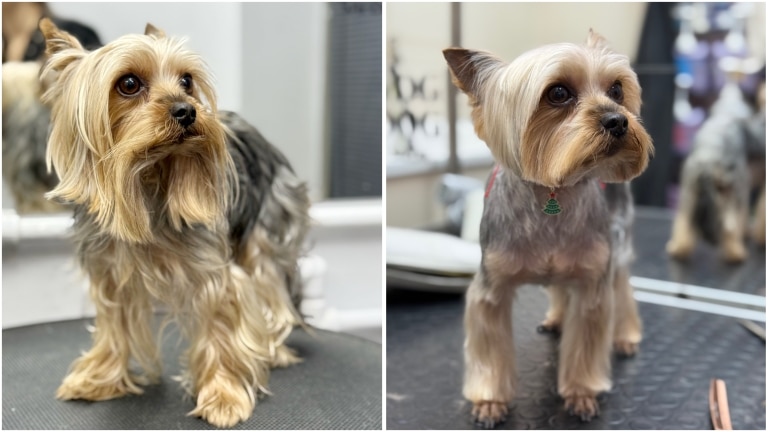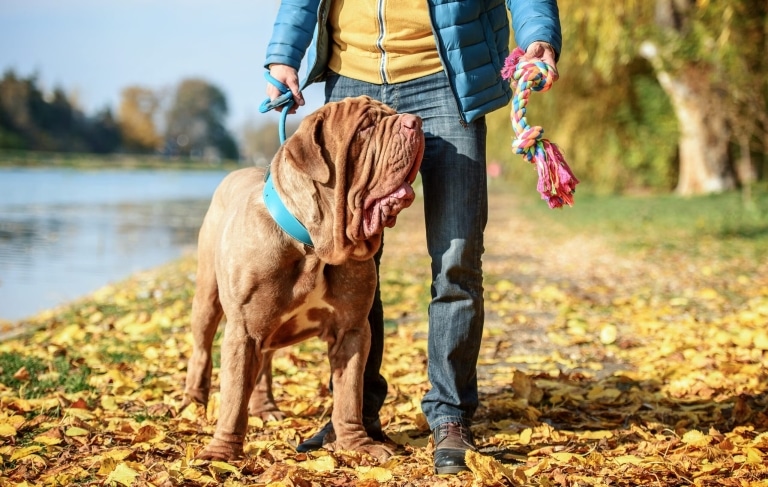
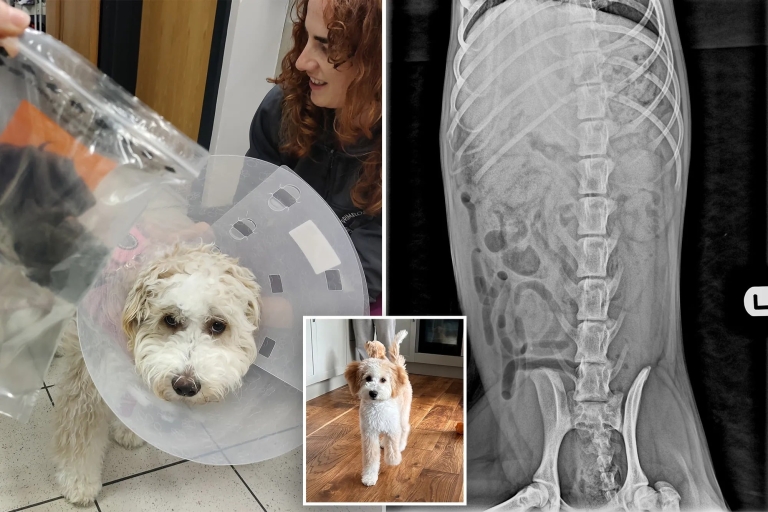
Most people picture a bone when they hear the word “dog.” And although cartoons have taught us that it’s something tasty and safe, in reality, a swallowed bone can be a real problem – even deadly. In this article, we’ll break down what to do if it’s already happened, what symptoms to expect, and when to see a doctor right away.
Why is it dangerous?
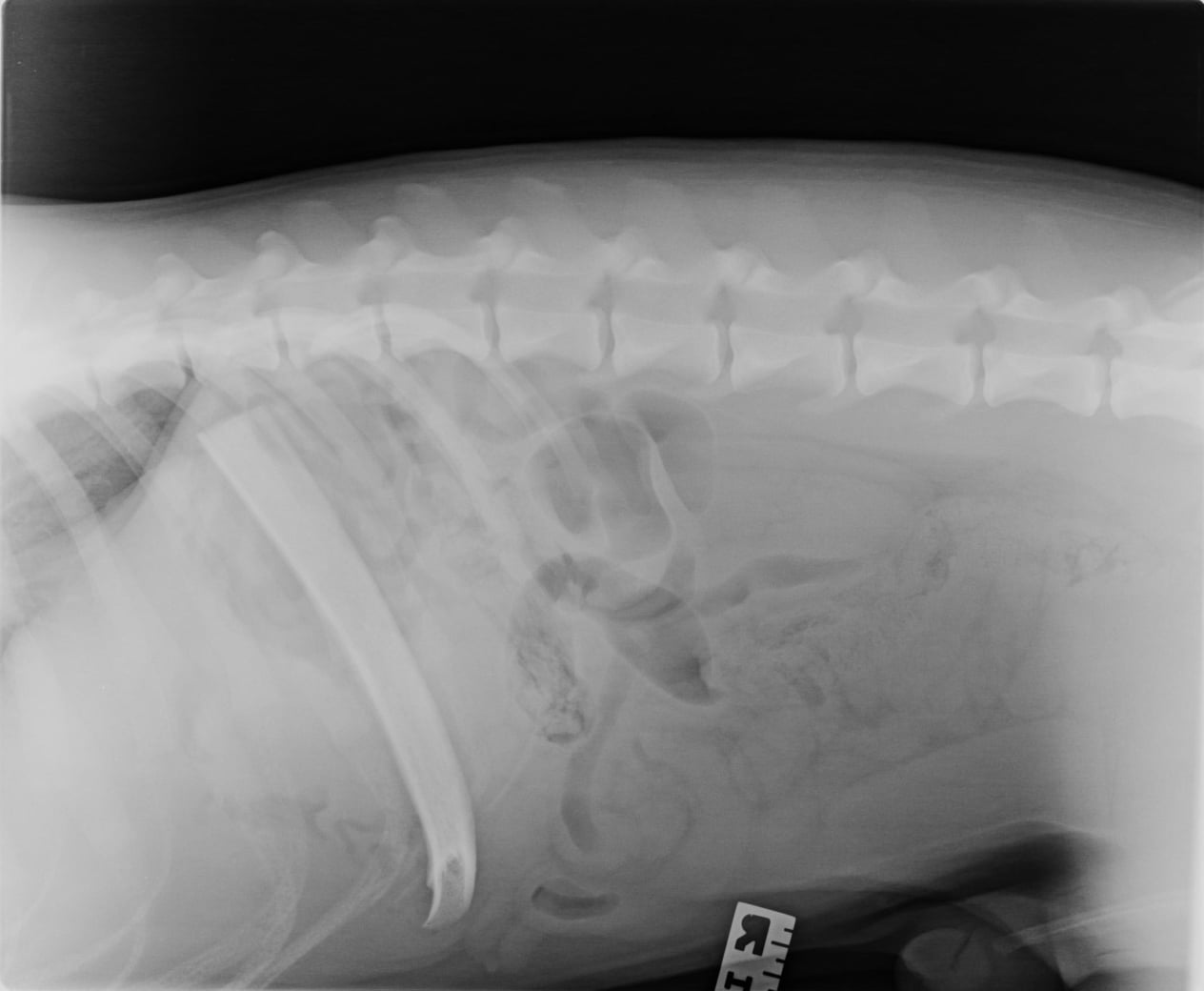
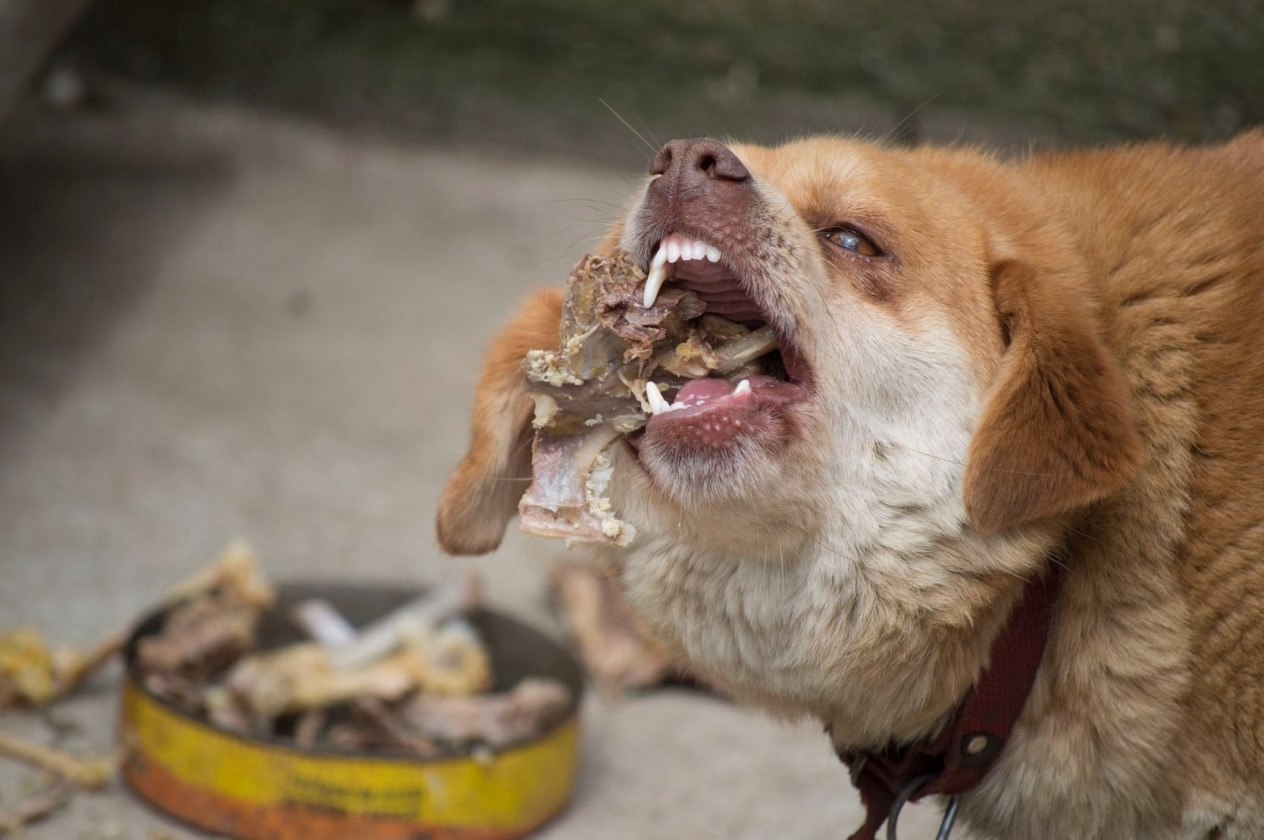
Raw or cooked meat on the bone, especially chicken, duck, rabbit or fish bones, can break into sharp fragments that traumatize the esophagus, stomach or intestines. Cooked bones are especially dangerous – they become brittle like glass and can puncture internal organs.
Even if a dog swallows a bone whole, it can cause intestinal obstruction, inflammation or internal bleeding.
What should I do immediately after my dog swallows a bone?
Stay calm. Do not yell or try to force the bone out. This will only make the situation worse.
Do not give a gagging agent! This is where vomiting can be dangerous – if the bone is already lodged, it can scratch or damage the esophagus on the way back up.
Observe behavior. Any signs of pain, nausea, restlessness, wheezing, refusal to eat, abdominal bloating, blood in the feces, or attempts to poop – but to no avail?
Call your veterinarian. Even if the dog is behaving normally – it’s best to get a consultation. Most clinics give a free initial consultation over the phone.
Symptoms that indicate the situation is dangerous
Sudden whining or aggression when touched on the abdomen
Restlessness, insomnia, the dog looking for a place to “hide”
Vomiting or attempts to vomit without result
Traces of blood in the feces or dark colored feces
Refusal of food and water
A hard, tense abdomen
These signs are a direct indication that you need to urgently go to the clinic. And it is better to reinsure than to risk the life of the animal.
What you should definitely not do
Do not give bread, potatoes or porridge “to wrap the bone” – this is a popular advice from the Internet, which has no scientific confirmation. Food will not make the debris softer or speed up its passage. On the contrary, it can create a “traffic jam.”
Do not get into the mouth with your hands – if the bone is still in the mouth or stuck between the teeth, it is better to consult a specialist. Your fingers are not a tool for extracting sharp debris.
Don’t ignore the situation even if your dog looks fine. It often takes 6-24 hours for symptoms to appear. And time is a key factor in staying healthy.
What does the veterinarian do?
After an examination, the doctor may order:
X-rays or ultrasound to find the location of the bone
Endoscopy – if the bone needs to be carefully removed without incisions
Surgery – in cases where the bone has caused a bowel puncture or obstruction
In some cases, the doctor may prescribe a soft diet, observation and laxatives if the bone is small and has already traveled part of the way. But only the veterinarian makes the decision.
Conclusion
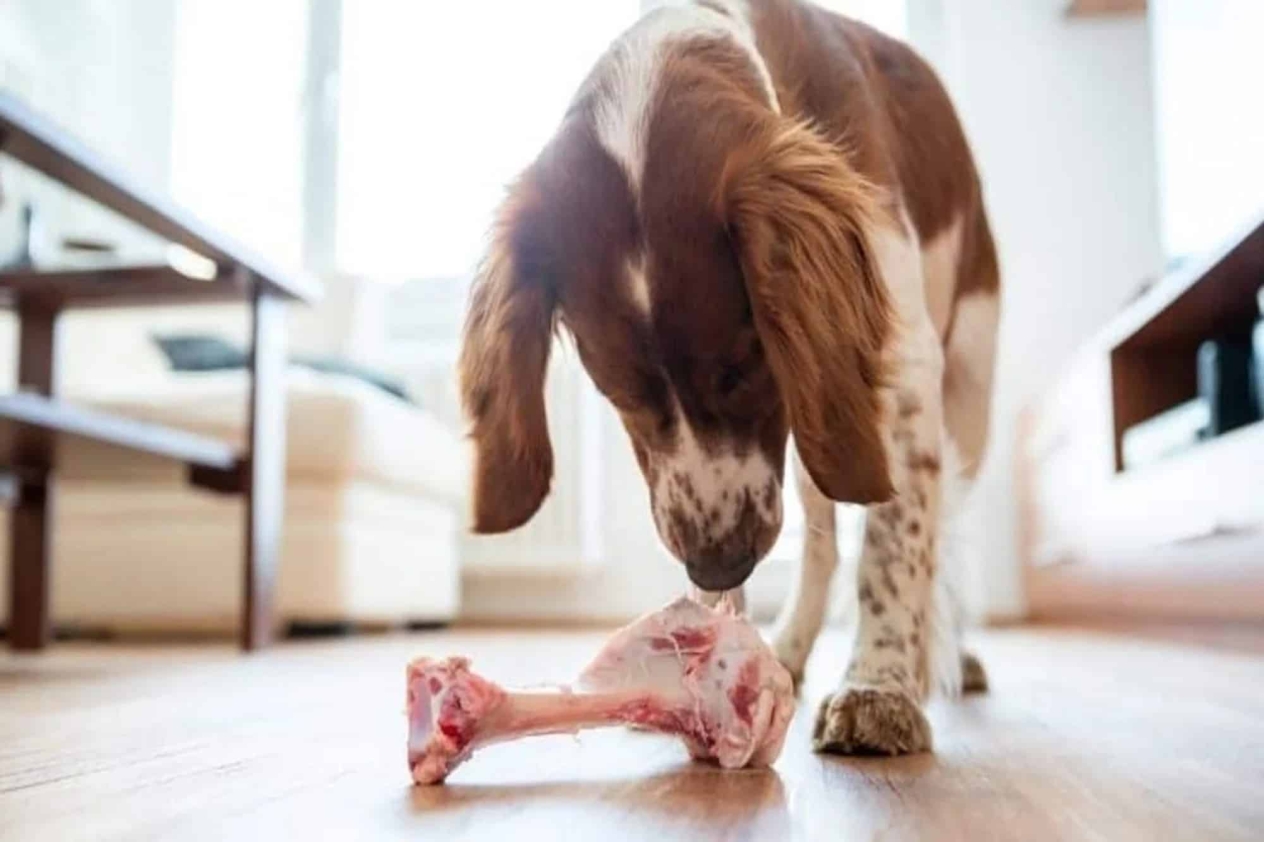
The situation when a dog swallows a bone can be both a safe adventure and a real horror. It all depends on the type of bone, the size of the dog and the reaction speed of the owner. But the most important thing is not to panic and not to expect that “somehow it will go away”. Entrust the decision to a specialist, do not risk the health of the pet.
Because even the strongest dog needs care – and bones only in cartoon logos are safe. In real life – this is an alarm signal that requires attention and action.