Communicating with animals has a positive effect on the psychological state of people, and also relieves symptoms in some diseases. There is even a special kind of therapy, feline therapy – a method of treatment and prevention of diseases in people with the help of cats. Modern scientists have come to the conclusion that communication with animals improves the condition of patients with cardiovascular diseases, and also accelerates the healing of injuries. The history of using animals in therapy goes back thousands of years. Even in ancient times people noticed how the presence of cats calms, reduces anxiety and helps to restore emotional balance. However, feline therapy as a separate direction began to develop actively only in the middle of the XX century, when scientists began to study the impact of pets on human health. Since then, this method of treatment has gained great popularity all over the world.
In ancient civilizations, cats were valued as animals that bring peace and harmony. In Egyptian culture, they were considered sacred animals and believed that they influence the emotional state of a person and the psychological and physical health of a person. In studies in Japan, it was found that participants who spent time with cats had higher levels of life satisfaction and experienced less depression. Interaction with animals stimulated positive emotions and improved social skills.
Feline therapy has many benefits
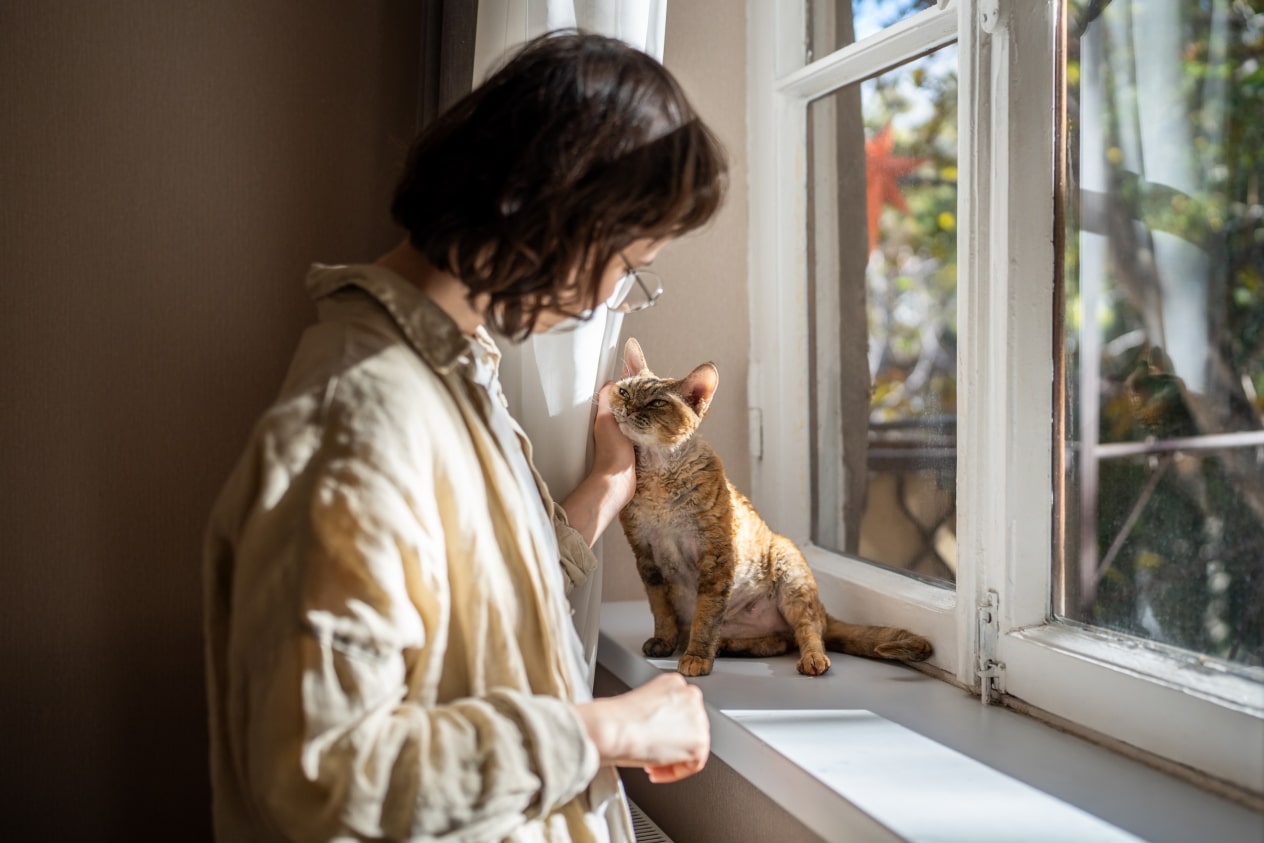
Felinotherapy, or feline-assisted therapy, has many benefits and is suitable for people of all ages.
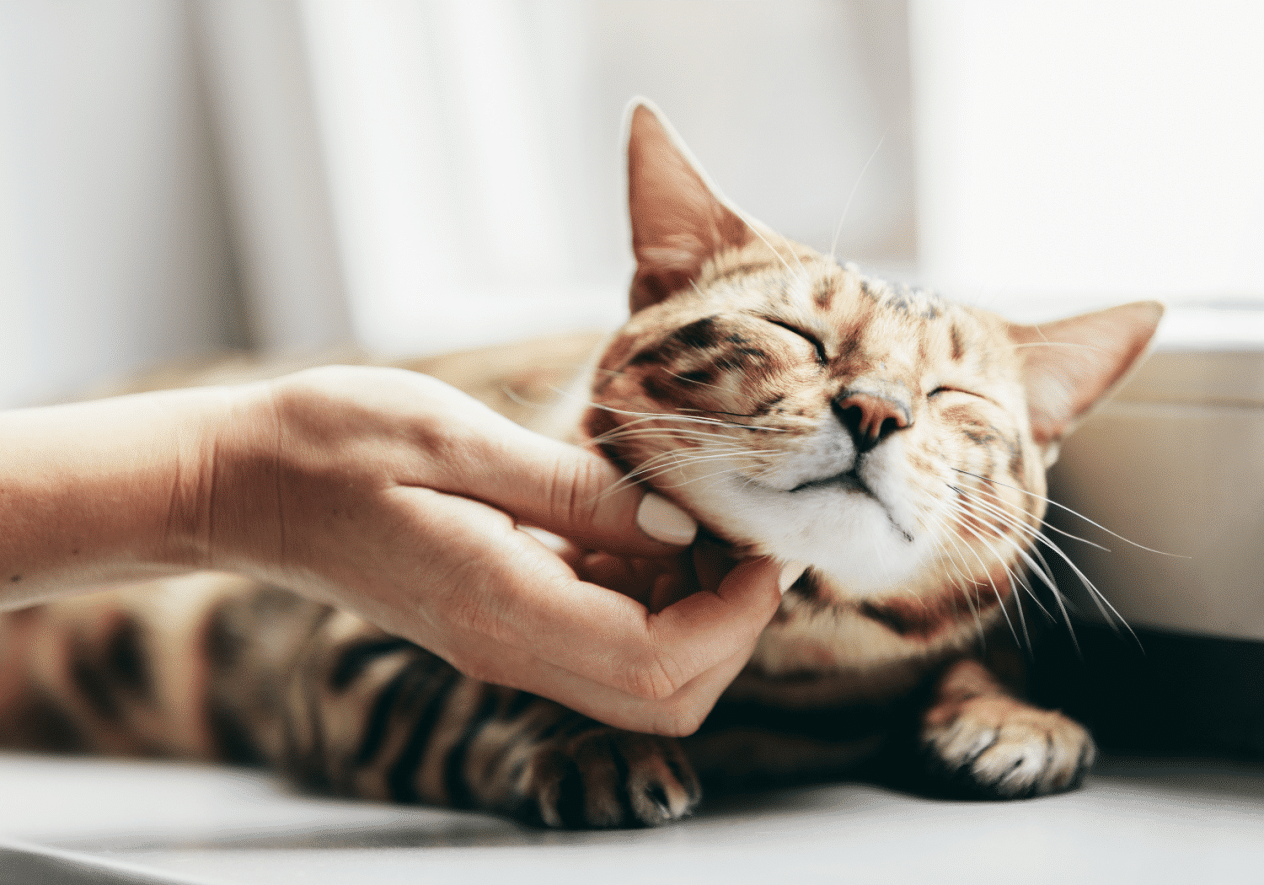
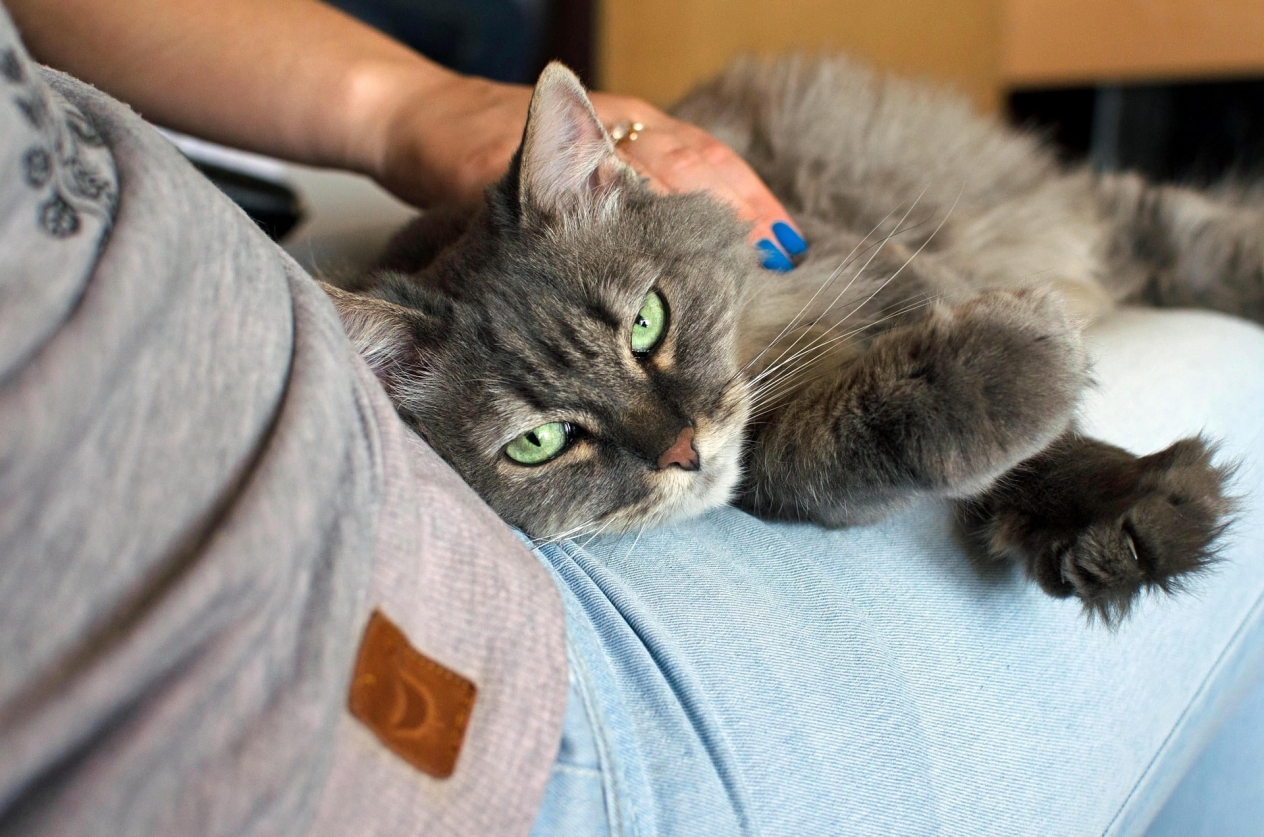
First, cats are known for their ability to reduce stress. Studies show that simply stroking a cat can lower blood pressure and levels of the stress hormone cortisol. A cat’s purr has a calming effect, helping humans to relax and take their mind off everyday life.
Secondly, feline therapy is especially useful for children. Communicating with a furry friend helps develop emotional intelligence and teaches children responsibility. Cats can be good friends for children with special needs because they do not require as much attention as other animals, but they provide warmth and support.
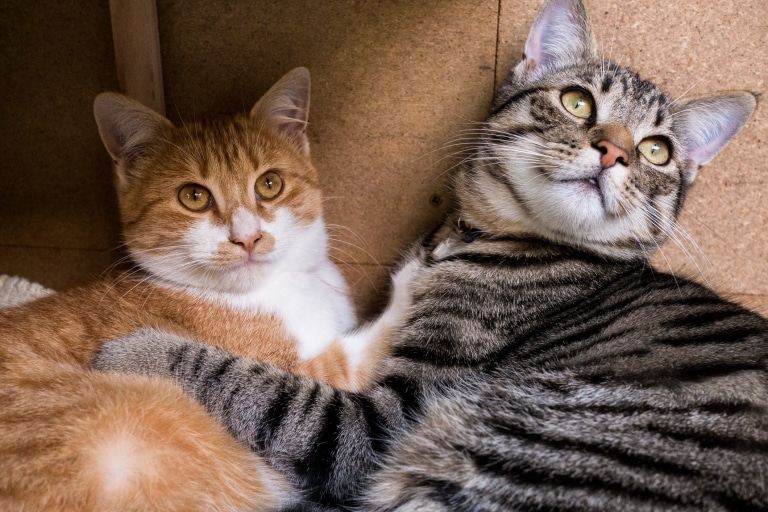
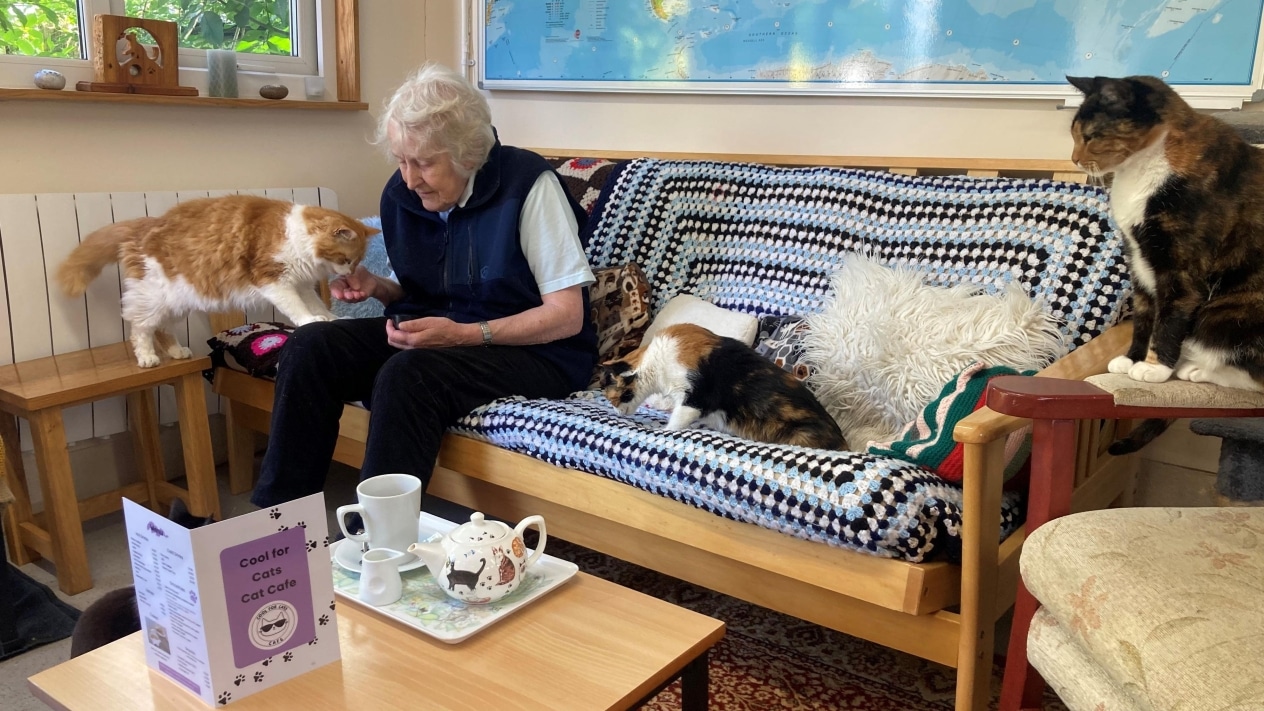
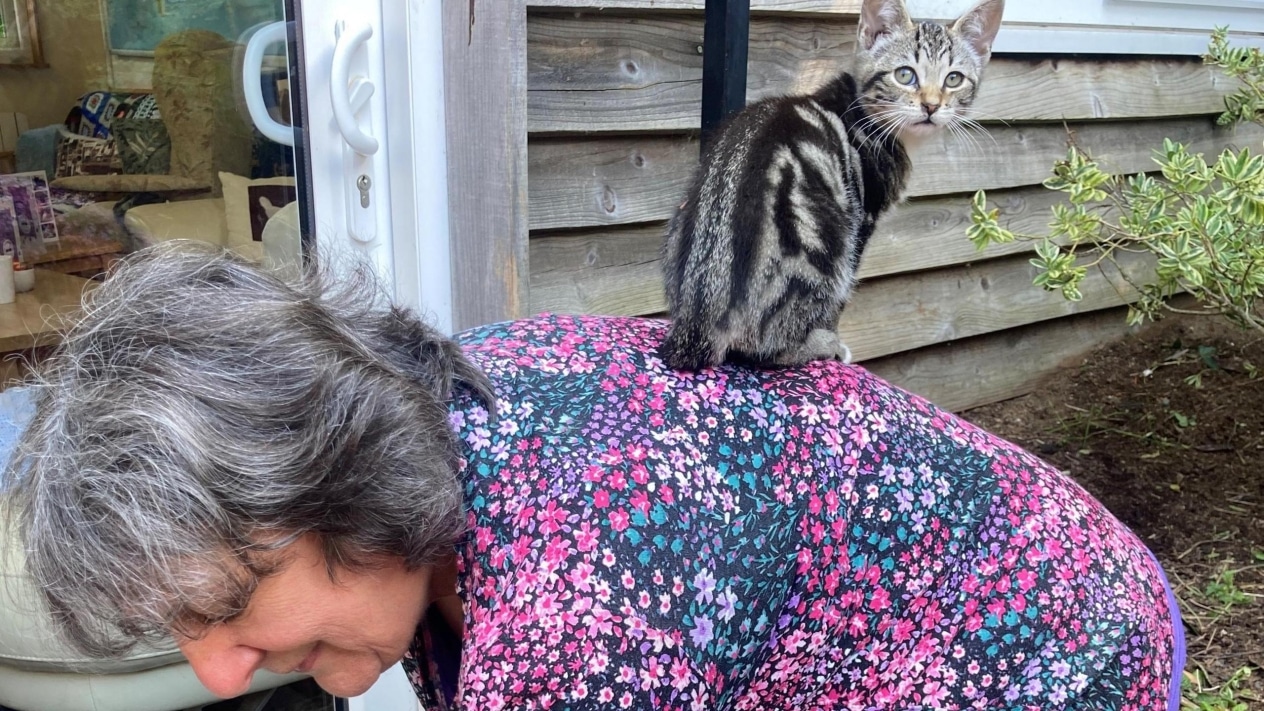
For the elderly, cat therapy is also important. Socializing with cats helps overcome loneliness, boosts mood and even improves physical health. Cats can be great companions who stimulate their owners’ activity and provide emotional support. According to studies, older adults who have pets experience less depression and isolation.
The most important benefits :
- Reduced stress and anxiety levels;
- Improved mood and well-being;
- Reduction in feelings of loneliness;
- Support in coping with depression and other psychological disorders
Which cats are best suited for feline therapy?
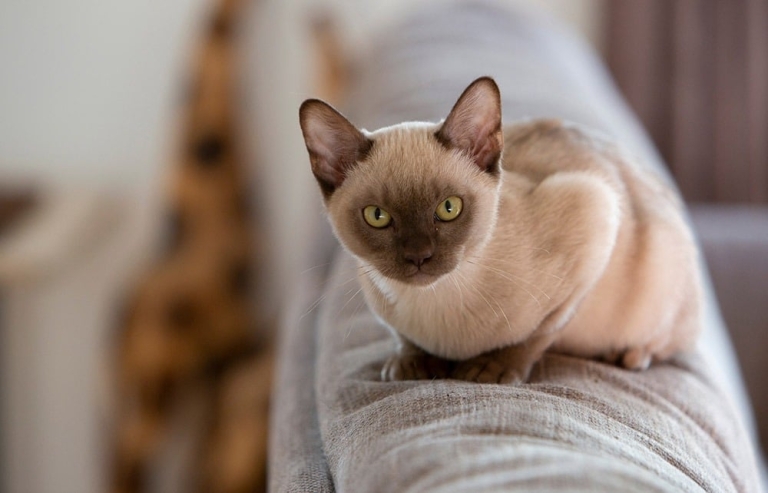
However, not all cats are suitable for feline therapy. Ideal candidates are animals with a kind character, calm disposition and good interaction with people. Often for therapy choose breeds that are famous for their friendliness and affection. For example, Bengals, Scottish lop ears, British shorthairs or sphinxes are breeds that are often used in feline therapy due to their natural friendliness.
Health benefits of feline therapy
Felinotherapy has a positive effect on a person’s physical health. Contact with a cat can relieve headaches, lower blood pressure, lower cholesterol levels, help wounds heal faster, and strengthen the immune system. Therapy is also very beneficial for mental health. Contact with an animal increases the secretion of “happy hormones”. Spending time with animals helps fight emotional problems, and it also improves mental alertness. In some clinics, feline therapy is used as an adjunct to traditional therapies. Patients who have participated in therapy with cats have shown significant improvement in symptoms of anxiety and depression.
Felinotherapy sessions can take place in a variety of formats. Typically, a session lasts from 30 minutes to an hour. Sessions are conducted in a calm and cozy atmosphere, it can be a room equipped for the animal or even a home environment. First, the patient needs to get to know the cat. This can be done through stroking, playing or simply by observing the animal. Throughout the process, it is important to create a comfortable environment where the patient and the kitty can feel relaxed and safe. The therapist may suggest different activities, such as playing with the cat or doing art therapy in the presence of the animal. Interacting with the cat helps the patient to relax and take his or her mind off everyday life.
Due to the accessibility of this therapy, it is popular among people of all ages, because it does not require any special equipment, you only need a trained cat and a qualified therapist who will supervise the process. Cototherapy will be especially useful for children with psychological disorders, as well as for the elderly. It is one way to improve their emotional and physical health. If you are not yet familiar with this therapy, it is worth paying attention to it.