
In the world of Pets, dogs hold a special place. They become real members of the family. However, many owners are faced with the problem of their dogs barking excessively. Dog barking is an important way for your Pet to communicate with the world around them. However, when the barking becomes excessive and unreasonable, it can turn into a serious problem for both the owner and the neighbors. In this article, we will look at the causes of this behavior in detail and suggest effective methods of correcting it.
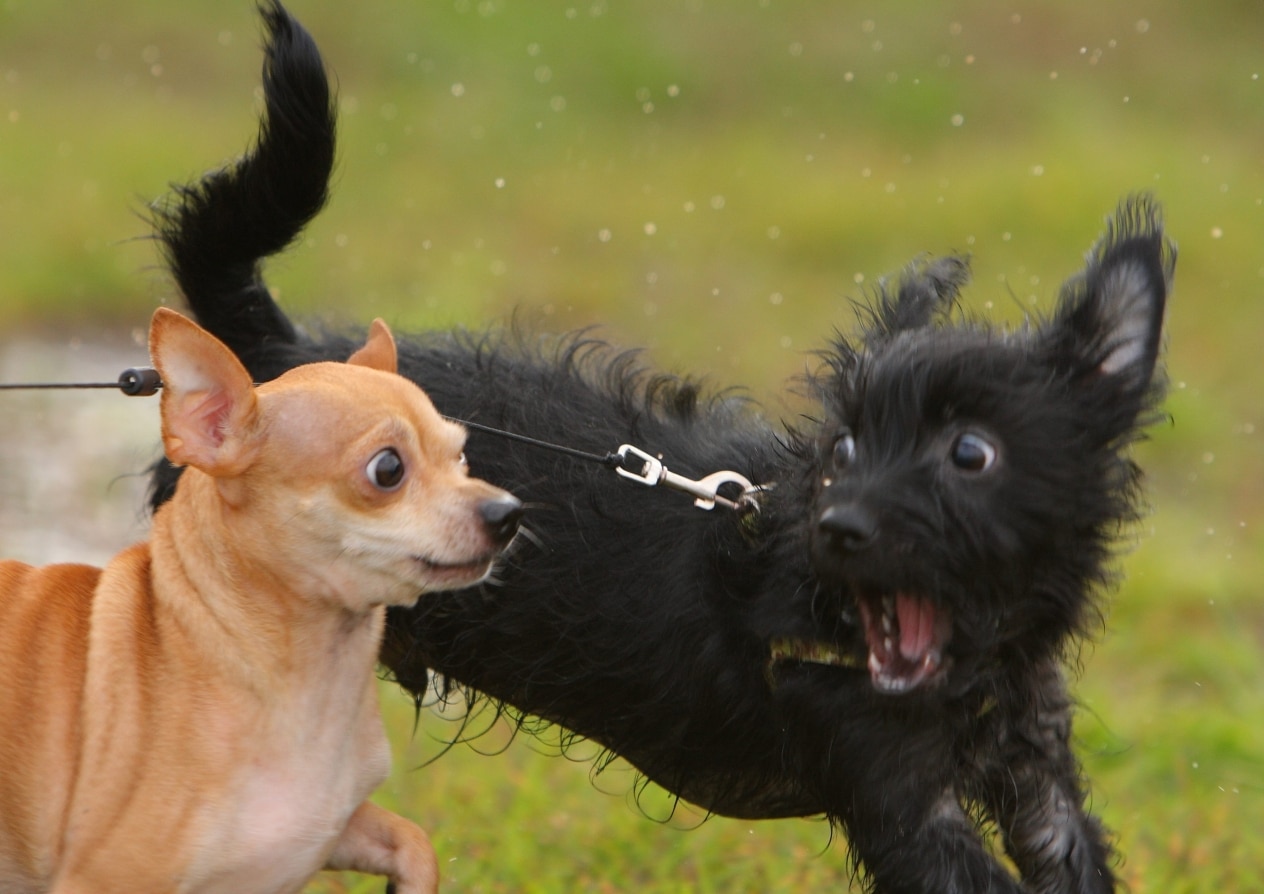
Before you start training, it is important to understand why your Pet is barking. Barking can be caused by a variety of factors:
- Territory defense. Dogs may bark when someone approaches their home or property, perceiving it as a threat.
- Fear or anxiety. Unexpected sounds or unfamiliar objects can cause a dog to feel threatened.
- Boredom or loneliness – lack of physical and mental stimulation can cause your Pet to bark for attention.
- Joy and excitement – barking can be an expression of positive emotions, such as when meeting an owner or during play.
- Attracting attention – dogs often bark to get what they want: food, a toy, or their owner’s attention.
- Health problems – barking may be caused by pain or discomfort, in which case it is important to consult a veterinarian.
It is also worth bearing in mind that some breeds are more prone to frequent barking due to their genetics, such as beagles, chihuahuas, dachshunds and spitzes.

First steps to training
1. Before taking action, observe your dog. Write down when and why she barks. This will help you understand her behavior.
2. Find out what triggers the barking: it could be sounds from the street, other animals, or even certain situations in the house.
3. Make sure your dog gets plenty of exercise and mental stimulation. Sometimes a simple walk or playing with toys can reduce barking.
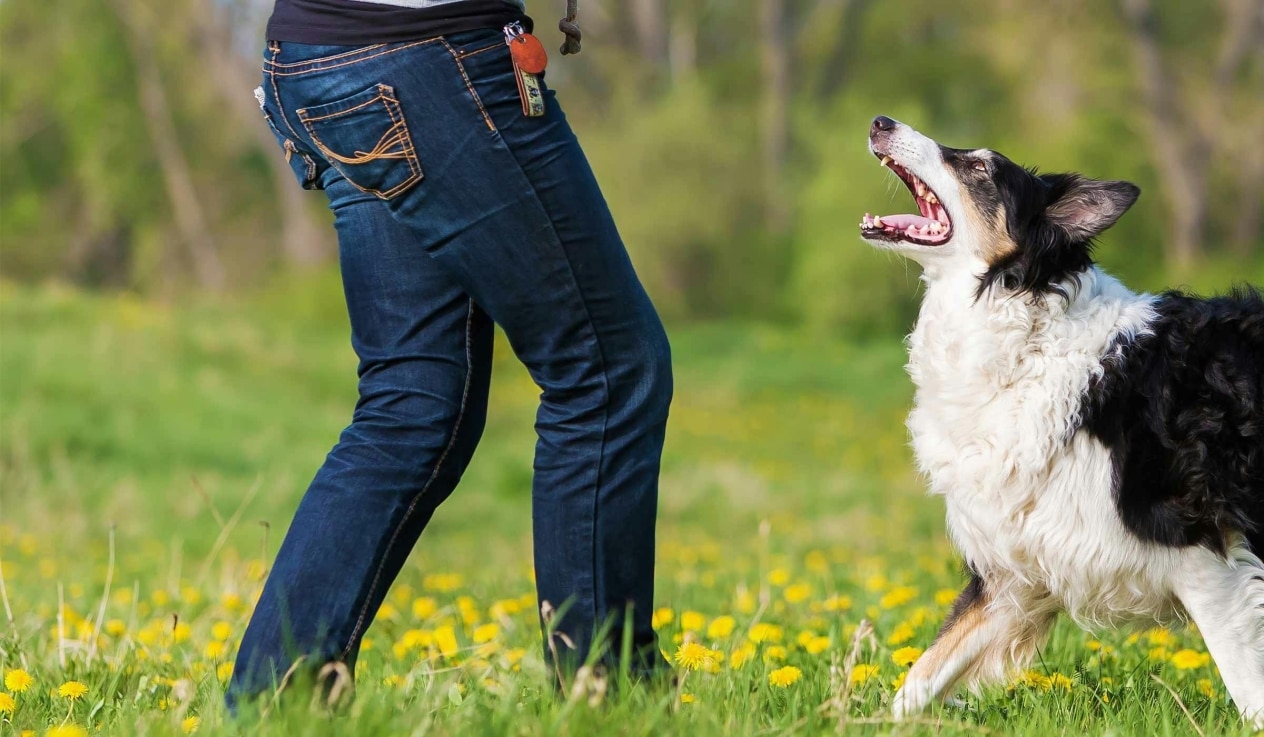
Training Methods
Quiet method
This method is to teach your Pet the command “Quiet” – Step 1. When your dog starts barking, calmly say “Quiet”.
– Step 2. Wait for her to be quiet for at least a few seconds.
– Step 3. Once she is quiet, praise her and give her a treat.
– Step 4. Repeat this exercise regularly.
Using positive reinforcement
Positive reinforcement is one of the most effective ways to train your dog.
– Step 1. When your dog behaves quietly in a situation that would normally cause barking, praise her.
– Step 2. Give her a treat or favorite toy.
– Step 3. Over time, increase the duration of silence before the reward.
Distraction
Another useful method.
– Step 1: When your pet starts barking, try diverting his attention to something else, such as offering a game or a new toy.
– Step 2. Use “Sit” or “Lie down” commands to focus your dog’s attention on you.
Socialization
Socialization is an important aspect of training your dog.
– Step 1. Introduce your dog to different situations and places where she can meet new people and animals.
– Step 2. Give her the opportunity to adapt to new sounds and smells.
Working with different breeds
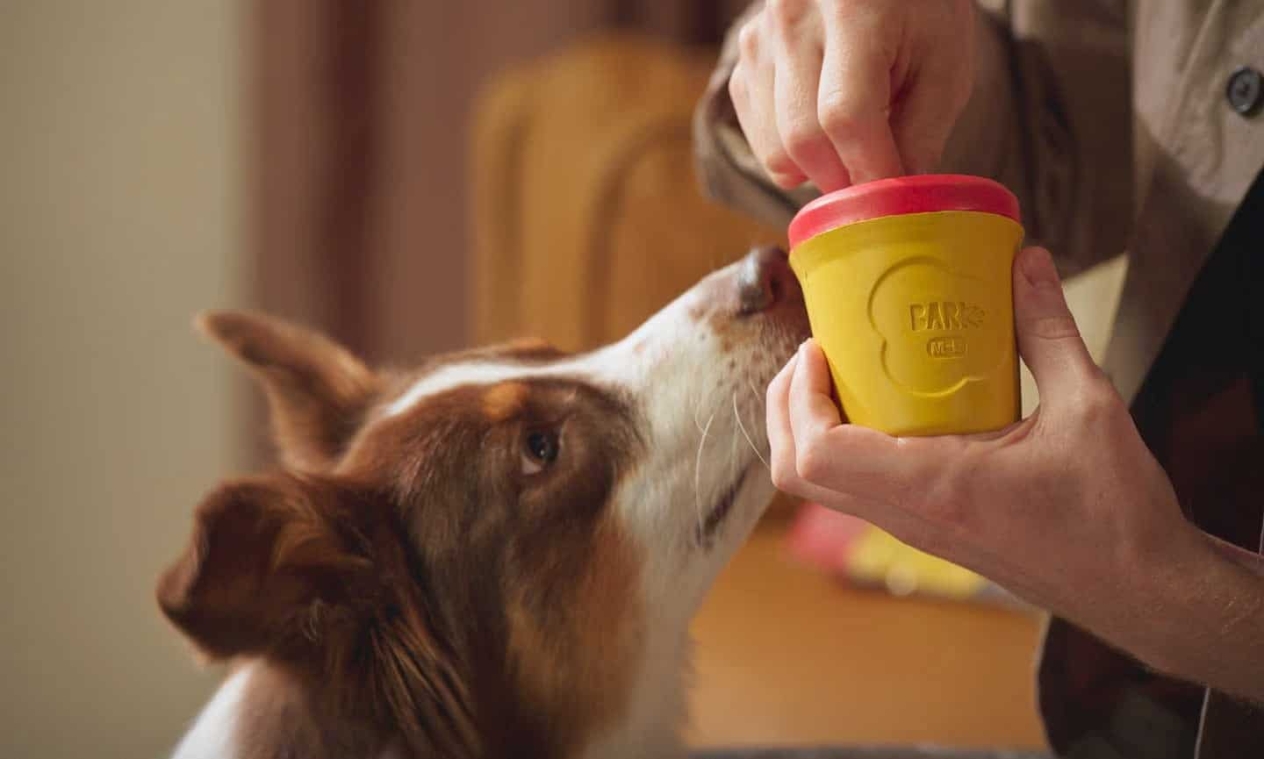
Each breed of dog has its own specifics of correction, for example, small breeds require more attention and patience, unlike hunting breeds that need more exercise. Watchdog breeds need to have their protective instincts properly channeled, while herding breeds require intellectual stimulation. There are modern solutions for calming dogs, such as herbal calming supplements, special anti-stress toys, audio therapy, and aromatherapy.
Tail training requires regularity. It is important to create a training schedule and stick to it. It is better to do short sessions of 5-10 minutes several times a day than to do one long session once a week. There are certain ways to control your dog’s barking: first, is the use of special collars that react to barking and release sprays or sound to deter the dog. Also using sound speakers to play sounds that can distract your dog from barking.
There are also additional ways to control your dog’s barking:
- Ignoring barking (don’t respond to barking if the dog is trying to get your attention, encourage calm behavior and quiet, be consistent and patient).
- Blocking visual contact (if the dog barks at passersby or other animals, stand between the dog and the object, gently pull on the leash, showing that this behavior is unwanted).
- Tactile method (lightly squeeze the ear drum with your index finger and thumb, stroke the ears in moments of rest).
- Teaching calm waiting (train the dog to stay alone calmly, leave for short periods, gradually increasing the time, praise for calm behavior).
- Physical and mental exercise (a tired dog is less likely to bark without reason, use puzzle toys and interactive feeders, increase the time and intensity of walks).
Important recommendations:
Do not yell at the animal, this can reinforce unwanted behavior. Do not encourage barking for joy at your appearance. Be consistent in training methods. If barking is associated with pain or illness, be sure to see a veterinarian. It is advisable to work with a dog behaviorist if there is difficulty in correcting the behavior.
Remember that any method takes time and patience. It is important not to give up at the first failures and maintain consistency in the education of the dog. Dogs are very sensitive to the mood of their owners. If you are calm and confident during training, Tail will understand your intentions faster.

Conclusion
Teaching your dog not to bark for no reason is a process that requires patience and persistence. However, by understanding the reasons for this behavior and using effective training methods, you can significantly reduce your Pet’s barking. Remember that your love and attention are the best tools in this endeavor. Training together will make your life together more comfortable and harmonious.