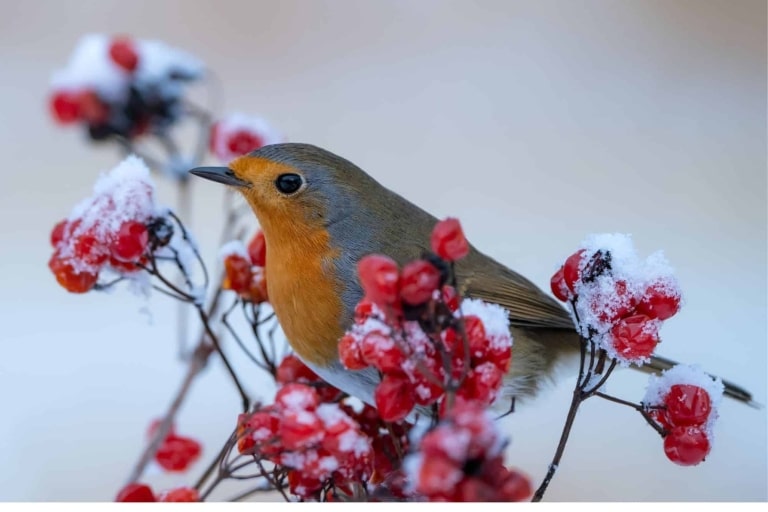
Birds are some of the most conspicuous wild inhabitants of cities. Their presence enlivens parks, the health of trees in forests and parks depends on them, they are pleasant and interesting to watch, and listening to their beautiful, euphonious singing is a pleasure! But with the arrival of winter comes a difficult time for the birds that stayed but did not fly south. The best support for them in the city is feeding them with useful and necessary food.
The main reason birds migrate is lack of the right food. Frosts, even for a small bird, are not terrible if it has enough food. Birds do not hibernate, but are always on the move, so to maintain an intensive metabolism they need a lot of energy and, therefore, food. That is why the feathered inhabitants of parks and city yards need support, and feeders, either purchased or self-constructed, are useful.
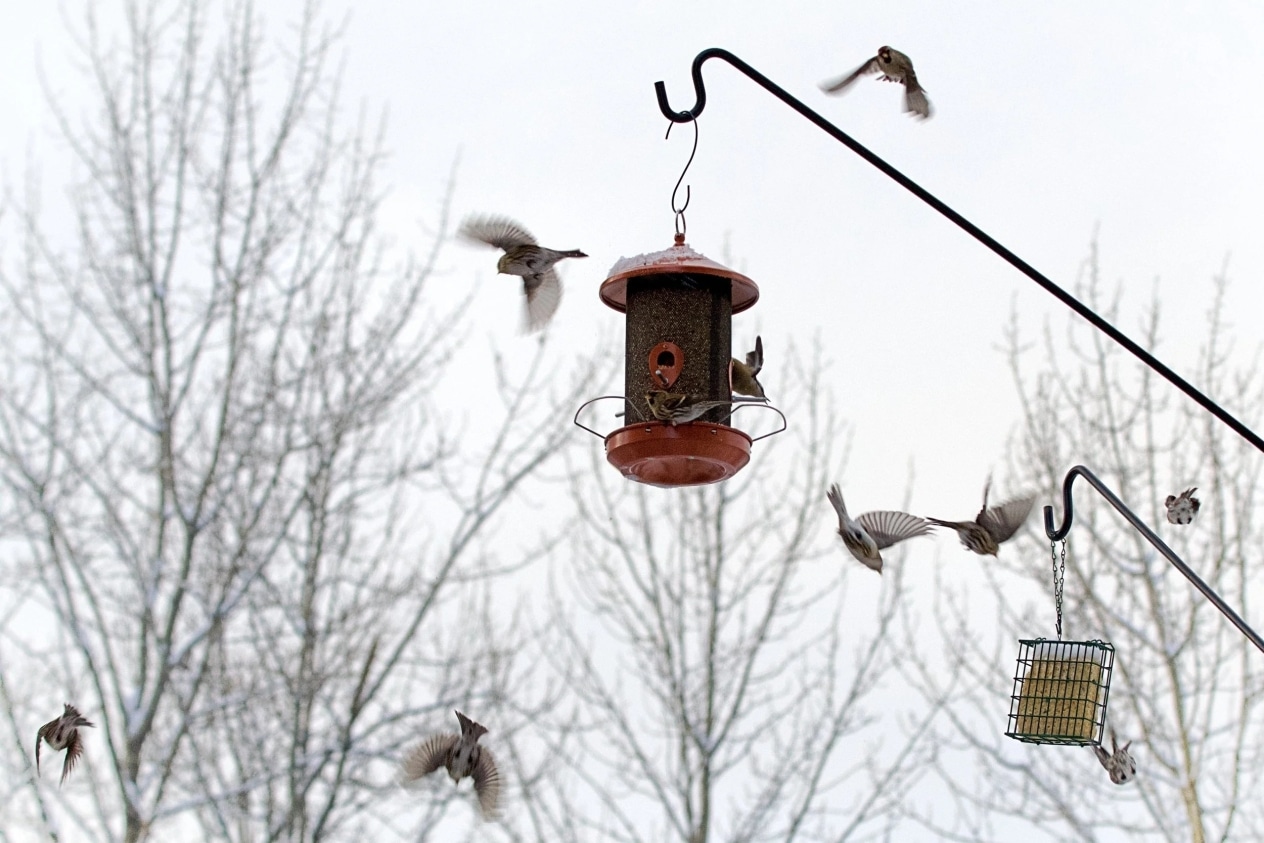
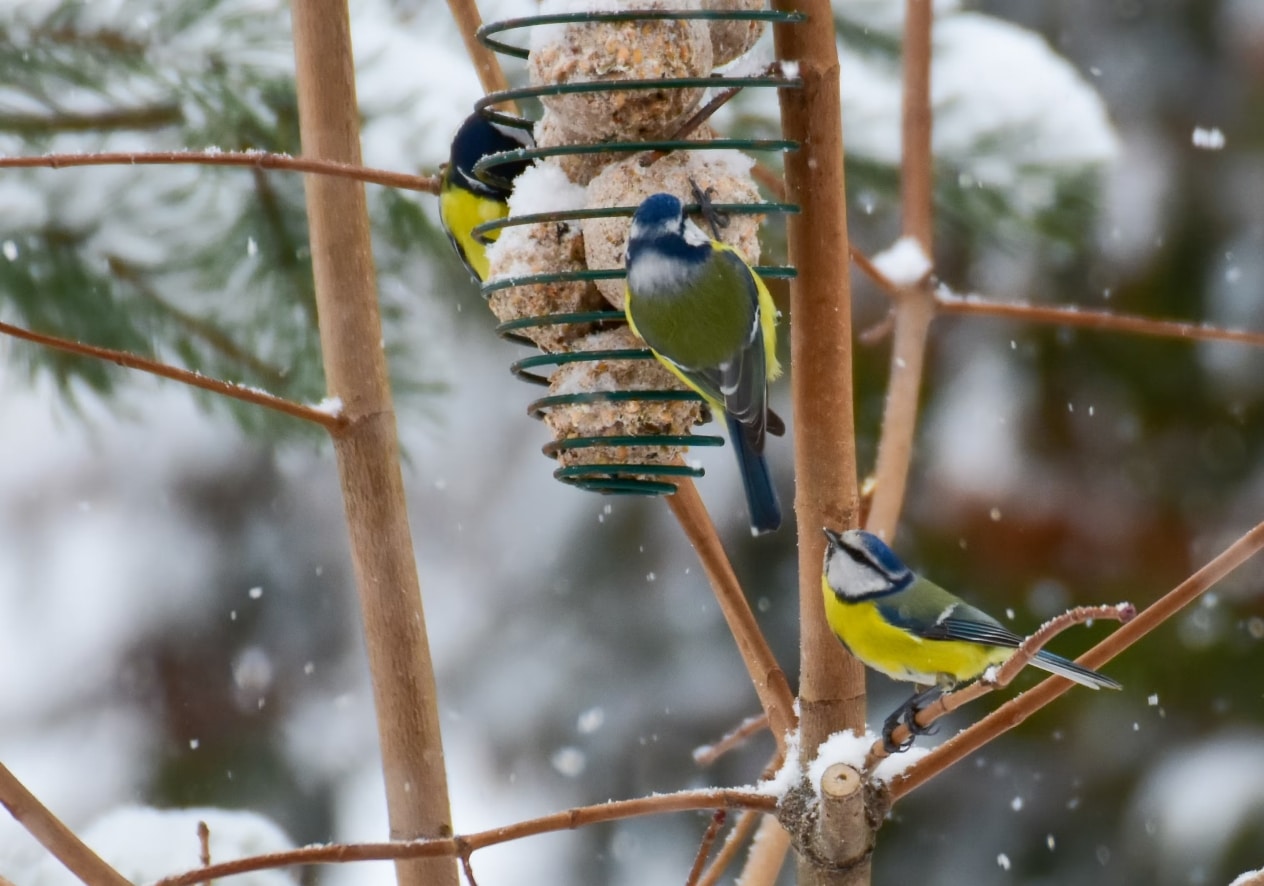
Bird feeders
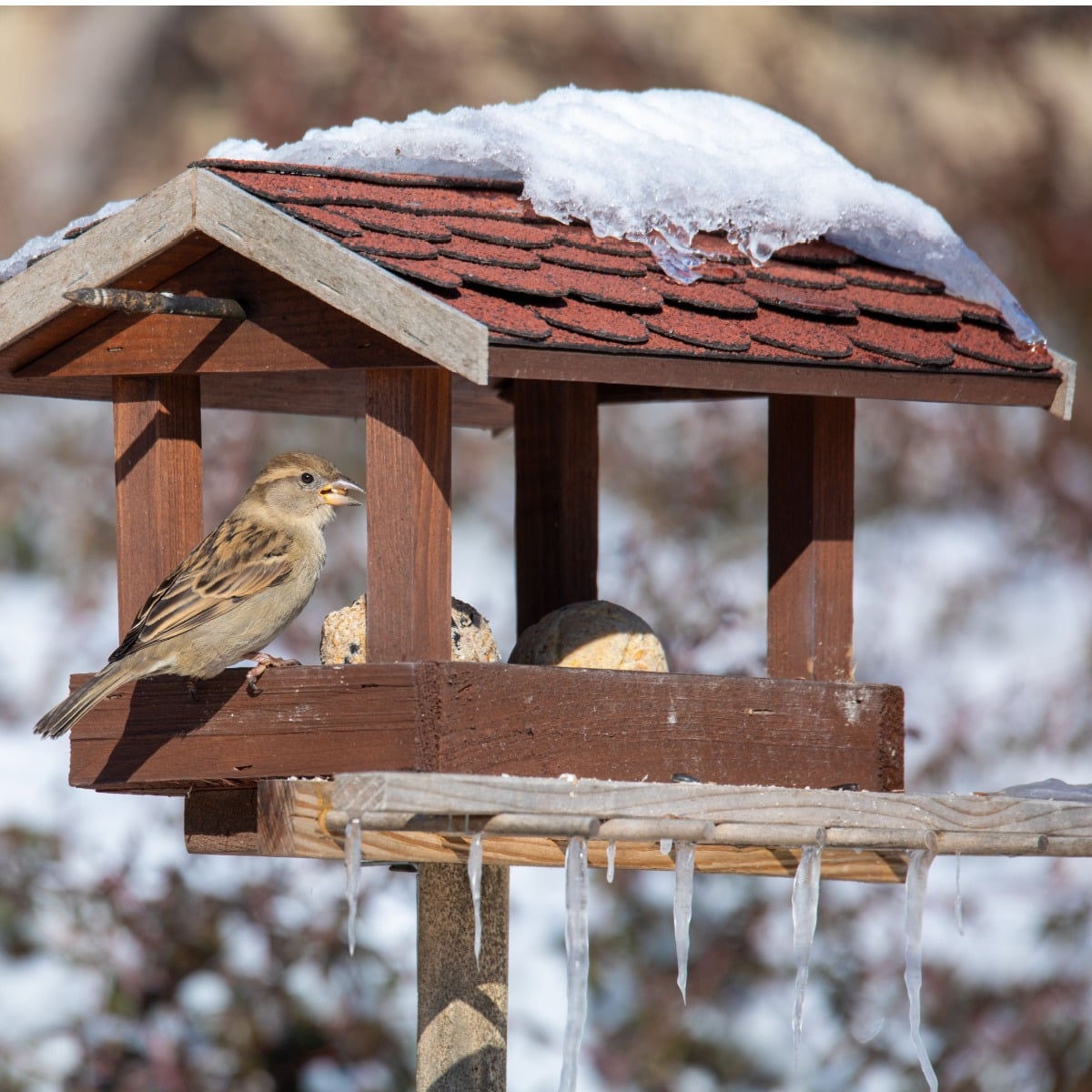
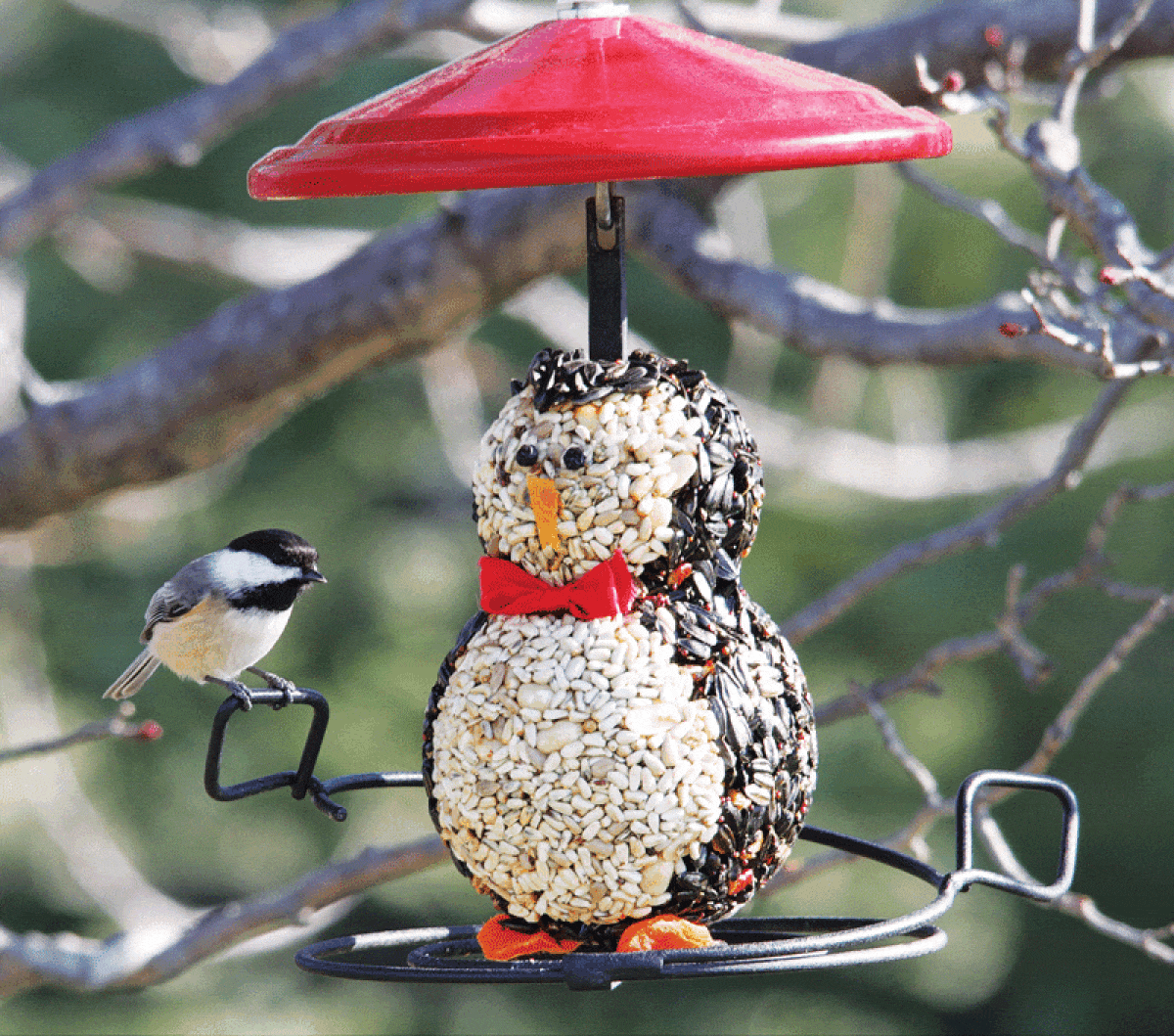
Even the simplest bird feeder that is regularly filled with bird food can save many bird lives during the cold season and feed hundreds of birds. The designs and sizes of feeders can be very diverse, as can the materials from which they are made. Feeders are stationary and hanging; you can buy them or make them yourself. But the main thing is to follow a few simple rules:
- The feeder should be strong enough.
- It should not be too small, so that several birds can feed without conflict.
- The food in the feeder should be clearly visible from afar. Birds find food by sight, not by smell like animals. However, the sides should be high enough so that the feed is not blown away by the wind.
- It is desirable to make feeders with a roof to protect from snow and soaking of feed.
- A brightly colored feeder can scare away some forest birds. It is better to use wood coloring.
- Hanging feeders should not be too light so that they do not sway in the wind.
- Place the feeder in such a way that squirrels and other animals cannot reach it (a separate feeder can be arranged for them).
- The feeder should be cleaned periodically.
It is good to involve children in the business of making feeders, so you will teach the younger generation that it is necessary to take care of our lesser brothers.
You can make small feeders from wooden slats, just firmly knock them together. There should definitely be a roof that will protect the feed from rain and snow. Cheap and good option feeders and from plywood. Hang a canteen can be in the park, near the window, in the garden. Remember that if you live in a high-rise building, you should not hang a feeder above the ninth floor, the birds will certainly be able to fly, but it will not be so easy for them to do it. You can also make a feeder from a plastic bottle, but some experts do not recommend it, because the cut edges can traumatize the paws. This problem can be solved by simply covering such edges with tape or duct tape. In the feeder itself, you can install a bottle with a narrow neck and pour food into it. It is the neck that will act as a dispenser.
An interesting option is organic feeders made of small pumpkins. The middle should be cut out and filled with feed. Only it is worth remembering that such products will have to change often, because inside the pumpkin is raw. More plastic cups, paper bags will do – such feeders are not long-lasting, they will be enough for a few days, and then you need to replace them. Lard and dried meat can simply be hung on tree branches or carnations near the window. You can make edible canteens – from whole wheat flour and water, its shape can be any. Also, such dough can be rubbed into ordinary cones and hung on ropes. Canteen for feathered birds should be periodically cleaned, remove old feed and droppings. In dirty feeders can appear dangerous infection, in severe frosts microbes die, but in thaw can cause great harm to birds. In warm weather such feeders should be given special attention and cleaned as often as possible. This is especially true for those bird canteens where several species of birds gather. It is desirable to protect the feeding places from pigeons, as they are carriers of various infections, moreover, they do not give food to smaller birds, displacing them, that is why it is necessary to make small feeders with low roofs. Also pigeons do not like oscillating surfaces, so you can hang containers on ropes, and the other birds will not be deterred in any way. If there is a desire to feed pigeons, you can throw food to them directly on the ground, in places where they congregate. Do not feed these birds near residential houses, so as not to spoil relations with neighbors, choose a place away from the houses – then the birds will fly there.
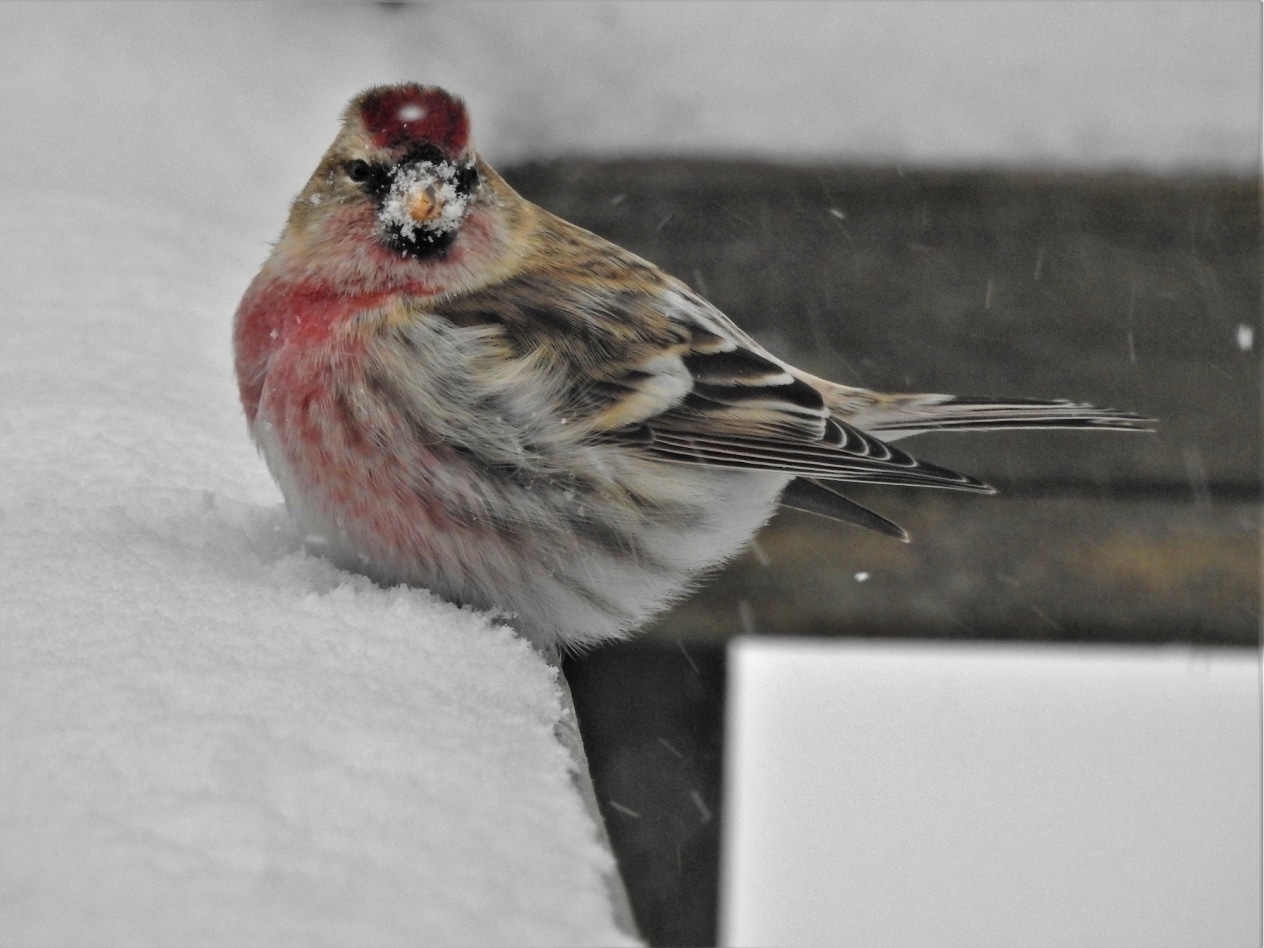
How to feed birds
In the bird feeder you can put various seeds and cereals. Sunflower seeds are an ideal food, but they must be raw. They contain a lot of microelements that are useful for wintering birds and can quickly satiate them. Seeds should make up more than 50% of the diet, millet and millet are also suitable. Millet should be boiled, but you can not add salt and seasonings, but oats, millet and rice can be given to birds raw. Pumpkin seeds are also good for feeding. You can feed birds with oat flakes, but make sure that they do not contain any additives. Do not feed birds oatmeal from bags that contain various sugars, dried fruit. Meat and lard is also a good option for some species of birds. All this food should be without salt, thoroughly washed and cut into small pieces. Such foods are very fond of crows and magpies and tits. Rowanberries and various dried berries, as well as nuts are also well suited to the bird’s canteen, but not all species of birds can eat them. That is why it is best to prepare for winter and feed the feathered ones in advance, in order to have time to stock up on all the necessary delicacies. From the fall you can also collect maple seeds, cones, such food is especially fond of woodpeckers. It is also possible to collect seeds of ragwort, burdock, sorrel, nettle.
Do not give almonds, fruit seeds, because they contain dangerous hydrocyanic acid. Also do not give spoiled bread and seeds. Potatoes are another product that should be treated with caution. Raw potatoes should not be given to birds, and boiled potatoes should be given with caution, but they are not the best food for birds.
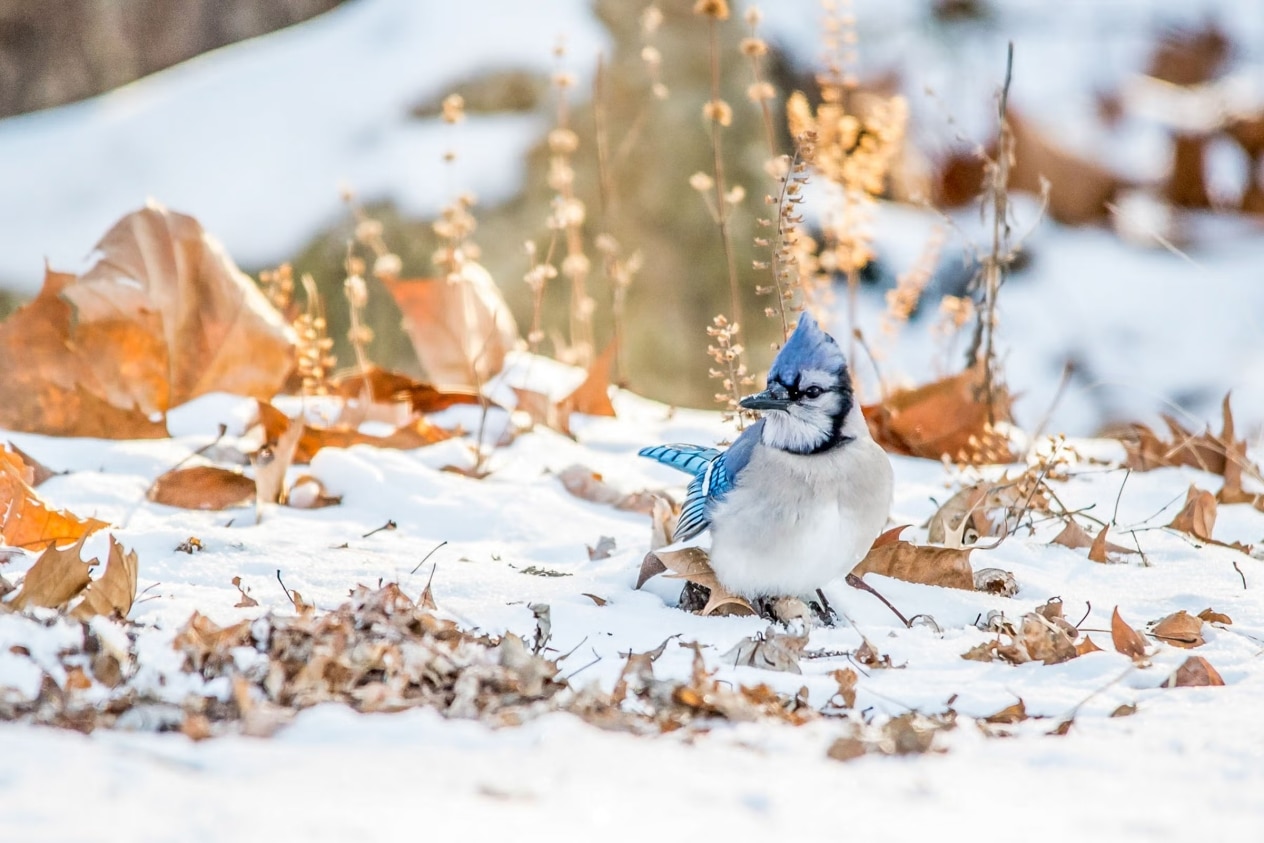
Helping birds in winter is a necessity and an enjoyable leisure activity. Even one feeder can save dozens of lives, especially if you live in cold regions. Birds are in short supply of food in winter, and a person can help, so you should take this issue as seriously as possible and, if possible, set up as many good bird feeders as possible and don’t forget to put food in them regularly. The more varied the food, the more species of birds you will see at your feeder and the easier it will be for them to survive until spring!