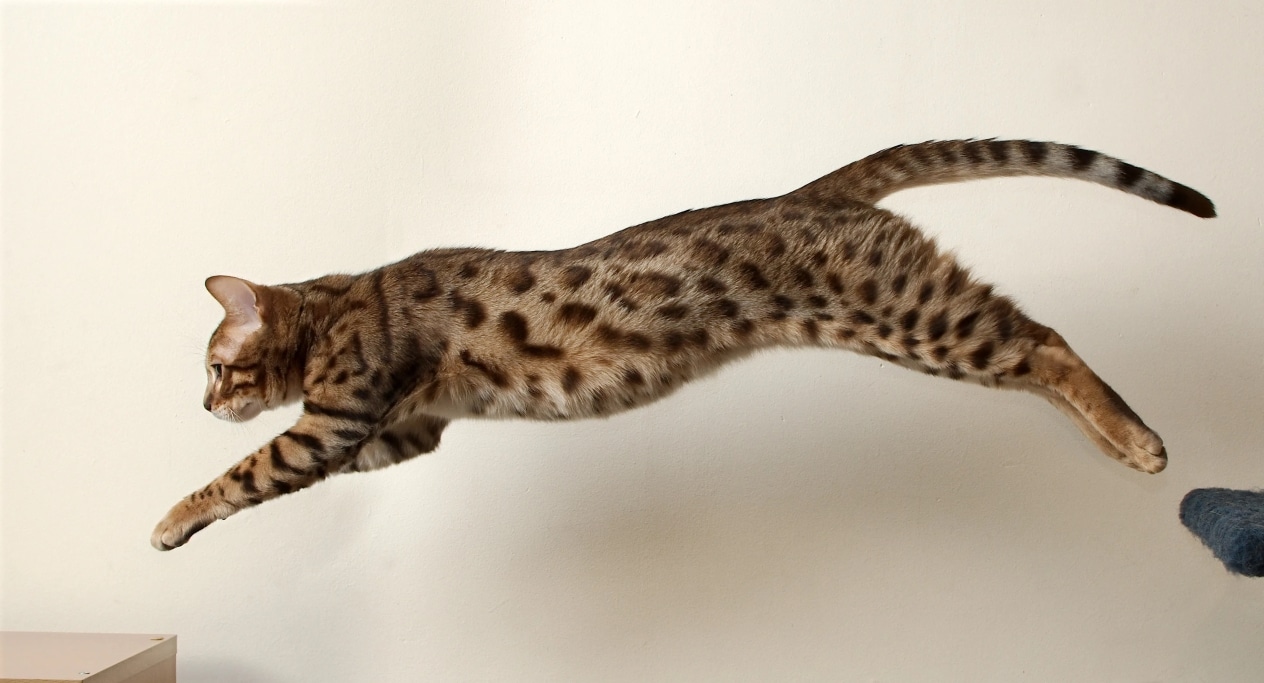
Think only dogs can chase a ball or fetch slippers? It was once thought that cats could not be trained, but this is not true. People used the same methods for cats as they did for dogs – commands and suppression of the will. You can’t do that to a cat, all it takes is a little violence, and it will refuse to interact with humans. With him you can negotiate, and human cunning, affection, treats and a lot of patience will help. A cat can be taught a variety of tricks if it is in a good mood. It is considered best to train Bengal, Abyssinian, Somali, Chauzy, Oriental, Maine coons, as well as active companion cats such as Siamese, Kuril bobtails, Rexes, Sphynxes, Siberians and ordinary mutts. And how to teach your cat commands, we’ll tell you in our article.
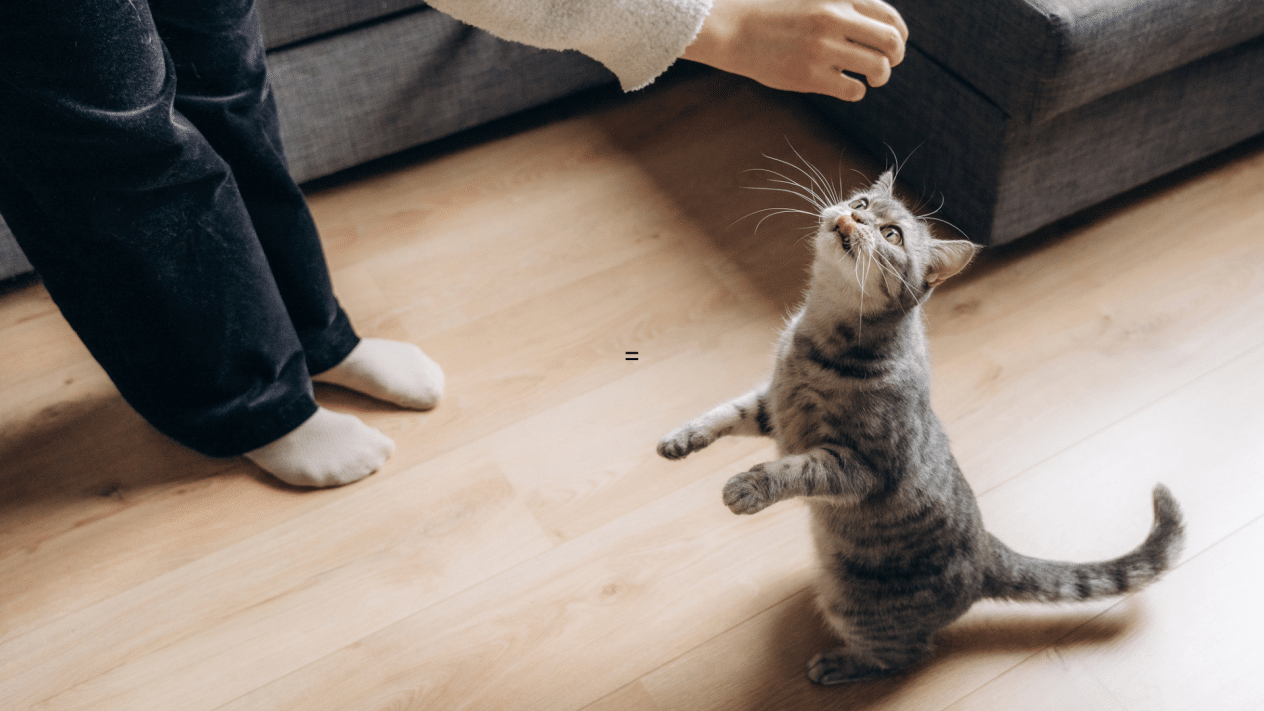
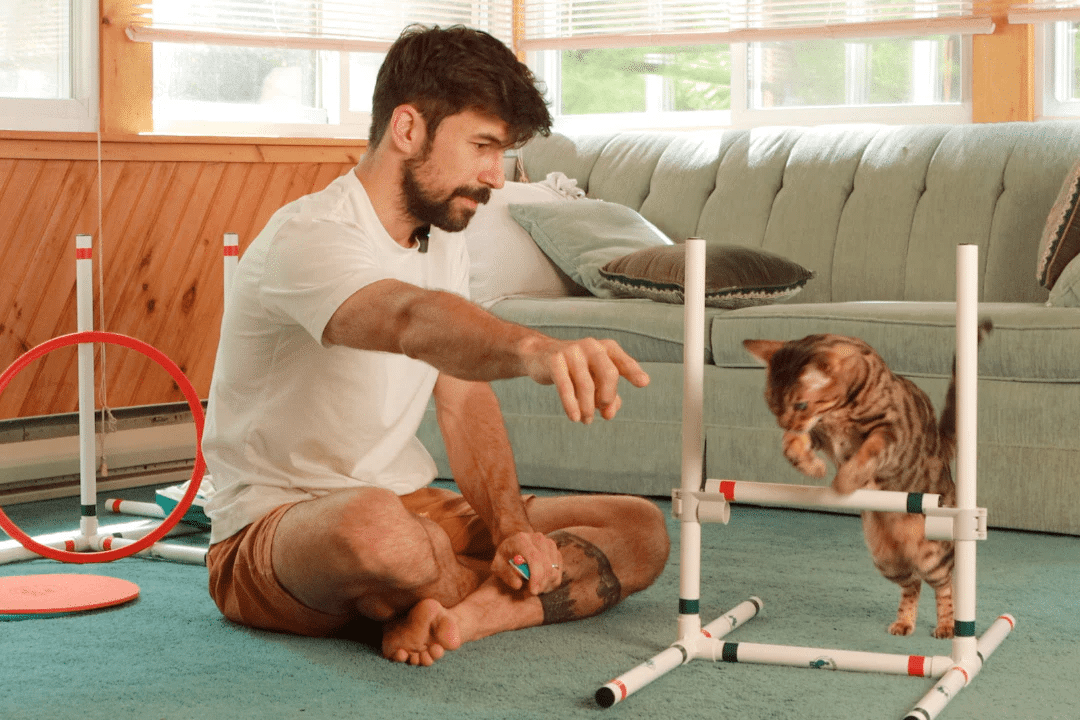
When your pet is in the mood to play, at such moments you can teach him to fetch a ball, a bow, other small toys or master the “jump through the hoop” trick. However, you should realize that training a cat will take much longer than learning the same commands for dogs. And it’s not because one is smarter than the other. Cats are willful, and if at some point they become lethargic, sleepy or just not in the mood, you can’t force them to follow (or learn) any commands.
Tips for training
- Training a kitten is easier than training an adult cat. The right age to train a kitten is 6-8 months.
- You should train your cat 1-3 times a day. It should not take more than 5 minutes each time.
- If the cat does not respond to the commands, do not force or punish it, it is better to take a break and start again after some time.
- As for treats, choose those that differ from your cat’s usual diet. If you feed dry food, give wet food and vice versa.
- Giving treats while training your cat should be done after the exercise is over. If you procrastinate and give him a treat a minute later, the animal will not realize that the treat was given to him for the trick he performed.
- Training should take place before the main meal.
- In addition to treats, don’t forget to pet the animal, scratch behind the ears and praise it.
- When the cat learns to follow the commands quickly, start weaning the animal off the treats.
- Give treats not for every trick, but for 2-3 tricks performed in a row. Then, instead of treats, you can simply stroke and praise the cat.
7 simple commands for your cat
There is a standard set of commands that almost any cat can learn.
Give a paw
Place a treat in the palm of your hand, bring it to your cat and wait for him to put his paw on your hand, as if asking for a treat. If the cat doesn’t reach for the treat, show it what to do, then praise it, let it eat the treat and pet it. The next time the cat raises its paw at the sight of the treat on your hand, say the command “give paw.” Repeat this action 5 to 7 times, then take a break.
Sit
When the cat rolls close to you, press quietly on the rump and, the moment it starts to sit, give the command “sit.” After saying the request, you can press with two fingers to get the animal’s attention. Kinologists at this point raise their index finger upward. The click should be played after each command so that the cat accurately responds to it. You can teach your pet this exercise not only by pressing the rump, but also by repeating the command simultaneously with the click when your furry friend sits next to you.
Crawl
This command should be learned while your cat is lying down. With one hand, start stroking your furry friend, gently pressing down on its back without letting it get up. With the other hand, hold the treat, gradually moving it away from the muzzle to the side. The cat, unable to get up, will reach for the treat, stretching forward with its claws.
Fetch
You can teach your cat this command if she is playful and likes to carry some things and toys. The next time you throw her a ball, bow or mouse (you can place it on a string to draw her a little closer) and she brings it to you, give her a treat for it. If she lets it go on the way, don’t give her anything. Repeat the exercise several times in a row, accompanying the throwing with a voice command. Don’t spend more than 3-5 minutes on the exercise, otherwise she will quickly get bored. Give treats only when the animal performs everything correctly. However, do not expect quick results.
Come here!
First, think about how you will call the cat to you. It can be “kitty, kitty” or another expression. First, lure the cat to you by picking up its favorite toy or treat. You should lure the cat with a treat before the meal, about 15 minutes before feeding, when the cat is already hungry. As soon as the cat approaches you, reward it with a treat and pet it. Once the cat starts approaching you at small distances, start increasing them. Repeat the exercise in different rooms two or three times a day.
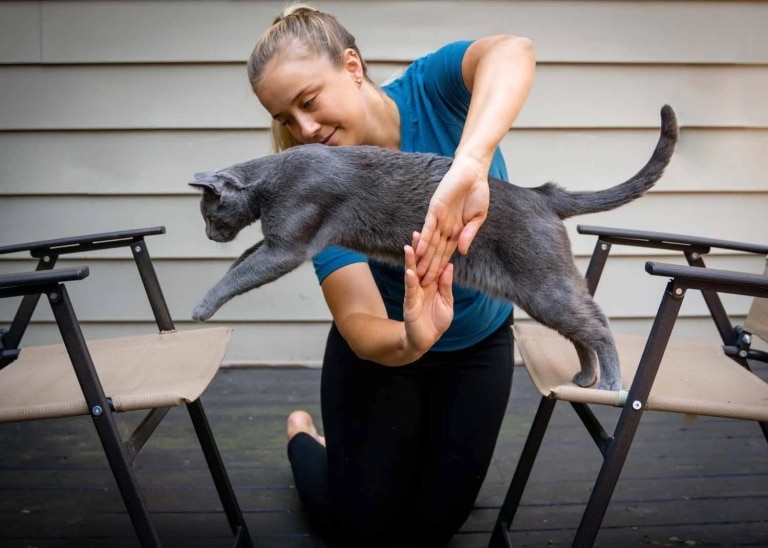
Jump
If you have an adult cat, a small hoop will suffice for this exercise; if you have a kitten, you can use a large hoop. Place it in front of the cat, and lure it with a treat on the other side. As soon as the animal passes through the circle, reward it. After a few days, when the cat understands what is expected of it and does everything correctly, start gradually raising the hoop, literally by a few centimeters, so that the kitten makes a jump. Accompany the exercise with the command up or jump.
Voice
Learn this command before a meal by teasing your cat with a treat. Pick up the treat, bring it close to your cat’s muzzle so he can smell it, and raise it higher. Wait until your mustachioed friend starts making various sounds, demanding food. When you hear a distinct “meow,” let him eat the treat.
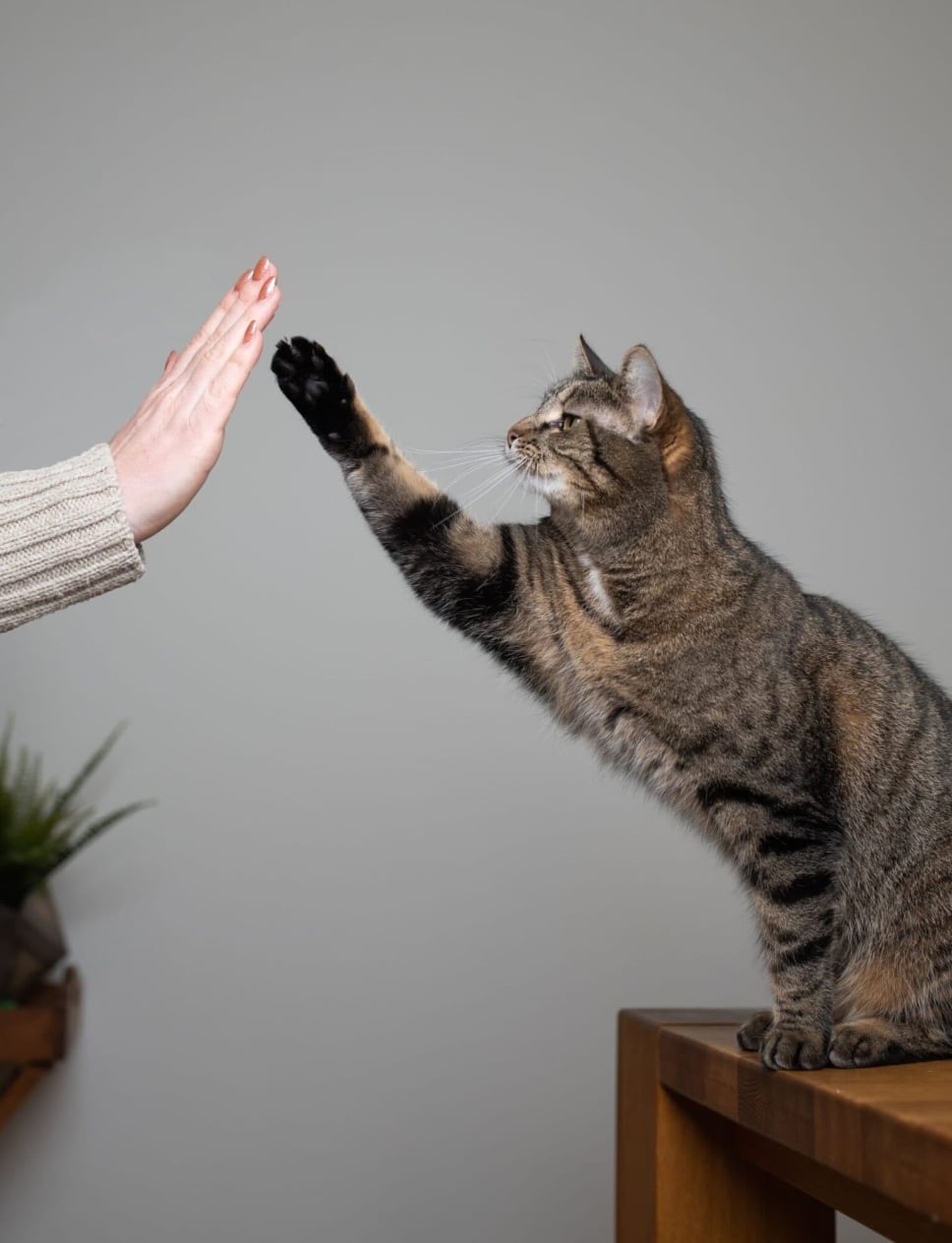
Like many other pets, cats can be taught to perform certain tricks. However, since these animals tend to show their own independence, training cats requires persistence. Be patient, use positive reinforcement, and you will have a great time with your cat performing tricks for you.