Preparing the home: the role of the host in fostering calm behavior
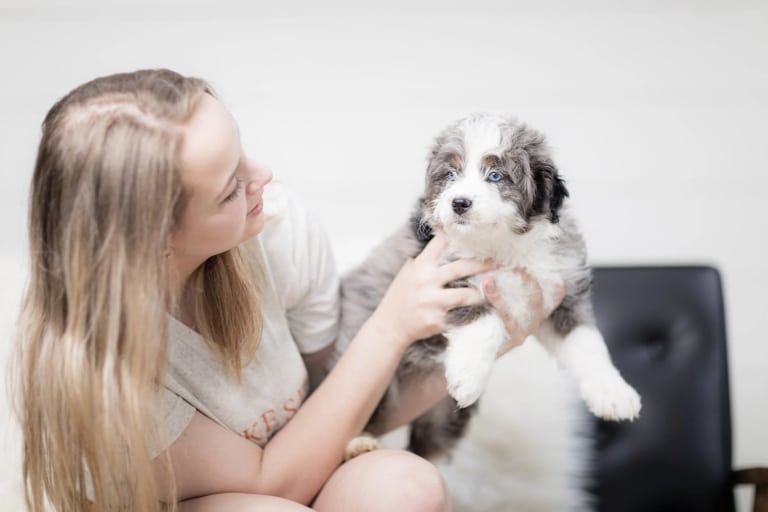
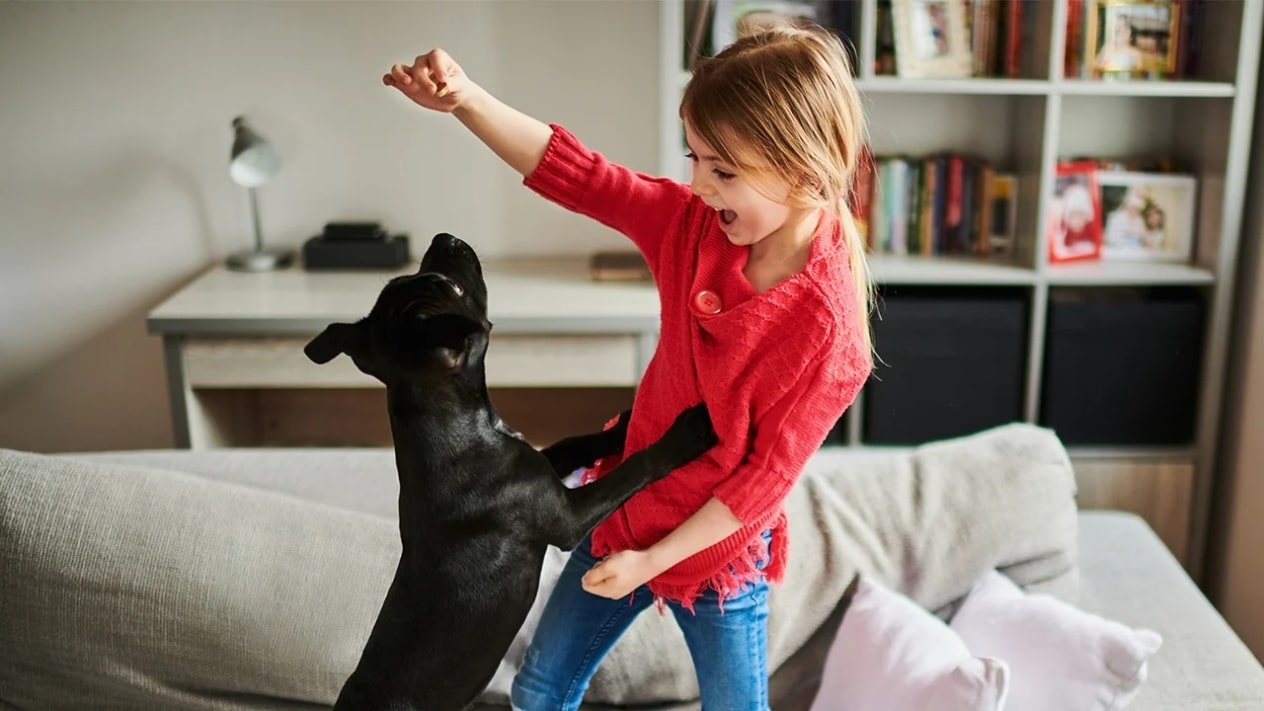
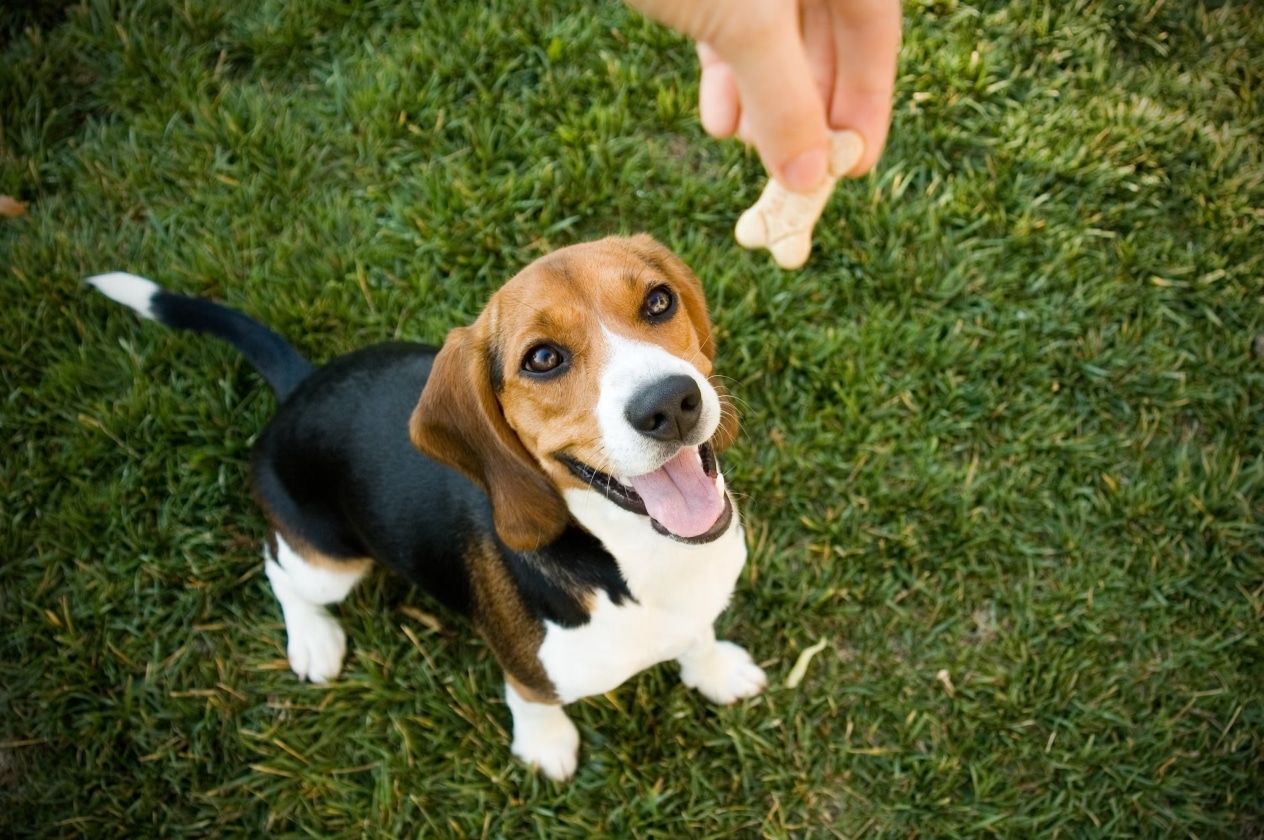
A dog’s behavior in the grooming salon almost always starts at home. If the animal has never been touched on paws, muzzle, ears or tail, the salon becomes a shock for him. The owner should gradually accustom the dog to body contact: regular light touching of the paws, imitation of holding the muzzle, careful combing, getting used to the sound of a hair dryer or machine (even just turned on nearby). It is very important that these actions are not accompanied by tension, shouting or force – the dog reads human emotions instantly. If the owner himself is nervous before going to the salon, the dog will also be tense. A calm tone, confident movements, short positive sessions and praise form the right association in the animal: touch is safe. It is at this stage that the foundation is laid so that the groomer does not start from scratch, but works with a trained dog.
First salon visits: joint responsibility of owner and groomer
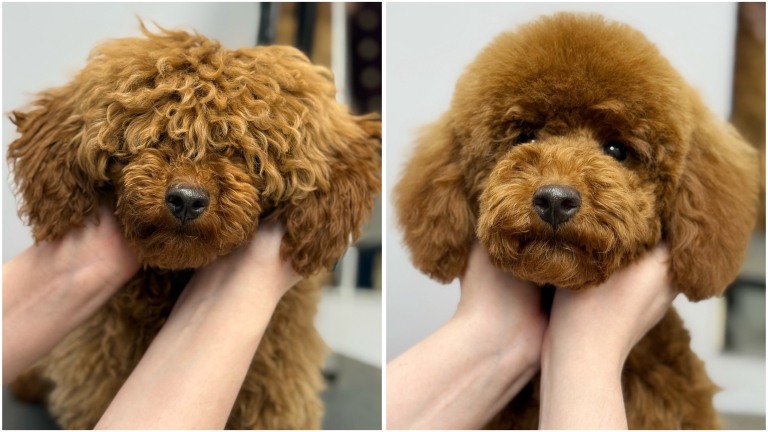
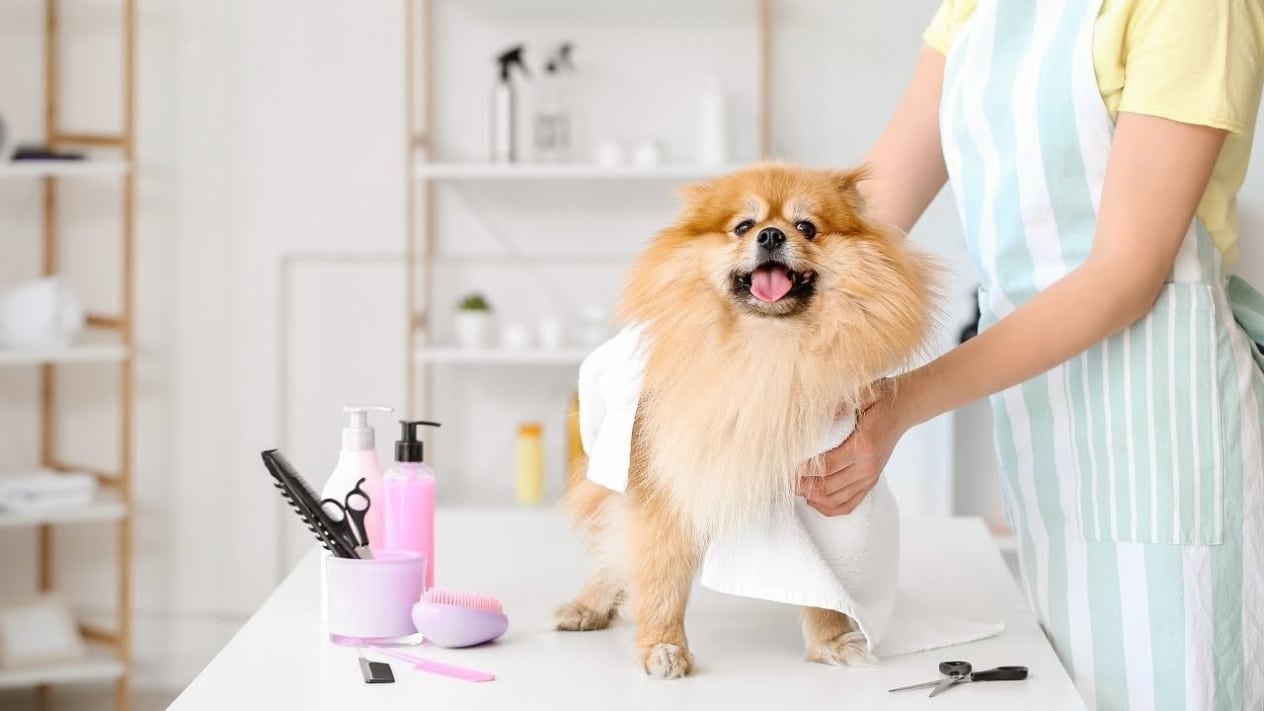
The first contact with the salon should be as gentle and thoughtful as possible. Many owners make the mistake of signing their dog up for a full haircut right away. It is much more effective to start with short procedures: familiarization with the space, light bathing, minimal manipulations without rushing. Here the groomer plays a huge role, because it is he who forms the first professional impression for the animal. The master must be able to read the signals of the dog, not to ignore fear, not to force the process and not to “break” behavior. The owner, in turn, should not press with phrases like “he is angry” or “do what you want”. The trust between owner and groomer is directly transmitted to the dog. When the animal sees a calm hand-over, without drama or regret, it adapts more quickly and begins to see the salon as a neutral or even pleasant place.
Systemic and proper communication: how to reinforce good behavior for the long term
Good behavior in the salon does not appear at one time – it is formed by regularity. If a dog is brought in once every six months after being completely ignored at home, every visit will be stressful for him. When grooming becomes a regular part of life, however, the animal stops perceiving it as a threat. Communication between the owner and the groomer is important here: what exactly frightened the dog, where he tensed up, what worked well. The professional groomer adjusts the approach from visit to visit, and the owner maintains these developments at home. It is also important to realize that peace of mind at the salon is also safety for the animal itself. A dog that trusts the process is not traumatized, is not emotionally drained, and feels more confident each time. It is the tandem of a responsible owner and an experienced groomer that makes the salon a place where the dog is comfortable, not afraid.
Conclusion
Good dog behavior in the salon is not an accident, but the result of joint and consistent work of the owner and the groomer. When the owner prepares the animal at home, does not pass on his own fears and is responsible for the regularity of procedures, and the groomer acts professionally, attentively and without pressure, the salon ceases to be stressful. In this format, grooming becomes an understandable and predictable process for the dog where there is no pain, panic or struggle. It is this trust that builds calm behavior, preserves the animal’s psyche and allows each subsequent visit to be easier, safer and more comfortable – for both the dog and the people working with it.