Breed Description
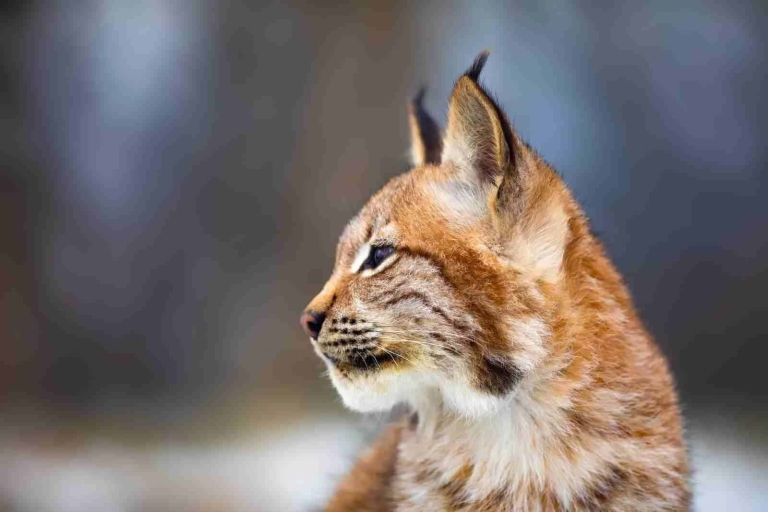
The Pixie Bob is a breed that strikes you at first sight with its wild, almost lynx-like appearance, but underneath that wild exterior is a surprisingly affectionate and loyal heart. The name “pixie-bob” comes from the name of the cat Pixie, with which, in fact, and began the history of the breed. It was bred in the United States in the 1980s, when breeder Carol Ann Brewer decided to fix a unique kind of cat that resembles a lynx, but has an affectionate disposition and is quite domestic. Despite numerous myths, the Pixie Bobcat has no genetic connection to bobcats – it is a completely domestic breed.
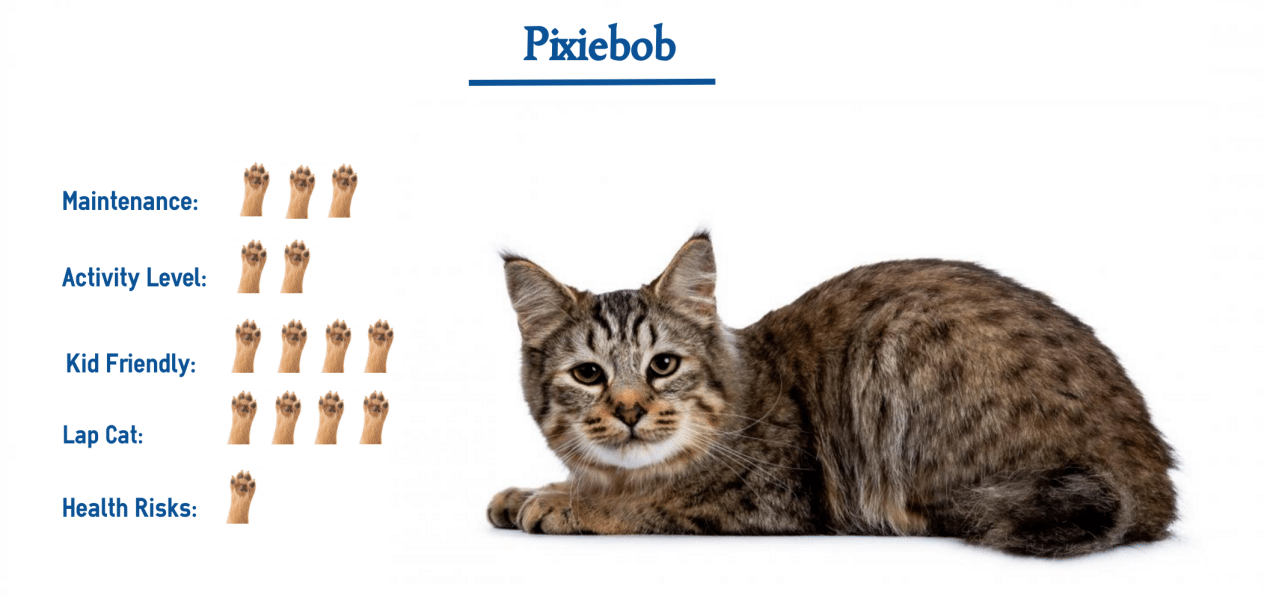
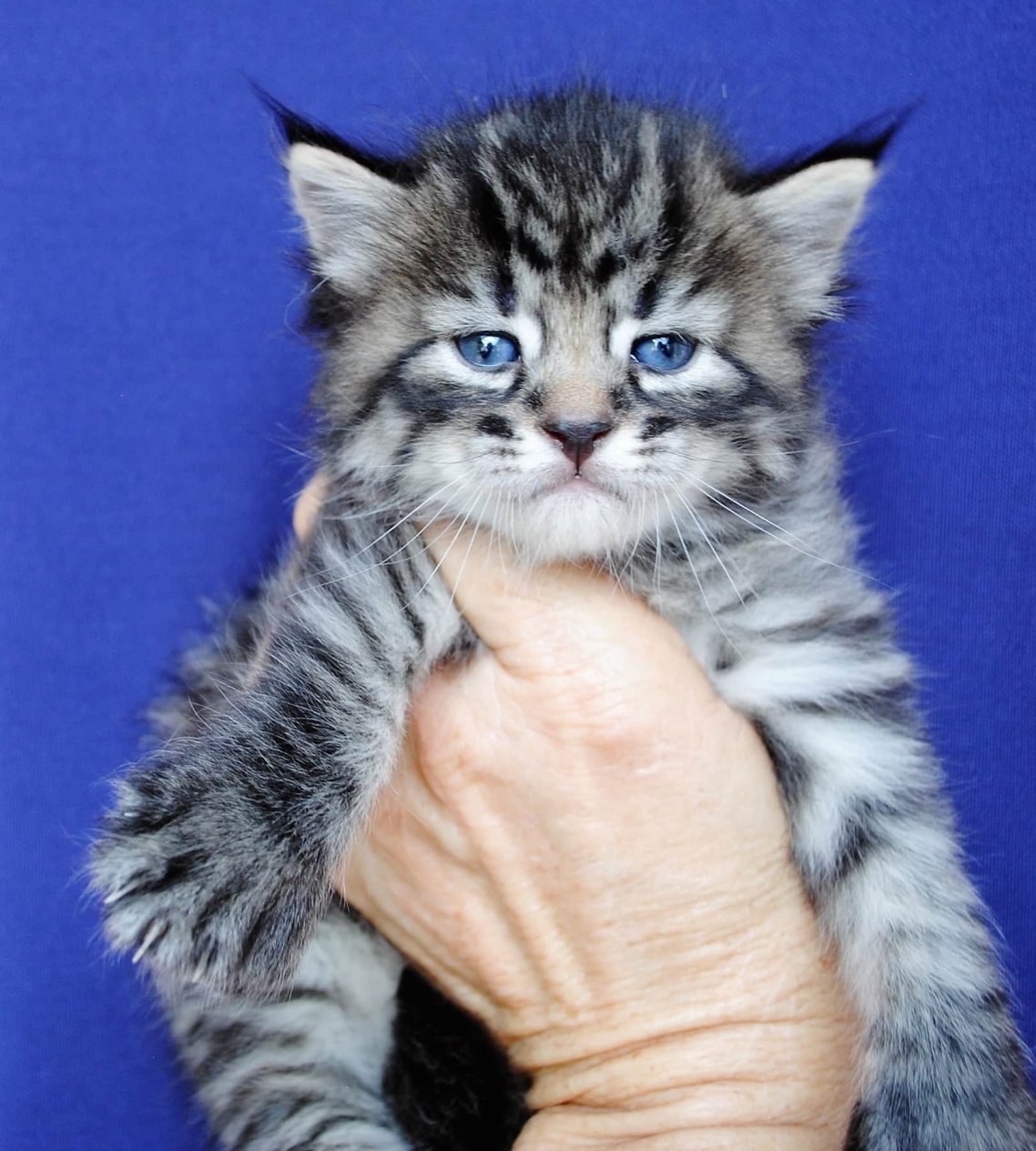
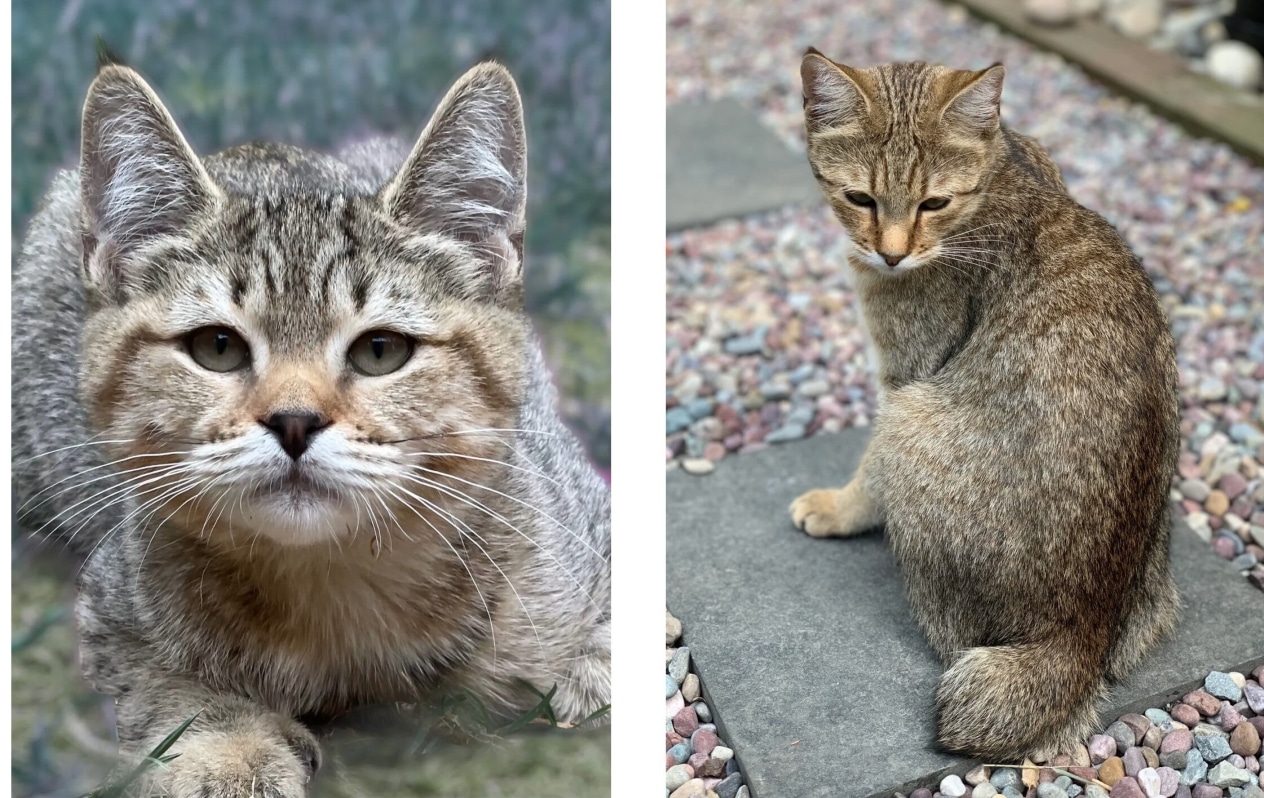
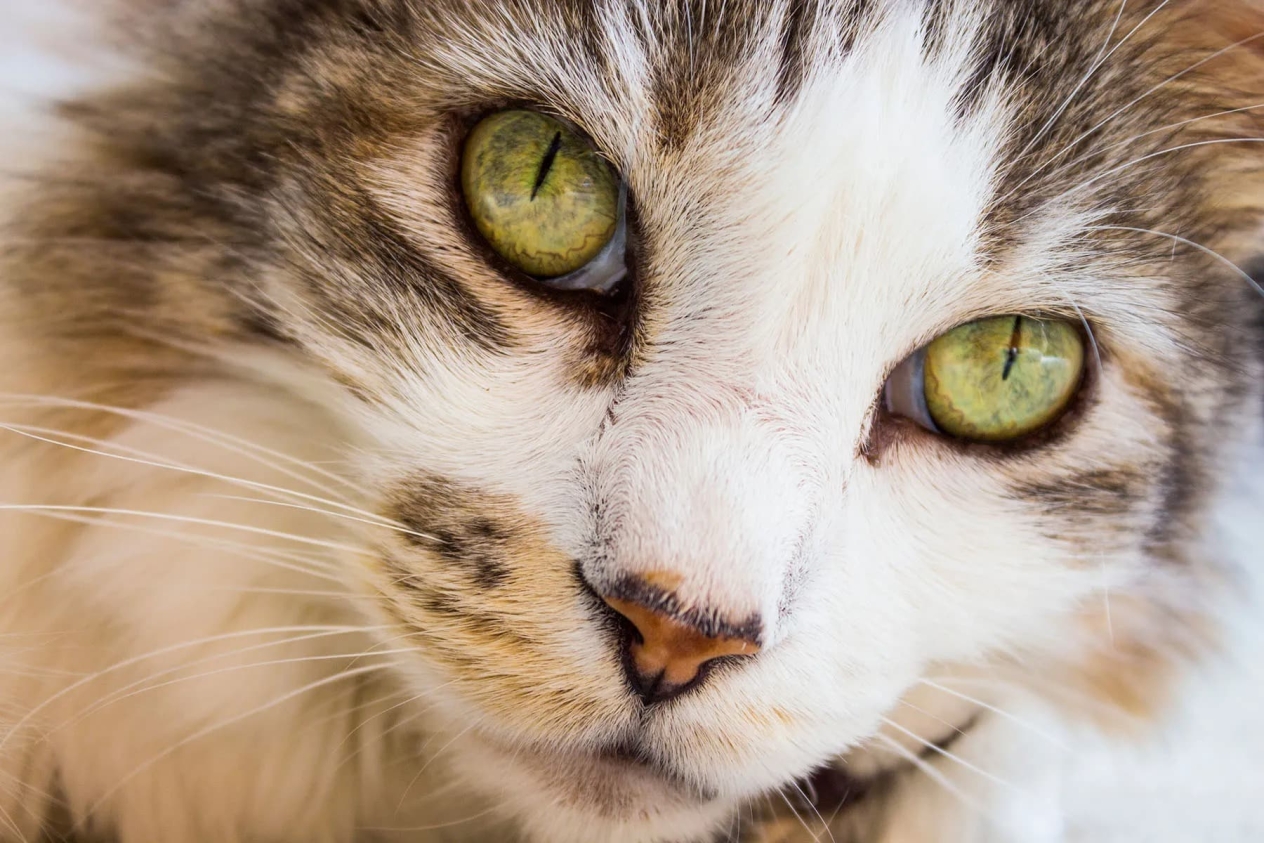
The main feature of the pixie bob is its appearance. Their powerful, muscular build, short or angular tail, large paws and thick, slightly ruffled fur make them look like real wild cats. Their ears are slightly pointed, often with tassels at the ends, and their eyes are large, almond-shaped, usually golden or green in color. The coat can be short or medium length, and is always spotted – with characteristic spots scattered all over the body.
These are fairly large cats. Males can weigh from 6 to 8 kg, females – about 4-6 kg. But the main thing is their character. They are intelligent, balanced, friendly and surprisingly loyal to their people. These cats have an almost dog-like disposition: they can follow their owner from room to room, learn commands, walk on a harness and even guard the house. The Pixie Bob is extremely social, getting along well with children, other cats, and even dogs.
They are calm, but not lazy. They love active games, especially those that resemble hunting. Their energy is combined with delicacy: a pixie-bob will never be annoying or aggressively demand attention.
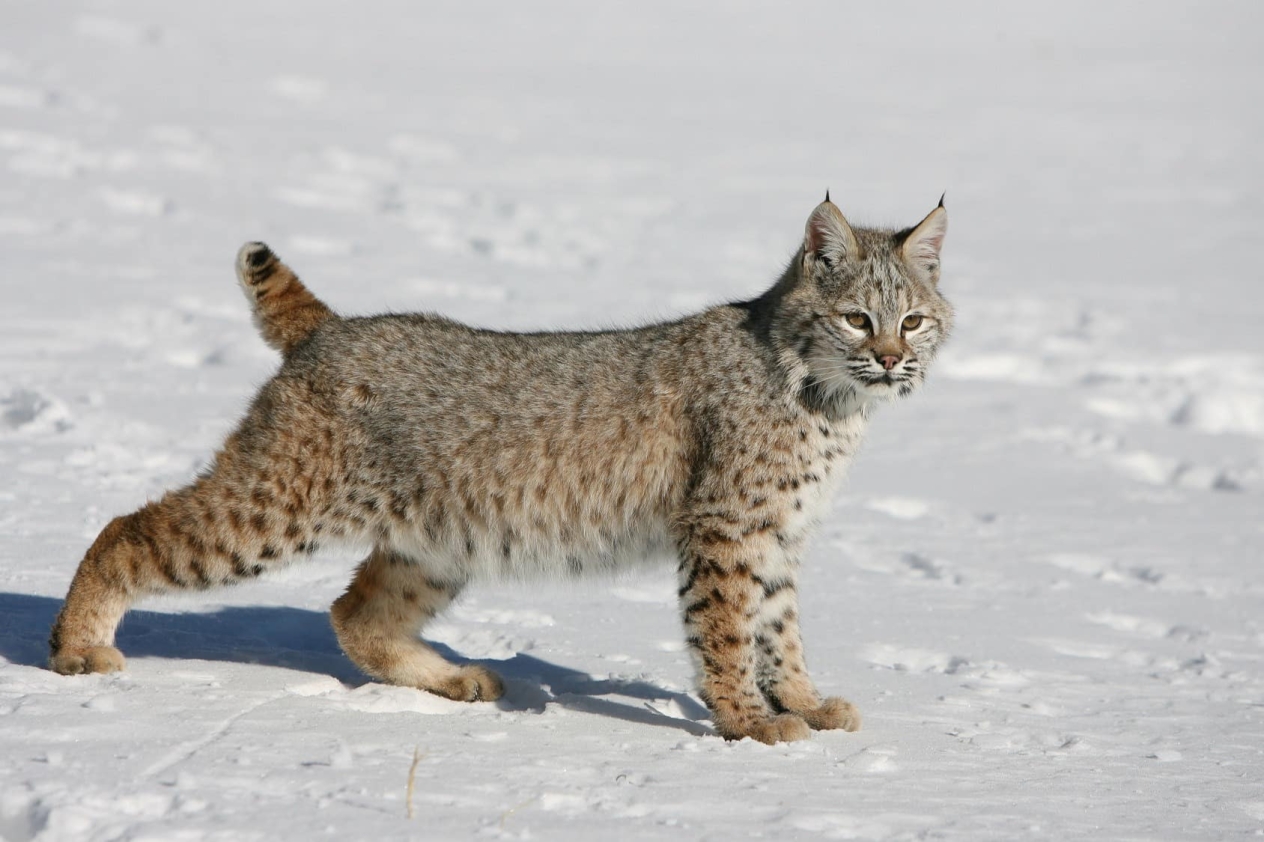
Pixie Bob grooming
The Pixie Bob is one of those breeds whose grooming is not overly complicated, but still requires regularity and attention. Due to the natural, “wild” type of hair, these cats have a very easy-to-maintain coat texture: it is dense, elastic, does not clump into tangles, but still requires periodic combing.
Short-haired pixie bob is enough to comb once a week with a soft brush or a rubber glove, which will help to remove dead hairs and prevent shedding. But if you have a representative of the breed with a semi-long hair, it is worth grooming at least 2-3 times a week. It is especially important during the seasonal shedding – in spring and fall. During this period, the coat should be brushed daily. It is better to start with a metal comb with sparse teeth, and finish with a brush with soft bristles, which will make the hair shiny and well-groomed.
Bathing a pixie bob often is not necessary. If the cat is kept in a clean room, it is quite enough water procedures once every 2-3 months or as needed. Use only specialized shampoos for cats, as human products can disrupt the pH of the skin and cause irritation. After bathing, it is important to dry the coat thoroughly with a towel, and in the case of semi-long hair, you can use a hair dryer on minimum heat.
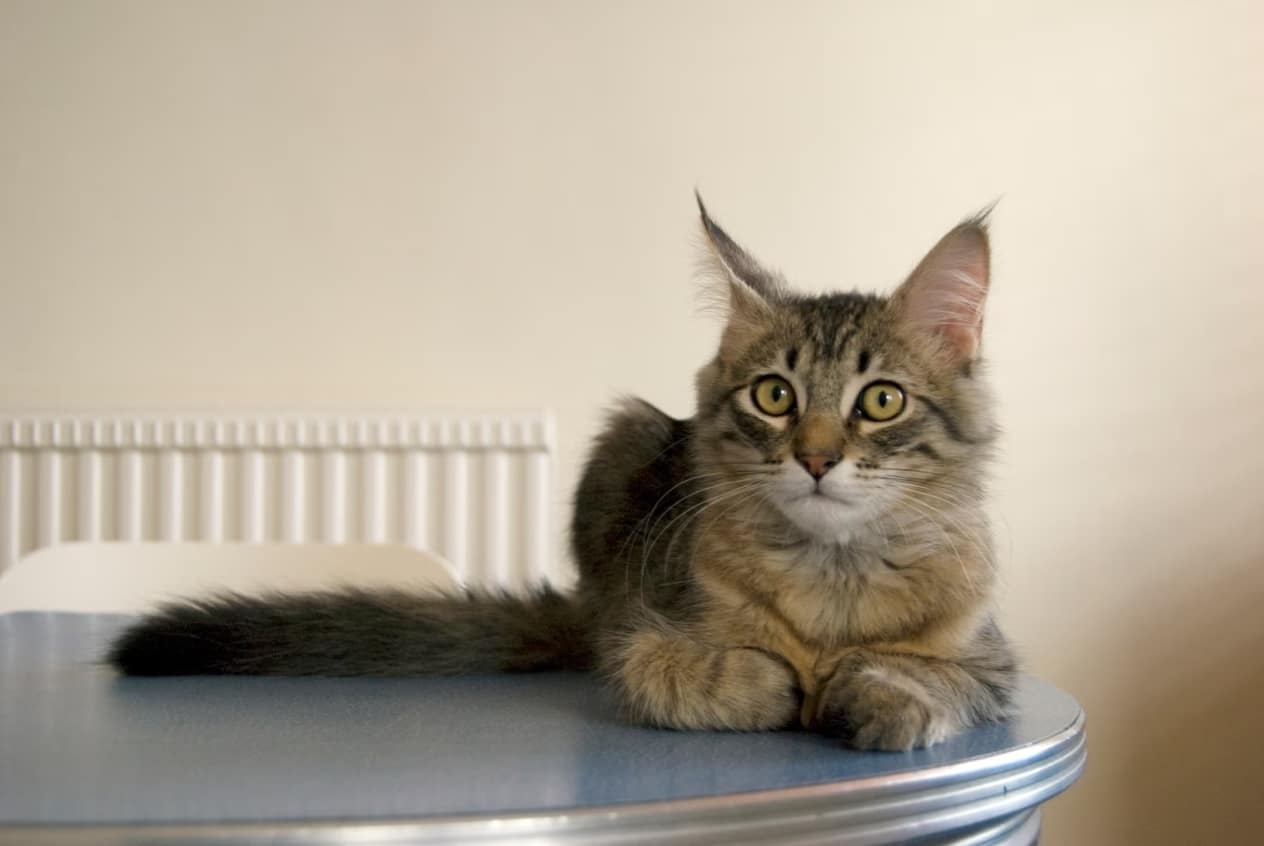
Pixie Bob’s ear care is fairly standard: once every 1-2 weeks you should inspect the ears for dirt and, if necessary, clean the inside with a cotton disk with ear cleaner. The eyes should also be wiped occasionally with a soft cloth or a disk soaked in warm boiled water or a special solution for cats.
Another consideration is the claws. Since pixie beans are active, they can partially sharpen their claws on their own, but this is not always enough. Therefore, it is recommended to trim their claws every 2-3 weeks, especially if you don’t want them to leave scratches on furniture or skin.
Pixie beans also require attention to their teeth. To avoid plaque buildup and gum problems, you can use special pastes and brushes for cats or give hard treats that clean their teeth.
This breed is not prone to genetic diseases, but due to their large body mass, pixie beans can gain excess weight. It is therefore important to control their diet: a balanced diet of high quality food or natural products, as well as sufficient activity, are prerequisites for a long and healthy life.
The Pixie Bob is a cat that resembles a wild lynx, but requires no more care than any other domestic breed. A little attention, regular combing, affectionate attitude – and this “tiger” will become your best friend.