
What is food intolerance in cats
Food intolerance in cats is a reaction of the body to certain food components that is not related to the immune system. This is important to distinguish from food allergies, in which the immune system perceives a protein (most often of animal origin) as a threat and triggers an aggressive response. In the case of intolerance, we are talking about problems with digestion or assimilation of food.
The cat’s digestive system is quite sensitive: it is not adapted to the wide range of foods that are often found in commercial foods or homemade food. Normally, a cat’s digestion is based on the digestion of animal proteins. Any deviations – in particular the presence of grains, dairy products, soy, beef, chicken – can cause irregularities, especially if these ingredients are fed in poor quality or in excessive quantities.
Unlike allergies, with intolerances there is no “attack” by the immune system. Instead, localized inflammation, enzyme malfunctions, dysbacteriosis or disruption of the GI mucosa occur. In some cases this may be a congenital problem, in others it may be acquired after stress, illness or a change of food.
Main signs of food intolerance
Manifestations of food intolerance in cats are varied and sometimes nonspecific, so it is important to be alert to small changes in the behavior or appearance of the Pet. The most common signs are:
Chronic diarrhea or occasional softening of the feces. The owner may notice that the cat litter box has to be cleaned more often and the stool has an unpleasant, sour odor or an unfamiliar consistency.
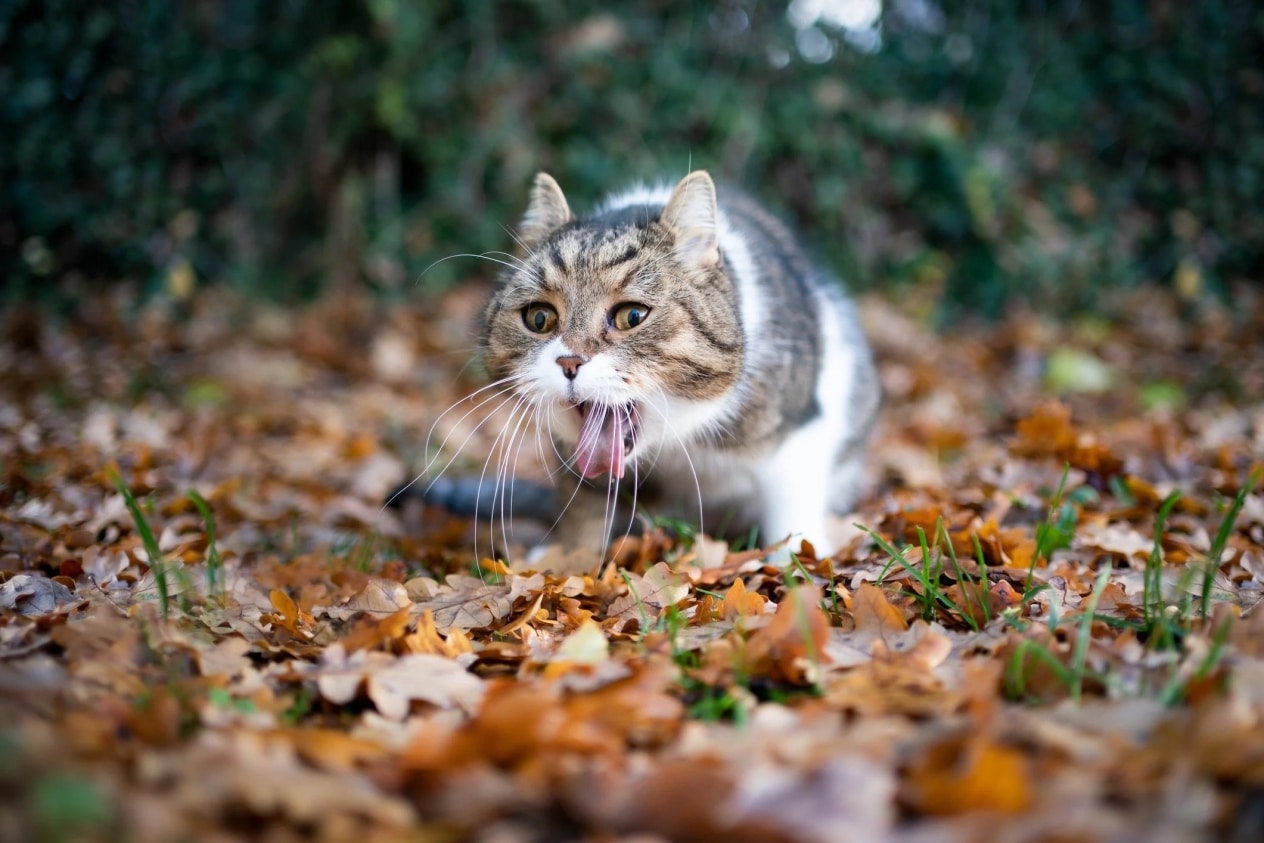
Vomiting. Irregular but recurring vomiting after eating, especially if bits of food are visible in it, is a signal that the GI tract is not coping.
Flatulence, rumbling in the abdomen. Although cats don’t suffer from gas as often as dogs, bloating or frequent sounds from the abdomen should alert you.
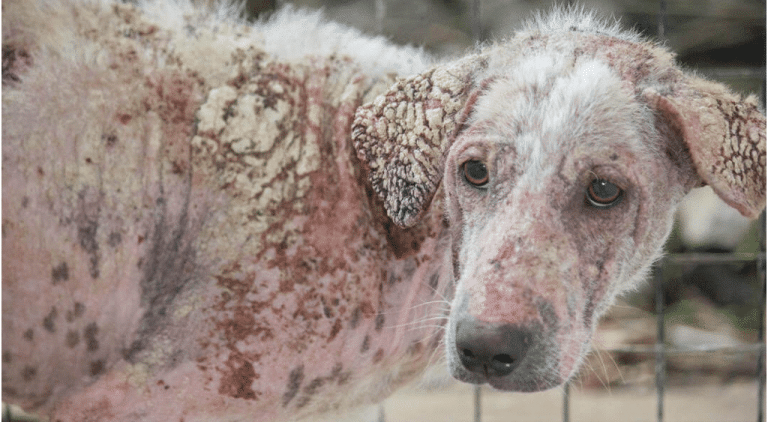
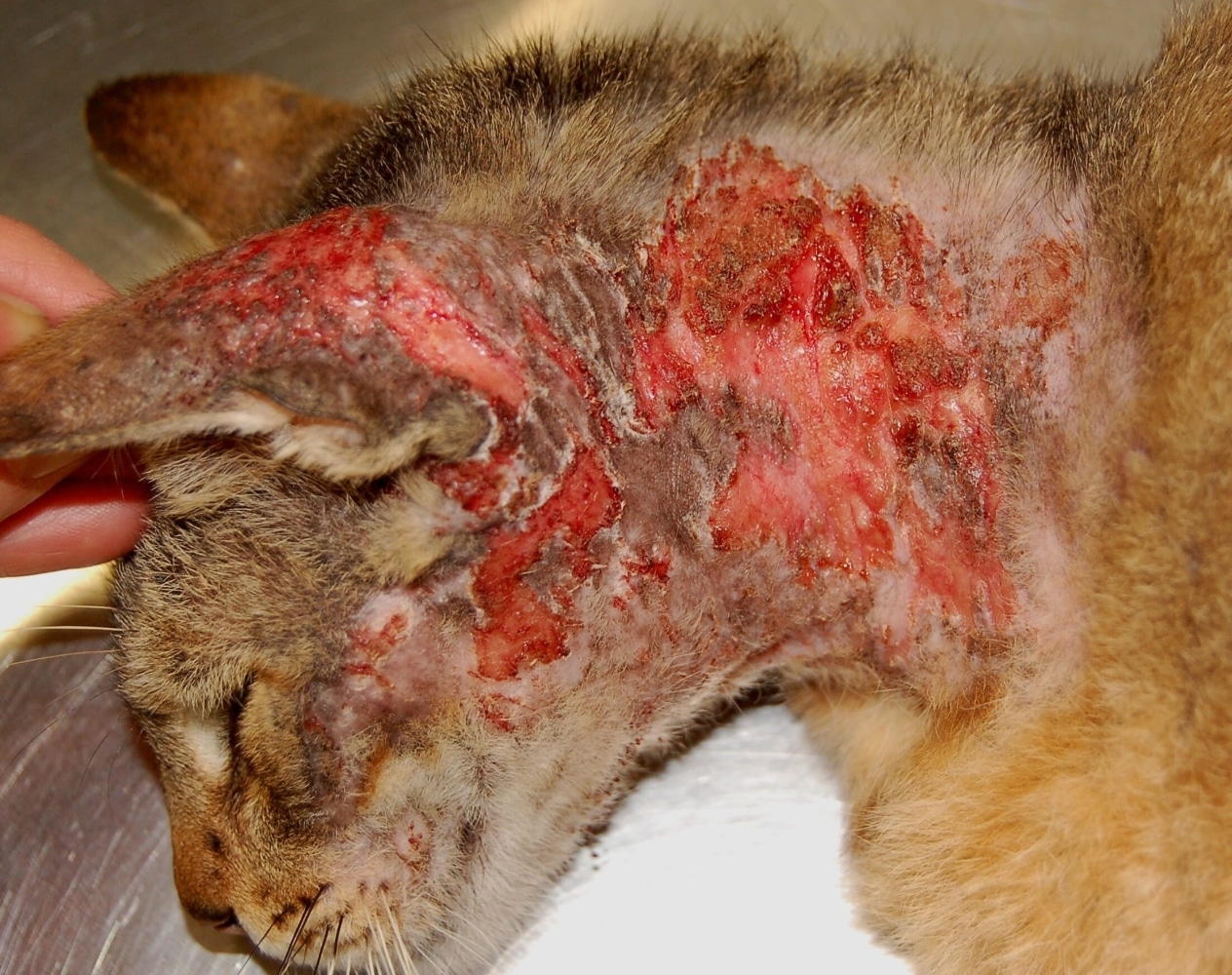
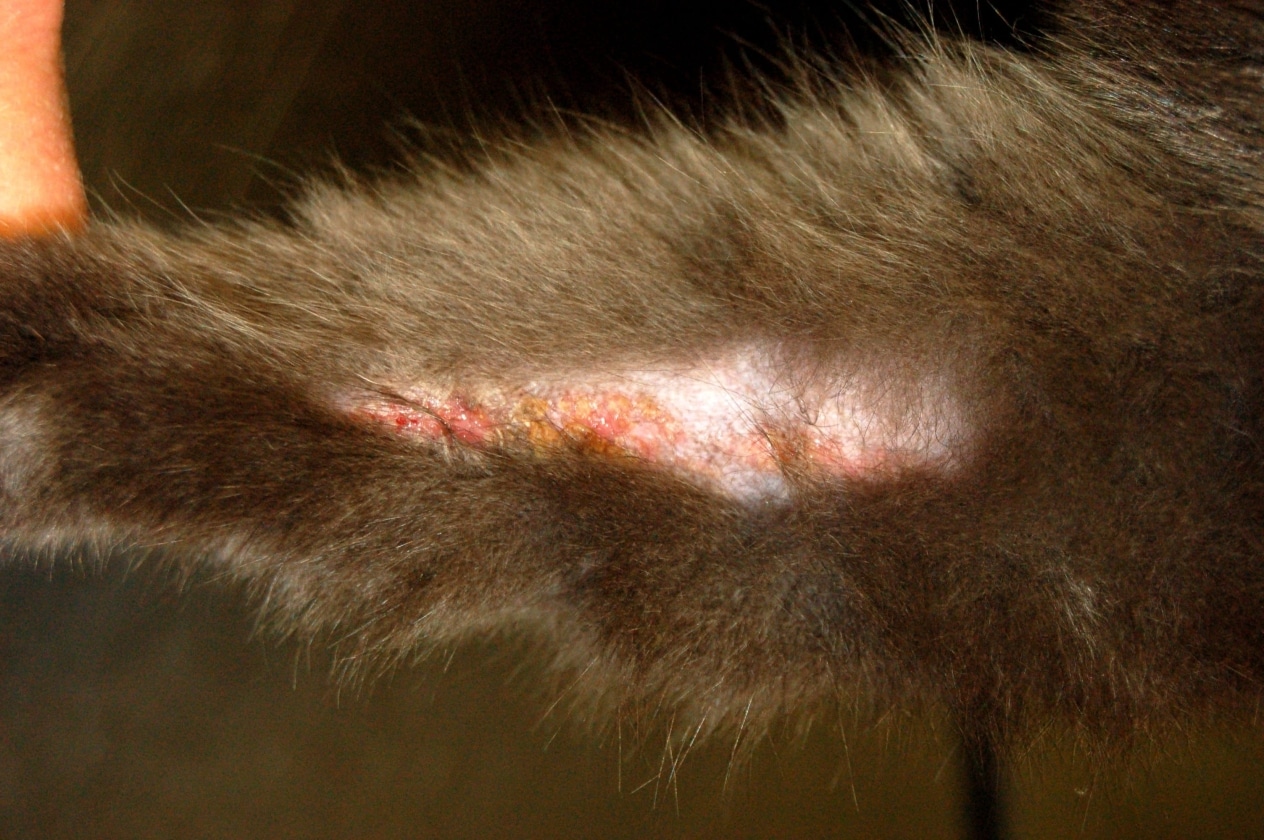
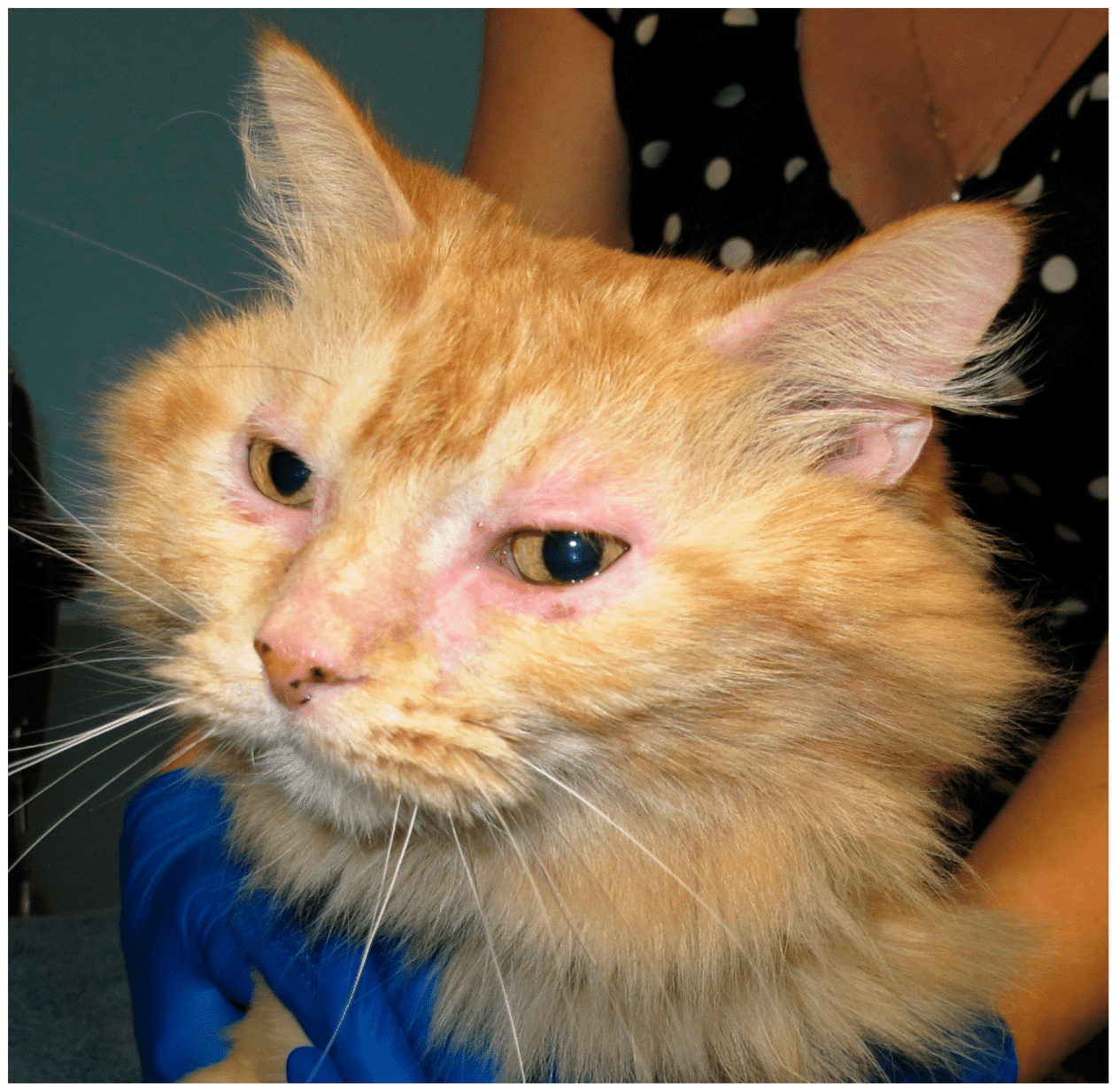
Itchy or reddened skin. Especially around the muzzle, ears, and paws. The cat can constantly scratch, lick the same place until bald spots appear.
Chronic inflammation of the ears. Often diagnosed as otitis media, but on careful parsing it turns out that the cause is nutrition.
Increased tear production or changes in the coat. If the coat becomes dull, dandruffy or greasy, this can also be a sign of an internal reaction to food.
As an example, if a cat eats the same food and 2-3 hours after eating itchy or soft stools, this is a typical pattern of food intolerance. These symptoms often do not go away on their own, and if ignored, the problem will only worsen over time.
How to diagnose the problem
The most difficult part of dealing with food intolerance in cats is the lack of a reliable laboratory test. Most food allergy tests offered by clinics or laboratories only test the immune response (IgE or IgG) and not the functional gut response. Therefore, if you have an intolerance, the result may be a false negative and symptoms may remain.
The most accurate method of diagnosis is considered an elimination diet, a method that is recommended by both the European and American Association of Veterinary Dermatology. It consists of the complete elimination of all potentially irritating ingredients from the diet. The veterinarian prescribes a mono-protein diet, usually based on a protein that the cat has never eaten (such as duck, venison, or insects). This diet lasts 6 to 8 weeks.
During this time, no treats, baits, or medications with flavorings are allowed. Anything ingested must be controlled.
The best tool in parallel is a food and symptom diary. The owner records the date, type of feed, quantity, reactions (feces, vomiting, itching, etc.). This allows an objective tracing of the relationship between foods and symptoms. Stress factors or environmental changes should also be considered – sometimes reactions are not directly related to the food, but to hormonal or psychogenic changes.
We emphasize: diagnosis should be guided by a veterinarian, especially if symptoms are vivid, prolonged, or systemic. Self-treatment or changing feed by “trial and error” only complicates the situation.
How to help a cat: treatment and prevention
After the elimination diet, if the symptoms disappear, you can move to the provocation phase – gradually introduce one new ingredient every 5-7 days. If no reaction occurs, the product can be left. If symptoms return, the allergen has been identified. This approach makes it possible to create an individualized safe diet.
In some cases, the cat does not tolerate most proteins. In such a situation, it is worth switching to hypoallergenic or hydrolyzed feed s – this is a dietary food where proteins are broken down into such small fragments that they do not cause a reaction even in a sensitive organism. Such foods (e.g. Hill’s z/d, Royal Canin Hypoallergenic) are prescribed by a veterinarian and used either long-term or as a basic diet.
In prevention, it is important to:
Avoid frequent feed changes.
Do not feed “off the table”.
Monitor the quality and composition of the feed.
Take care of healthy intestinal microflora – if necessary, add probiotics as prescribed.
Conduct deworming and vaccination in time, because a weakened body reacts more strongly to food irritants.
Also pay attention to the emotional state of the cat. Stress, moving, the appearance of new animals or people in the house can cause digestive disorders even without changing the feed. Sometimes it is advisable to add calming agents or pheromones (e.g. Feliway).
Conclusion:
Attention, the support of an experienced veterinarian and the discipline of the owner help you find just the right diet with which your Pet will feel great, have a shiny coat, healthy stools and no unnecessary itching. The best treatment is individualized attention and care with love.