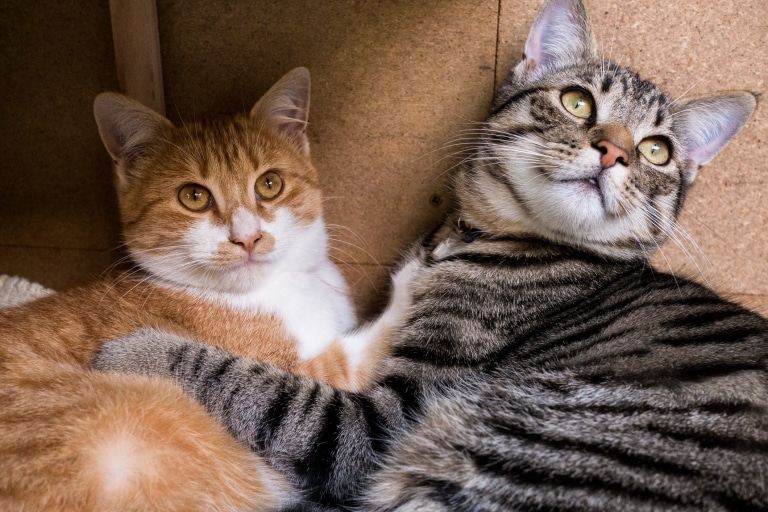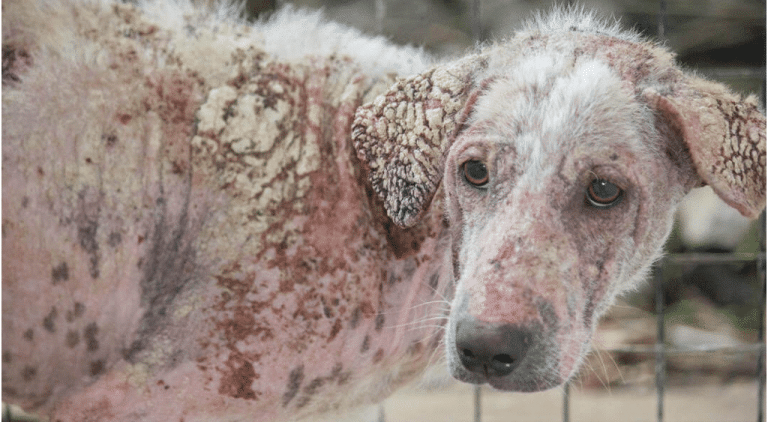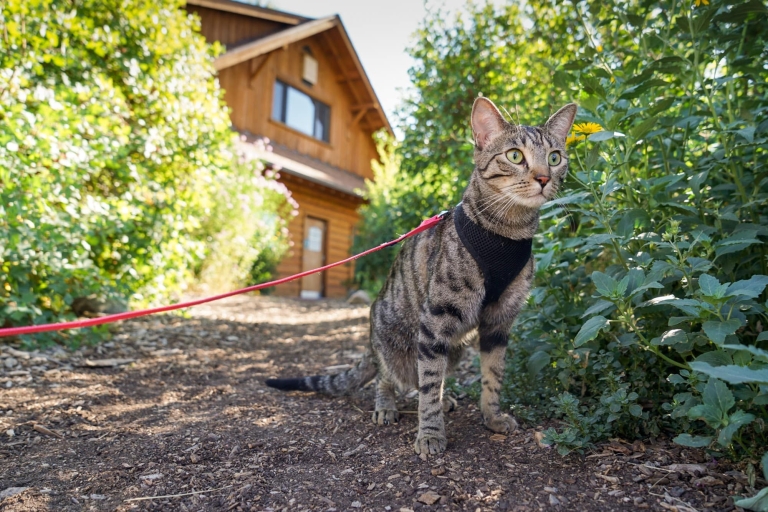

Winter is a real challenge for homeless animals, and sometimes a threat to their lives. As winter begins and the thermometer drops lower and lower, homeless animals actively seek food and warmth. Low temperatures force four-legged animals into entryways, basements and attics. They climb under car bumpers, hide under tires, or simply lie under cars. The cold can cause frostbite in animals. According to the public organization UAnimals, dogs die of hypothermia in 15 hours, cats – in 6 hours. In winter, stray animals do not sleep and eat enough, so they quickly exhaust themselves, lose immunity, become vulnerable to diseases, and sometimes die during sleep from hypothermia.
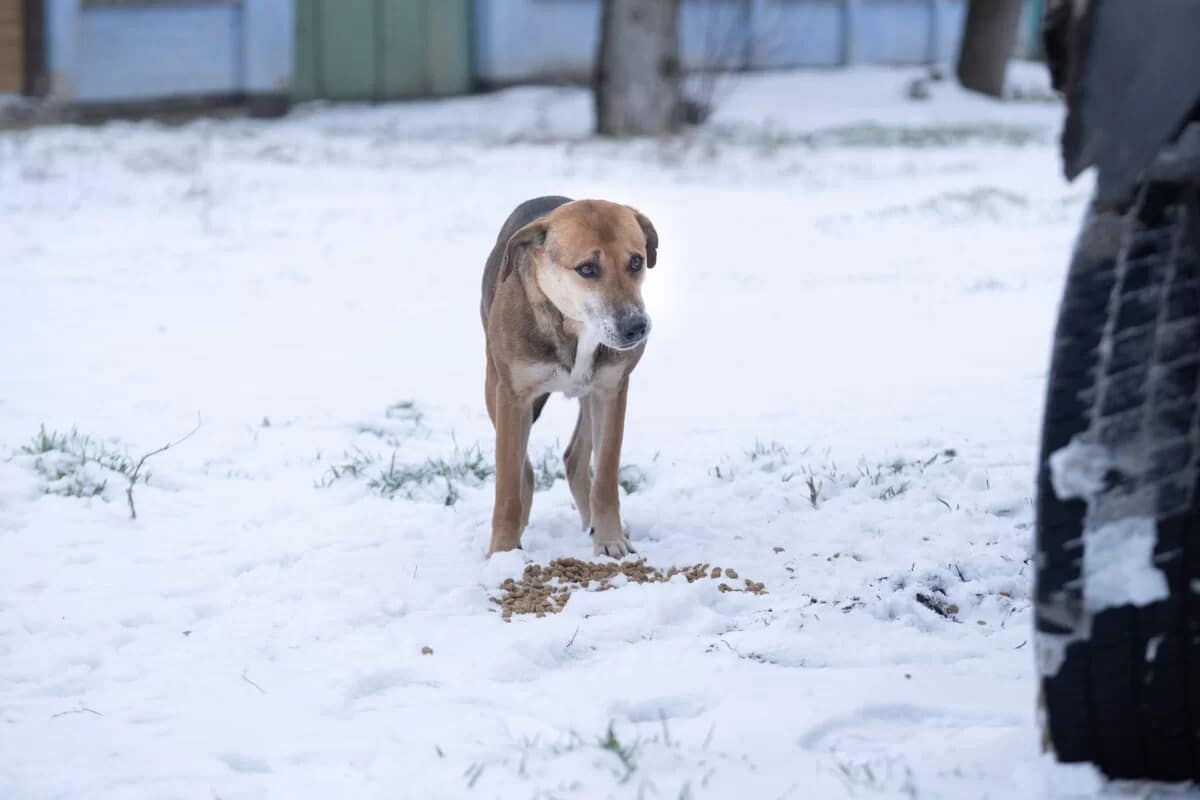
Adopt an animal from the streets into your home
On freezing winter days, stray animals have to move constantly to find food and a cozy place to warm up. At this time, the best thing for these animals is to be in a warm home where they will be surrounded by care and love. If you take Tails home, be sure to see a veterinarian for a consultation. The doctor will examine Tails and recommend to you how best to take care of the animal – to buy, to make vaccinations, to treat against fleas and worms. At first, the animal is wary of the new premises, but once accustomed, will please you with devotion and love.
Not many people would dare to take a stray dog or cat into their home, but each of us can help them through the winter.
A cozy shelter
The simplest shelter made of cardboard boxes will protect the animal from icy wind and precipitation, but you can make a more reliable and warmer – from boards, plywood, foam or other material that will not get wet and better keep warm. Set such a house on a pallet or other elevation so that the cold does not come from the ground; insulate it with old clothes – a sweater, scarf or something else will help to keep Tail warm, especially if it is a short-haired animal, a kitten or a puppy.
Feed the animals
Warm food and water left in safe places will energize the animal, and its body will be able to produce more energy and maintain water balance. To keep the water from freezing quickly, add a little sugar. It is better to take a plastic bowl, because metal or glass bowl quickly gains air temperature, the food in it will soon cool down and freeze. In the body of a well-fed animal heat exchange is maintained better, so they need protein food: porridge, milk, sausage or the cheapest dry food poured with hot water can save the life of a four-legged Tail.
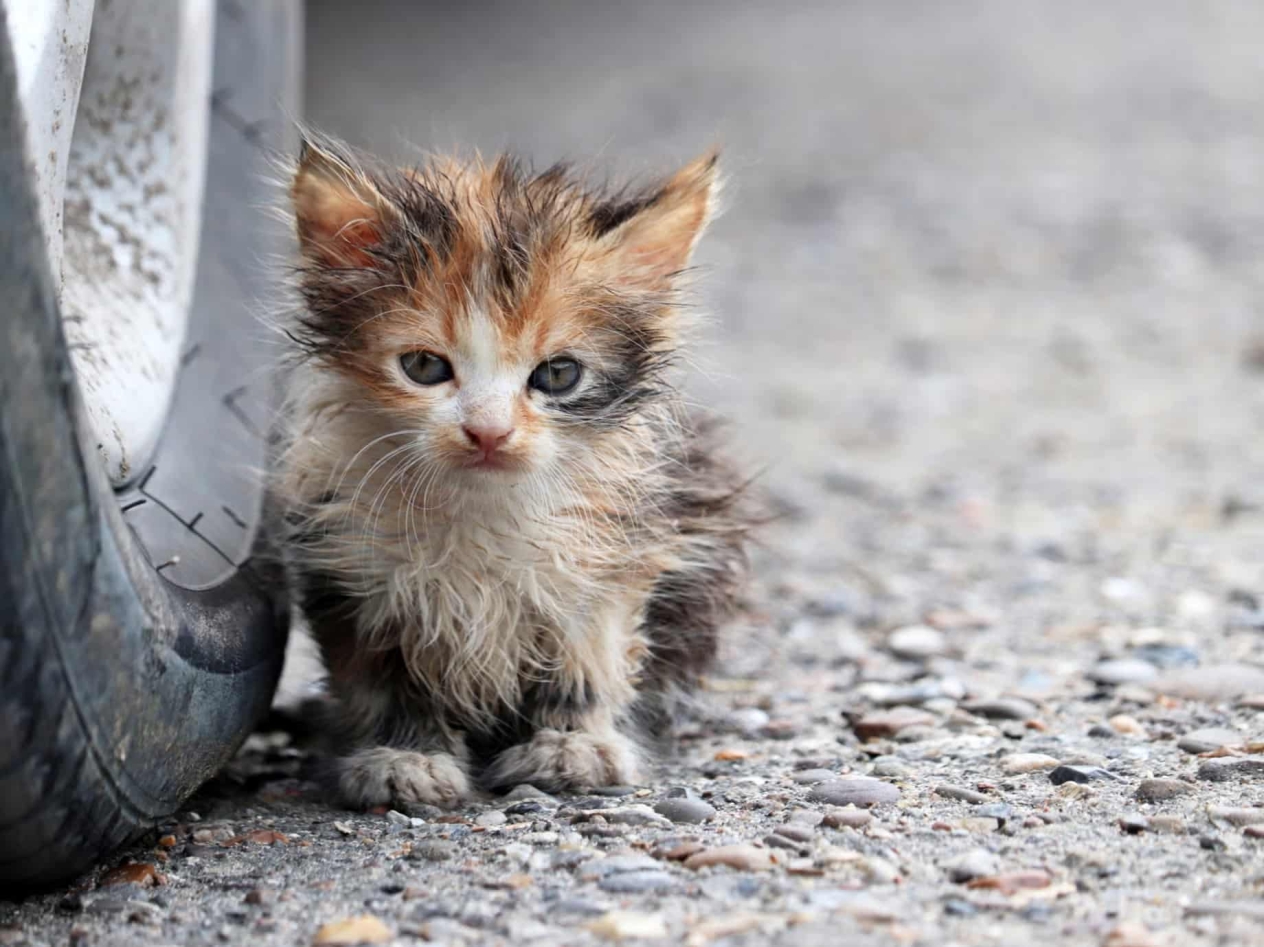
The automobile as a source of heat
Kittens often hide under the hood of a car by the warm engine to survive a freezing night, and a dog or cat may lie right under the car. So, thoroughly inspect your auto before you leave and it may save an animal’s life.
Let your pet warm up
Let your cat or dog into your warm home, or warm up in the entryway on the stairs, at least for a little while. In a cozy environment, the stray animal will first just sleep to warm up and regain strength to survive the next cold day.

Family or temporary shelter
You can temporarily keep the animal at home, or you can try to find a family that will take him in, take care of him and love him. Make a photo of the animal and spread the information in social networks, posters and tell your friends about your shaggy find. You can also take the animal to a shelter.
Help an animal
If you come across a cat or dog that is shivering, barely moving or lying down exhausted – this is hypothermia – help the animal immediately. Carry it to a sheltered place and make sure it warms up gradually. Ears, paws, tail, mammary glands and genitals are most often affected by frostbite: the skin is reddened or pale. Wrap it, and never rub frostbitten parts of the body. Dogs are more likely to suffer from frostbite than cats. Give the affected animal sweetened water and time to warm up, and notify a veterinarian or volunteer who can care for the animal.
Conclusion
From the first days of winter, the life of homeless animals becomes much more difficult, even though they have fur and a reserve of fat. Animals weakened by hunger and disease have almost no chance of surviving the long cold. Feed, provide warm water, make a cozy shelter, and let stray Pintails indoors to warm up because they need your help. Show mercy and empathy to the animals to keep them alive.