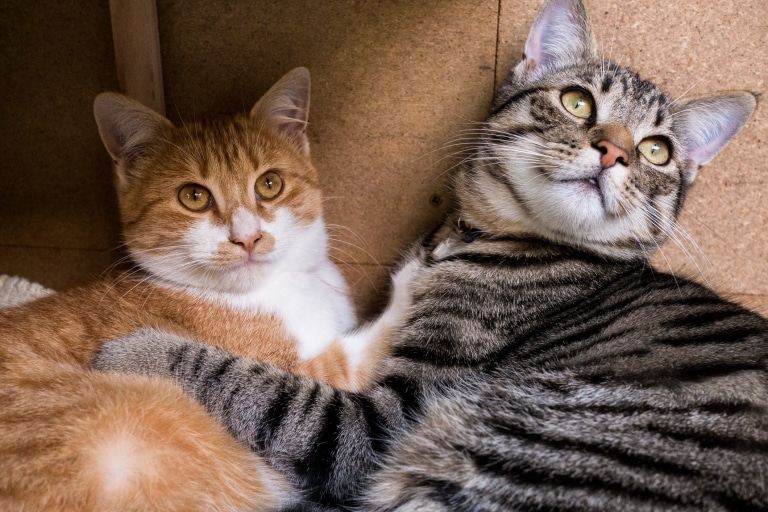
What is tabby cat coloring?
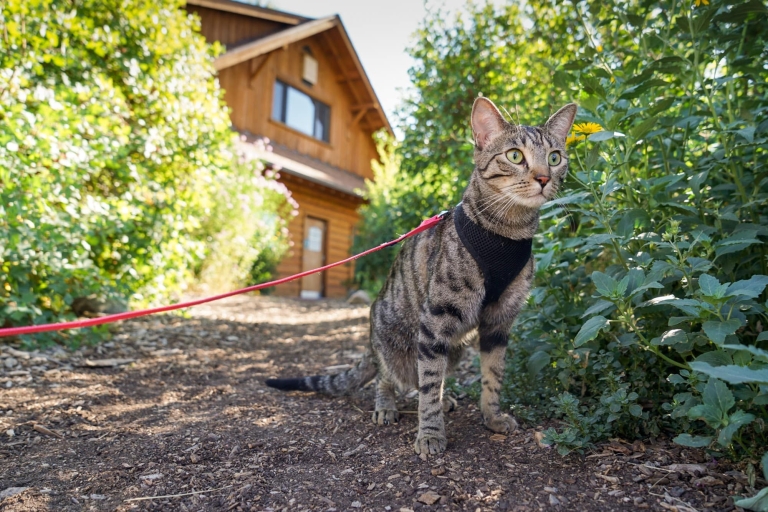
Striped, like a tiger cub. Spotted like a wild lynx. With a pattern that encrypts the whole story of feline improbability. It’s a tabby. The oldest, most natural, yet most expressive color in the world of domestic cats.
Tabby is the genetic memory of wild ancestors transferred into the body of a domestic creature. These are the patterns worn by African and steppe cats thousands of years ago, surviving in the savannahs and forests. Today, these same patterns adorn the domestic purrs that sleep on pillows and eat food from bowls, but there is still something primal pulsing in each of them.
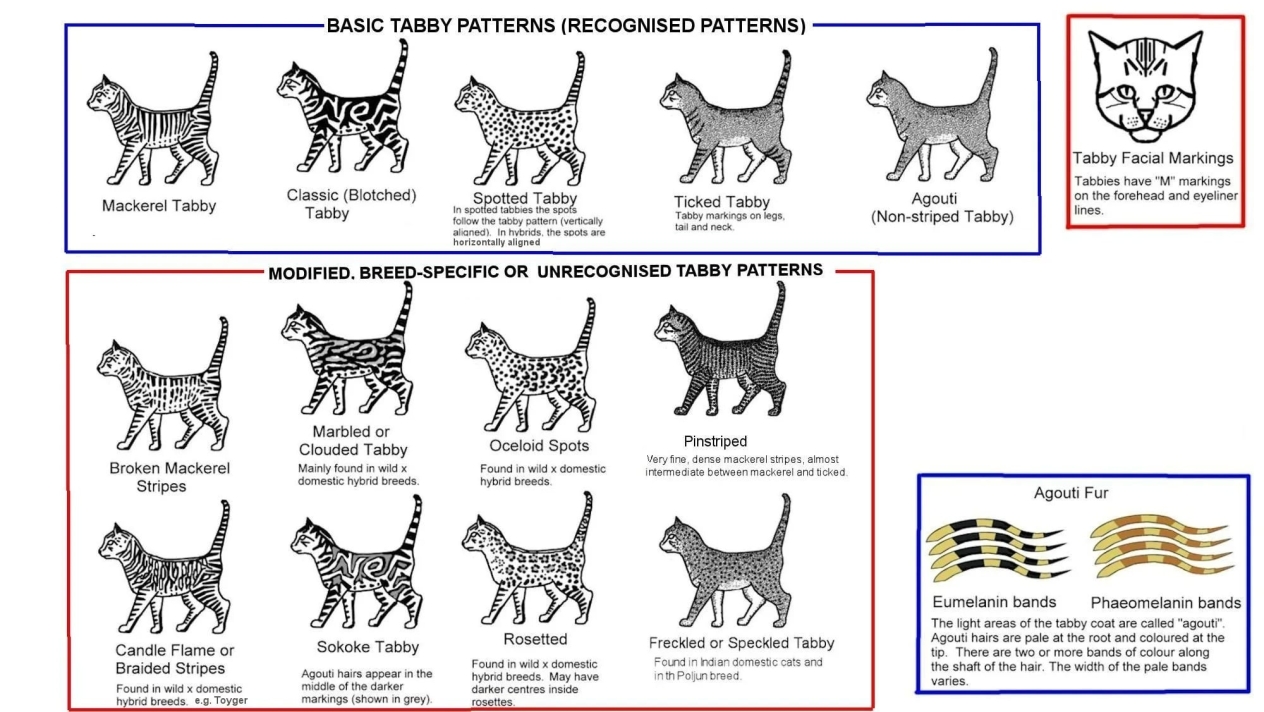
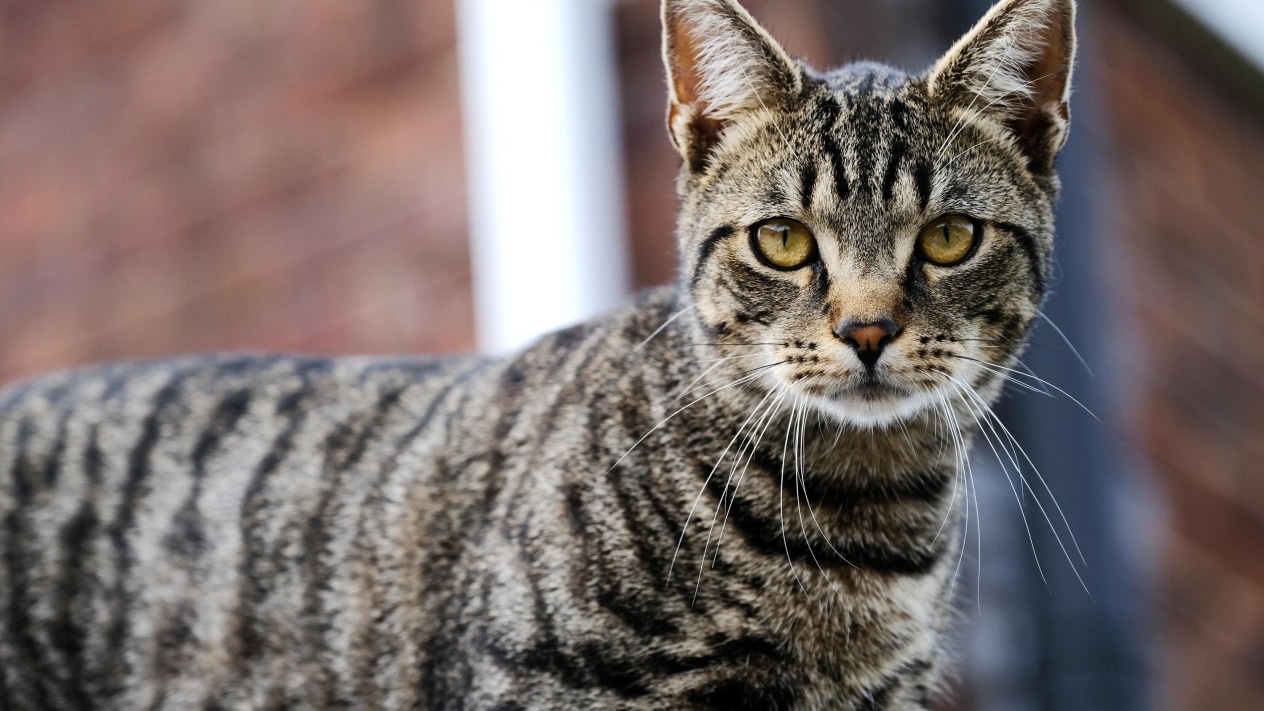
All tabby cats have one peculiarity – on their foreheads they have an “imprint”: the letter M, as if left by nature as a signature under a masterpiece. Some say that this “M” stands for “Mystery”, others say that it is the sign of the ancient gods, and some believe that it is the initial letter of the word “mine” – because this is how tabby cats win the heart forever.
This coloring is not limited to one pattern. Tabbies come in four varieties, and each one has its own story:
Mackerel – as if the cat is dressed in vertical tiger stripes.
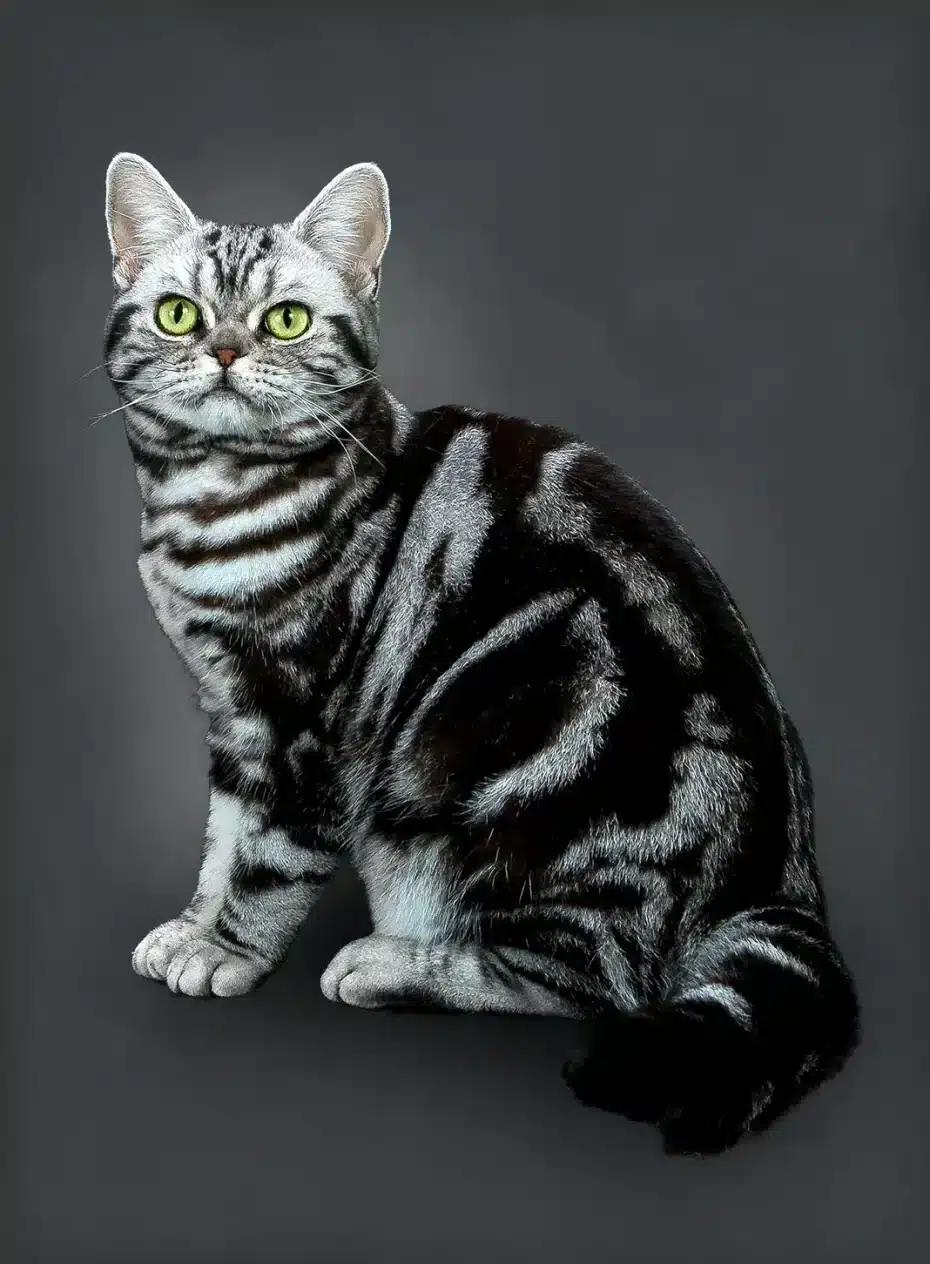
Classic – a marbled pattern with swirling curls on the flanks.
Spotted – mottled, playful, like a leopard.
Tiked – the most delicate: when the coat is without patterns, but each hair shimmers with shades.
These are ornaments that cats wear as a symbol of their heredity. No one draws them these stripes – they appear by themselves, like freckles on the cheeks in sunny weather.
Breeds where tabby lives, and why it’s not just a pattern – it’s a character
Striped, spotted, swirled – tabbies don’t belong to one breed. It’s like a freelance artist who walks into all sorts of families, leaving his signature. And does it in such a way that cats with tabby patterns immediately stand out among the others – not only externally, but also internally.
Among the most famous breeds, where tabby is found regularly and looks spectacular:
Maine Coon – the marble curls on the giant body look like a Rembrandt painting brought to life in the fur.
Bengal cat – here the tabby gets a wild form: a mottled body, as if flaming.
Abyssinian – with a tiked effect: each hair is like a small leaser of light, without a single stripe on the body, but with the effect of ripples of color.
Egyptian Mau – a breed whose spots are not chaos, but ordered genetic beauty.
British and Scottish – a classic tabby with distinct “bulls on the flanks” and perfect symmetry.
Domestic cats without breed are the most native, the most common carriers of the striped heritage. It is they who preserve the spirit of freedom and wild tenderness.
Tabby is a color that speaks. About character. About the past. About independence. Tabby cats are often very active, intelligent, self-sufficient, with a spark of adventure in their gaze. They are not boring to be with. They can be affectionate – but when they want to be. They love you – but don’t forget that they are cats. They cannot be tamed permanently – only loved and accepted.
Conclusion
The tabby is a pattern that connects our pet to its ancestors who were still running through the forests thousands of years ago. It’s a reminder that even in the modern world, under the plaid and by the fireplace, the wildness, independence, and beauty of nature still pulsates. Tabby cats are a living mosaic of evolution, harmony and character. And each one is a unique story well worth reading.