Among the hundreds of dog breeds, there are a few that immediately stand out with a special trait – a blue or dark purple tongue. This unique trait has always aroused interest and even legends: it was once believed that such dogs had special powers and were able to ward off evil spirits. In fact, the blue tongue is due to pigmentation, laid down at the genetic level. So what breeds are known for this unusual detail?
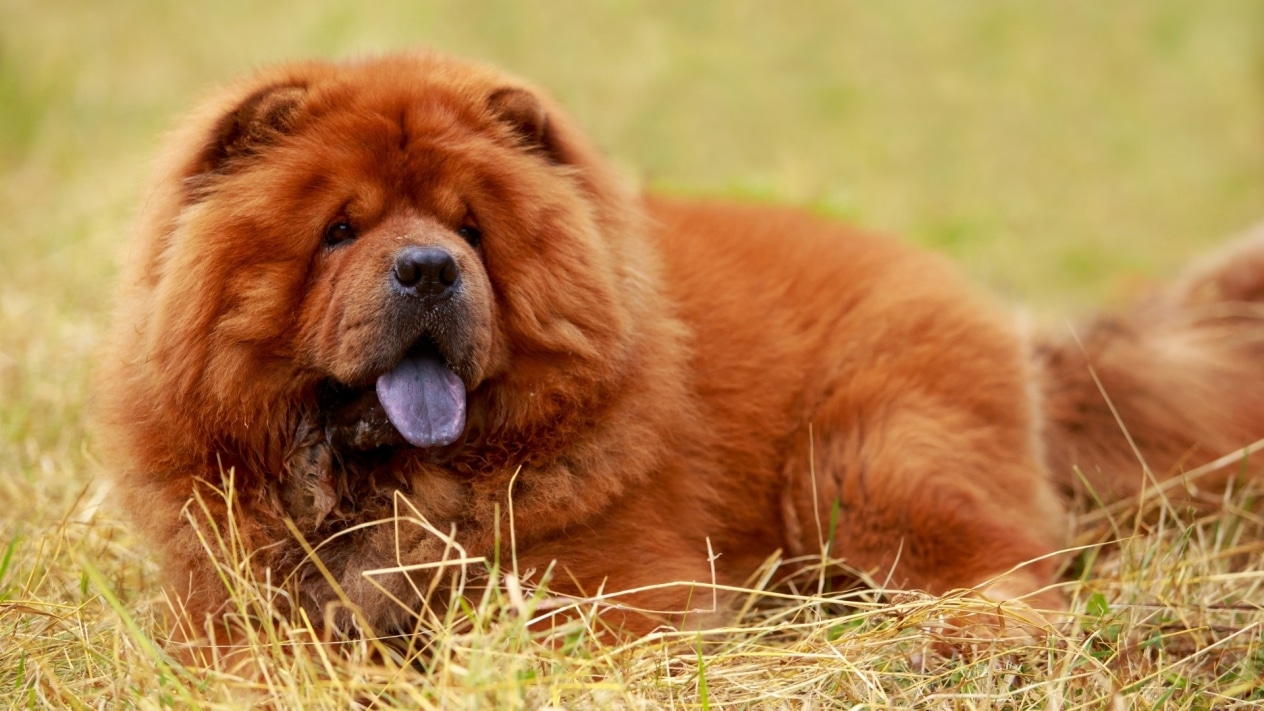
Chow Chow
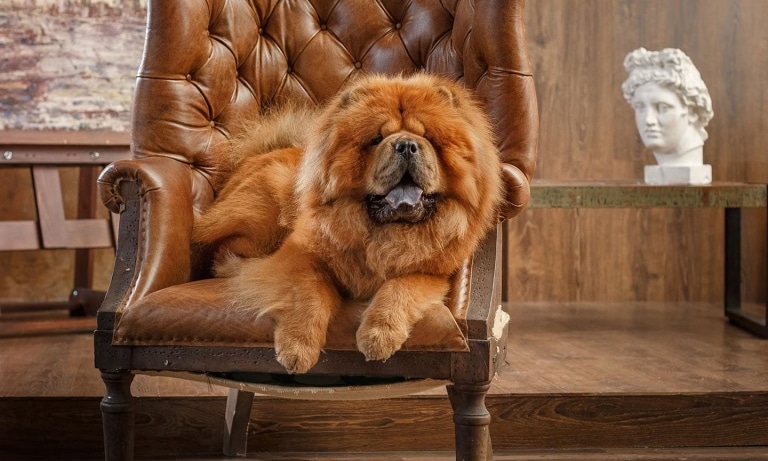
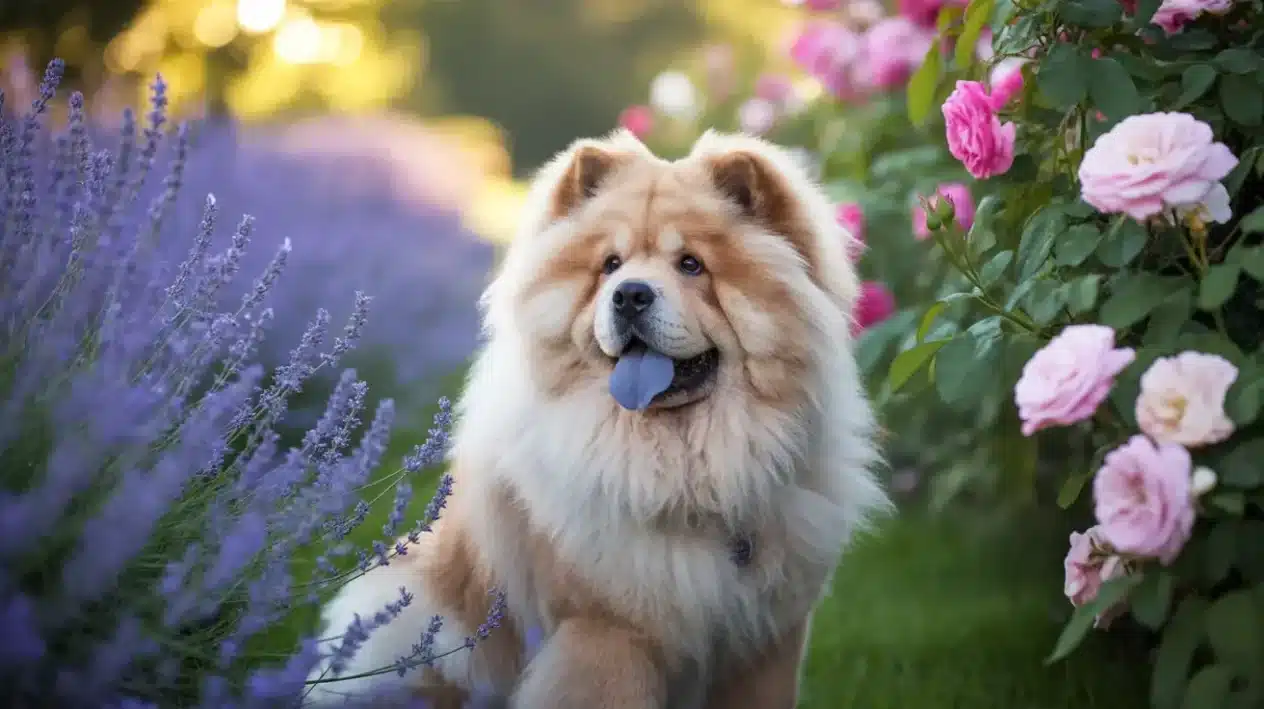
The most famous “blue-tongued” dog in the world. Chow Chows come from China, where they were considered temple guards and even called “lion dogs” for their fluffy mane. Their tongue is pink from birth, but by the time they are eight weeks old, it gradually darkens and becomes blue-purple. Chow Chows have an independent character and similarities with cats in behavior: they are proud, judicious, but very loyal to their family.
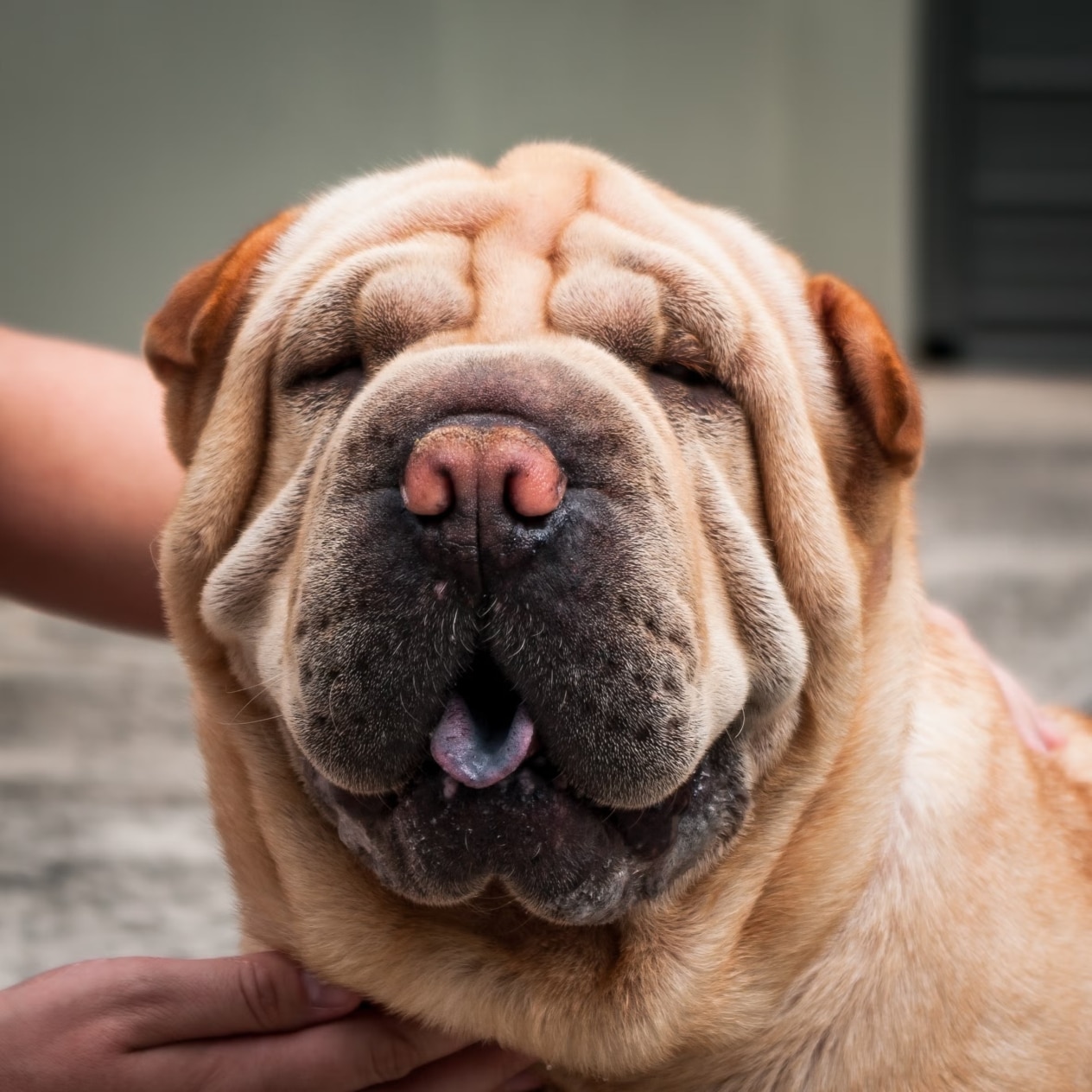
Sharpei
Another Chinese breed with a similar trait. Sharpei are known for their many folds and wrinkled skin, but few people know that their tongue also has a bluish hue. They are an ancient breed that was first used as hunting and guard dogs. Sharpeys are loyal, attentive to their owners and have a strong guarding instinct.
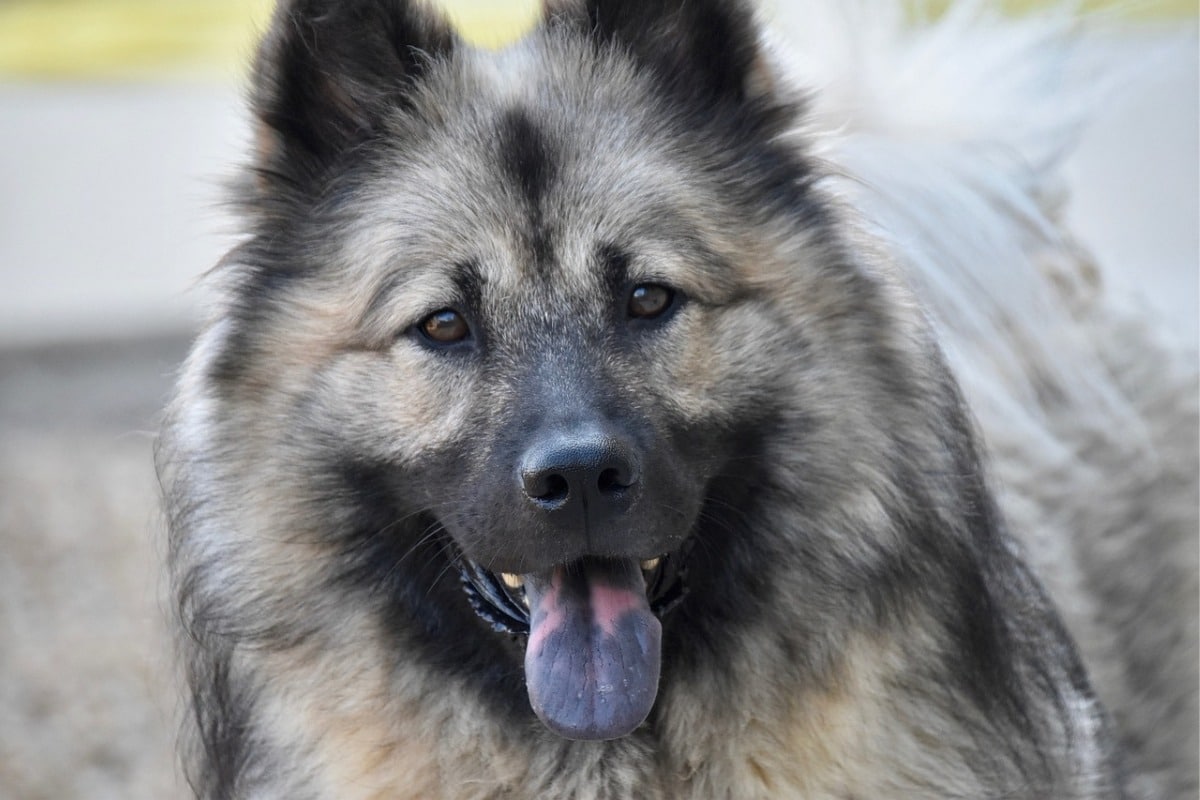
Eurasier
This relatively young breed was bred in Germany in the 20th century by crossing the Chow Chow, Wolfhound and Samoyed. Eurasiers inherited the gene of blue tongue from the Chow Chow, so many representatives of the breed have a dark tongue or partially with blue spots. They are calm, poised dogs with a balanced temperament that are ideal for families with children.
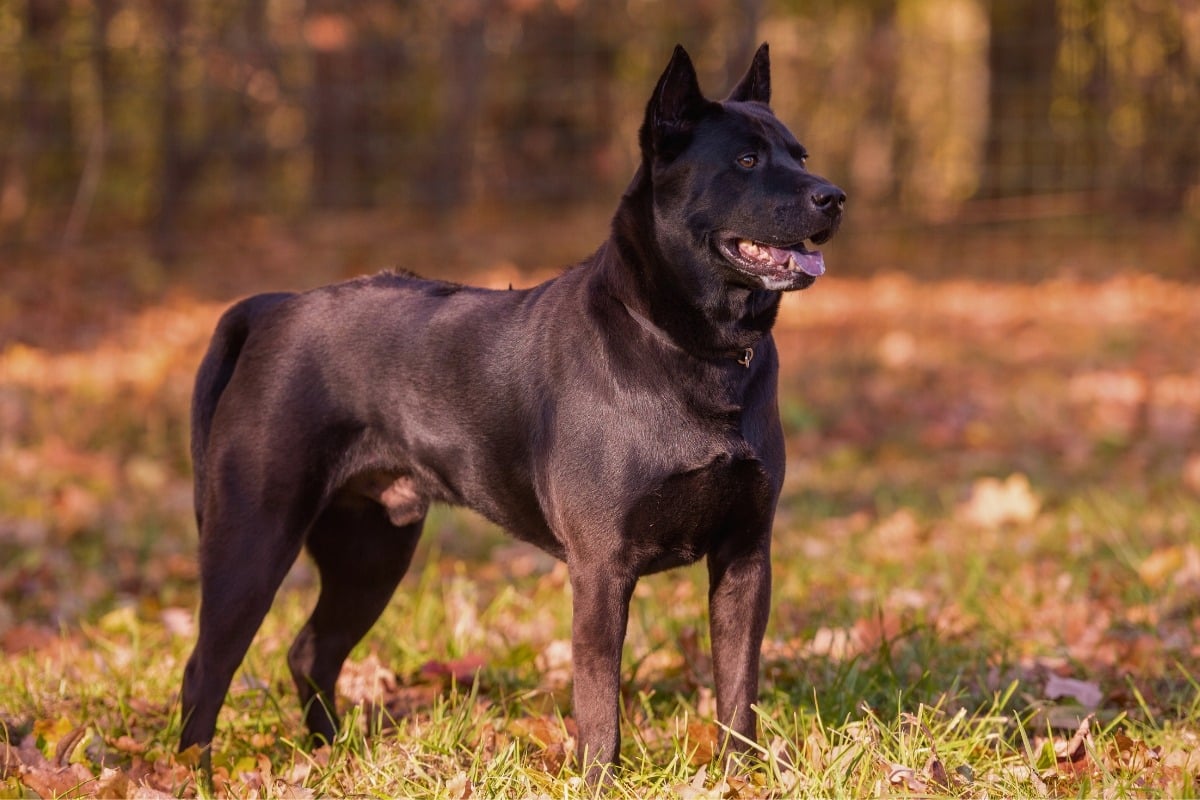
Thai Ridgeback
A rare and ancient breed from Southeast Asia. Thai Ridgebacks are characterized by a muscular body, a distinctive “crest” of hair on their back and a bluish tongue, which gives them an even more exotic appearance. They are plucky, active and need an experienced owner who will provide them with plenty of movement and exercise.
Why some breeds have a blue tongue
A blue or dark purple tongue in dogs is the result of hyperpigmentation, where an increased amount of melanin accumulates in the mucous membrane. Melanin is a natural pigment that is responsible for skin, coat, and eye coloration in humans and animals. Most breeds have a pink tongue due to an even distribution of the pigment, but in some dogs, genes cause it to accumulate locally or completely concentrated, resulting in a blue-purple hue.
From the scientific point of view, this is not a sign of disease or pathology – it is an inherited trait like coat color or ear shape. In the Chow Chow and Sharpei, the genetic mutation is so firmly established that all representatives of these breeds have a dark tongue. In the Eurasier or Thai Ridgeback, pigmentation can be partial, manifesting itself in the form of dark spots.
Interestingly, this feature is not due to oxygen exchange or blood circulation (as sometimes mistakenly thought), but precisely to the genetic pigmentation of mucous tissues. Thus, the blue tongue is a vivid example of how a single hereditary trait can become a trademark of a breed.
Conclusion
Dogs with a blue tongue are a real ornament of the cynological world. This unusual trait makes them even more mysterious and special. Chow Chow and Sharpei are known as classic “blue-tongued”, and the Eurasier and Thai Ridgeback prove that genetics can give incredible surprises. But regardless of the color of the tongue, the most important thing about a dog is its character and love for humans, because that’s what creates the unique bond for which we value our pets so much.