
The topic of dog bites is almost always presented in a one-sided way: “this breed is evil”, “these dogs are dangerous”, “they should be banned”. But the reality is more complex and much more interesting. It is not the breed that bites – it is the specific dog in specific conditions that bites. However, statistics, behavioral characteristics and physical capabilities do form a risk group. It is about this – honestly, calmly and without populism.

1. Pit bull
Pit bulls often top the bite rankings, but the key reason is not because they are “vicious.” They are extremely strong, hardy dogs with a high pain threshold and focus on the target. When such an animal falls into the hands of people without experience, supervision or a basic understanding of canine psychology, any mistake becomes critical. A pit bull does not attack without a reason, but if a reason arises, the consequences are serious. A well-bred pit bull is often more stable than dozens of “domestic” breeds, but the price of a mistake is the highest.
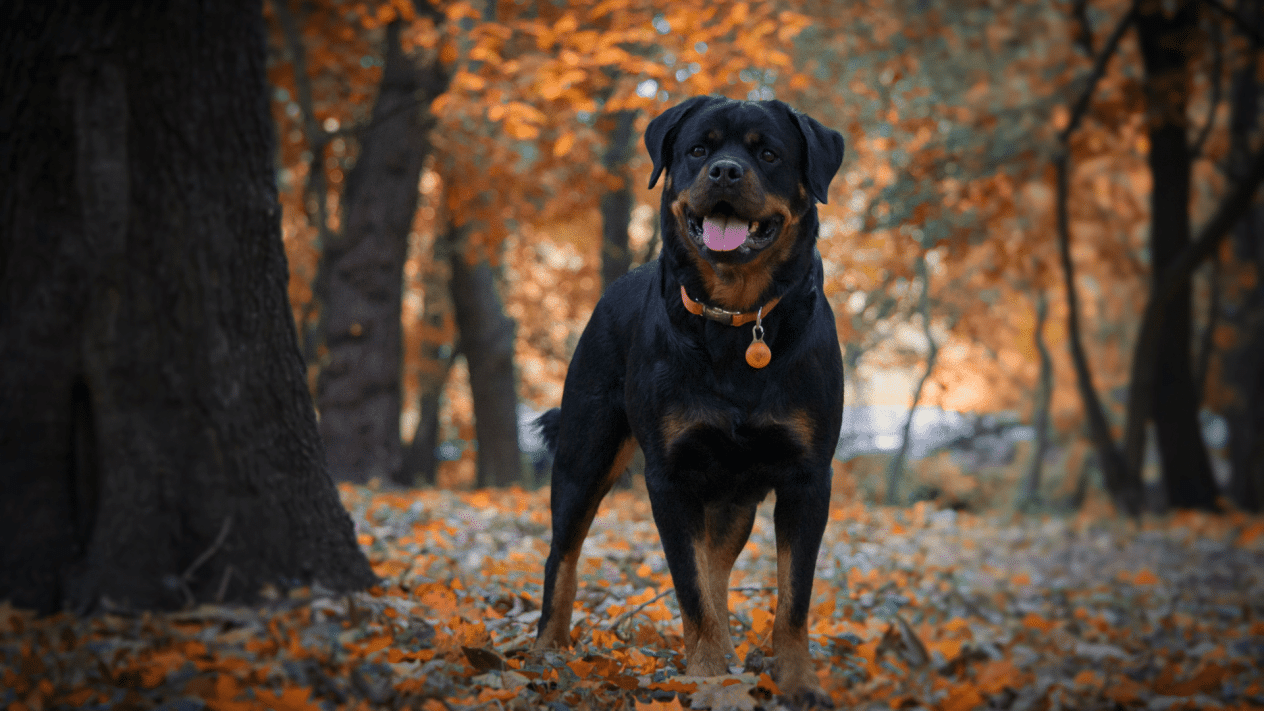
2. Rottweiler
The Rottweiler is a dog of clear hierarchy. He is not impulsive, not hysterical, not prone to gratuitous aggression. But he does make decisions. If the owner is not an authority for him, the role of leader Rottweiler takes over. Bites most often occur in situations of protection: territory, family, owner. This is a breed that does not forgive chaos, inconsistency and weak control.

3. German Shepherd
One of the smartest breeds in the world – and one of the most overpowered. German Shepherds are mass-bred as “all-purpose family dogs,” but they don’t get the work or the mental workload. The result is anxiety, hyper-control, reactions to sudden movements, children or strangers. Most bites from this breed are not aggression, but a nervous breakdown due to accumulated stress.

4. Doberman
The Doberman is an emotional guardian who lives the state of his owner. He instantly reads tension, fear, aggression or chaos in a space. If there is a lack of stability, routines and calm leadership in the home, the Doberman will begin to “defend” against anything. Bites are often not related to an attack, but to an abrupt reaction to an intrusion into the area of control. This is a breed that needs discipline as much as love.

5. Chihuahua
Paradoxically, it is the Chihuahuas that are in the top of the list in terms of bites. They’re just not talked about. Small dogs are constantly being crushed, carried around without consent, scared, and ignoring signals of discomfort. They have no strength, no growth, no authority – the only tool left is defense. This is a perfect example of how human irresponsibility shapes aggression even in an ornamental breed.

Conclusion: who is really worth being afraid of?
Bite statistics are not a verdict on breeds, but a mirror of human error. Strength, size and temperament only determine the scale of the consequences. The most common dog bite is a dog that has not been taught, understood, respected, or constantly kept under stress. Socialization, proper training, a calm environment and a habit of touch and handling reduce the risk of aggression many times over.
That’s why regular professional grooming and care is all about working with your dog’s trust, body contact and psychological stability.