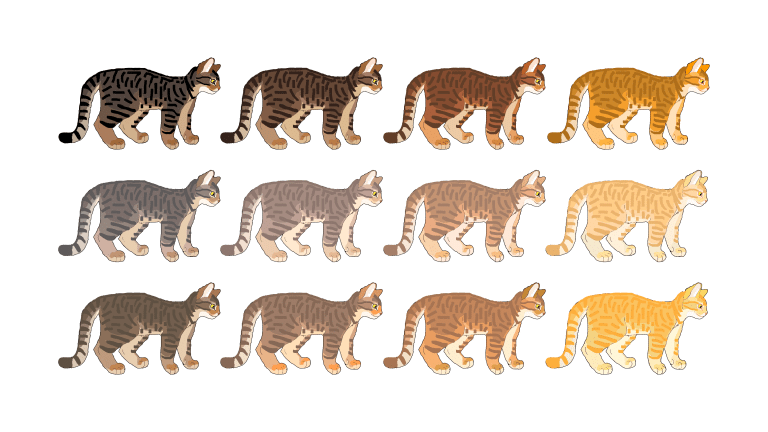
Some cat colors are so unusual that their appearance thrills even experienced felinologists. These colors are almost mythical. They arise due to complex genetic combinations, sometimes only within individual lines or a particular breed. And although color does not determine the character, it is rare colors that are often hunted among collectors, breeders and real aesthetes. In this article, we have collected the most mysterious and surprising colors that can be found in cats.
What makes a color rare?
It is always a combination of genetics, selection and chance. For example, to get a caramel cat, you need two parents with a recessive dilute gene and additional color modifiers. In some cases, the color is related to a breed that is itself rare. In others, you need a mutation that appears once in tens of thousands of births. In addition, certain colors are not supported by the standards of most felinology organizations, making them difficult to breed.
Top 6 rarest cat colors
Caramel color
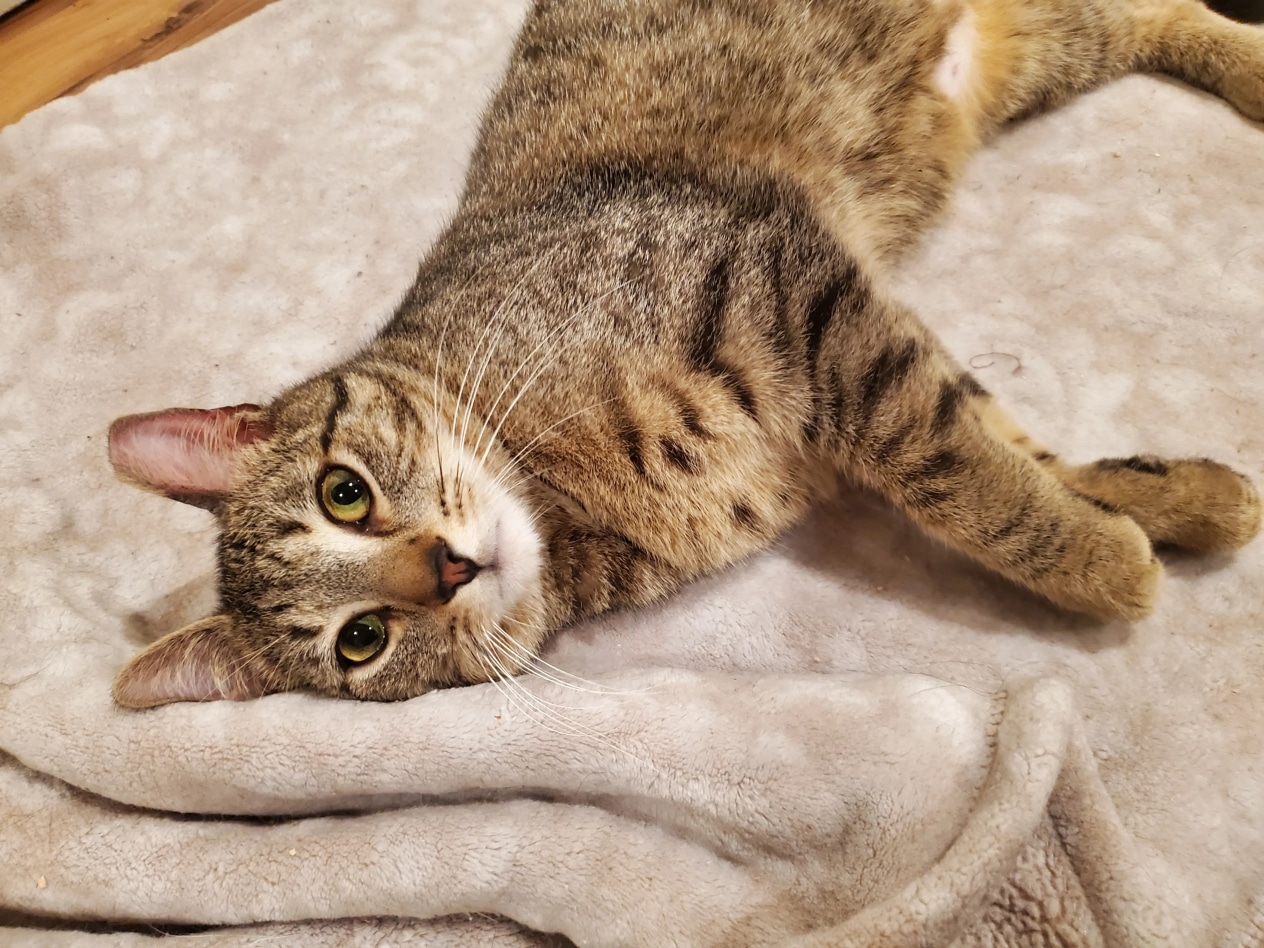
This is one of the most mysterious shades, which occurs as a result of a special dilution gene that changes the base colors (blue, purple, cream) to a caramel tone with a slight serpentine glow. In the color of caramel cats there are gray-beige, warm pastel shimmers, as if the cat’s fur is covered with a thin layer of smoke. Most often found in Siamese and Oriental breeds, although even there – extremely rare. Sometimes caramel is combined with tabby pattern, which makes the color even more unique.
Amber color
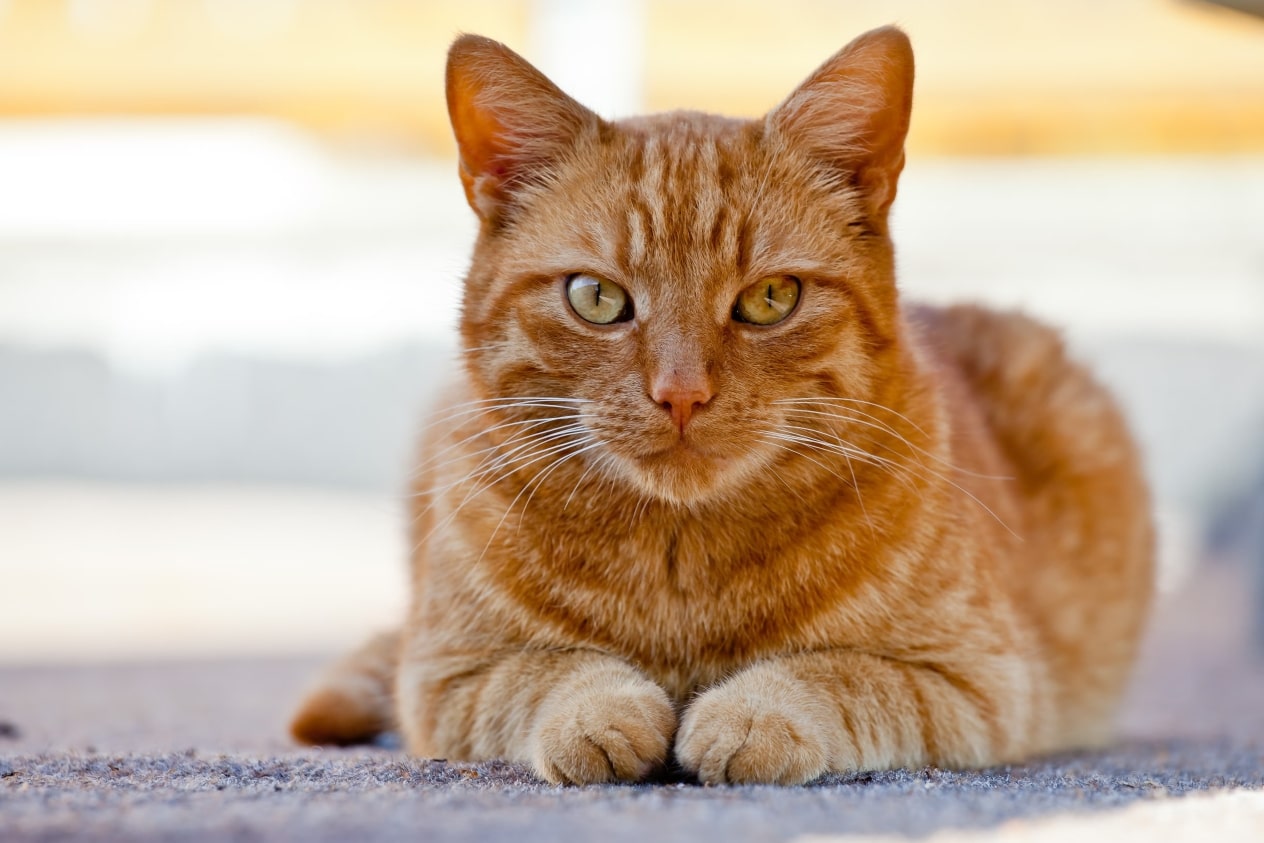
This miracle is a genetic mutation characteristic almost exclusively of the Norwegian Forest Cat. Kittens are born dark, and with age the coat changes shade – the dark pigment disappears, giving way to a bright reddish or deep amber tone. Amber cats are considered a national treasure in Scandinavia, and even among Norwegian forest cats such colors are few.
Lilac-chocolate point
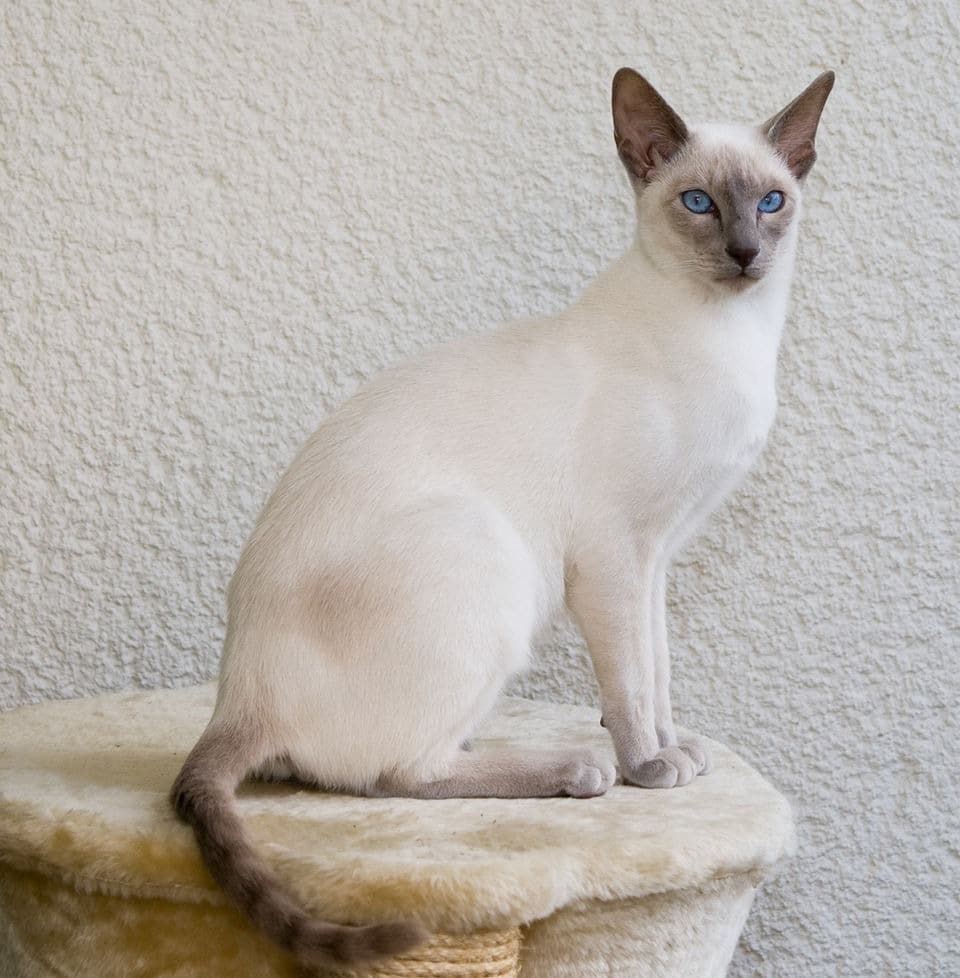
This is an exquisite combination of two diluted shades within the color point, that is, with a light body and darkened limbs. Mauve is a diluted chocolate color, and the combination of mauve and chocolate in a single point is extremely rare. This color requires a combination of recessive genes that are found only in certain breeds, particularly in Burmese, Siamese or Balinese. Cats with this color look spectacular, as if covered with velvet, and are very valuable in show circles.
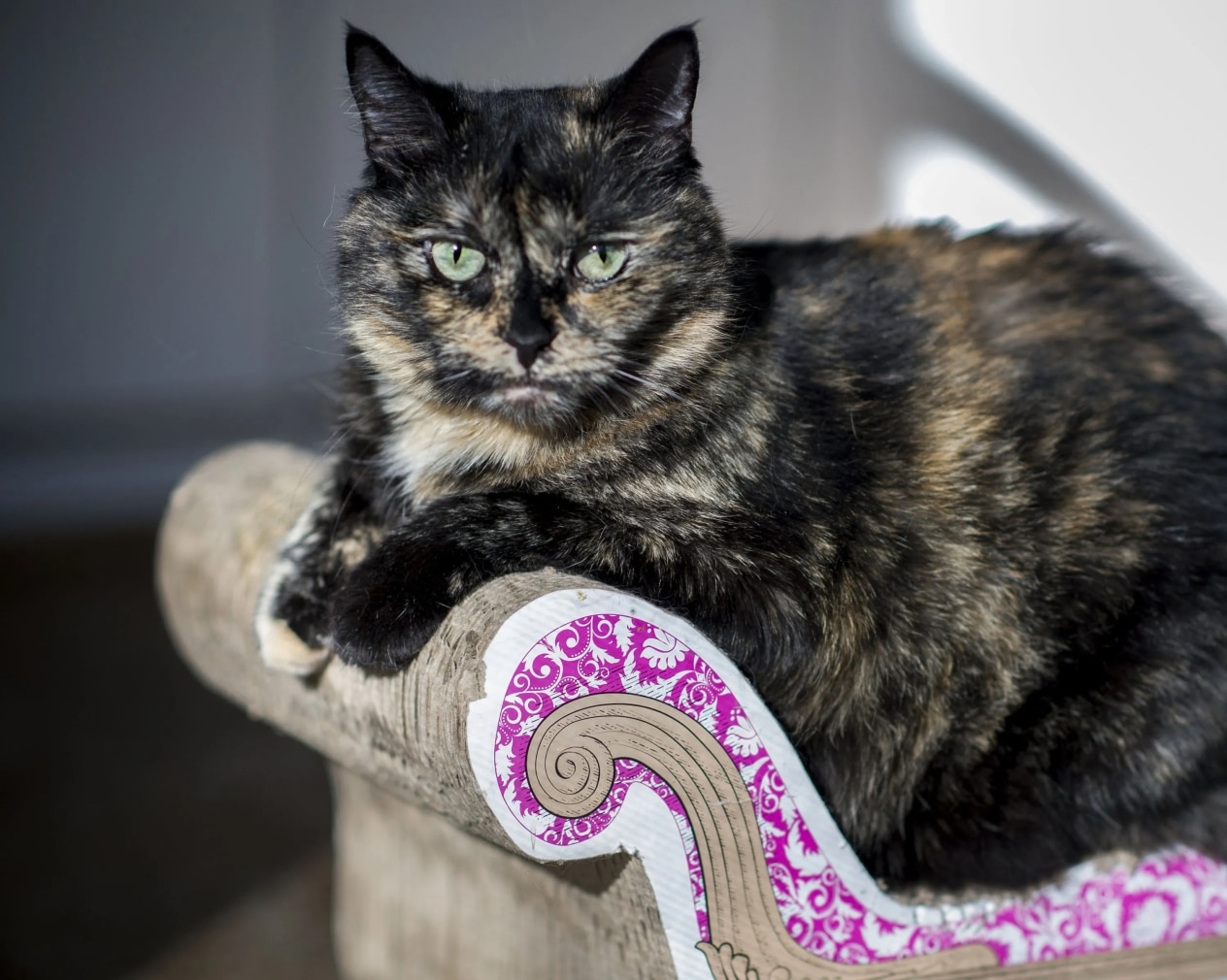
Torby – tortoiseshell tabby
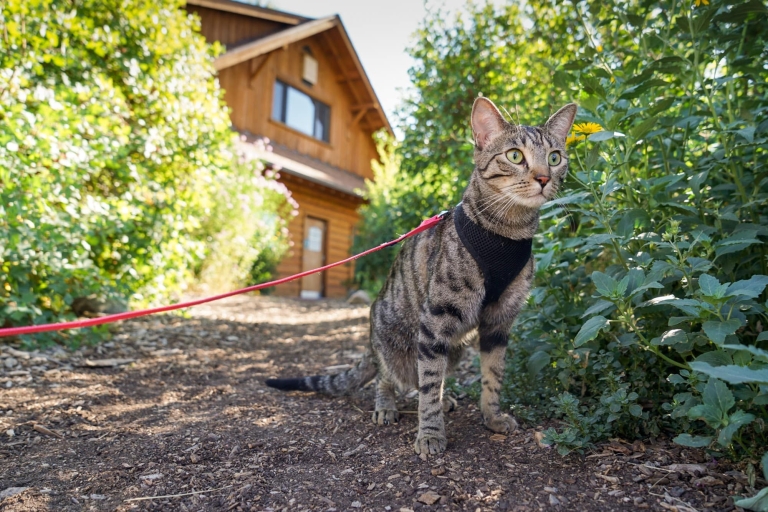
This is a very complex type of color, which combines two pattern schemes: tortoiseshell (spots of red and black colors) and tabby (striped or marbled pattern). Therefore, the coat of such cats turns into a real painting – with swirls, spots, stripes and shimmers, reminiscent of the brush strokes of an artist. It is interesting that almost all torbies are females, because the color is associated with the X-chromosome. There are almost no males with this color, and if there are, they are sterile (genetic anomalies). Such cats are striking in their appearance – it is a living canvas of genetic creativity.
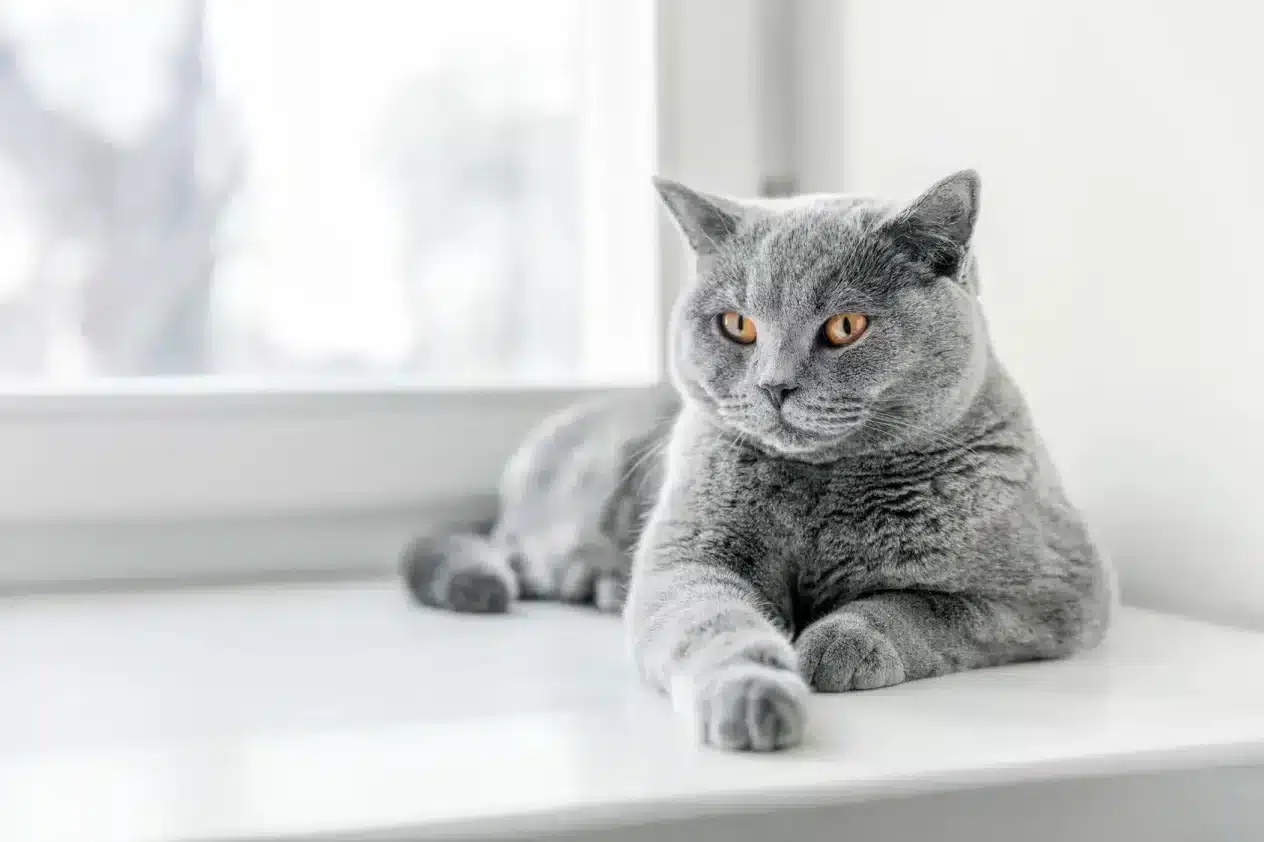
Silver cat
This rare pattern is characteristic of Abyssinian cats, Somalis and Singaporeans. In it, the striped pattern is almost completely absent – only the tictitated coat, each hair of which has several zones of pigmentation, gives the cat a mysterious appearance. In its silver form, the tikt looks especially impressive – the coat shimmers with a metallic hue, as if covered with silver dust. Such colors are extremely rare due to the complexity of the genetic combination of the tict pattern with the silver gene. It is one of the most aristocratic looks in the cat world.
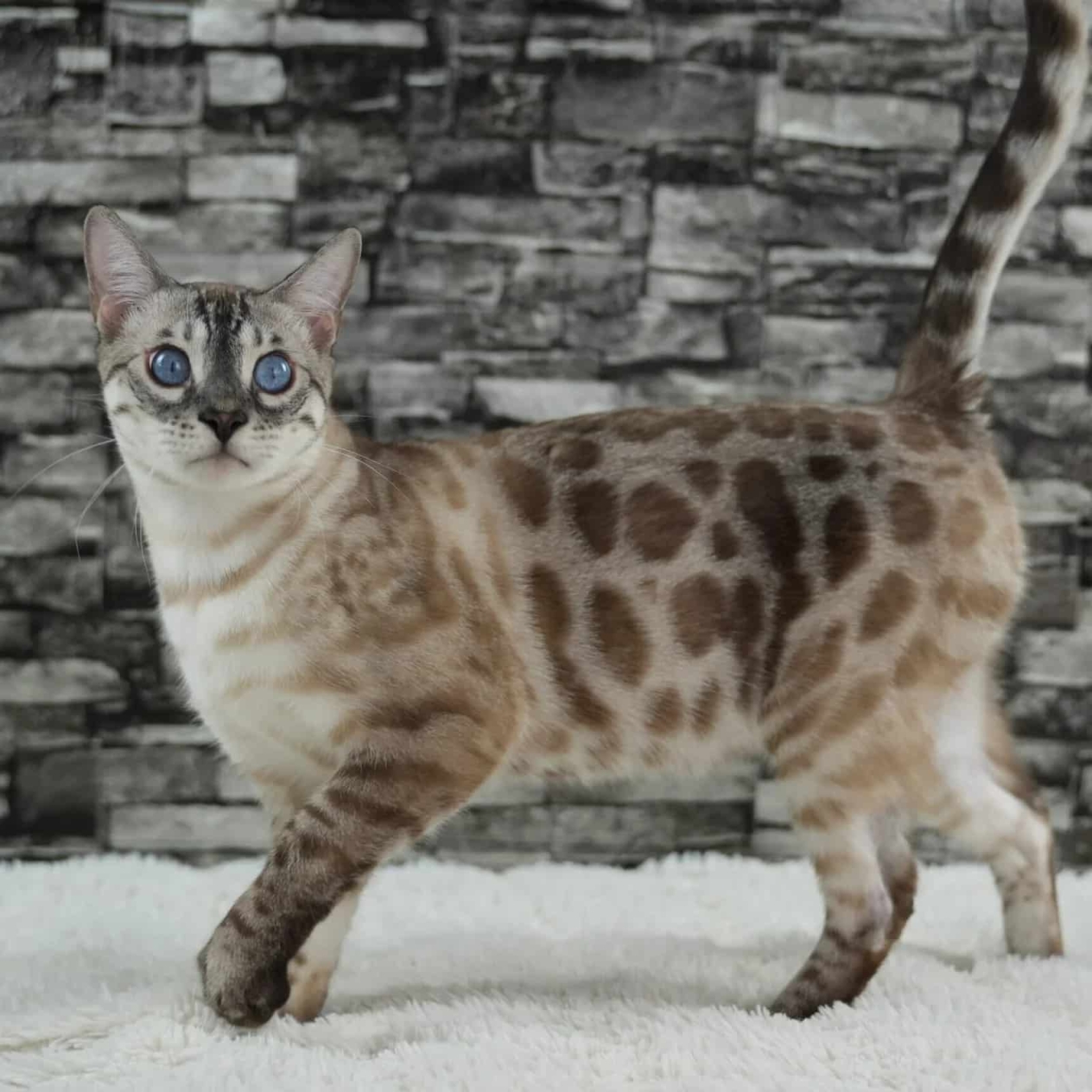
Sepia
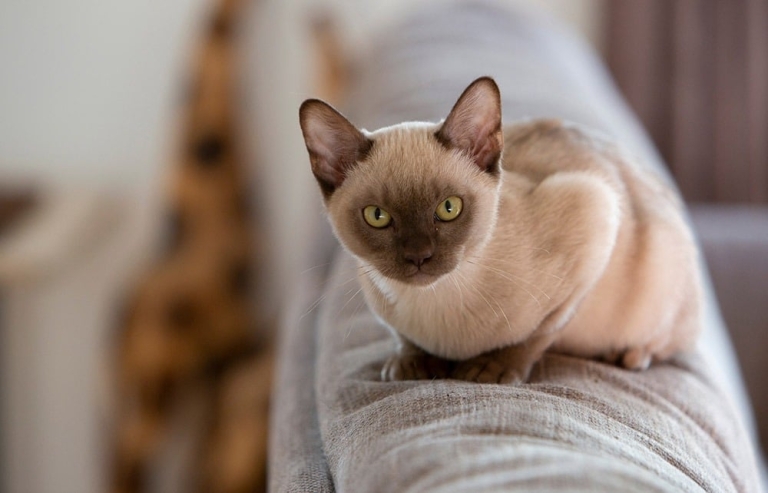
Sepia coloring is a special form of albinism, intermediate between classic colorpoint and a fully colored body. It is most commonly found in the Burmese breed. In sepia-colored cats, the body has a soft uniform color – coffee, bronze or dark honey – and the limbs, although darker, are not as sharply contrasted as in the usual points. Shades of warm chocolate with a deep sheen give them a unique look. This color is difficult to transmit through the genetic line, as it requires strict selection of a pair with the appropriate genes.
Rare colors make you look at cats in a completely different way. Despite all the genetic mysteries and valuable colors, the most important thing is the connection with the animal. The uniqueness of each cat is in the character, the behavior, the look. Beautiful coloring is a gift, but the real value is always in the relationship with the kitties.