
Dogs rarely show displeasure the way humans do, but they each have a set of stimuli that throw them off balance. What seems like a small thing to a human can be a major stressor for a dog – and a gentle pet turns nervous, agitated or withdrawn. Below are six of the most common causes of canine irritation.
1. Loud noises and unpredictable noise
Dogs hear many times better than humans. Any sudden sound – a vacuum cleaner, fireworks, screaming, rumbling machinery, music on high, or even slamming doors – causes instant hearing overload. For a dog, noise is not just a sound, but a potential threat. His nervous system reacts with anxiety, rapid heartbeat, trembling or a desire to hide. Unpredictable sounds are especially hard to tolerate: the dog does not understand their origin, cannot assess safety and has no control over the situation. This creates a constant tension that does not go away on its own if the noise is repeated regularly.
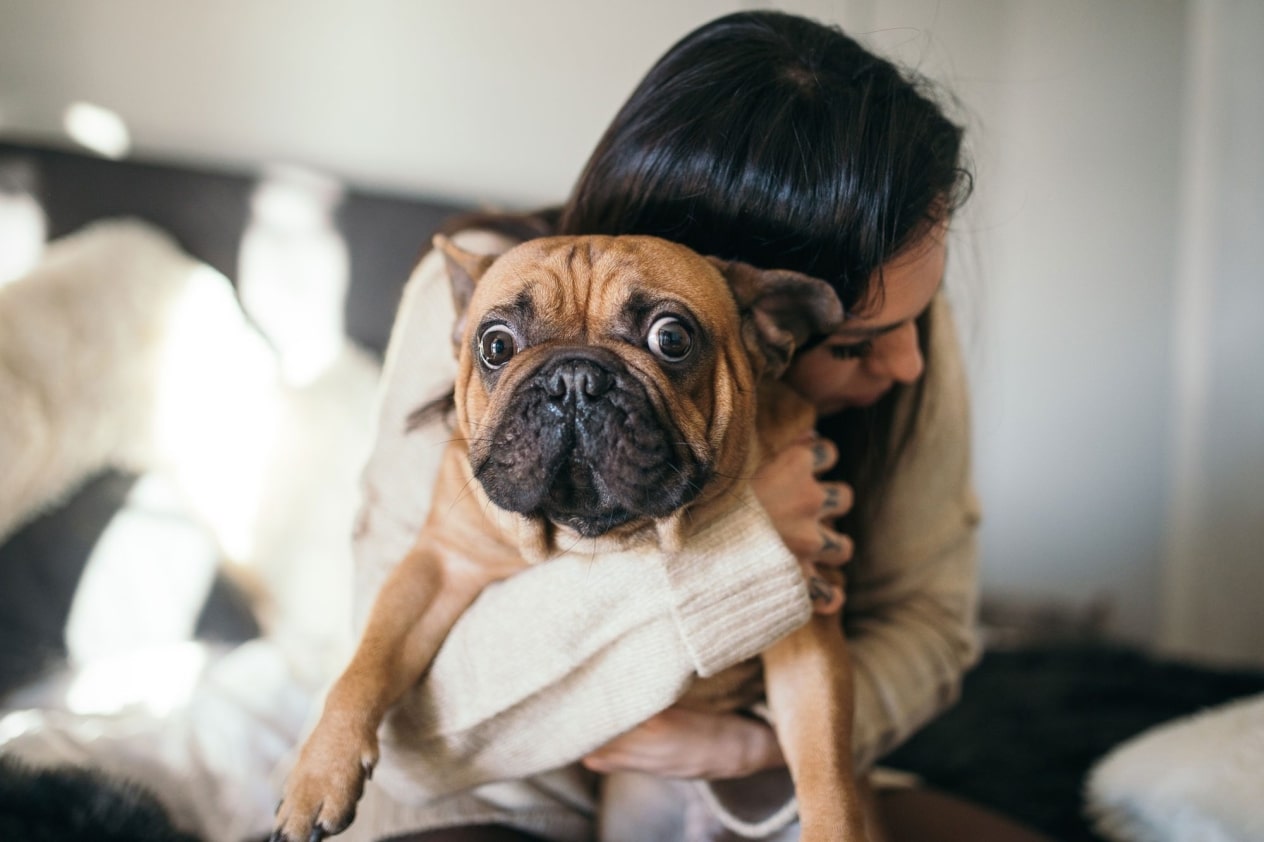
2- Hugs, close contact and excessive attention
Humans see hugs as a show of affection, but for dogs, close cuddling is a restriction of freedom. They don’t understand this type of affection, so they often tolerate it in silence. But body language says it all: a withdrawn head, yawning, licking lips, frozen muscles – these are signs of stress. It’s also annoying to be overly attentive when your dog wants to rest or be alone. The freedom to choose the moment of contact is important to him. When the owner is constantly hovering, touching, picking up or interfering with sleep, the dog perceives this as intrusive rather than caring.

3- Not enough walks and stimulation
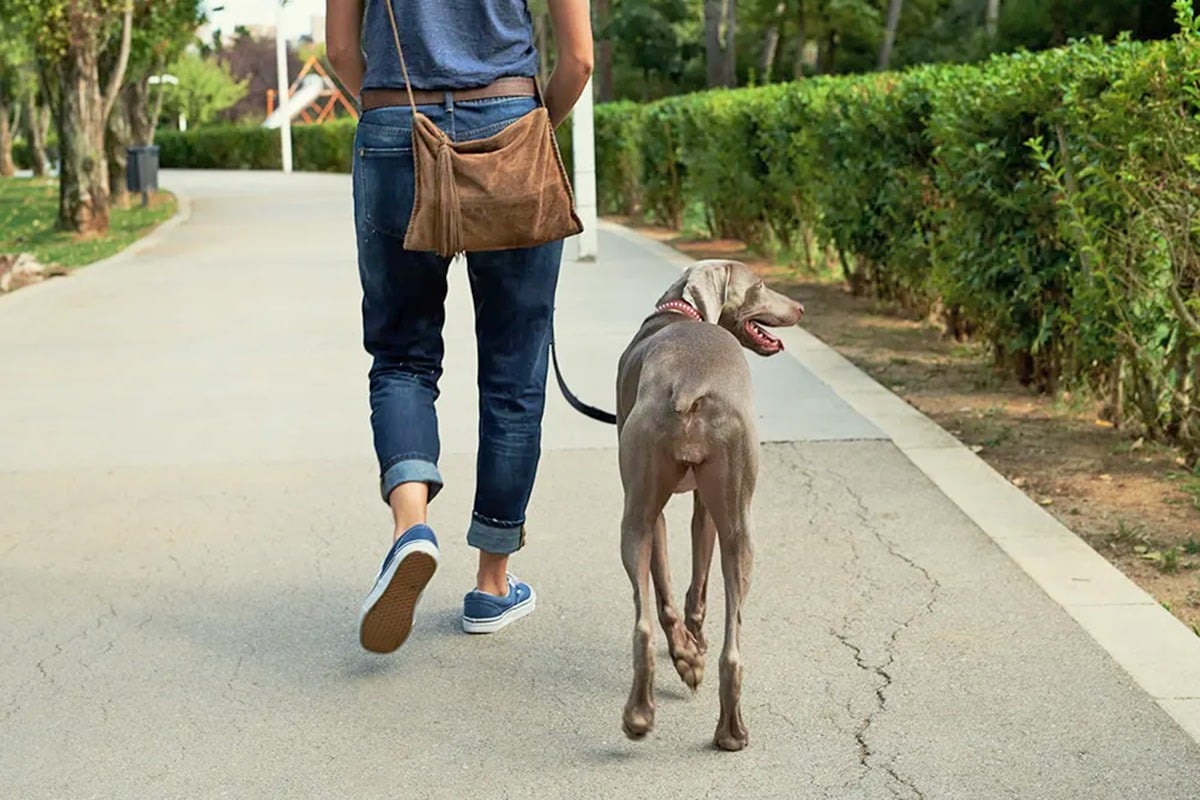
A dog is designed to move, explore, sniff and get impressions. If he sees only the walls of the apartment day after day, goes out for short walks to “get things done” or has no opportunity to expend energy at all – frustration builds up. Boredom is one of the biggest irritants. It manifests itself in the form of destruction of things, endless barking, pronounced irritability or apathy. This is especially true for active breeds and young dogs that need daily physical and mental exercise. When this is not present, the dog becomes unmanageable not because of “bad temperament” but because of unmet basic needs.
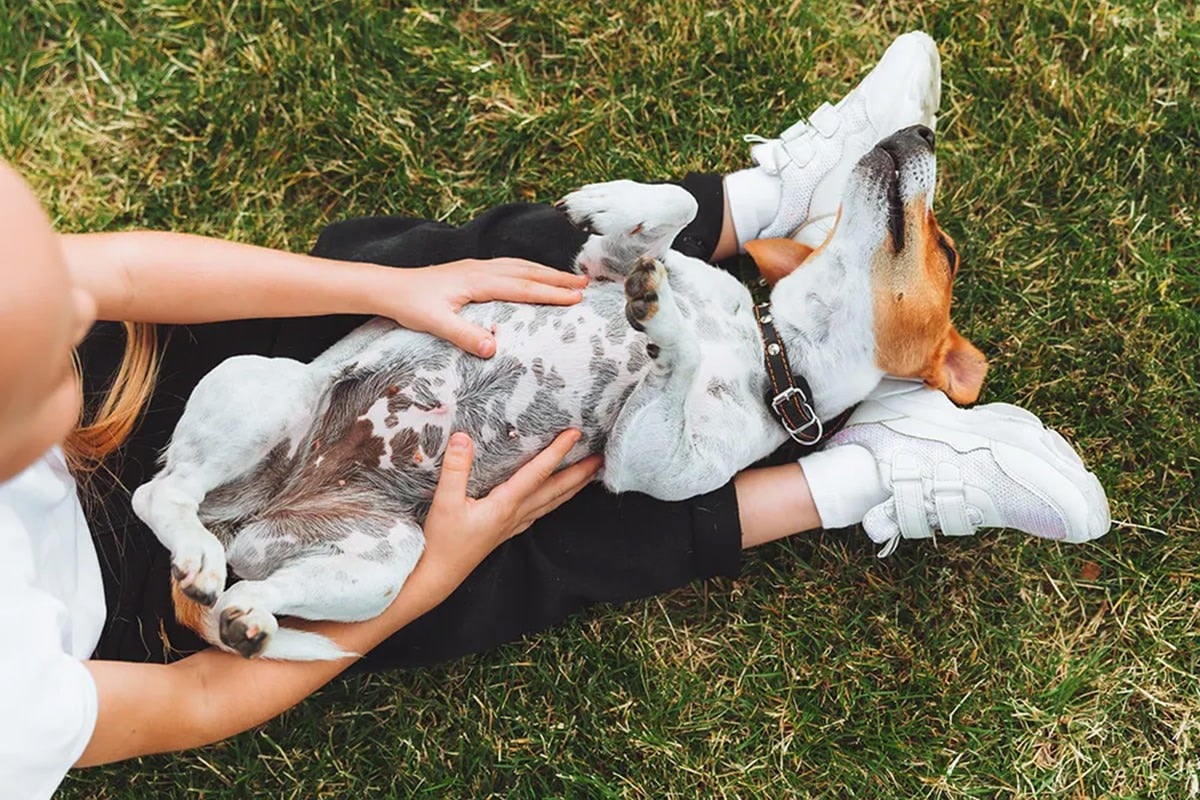
4. Violation of personal space and body control
A dog needs an area where no one touches him – a place to rest, sleep, a bowl of food. If Tail is awakened for a hug, touched while sleeping or eating, taken away a toy or bowl to “play” or forced to contact when he is not ready – it causes not only irritation, but also distrust. Also irritating are touches that the dog perceives as rudeness: pulling on his paws, tail, sharp movements during grooming, jerks with the leash. Every time the owner violates his personal space, the dog feels a loss of control over his body – and this is one of the strongest triggers of anxiety.

5. Inconsistent rules and abrupt emotional changes by the owner
A dog lives in a world of signals, tones, and habits. When it’s okay to go on the bed today and scolded for it tomorrow, confusion ensues. Inconsistency is annoying because the animal does not understand the right way. Just as annoying are the sudden mood swings of a person. Dogs are phenomenal at sensing their master’s emotions. If the tone of voice, behavior or intensity of attention changes suddenly – the animal tenses up because it does not know how to react. It doesn’t understand the causes, but it senses the consequences. An unstable master forms an unstable dog.

6. Ignoring the breed’s natural instincts and needs
Every breed has different inclinations: hunters want to seek out scents, sheepdogs want to control space, terriers want to dig, young dogs want to chew, and guard dogs want to protect. When an owner continually suppresses these natural impulses without replacing them with acceptable activities, the dog builds up internal tension. Her instincts are part of her nature and ignoring them is irritating. The correct approach is not to fight nature, but to guide it: give olfactory games, logical tasks, teach commands that relieve tension and give an outlet for energy.
Conclusion
Understanding canine triggers is the foundation of a healthy relationship. When an owner sees the world through their pet’s eyes, they don’t just avoid conflict, they create an atmosphere where the dog feels calm, secure and happy. Irritability does not disappear by accident – it disappears when the animal is properly read, respected and heard.