The Tosa-inu is Japan’s only large-format molosoid breed. Its formation began in the XIX century in Kochi Prefecture (Shikoku Island). Local breeders sought to create a dog for traditional Japanese fights, which were fundamentally different from Western ones: minimum noise, maximum endurance, controllability and psychological stability.
To strengthen physical parameters, Japanese dogs were crossed with mastiffs, dogs, bulldogs and St. Bernards. So the type with massive bones, deep chest and balanced temperament was formed. In the modern world, the Tosa Inu is no longer a fighting dog, but a rare breed for experienced owners who value strength and calmness. In some countries there are legal restrictions on its keeping, which is due to its size and potential for strength rather than uncontrolled aggression.
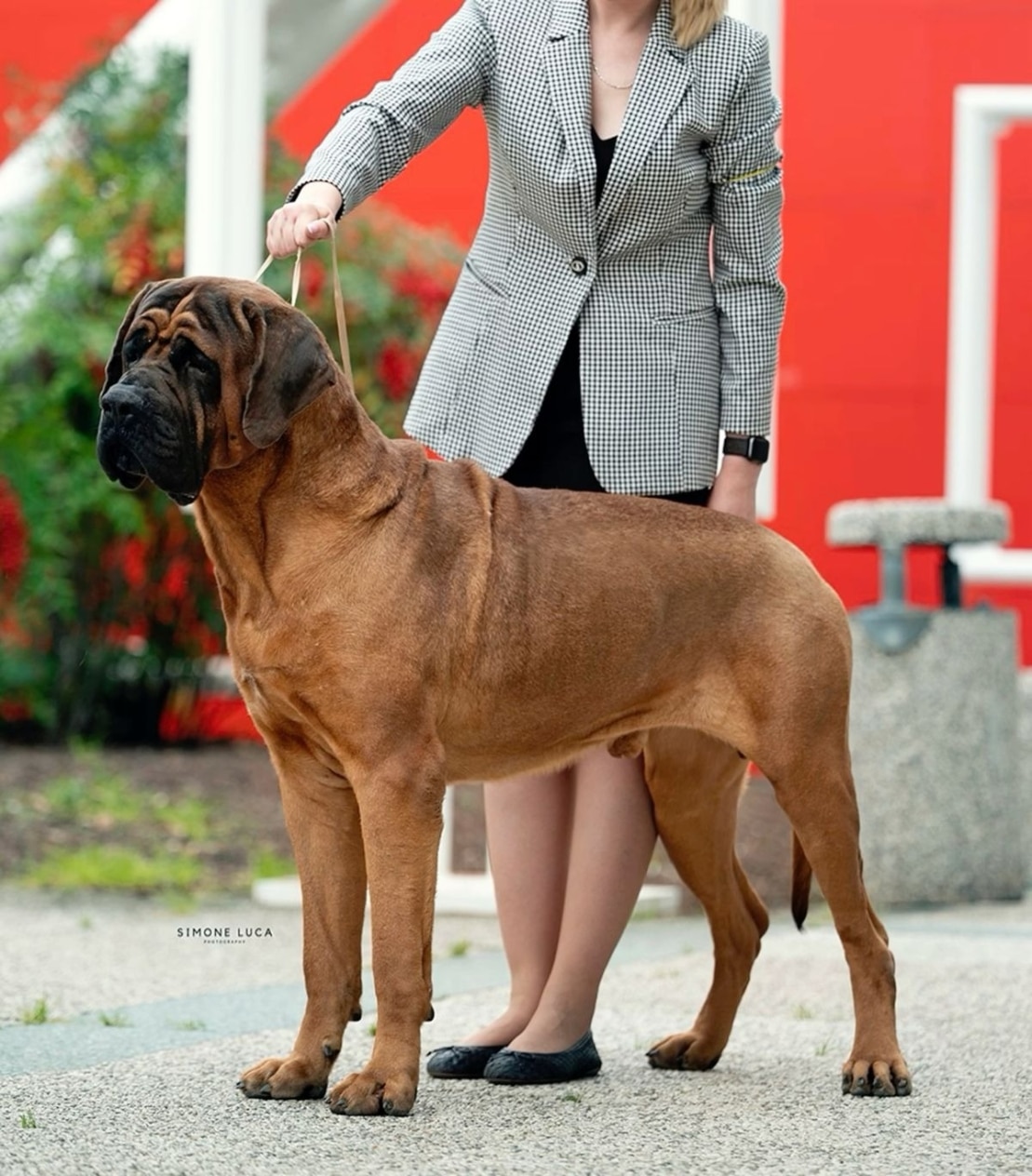
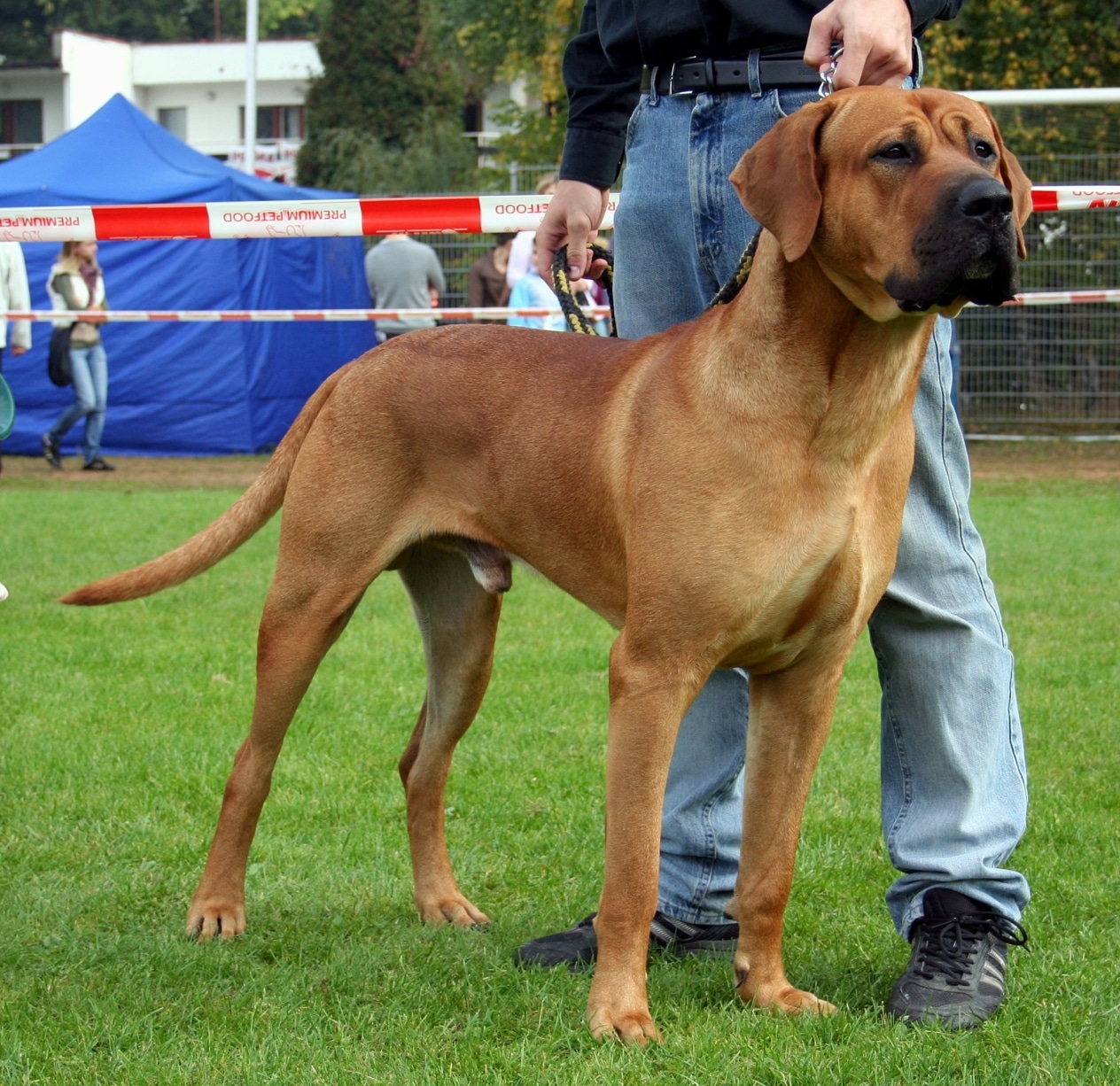
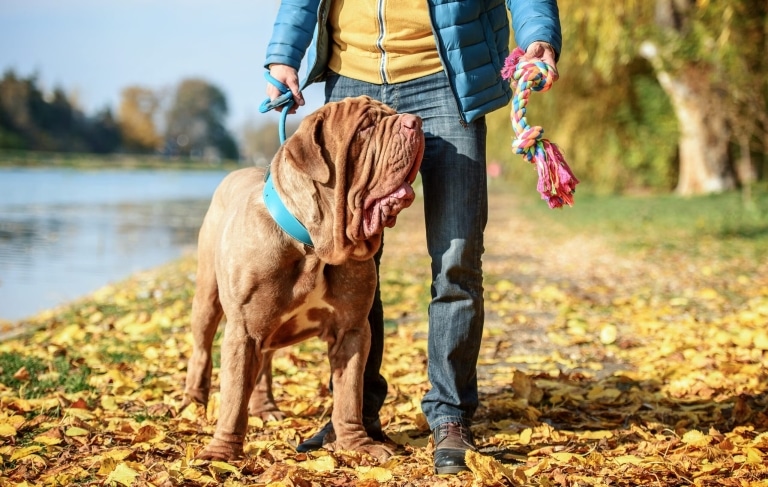
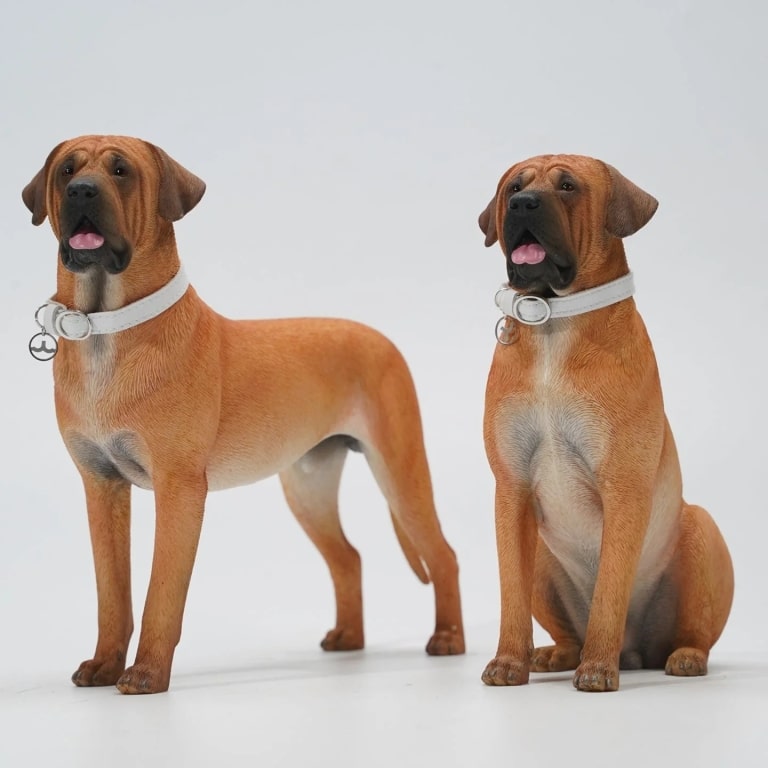
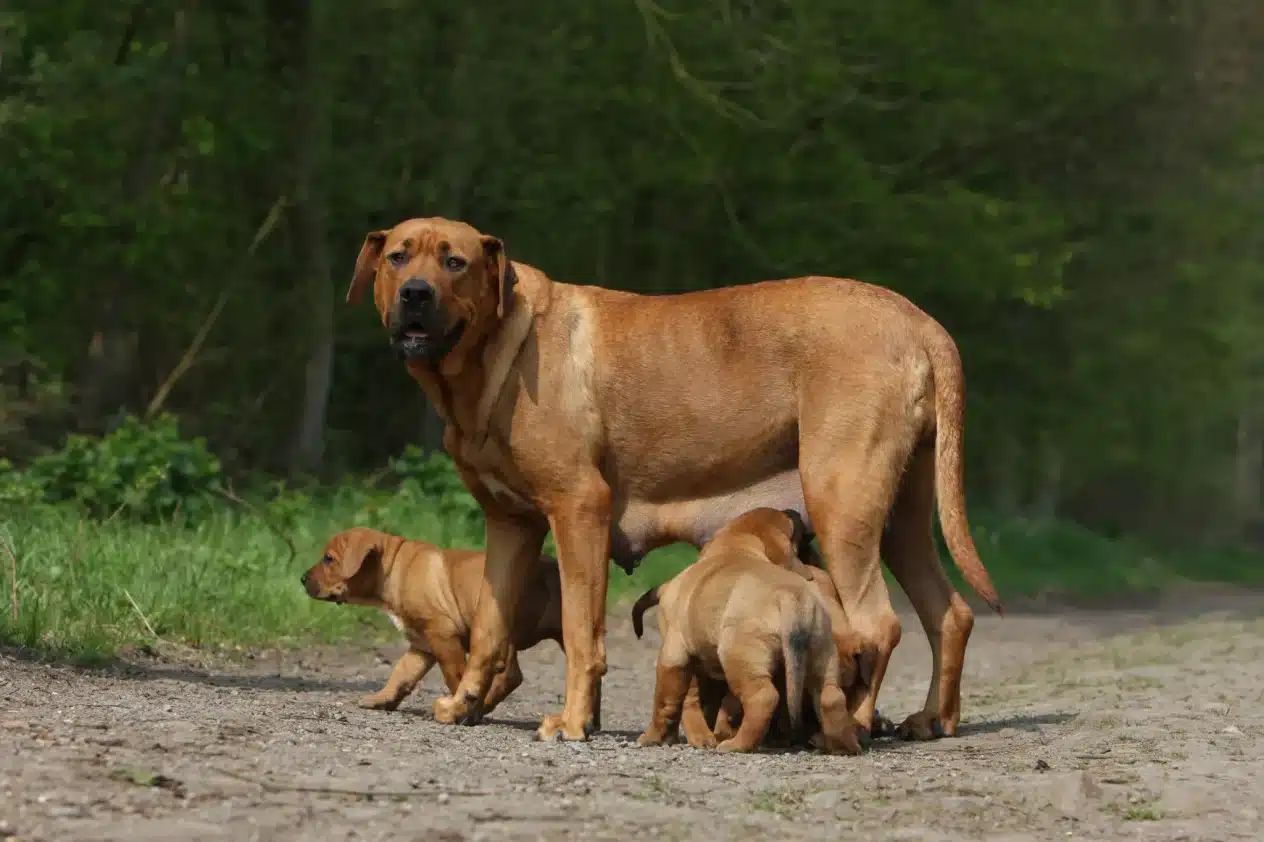
Males are usually taller than 60 cm at the withers, and weight often exceeds 55-60 kg; individual lines are considerably heavier. The body is balanced, without excessive rawness, with well-developed musculature. The neck is powerful, the back is strong, and the limbs are strong. The head is broad, with pronounced jaws. The muzzle is voluminous, sometimes with folds. Ears are small, hanging. Movements are slow, confident, without sudden impulses – this is a dog that saves energy.
The coat is short, dense, close-fitting. The undercoat is weakly expressed. Common colors: red, pale, tiger, black, with a dark mask. The short coat makes it easy to groom, but makes the skin more sensitive to irritations.
Character of the Tosa Inu
Tosa-inu’s temperament is reserved and balanced. It is not prone to excessive vocalization, is attentive to changes around it, and quickly analyzes the situation. Strength is shown through control, not through demonstrative aggression.
In the family, the Tosa Inu is loyal and calm, but requires clear rules. This is a breed for an experienced owner who knows how to be consistent and fair. Socialization from an early age is mandatory: familiarity with different people, animals, environments reduces the risk of undesirable reactions in adulthood.
This is not a “couch” dog without a job. It needs structured walks, mental exercise, controlled training. Rigidity in training is unacceptable – the breed is sensitive to pressure, but respects confidence and stability.
Conditions of confinement
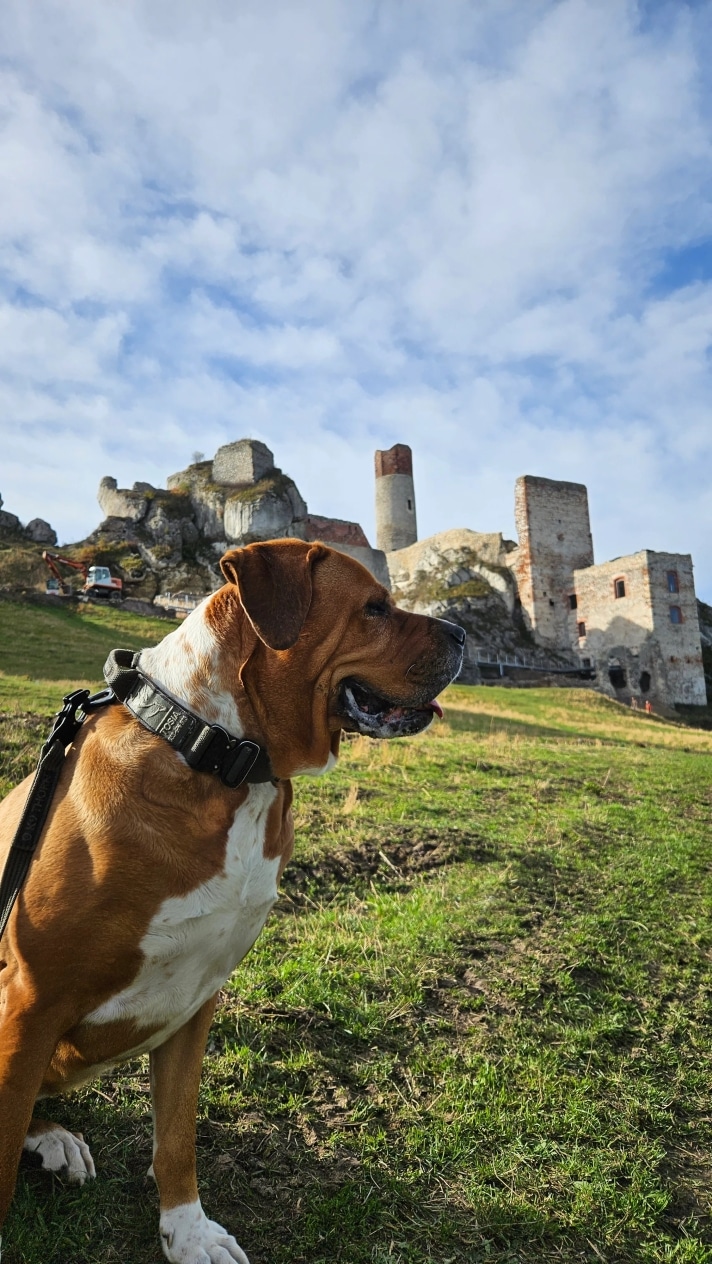
The Tosa Inu needs space. A private home with a secure fence is ideal. An apartment is only possible if there is sufficient activity and weight control.
Due to the large body weight it is important to take care of the joints during the growth period: avoid jumping from heights, prolonged running on hard surfaces, overloading with stairs. The diet should be balanced and calorie controlled – obesity significantly increases the risks for the heart and musculoskeletal system.
Tosa Inu Health
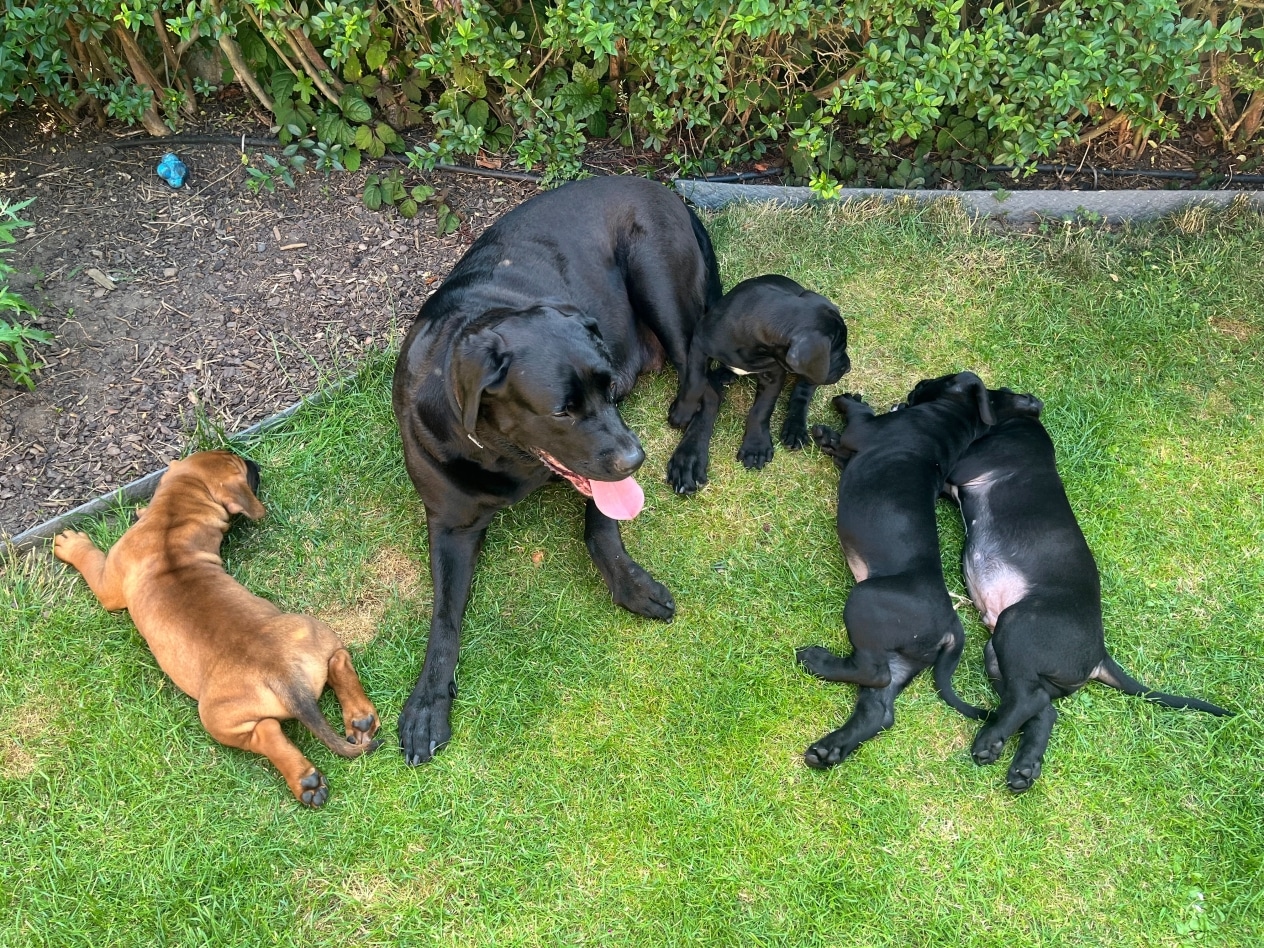
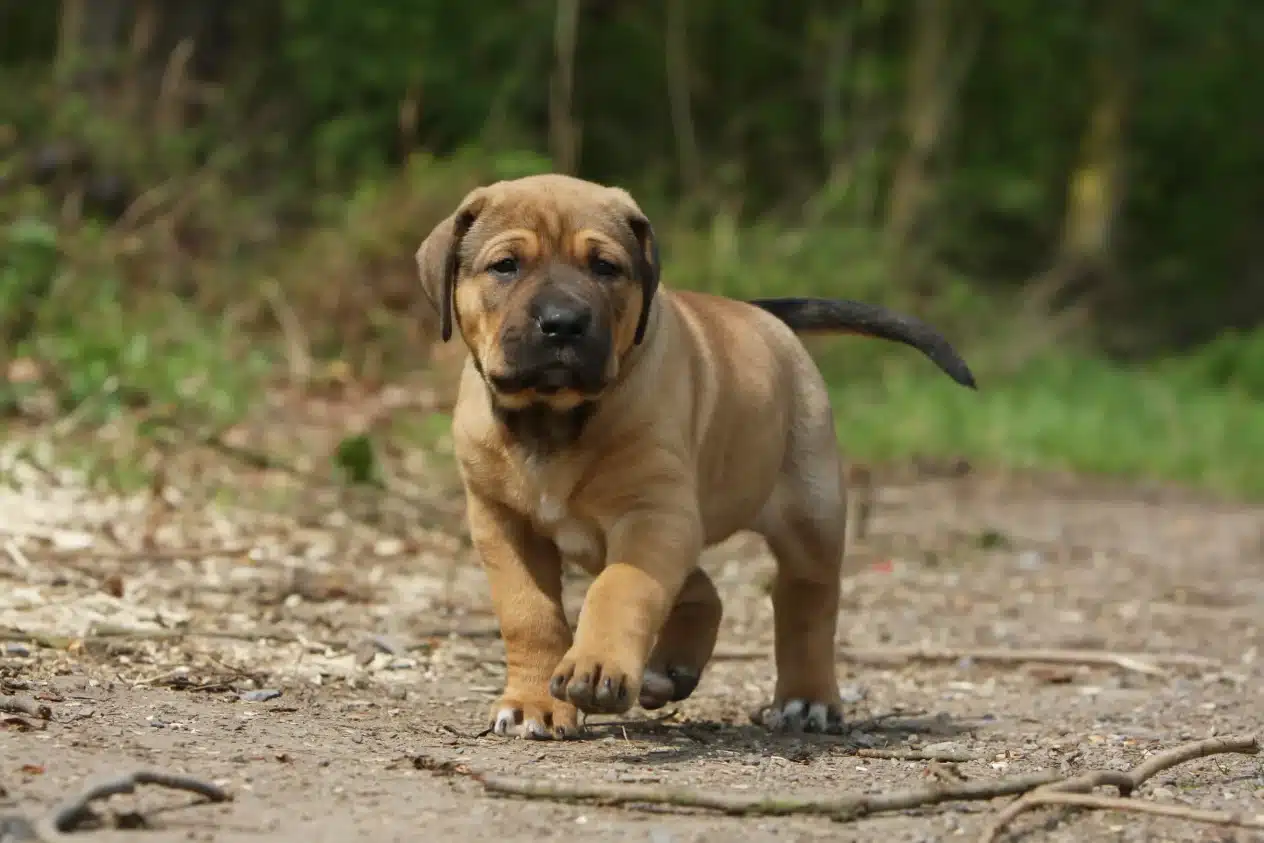
Average life expectancy is 10-12 years.
The breed may be prone to hip and elbow dysplasia, cardiac abnormalities, and gastric ingestion. Prevention includes weight control, moderate exercise, spreading the daily feed allowance over several meals and regular veterinary examinations.
For large breeds, early joint and heart examinations are critical, as well as proper diet selection during the growth period.
Tosa Inu grooming: emphasis on the skin
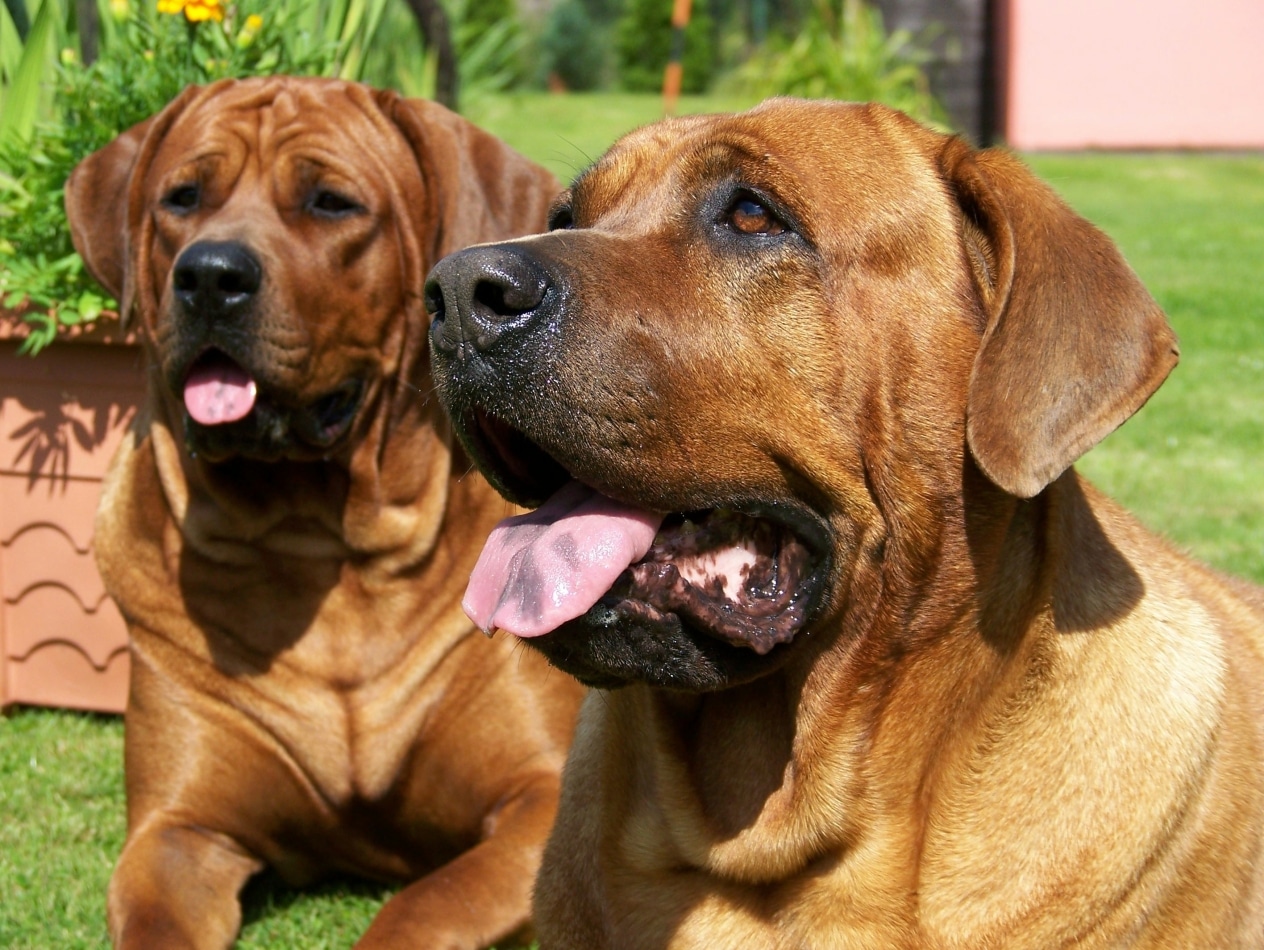
Despite its short coat, grooming the Tosa Inu requires systematic grooming. The main focus is on the condition of the skin and folds.
Brushing 1-2 times a week with a rubber glove or short-haired breed brush removes dead hair and stimulates circulation. The procedures can be increased during the seasonal shedding period.
Bathing – as needed, approximately once every 4-8 weeks, using shampoos for short or sensitive coats. After washing, it is important to dry the dog completely, especially the muzzle folds and neck – residual moisture can cause irritation.
Pay special attention to the ears and teeth. Due to the dense structure of the ear canals, it is important to regularly check their condition and carry out delicate cleaning. Preventive oral hygiene reduces the risk of inflammation.
Conclusion
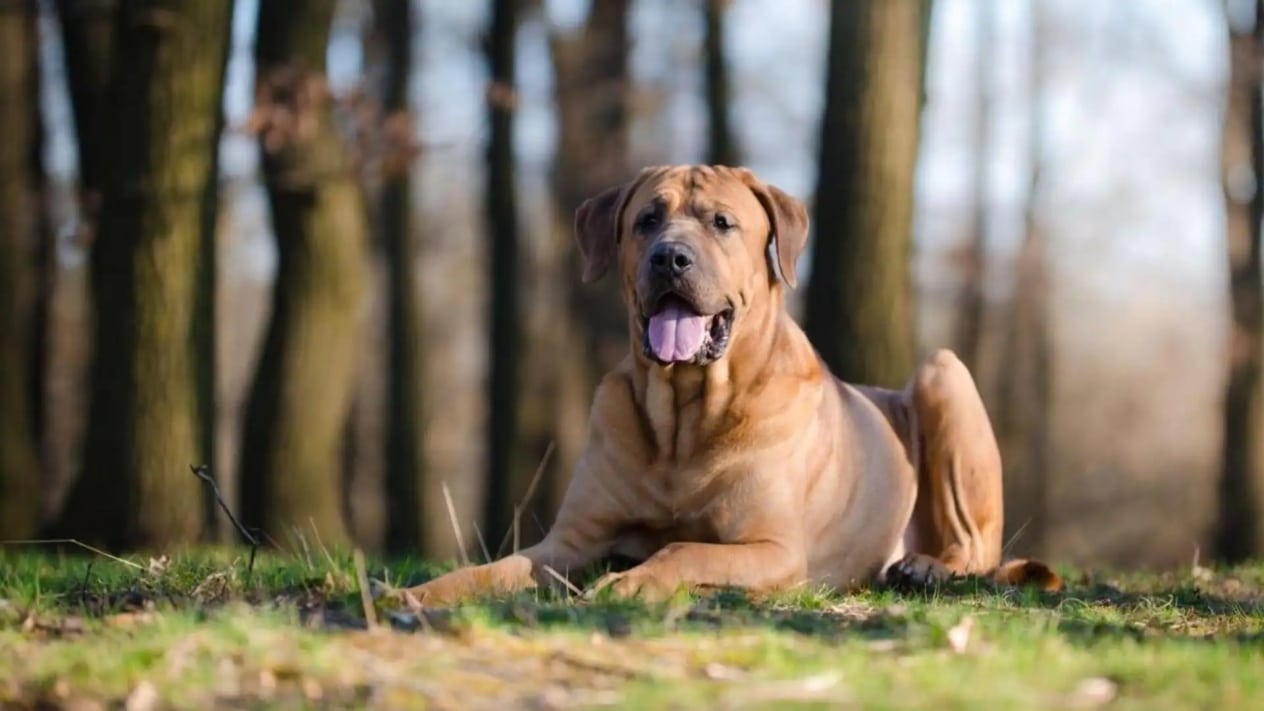
The Tosa Inu is the choice for confident, disciplined people who value strength combined with calmness. It is a breed that demands time, space and responsibility. When properly raised and cared for, the Tosa Inu demonstrates a stable temperament, controllability, and deep loyalty to family. This is a dog for those who are ready to match its scale – physically and psychologically.