

Main classes of food: from economy to holistics
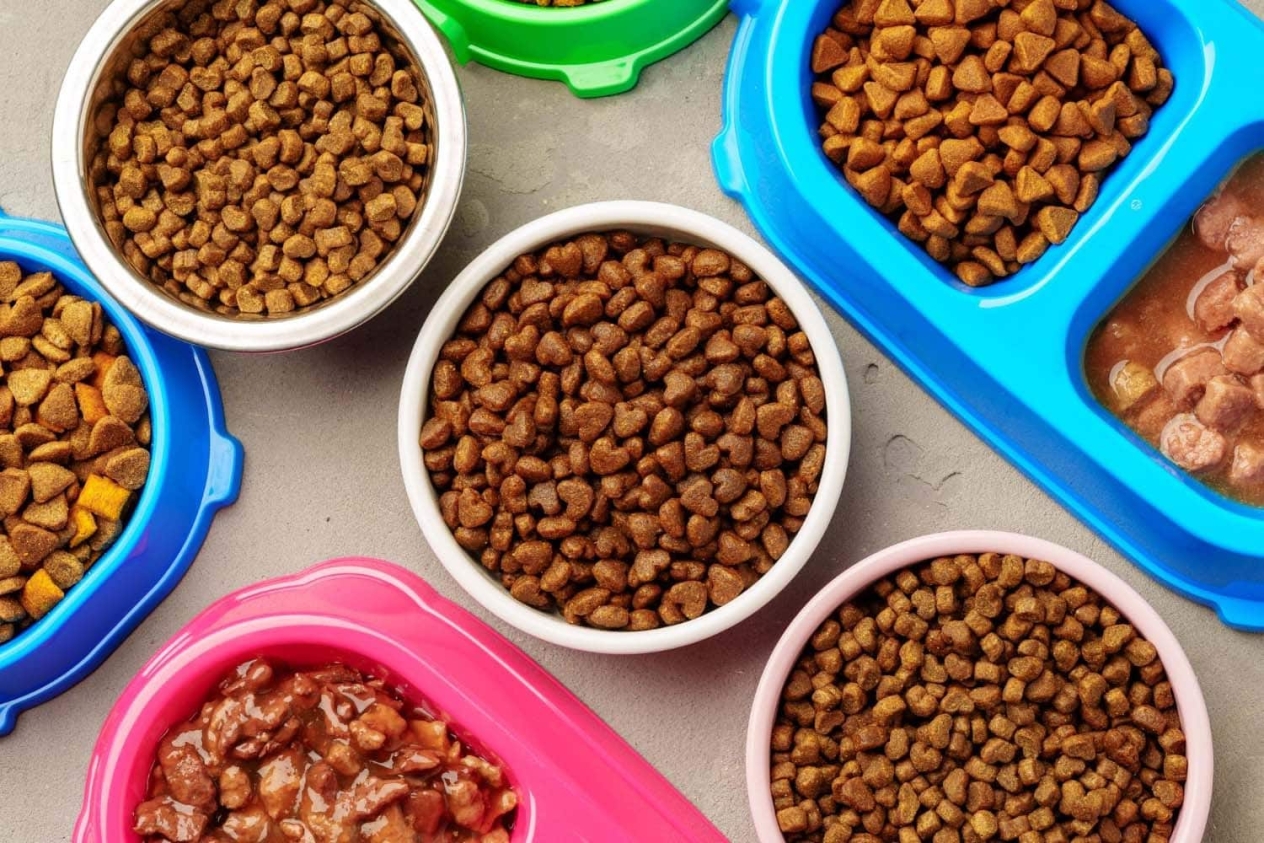
Dry feeds are divided into several classes depending on the quality of ingredients, production technology and nutritional value.
- Economy class is a variant with minimal benefits: the basis is made up of cereals, corn, flavorings, almost no real meat. Such foods do not provide enough protein and force the dog to eat more but get less.
- Premium class has a slightly higher quality: there are meat ingredients, but not enough, but a lot of cheap cereals. For healthy dogs, it is sometimes suitable, but not ideal for every day.
- Super-premium are already balanced formulas: more meat, proper fats, healthy additives, minimum unnecessary fillers. They are suitable for most dogs as a staple diet.
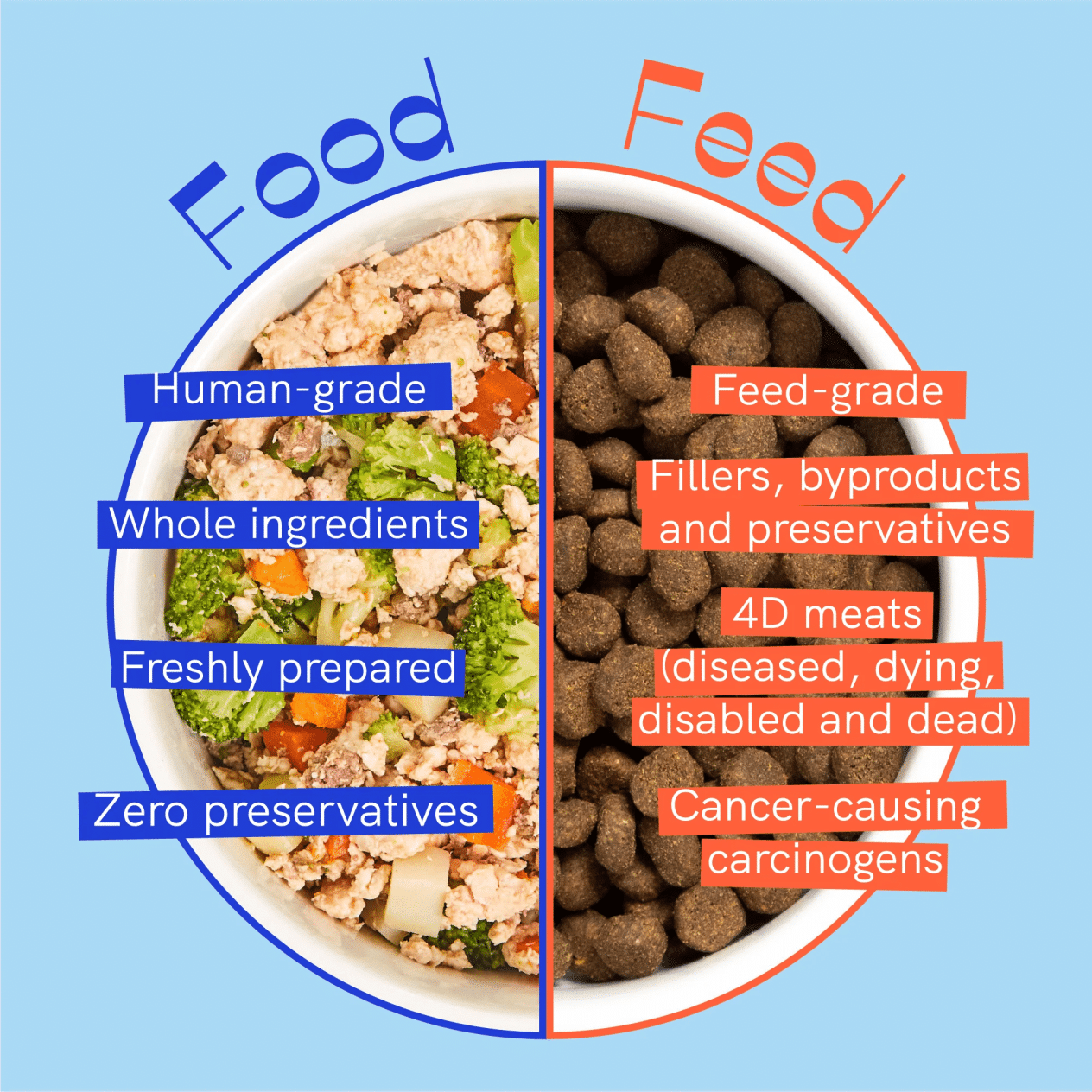
- Holistic-class is the highest quality, where meat predominates, ingredients are natural, grain is either absent or represented by healthy cereals. These foods are often created on the principle of “human grade” – ingredients of a level suitable for human nutrition.
Specialized feeds: therapeutic, monoprotein and grain-free feeds
In addition to the general classes, there are veterinary (therapeutic) diets created for specific problems: allergies, obesity, kidney disease, liver disease, heart disease, diabetes and the like. They should not be given without a doctor’s prescription, as they act as a therapeutic formula. Monoprotein foods contain only one source of protein – for example, only lamb or only salmon. They are essential for dogs with food allergies as they allow you to clearly identify which protein you are reacting to. Grain-free is not a class, but a type of formulation. They do not contain wheat or corn, instead using yams, peas or other carbohydrate sources. These foods are better for dogs with sensitive digestion, but it’s important to keep in mind that “grain-free” doesn’t always mean “better,” it’s all about balance.
Natural food
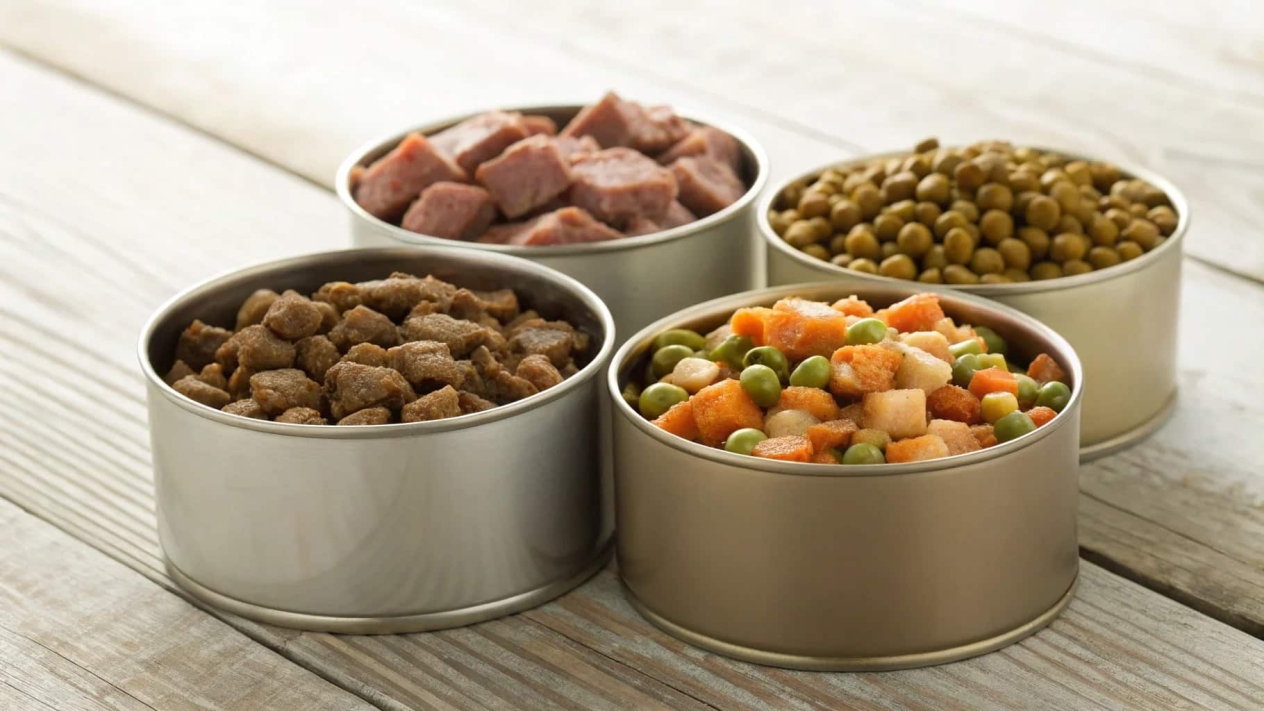
Dogs can eat more than just commercial foods. BARF diet is a raw diet (meat, offal, bones, vegetables). It is closer to the natural diet of a predator, but requires a competent approach, correct proportions and knowledge of nutriciology. A mistake in composition can quickly lead to calcium deficiency, protein imbalance, excessive phosphorus or gastrointestinal problems. BARF is therefore suitable for owners who are prepared to calculate it correctly. Natural (natural) is boiled meat, porridge, vegetables. The problem is the same: without a clear menu and nutrient analysis, the diet becomes unbalanced. Natural food can be useful, but only if it is prepared correctly, preferably with a nutritionist or veterinarian.
How to choose the right food?
The most important criterion for choosing the right food is the condition of the dog. A good food gives a shiny coat, clean skin without rashes, stable stools, normal energy and a healthy weight. If itching, gas, redness or unstable stools occur after switching to the food – the formula is not suitable. Active dogs need higher protein and fat content, calm dogs need lighter formulas. Smaller breeds often digest grain-free or monoprotein better, and larger breeds often digest foods with balanced calcium and phosphorus for joints. If the dog has chronic health conditions – nutrition is coordinated with a veterinarian. The best universal advice is to choose super-premium or holistic, watch the body’s reaction and don’t chase the brand – it’s more important how the food “works” for your dog.
Which dog food to choose: Honestly
When choosing food, it’s important not to go by the brand or the “everybody gives it to everybody” mode, but by the dog – its age, activity, skin condition, digestion and even its character. The most versatile starter for most dogs is super-premium or holistic food, as it contains adequate amounts of quality meat, digestible fats and a minimum of unnecessary fillers. For dogs with sensitive stomachs, frequent redness or a tendency to allergies, it is best to choose a monoprotein or grain-free option – they avoid irritants and stabilize digestion. If the breed is large or giant, it’s important to look at calcium and phosphorus balance to maintain healthy joints. Smaller breeds are often better suited to smaller pellets and recipes with lighter meats like turkey, lamb or salmon. If the dog has a diagnosis or chronic disease, it is worth switching to a veterinary diet only when prescribed by a doctor. In any case, after choosing the food, the key is to observe the condition of the dog: shiny coat, clean skin, stable stools and even energy during the day mean that the diet is selected correctly. If there is itching, gas, soft stools or lethargy, the food is not suitable, even if it is expensive or “popular”.

Conclusion
Different types of food exist not just “to choose from” but because every dog has different needs, digestive traits and activity levels. Economy, premium, super-premium and holistic are gradations of quality that indicate how much real meat, beneficial nutrients are in the food and how safe it is for a daily diet. Special formulas – grain-free, monoprotein and veterinary grade – are created for specific conditions and help to match the food as closely as possible. Natural diets and BARFs can be beneficial, but only when properly formulated, otherwise they create risks of deficiencies. In the end, the most important rule is one: the right food is the one that makes your dog healthy, active, with stable digestion and a beautiful coat. The quality of the food matters, but the key is exactly how it works for your pet.