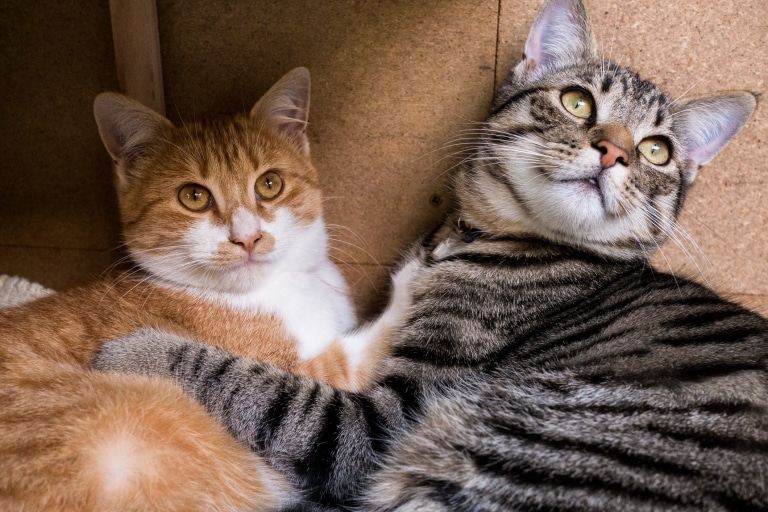

Choosing between a male and a female cat may seem simple at first, but the decision often depends on your lifestyle, expectations, living situation, and willingness to handle certain behavioral traits. A cat’s sex is not a small detail — it can significantly affect personality, habits, and daily life over time.
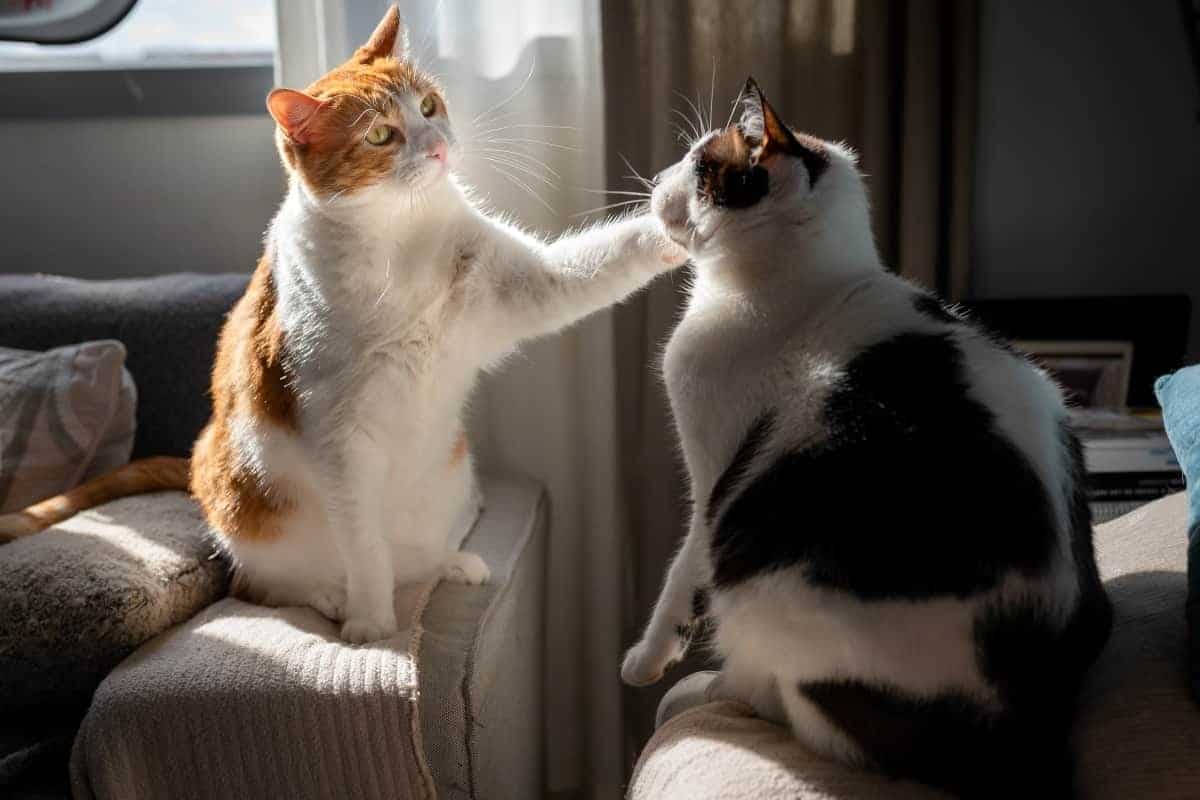

Character, attachment, and daily interactions

Hormonal periods and behavioral nuances
This is where the difference between a male and a female cat becomes most noticeable, especially if the animal is not neutered or spayed. Adult male cats may begin marking their territory, particularly in an apartment setting, and the odor can quickly become a serious issue.

Male cats’ behavior during this period may change — they can become restless, more aggressive, or show a strong urge to escape.
In female cats, hormonal cycles manifest differently: loud vocalization, increased agitation, and noticeable changes in appetite and behavior are common. For many owners, these periods can be psychologically challenging, especially if the cat lives in an apartment and has no opportunity to express her natural instincts.
After neutering or spaying, the differences between male and female cats are significantly reduced. They typically become calmer, more home-oriented, and better adapted to living alongside humans. In this case, it is not the sex, but the individual temperament of the cat that becomes the deciding factor.

Care and health
In terms of grooming, there is no fundamental difference between a male and a female cat. The amount and complexity of care depend primarily on the breed, coat type, and overall health of the animal. Both male and female cats require regular brushing, nail trimming, and routine ear and dental care.
In the long run, it is important to realize that a cat or cat is not just a pet, but a family member for many years. That is why it is worth paying attention not only to the sex, but also to the reaction of the kitten to you, the level of activity, inquisitiveness, contact. Very often the right choice is made intuitively – the animal “chooses” the owner itself.
Conclusion
A male cat may be a good choice for those who value calmness, balance, and minimal clinginess, while a female cat often suits people who appreciate emotional connection, interaction, and an active presence in their daily life. In reality, however, the best choice is the animal with whom you feel a genuine connection, regardless of sex.