Bioluminescence in nature
Have you ever wondered why some animals glow at night? Why do mollusks, fish, mushrooms, mammals and various living organisms glow? This phenomenon is inherent in many representatives of the natural world, those who live in rivers, seas and oceans and forest dwellers.
Today we will talk about the natural world, about some species of bacteria, protozoa, fish, mollusks, fungi and other creatures, as well as mammals. Slender and strong with their limbs, intelligent with a look, owners of thick and fluffy hair and beautiful colors on their backs, such a natural group of animals scientists call – mammals. Animals of this group have both mental and physical ability and strength, and they are unique with their brilliant glimmer in the dark. In the deep dark of night, in the middle of a dense spruce forest, we can see in the deep darkness the shadow of a wolf, the shadow of a fox, a bear, and even a deer. But in fact the glow against the background of the sky and forest, which we observe in mammals, as well as the glow of the eyes, is not just a shadow, scientists interpret this phenomenon and call it – bioluminescence. In the Black Sea and the Sea of Azov, in summer in the middle of the night, we can observe the magic shine of water, which is caused by bioluminescence of single-celled animal nocturnal light. This phenomenon causes bodies of water such as lakes, seas and oceans to glow if the surface layer is filled with microorganisms such as Noctiluca miliaris. This is actually a unique phenomenon, which we will discuss below.
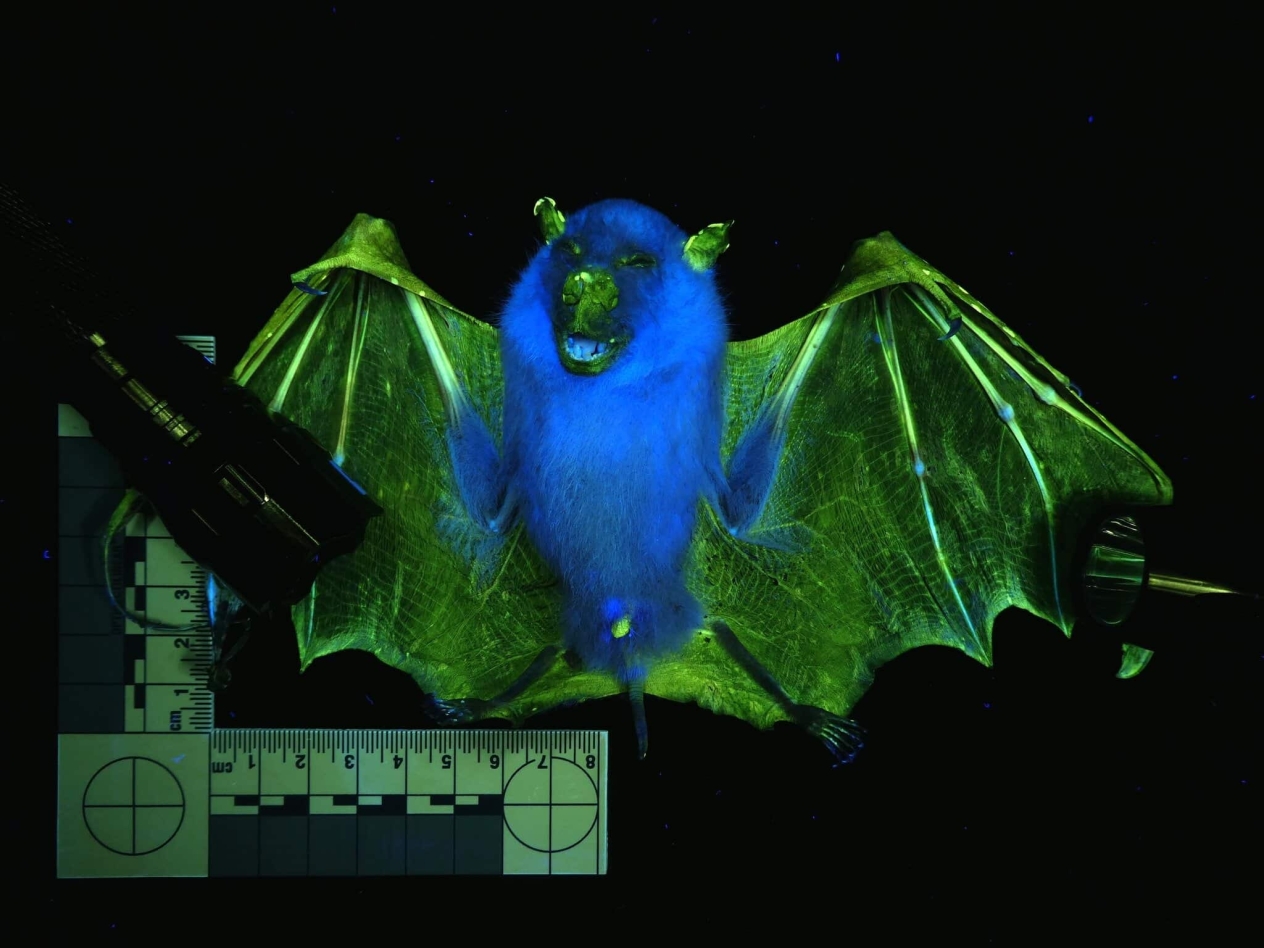
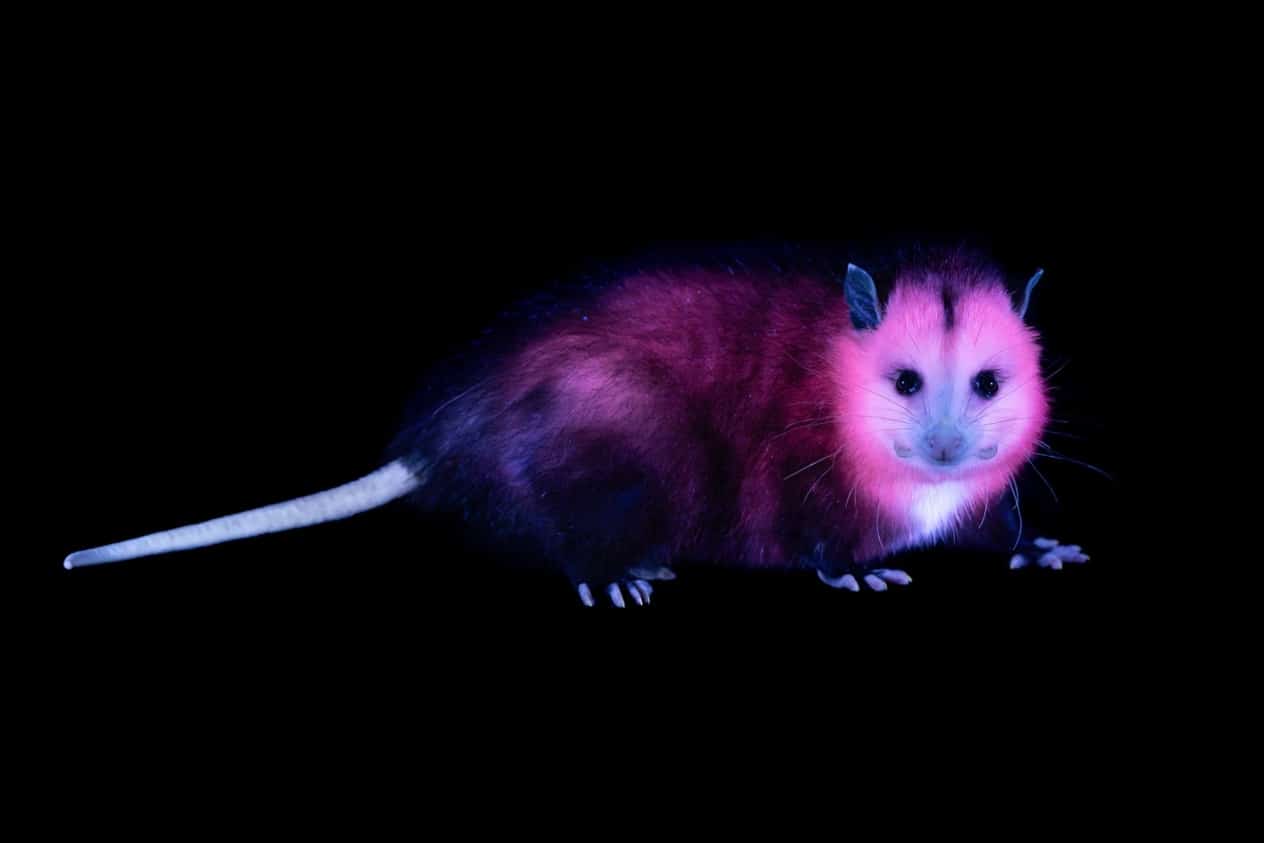
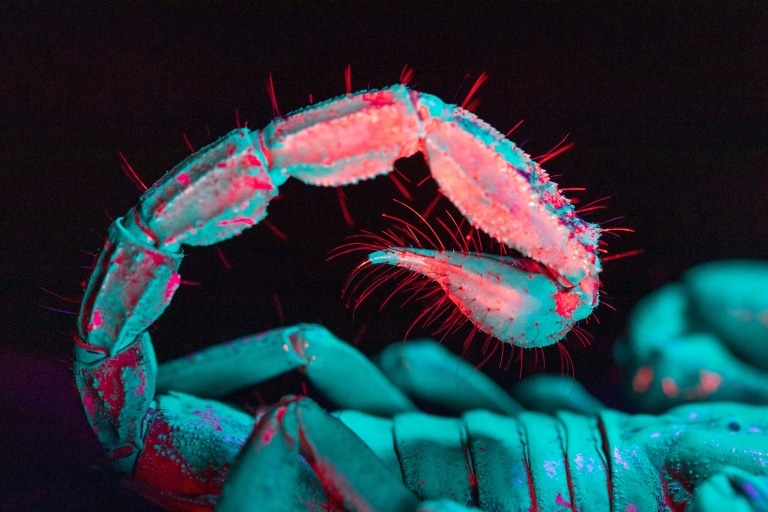
This natural shimmer is mesmerizing in its beauty, unmatched brilliance and bright light. The phenomenon of bioluminescence was discovered by scientists back in the 18th century, but it was only in the 20th century that this mysterious mechanism of shine and shimmer was fully revealed. Flicker is generated in enzyme-catalyzed reactions, particularly in the oxidation of luciferin luciferase, that is, the phenomenon of luminescence of living organisms is called – bioluminescence. In the natural world, in the vast majority of cases, such reactions involve adenosine triphosphate. Bioluminescence occurs as a result of biological enzymatic oxidation processes involving the enzyme luciferase. It is usually enhanced by the influx of oxygen, often driven by the presence of photobacteria. Most bioluminescent organisms emit blue or green light.
History and research on bioluminescence
The glow of living organisms in the dark and the shimmering of the sea at night have been noted in world history as far back as ancient authors. Pliny the Elder in his author’s work “Natural History” mentions the luminescence of marine organisms. Turning the pages of world biology books we can notice that many scientists described the glow of the sea. However, the study of the phenomenon of bioluminescence began in 1668, when the representative of pneumochemistry – Robert Boyle, using a vacuum pump built by him, demonstrated that in many cases the glow disappears if you remove oxygen. In January 2021, scientists discovered the phenomenon of bioluminescence off the coast of New Zealand. They observed it in the lantern blacktip shark, the southern lantern shark, and the blacktip shark. These ocean dwellers live at depths of 200 to 1,000 meters where little or no sunlight penetrates. These sharks are considered the largest luminescent sharks. Some are up to 2 meters long.
Why do animals glow?
Animals glow for a variety of reasons, it can be for survival and communication, and it can also be for defense. Deep-sea squid use this light to preserve and protect their lives and boundaries. Some fish camouflage themselves from predators in this way, such as the lanternfish. The deep-sea anglerfish uses its “flickering rod” to attract prey, but fireflies use light to attract their mate, where the unique flashes act as a lure, similar to animal language and gentle purring. Inhabitants of the oceans, and in particular such jellyfish – Aequorea victoria, use light to signal in a group, in terrestrial species, such as mushrooms Panellus stripticus glow can attract pests and deter insects, and also this phenomenon saves energy animals, because it does not require a lot of resources. Some organisms use bioluminescence for camouflage, because they create light that matches the intensity of light coming from above, making them less visible. Fireflies, deep-sea fish and invertebrates, and bacteria use this phenomenon, but it should be remembered that the eyes of cats glow due to a special structure that reflects light, but this is not bioluminescence.
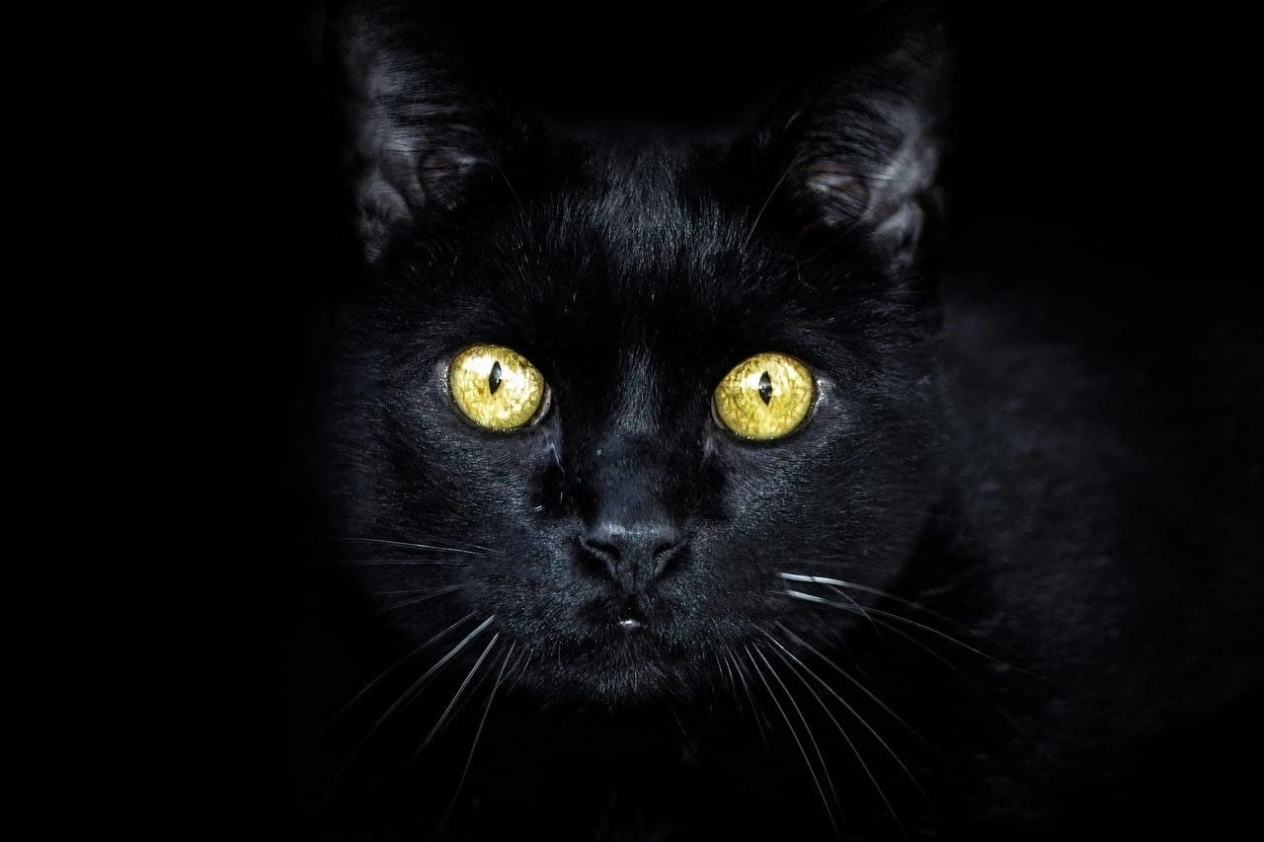
Eyes of dogs and cats in the dark
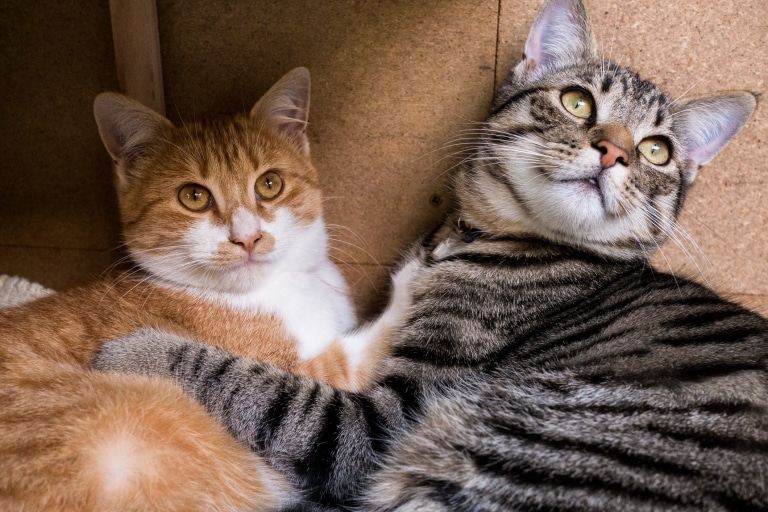
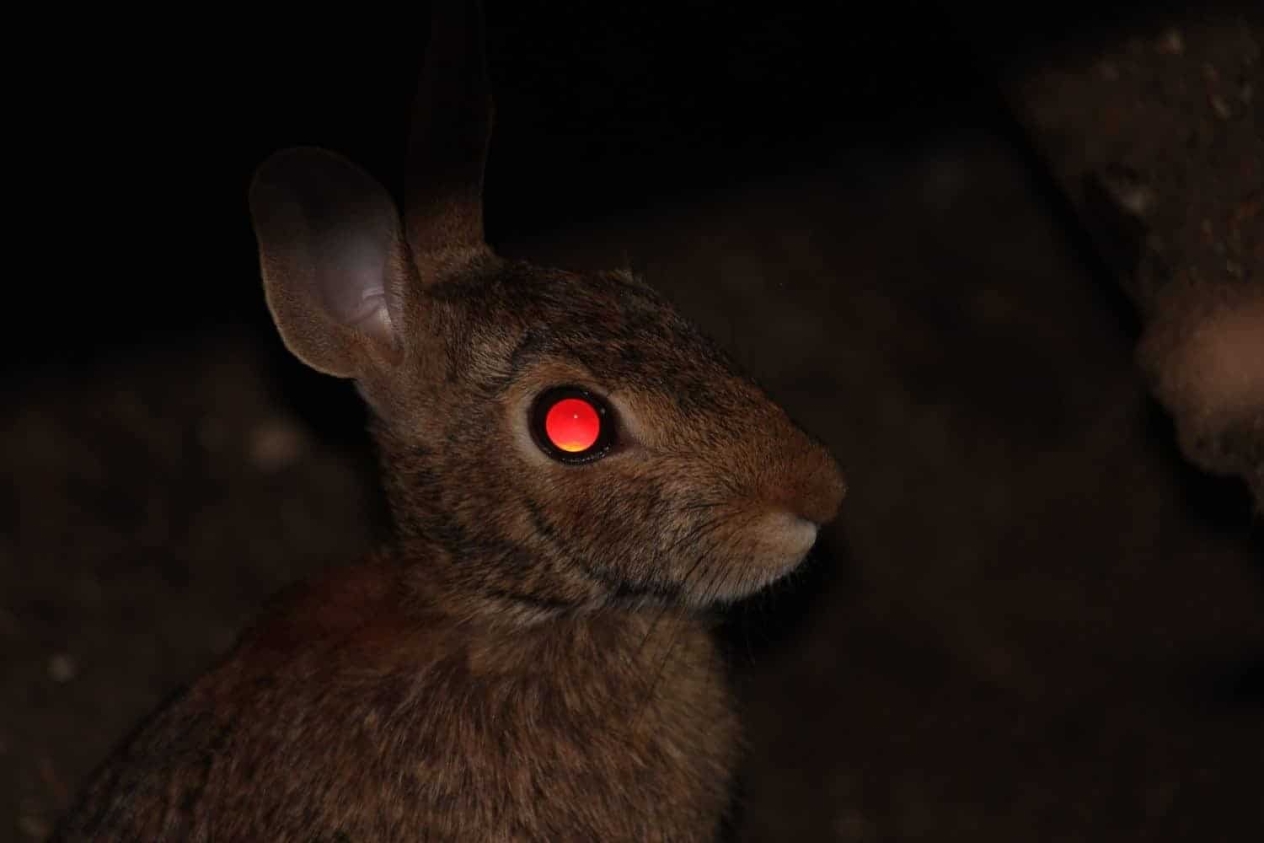
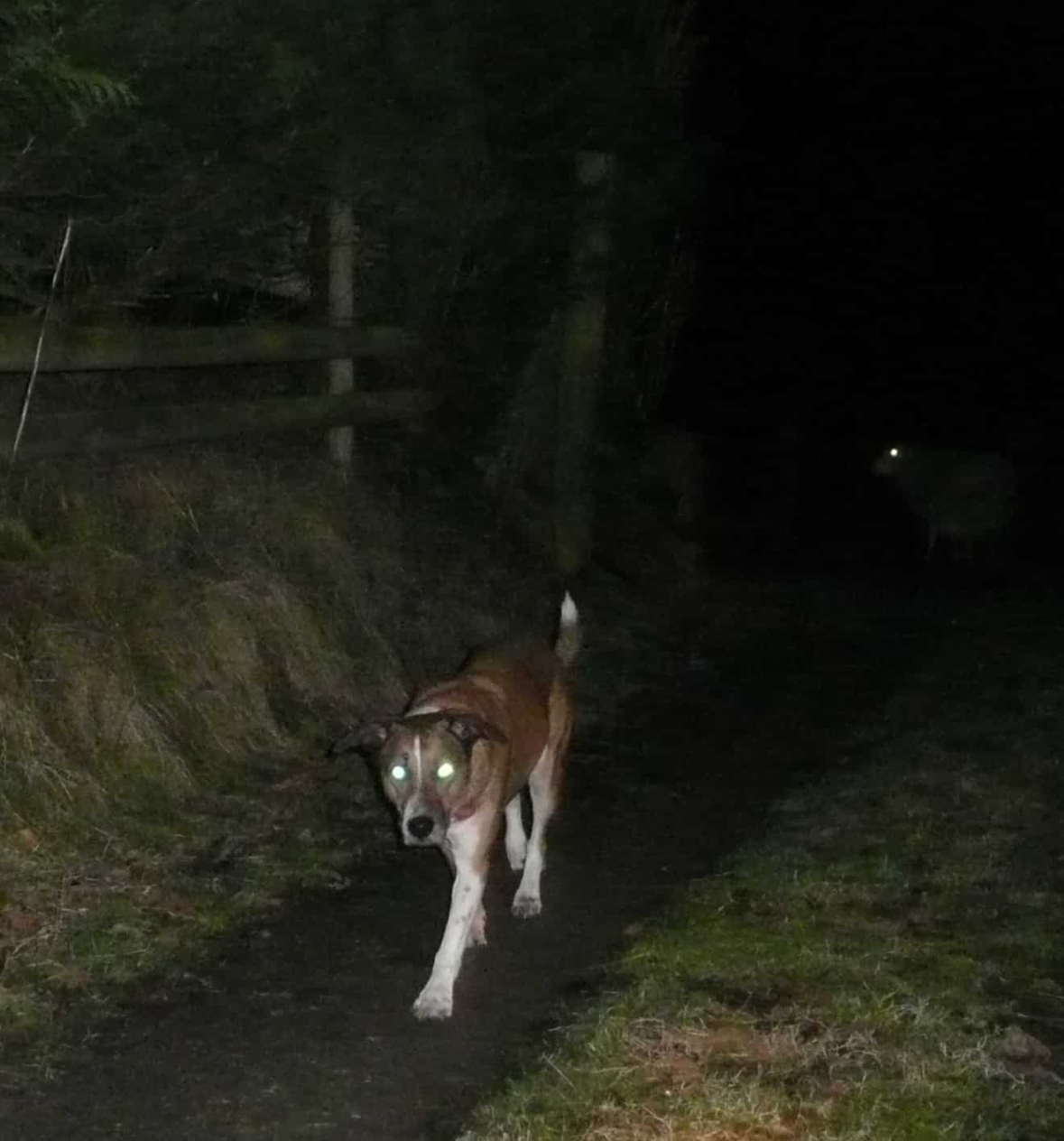
The eyes of cats have a complex and interesting structure and this helps them to see in the dark much better than humans. They are characterized by a large cornea and a pupil that has the ability to dilate. The retina in cats and also in dogs has a large number of rod cells, which are responsible for light sensitivity and it is thanks to this that cats and dogs have a high level of night vision. Behind the retina they have a unique layer called – tapetum lucidum and it works like a mirror reflecting light back to the visual cells. Light passes through the retina, increasing the amount of light reaching the light-sensitive cells and improving vision in low-light conditions. Tapetum lucidum is the reason why the eyes of cats and dogs glow at night and people think these animals glow in the dark. This ability helps these “small predators” to hunt in dark conditions. When light from a flashlight hits the eyes of cats and dogs, it reflects off the tapetum and we see light coming from the eyes.
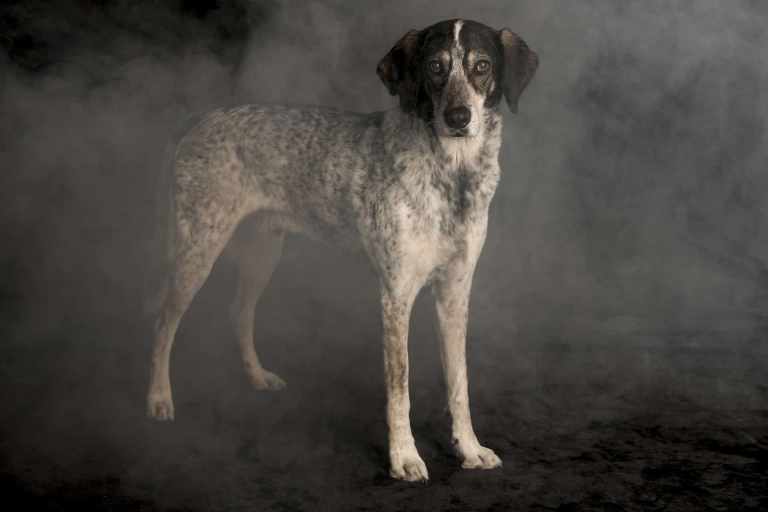
Thanks to their low-light sensitive rod cells, dogs are good at distinguishing people, any objects and movement in the dark. It is a myth that the world in their eyes is black and white, scientists prove that this is not true, the world appears to them in shades of blue and yellow. In addition, scientists suggest that perhaps dogs can see ultraviolet light. During the day, the visual acuity of mammals is 3-4 times lower than that of humans, and at night it is 3 – 4 times higher than that of humans.
Conclusion
So, all natural living organisms and animals, glow precisely due to such phenomena as bioluminescence of natural organisms and a special structure in the eyes of mammals – tapetum, which reflects light, helps animals see better in the dark and sparkle, amplifying the light entering the eye. The glow is the result of reflected light, not the eye’s own glow.