
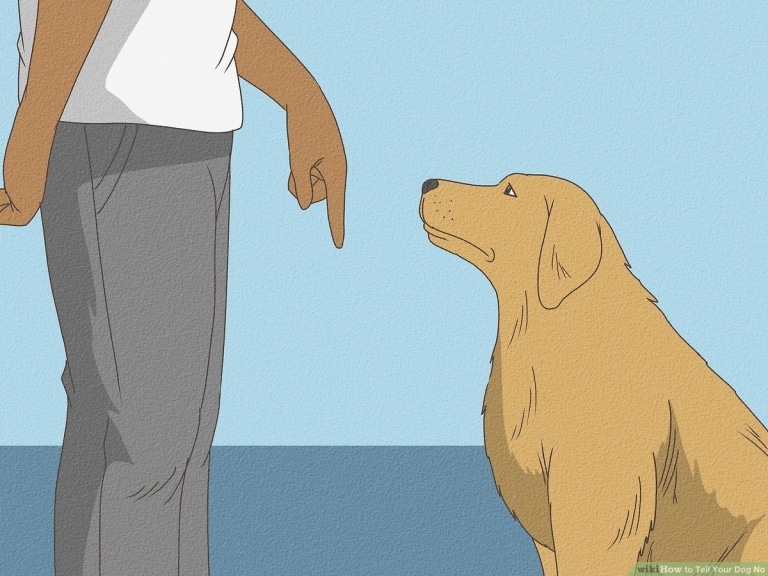
When a dog doesn’t respond to commands, most owners immediately look for “temper”, “stubbornness” or “dominance”. This is where the confusion comes in, because the reasons seem to be many, but they are different and don’t add up to a coherent picture. In fact, everything is much simpler. Ignoring commands always comes down to just three basic reasons, and if you understand them, the dog’s behavior becomes completely logical.
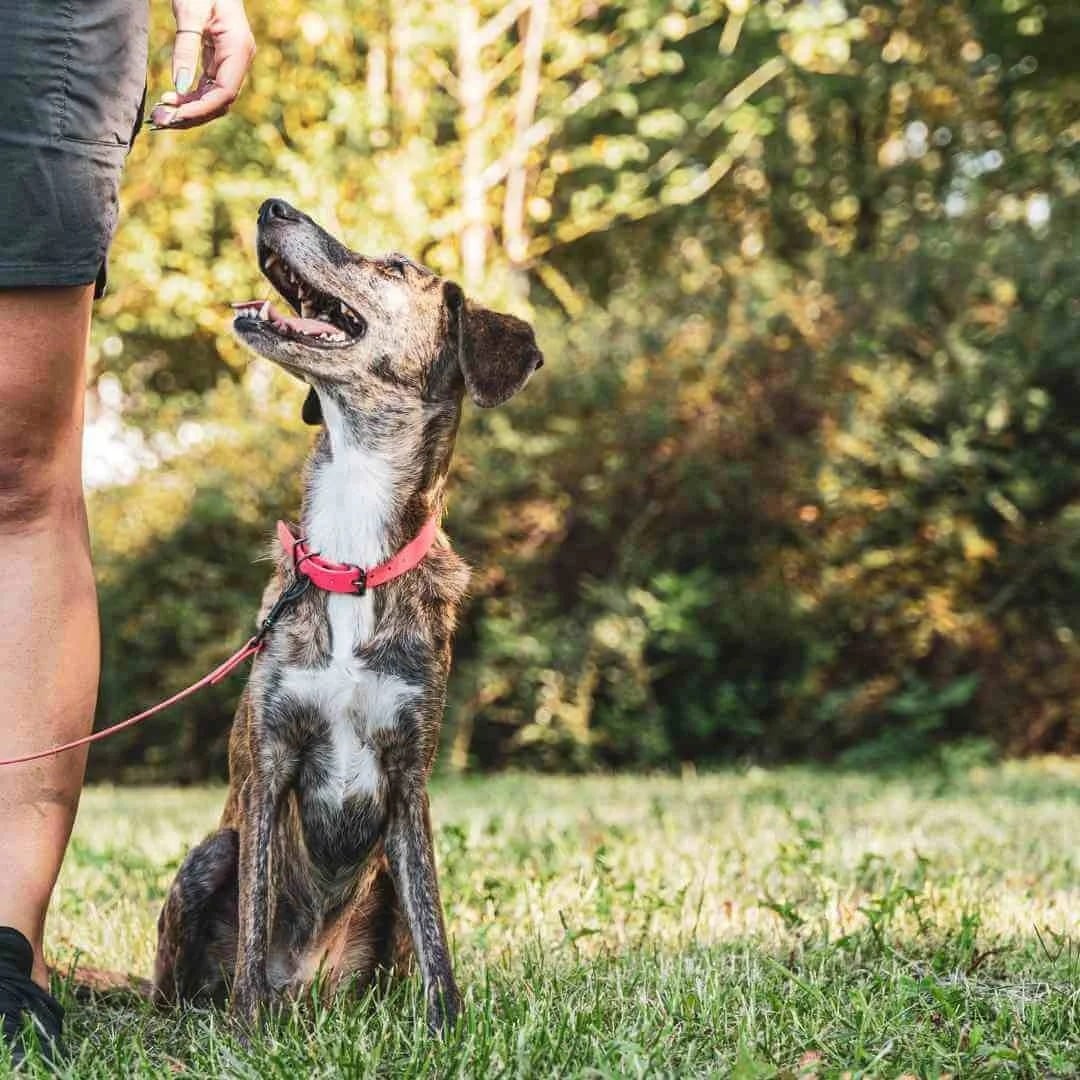
The dog doesn’t understand exactly what is wanted from him
To a human, a command is a word. For a dog, a command is a set of conditions: intonation, facial expressions, body position, location, odors, context. If a skill was formed at home, in peace and quiet, the dog does not automatically transfer it to the street, park or new environment. For her, it is a different situation, different rules and a new task. At that point, she doesn’t ignore – she just doesn’t recognize the familiar action in the new circumstances. This is why “he knows everything but pretends not to” is a human illusion, not a dog’s reality.
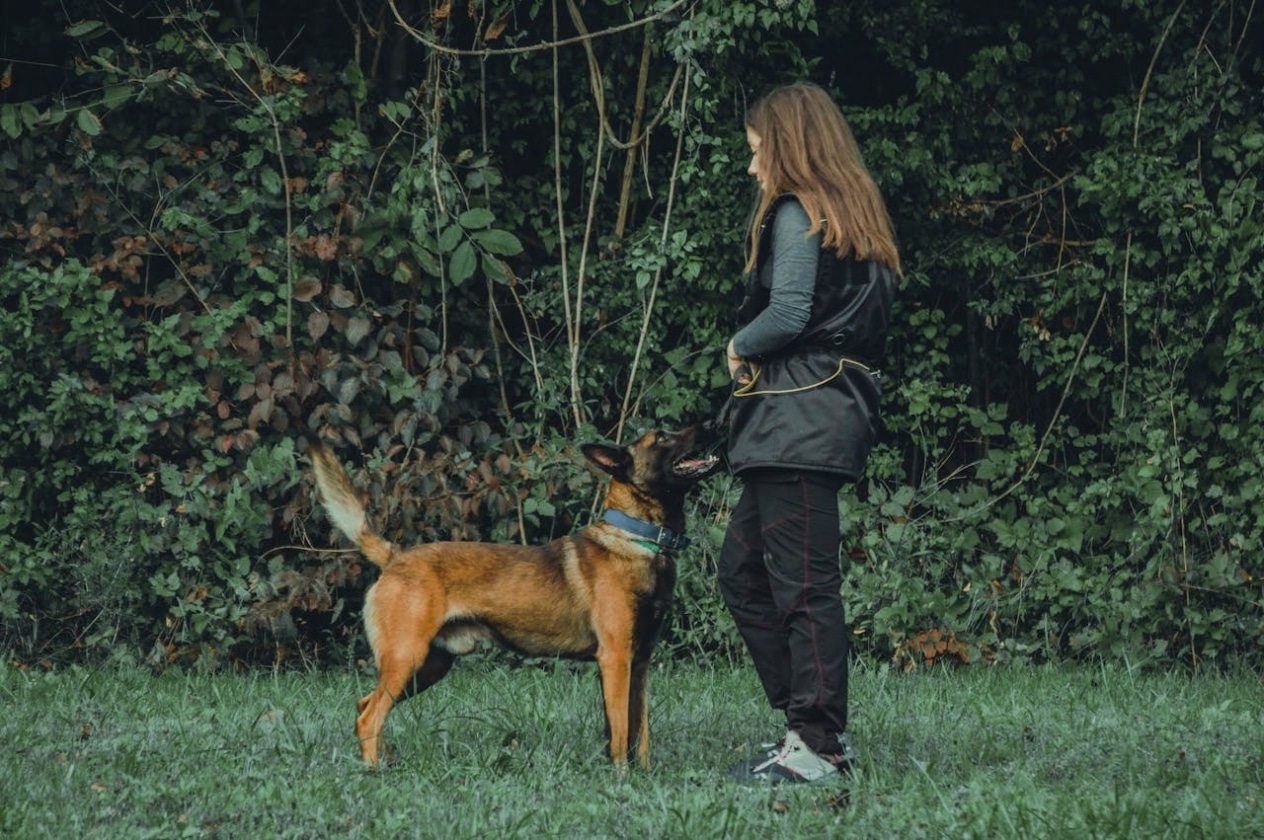
The dog can’t execute the command in the current condition
Even if the command is clear, the dog may not be in the resource. Excessive stimuli, fear, overexertion, overstimulation of the nervous system, or physical discomfort block the ability to concentrate. At such times, the brain works not on obedience, but on survival: it analyzes movements, smells, sounds, potential danger. From the outside it looks like complete ignorance, but in fact the dog is simply unable to switch. Demanding commands in this state is like demanding complex logic from a panicked person.
The dog doesn’t see the point of following a command
This is the most frustrating reason for owners, but it is extremely important. A dog always thinks through consequences. If the command accomplishes nothing, is constantly repeated, or is associated with negativity, motivation disappears. When “come to me” means the end of the walk, “sit” means nervous tension, and compliance is neither helpful nor fun, the dog makes the logical decision not to respond. This is not protest or defiance. This is elementary behavioral economy.

Conclusion
A dog ignores commands for only three reasons: he doesn’t understand, can’t or doesn’t see the point. All other explanations are merely derivatives of these basic things. When the owner stops seeing ignoring as “problematic in nature” and starts analyzing the condition, context, and motivation, the dog’s behavior becomes predictable and understandable. Obedience is not built on pressure or control. It emerges where there is clarity, resource and trust.