What is the secretion of salivary glands?
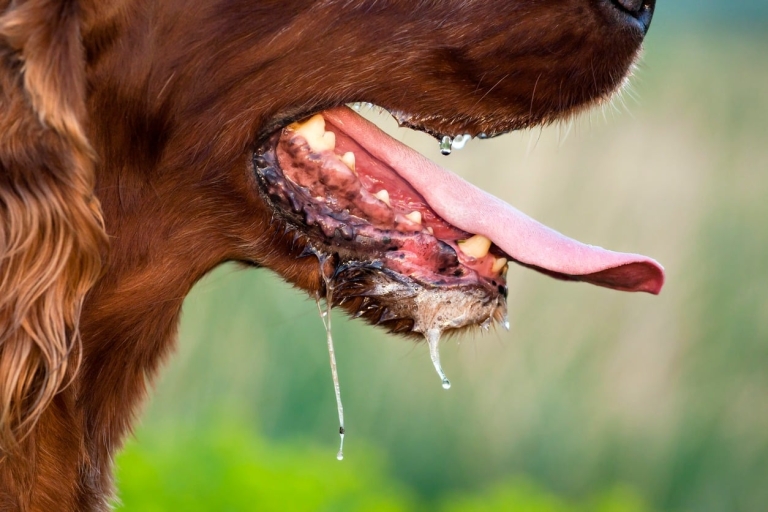
Are your clothes soiled with your pet’s saliva? Saliva secretion is normal in animals because it moistens the tongue and mouth, helps to get tasty food into the stomach and promotes good digestion. Saliva contains antimicrobial and anti-inflammatory substances that heal wounds. However, in some cases, we may observe excessive secretion of salivary glands. If you notice that saliva is not flowing as it always does, but in an increased amount, it is necessary to find out what the cause is. Your faithful friend will thank you for your timely care many times over.
Physiological and psychological factors do not threaten the health of the dog, but there are diseases and pathologies. Let’s understand the causes of saliva secretion together.
Physiological causes of profuse salivation
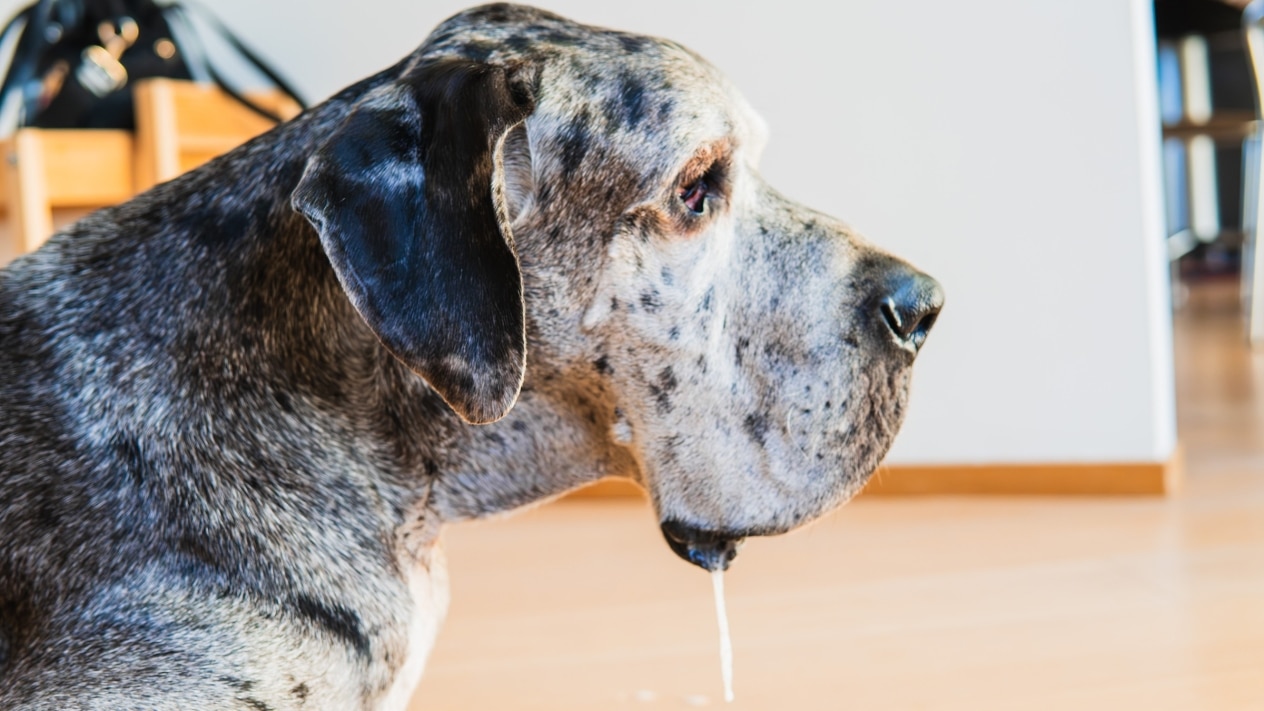
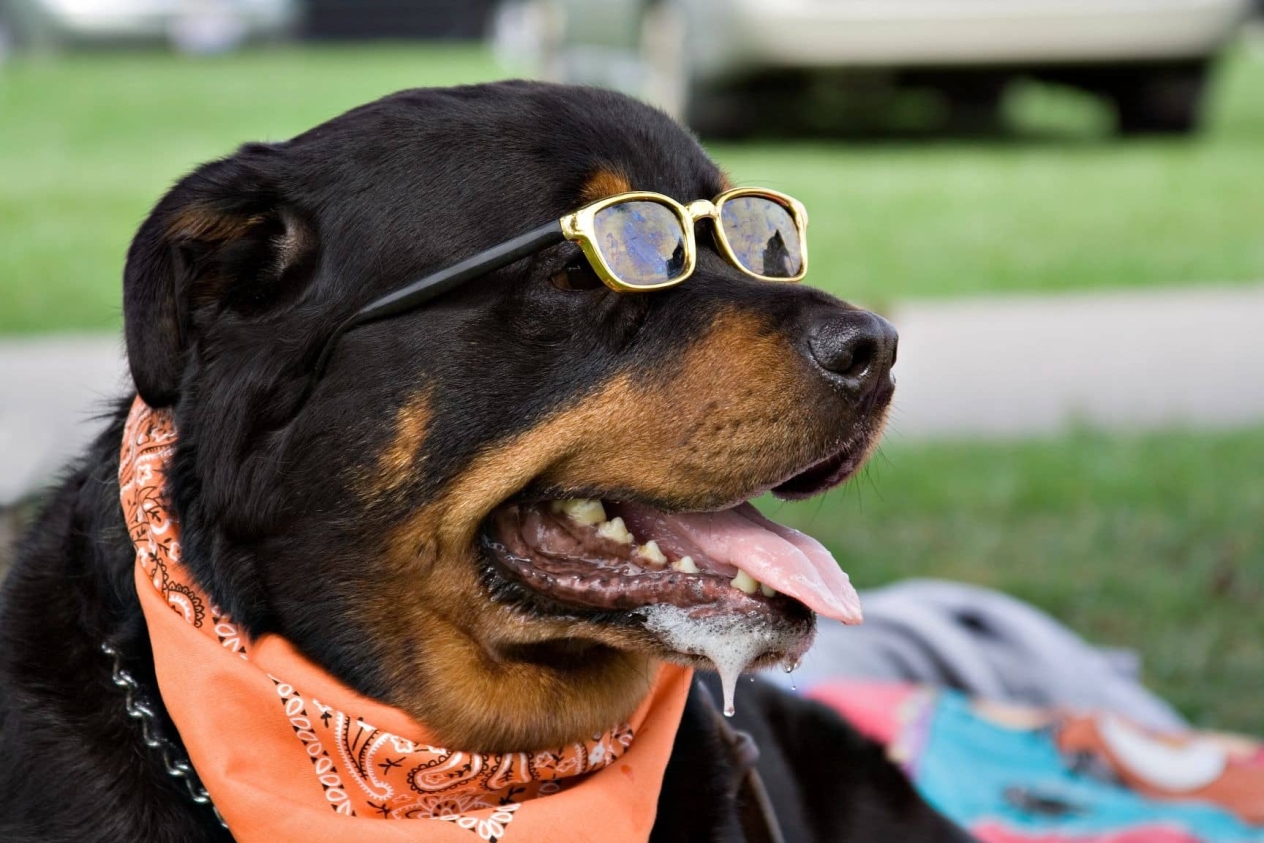
Physiological factors are temporary in nature and are observed when the dog’s food is changed or when the pet is hungry. Even at the mention of a tasty treat, the pet starts to salivate. So think about what your doggie likes to eat, maybe he just misses a tasty treat from your hands? A full stomach does not provoke the secret glands to work as much as a hungry one. But if the dog doesn’t like what’s in his mouth, he’ll drool too. This and unpalatable food, medicines, various objects that your pet has grabbed during a walk in the park. When traveling by transport, animals can get motion sickness in transport like humans. For owners, this can be a signal to get out of the car or take medication for the stomach of the pet. Dog breeds differ physiologically: the structure of the jaw, tongue. St. Bernards, Bloodhounds, English Bulldogs and Boxers have more saliva flow than other dog breeds. Too bad they can’t get bibs….. Just kidding, of course. If you are owners of dog breeds “saliva factory”, you are already accustomed to abundant wet secretions when your pet happily greets you. Wagging a beautiful tail, toiling at your feet, sticking out a long tongue, the pet sincerely shows his love. Despite the fact that saliva from the tongue drips on the owner’s favorite suit.
Psychological triggers
Fear of losing an owner, feeling threatened, moving, encountering aggressive animals belong to psychological triggers. As a rule, they do not have a lasting effect on the dog’s psyche and quickly pass if you do not keep the animal for a long time in anxious conditions.
Medical factors: diseases and pathologies
Now let’s talk about medical factors that can indicate diseases and pathologies. If with excessive salivation there is an elevated body temperature, coughing, unpleasant odor from the mouth, then perhaps your pet caught a virus or has an allergic reaction to medication, insect bite. When vomiting is added to these manifestations, there is a possibility of food or chemical poisoning. Vomiting manifests diseases of the gastrointestinal tract, liver, spleen, the presence of helminths. Possible constipation or diarrhea, musty odor from the oral cavity. If there are problems with the oral cavity, then in addition to salivation, the pet may refuse food, water. It happens that an object gets stuck between the teeth, which the dog can not independently pull out. But this is what caring owners are for, noticing the problem in time and solving it. A disorder of the nervous system, which is responsible for the enlargement of the salivary ducts, can occasionally indicate epilepsy, rabies and botulism.
When should I see a veterinarian?
What should a dog owner do if there is excessive salivation of the varmint? It is necessary to observe the behavior of the pet, analyze how the dog’s day went, open the mouth, see if there are no stuck objects in the mouth. Perhaps there has been a change in the usual food, the dog ate a dangerous thing or an insect. Salivation helps the dog to eliminate harmful substances from the body. If the owner has not noticed any visible causes, but the secretory activity of the salivary glands has changed, it is necessary to consult a veterinarian. If there are other unpleasant signs of deterioration of the animal’s health: dry or wet nose, digestive disorders, it is impossible to delay a trip to a specialist. Only a veterinarian can correctly assess the situation and prescribe appropriate treatment.
Possible treatment methods
Several common variants of the development of the situation can be distinguished. If there is a suspicion of helminthiasis, the dog should be tested for worms. The diagnosis is confirmed – an antihelminthic drug is prescribed, which comes in the form of suspension, tablets and drops on the withers. If the dog is poisoned – rumbling stomach, vomiting, diarrhea, it is necessary to give activated charcoal and a lot of water. And observe the future well-being of the dog, if there is deterioration, the veterinarian can put a drip. The most severe disease is rabies, in which case the dog is put to sleep. Signs of rabies include chills, restlessness, vomiting, lethargy. It is urgent to isolate the animal, as it poses a threat to others. Relatively mild course of the disease is marked by inflammation of the oral mucosa – stomatitis. There are different forms on the complexity of the expression of stomatitis: catarrhal, ulcerative, atrophic. It is difficult for the dog to chew and swallow food, swollen gums, ulcers on the tongue are visible to the naked eye. During treatment, the doctor prescribes anti-inflammatory drugs, decoctions of herbs, sometimes antibiotics. For the period of treatment, the pet eats liquid porridge on broths. Atrophic stomatitis is found in older dogs. Serious diseases of the urolithiasis, kidneys may require surgical intervention.
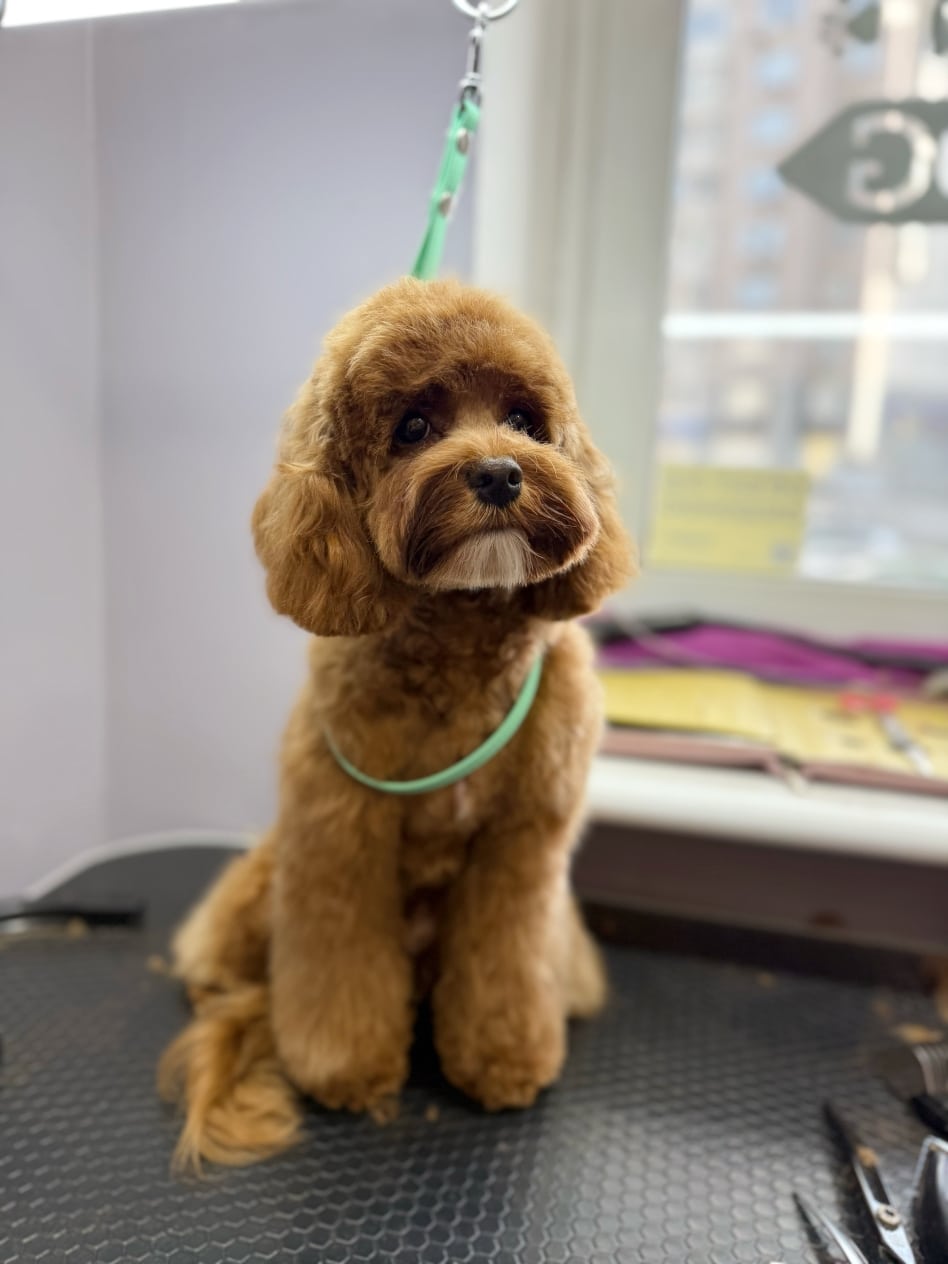
Attentive care is the key to a happy dog
Careful care for the Pet includes attentive attention to various behavioral and physiological changes of the dog. Man’s best friend will be the best if we give not only our love, but also timely treatment, fresh food, control the cleanliness of the room where our Beloved lives. And also take care of timely vaccination, treatment from parasites and regular visits to the veterinarian.