

When we picture the long-lived members of the animal world, the first thing that comes to mind is the tortoise. Slow, calm, with a wise gaze and eternity under its belt. But is this just a myth, or can some turtles really live for more than a century?
Longevity of turtles: truth or exaggeration?
This is not a fiction – there really are turtles that can live for more than 100 and sometimes even 150 years. The most famous example is a giant Seychelles tortoise named Jonathan, who, according to official records, was born in 1832 and is still alive. He is now over 190 years old and that is officially recorded. And there was also a tortoise named Harriet, which, according to legend, was brought from the Galapagos by Charles Darwin – she lived 175 years.
Such records concern land and sea giants, such as Galapagos or Aldabra tortoises. At home, even an ordinary red-eared turtle can live 30-50 years, and sometimes even more if well cared for.
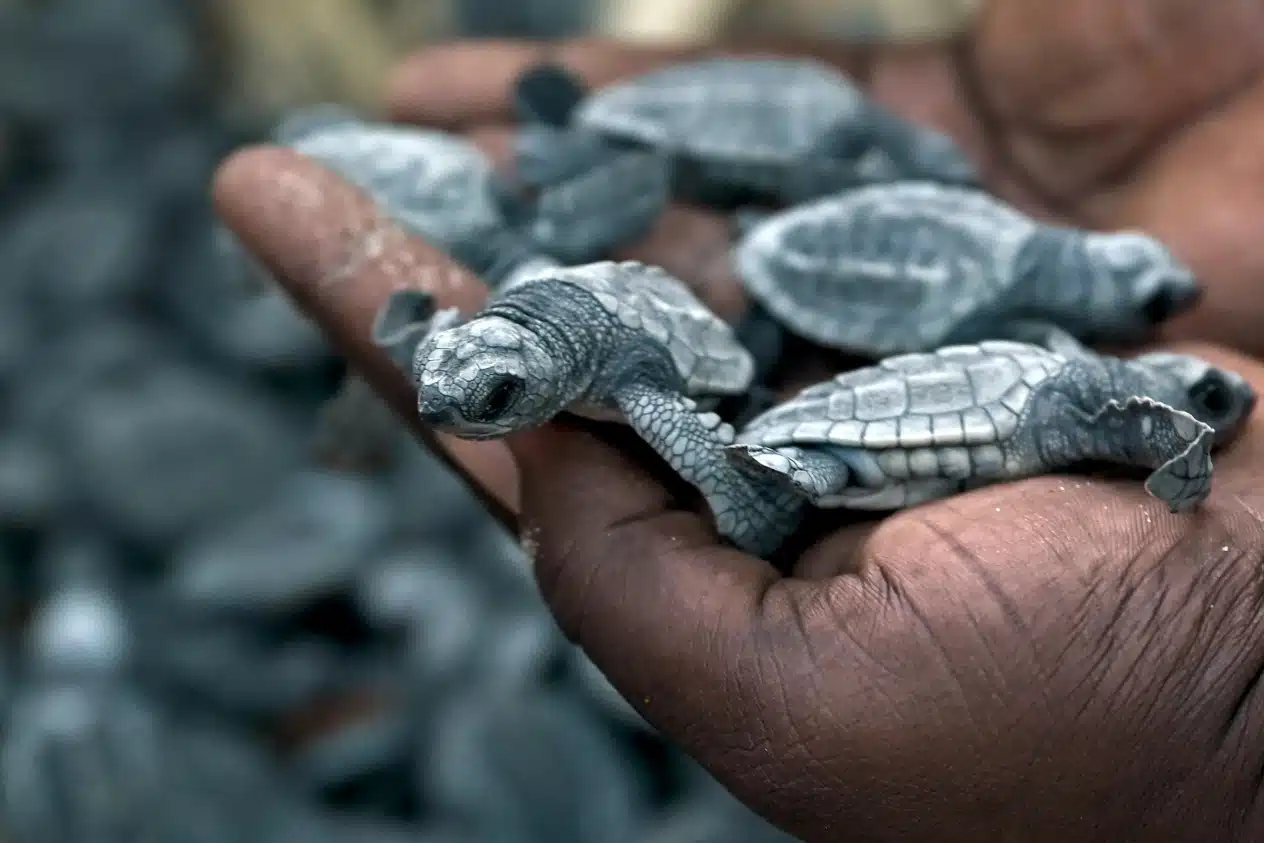
What is the secret to their longevity?
Biologists believe that turtles have unique biological mechanisms for slowing down aging. Their metabolism is extremely slow: their heart can beat only a few times a minute and their body temperature varies according to their environment. This means less cellular wear and tear and oxidative stress – the main causes of aging.
In addition, research shows that some turtles have molecular DNA repair mechanisms that allow them to better cope with damage at the cellular level. In other words – their bodies are literally able to “repair” themselves better than most other animals. And what’s even more interesting is that many turtles don’t show classic signs of aging: they don’t lose their ability to reproduce even at 100 years old, and they don’t have a significant decline in immunity.


Are all turtles this long-lived?
No, not all are. Longevity is highly dependent on species, living conditions and genetics. Small aquatic turtles (e.g. musk turtles or Chinese three-toed turtles) live an average of 15-30 years. Ornamental turtles in aquariums, if they do not receive proper care – even less. But with proper care, even medium-sized turtles can live for several decades.
Unfortunately, many people buy turtles, not realizing that this is an animal “for life”, and sometimes – even for the lives of their children. This is not a goldfish: it requires UV light, the right food, temperature, a place to walk or swim, and most importantly, patience. Turtles are slow not only in movement, but also in the formation of habits, trust in the owner, adaptation to a new environment.
Conclusion
Yes, turtles can indeed live for over 100 years – and this has been confirmed by science, facts and long histories. Their calmness, slowness and restraint have proven to be the secret to their incredible endurance and youthfulness. In a world where everything is accelerating, the tortoise remains a symbol of stability and longevity. And perhaps we have something to learn from it – to take care of ourselves from the inside out, to take our time and keep our balance.