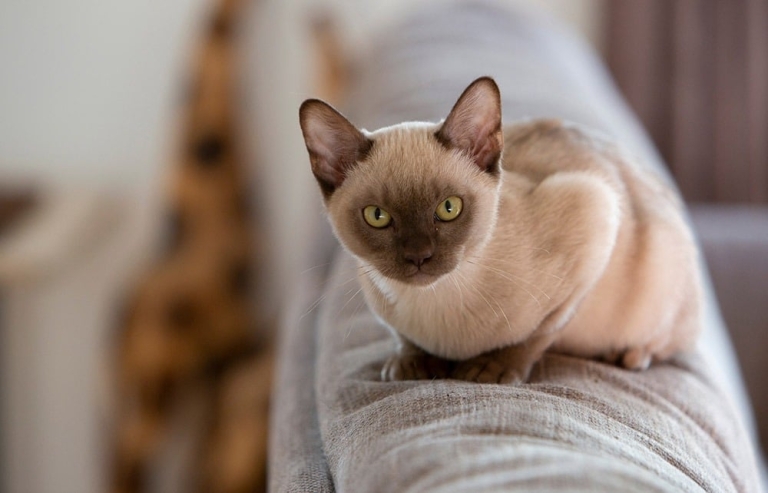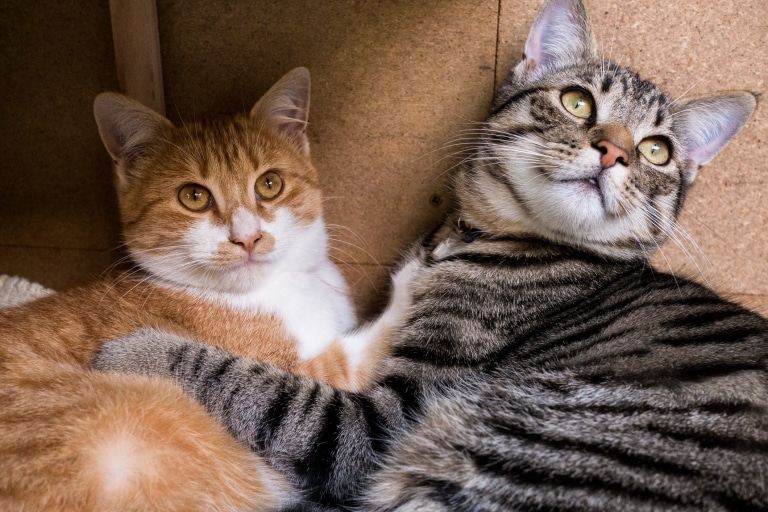
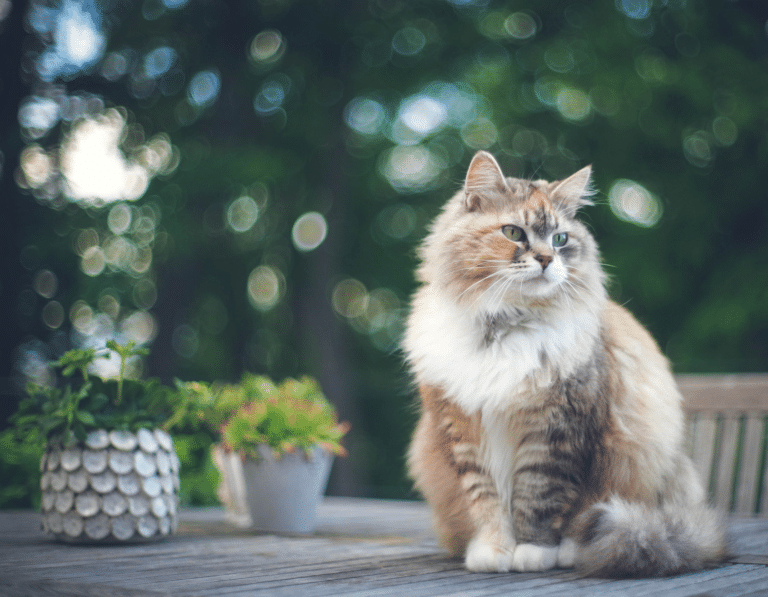
When people talk about cat colors, they usually think of bicolor, van or classic color combinations with white. They are clear, easy to read visually and have long become familiar. However, there are colors that are more difficult to recognize at first glance, but it is they that create that effect of depth, shimmers and “live” coat, which often captures much more.
In this article we focus on colors that we have not written about before – Smoky, Silver and Teakings. They differ not in the shape of the spots or the amount of white, but in the way the pigment is distributed within each hair. It is this feature that makes them more demanding to care for and at the same time much more interesting to understand.
Smoky coloring
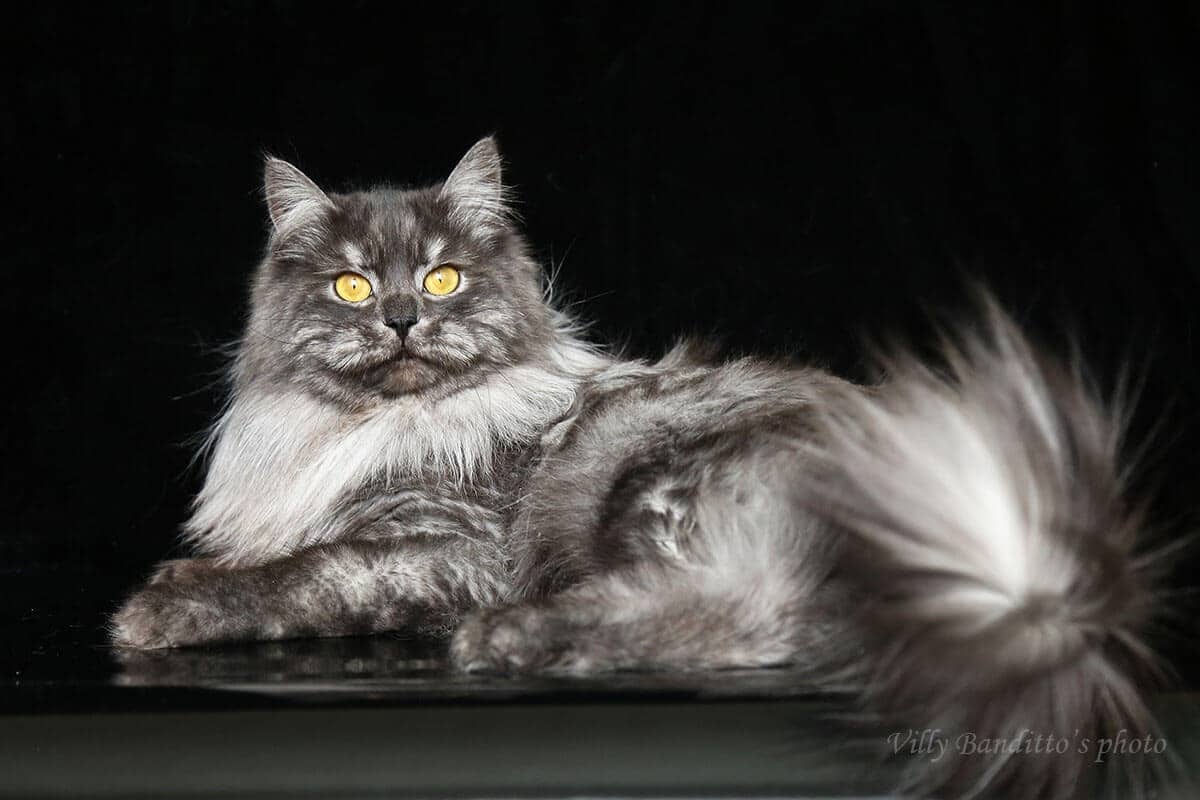
Smoky coloration in cats looks spectacular and is often misleading to the untrained eye. At first glance, the cat may appear solid black or blue, but in movement the coat “comes to life” and reveals a light-colored hair base. This is the essence of smoke – the pigment is only present on the top of the hair, while the root remains light, almost white or silvery.
Black smoke creates a deep, contrasting effect. At rest, the cat looks dark, almost monochromatic, but when walking, jumping or during grooming, light shimmers of undercoat are noticeable. This color is especially expressive in long-haired breeds.
Blue smoke has a softer, more noble appearance. The contrast between the light base and pigmented tips is less sharp, but it is thanks to this that a feeling of “haze”, airiness, cold silvery glow is created.
For smoky cats grooming is of special importance, because proper combing and bathing allows to reveal the depth of color without destroying the structure of the coat.
Silver color
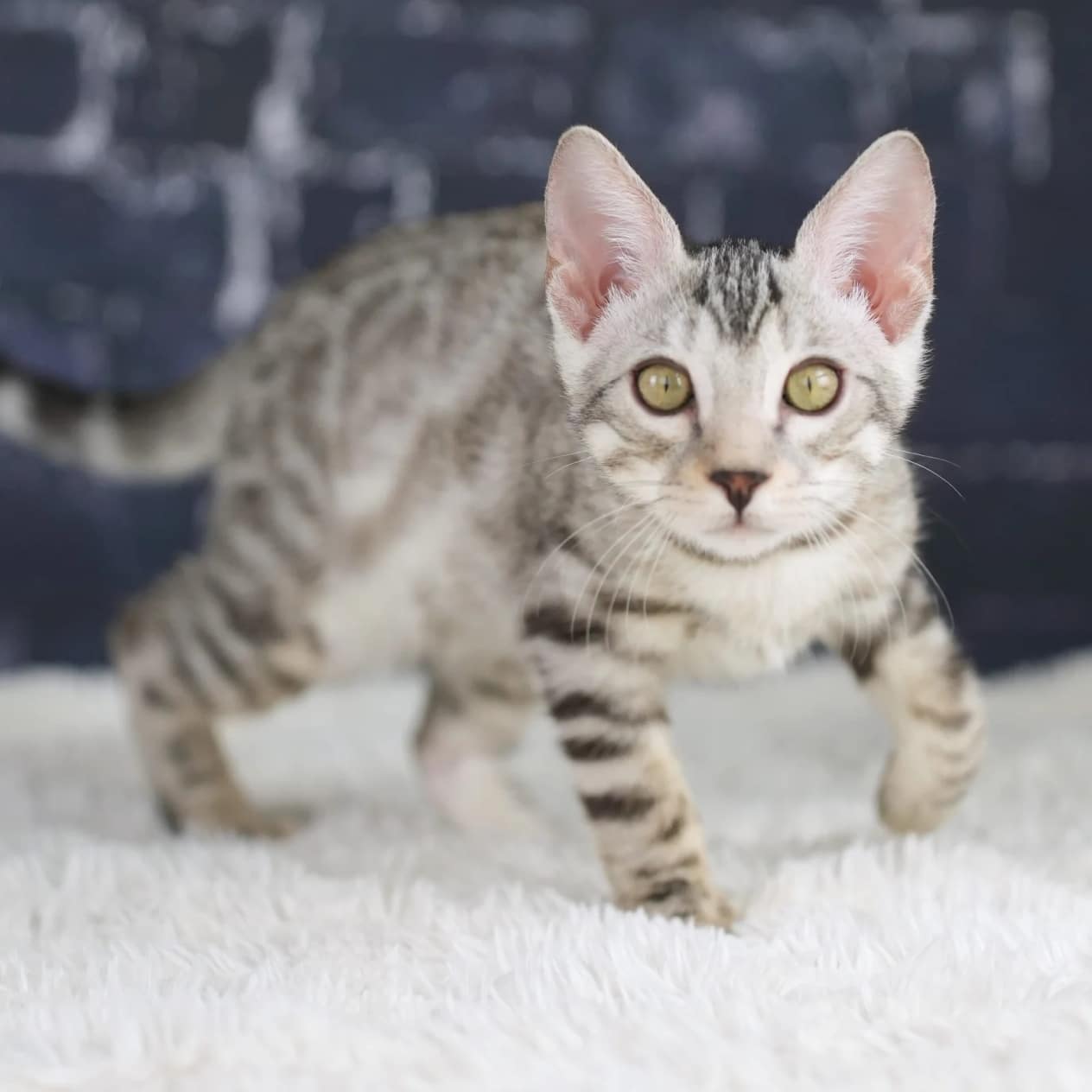
Silver colors are some of the most complex yet elegant colors. They can easily be confused with smoky colors, but the key difference is the uniformity and controllability of the pigment.
Silver-black coloring has a distinctly light undercoat and dark hair tips. The pattern or shading is clearly readable, the coat looks contrasting, “graphic”, with a cool sheen.
Silver-blue is softer, cooler and lighter. It creates a silver haze effect, where the blue pigment does not dominate, but only emphasizes the overall tone.
Shaded (shaded) is a separate, very valuable category. In such cats only a small part of the hair tip is colored, sometimes only 1/4 or even less. Visually it creates the effect of a light, almost white cat with gentle darkening on the back, sides, tail and head. It is the shaded coloring that is often associated with “plush” or “porcelain” cats.
Silver cats are extremely demanding to groom. Improper cosmetics or aggressive bathing can “eat away” the contrast and make the coat dull.
Ticking
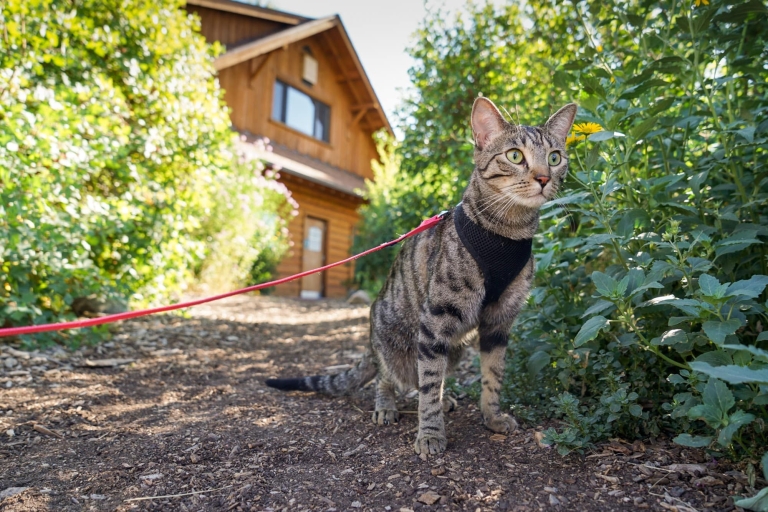
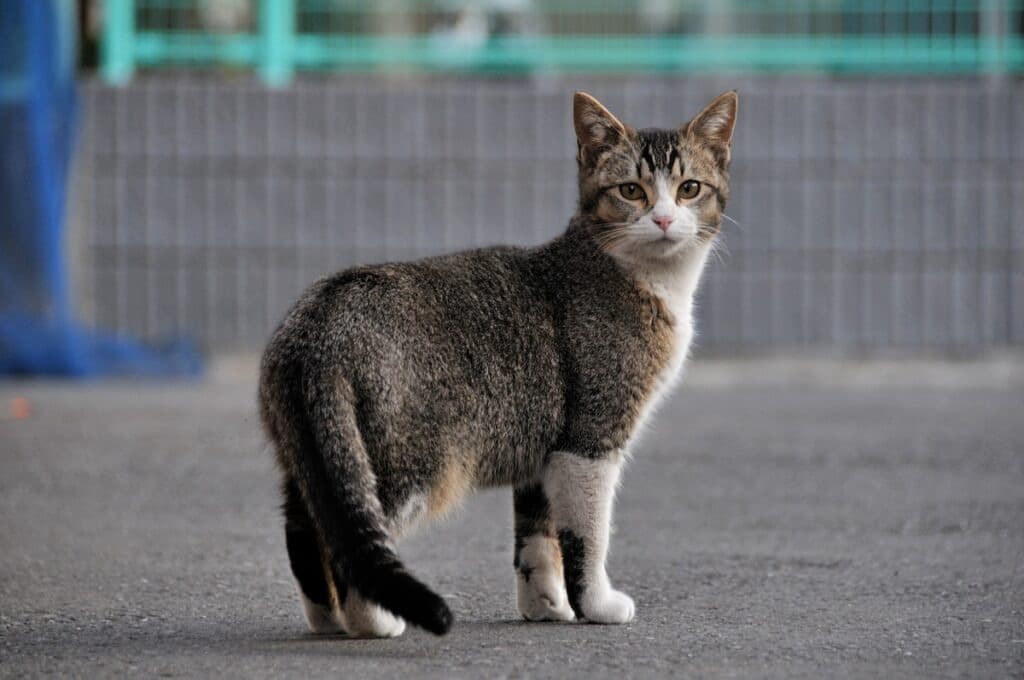
Ticking is a special type of coloring, in which each hair has several alternations of light and dark pigment. There are no stripes, spots or the classic tabby pattern. The coat looks uniformly grainy, lively, with a deep inner glow.
The most famous example is the Abyssinian type, where ticking is a key breed trait. But the tocking principle itself can also be found in other breeds in different color variations.
The tiking color is very sensitive to the condition of the coat. Overdrying, brittleness or improper combing immediately “break” the visual effect. That is why such cats need the most delicate, professional care without aggressive impact on the structure of the hair.
The colors described in the article are a complex work ofpigment in each hair. It is these types that most strongly depend on the quality of care and grooming, because the right work with the hair can either emphasize their beauty, or completely destroy it.