
From ancient times until today, humans and cats have been in close contact. These pets bring their owners much joy, but it is important to remember that cats can be a potential source of infections that are dangerous to humans. Diseases transmitted to humans from cats are carried by bacteria, viruses, fungi and parasites. In such a situation, a lot depends on the owner. If he is responsible for the care of the pet, conducts all the necessary vaccinations, examinations, then the percentage of infection will be minimal.

Trouble
This is probably the most dangerous disease of humans and warm-blooded animals, caused by the Rabies virus, which enters the body with the saliva of the carrier, for example, when bitten. If contracted and not vaccinated in time, death occurs in 100% of cases.
Rabies (also known as water sickness) is a severe infectious disease that causes damage to the nervous system. If you are attacked by an aggressive animal (especially if it happened on the street), go to a trauma center immediately! For prophylactic purposes, vaccinations are given to people whose profession involves working with animals: veterinarians, trainers. Ordinary people are vaccinated against rabies after being bitten by an animal. Before coming to the doctor, you should treat the wound with hydrogen peroxide or rinse with water. Remember that you have a maximum of 10 days to start treatment, because the disease will begin to progress intensively.
Felinosis
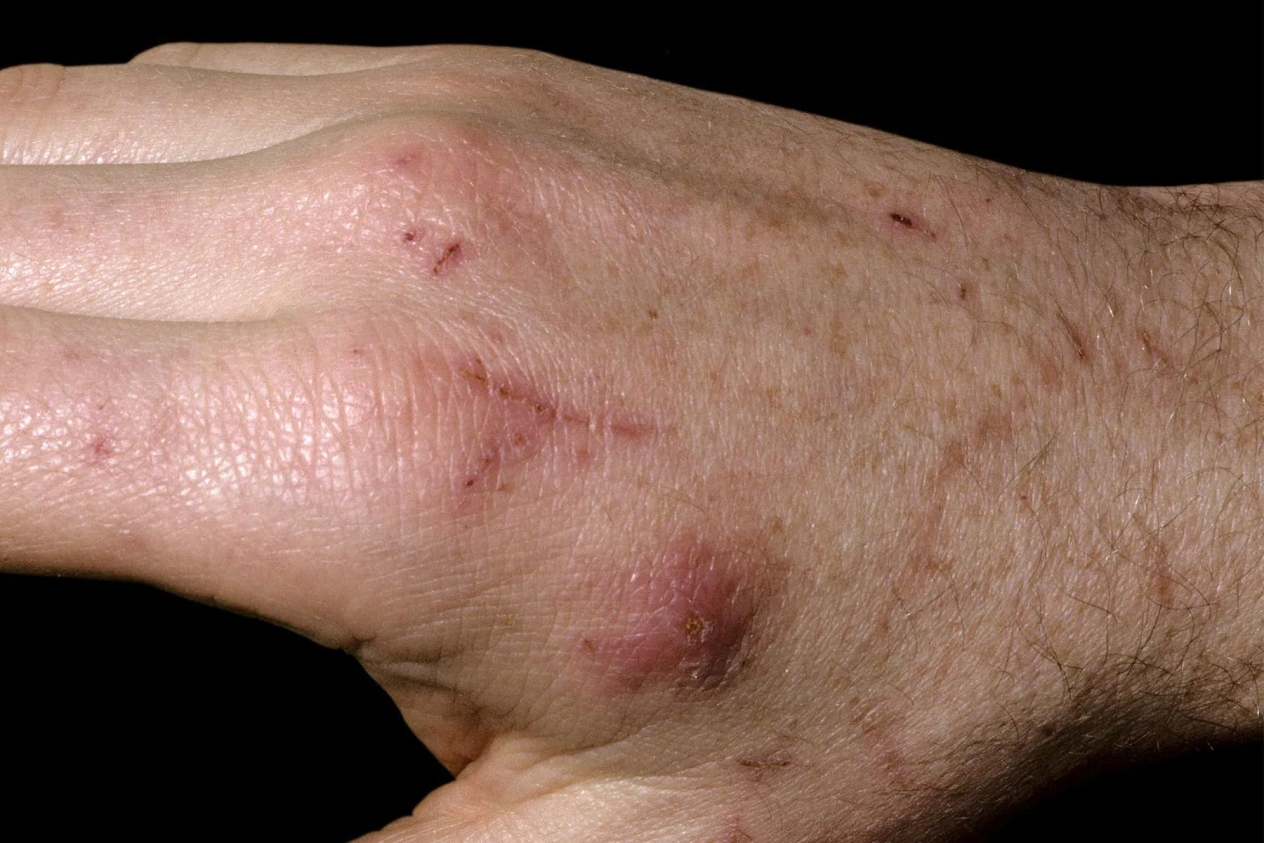
Cat scratch disease (lymphoreticulosis and felinosis) is a bacterial infection that is spread mainly through cats. But in some cases, dogs, monkeys, and some rodents are contagious. Cats become infected through flea bites and infected wounds on the skin.
Most often the disease is transmitted through scratching or biting a human cat, the most affected are small children, because they have weak immunity. Within two weeks, a red rash appears at the site of the scratch, this area swells, a bubble with pus may appear. The patient has a fever, headache and loss of appetite. The most vivid symptom of the disease appears after about a month. The person has an increase in lymph nodes, which are located closest to the place of the scratch. Around the inflamed lymph nodes, the skin turns red, swelling appears. Outwardly, it looks as if a large bump has appeared in place of the lymph node.
Fortunately, most often the disease of cat scratches is easily treated. It is enough to take antipyretics, remedies for itching, painkillers may be needed. However, in some cases, this disease can be dangerous, as it causes damage to the brain, heart and internal organs. To avoid this, you should seek medical attention immediately and have your pet seen by a veterinarian.
Toxoplasmosis
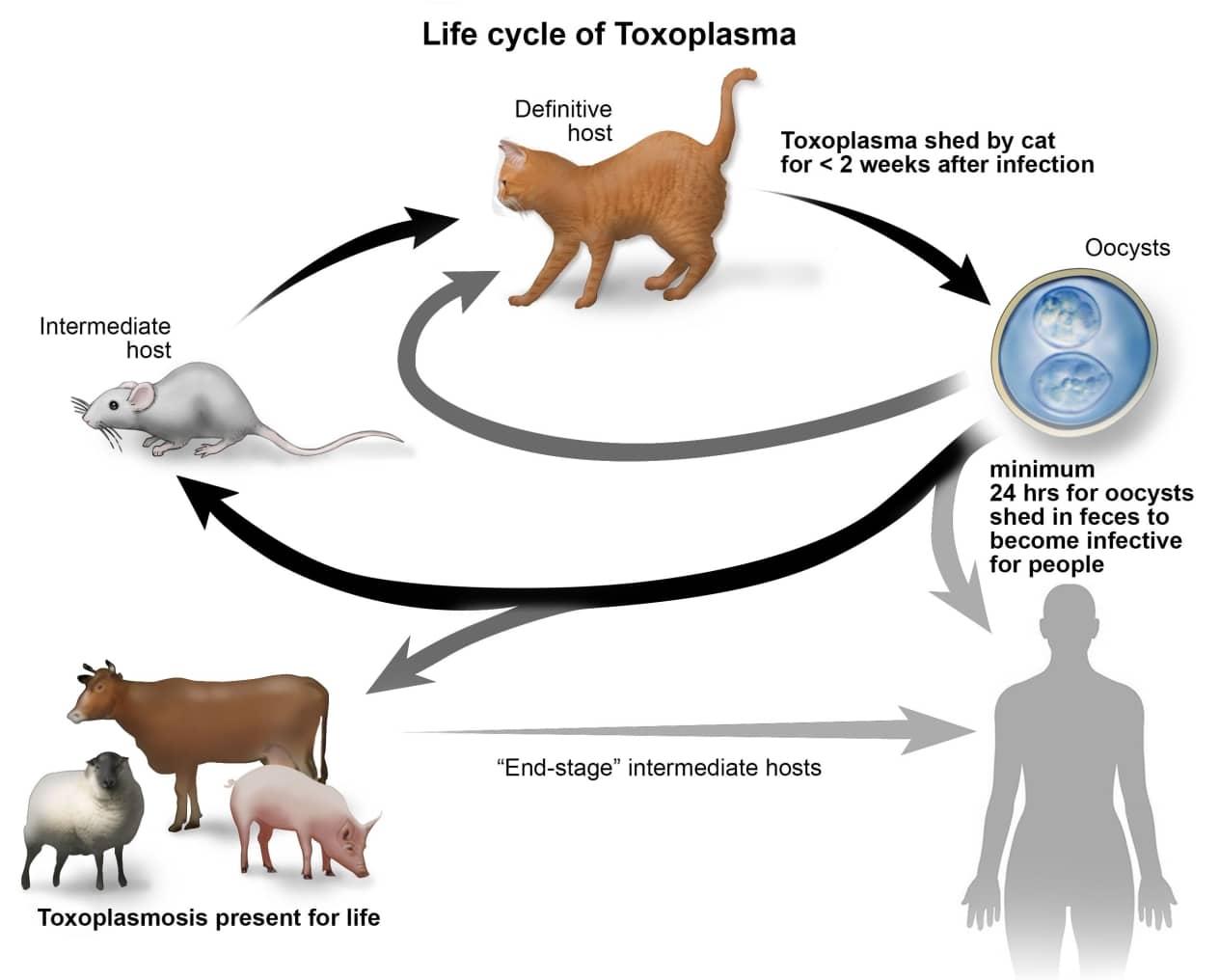
A very dangerous disease, especially for pregnant women and small children. It is caused by toxoplasmas (a special kind of parasite), and most often the disease is asymptomatic for a long time. But at the first manifestations of infection, the intervention of doctors is mandatory, as the disease can cause serious damage to the nervous system, heart, eyes and other organs.
The greatest danger of this disease is for pregnant women, as it leads to various fetal abnormalities, miscarriages and the birth of stillborn children. For the acute stage of infection is characterized by fever, nausea and headache, also an increase in lymph nodes, liver and spleen, violation of the blood supply to these organs. In general, toxoplasmosis is treatable, albeit long-term.
In any case, doctors advise pregnant women not to contact with cats, especially stray cats.
Helminthiasis
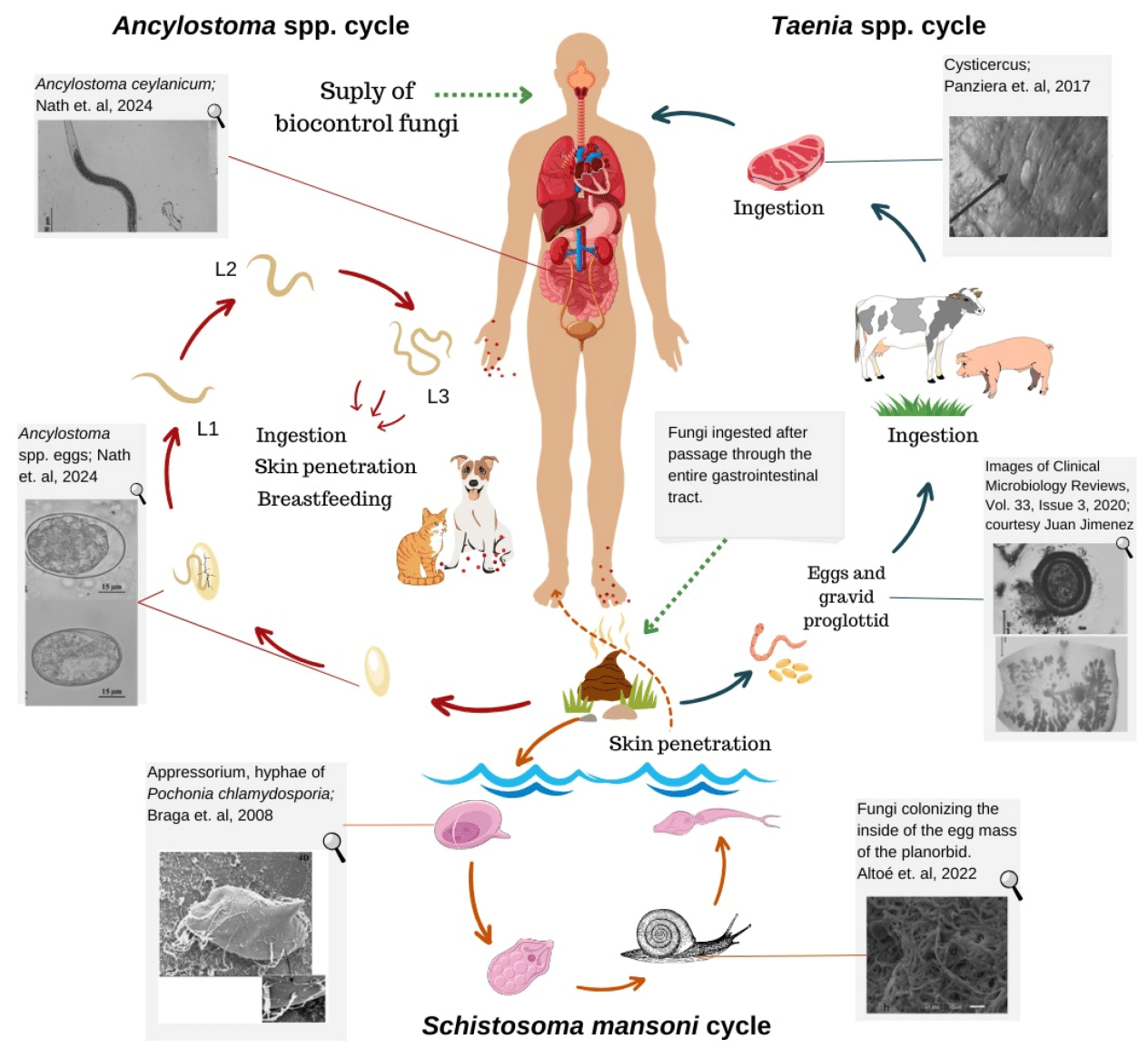
Helminths are worms that literally eat the body from the inside out. They can cause jaundice, sepsis (blood poisoning), joint and nervous system problems, as well as vomiting, diarrhea and other intestinal problems. Veterinarians recommend that at the first suspicion of helminthiasis in a cat, contact a veterinarian immediately. Do not fight with parasites on your own, especially with various folk remedies. The doctor will be able to find a quick and effective solution to the problem.
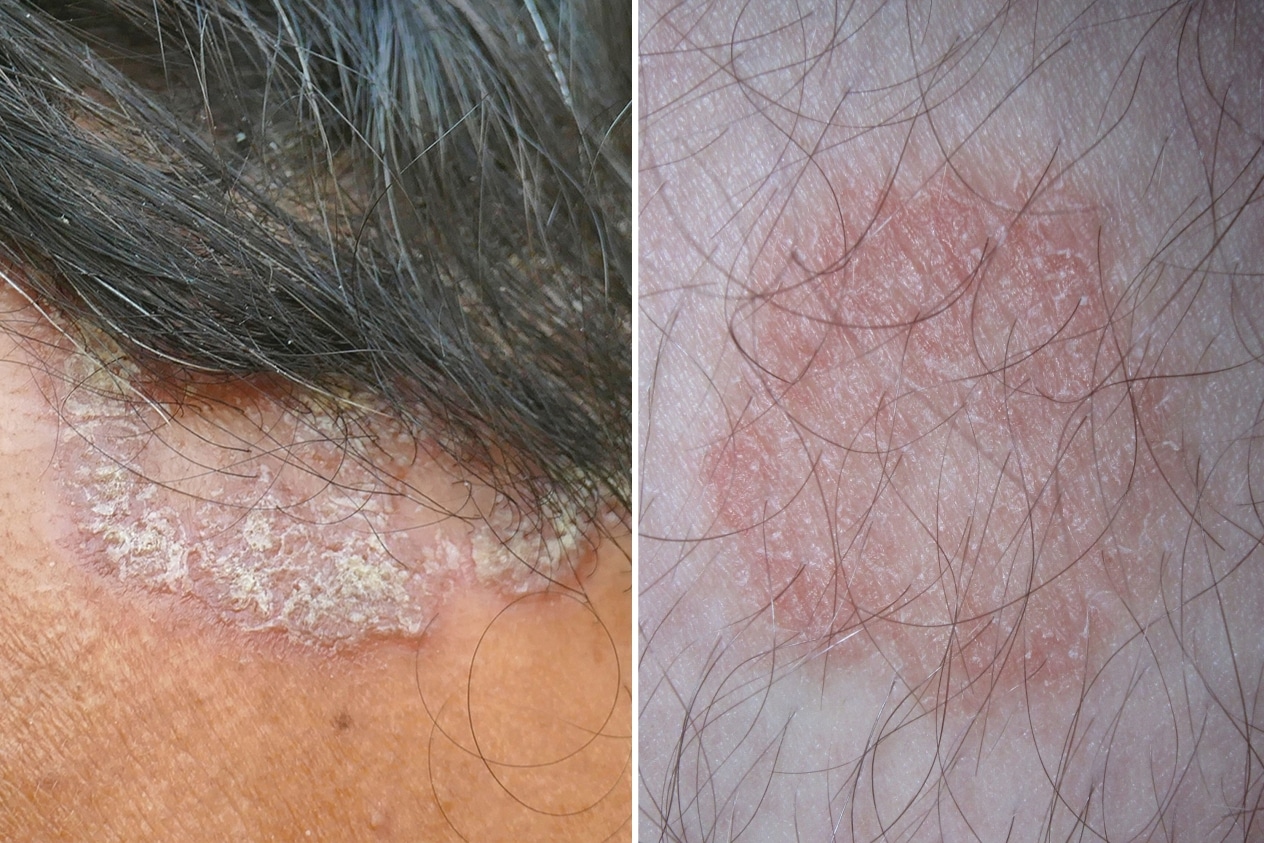

lichen
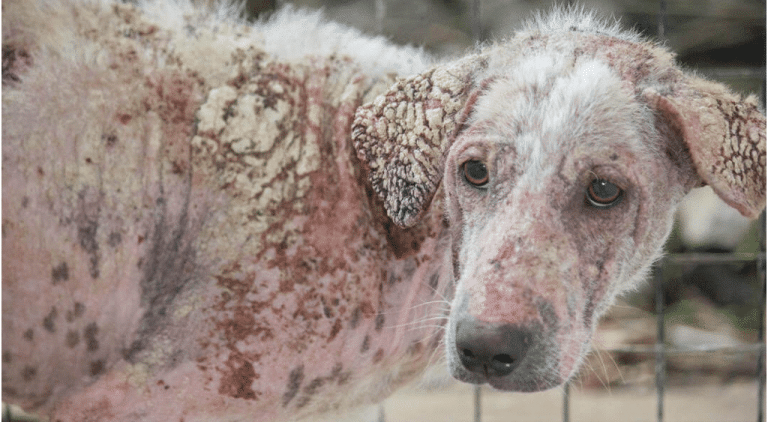
Shingles is a skin disease of fungal, viral or autoimmune origin that produces a rash of flaky patches and plaques on the skin of humans or animals, as well as alopecia (hair loss). If it is ringworm, caused by the fungi Microsporum canis and Trichophyton mentagrophytes, it can be contracted from a cat. The fungus causes rashes in humans in the form of target-shaped spots with framing in the form of flaky rings, and in cats – loss of hair and flaky spots of various shapes. Stroking an infected cat is enough to transfer the fungus from its skin or fur to you. After about a week of this, round red spots appear on the skin, which are flaky at the edges. The fungus can also infect the hair on the head and eyelashes.
Shingles in humans and cats is treated with antifungal medications – topical and oral. To prevent re-infection during the treatment period, thorough wet cleaning and washing of clothes should be done most often.
Salmonellosis
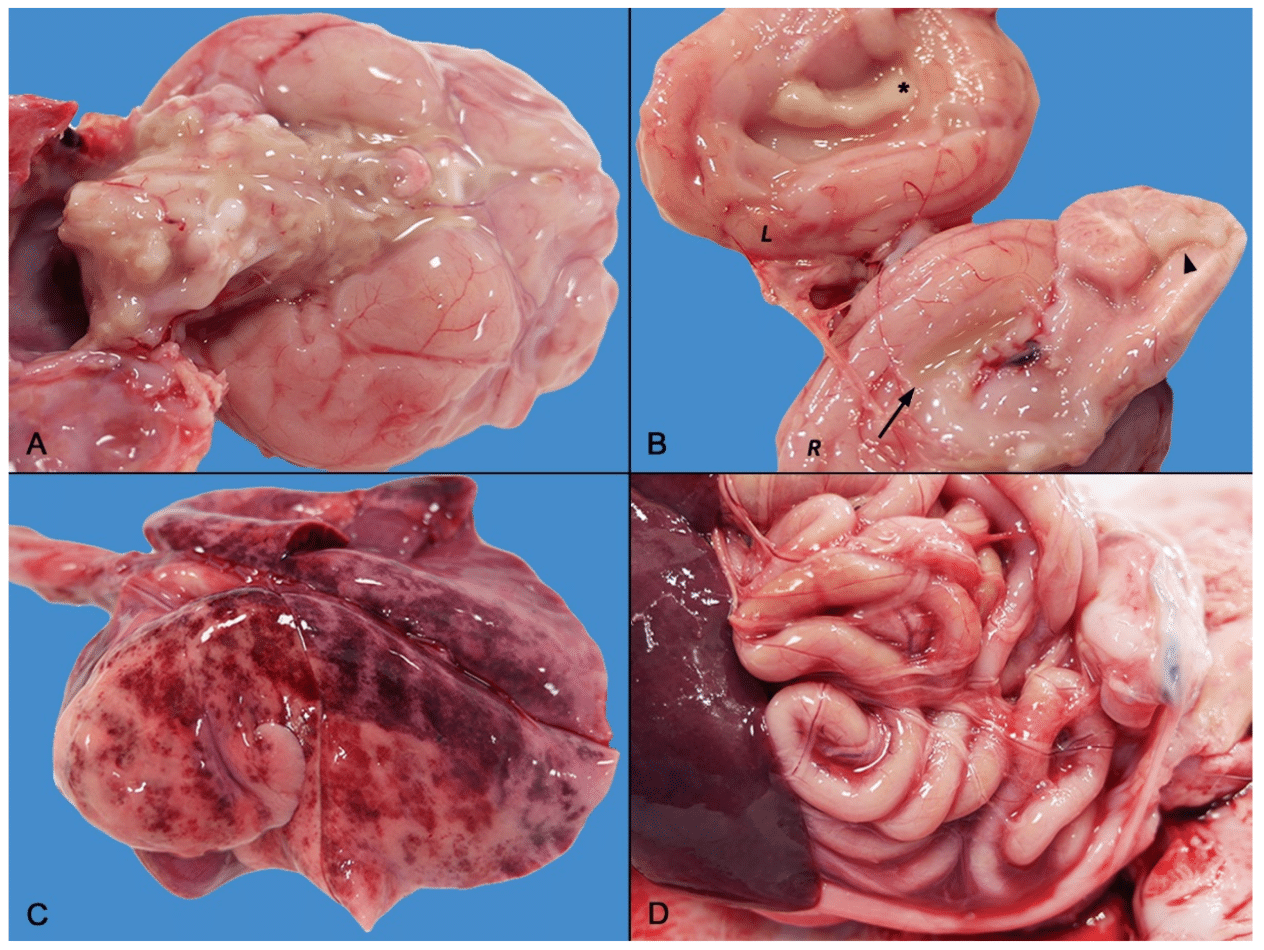
This is an infectious disease caused by bacteria of the Salmonella genus. The incubation period in humans is 6-48 hours, in cats – up to three days. In humans, the disease most often manifests as an intestinal infection, but asymptomatic course is possible. In adult cats, chronic salmonellosis is more common; in kittens, the infection more often takes a systemic form (potentially fatal) with a sharp rise in temperature to 41°C, vomiting, diarrhea, bronchopneumonia, purulent inflammation of the eyes and nose. A person is usually infected when cleaning the litter box or caring for a sick pet. During these procedures, it is necessary to observe the rules of personal hygiene, after them especially thoroughly wash your hands. It is also necessary to keep the house clean, especially in food preparation areas, sanitary areas and around cat litter boxes.

The main method of preventing infectious diseases in cats is to prevent their contact with wild and stray animals, with surfaces contaminated with their secretions. The easiest way to prevent contagious diseases is to keep a pet that lives in a clean room, eats industrial food or boiled food, does not go outdoors without a harness, is regularly given anti-parasitic treatments and vaccinations, as well as taken to the doctor. It is important to have the cat checked regularly for not only worms, but also fleas and ticks, especially if the cat goes outside periodically. As for stray cats, the preventive measures are obvious. Try not to contact them and do not provoke the animal. However, if a stray cat bites you or scratches you badly, immediately seek help at the hospital! Take care of yourself and your Pets!