
A walk for a dog is more than just “going to the bathroom”. During a walk, the dog unloads the nervous system, moves, trains muscles and joints, works his nose, and familiarizes himself with the world. If the walk is constantly reduced to 5-10 minutes, the body does not have time to “blow off steam” physically or emotionally. Then “behavioral problems” appear: barking without reason, destruction of things, hyperactivity at home, whining, poor sleep. The right length of walk is a way to make your dog calmer, healthier and more predictable.
General guidelines: what to start with
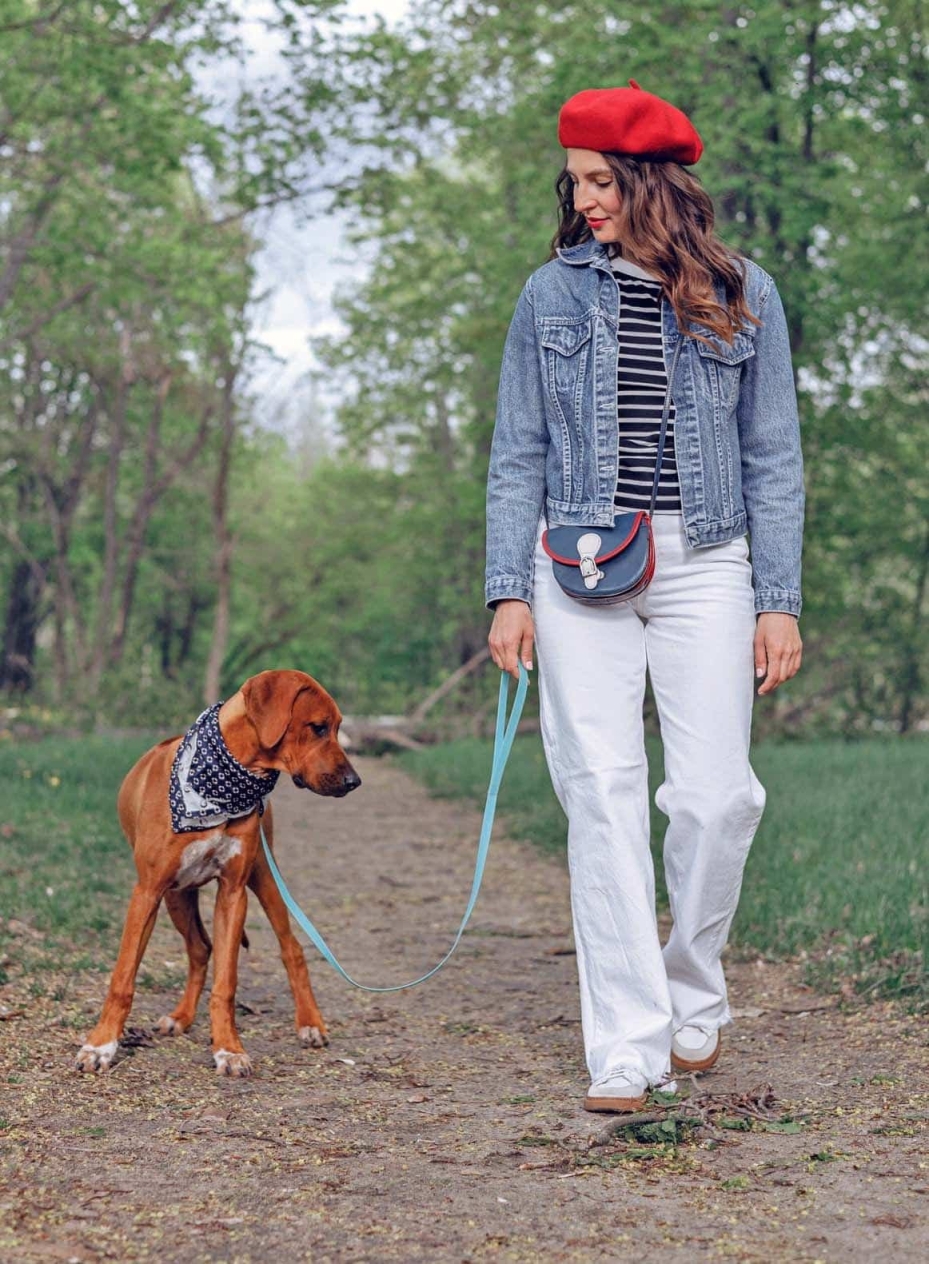
For most healthy adult dogs, the benchmark is simple: about 1-2 hours total per day, divided into 2-3 walks. Some of this time is calm walking on a leash, some is more active: playing, running, practicing commands, sniffing stops. Smaller dogs usually get enough time due to their fast pace, but don’t cut it down to “5 minutes around the house” just because the dog is small. Active breeds (huskies, border collies, sheepdogs, most terriers) often need closer to the upper limit of 1.5-2 hours, but in the format of several normal outings rather than one grueling run. Calm companions may be happy with shorter walks, but they too need to have the opportunity to sniff, explore and socialize, not just “out – done business – home”.
Age, health and season: why the same dog needs different times of day
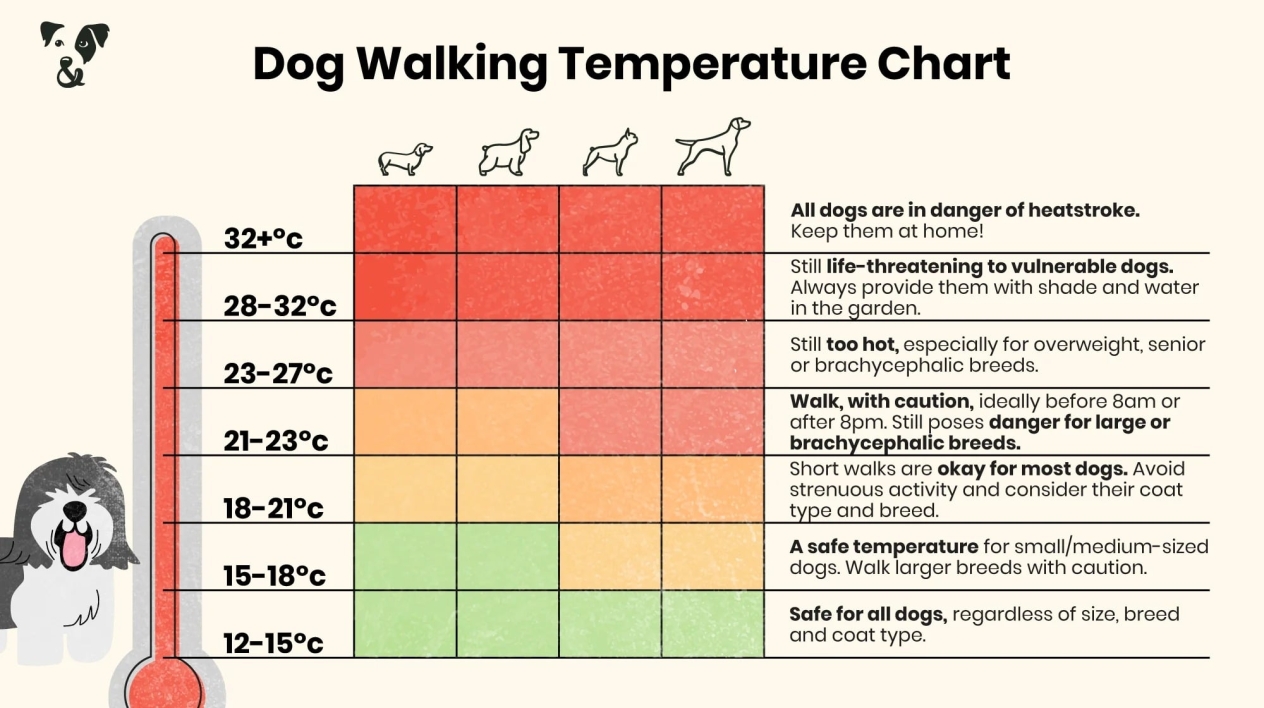
For puppies, the principle of “often and short” applies: several short walks are better than one long walk. The active part of the walk should be limited so as not to overload immature joints, and the rest of the time you can just quietly familiarize yourself with the world. Adult dogs can usually tolerate longer lengths, but health is a factor here: if they are overweight or have heart or joint problems, walks should be gentler and shorter, even if the dog is “asking for more”. Older dogs feel better with 3-4 outings of 15-20 minutes than with one long walk, after which they have a hard time getting up. The season is also important: in hot weather you should move the main walking time to the morning and evening, in cold weather you should make sure your dog stays warm, especially if he is small or short-haired. In rain and mud it is important not so much to reduce the walk to a minimum, but to think over the washing of paws and coat care, so that the owner is not afraid to “dirty” the dog and not cut back on walks because of laziness to wash afterwards.
Not just “how many minutes” but also “what you do on the walk”
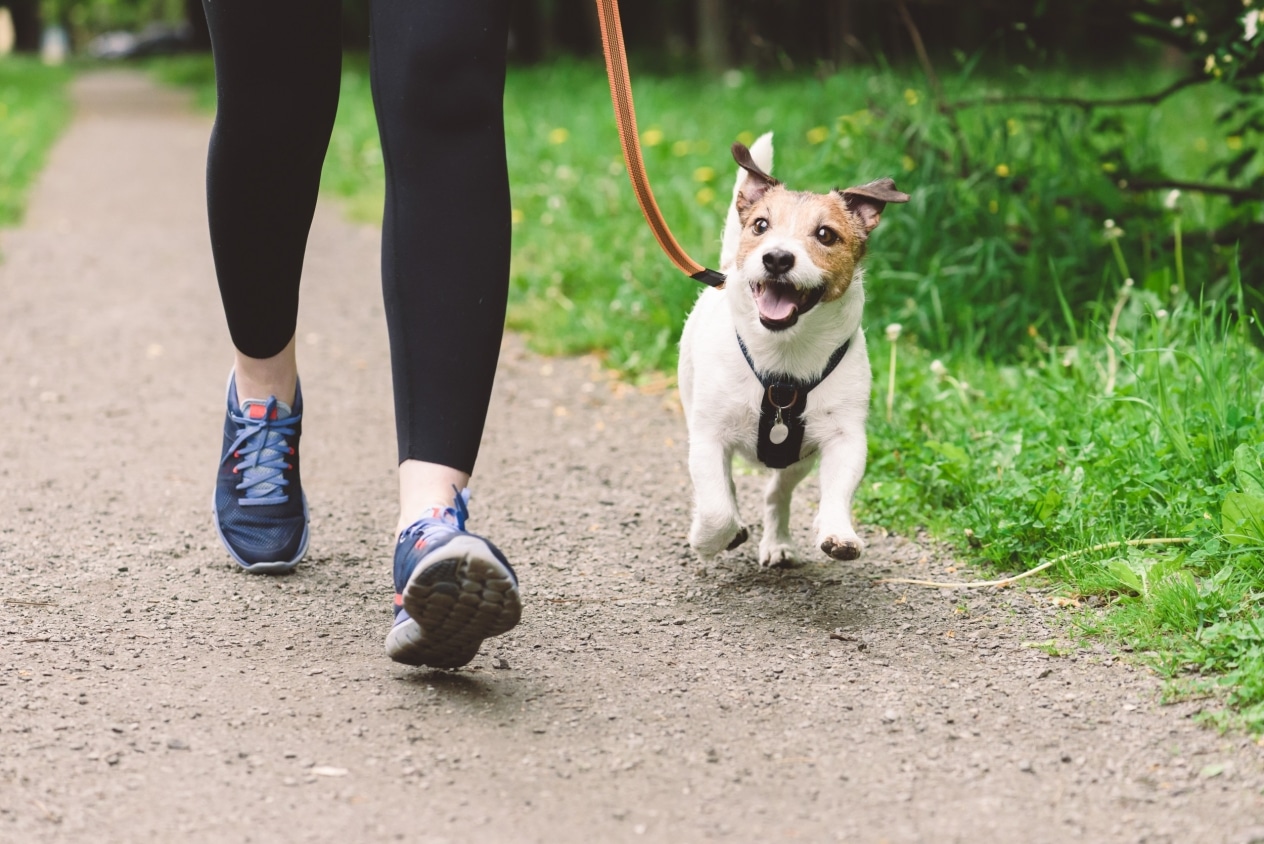
Two 30 minute walks can be completely different in value. One is when the dog is being dragged at a fast pace, not allowed to sniff, not playing, not socializing, and the owner looking at his phone. The other is when the animal is allowed to stop, sniff the bushes, you sometimes give simple tasks, play, allow quietly observe other dogs and people. In the second case, the dog gets tired both body and brain, comes home relaxed and satisfied, even if the duration of the walk itself is not very long. Therefore, if it is not possible to walk for two hours, you can make the shorter time more meaningful – add olfactory games, short training sessions, new routes.
How to understand that your dog is getting enough walks
The main indicator is behavior at home and overall condition. A dog that gets enough exercise rests calmly, can lie down by himself, does not “eat his brain” every minute, destroys things less often and does not seek dubious entertainment. If the walk is not enough, you almost always see the opposite: excessive excitement, unreasonable barking, constant demands for attention, hyperactivity in the evening. If the walk is too intense, the dog quickly “deflates” on the street, refuses to go further, panting heavily, then takes a long time to “come off”, may limp or avoid going out. In these two extremes, the answer is the same: adjust the duration and pace, adjust to the specific animal and not to be equal to someone else’s “standards”.
Conclusion
There is no universal figure for “how many minutes to walk the dog” and there will not be. The duration of the walk depends on age, breed, health, season, living conditions and what you do outside. But there is a simple rule: your dog should come home pleasantly tired, satisfied and calm, not exhausted or, on the contrary, even more excited. If you pay attention to his signals and honestly assess your own capabilities, you can find a walking routine that makes you feel comfortable and your dog feel really good.