
Dogs sleep a lot – on average 12 to 14 hours a day, and some breeds or puppies can sleep even more. But it’s not just how much your dog sleeps that matters, it’ s how he sleeps. Sleeping postures can tell you about your dog’s emotional state, anxiety level, trust in the environment, childhood habits, and even possible health problems.
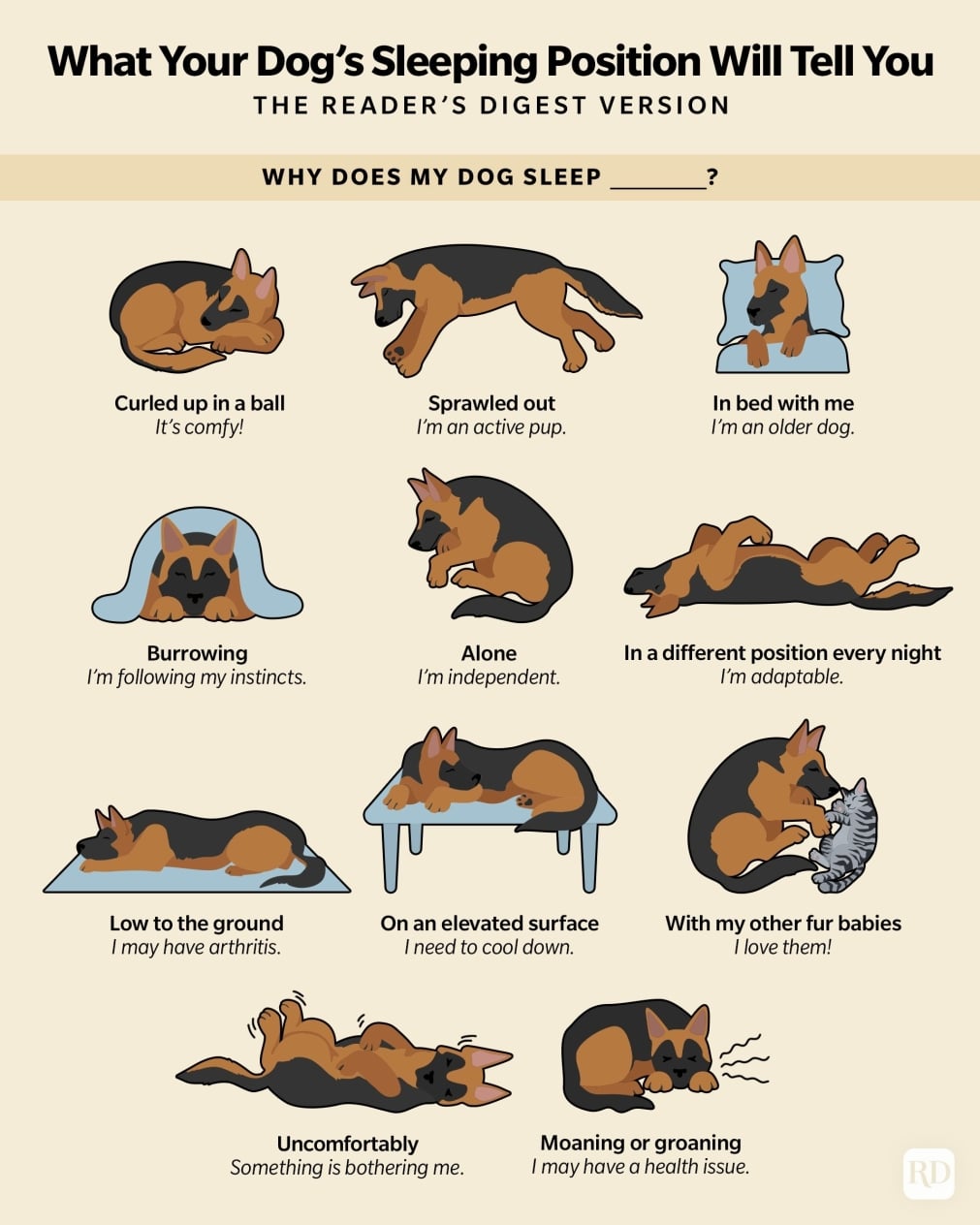
Dog sleeping positions and what they mean
Below, we’ll take a look at the most common sleeping postures and what they might mean.
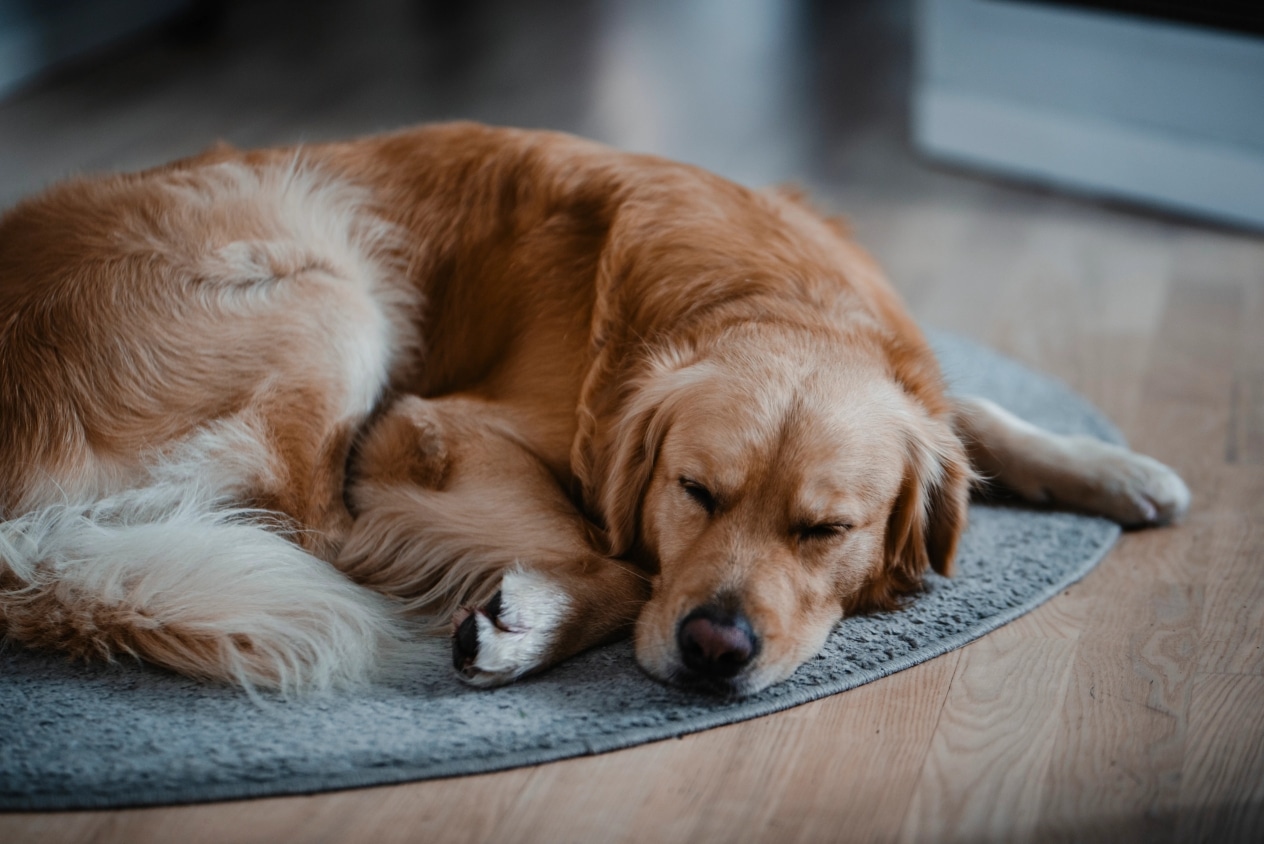
1. In a ball
This is one of the most natural positions often chosen by street or wild dogs. It helps to keep warm and protect vulnerable parts of the body. If your dog sleeps in a ball in a warm house, it may indicate increased anxiety or an instinctive need for security. It is also common for dogs that are not yet fully accustomed to their new home or have experienced stress.
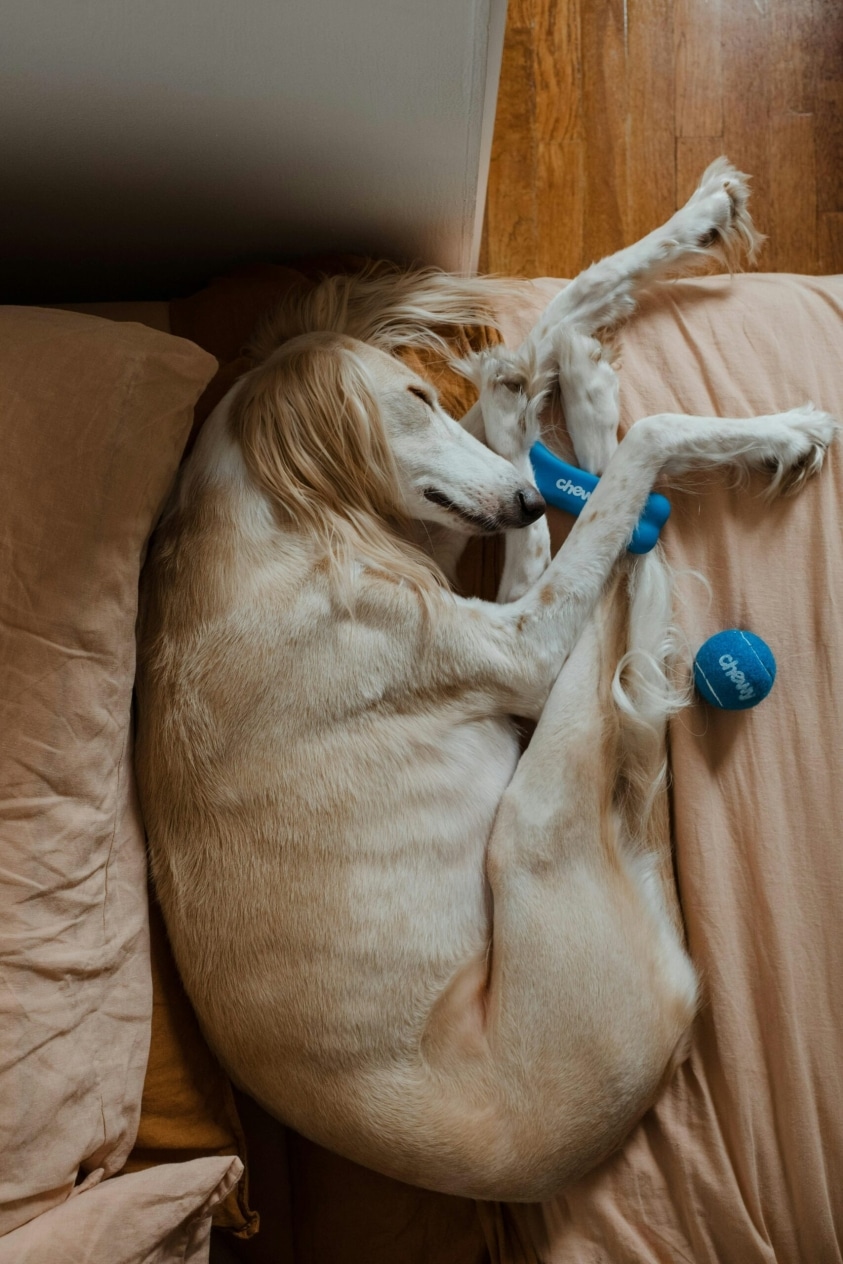
2. On his side
This is a sign of complete trust in the environment. The dog does not protect its stomach, does not hide its paws, which means that it is calm. This is the most relaxed posture, characteristic of self-confident dogs who feel good in your home. If your dog twitches his paws or murmurs quietly while sleeping, this is REM sleep, and he is most likely dreaming.
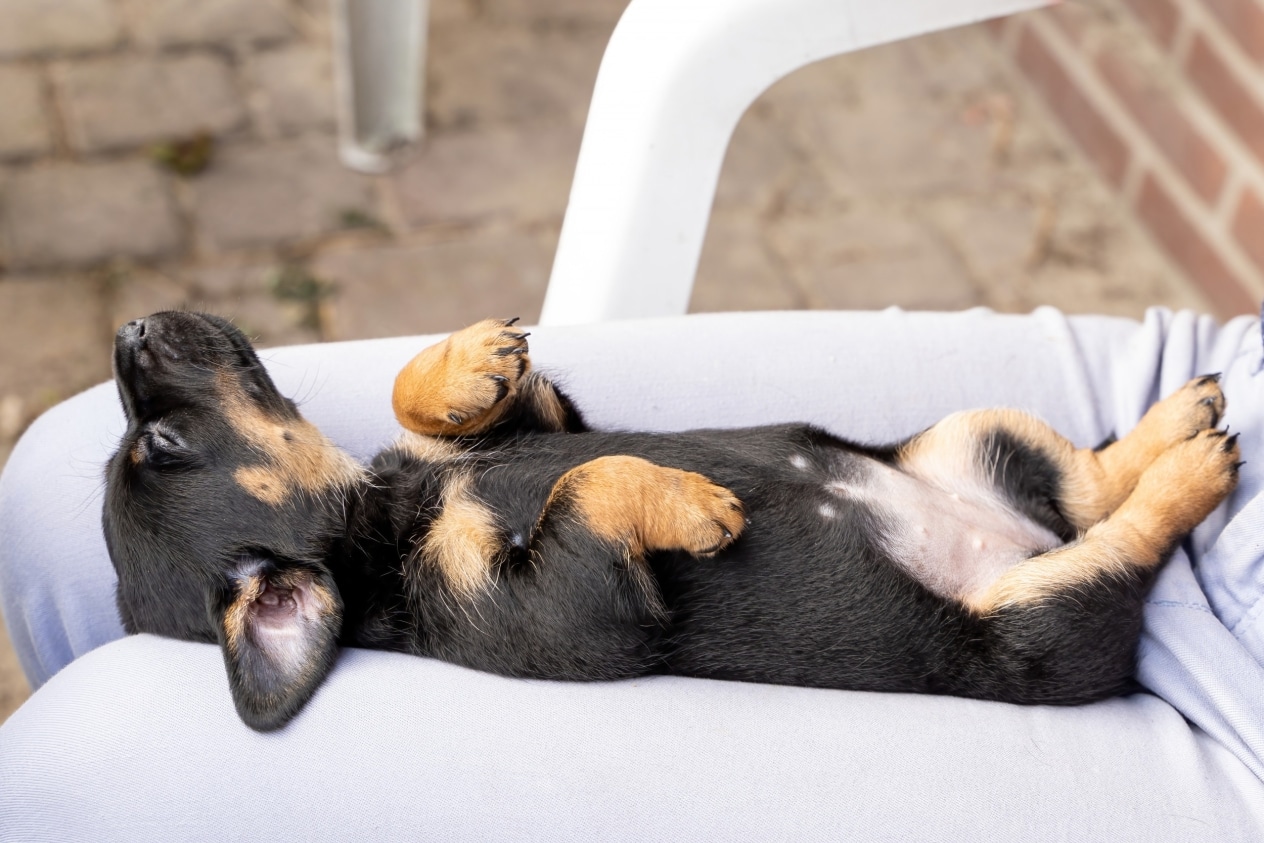
3. On the back, paws up
One of the funniest and most informative poses at the same time. This posture is the most vulnerable because the dog completely exposes his stomach and throat. If your dog chooses this position, he not only completely trusts his surroundings, but also feels happy and free. Dogs that have a deep emotional connection with their owners often sleep this way.
4. On the stomach with outstretched paws
This is a typical “working” position – the dog can get up from it instantly. If the dog sleeps like this regularly, it may indicate constant tension or the need to be “on the alert”. Sometimes overly active dogs or those who don’t get enough rest due to anxiety sleep this way.
5. In the “frog” position (belly down, hind legs stretched back)
More common in puppies and small breeds. This is a position of cooling down, not a good sleep. It indicates the dog’s temperament – playfulness, energy, and readiness to move. If an adult dog sleeps like this all the time, you should pay attention to the condition of the joints and muscles – it may be uncomfortable in classic positions.
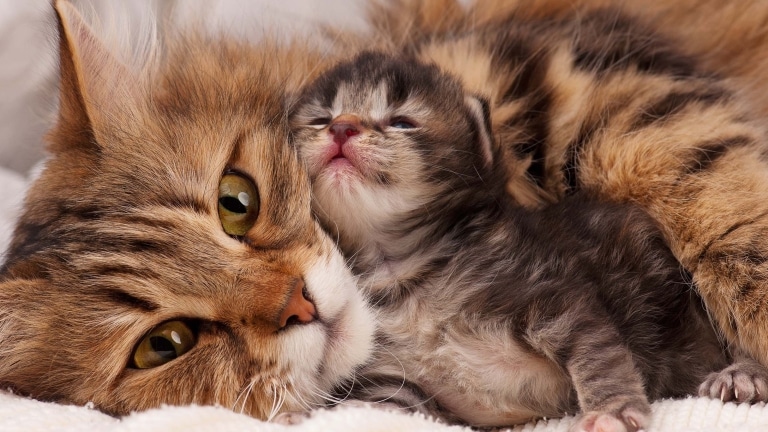
6. Leaning against the wall, you, or other animals
Physical contact during sleep is a demonstration of affection and trust. This is the way dogs sleep, which is important for them to feel a sense of unity, of “pack”. It may also be a habit from early childhood, when they slept next to their mother and siblings.
What to look for
Sleeping posture is the first, but not the only thing that can indicate the health of your pet. If you notice any of the following along with an unusual posture, you should visit your veterinarian:
– The dog snores or breathes heavily during sleep
– He wakes up frequently, can’t find his place
– Sleeps only in “protective” positions, even at home
– Whines, twitches, growls too much during sleep
– Avoids sleeping or = looks for new places to sleep, although he used to have a favorite one
A change in the usual sleeping position may also indicate pain in the back, abdomen, or joints. If the dog is constantly trying to sleep in a non-standard position, pay attention to other symptoms: loss of appetite, lethargy, reluctance to walk, aggressiveness.
Bottom line.
Watch your dog sleep – it makes more sense than it may seem. His sleeping position is a wordless confession of how he feels. It reveals his deep emotions, reflects his level of trust in you, and can warn of health problems. A loving owner will always notice changes in their Tails’ behavior – even when he is just sleeping.