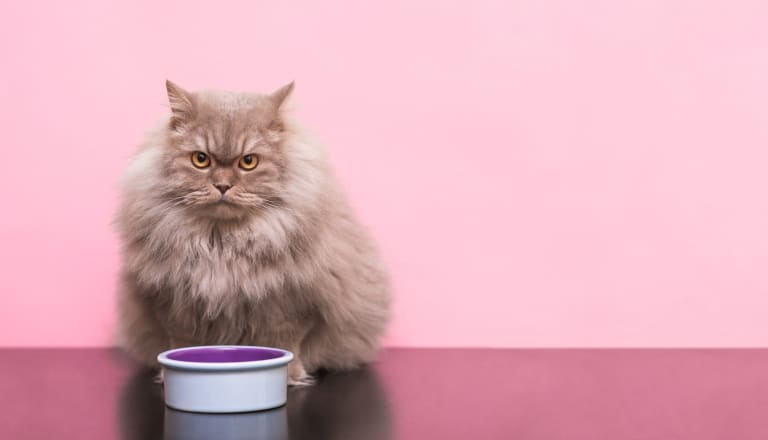
Do you know the situation when your cat asks for food, twists around your legs, meows and looks at you with unhappy eyes until you fill its bowl with something very tasty? Then the cat thoroughly sniffs the offered food, turns away and walks away from the bowl offended. If this is familiar to you, then there is a little fluffy Caprisulele living nearby. And the most interesting thing is that you took an active part in its upbringing! How should you bring up a cat so that it eats everything that the owner offers? How to prevent capriciousness and, most importantly, how to reeducate an adult cat accustomed to such behavior? You will learn about it from this article.
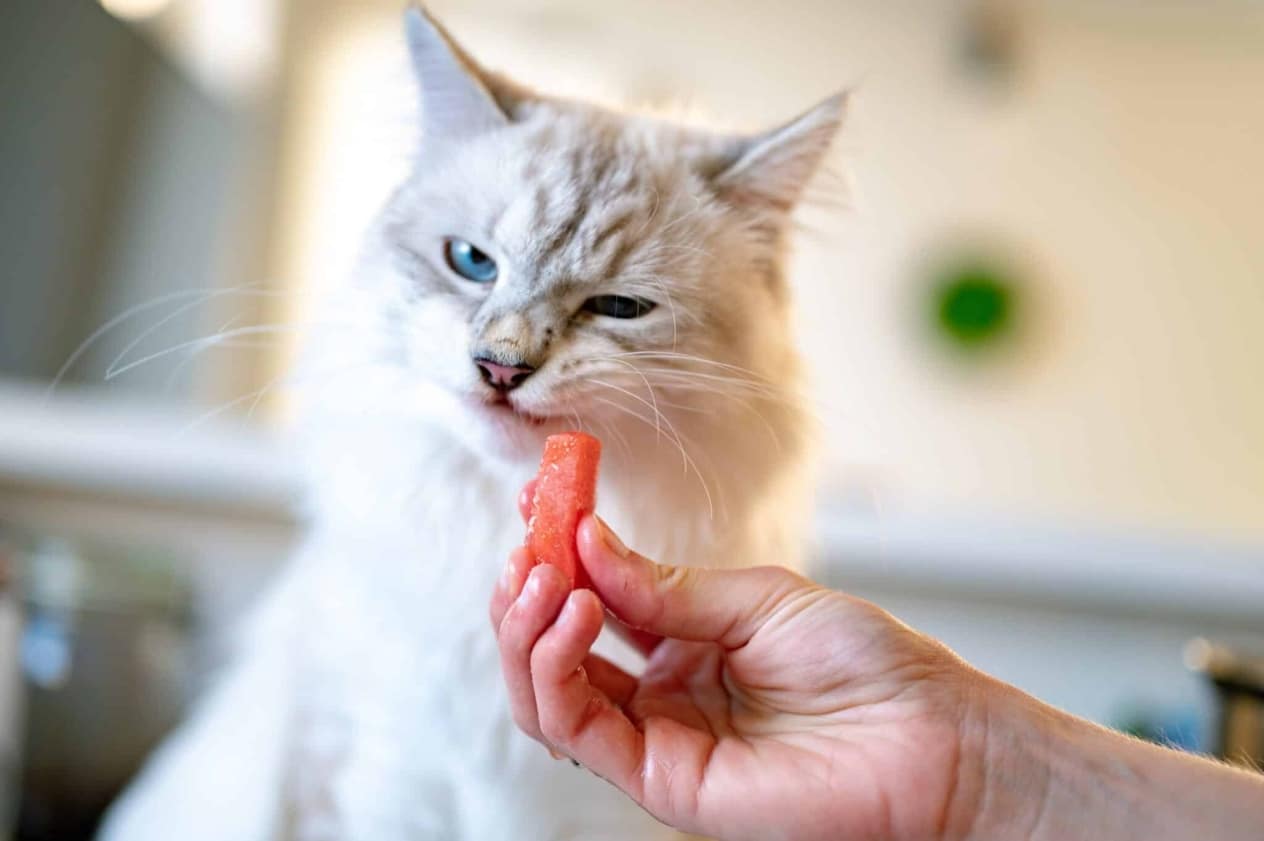
Rules of feeding a cat
If you notice that the cat has become capricious, and the food from the bowl more and more often thrown in the trash, tried all brands of food to please your Favorite – then you should start to solve this problem. But solving it will take a lot of patience and effort. First of all, you need to establish the reason why the cat started rejecting the usual food. Very often owners perceive partial refusal of food for caprices, but this can be an alarming symptom and mean that the animal is sick. Before you start behavior correction, be sure to consult your veterinarian about your Pet’s health! There are many diseases that cause a decrease in appetite, such as oral and gastrointestinal diseases like: gastritis, pancreatitis, cholecystitis. For this, the Pet needs to have blood tests to determine if there are abnormalities in the body.
Cats are very clean animals, so the cleanliness of the place to eat, as well as the quality of food is important for them. You should follow some simple feeding rules:
- Use a special cat bowl made of glass or porcelain for feeding. Such bowls are easy to clean and do not collect bacteria in their pores like plastic bowls.
- Feed your cat quality food that is premium or higher, and if you feed natural food, try to use fresh and good quality food.
- Do not leave perishable food at room temperature for long periods of time. A cat is sensitive to odors and will not eat spoiled food.
- Do not place cat bowls close to the litter box, cats do not eat where they urinate.
- Wash the cat bowl with dishwashing detergent after each feeding.
Now let’s move on to what exactly causes the phenomenon of the “finicky, cranky cat”. Unfortunately, it is mainly provoked by the owners with their attitude to the nutrition of the animal. Cats are known to be very good at manipulation. If you let her do it her way once, she will definitely use it again! To prevent a capricious cat in your home, you should follow certain rules of feeding, which should be adhered to by all members of the family.
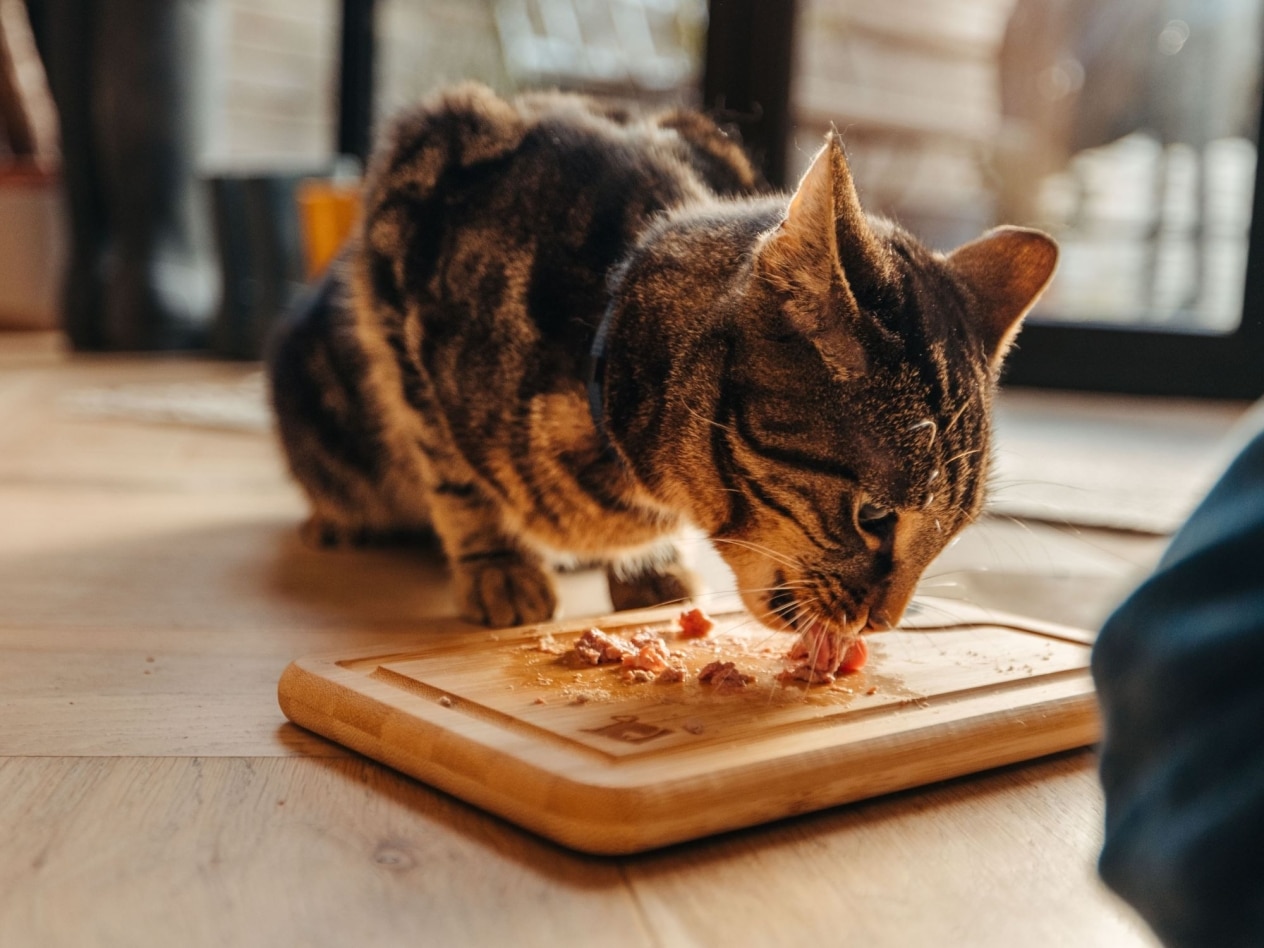
Feeding a cranky cat:
– It is necessary to observe the feeding schedule. The food should be given strictly by the hour (shifts of plus or minus an hour do not play a role), it is also necessary to observe the dosage of food.
– The cat should have a separate bowl for water and a separate bowl for food. It is better not to leave dry food in free access, so that they do not interrupt their appetite. The bowl should be filled with exactly as much food as the cat can eat at one time.
– If the cat does not want to eat the food, or has eaten a little and left the rest, the bowl should be placed in the refrigerator until the next feeding time.
– Do not allow snacks! The cat should not get any goodies, spoonfuls of sour cream, pieces of sausage. She should only get food from her bowl and only at certain times.
– Make sure that no one in the family feeds the cat secretly. Put away all easily accessible food so that the cat cannot steal something edible.
– Do not allow the cat to be fed foods containing salt, spices, seasonings, it is also necessary to exclude from the cat’s diet economy class food and food with tuna.
– Half an hour before feeding it is useful to play active games with a fishing rod toy with the cat.
In about a month, if you follow these rules, you will get a good appetite in your cat. Now she will know that no matter how she tries to manipulate, she will not get what she wants. But it will know that exactly at eight o’clock in the morning there will be its bowl with fresh and healthy food. And if he didn’t hurry to eat it all right now, the bowl would be gone and wouldn’t reappear for a while.
Causes of dietary refusal in a cat
But it can also happen that a cat starts refusing food after a change in diet. For example, if you have changed the brand of food or switched from feed to natural food. Therefore, switching to a different food should be done gradually. You should not give your cat one food at one meal and then another at the next. This is especially true if the cat is switched from economy to premium cat food.
Another factor that can provoke food refusal is stress. Stress in a cat can be caused by moving, furniture rearrangement, a new pet in the house, a new family member, guests, incorrect installation of bowls not in their usual place, a tense emotional situation in the family. If the cat is stressed, first of all, provide it with a calm environment, then the appetite will improve by itself.
Adhering to these simple rules in feeding a cat, you will be able to reeducate the animal, which is used to manipulate to get its goodies. You will be able to prevent the cat from becoming capricious, teach it to discipline and restore the wonderful appetite of your Pet! Showing patience, love and firmness in your actions you will definitely achieve the right result!