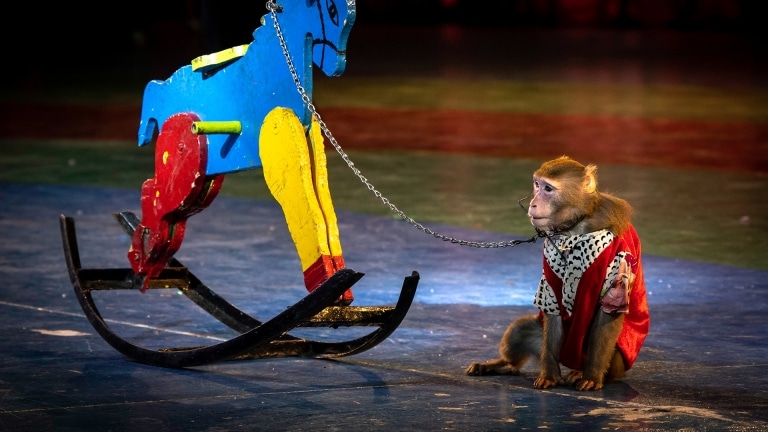
The world is not the same for everyone. What a person perceives as normal – colors, clarity, depth – may look completely different to other creatures. For some, light plays a major role, for others movement, for others heat, and for others even spectra invisible to us. That is why to understand the behavior of animals, we need to understand how they see.
How a person sees the world – a point of reference
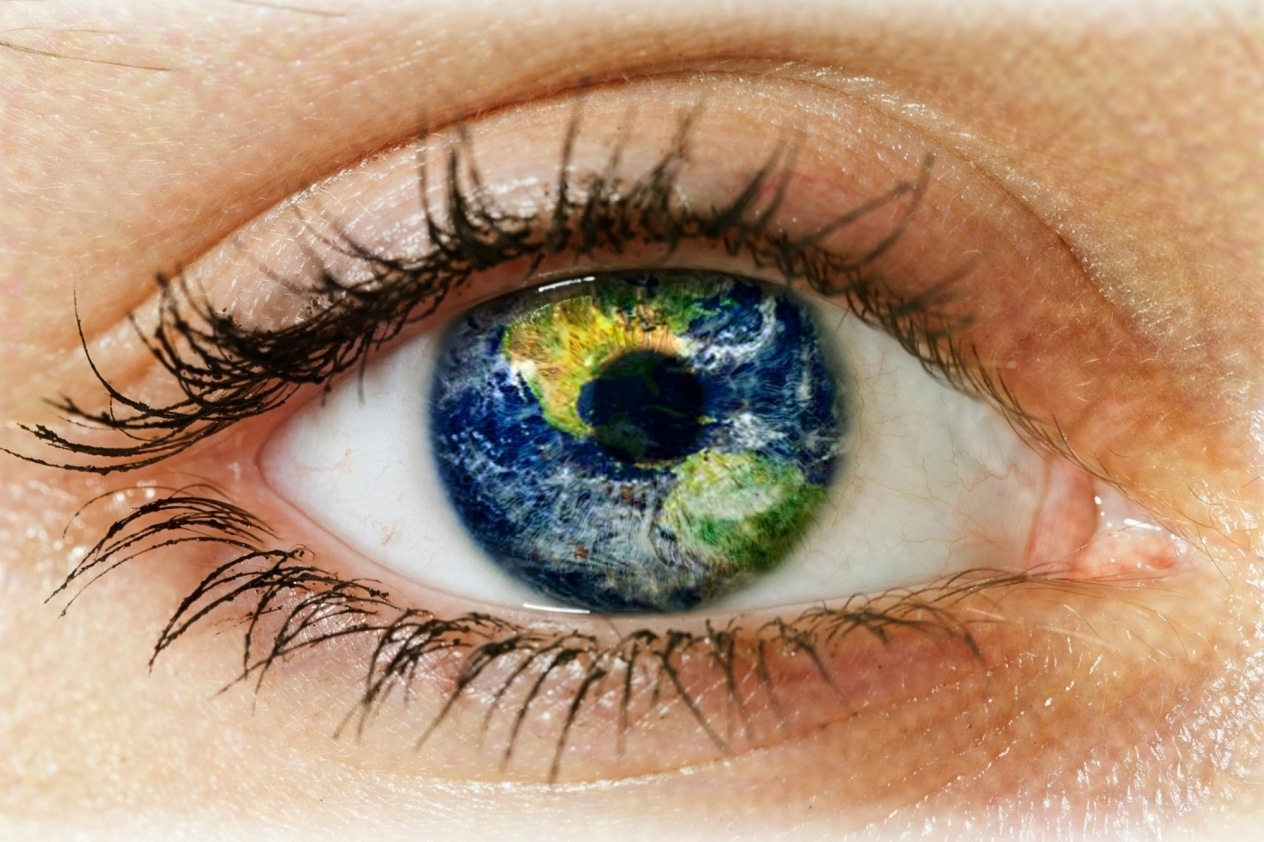
Human vision is considered to be quite accurate and detailed, but it is not perfect. We have three types of cones in the retina that allow us to see the red, green, and blue spectrums, and this is what the entire color palette is formed from. Thanks to this, we can distinguish shades well, see smooth color transitions, and evaluate the depth of space and small details.
But at the same time, our vision is limited to a narrow range of light. We can’t see ultraviolet light, which is widely used in nature, and we can’t perceive infrared radiation, which is a key survival tool for some animals. Also, in the dark, our vision quickly loses its effectiveness – we are poorly oriented without light and react much slower to movement than most predators.
How dogs see
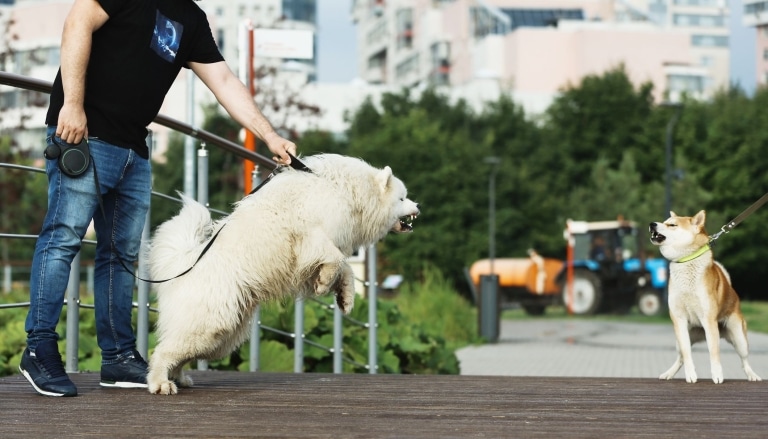
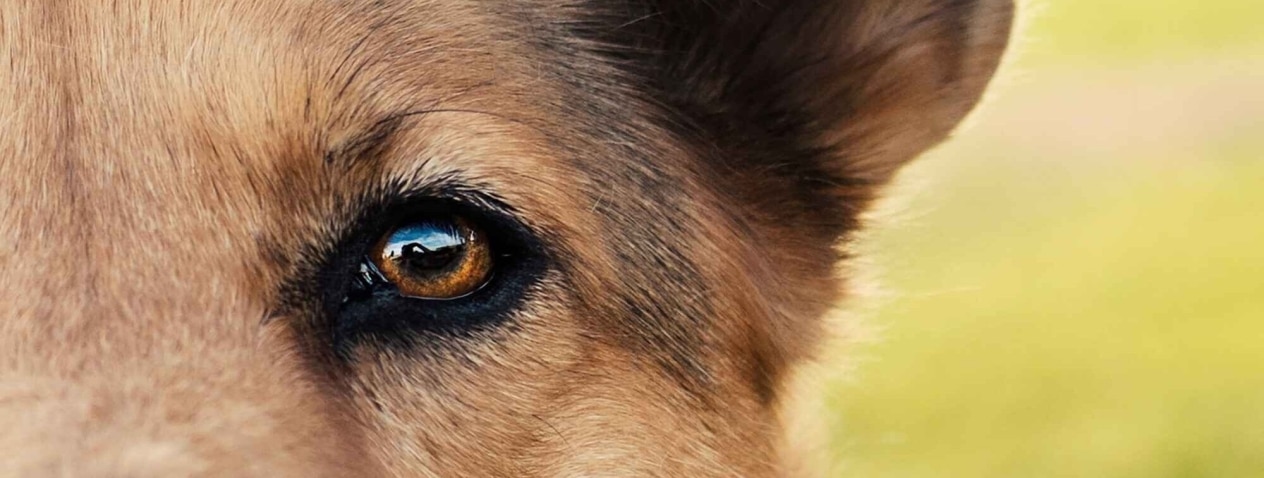
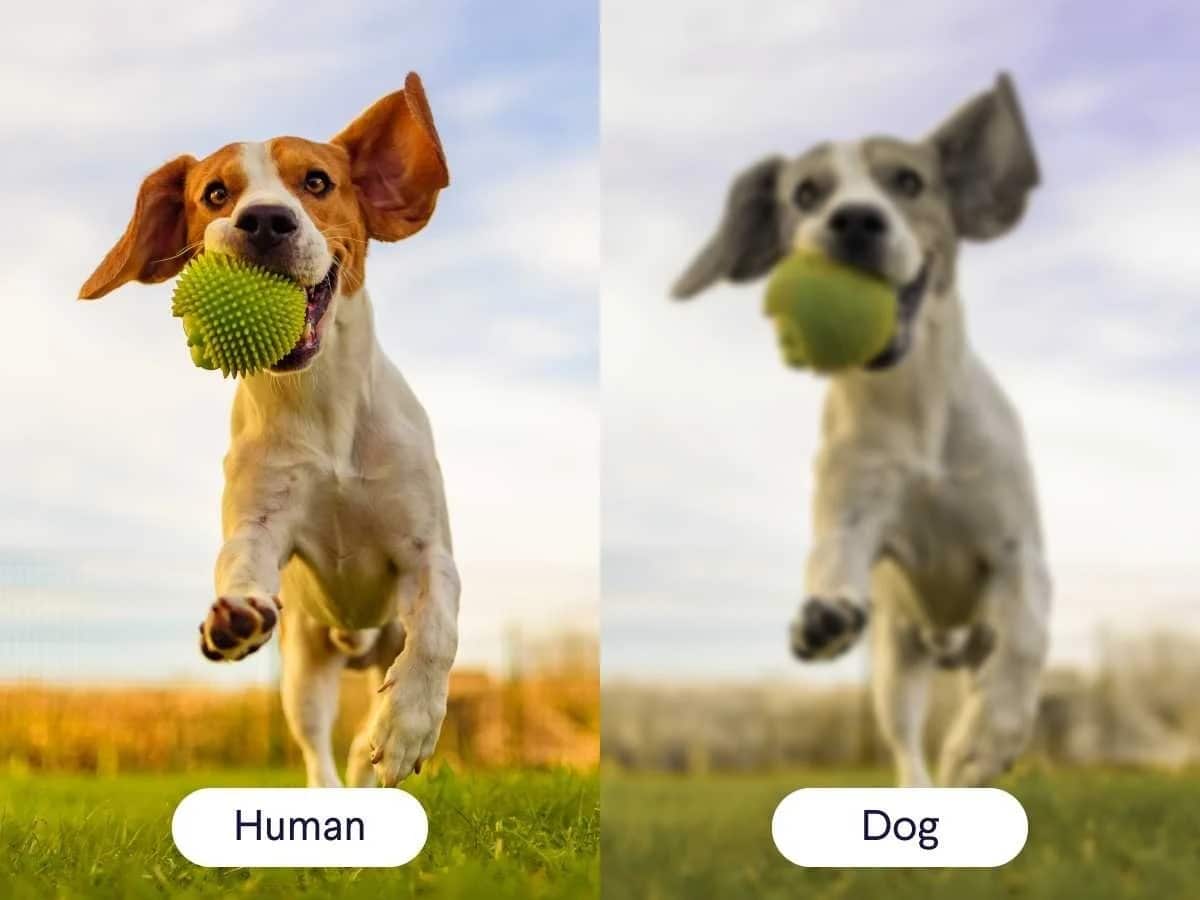
Dogs do not see the world as brightly as humans. They have only two types of cones, so their color range is limited. They can distinguish between blue and yellow, but red and green are almost indistinguishable to them. For example, a red toy on green grass can look almost like the same color to a dog, so it finds it not by color, but by shape or movement.
But dogs have much better night vision. They have a special layer in their eyes that reflects light and amplifies it, so they can see at dusk much better than humans. In addition, their vision responds better to movement. They notice even a slight wobble or slight movement of an object faster and more accurately.
This explains their behavior: a dog may not notice a static object, but instantly reacts to movement. It is not “what color” but “whether it is moving” that is more important to it.
How cats see
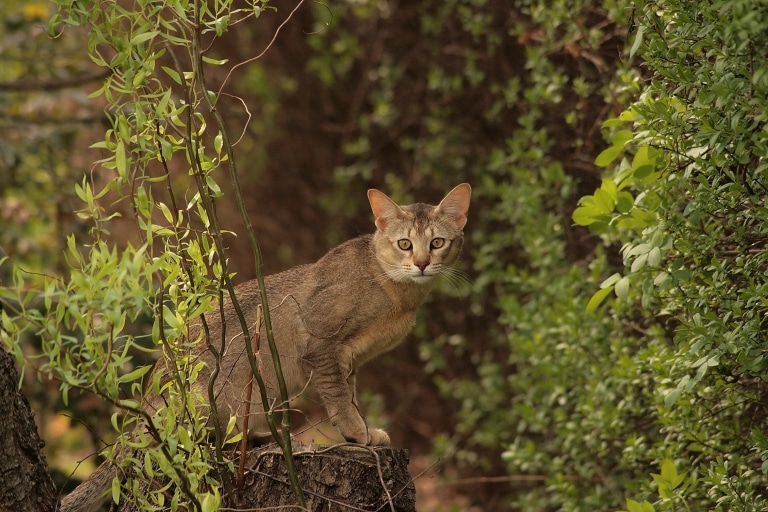
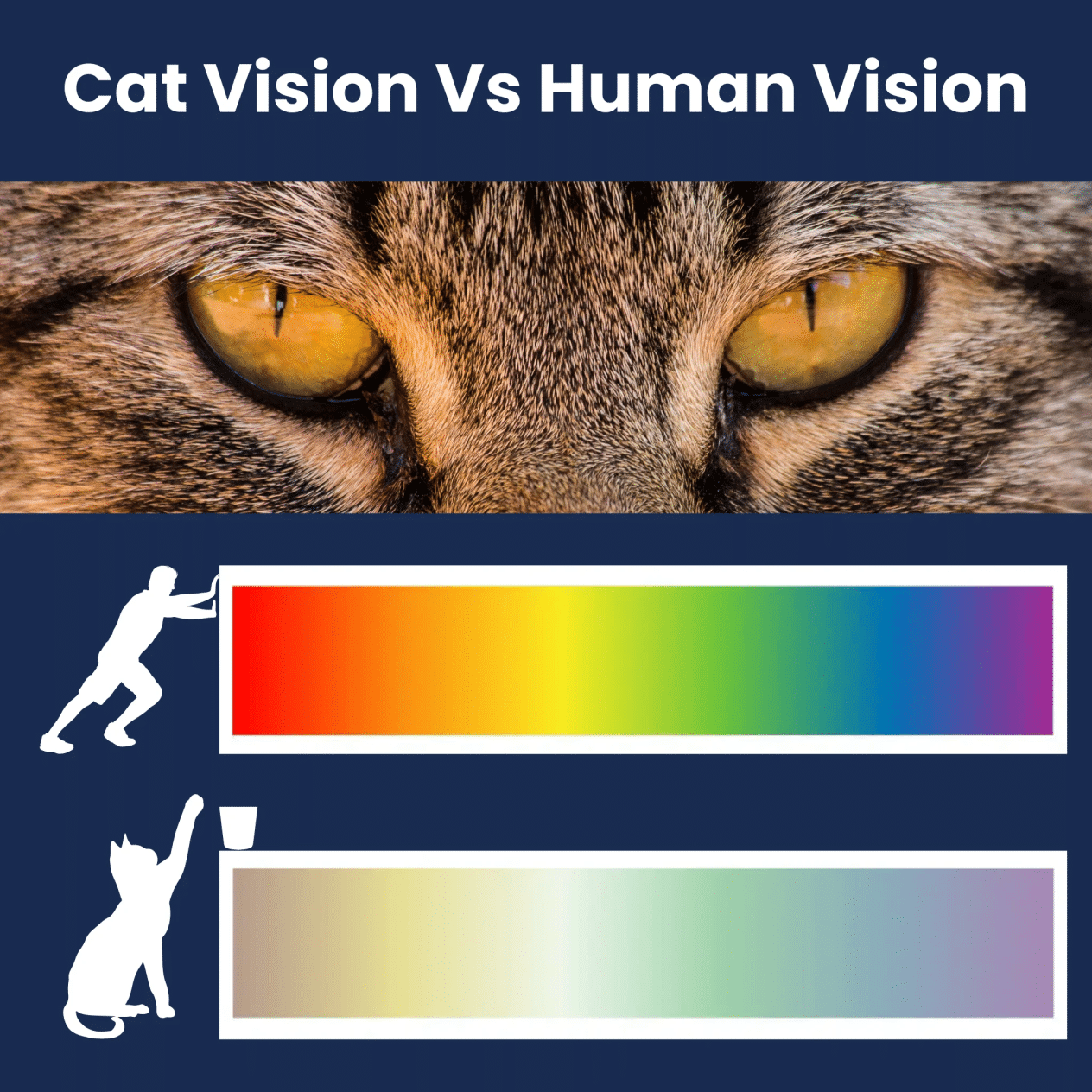
Cats are predators that hunt at dusk, and their vision is fully adapted to these conditions. They see the world with less contrast and less color saturation than humans, but their advantage in the dark is obvious.
Their eyes have a large number of rods, the cells responsible for light perception. That is why even minimal light allows them to navigate. In conditions where humans can only see silhouettes, the cat can already distinguish the movements and shape of prey.
However, this comes at the cost of accuracy. Details are less clear for a cat than for a human, and its focus is more on the short range. That’s why a cat may not notice small, stationary objects, but it reacts perfectly to fast movement – even the slightest.
How birds see
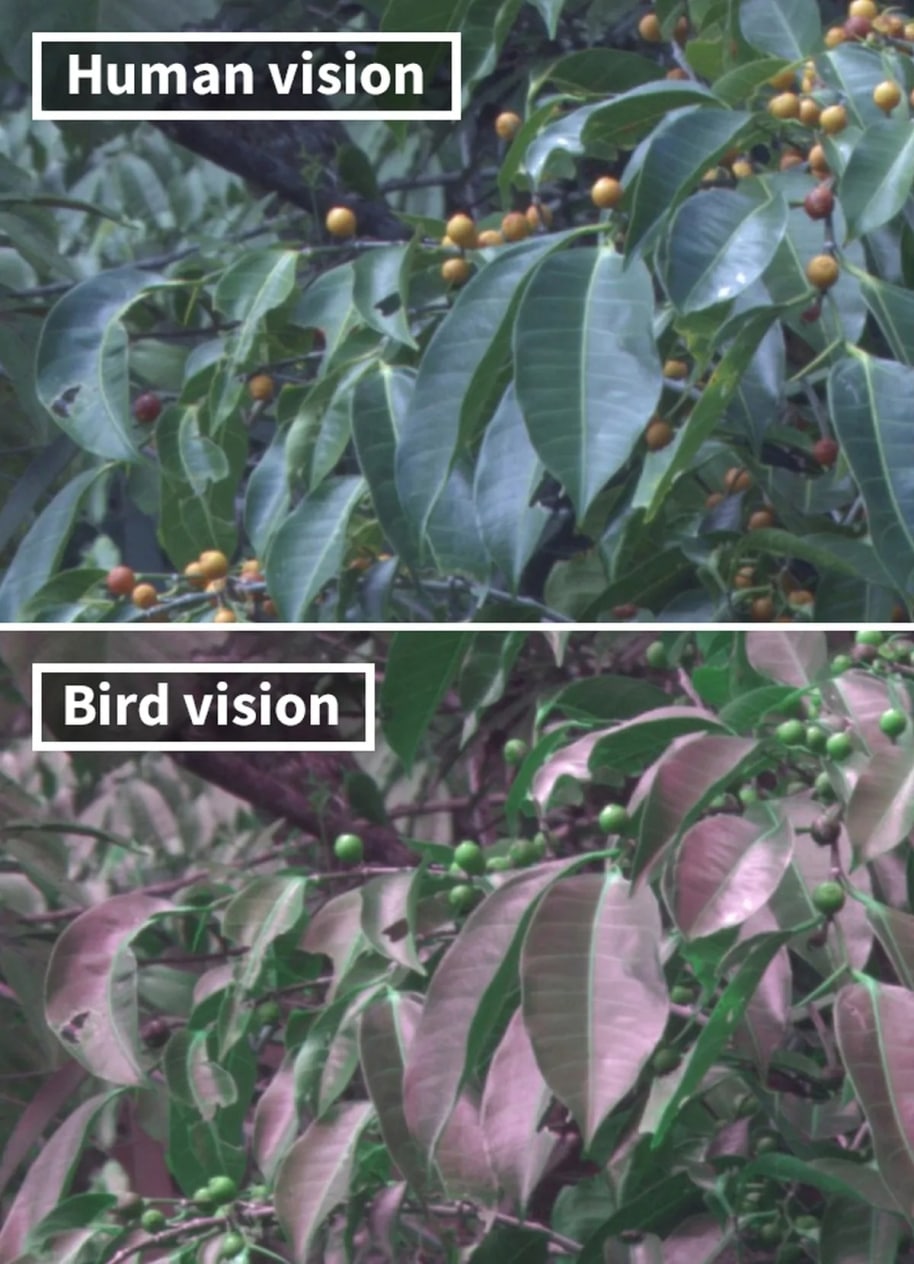
Birds have one of the most advanced visual apparatuses in nature. Most of them see not three colors, like humans, but four – they perceive ultraviolet light.
This dramatically changes their world. What looks like an ordinary feather or flower to a human, to a bird has additional patterns, contrasts, and signals. For example, many flowers have ultraviolet “tracks” that indicate to insects and birds where the nectar is located.
In addition, birds have much better visual acuity. Predatory species can see small prey from a great distance. Their vision is not just colorful – it is highly detailed, fast, and adapted to movement in the air.
How insects see
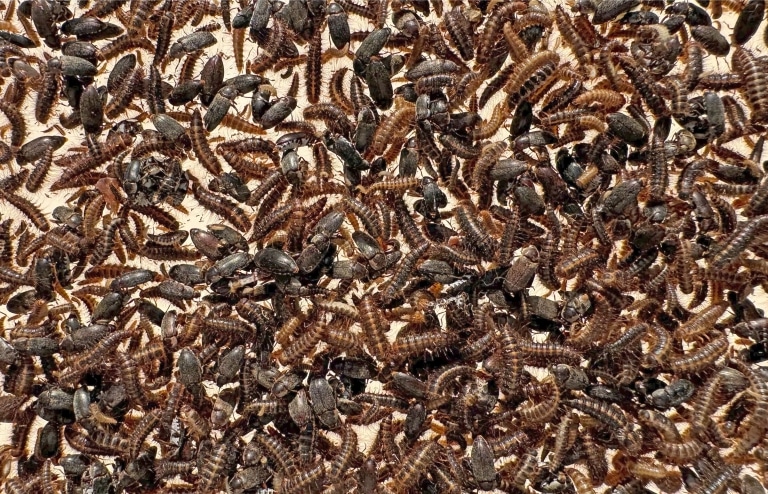
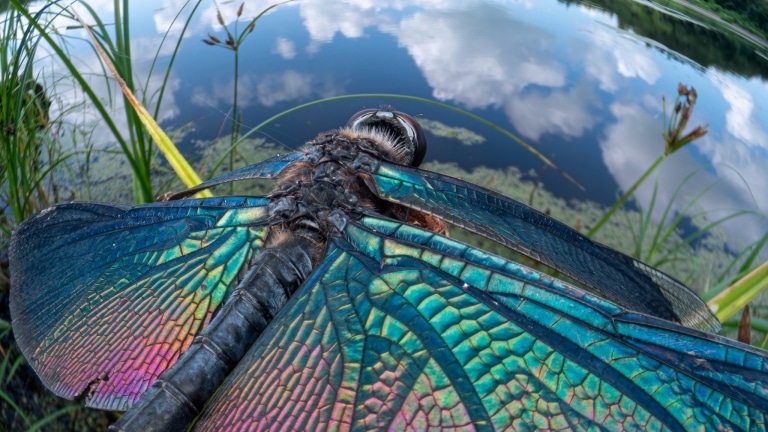
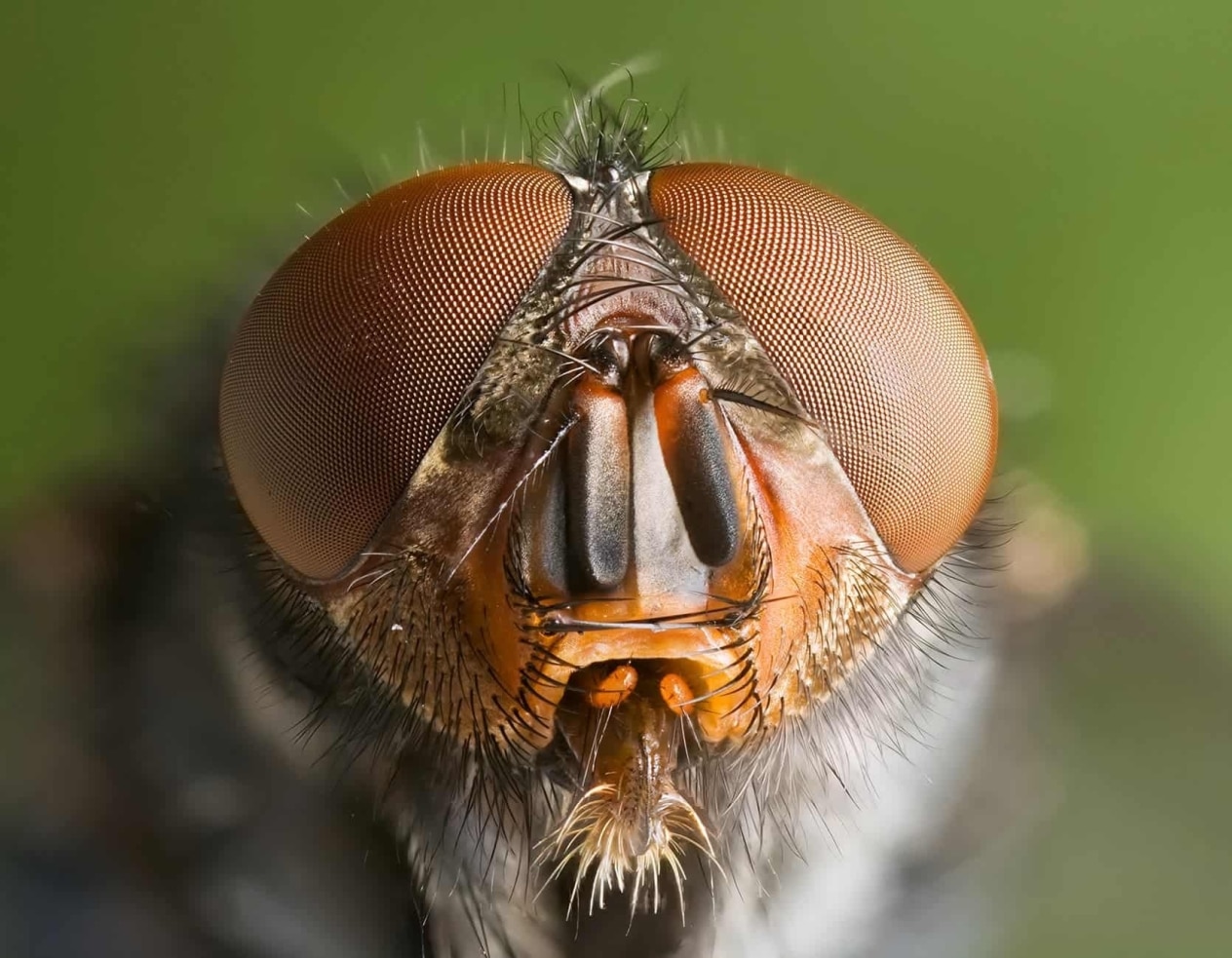
Insects have faceted eyes, which consist of hundreds or thousands of small segments. Because of this, their vision is not a complete picture, like a human’s, but rather a mosaic of many small parts.
This might seem like a disadvantage, but in fact it gives them a huge advantage – speed. Insects see changes in the environment much faster than humans. That’s why it’s so hard to catch a fly – it reacts almost instantly.
Bees, for example, see ultraviolet light and use it to find food. For them, flowers look completely different than for us – more contrasting and “informative”.
How snakes see
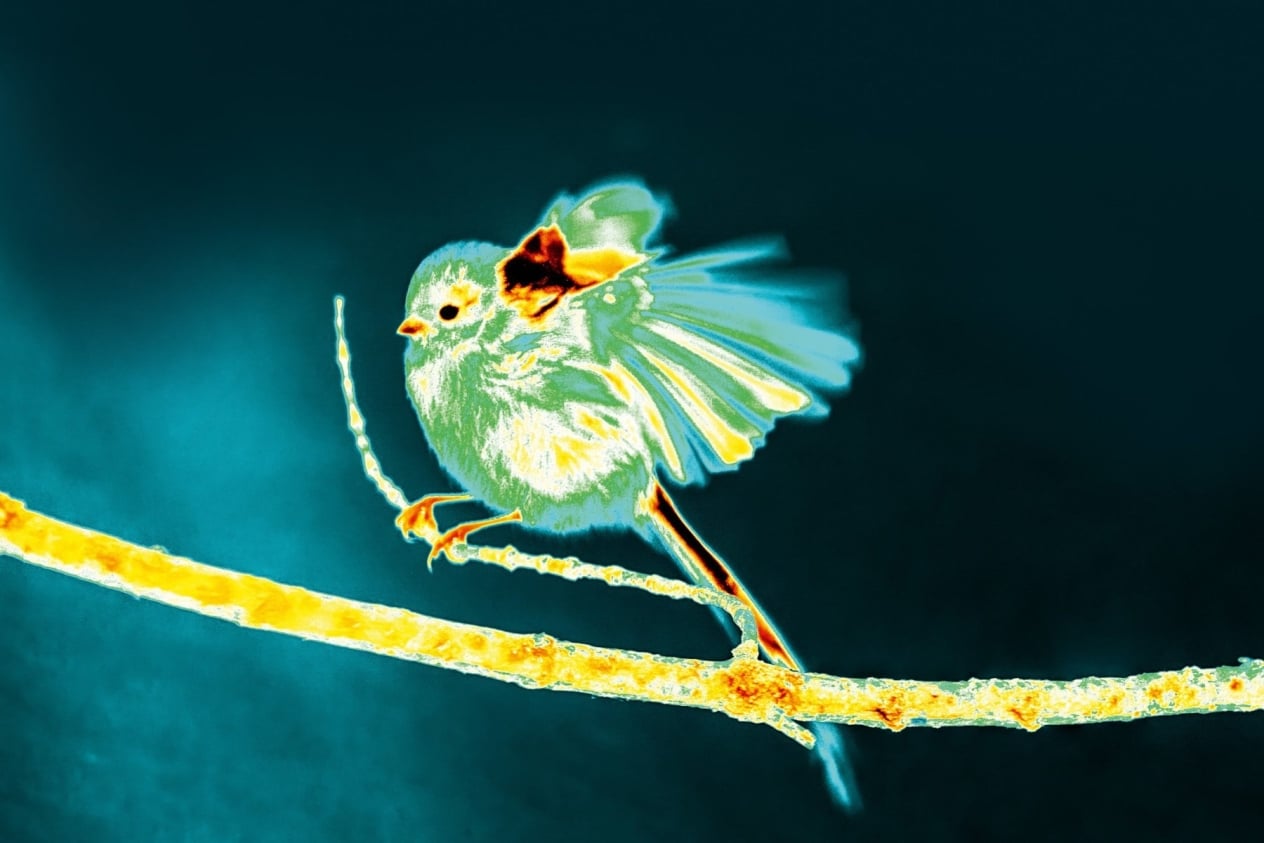
Some snakes have a unique ability to perceive infrared radiation. This is not exactly “vision” in the usual sense, but it is a complete orientation system.
They literally see the heat of living things. Even in complete darkness, a snake can determine where a warm-blooded animal is and attack it accurately. This gives a huge advantage when hunting at night or in difficult conditions.
For them, the world is not only shapes and light, but also temperature contrasts. Living things “glow” for them.
How fish see
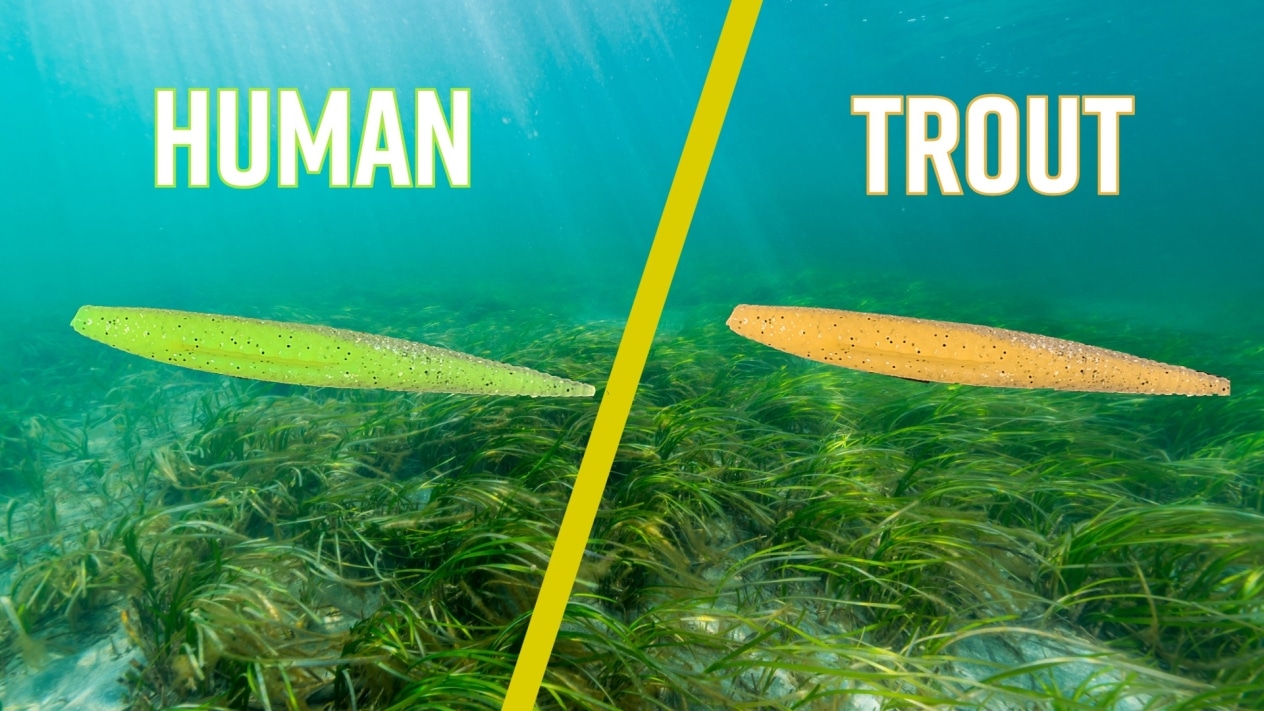
Underwater, the world behaves very differently than in the air. Colors change depending on the depth, light is scattered, and contrast decreases. Therefore, fish vision is adapted to these conditions.
Many fish can see well at short distances and are better at perceiving movement than details. Some species have the ability to distinguish colors, but often contrasts and light and shadow are more important.
In addition, fish vision often works in conjunction with other systems – for example, they can sense water fluctuations, which helps them “see” even what is out of sight.
Conclusion.
The world is not objective as seen by humans. Each animal has its own way of perceiving reality, which is perfectly suited to its way of life. For some, the main thing is color, for others – movement, for others – heat or even invisible spectra.
And if you look deeper, it becomes clear: a person sees no more than others – they just see in their own way.