The dog world is full of surprises. And one of the most spectacular are bearded faces that look like the dog has just returned from a philosophy seminar or barbering workshop. In dogs, a beard isn’t just an element of appearance, it’s character, style and a bit of charming comicality. In some breeds, the beard is a key feature that shapes their entire image. And if you’re looking for a charismatic Pet, love brutal beards, or just want to learn more about these unique faces, this article is for you.
What is a beard in dogs?
A beard in dogs is defined as the elongated hair on the muzzle that falls down from the chin and jaws. In some breeds, it is a natural, genetic feature. This coat gives a certain expression and requires special care – regular washing, combing and sometimes styling. The beard can give the dog a strict look, or it can be funny and touching. But in any case – it is an accent that does not leave indifferent.
1. Schnauzer
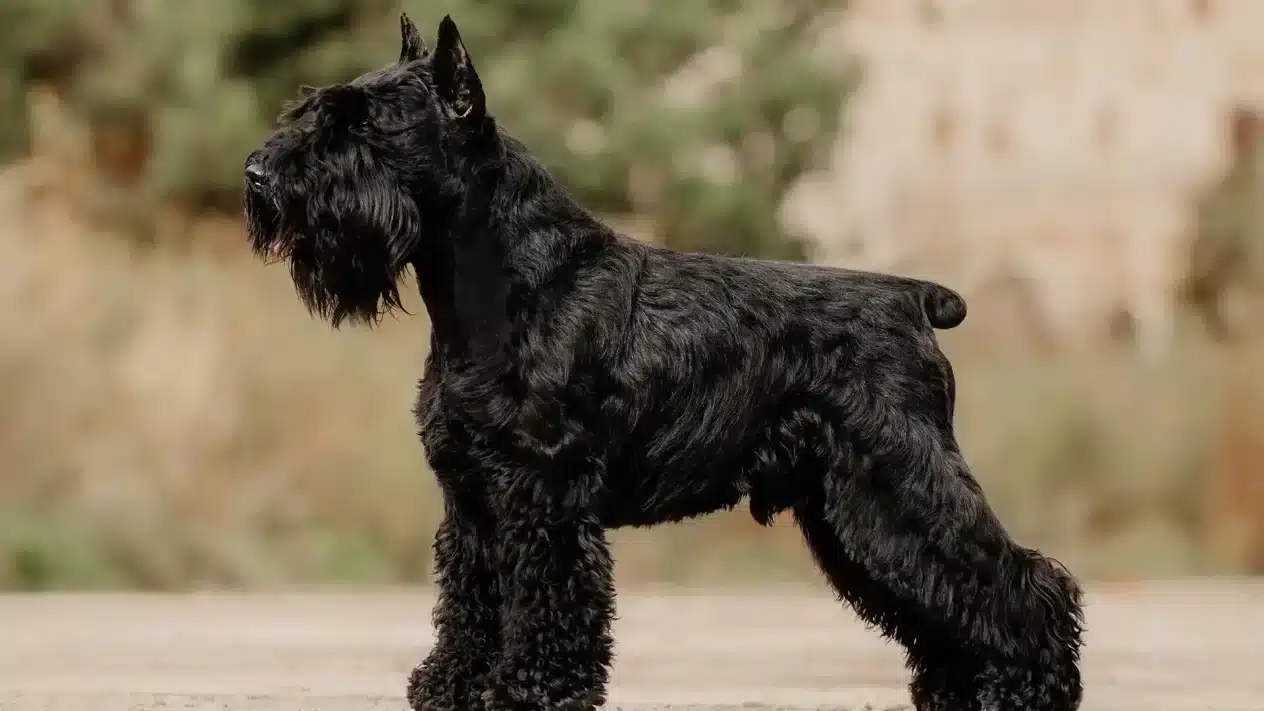
In the world of bearded dogs, the Schnauzer is the undisputed winner. His beard is thick, long, and perfectly emphasized with a traditional haircut that creates the expression of a “smart old man”. There are three sizes of the breed: miniature, medium and giant, but they all have a beard. It serves as part of the breed for recognition.
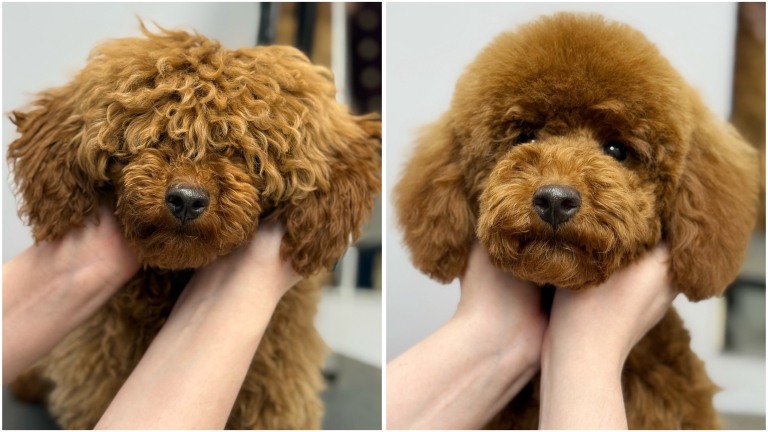
Schnauzers are intelligent, stubborn, and very loyal to their family. Their beards are especially susceptible to dirt – food residue, water, sand. Therefore, daily beard cleaning and regular professional haircuts are a must. V.O.G DOG SALON groomers know how to make a Schnauzer’s beard perfect – with a clear line and a healthy shine.
2. The Brussels Griffon
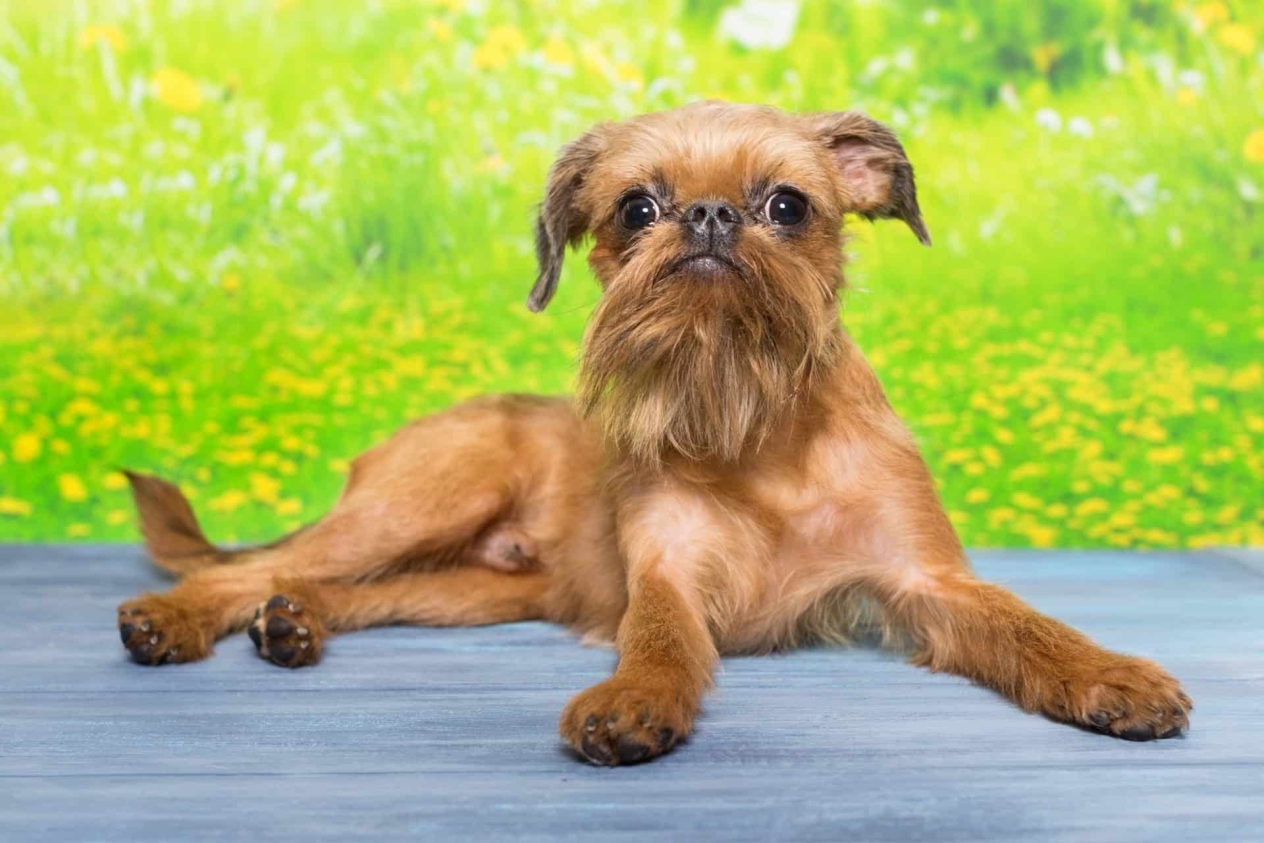
This miniature dog looks like he’s just pondered the meaning of life. All thanks to his beard and expressive gaze. Brussels Griffons are very emotional, playful, with a lively character and expressive facial expressions. They are often compared to elves or cartoon characters.
The griffon’s beard gives the muzzle a rounded appearance, but the coat is quite soft and can easily roll or bunch up. To keep the Griffon’s beard in perfect condition, it should be washed every week and combed gently with a fine-toothed comb.
3. Scottish Terrier
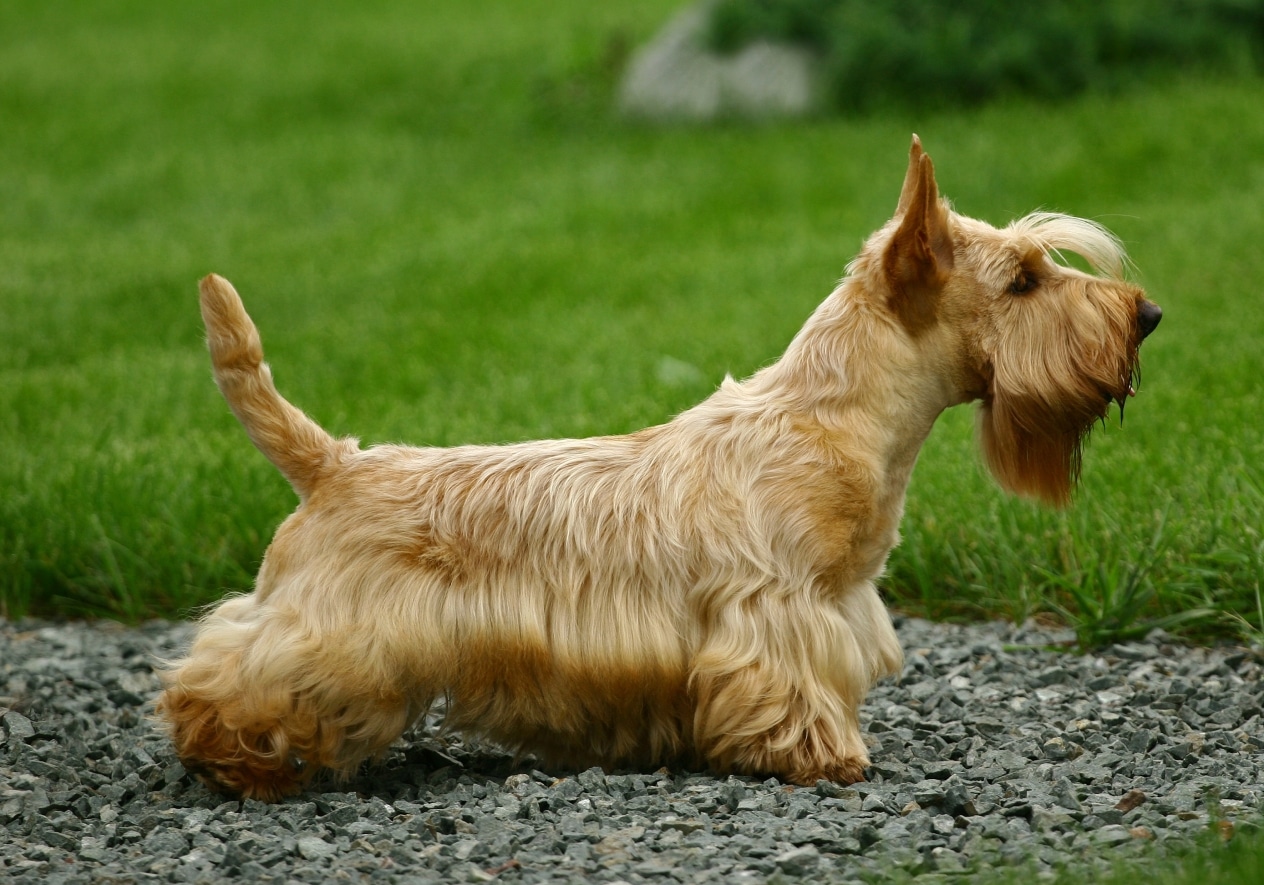
Scotch Terriers are dogs with character, self-esteem and uncompromising attitude. Their beard forms the image of a strict but noble dog. They do not tolerate excessive fuss, but are deeply attached to the owner.
The Scotch Terrier’s coat is stiff and needs trimming, especially in the beard area. If it is not cared for, it becomes prickly, collapses and loses its shape. The haircut must take into account not only the beard, but also the overall balance of the head and body. Only a groomer who knows this breed perfectly will be able to maintain its elegance – that’s why Scotch Terriers often choose V.O.G DOG SALON, where there are groomers who are experts in this breed.
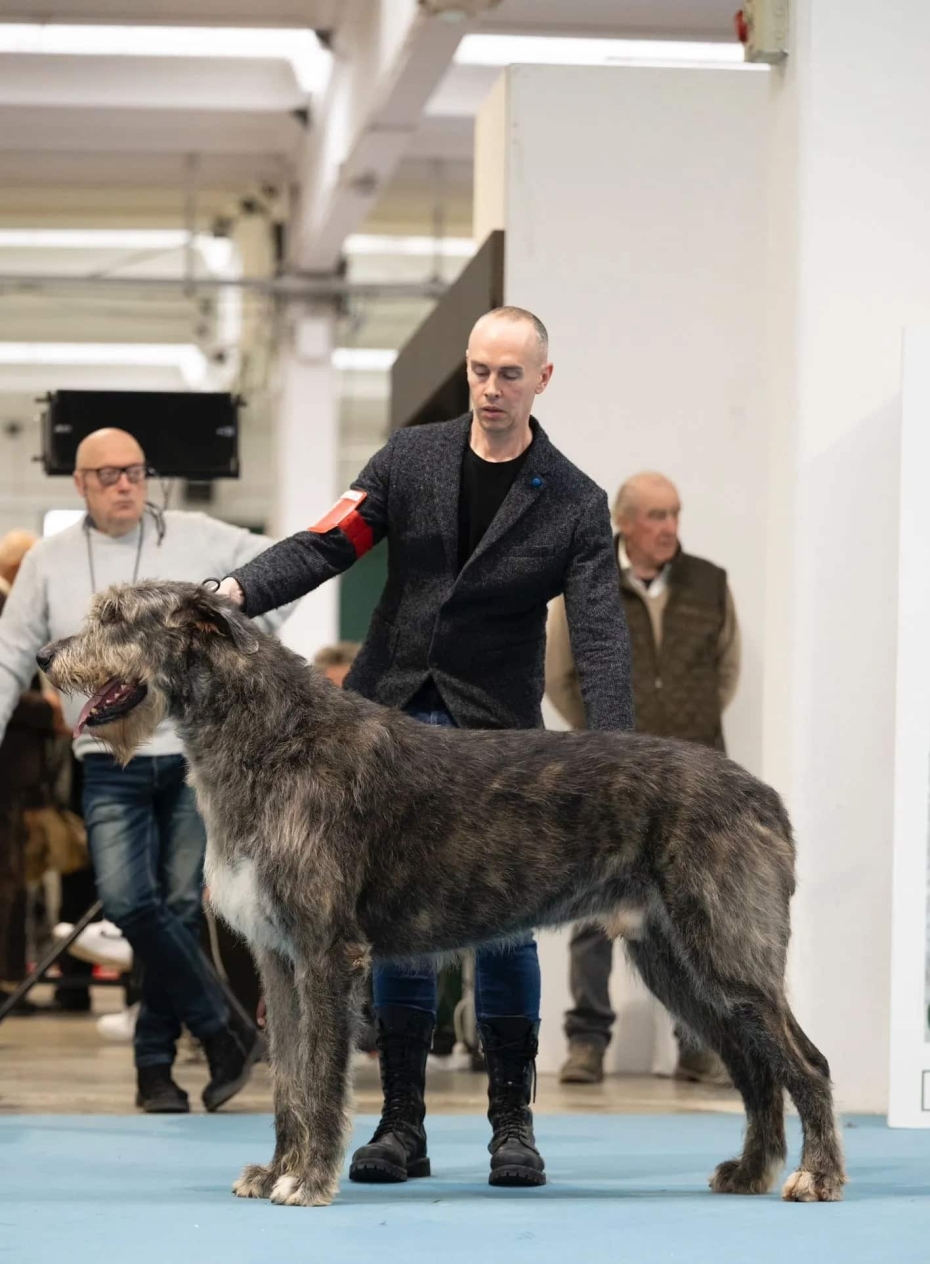
4. Irish Wolfhound
This dog amazes with its size, but even more so with the kindness in its eyes and calm aura. Its beard is not a decorative element, but part of its majestic image. It is often light, not too thick, but always present. The Irish wolfhound resembles a mixture of a knight and a monk who has traveled thousands of kilometers in silence.
Caring for the wolfhound’s beard is a real delicacy. He has soft skin, sensitive fur and calm temperament, so grooming should be calm, gentle, without unnecessary aromas and irritants. In V.O.G DOG salons masters gently comb every hair, because they understand: beard is not a style, but a dignity.
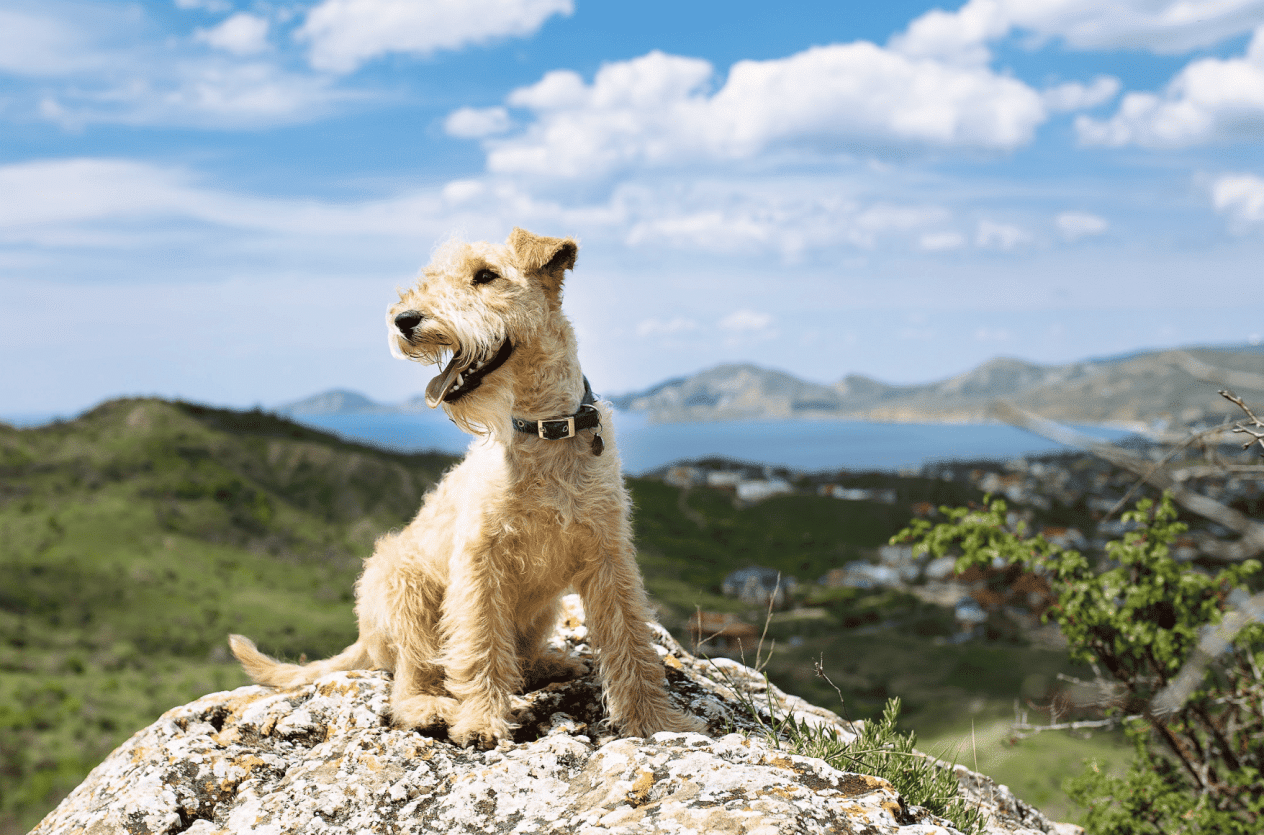
5. Lakeland Terrier
Lakeland Terriers are dynamic little bundles of energy that combine style and nimbleness. Their beard is not too thick, but very distinct, especially if the haircut is done right. It is the beard that gives this breed a slightly menacing look that contrasts sharply with their playful nature.
These terriers need regular trimming: stiff hair, including the beard, must be removed by hand to remain healthy. In an improperly groomed Leakland, the beard can stick out in different directions, lose its shape, and sometimes even irritate the skin.
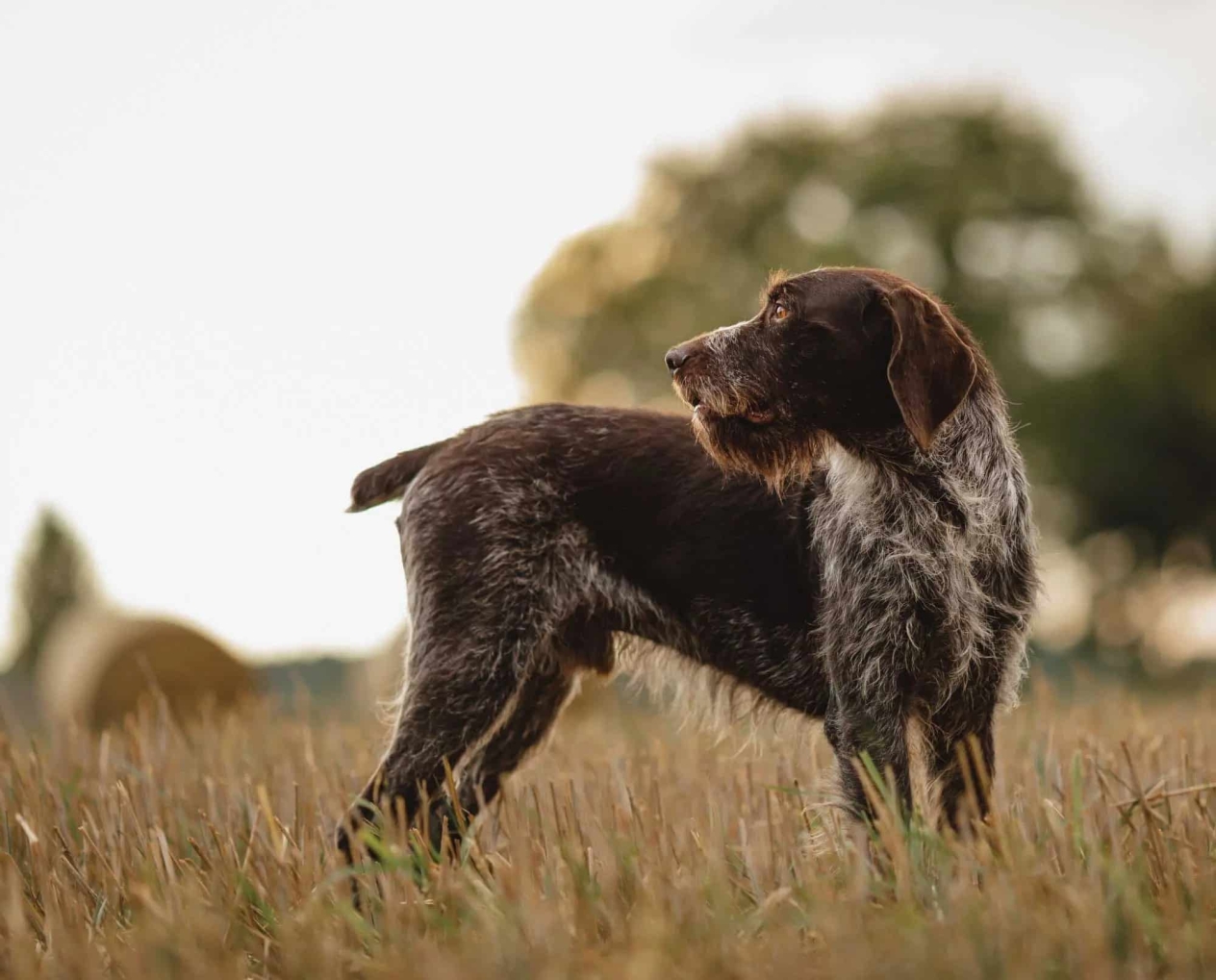
6. German hard-haired Pointer (Draithaar)
This dog is the embodiment of strength, endurance and determination. His beard is a real field tool, able to withstand mud, sand, water and some more mud. It is rough, often appearing wet, even if the dog has just dried off.
But even such a “working” beard needs grooming. It is not cut like the decorative breeds, but it is still cleaned and combed regularly, to avoid the formation of tangles and unpleasant odor. At V.O.G DOG SALON, Drathaars receive care that does not conflict with their functionality – preserving the natural texture and hygienic cleanliness of the beard.
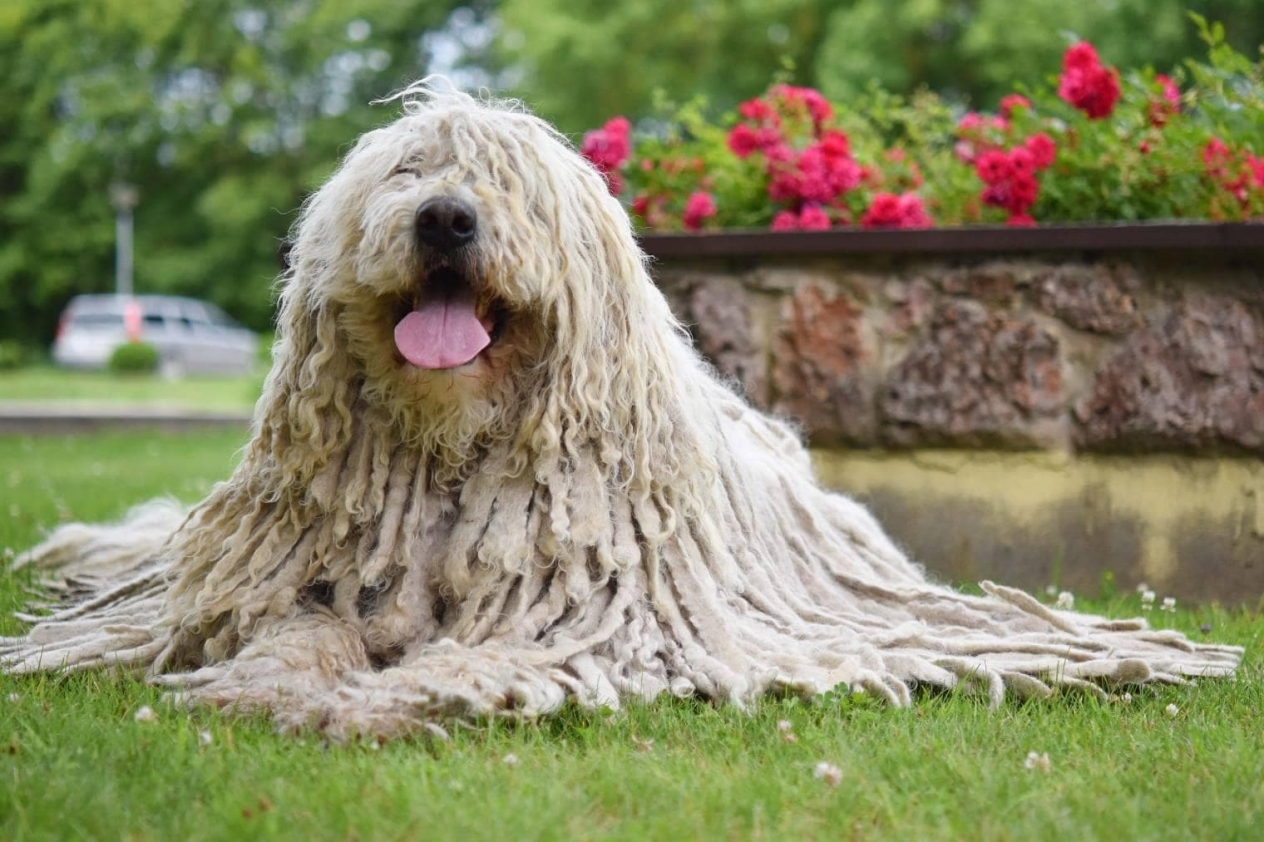
7. Komondor
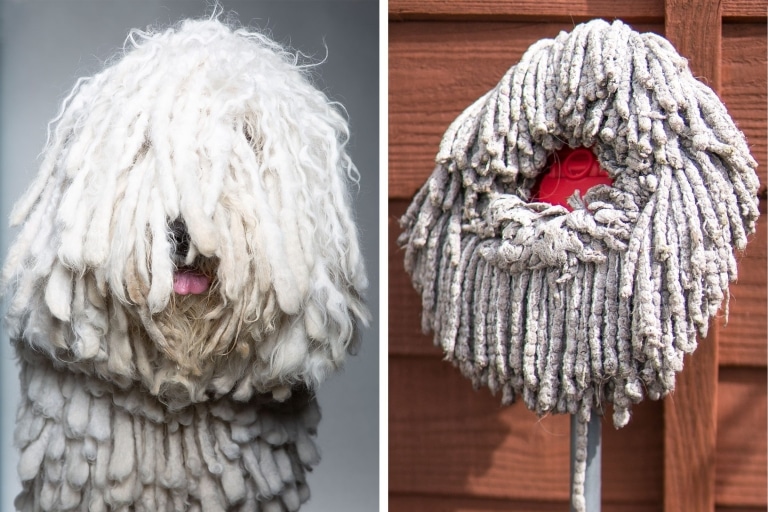
This Hungarian giant is known for his rope-like dreadlocks all over his body. But the beard is no exception. It too is piled into cords, creating the effect of a magical creature from a fantasy world. Komondors are watchdogs with extraordinary intuition. Their appearance is a way of life.
The beard of the Komondor is a difficult one to maintain. It needs to come down evenly, without sticking or moldiness. It must be shampooed regularly, separated by hand and dried very carefully. This is a complex, almost jewelry work, which is only done by experienced groomers. At V.O.G DOG SALON such dogs are a real challenge, but also a great pleasure, because the result is a living sculpture with a beard.
The beard is an art and a responsibility
Each bearded breed has its own history, temperament and care. But they all have one thing in common: the beard is part of the character. It forms an image, adds charm and at the same time requires attention. If you neglect hygiene, the beard quickly turns from a decoration into a problem. That’s why it’s important to choose a salon where the groomer doesn’t just cut hair, but sees each dog as an individual.
In our network of grooming salons in Kiev work masters who know how to properly care for bearded breeds – from miniature griffon to majestic komondor. We take into account the appearance, character, coat type, breed and wishes of the owner. Most importantly, we love dogs and create care that provides comfort, not stress.