Karaket

The Karaket is one of the most exotic cat breeds, which looks as close to the wild nature as possible. It is a hybrid of a caracal and a domestic cat, so its appearance is not an imitation, but a real heredity. That’s why the caraket makes a strong impression: it looks like a real predator, but lives next to a person.

Appearance of the caracket

The main feature – large ears with black tassels, like a caracal. This is what immediately catches the eye and forms a “wild” image. The body is elongated, strong, with well-developed musculature. Movements are precise and confident, without fuss. The color is usually warm – sandy or reddish, which further enhances the resemblance to the wild habitat.

Karaket looks not like a decorative cat, but like a serious animal with character.

Character of the Caraquet

This is not your typical domestic cat. The Karaket is more independent and reserved in its behavior. He will not constantly seek attention or sit on his hands. At the same time, he is capable of becoming strongly attached to his owner, but he shows this through trust, not through compulsive affection. The Karaket is attentive to everything that is going on around him. He analyzes, observes and acts when he thinks it is necessary. It is an intelligent and independent cat.

Maintenance and Caracket grooming

His content is about controlling the environment, regular care and understanding that in front of you is an active animal with a strong nature.

Let’s start with the basic: he needs space. The caracket moves a lot, loves heights and controls the territory. The apartment must necessarily have vertical areas – complexes, shelves, places for jumping. Without this, he will start to find options on his own, and you may not like them.

Now the main thing is the grooming of the caracket.

The caracket’s coat is short, dense, without an undercoat of the level that fluffy breeds have. At first glance it seems that the care is minimal, but this is a mistake.

Regular combing (once a week) helps to:
– remove dead hair
– stimulate skin circulation
– reduce shedding in the apartment

It is important to use soft brushes or rubber gloves rather than hard tools. Caracket skin is sensitive and a rough approach can cause irritation.

Bathing is not frequent, but necessary. About once every 1-2 months or as needed. And it is important here:
– use only professional cat cosmetics
– do not over-dry the skin
– dry the coat properly

Karaket is not always calm to water, so it is necessary to accustom to bathing from an early age.

Because of their large size, their ears collect dust and dirt more quickly. Regular inspection and delicate cleaning are a must. But without fanaticism, so as not to traumatize.

Claws – another important point. The caracete is strong, and its claws are appropriate. They need to be trimmed regularly or provide enough surfaces for sharpening.

It is also important to keep an eye on the overall condition of the skin and coat. If dullness, dandruff or loss appears, it’s a signal that either nutrition or grooming is not appropriate.

Conclusion

The Caraquette can not be considered as a simple pet. It is an animal with character, energy, and a need to control its environment. If properly maintained and cared for, especially in terms of grooming, the Caractet becomes not only spectacular but also comfortable in cohabitation.

Top 5 dog breeds that get sick often

When it comes to choosing a four-legged friend, the heart often trumps the mind. You see those cute wrinkled faces, huge eyes or majestic posture and it’s love at first sight! However, beauty and charm is not always a sign of good health. There are breeds that suffer from serious diseases and therefore have a rather tragic fate.

English Bulldog

Wrinkled beauties with flat muzzles look like plush toys, but behind this beauty lies a real tragedy. Imagine having to breathe through a straw, which is exactly how a bulldog feels every day. They have short airways and it’s not just uncomfortable, it’s a daily struggle for every breath of air. And when it’s hot outside, their bodies can’t handle thermoregulation and it can end fatally for them. The skin folds that make them so adorable become a breeding ground for bacteria and fungus. The joints, in turn, can’t take the strain from their specific body structure. Also, these dogs have spinal problems, which is why more than half of these dogs have to have a C-section during labor. In addition to all this, their eyes are constantly watery and inflamed. Bulldogs live in constant discomfort and many owners think that their heavy breathing and sedentary behavior is a feature of the breed, but it is not. Therefore, the owner should be very attentive to his Pet and at the first manifestations to consult a doctor.

Pug

Representatives of this breed are kind, cheerful dogs that look like little clowns that can make anyone laugh with their expressive faces and comical behavior. They are optimistic dogs that never complain about pain. Pugs, as well as bulldogs, have serious breathing problems, when the Pet wants to run, play, then each step is given to him with difficulty. He gasps, but continues to wag his tail, because there is a favorite owner. Their bulging eyes often suffer from injuries. It is enough careless movement, playing with another dog, and an urgent trip to the ophthalmologist is ensured. Skin problems have not escaped these dogs either. On the muzzle in the folds of the skin constantly accumulates moisture and dirt, creating conditions for the multiplication of bacteria. Pugs are prone to weight gain, not only because of overeating, but also because of a slow metabolism and low physical activity. The most dangerous thing about a pug’s temperament is that they will never show or complain that they are in pain or not feeling well. They will tolerate any pain as long as they don’t upset their owner.

Basset Hound

Their pensive gaze and slow movements create a sense of calm and wisdom. But this outward equanimity hides a host of health problems. Dogs have a long body on short legs, which is why the Basset’s spine is under constant strain, and they inevitably develop problems with their intervertebral discs. The basset hound’s digestive system is a separate problem. The stomach is located so low that any activity after eating can lead to gut twisting. And the long ears that make them so beautiful are a constant environment for ear infections to develop. These kind dogs never complain, but will silently endure the pain, just sighing heavily. This is why the owner may not notice health problems in time and lose a lot of time for treatment.

English Cocker Spaniel

Cocker Spaniels are the living embodiment of aristocratic elegance. Their silky coat and expressive eyes can conquer any heart. But like any beauty, this beauty requires sacrifices and is costly for their health. Cockers’ long, floppy ears are also sometimes a cause for concern and a breeding ground for bacteria and fungi. Ear inflammation, otitis media, accompanies dogs throughout their lives. Sensitive Cocker Spaniels react acutely to their owner’s mood, changes in the house, to stress, which is why these Pets are prone to epilepsy. Such inexplicable experiences frighten the dog, and for the owner turns into a nightmare. Also, representatives of this breed quite early develop and quickly progress heart problems. These energetic, cheerful dogs begin to tire faster from short walks, their breathing becomes heavy. Cocker Spaniels often have mitral valve disease. The last days of their lives are spent barely breathing, coughing, and die of heart failure. This is why it is important to see a veterinarian in time to avoid losing valuable time to have your Pet examined and treated.

Doberman

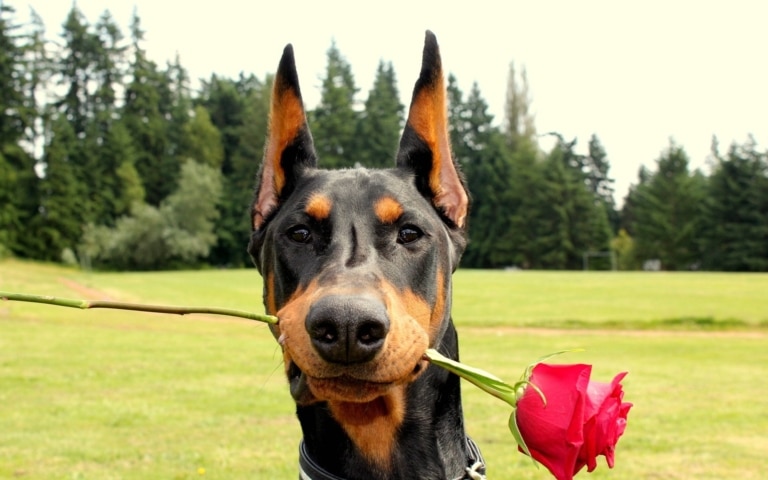
They are aristocratic dogs and their elegant silhouette and proud posture are a testament to that, while their loyalty and intelligence command respect. But behind this appearance is a fragile health. Dobermans often suffer from thyroid disease, hypothyroidism. And this is not just a diagnosis, but a significant change in character and behavior. An active, energetic dog suddenly becomes lethargic and apathetic, while its coat becomes dull, weight increases and interest in life disappears. Dogs of this breed have thin skin, which is at the same time a dignity, as it emphasizes the physique, at the same time is a disadvantage, as it is very sensitive to irritants. Therefore, Dobermans often suffer from dermatitis and allergies. Unfortunately, this is not the whole list of diseases. These dogs develop liver diseases, and the dog may look healthy, but the tests show changes in the body. These pets are one-loving, very attached to their master, and any separation becomes a stress for them. And it is known to have a negative impact on immunity and general health.

If you have already chosen one of these breeds, it is worth preparing both morally and financially, because visits to the veterinarian will become regular. But most importantly, learn to understand your Favorite. Representatives of these breeds often hide pain and discomfort, so you need to be especially attentive to any changes in your Pet’s behavior.

Of course, in the article we described the worst options that can be with the animal. But every owner should not forget – if you properly and regularly take care of your tail – it is not a fact that there will be any problems. You just need to know the breed and take care of the one you have tamed!

Don’t shave the husky, please!

Huskies are a breed with a double coat: a shaft of hair (outer layer) and a dense undercoat. This “two-layer system” works as a living thermal insulation and sun protection. A close shave destroys the mechanics of the coat, provokes skin and thermoregulation problems and rarely gives what is expected of it. Below is a professional explanation of “why not” and a step-by-step alternative that really works.

Why can’t you shave a husky?

The double coat regulates heat transfer in two ways. The undercoat retains a layer of air that insulates against heat and cold, while the shaft hair reflects sunlight, repels moisture and dirt, and protects the skin from burns. When you shave off this complex, the skin is left without a “screen,” the risks of photodermatitis and overheating increase, and your dog can suffer from itching, hot spots, and stress. In addition, shaving a husky bald does not reduce shedding – the hair will continue to fall out, just in short “needles” that are harder to remove from the house and tissues. Regular shaving often changes the texture: the undercoat grows back faster than the shaft hair, the coat becomes “wadded up”, clumps together, loses its luster and color pattern. There is a risk of post-shave alopecia (hair regrows slowly or unevenly). Add to this microtraumas of the skin with a blade and sensitivity to insect bites – and we have a complete disadvantage. The only exceptions: medical indications (access to the operating field) or extremely piled hair, when saving the skin is more important than length. Even then, work locally and leave a protective length, not “zero”.

What to do instead of shaving: a working grooming protocol: a working grooming protocol

Start with regular combing: 2-3 times a week during the normal period, daily during the “undercoat explosion” season (spring/fall). Use a medium-hard fluffer, a comb with long metal teeth and an undercoat comb/deshedder; work in layers: neck, behind the ears, underarms, thighs, pants, tail. Tool angle – flat, no pressure; one section – no longer than 10-15 minutes to avoid damaging the shaft hair. Bathing – every 6-8 weeks or under shedding season: first a deep moisturizer and double coat shampoo, then a conditioner/mask to “flatten” the undercoat. The key step is complete drying: a high speed hair dryer (HV) blows out the dead undercoat and opens up the “ventilation” in the coat; while drying, comb the strands in parallel to get the maximum amount of fluff out. After – finish mapping (combing out in the direction of growth) and lightly trim the “feathers” on the belly, pants, tail, under the paws and between the pads – for hygiene and without rolling in the rain. Skincare: keep the coat free of hot spots, fleas and ticks; ectoparasite prevention – year round. Nutrition maintains coat as well as cosmetics: omega-3 (EPA/DHA), biotin, zinc as recommended by vet. Summer regimen – morning and evening walks, shade and water, cooling mat – and no shaving, because a proper, combed double coat works as a natural conditioner. Home plan for a year: basic combing every week; salon “de-shedding” with full drying every 2-3 months; peak sessions during seasonal shedding. The result is clear skin, an aerated coat, less fluff at home, and a sun-protected husky.

Грумер вичісав з хаскі цілу гору підшерстя в салоні

Хаскі на ринговці позує зі своїм вичісаним підшерстям у грумерській

Хаскі з відкритим ротом дивиться на власника на фоні рецепції салону

P.S. In V.O.G DOG SALON (Kiev) we do just such a safe grooming of husky: deep bathing, professional products, layer-by-layer combing and hygiene without loss of hair. It is comfortable for the dog and really reduces shedding at home. Online appointments are open – take away your husky’s excess undercoat, not its protection.

Which dogs are true hunters – top 7 scouts

Hunting has accompanied man since ancient times, back in the days when it was not a pastime, but a way of survival. And it was the dog who became the first and most faithful ally in this endeavor. From the fields of England to the wild forests of America, from the marshlands of Europe to the cold waters of the north, dogs have helped man track, chase and bring in prey. Their role was so important that a number of breeds were bred specifically for the needs of hunters.

True hunting dogs are strategists, scouts, able to sense the trail, act in concert with the hunter and even anticipate the movement of prey. They combine the instincts of a predator and the loyalty of a friend, making hunting an exciting process.

Today, hunting breeds are chosen by many for their intelligence, endurance and character, as these dogs perform equally well both in the woods and at home with their families. However, their true essence always remains the same – they are hunters at heart, created to search, pursue and cooperate with humans.

In this article, we will look at seven of the most colorful representatives of the hunting world, who have become legends thanks to their abilities. These are scout dogs that can see where the human eye is powerless and hear what is hidden from humans.

Labrador Retriever

This breed has become a legend in the hunting world due to its versatility. Labradors feel great in the water, have a soft bite, thanks to which they gently bring prey, and an incredibly fine sniff. They are hardy, obedient and so loyal to the owner that they are real partners, not just working dogs. Labrador is suitable both for hunting ducks and geese, and for long pursuit in difficult terrain.

English Pointer

This dog is considered a symbol of a real lion dog. Its main feature is to instantly freeze in a stand, indicating the place where the game lurks. Pointers are tireless, have a light and energetic gait, work well over large areas and always remain attentive to the slightest movements in the grass. For a hunter such a helper is a real eye and compass in the field.

German hard-haired poynter

This is a real universal soldier among hunting dogs. Its tough coat protects from cold and prickly bushes, and its water resistance allows it to work fearlessly in water bodies. This breed is equally at home in the field, swamps, and woods. The German Pointer is highly intelligent, making it easy to train and indispensable in difficult hunting conditions.

English Springer Spaniel

This compact and agile dog is known for its ability to find and drive feathered prey out of the densest of thickets. The Springer Spaniel is energetic, hardy and incredibly dedicated to its work. It is able to move quickly even in hard-to-reach places and has good contact with the hunter, which makes it an indispensable partner for hunting with a gun.

American Foxhound

This is a real runner with the heart of a marathon runner. It is made for long pursuit of foxes and deer, and is able to maintain a high pace for many hours. The Foxhound has a strong pack instinct and works well in a team with other dogs. For hunters who enjoy active hunting for fast prey, this breed is ideal.

Chesapeake Retriever

This dog is known for its strength, determination, and ability to work in cold waters. Its thick, oily fur is excellent at repelling moisture, and its strong paws allow it to navigate strong currents. The Chesapeake Retriever tirelessly brings game even in the most challenging conditions while remaining a loyal and devoted family friend.

Bloodhound

This legendary breed is a true tracker. Its sense of smell is so powerful that the dog can follow the trail even for several days in a row, overcoming kilometers. Bloodhounds have been used for centuries not only for hunting, but also for searching people. In hunting, this dog is indispensable when it comes to detecting traces and long pursuit of prey.

Conclusion

Real hunting dogs are reliable partners. They combine endurance, keen instincts, boundless loyalty and the ability to work in the most diverse conditions. Labrador, Pointer, Hard Coated Pointer, Springer Spaniel, Foxhound, Chesapeake Retriever and Bloodhound are each unique in their own way, but together they make up the elite among true hunters.

How to choose the best haircut for a yorkie by face shape and personality

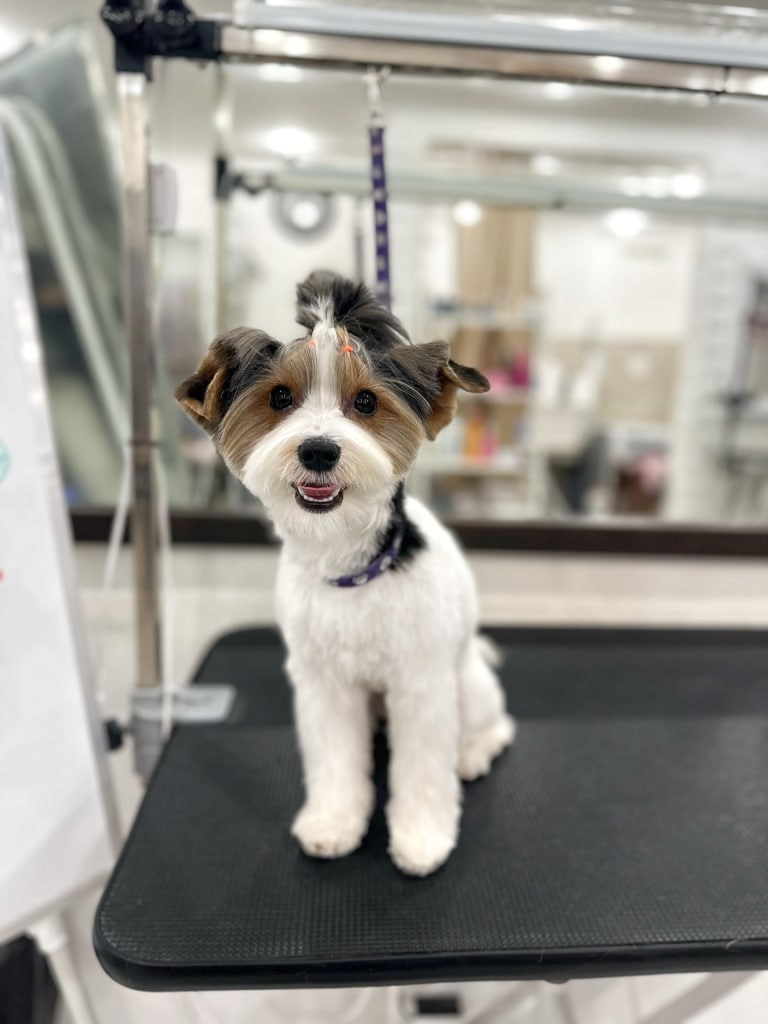
The Yorkshire Terrier is one of those breeds where a haircut helps to emphasize facial features and make the dog’s image more expressive. But often owners are oriented only on “beautiful or fashionable”, while professionals advise to proceed from the anatomy of the muzzle and even the character of the Yorkie. It is this combination that makes it possible to create a haircut that suits the individuality of each Yorkie.

Бівер-йорк з квадратною мордочкою, хвостиком та довгою шерстю на вушках

Face shape and appropriate haircuts

Influence of character on the choice of haircut

An equally important aspect is the temperament of the yorkie. Groomers know that a dog needs to have a look that reflects its personality.

Довгий рожевий язик собаки дістає аж до темного носика

Tips from professionals

The choice of haircut should always be a combination of morphology and character. For example, if the dog has a narrow face, but very energetic in character, excessive volume is not suitable – the hair will quickly lose its shape. Here it is better to choose a medium variant, which will balance the proportions and will be practical in everyday life.

It is also important to take into account the lifestyle: for show yorkies make show styles with long silky strands, and for domestic Pets – comfortable and hygienic options that are easy to maintain.

[/video]

Conclusion

The perfect haircut for a yorkie is a smart choice that takes into account the shape of the face, individual personality traits and lifestyle of the dog. This is what professionalism is all about: making sure that the haircut emphasizes the uniqueness of each pet, rather than masking it.

Dog breeds with unusual tails – TOP 8

A dog’s tail is not just an “addition to the back”. In some breeds, it is so distinctive that without it a dog would look very different. It shapes the silhouette, adds to the breed’s recognizability and even influences how we perceive the dog – as serious, graceful or funny.

There are breeds where the tail is a fluffy ring on the back. There are those where it looks like a whip or a plume. And there are those where it’s almost non-existent. And it is these details that often catch more than even the muzzle or coat.

Akita Inu

In the Akita, the tail is a tightly twisted “bagel” that lies right on the back. And it is not only twisted, but looks massive and confident, as a logical conclusion of the whole body of the dog. When you look at the Akita from the side, it is the tail that creates the very effect of a “solid silhouette”, for which it is so loved. Interestingly, the degree of curl can vary slightly, but there is always a sense of strength and density.

Basenji

The Basenji’s tail is also curled, but in a very different way. It is thinner, neater and looks more “graphic”. It is often a tight ring that lies on the back very clearly, as if drawn. Combined with the dog’s lean, trim physique, this creates a very clean, almost minimalist look. There is nothing superfluous – and the tail emphasizes this.

Pug

The pug has a small tail, but one of the most distinctive in the dog world. The ideal variant is a double twist, when it is folded in two coils. It looks funny, but it is this detail that makes the pug so recognizable. At the same time, the tail fits snugly against the back and hardly moves like other dogs – it’s more like a “fixed shape” than an active element.

Chow Chow

The Chow Chow has a tail that looks like a fluffy roll that rests on its back. Because of its thick coat, it appears larger than it actually is. It does not have distinct coils like an Akita or Pug, but it gives the impression of massiveness and “softness”. Combined with the thick mane and overall volume of the coat, the tail becomes part of the “teddy bear” image.

Komondor

In the Komondor, the tail is hard to find right away. It is there, but it blends in completely with the long corded coat. Dropped down, it doesn’t create a shape like other breeds, but just becomes part of the overall silhouette. Because of this, the dog looks as unusual as possible – as if without clear contours. And it is the tail that plays the role of a “disappearing detail”.

French Bulldog

The French Bulldog has a naturally short tail, often with curves or even a “broken” shape. It does not curl and does not create volume – on the contrary, it is as compact as possible. This is one of those breeds where the tail does not complement the silhouette, but on the contrary makes it more collected and “dense”. And it is this feature that gives the bulldog a distinctive look.

Saluki

In the Saluki, the tail is the complete opposite of the previous breeds. It is long, thin and has a characteristic “pendant” of wool that moves beautifully when running. In the Saluki, it has an element of elegance. When the dog moves, it looks like a light plume that emphasizes speed and grace.

Spitz

Spitzes have a tail that is a fluffy ring that lies on the back, but its main feature is its volume. It looks like a separate fluffy ball that complements the whole image of the dog. It is the tail, together with a thick coat, that creates the very “toy” look, for which this breed is so adored.

Conclusion

The unusual tail is one of those details that make the breed recognizable and unique. Some have a dense ring, some have a long plume, and some have an almost invisible part of the body. But in each case, it is the tail that forms the overall impression of the dog.

And if you look closely, it’s details like these that distinguish “just a dog” from a breed you want to consider.

Saluki

Origin, appearance and features of the breed

The Saluki is one of the oldest dog breeds in the world. Its history dates back to the Middle East, where these dogs were used for centuries to hunt fast prey such as gazelles, hares and other game. In many cultures, Salukis were considered not just dogs, but special animals that were valued and even kept near people in their homes, which was rare for that time.

Externally, Salukis are the standard of lightness and grace. They have a long, dry body, narrow muzzle, deep chest and very long legs. It is this structure that allows them to develop high speed and maintain endurance over long distances.

The weight of an adult dog usually ranges from 14-25 kg, and the height is about 58-71 cm at the withers. At the same time, Salukis never look massive – their main “thing” is their lightness and grace.

A separate feature is the fur. It can be of two types: smooth or with the so-called “hangers” – longer strands on the ears, tail and back of the paws. It is these areas that create the very elegant look that distinguishes the Saluki from other Greyhounds.

The nature of the fireworks

The Saluki is not a classic “command” dog. It is independent, reserved and often has a quiet, even a bit aloof, demeanor. It is a breed that will not constantly demand attention, but forms a deep bond with its owner.

In the home, Salukis are usually quiet, not prone to excessive barking and are quite delicate. They don’t like roughhousing, sudden movements or chaotic environments. However, they can sense human moods very well and can be incredibly gentle in a calm environment.

At the same time, they have a highly developed hunting instinct. If a Saluki sees a moving “target” it can instantly switch and run, ignoring commands. This is important to keep in mind in everyday life.

Saluki grooming

At first glance, it may seem that the Saluki does not need grooming – the coat is short, the dog looks “clean”. But this is an erroneous impression.

The main difficulty in care is not the whole body, but separate areas: ears, tail and the back of the legs, where there are longer strands. This is where the coat can bunch up, lose shape and look unkempt if left unchecked.

Regular brushing of these areas is a must. If this is not done, even in such an “easy” breed, even in such an “easy” breed begin to appear collapses. And the problem is that they form imperceptibly until they become dense.

Bathing also has its own specifics. Because of the fine structure of the wool, it is important not to overdry it. The use of professional cosmetics allows you to preserve the natural shine and smoothness, and also prevents hair breakage.

Another important point is drying. The Saluki’s coat is not as thick as that of decorative breeds, but improper drying can make it “loose” or shapeless. As a result, the dog loses the very elegance for which it is prized.

It is also worth paying attention to the overall appearance. Saluki is a breed where it is very easy to “spoil” the appearance by improper care. If the hair on the hangers looks uneven, over-dried or piled – the dog immediately loses its grace.

That is why grooming even in such a breed is extremely important.

Conclusion

Saluki care doesn’t look complicated at first glance, but it’s in the details that lies the difference between just a “clean dog” and a dog that looks really nice.

At V.O.G DOG SALON, groomers know how to work with these breeds: without unnecessary manipulation, but with an understanding of what needs to be emphasized. This allows you to preserve the natural beauty of the Saluki and make its appearance even more expressive.

Happy Easter!!!

Easter is not measured by the number of kulichs or dyed eggs. It’s not about how much you have time to cook or how perfect the holiday table looks. It’s a feeling that comes quietly. Almost imperceptibly. But fills everything.

It’s that day when the world seems to slow down. When even the air is different – warmer, calmer, brighter. When you want to be home. Close to your own. No noise. No rush. Just together.

About the moments that remain

Easter lives not in traditions, but in moments. In those where laughter resounds deeper than words. Where hands are in flour, but the heart is in love. Where someone tastes the glaze before it hardens, and next to him stands someone who is “just checking” whether everything tastes good.

And, of course, the very Tails who don’t miss a single movement in the kitchen. They sincerely believe that this holiday is created for them too. And, frankly, it is. Because a true home is when there is someone to rejoice with you. And it doesn’t matter how many paws it has.

A meaning that goes deeper than tradition.

Easter is a reminder. That even after the darkest night, morning comes. That life is stronger than death. Light is stronger than darkness. And that love has the power to triumph even where it seems there is nothing left.

It’s about faith. Not the loud and showy kind. But a quiet, inner faith. The kind that holds you up when the going gets tough. The one that gives you the strength to rise up when it seems you can’t.

It’s about salvation. It’s about hope. It’s about gratitude for every day. For the people around us. For the opportunity for a hug. To say thank you. And just being together.

The warmth of a home that never repeats itself

There are some things that cannot be replicated. Only to feel. The smell of Easter that fills the whole house. The light of a candle in the silence. A morning that begins not with an alarm clock, but with a sense of peace.

These moments stay somewhere deeper. And then they come back – through the years, through memories, through simple things that suddenly remind me: this is the present.

During these festive days, you want everything around you to be bright and beautiful. And that everyone who is part of your home feels this atmosphere.

That’s why it’s so important not to forget about your Pets. Groomed, happy, they become as much a part of this holiday as anything else.

Happy Easter!!!

V.O.G DOG SALON network sincerely congratulates you on this bright holiday.

May God’s protection be over every family. May God grant peace to every home, every family and all of Ukraine. May hearts be filled with tranquility, faith and light.

May there always be warmth in your homes. In your relationships – sincerity. Hope in your hearts.

Easter doesn’t end when the table is cleared. It remains in how we live our lives. How we treat people. How we speak. How we forgive. How we support.

And while you’re spending these special moments with your loved ones, we’re here to take care of your Favorites. To make them look as festive as the day is long. And give you even more joy.

With light in our hearts. With care for everyone. Happy Easter 🤍

“Is it a dog or a wig?” – what happens if you don’t take care of a shih tzu

Ши-цу з довгою, заплутаною та жирною шерстю має топ кнот на голові

The long, silky coat of the Shih Tzu resembles a real crown. But along with beauty, this breed also has a special responsibility: without regular care, the charming Beloved runs the risk of turning from a proud ornamental dog into a shaggy “mat” or even a creature that is hard to distinguish from an old wig.

What happens without regular grooming

First of all – the Shih Tzu’s coat starts to pile up in clumps. These clumps not only spoil the dog’s appearance, but also prevent him from moving, pulling the skin and causing pain. In severe cases, irritations, fungal infections, and sometimes even ulcers form under the tangles.

The second problem is the eyes. Because of the characteristic structure of the muzzle, hair quickly gets into the eyes, causes tearing and can lead to conjunctivitis. If the hair around the eyes is not trimmed, the dog literally “disappears” behind the veil of hair.

The third point is hygiene. Shih Tzu are small dogs, and the hair on the paws and around the genitals gets dirty quickly. Without regular trimming and bathing, there is an unpleasant odor, the skin suffers from bacteria, and there is a constant dirty “shadow” at home.

The myth of the “self-cleaning coat”

Some people believe that if you wash your Shih Tzu less often, the coat will “self-clean”. In fact, Shih Tzu’s have no undercoat and their coat is closer to human hair. This means that it grows constantly and needs care just like our hair: washing, conditioning, brushing. If you don’t do this, there is no natural cleansing and only dirt builds up.

How to care for it properly

Professionals advise:

Ши-цу з округлою мордочкою має підстрижені грумером вібриси

Модний ши-цу висолопив язика у кольорових окулярах

Ши-цу з короткою зачіскою хизується своїм новим синім бантиком

Grooming in a professional salon

Caring for a Shih Tzu at home often turns into a real challenge for the owners. Therefore, the best way out is to entrust this matter to professionals. In the salons of our network V.O.G DOG SALON in Kiev groomers work with such fastidious breeds. Here they will choose an individual format of haircut: from practical “puppy face” for home comfort to classic styling for performance. The groomers will trim the coat, take care of eyes, ears and paws using professional cosmetics.

As a result, the pet will feel healthy and happy. And the owner gets not a wig on his paws, but a real handsome Shih Tzu, which causes admiration wherever it appears.

Dog breeds with big eyes – Top 5

Dogs with big eyes always evoke a lot of emotions. Their eyes look deeper, more expressive and often create the very “cuteness” effect that makes people fall in love at first sight. But it is important to understand: big eyes are not only appearance, but also a zone of increased attention in care. Many of these breeds have more sensitive eyes, get watery faster and need regular cleaning.

Мопс сидить на чорному круглому столі в салоні грумінгу

Pug

The Pug is a classic example of a breed with large, open and slightly bulging eyes. They occupy a large part of the muzzle and immediately attract attention. It is because of this structure that a Pug’s eyes are easily irritated, so the area around them often needs regular grooming. Without this, tear marks and an unkempt look appear.

Собака притис вуха під час підстригання шерсті на лапах грумерськими ножицями

Chihuahua

The Chihuahua’s eyes look very large relative to the small head. They are round, expressive and often protrude slightly forward. This creates a “doll’s eye” effect, but it also makes them more vulnerable. With this breed it is important to keep the eyes clean, otherwise even a well-groomed dog quickly loses its neat appearance.

Ши-цу з плюшевою шерстю сидить біля фіолетового гребінця і дивиться вниз

Shih Tzu

The Shih Tzu has large, dark, round eyes that are clearly visible even through thick fur. This particular breed often has a problem with tear production, causing dark tracks to appear under the eyes. Without regular cleaning and proper grooming, this is very noticeable and spoils the appearance.

Pekingese

The Pekingese’s eyes are not just large – they are also positioned in such a way that they look as expressive and “deep” as possible. Because of their flat muzzle, they are more open than many other breeds. This makes them spectacular, but also requires constant monitoring of cleanliness and condition.

Boston Terrier

The Boston Terrier has large, rounded and very open eyes that create a characteristic “surprised” muzzle expression. They are not as bulging as a Pug’s, but are still significantly larger than most breeds.

Conclusion

Large eyes are one of the most attractive features in a dog’s appearance, but they are also an area of high attention. Without regular care, even the cutest breed can quickly lose their appearance due to tear production, dirt, and sloppiness.

At V.O.G DOG SALON, our groomers work with these breeds on a daily basis and know how to properly care for the eye area to keep your dog looking clean, neat and attractive not just for one day, but constantly between visits. And most importantly for our Tails to have healthy eyes and good vision.

How your dog sleeps: fears, habits, and health status

Dogs sleep a lot – on average 12 to 14 hours a day, and some breeds or puppies can sleep even more. But it’s not just how much your dog sleeps that matters, it’ s how he sleeps. Sleeping postures can tell you about your dog’s emotional state, anxiety level, trust in the environment, childhood habits, and even possible health problems.

Dog sleeping positions and what they mean

Below, we’ll take a look at the most common sleeping postures and what they might mean.

1. In a ball

This is one of the most natural positions often chosen by street or wild dogs. It helps to keep warm and protect vulnerable parts of the body. If your dog sleeps in a ball in a warm house, it may indicate increased anxiety or an instinctive need for security. It is also common for dogs that are not yet fully accustomed to their new home or have experienced stress.

2. On his side

This is a sign of complete trust in the environment. The dog does not protect its stomach, does not hide its paws, which means that it is calm. This is the most relaxed posture, characteristic of self-confident dogs who feel good in your home. If your dog twitches his paws or murmurs quietly while sleeping, this is REM sleep, and he is most likely dreaming.

3. On the back, paws up

One of the funniest and most informative poses at the same time. This posture is the most vulnerable because the dog completely exposes his stomach and throat. If your dog chooses this position, he not only completely trusts his surroundings, but also feels happy and free. Dogs that have a deep emotional connection with their owners often sleep this way.

4. On the stomach with outstretched paws

This is a typical “working” position – the dog can get up from it instantly. If the dog sleeps like this regularly, it may indicate constant tension or the need to be “on the alert”. Sometimes overly active dogs or those who don’t get enough rest due to anxiety sleep this way.

5. In the “frog” position (belly down, hind legs stretched back)

More common in puppies and small breeds. This is a position of cooling down, not a good sleep. It indicates the dog’s temperament – playfulness, energy, and readiness to move. If an adult dog sleeps like this all the time, you should pay attention to the condition of the joints and muscles – it may be uncomfortable in classic positions.

6. Leaning against the wall, you, or other animals

Physical contact during sleep is a demonstration of affection and trust. This is the way dogs sleep, which is important for them to feel a sense of unity, of “pack”. It may also be a habit from early childhood, when they slept next to their mother and siblings.

What to look for

Sleeping posture is the first, but not the only thing that can indicate the health of your pet. If you notice any of the following along with an unusual posture, you should visit your veterinarian:

– The dog snores or breathes heavily during sleep
– He wakes up frequently, can’t find his place
– Sleeps only in “protective” positions, even at home
– Whines, twitches, growls too much during sleep
– Avoids sleeping or = looks for new places to sleep, although he used to have a favorite one

A change in the usual sleeping position may also indicate pain in the back, abdomen, or joints. If the dog is constantly trying to sleep in a non-standard position, pay attention to other symptoms: loss of appetite, lethargy, reluctance to walk, aggressiveness.

Bottom line.

Watch your dog sleep – it makes more sense than it may seem. His sleeping position is a wordless confession of how he feels. It reveals his deep emotions, reflects his level of trust in you, and can warn of health problems. A loving owner will always notice changes in their Tails’ behavior – even when he is just sleeping.

How old is your cat by human standards?

How to actually translate cat years into “human” years

The phrase “multiply by seven” has long been a popular joke, but it has nothing to do with cats. Cats grow up much faster than humans, especially in the first two years of life. It is this period that determines their physiological foundation: formation of organs, hormonal system, and behavioral patterns.

One year of a cat’s life is about 15 human years. By this point, the cat has already gone from a newborn to a sexually mature individual. At 6-8 months of age, most cats are already capable of reproduction, which biologically corresponds to human adolescence.

The second year adds about 9 more “human” years. That is, a two-year-old cat is conditionally a 24-year-old person. The body is formed, the character is stabilized, metabolism is active, and the immune system is fully functional.

After two years, everything slows down. Each subsequent year of a cat’s life is equal to about 4 human years. For example:

3 years is about 28 human years
5 years is about 36.
8 years – about 48.
10 years – approximately 56
15 years – almost 76
20 years – more than 96

These figures are not absolute, but they are much more accurate than a primitive formula. It is important to realize that this is not arithmetic – it is a reflection of the biological processes of aging: reduction of tissue elasticity, slowing down of metabolism, accumulation of micro-damage to cells.

The rate of aging is affected by living conditions. Domestic cats live an average of 14-18 years, while street cats live much less due to injuries, infections and lack of stable nutrition. Neutering, weight control, quality food and regular check-ups can actually add a few years of life.

Separately, it is worth mentioning the breed. For example, Siamese and British cats often show different average lifespans due to genetics. Large breeds sometimes age a little faster, and some long-lived cats can exceed 20 years.

What a cat’s “human age” means for care, nutrition and prevention

Age recalculation is not needed for curiosity, but to understand the body’s needs. If your cat is 10 years old, he is biologically close to a human after 55-60 years. This means that his metabolism changes, the risk of chronic diseases increases, and his joints are no longer as flexible as they used to be.

At the age of 7-8 years, the cat is already considered “mature”. During this period, it is worth switching to an adult or aging pet food with controlled phosphorus levels and a moderate amount of high quality protein. It is during this period that kidney problems, one of the most common causes of decreased longevity in cats, begin to be identified more frequently.

After 10 years of age, it is advisable to perform preventive blood tests every year. In the early stages, many diseases have no obvious symptoms. A slight decrease in activity or slight weight loss may be the first signals.

Aging in cats is not always visible outwardly. Unlike dogs, they remain flexible and neat for a long time. But internally, the body is already working differently. Muscle mass decreases, the ability to thermoregulate decreases, and hearing and vision may deteriorate.

Psychology also changes. Older cats often become calmer, more cautious, may seek warmer places, sleep longer. This is not “laziness” but biological energy conservation.

If the cat has reached 15 years, it is already a respectable age. It can be equated to a person 75+. In this period, soft beds, a stable regime, lack of stress and dental control are especially important, because dental problems directly affect the heart and kidneys.

Understanding the true age helps you not to overestimate your pet’s capabilities. If a ten-year-old cat doesn’t jump as high as he did at two years old, that’s normal. His body is working at a different pace.

The main conclusion is simple: the “human equivalent” is a tool for informed care. It allows you to see your actual biological state. And it is on this that the quality of your cat’s life depends, not just the number of years lived.

Cat breeds with big ears – TOP 8

Cats with big ears always attract attention. Their huge “locators” give originality to their appearance and perform important functions: they help to hear better, regulate heat exchange and even reflect emotions. Some breeds thanks to their ears look exotic and reminiscent of wild animals, others – graceful and elegant. If you like cats with unusual features, then it’s worth getting to know the breeds that are known for their particularly large ears.

Oriental cat

The Oriental is a slender, graceful cat with a long body, flexible neck and extremely large ears that literally “conquer” at first sight. The ears are so wide at the base and pointed at the ends that they give the impression of a “butterfly”. Their character is active and sociable – they love to socialize with people, loudly “comment” on everything around them and constantly want attention.


Siamese cat

One of the most famous and popular breeds in the world. Siams are graceful, harmonious, with blue eyes and necessarily large, high-set ears. This feature, together with the characteristic “mask” on the muzzle makes them easily recognizable. Siamese cats are very loyal, closely attached to the owner and are known for their “talkativeness”.


Abyssinian cat

A real little “panther.” Abyssinians have short hair with a characteristic ticking and large, slightly tilted forward ears. They give the impression of alertness and lively interest in everything that happens around them. By nature they are playful, active cats that need movement and space. Their energy harmonizes perfectly with their impressive appearance.


Sphinx

Hairless cats already look unusual, and their large ears only emphasize their exoticism. Sphynx ears are huge, thin and almost transparent in the light. They are good at conveying emotions: if a cat is alert or happy, it can be seen in its ears. Sphynxes are very contactable, affectionate and “dog-like” in behavior: they greet their owners, like to sit on their hands, and demand attention.


Devon Rex

These cats are from another planet. Their curly hair, large expressive eyes and wing ears make their appearance fabulous. Devon Rexes are known as very active, intelligent and playful cats. They are easy to learn tricks, love company and need constant attention.


Cornish Rex

Another curly-haired beauty with large ears. Cornish Rexes are more slender than Devons and have an elegant build. Their ears are high, pointed and match perfectly with their long legs and tail. In character they are “eternal kittens”: frisky, restless and very sociable.


Savannah

One of the most exotic and expensive breeds in the world. The Savannah was created by crossing a domestic cat with a wild Serval, and it is the ears that give away the “wild” blood in it. They are huge, wide at the base and set high on the head. This shape helps to hear better and conveys the feeling of a real predator. By nature, savannahs are active, energetic, need space and most often become loyal friends of the same family.


Balinese and Oriental shorthair cat

These breeds are closely related to Siamese cats and share many common traits: a graceful build, long paws, and the obligatory large ears. Balinese cat is distinguished by a longer silky coat and smooth movements, and Oriental Shorthair – an incredible variety of colors and gracefulness. Both breeds are sociable, intelligent and need close contact with humans.


Caring for large ears

Because of their shape, ears are more likely to accumulate dust, dirt and wax. This is especially true for hairless breeds such as Sphynxes, where the ears are always open and vulnerable. Therefore, it is important to:

Regular care makes the life of such cats more comfortable, and their “locators” remain healthy and beautiful.

At V.O.G DOG SALON our specialists know how to properly and delicately care for the ears of cats with any features. Professional approach, safe means and attentive attitude guarantee cleanliness, comfort and health of your Tail.

Conclusion

Cats with big ears are always unique and charismatic. They can be graceful and elegant, like Orientals, or exotic and almost wild, like Savannahs. Their ears not only emphasize their appearance, but also tell about their character: wariness, curiosity or tenderness can be seen at once. Proper care for these pets, especially their ears, will help avoid health problems and make cohabitation pleasant and long.

How to quickly clean up a yorkie at home

Gentle, delicate and incredibly expressive. Any mess in the coat immediately spoils the image of yorkies, so owners are often looking for a way to quickly return a tidy appearance when time is short. Express care at home is possible if you understand the structure of the coat and know the correct sequence of actions. It all comes down to four main steps, each of which affects the overall picture no worse than a full grooming.

A quick cleanup of the muzzle and areas that are most conspicuous

A yorkie’s first visual focus is the muzzle, so that’s where the quick treatment begins. Tear tracks, stuck “tendrils”, food residue and dust create an unkempt effect, even if the rest of the coat looks good. For a quick refresh, all you need is a special lotion or a minimal amount of warm water to refresh the area under the eyes, separate the coat with your fingers and gently comb it downward. This immediately makes the look more open and the muzzle – well-groomed. If the bangs are out of shape, it’s worth quickly moisturizing them and making an even topknot: one neat rubber band often changes the whole look.

Express combing to restore your silhouette

Yorkies have a fine and silky coat, so a proper express combing is not about working on the whole body, but on the areas that form the silhouette. Chest, sides, back and tail – these are the areas that create the impression of grooming. To tidy them up quickly, just use a comb with a small amount of combing spray. Small piles should not be torn with a comb, but sometimes just delicately separated with fingers – this speeds up the process and does not traumatize the coat. After a few smooth movements, the yorkie will look as if it has just come out of the salon, even if it has only been a few minutes.

Restoring the cleanliness and shape of the paws, which always give away unkemptness

Paws are the main “traitor” of yorkies, because they get dirty the fastest. Even if the body looks tidy, just look at the sticky “cuffs” and the whole image is lost. For a quick tidy up it is enough to gently wipe paws with a damp cloth, fluff up the coat with a comb and give it a light volume. If a few hairs are out of shape, they can be carefully trimmed with small scissors without touching the overall line. The tidy paws immediately make the yorkie look complete and neat, even without a full wash.

Refreshing odor, shine and overall appearance

When you need to get your yorkie tidy quickly, a full bath isn’t always an option. In such cases, dry shampoos, light sprays and shine-enhancing products can help. They remove excess odor, remove electrification and make the coat visually cleaner and smoother. A few strokes of a comb with a moisturizing spray on the back and tail is enough – and the very “gloss” for which this breed is loved appears. It is this stage that creates the effect of a finished grooming, as if a groomer had worked on your Yorkie.

When express grooming won’t work

Quick at-home treatments work great when you just need to freshen up the look. But they are not a substitute for a full grooming, especially if there are hairballs, brittle hair, skin irritation or a lost haircut. In such cases, the best result is an appointment at a professional salon, where your Yorkie will be restored to perfect coat condition and proper shape.

Neapolitan Mastiff

About the breed

The Neapolitan Mastiff is one of the most majestic dog breeds in the world. Its appearance is so powerful and monumental that sometimes it seems as if there is a living sculpture in front of you. Heavy creased head, massive neck, broad chest, slow confident movements – there is no fuss in this dog. This is a breed with ancient roots, formed as a guard and protector, but inside this giant is a calm, deep and loyal character.

This beautiful breed is categorized as an extra-large dog. Adult male dogs can reach 70-75 cm in the withers, and their weight often exceeds 80-90 kg. Bitches are a little more compact, but still remain very massive. This is a dog with a powerful bone system, a broad chest and developed musculature. Its head is a distinctive feature of the breed: deep skin folds on the muzzle and neck form a characteristic expression that cannot be confused with any other breed.

Despite its large body mass, the Mastiff’s movements are not rough. He moves slowly, confidently, without unnecessary fuss. His appearance is not about speed – it is about strength and stability.

Neapolitan Mastiff puppies

Babies look funny because of their disproportionately large paws and folds, but from a small age they already have a sense of inner calmness. They are not too hyperactive, not prone to uncontrolled aggression and well perceive contact with humans. In the first months of life it is very important to properly socialize the puppy, teach him to interact with people and other animals, because from a small fluffy baby very quickly grows an 80-kilogram adult dog.

Character

The character of the Neapolitan is deep and balanced. He is boundlessly devoted to his family, strongly attached to his owner and in need of emotional contact. This is not a dog for the yard on a chain. It is important for her to be around. It is an observer, a guard, but without senseless aggression. If there is a threat – the reaction is immediate and decisive, but in normal life it is a calm, even phlegmatic companion.

Health and life expectancy

Like most giant breeds, the Neapolitan Mastiff lives an average of 8-10 years. The main load is on the heart and musculoskeletal system due to the large body weight. It is important to control the weight, because extra pounds significantly worsen the condition of the joints. The skin also requires attention – because of the numerous folds, it can be sensitive to irritations if it is not properly cared for. Regular check-ups at the vet, a balanced diet and moderate exercise will make a big difference to the quality of life of this dog.

Neapolitan Mastiff grooming

At first glance it may seem that the short coat of the Neapolitan Mastiff does not need any special care. It is indeed short, dense, smooth and without an overly thick undercoat. However, the main difficulty lies not in the length of the coat, but in the skin.

The Mastiff has many deep folds on the muzzle, neck and sometimes on the body. Moisture, dust, dirt particles, and food residue from feeding accumulate in these folds. If they are not cleaned regularly, there is a risk of irritation, diaper rash and bacterial complications. That’s why grooming for this breed is not just a cosmetic procedure, but an element of health maintenance.

Brushing should be done regularly, even with short hair. This helps remove dead hair, stimulates skin circulation and maintains natural luster. Bathing should be moderate, using professional shampoos for sensitive skin. Improperly selected cosmetics can dry out the skin and provoke itching.

Special attention should be paid to the folds – they are cleaned with special means and thoroughly dried. It is the moment of drying that is often ignored by owners, but the moisture left behind creates ideal conditions for irritation. It is also important to monitor the condition of the ears and claws, because the large body mass makes the correct positioning of the paws critical.

Why should you go to a salon for grooming this breed? First, because of the size. It is physically difficult to wash and dry an 80-pound dog by yourself, especially in apartment conditions. Secondly, a professional groomer sees early signs of skin problems that the owner may miss. Third, the salon uses professional cosmetics and powerful drying equipment that does not overheat the skin. Regular professional grooming keeps the folds clean, controls shedding, and avoids the odor that can come from improper home care.

Conclusion

The Neapolitan Mastiff is a dog for the responsible owner. It is not for a weak-willed owner or a cramped apartment without an understanding of the breed’s scope. It is a strong, intelligent, deep partner who needs space, stability and proper care. It is the skin and regular professional grooming that plays a special role. If care is organized competently, this majestic giant lives a quiet, dignified life and becomes a real protector of the family.

Top 5 dog breeds that are more likely to bite

The topic of dog bites is almost always presented in a one-sided way: “this breed is evil”, “these dogs are dangerous”, “they should be banned”. But the reality is more complex and much more interesting. It is not the breed that bites – it is the specific dog in specific conditions that bites. However, statistics, behavioral characteristics and physical capabilities do form a risk group. It is about this – honestly, calmly and without populism.

1. Pit bull

Pit bulls often top the bite rankings, but the key reason is not because they are “vicious.” They are extremely strong, hardy dogs with a high pain threshold and focus on the target. When such an animal falls into the hands of people without experience, supervision or a basic understanding of canine psychology, any mistake becomes critical. A pit bull does not attack without a reason, but if a reason arises, the consequences are serious. A well-bred pit bull is often more stable than dozens of “domestic” breeds, but the price of a mistake is the highest.

2. Rottweiler

The Rottweiler is a dog of clear hierarchy. He is not impulsive, not hysterical, not prone to gratuitous aggression. But he does make decisions. If the owner is not an authority for him, the role of leader Rottweiler takes over. Bites most often occur in situations of protection: territory, family, owner. This is a breed that does not forgive chaos, inconsistency and weak control.

3. German Shepherd

One of the smartest breeds in the world – and one of the most overpowered. German Shepherds are mass-bred as “all-purpose family dogs,” but they don’t get the work or the mental workload. The result is anxiety, hyper-control, reactions to sudden movements, children or strangers. Most bites from this breed are not aggression, but a nervous breakdown due to accumulated stress.

4. Doberman

The Doberman is an emotional guardian who lives the state of his owner. He instantly reads tension, fear, aggression or chaos in a space. If there is a lack of stability, routines and calm leadership in the home, the Doberman will begin to “defend” against anything. Bites are often not related to an attack, but to an abrupt reaction to an intrusion into the area of control. This is a breed that needs discipline as much as love.

5. Chihuahua

Paradoxically, it is the Chihuahuas that are in the top of the list in terms of bites. They’re just not talked about. Small dogs are constantly being crushed, carried around without consent, scared, and ignoring signals of discomfort. They have no strength, no growth, no authority – the only tool left is defense. This is a perfect example of how human irresponsibility shapes aggression even in an ornamental breed.

Conclusion: who is really worth being afraid of?

Bite statistics are not a verdict on breeds, but a mirror of human error. Strength, size and temperament only determine the scale of the consequences. The most common dog bite is a dog that has not been taught, understood, respected, or constantly kept under stress. Socialization, proper training, a calm environment and a habit of touch and handling reduce the risk of aggression many times over.

That’s why regular professional grooming and care is all about working with your dog’s trust, body contact and psychological stability.

Burmese cat

Origin of the Burma

The history of the Burmese cat begins not with official breeding books, but with the myths, warm winds and ringing pagodas of ancient Burma – modern-day Myanmar. It was from there, in the 1930s, that a cat named Wong Mao – dark brown, with shiny fur and golden eyes – came to the United States. She became the first representative from which the breed now known as the Burmese cat was developed.
Although the ancestors of the Burmese lived in monasteries and were considered spiritual animals, the modern breed was formed outside of Asia – first in America, then in Britain. Over time, these two lines diverged in development: the American Burma got a more massive body, more round features, and the British – a more elegant, elongated shape. Both lines retained the main thing – character and brilliance, not to be confused with anything.

The inner world of the burmese

A Burmese cat is never a background cat. It doesn’t sit aloofly in a corner – it lives close by, participates, looks directly into your eyes. It is a communicator animal that talks with a look, a touch of a paw, or a soft purr like the quiet melody of an old piano.
Burma is incredibly human-oriented, its emotional depth is sometimes amazing – it reacts to your mood, changes its behavior according to the situation. There is no indifference with her: she is either near or very near.
These cats get along well with children, adults, even with other animals – provided they are given attention and not left alone for long. Loneliness is something that the Burma tolerates badly. But if its world is filled with people – it blossoms: plays, explores, gives warmth and amazing emotional presence.

The outside world of the burmese

The Burmese cat is a harmony of form and texture. Medium-sized, with a dense, muscular body, it surprises those who take it in their arms: outwardly it seems light, but in fact it is surprisingly heavy for its size. Her movements are smooth, without sudden jumps or fuss. When the burma walks across the room, she floats as if she knows she is being watched.
Her eyes are truly hypnotic. Large, expressive, with shades of yellow, amber, sometimes – light gold.
The Burma’s coat is short, almost clinging to the body. It is shiny – sometimes it seems that the cat has just been wiped with a silk napkin. Touching it is like touching velvet, and the coat has no undercoat, so it doesn’t bunch up and doesn’t require complicated care.
All a Burma cat needs (Burmese cat grooming) is regular light brushing with a soft brush (once a week), nutritional control and obligatory visits to the veterinarian. Although the breed is in good health, there is a definite tendency to gum disease, so oral care is important.
One more thing – the Burma does not like the cold. Because of the lack of undercoat, she is very dependent on heat: physical and emotional. Its place is not on the balcony, but under a blanket next to you.

Conclusion

The Burmese cat is not a breed for mass consumption. She won’t appeal to those who want an independent “interior cat”. But she is invaluable to those looking for a real emotional connection. The Burmese has no ostentatious luxury, its beauty is in its quiet perfection and its value is in its depth of presence.

Tabby is a cat color with stripes

What is tabby cat coloring?

Striped, like a tiger cub. Spotted like a wild lynx. With a pattern that encrypts the whole story of feline improbability. It’s a tabby. The oldest, most natural, yet most expressive color in the world of domestic cats.

Tabby is the genetic memory of wild ancestors transferred into the body of a domestic creature. These are the patterns worn by African and steppe cats thousands of years ago, surviving in the savannahs and forests. Today, these same patterns adorn the domestic purrs that sleep on pillows and eat food from bowls, but there is still something primal pulsing in each of them.

All tabby cats have one peculiarity – on their foreheads they have an “imprint”: the letter M, as if left by nature as a signature under a masterpiece. Some say that this “M” stands for “Mystery”, others say that it is the sign of the ancient gods, and some believe that it is the initial letter of the word “mine” – because this is how tabby cats win the heart forever.

This coloring is not limited to one pattern. Tabbies come in four varieties, and each one has its own story:

These are ornaments that cats wear as a symbol of their heredity. No one draws them these stripes – they appear by themselves, like freckles on the cheeks in sunny weather.

Breeds where tabby lives, and why it’s not just a pattern – it’s a character

Striped, spotted, swirled – tabbies don’t belong to one breed. It’s like a freelance artist who walks into all sorts of families, leaving his signature. And does it in such a way that cats with tabby patterns immediately stand out among the others – not only externally, but also internally.

Among the most famous breeds, where tabby is found regularly and looks spectacular:

Tabby is a color that speaks. About character. About the past. About independence. Tabby cats are often very active, intelligent, self-sufficient, with a spark of adventure in their gaze. They are not boring to be with. They can be affectionate – but when they want to be. They love you – but don’t forget that they are cats. They cannot be tamed permanently – only loved and accepted.

Conclusion

The tabby is a pattern that connects our pet to its ancestors who were still running through the forests thousands of years ago. It’s a reminder that even in the modern world, under the plaid and by the fireplace, the wildness, independence, and beauty of nature still pulsates. Tabby cats are a living mosaic of evolution, harmony and character. And each one is a unique story well worth reading.

Common skin diseases in dogs: prevention and treatment

A dog’s skin is the largest organ of its body. It is also a mirror of health, reflecting the condition of the immune system, diet, parasites, grooming and even psychological comfort. Modern dogs live close to humans and face a number of factors that can affect the condition of their skin, from the environment to the foods they consume. Any changes – itching, rashes, flaking or hair loss – can be the first sign of serious diseases. That’s why it’s important to know their manifestations and how to take the right action to give your Ponytail a quality life.

The main skin diseases in dogs and their manifestations

Among the most common skin problems in dogs, veterinary experts point out allergic dermatitis, parasitic infections (fleas, mites, scabies), bacterial and fungal infections, as well as seborrhea, eczema, pyoderma and hormonal disorders. The symptoms of these conditions are often similar: itching, redness, flaking, rashes, hair loss, wounds, foul odor, and changes in skin color or texture. For example, in allergic dermatitis, the skin becomes red, a rash and severe itching appear, and the animal may scratch the affected areas until they bleed. Parasitic lesions are often accompanied by pitting, scabs or wet sores. Fungus often causes single round patches of scaly skin, and bacterial infections cause pustules or ulcers. Seborrhea is manifested by increased oiliness, dandruff, and an unpleasant odor. Many skin diseases can be accompanied by general malaise: lethargy, loss of appetite, fever.

Causes of skin diseases and the role of prevention

The appearance of skin problems is rarely accidental. Most often it signals disorders in the body: food intolerance, weakened immunity, vitamin deficiency, stress or the presence of parasites. In many cases, the cause is an incorrect or poor quality diet: excess or deficiency of protein, carbohydrates, fats, minerals and vitamins affects the condition of the coat and skin. Do not forget about external factors – contact with chemicals, excessive humidity, dust, household allergens. Parasites also play a big role: even a single flea can cause severe allergic dermatitis, and mites – long-term, difficult to heal lesions. Bacteria and fungi are active on damaged or weakened skin, especially in the folds, between the fingers and behind the ears. Genetic predisposition, breed characteristics and even the emotional state of the dog can also influence the development of skin problems. Proper prevention begins with a comprehensive approach: balanced nutrition, regular parasite treatment, hygiene, avoidance of stress, control of coat and skin condition, and regular visits to the veterinarian.

Treatment of skin diseases: modern approaches

Before starting treatment, it is important to conduct a thorough diagnosis: veterinarian examination, sometimes – blood tests, skin scraping, microscopy, cultures for fungi or bacteria, allergy tests. An accurate diagnosis allows you to choose an effective treatment regimen and avoid unnecessary use of antibiotics or hormones. Depending on the cause of the disease, treatment may include antiparasitic drugs (drops, sprays, shampoos), antibiotics or antifungal agents, antihistamines and immunomodulatory drugs. An important role is played by special therapeutic shampoos, ointments, sprays, which help to reduce inflammation and accelerate healing. For dogs with food allergies or intolerance, a diet using hypoallergenic food or home food under the supervision of a specialist is often prescribed. In the case of complications – severe itching, sores, or large areas of skin affected – complex treatment with additional medications such as corticosteroids may be required, but only under the supervision of a doctor. It is important to follow the prescription and not to self-medicate: improper use of medications can lead to complications and chronicity of the disease.

Prevention and the role of dog grooming

Quality daily grooming of your dog is the best prevention of skin problems. Regular combing helps to remove dead hairs, reduce the risk of pitting and evenly distribute natural skin oil. Bathing should be moderate and only with special dog shampoos – human products can damage the skin’s natural protective barrier. It is equally important to timely treat the animal from fleas and ticks, to monitor the cleanliness of bedding, toys, bowls. Dogs with long or thick hair need regular professional grooming: it is not only beauty, but also prevention of many problems. In the salon, a master groomer will examine the condition of the skin, can timely notice early signs of disease and advise further action. In case of any suspicious changes, do not delay a visit to the veterinarian – early diagnosis and treatment significantly increase the chances of a full recovery. Your dog’s skin health is a reflection of your care, attention and love.

Maltipoo at home and in the salon

The Maltipoo is one of those breeds where the boundary between “looks normal” and “looks perfect” is not a matter of haircut, but of systematic care. Most owners sincerely believe: if you bathe your dog regularly at home, brush him and trim him from time to time – that’s enough. But it is for a Maltip that this approach most often gives the illusion of a result, which disappears after a few weeks or two.

Home care

At home, the Maltipoo usually receives basic care. Bathing once every few weeks, brushing “when there is time”, trimming the coat with scissors or a machine. At first glance – the dog is clean, smells nice, looks tidy. The problem is that a Maltip’s coat very quickly accumulates the consequences of small mistakes.

Incorrectly selected shampoo dries out or, conversely, weighs down the coat. Combing through dry hair breaks the structure. Bathing without complete drying triggers the formation of tangles at the root. These points do not look critical today, but they determine how the dog will look in a few weeks to a month.

One of the biggest illusions is that tangles only occur in dogs that are “not groomed.” In the Maltip, they can occur even with regular home grooming if technique is compromised. The coat of this breed is often of mixed type: part is soft, part is wavy or loose. At home, the owner cannot physically see what is happening near the skin, especially in the armpit area, behind the ears, on the chest and paws.

As a result, outwardly the dog looks normal, but inside the coat is already starting to pile up. And this is where the point comes in when a salon becomes a necessity.

Salon care

Professional grooming for the Maltip is working with the coat layer by layer, taking into account its type, density and direction of growth. In a salon, the coat is first properly cleaned, then moisturized and only then combed. This is a fundamental difference.

The groomer sees problem areas before they become obvious to the owner. That is why after the salon maltipoo keeps a tidy appearance longer, less tangled and easier to groom at home. This is an accumulative effect, which is impossible to get a one-time procedure.

Haircut at home and haircut in a salon

A home haircut often accomplishes only one task – “make it shorter”. In a salon, on the other hand, the shape is tailored to the dog’s specific coat and lifestyle. A Maltipoo who walks a lot and a Maltipoo who spends most of his time at home cannot have the same shape without different consequences.

A proper salon haircut for a Maltipoo is not just beautiful on the day of the procedure. It “grows back nicely”, does not provoke collapses and makes daily grooming easier. This is what owners notice after a few weeks, when the difference between a home and professional approach becomes apparent.

A psychological point that is rarely talked about

For the Maltip, a regular salon is also about stability. Dogs of this breed are very sensitive to routine and atmosphere. When grooming happens regularly, without pain, rush or chaos, the dog accepts it as a normal part of life. Home experiments with scissors, on the contrary, often cause stress, even if the owner does not notice it.

Conclusion

The difference between a Maltipoo at home and in the salon is not always immediately noticeable. It manifests itself over time – in the condition of the coat, in the absence of tangles, in the ease of care and even in the behavior of the dog. Home grooming is supportive. Professional grooming shapes. And it is this combination that makes a Maltip really well-groomed, not just neat.

Contacts

Here are the locations of grooming salons

Kiev, Pechersk district, M. Mikhnovsky Boulevard (Friendship of Nations), 27

Kiev, Pechersk district, Lesya Ukrainka Boulevard, 14

Kiev, Solomyanka district, V. Lobanovsky Avenue, 6a

Troyeshchyna: GROOMING✂️
10:00-19:00

Kiev, Desniansky district, Red Kalina (Mayakovsky) Avenue, 68a

Kiev, Shevchenko district, Sholudenka Street, 14

Kiev, Darnytsky district, Knyazhy Zaton Street, 2/30

Darnitsa: GROOMING✂️
10:00-19:00

Kiev, Dnipro district, I. Kotlyarevsky (Work) Boulevard, 7

Kiev, Holosiivskyi district, 4 Seasons Residential Complex, Maksymovycha Street, 3d

Kyiv, Obolonskyi District, V. Ivasiuka Avenue, 6B (building 2)

Kiev, Shevchenkivskyi district, Shchusev Street, 4

European Street, 2a (Eurocity Residential Complex, near Vyshneve town)

Poznyaki: GROOMING✂️
10:00-19:00

Kiev, Darnytskyi district, st. Knyazhiy Zaton, 11