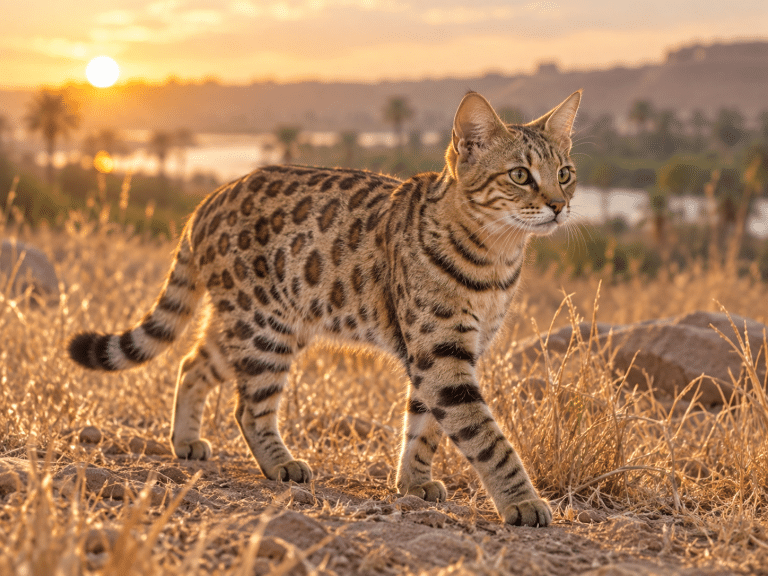
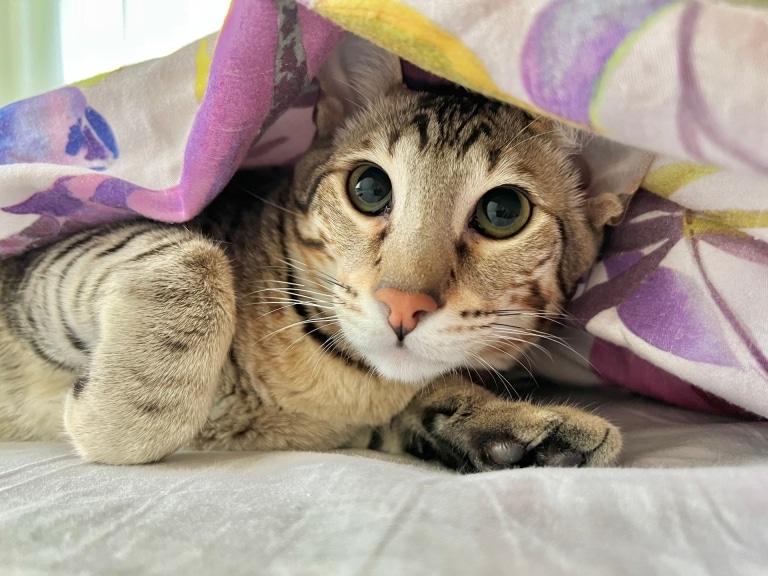
Among modern cat breeds, the Serengeti holds a special place. It is one of the few breeds created not for cuteness or compactness, but to recreate a wild aesthetic – without using wild blood. Its appearance is reminiscent of the African serval: high paws, big ears, spotted coloring and an attentive gaze. But behind this “wildness” is a fully domestic cat adapted to life alongside humans. It is this contrast that makes the Serengeti so interesting both in terms of breeding and keeping.
Origin of the breed and breeding concept
The Serengeti breed was bred in the United States at the end of the 20th century. Its creation was not accidental – it was a clear breeding project with a specific goal: to get a cat, as similar as possible to the serval, but without admixtures of wild genetics.
For this purpose, they used Bengal cats, which already had a spotted pattern, and Oriental shorthairs, which gave an elongated body shape, large ears and lightness in structure. The result was a cat with a “wild” appearance, but stable and predictable character.
The name of the breed comes from the Serengeti region in Africa – a symbol of wildlife, open spaces and predators. And this name fully corresponds to the visual image of the cat.
Appearance
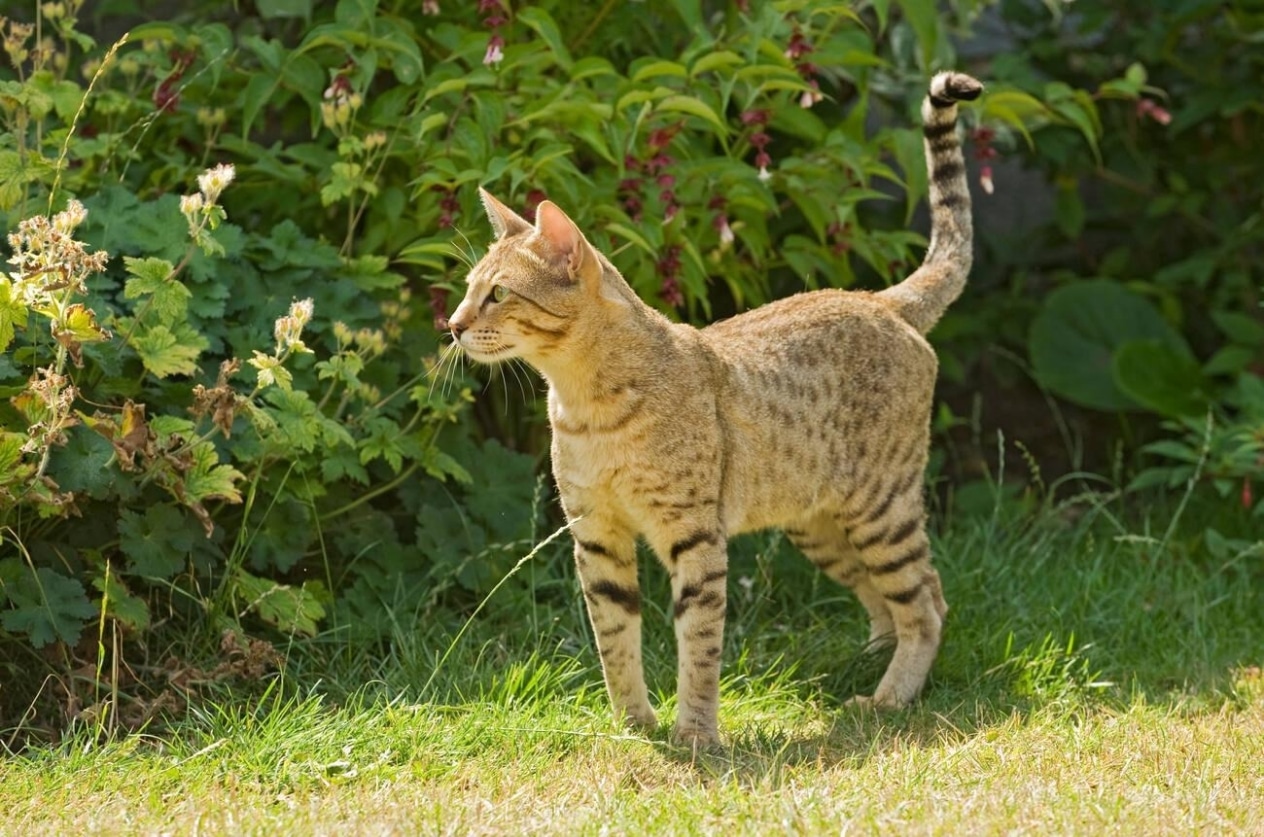
The Serengeti is a medium to large-sized cat, but its main feature is not its mass, but its proportions.
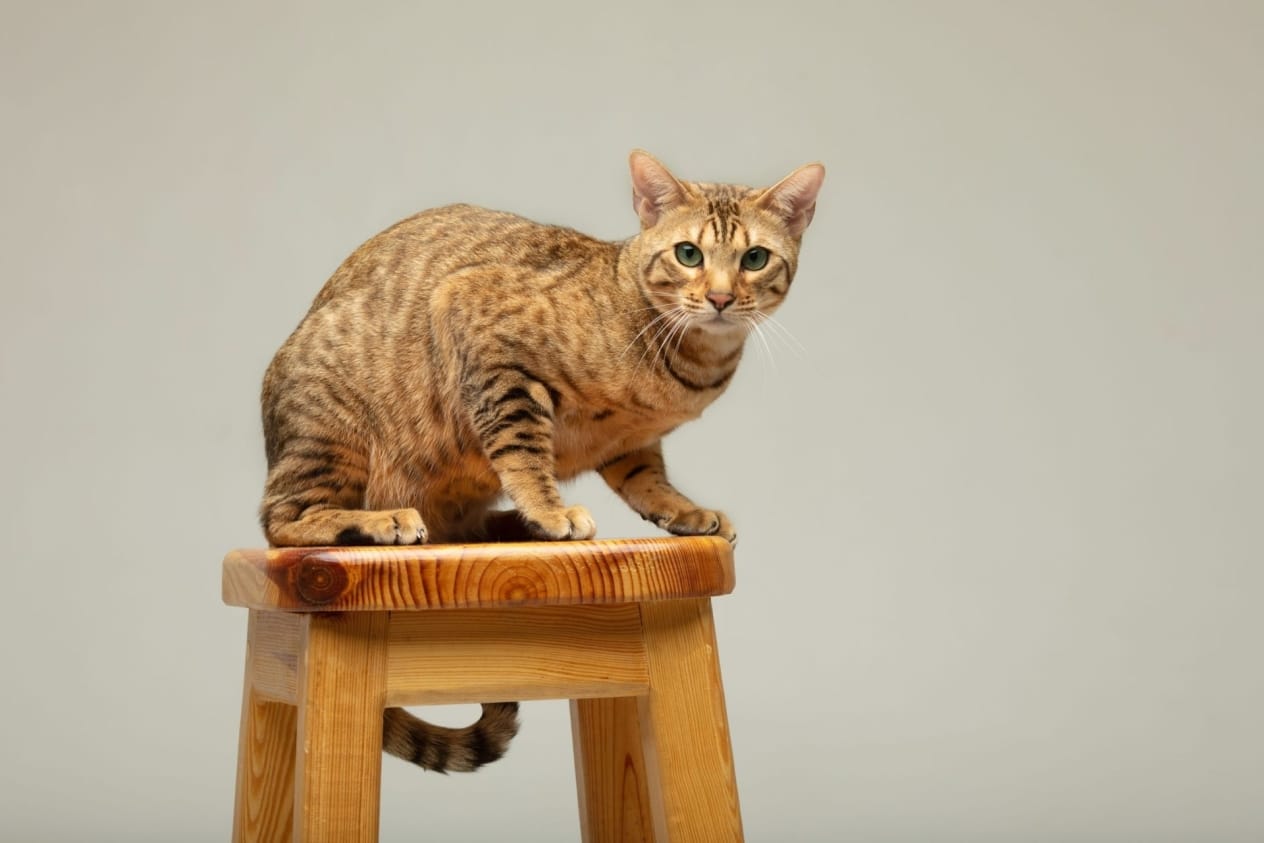
The body is elongated, muscular, without excess weight. It looks “dry” and taut, which creates the effect of a wild animal that is constantly ready to move. The long legs reinforce this impression – the cat seems taller than it is.
The ears are one of the most expressive features. They are large, widely set and always active. This adds to the image of alertness and constant attention to the environment.
The head is wedge-shaped, with clear lines and an expressive profile. The eyes are medium-sized, usually golden or yellow, with an attentive and even slightly cold look.
The coat is short, dense and smooth. The basic color is spotted, with distinct dark spots on a lighter background. The pattern is not chaotic – it is structured and resembles the coloring of wild cats.
In general, the Serengeti looks not like a decorative cat, but like a real predator in a reduced format.
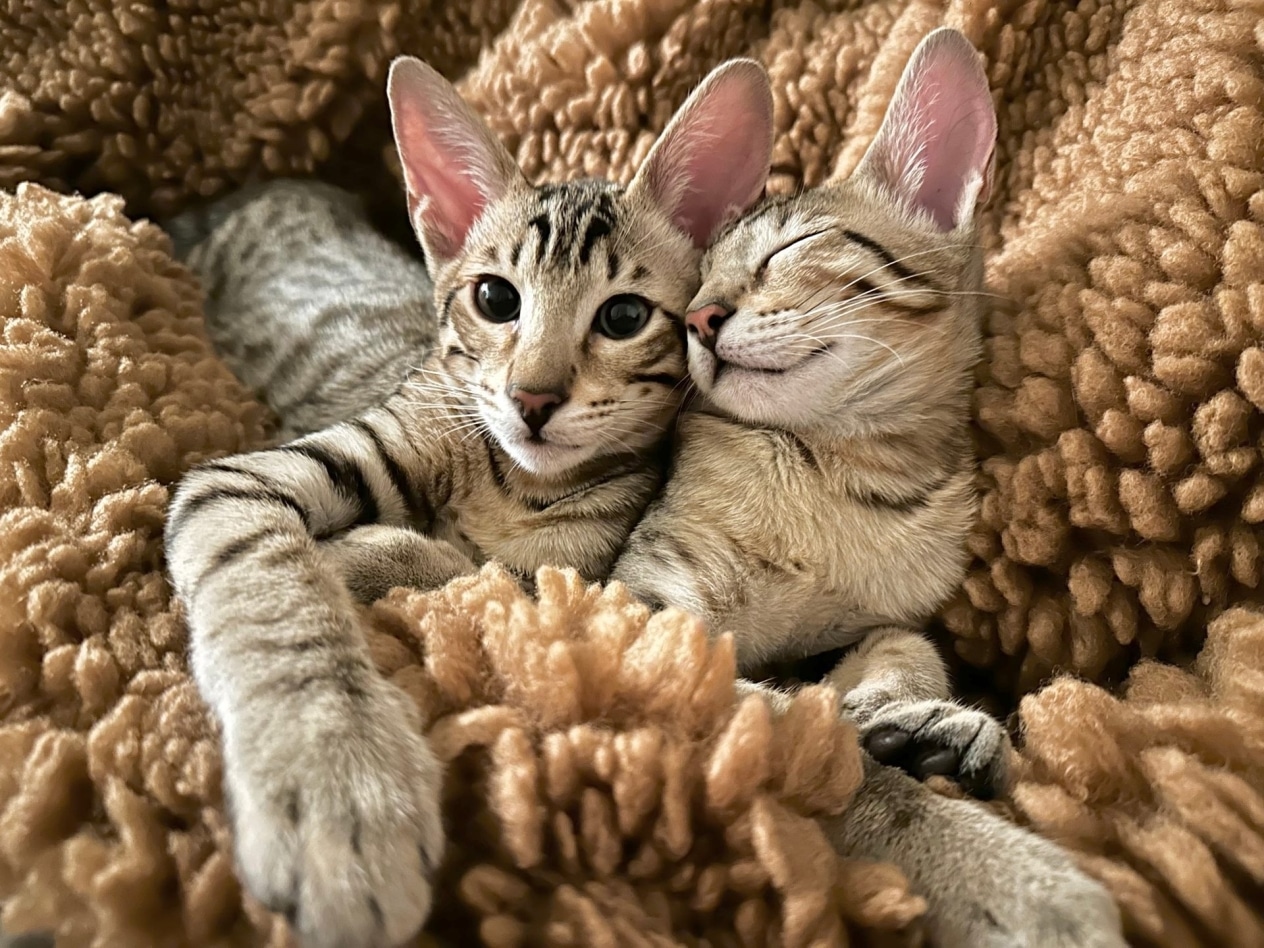
Character of the Serengeti
Despite its appearance, the Serengeti has a completely domestic character. It is an active, inquisitive and very social cat.
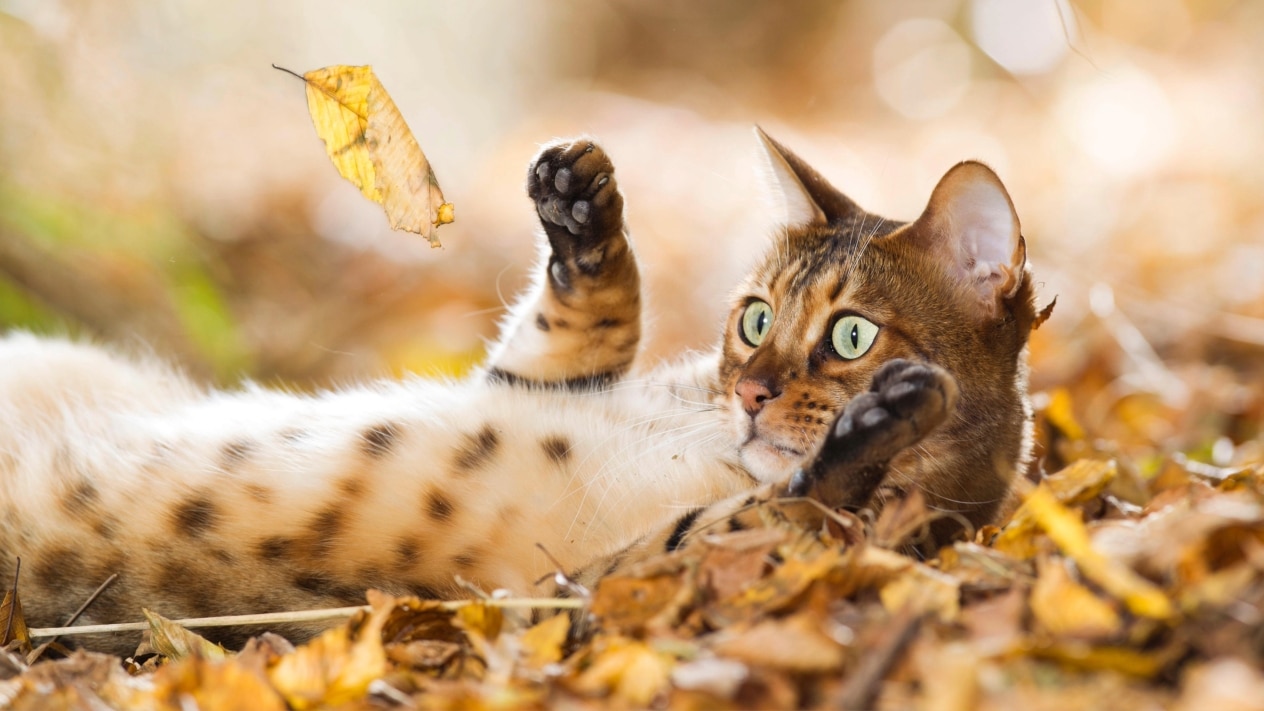
He is not prone to aggression, but at the same time is not passive. Serengeti is constantly interested in what is going on around him. He participates in the life of the owner, observes, explores, tests new objects.
This breed is known for its “talkativeness.” The Serengeti often uses its voice to communicate: it can make various sounds, react to human actions, and demand attention.
It adapts well to people and usually finds contact with family members easily. However, this is not a cat that will lie in your arms all the time. It needs movement, interaction and the opportunity to explore.
The Serengeti’s intelligence is quite high. He quickly memorizes routines, can learn how to open doors or find ways to get to interesting places. That’s why it’s important to provide him with plenty of stimulation and activities.
Housing and grooming of the Serengeti
The Serengeti does not require complex coat care. The short coat is easy to maintain – periodic combing and basic grooming are sufficient.
Much more important is the organization of the environment. This cat needs space and the ability to move around. Ideally – the presence of high structures: shelves, complexes for climbing, places for observation. Height is as important to this cat as space.
Nutrition should be high quality and balanced, taking into account high activity. It is also worth keeping up with regular veterinary check-ups, as for any breed.
Separately, it is worth noting that the Serengeti does not tolerate boredom well. If the cat is left without attention or stimulation for a long time, it can lead to undesirable behavior – not because of the character, but because of excess energy.
Conclusion
Serengeti is the result of thoughtful breeding, which managed to combine the appearance of a wild predator with the behavior of a domestic cat. He looks spectacular, behaves actively and has a bright character. This is a breed for those who appreciate not only external beauty, but also a lively interaction with the animal.
The breed is not suitable for those who are looking for a calm, sedentary cat. It can also be difficult for people who are often away from home.
The Serengeti will not become a background in the home – it will become a part of it.