A dog’s tail is not just an “addition to the back”. In some breeds, it is so distinctive that without it a dog would look very different. It shapes the silhouette, adds to the breed’s recognizability and even influences how we perceive the dog – as serious, graceful or funny.
There are breeds where the tail is a fluffy ring on the back. There are those where it looks like a whip or a plume. And there are those where it’s almost non-existent. And it is these details that often catch more than even the muzzle or coat.
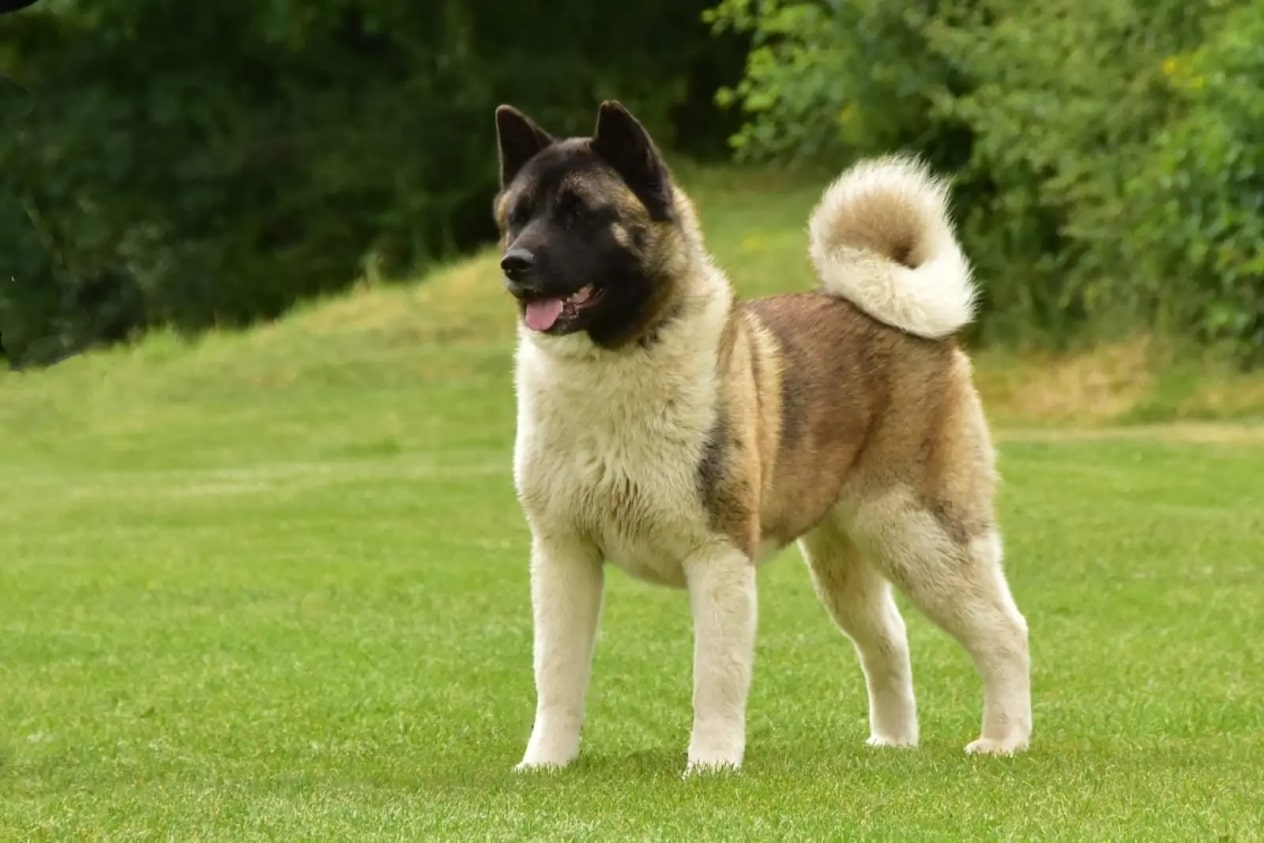
Akita Inu
In the Akita, the tail is a tightly twisted “bagel” that lies right on the back. And it is not only twisted, but looks massive and confident, as a logical conclusion of the whole body of the dog. When you look at the Akita from the side, it is the tail that creates the very effect of a “solid silhouette”, for which it is so loved. Interestingly, the degree of curl can vary slightly, but there is always a sense of strength and density.
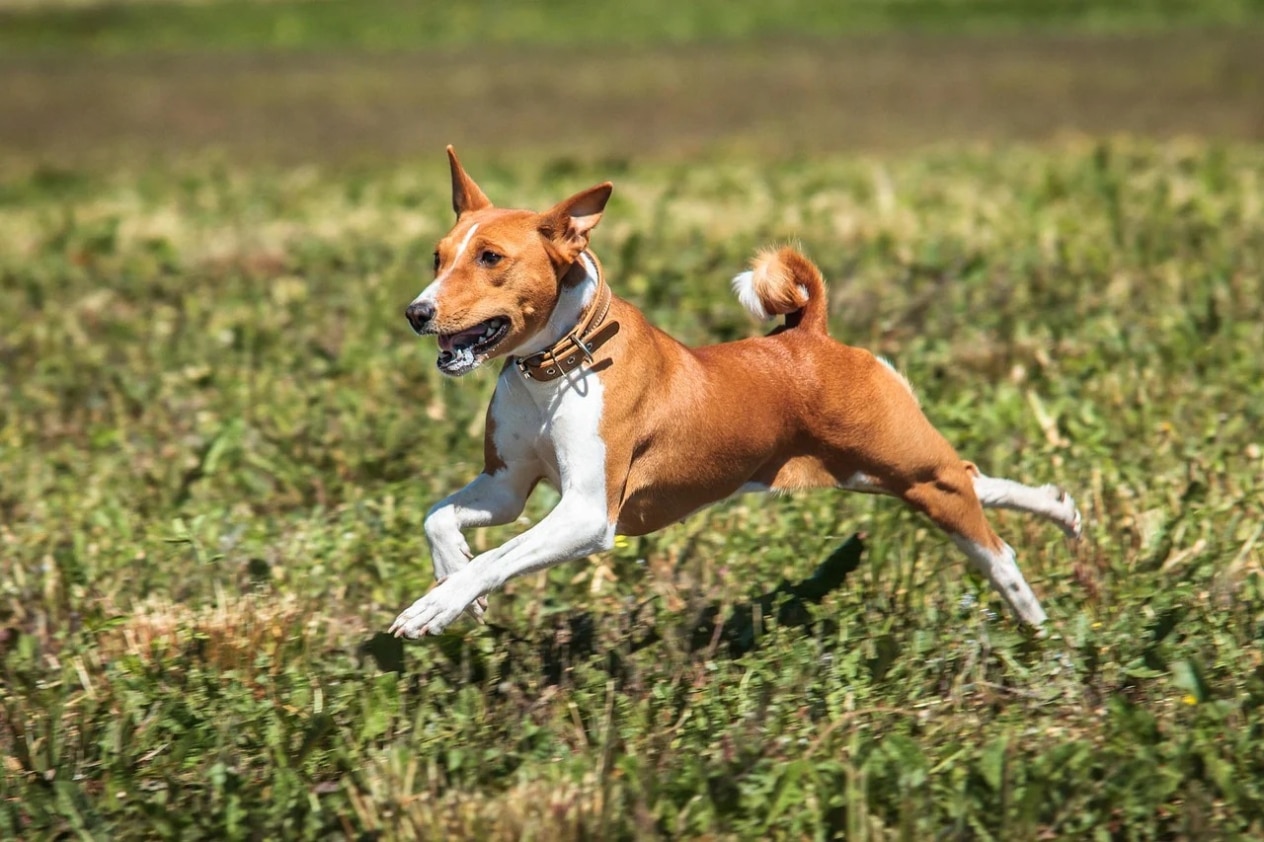
Basenji
The Basenji’s tail is also curled, but in a very different way. It is thinner, neater and looks more “graphic”. It is often a tight ring that lies on the back very clearly, as if drawn. Combined with the dog’s lean, trim physique, this creates a very clean, almost minimalist look. There is nothing superfluous – and the tail emphasizes this.
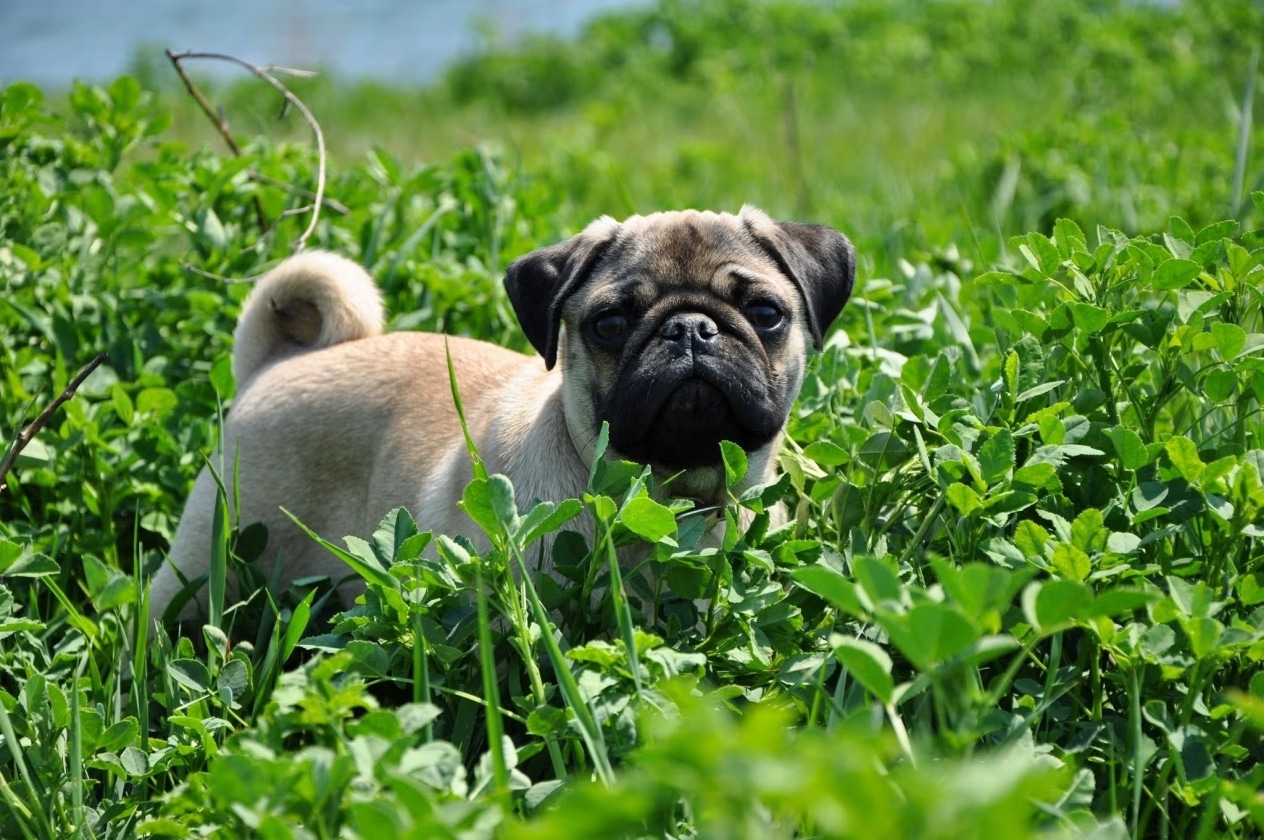
Pug
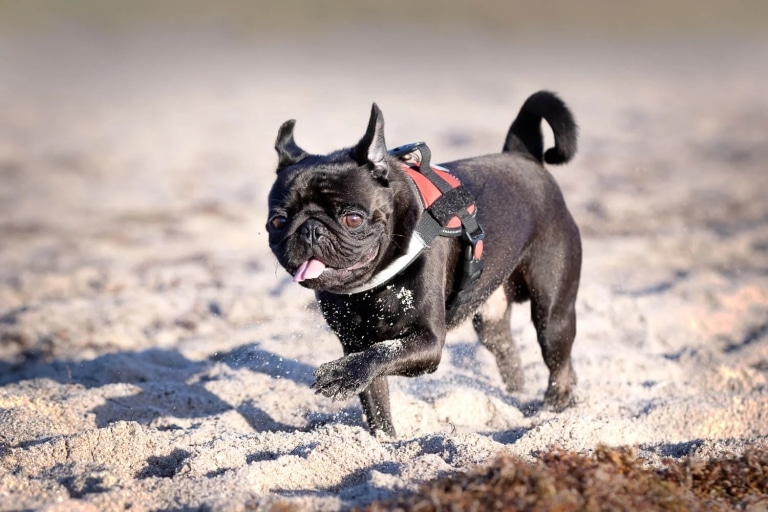
The pug has a small tail, but one of the most distinctive in the dog world. The ideal variant is a double twist, when it is folded in two coils. It looks funny, but it is this detail that makes the pug so recognizable. At the same time, the tail fits snugly against the back and hardly moves like other dogs – it’s more like a “fixed shape” than an active element.
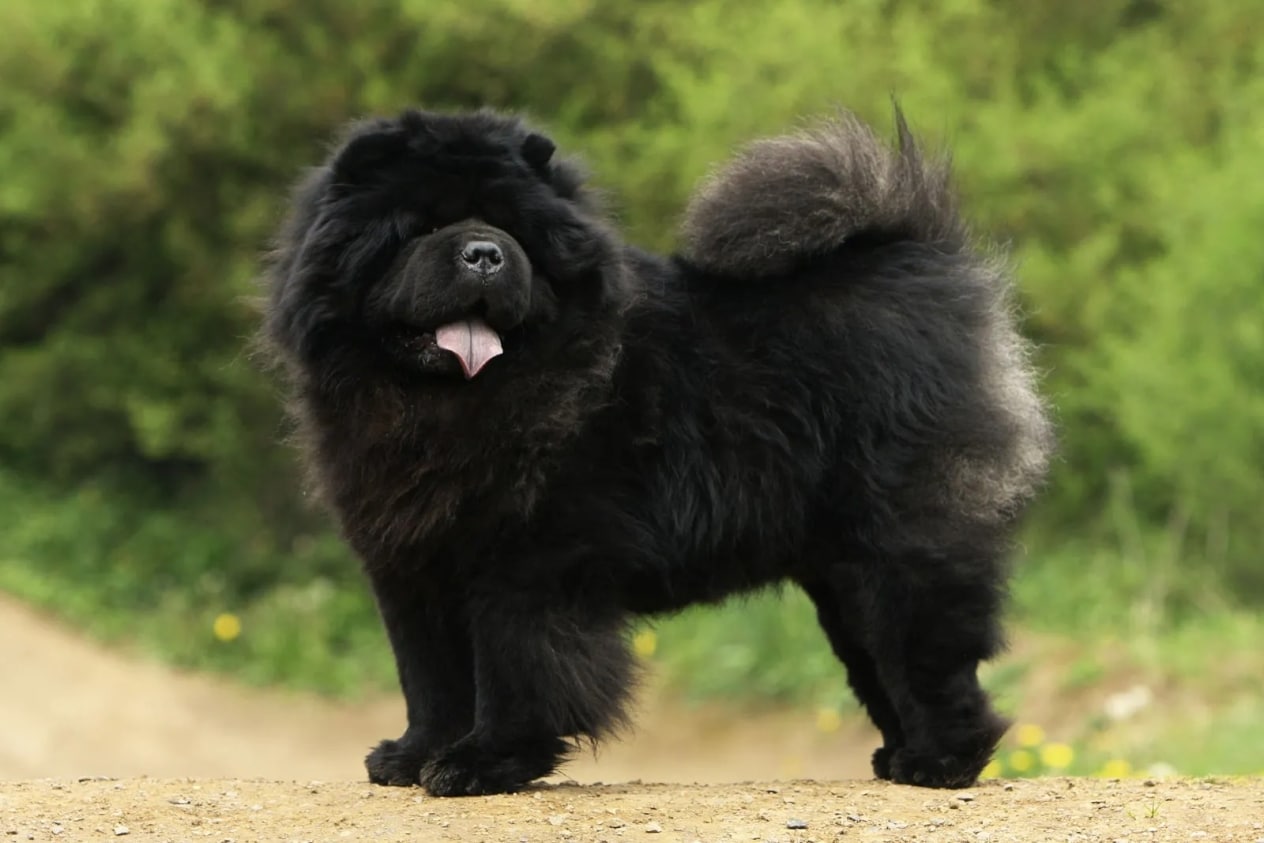
Chow Chow
The Chow Chow has a tail that looks like a fluffy roll that rests on its back. Because of its thick coat, it appears larger than it actually is. It does not have distinct coils like an Akita or Pug, but it gives the impression of massiveness and “softness”. Combined with the thick mane and overall volume of the coat, the tail becomes part of the “teddy bear” image.
Komondor
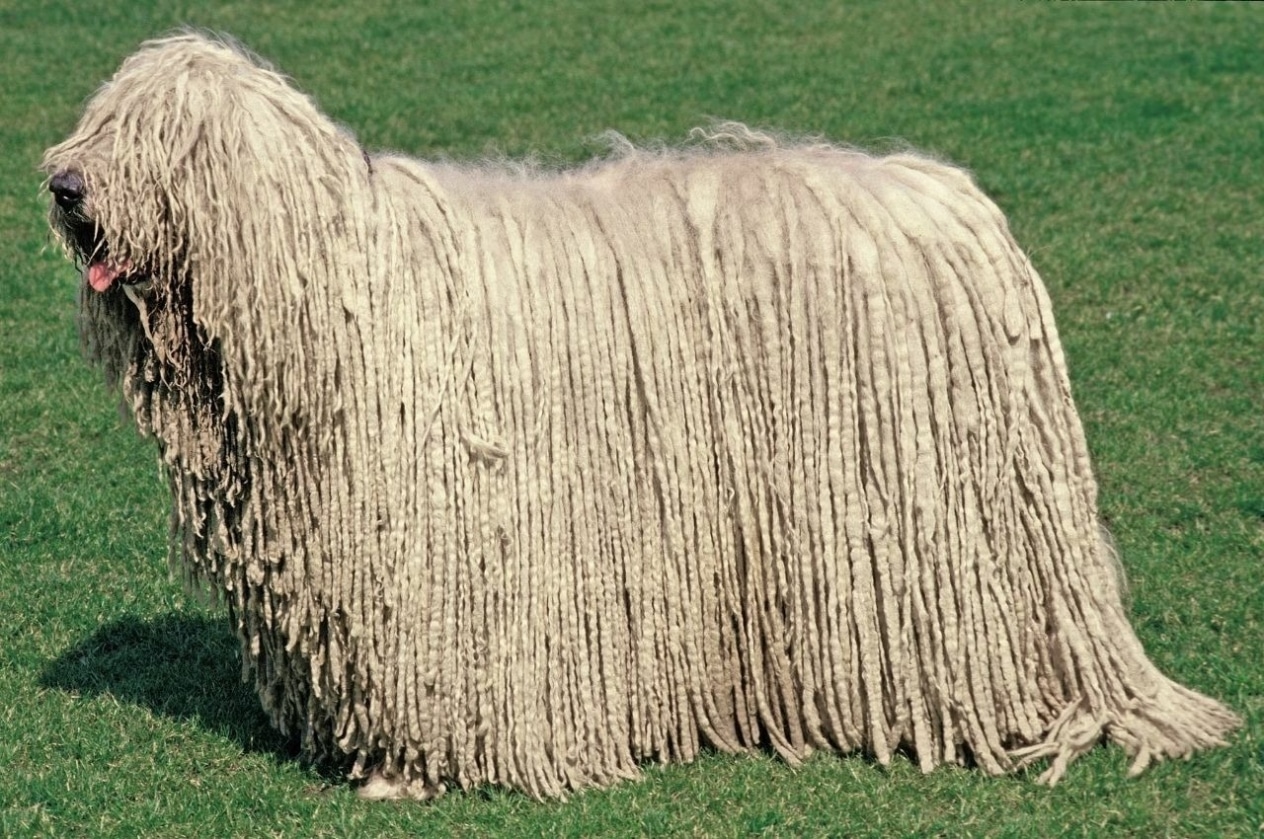
In the Komondor, the tail is hard to find right away. It is there, but it blends in completely with the long corded coat. Dropped down, it doesn’t create a shape like other breeds, but just becomes part of the overall silhouette. Because of this, the dog looks as unusual as possible – as if without clear contours. And it is the tail that plays the role of a “disappearing detail”.
French Bulldog
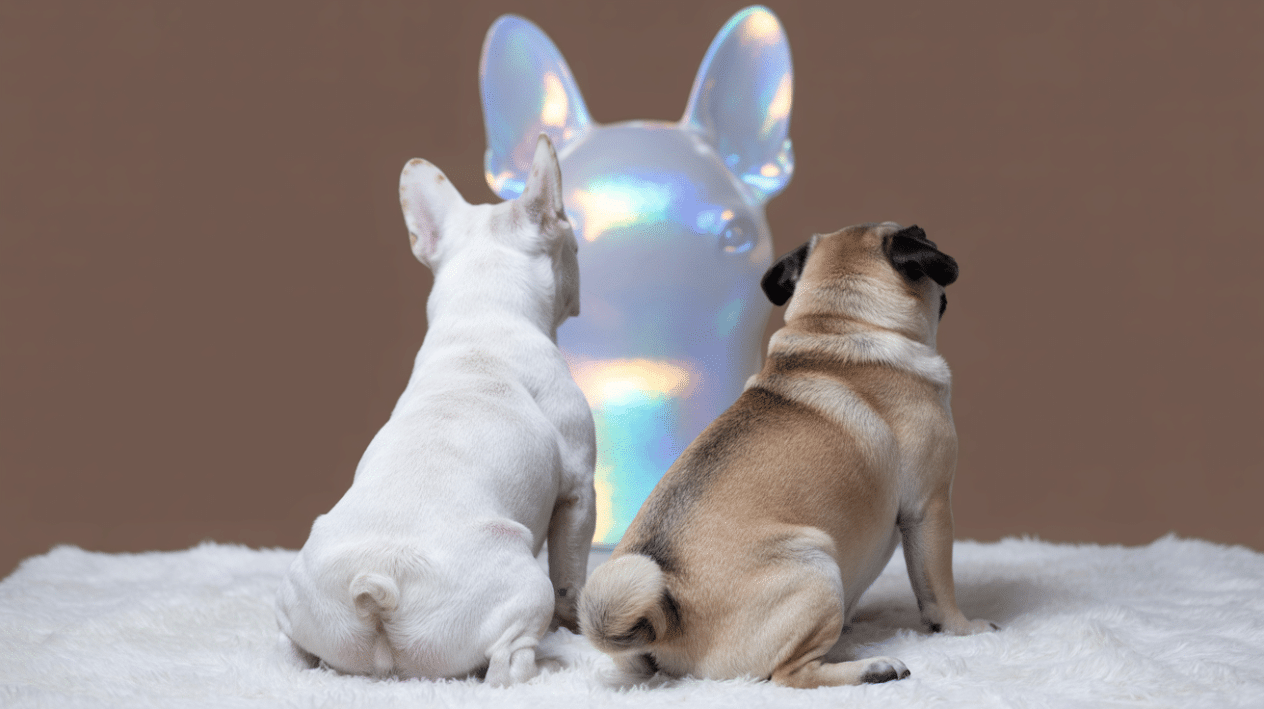
The French Bulldog has a naturally short tail, often with curves or even a “broken” shape. It does not curl and does not create volume – on the contrary, it is as compact as possible. This is one of those breeds where the tail does not complement the silhouette, but on the contrary makes it more collected and “dense”. And it is this feature that gives the bulldog a distinctive look.
Saluki
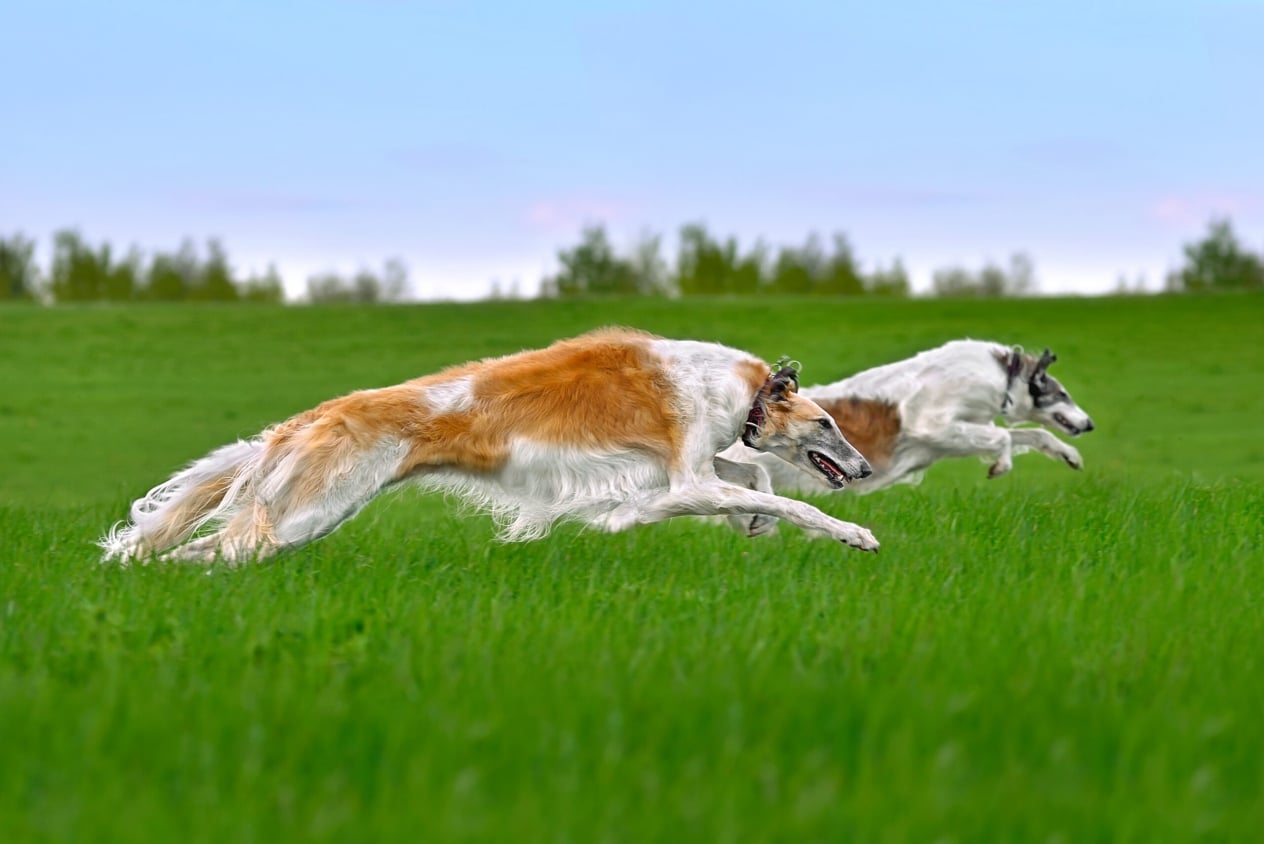
In the Saluki, the tail is the complete opposite of the previous breeds. It is long, thin and has a characteristic “pendant” of wool that moves beautifully when running. In the Saluki, it has an element of elegance. When the dog moves, it looks like a light plume that emphasizes speed and grace.
Spitz
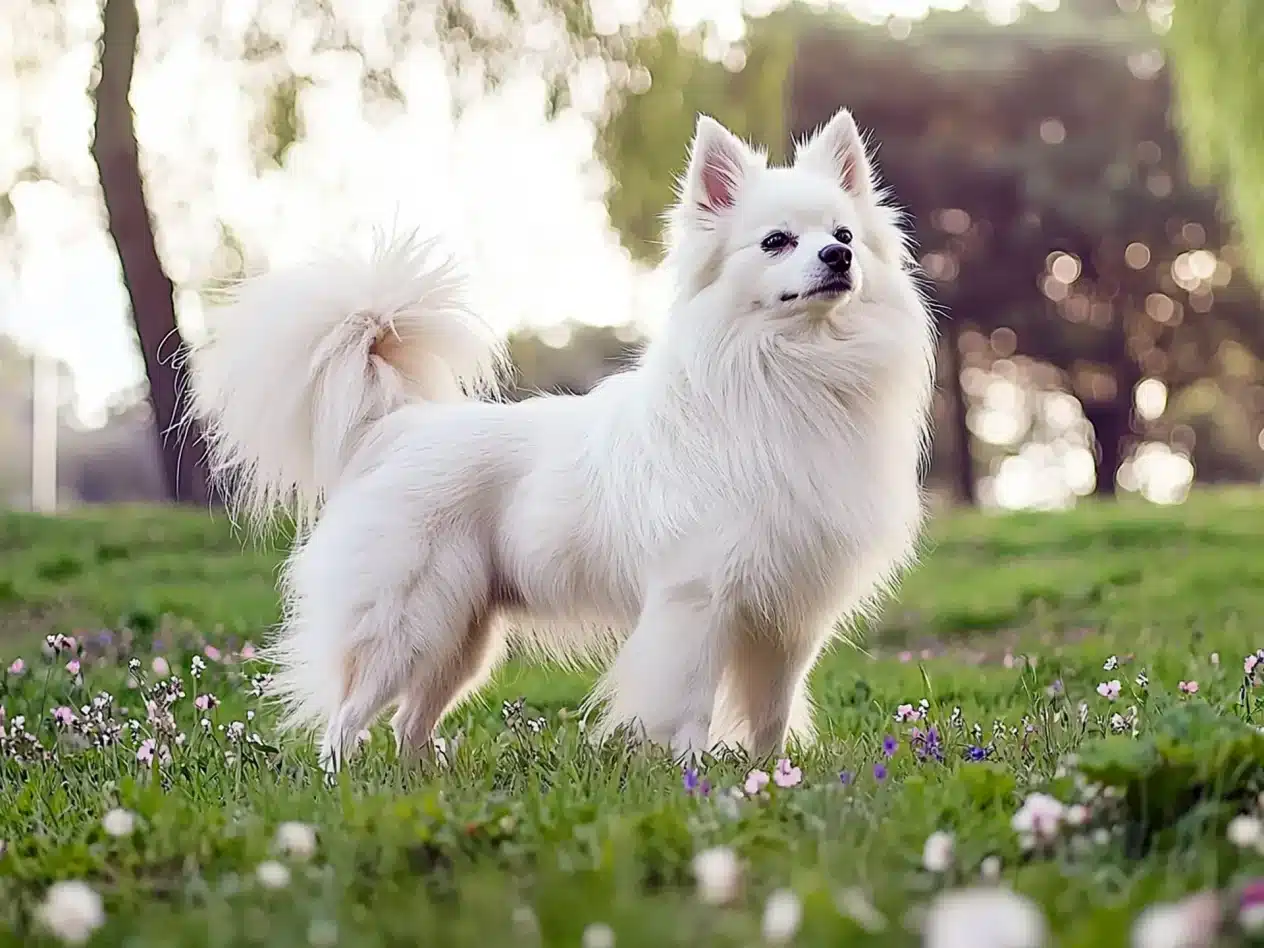
Spitzes have a tail that is a fluffy ring that lies on the back, but its main feature is its volume. It looks like a separate fluffy ball that complements the whole image of the dog. It is the tail, together with a thick coat, that creates the very “toy” look, for which this breed is so adored.
Conclusion
The unusual tail is one of those details that make the breed recognizable and unique. Some have a dense ring, some have a long plume, and some have an almost invisible part of the body. But in each case, it is the tail that forms the overall impression of the dog.
And if you look closely, it’s details like these that distinguish “just a dog” from a breed you want to consider.