Many people don’t even think about their cat’s teeth until they experience bad breath, refusal to eat, or strange chewing behavior. In most cases, dental problems in cats develop quietly and unnoticed. The animal can endure discomfort for years without showing pain, because cats instinctively hide weakness. That is why the topic of dental care is much more important than it seems at first glance.
Domestic cats do not live like their wild relatives. It eats soft food, pates, and treats, chews less on hard surfaces, and many breeds also have a genetic predisposition to dental problems. Because of this, plaque gradually accumulates on the teeth, which turns into tartar. This is followed by gum inflammation, bacteria, pain, and sometimes even tooth loss. And the most unpleasant thing is that this is not just an oral problem. Infections from inflamed gums can affect the heart, kidneys, and general health.
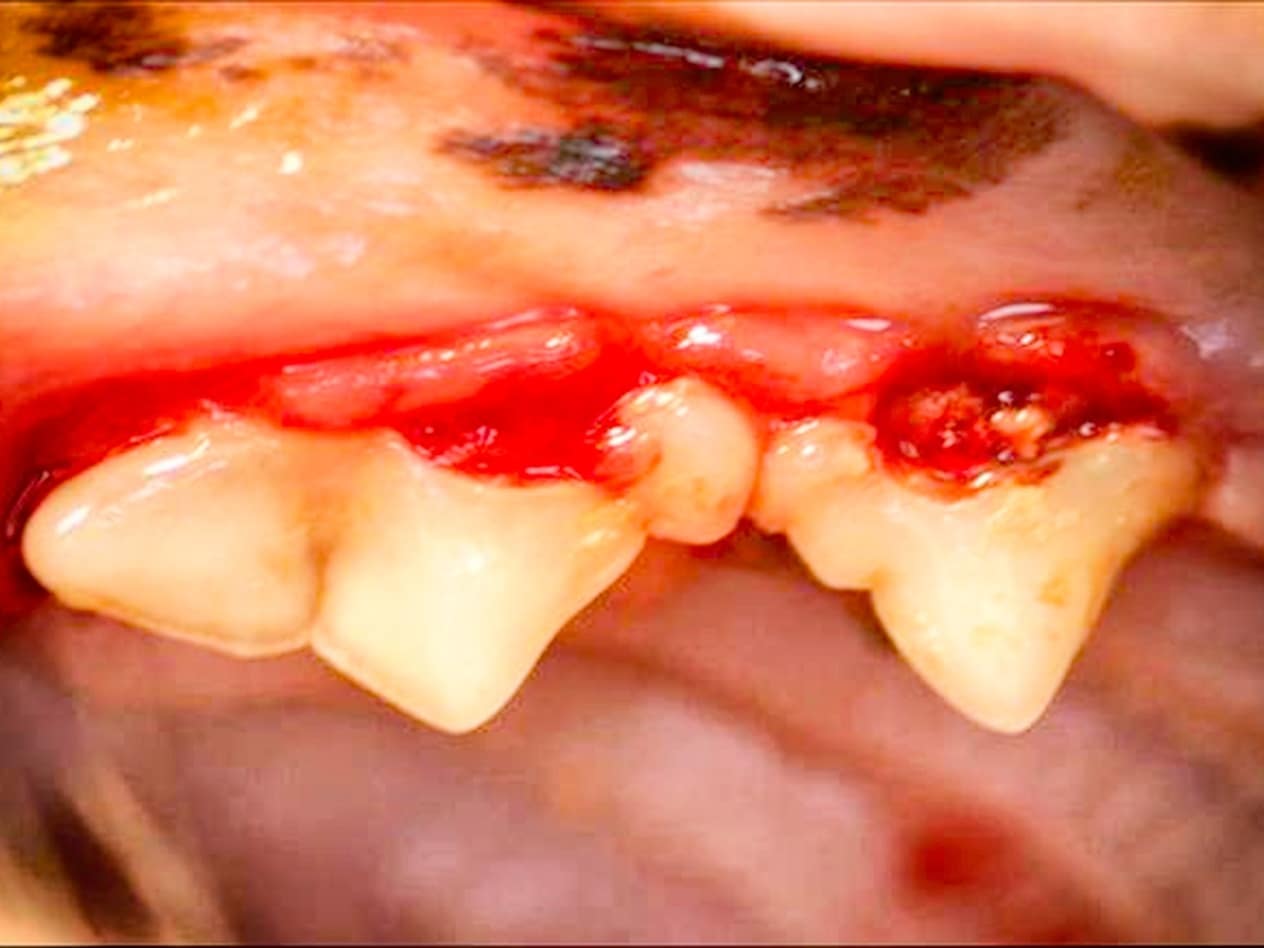
Why do cats have dental problems?
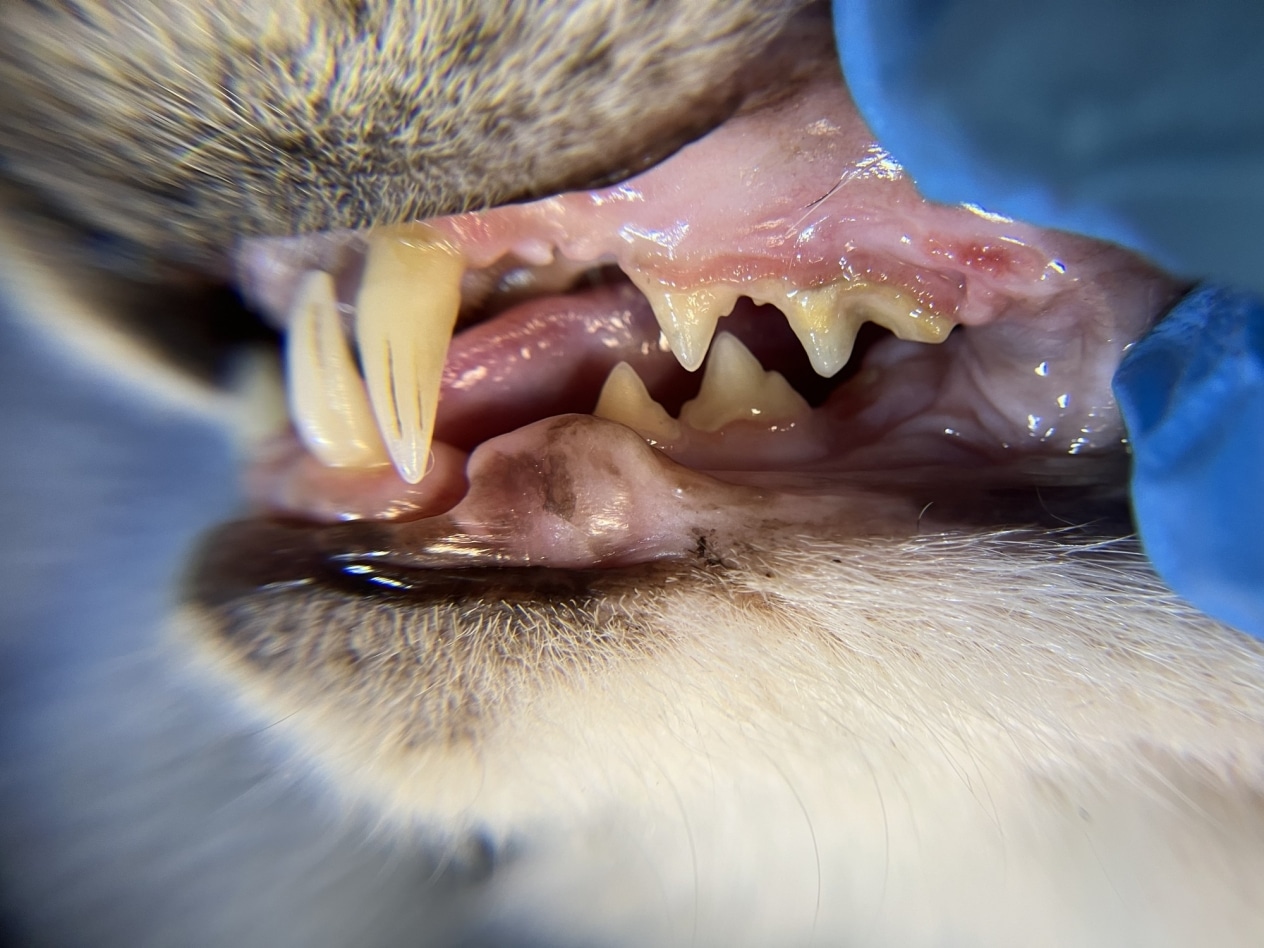
Cats form tartar very quickly. This is especially true for breeds with short muzzles or tightly spaced teeth. Food debris, bacteria, and saliva create a soft plaque that gradually hardens. If it is not removed, it literally begins to “push” the gums away from the tooth. Pockets are formed where bacteria get into. This is how gingivitis, stomatitis, and periodontitis begin.
Many owners think that dry food automatically cleans their teeth. In fact, this is only a partial myth. Regular food is not able to completely remove plaque. Some specialized dental foods can help a little, but they are not a substitute for hygiene. The same goes for dental treats – they are just a supplementary element.
What is particularly dangerous is that the cat may continue to eat even in severe pain. The person looks on: “If it eats, then everything is fine.” But in reality, the animal is just enduring. Often, the first symptoms are not appetite problems, but irritability, unwillingness to play, salivation, chewing on one side only, or even aggression when touched.
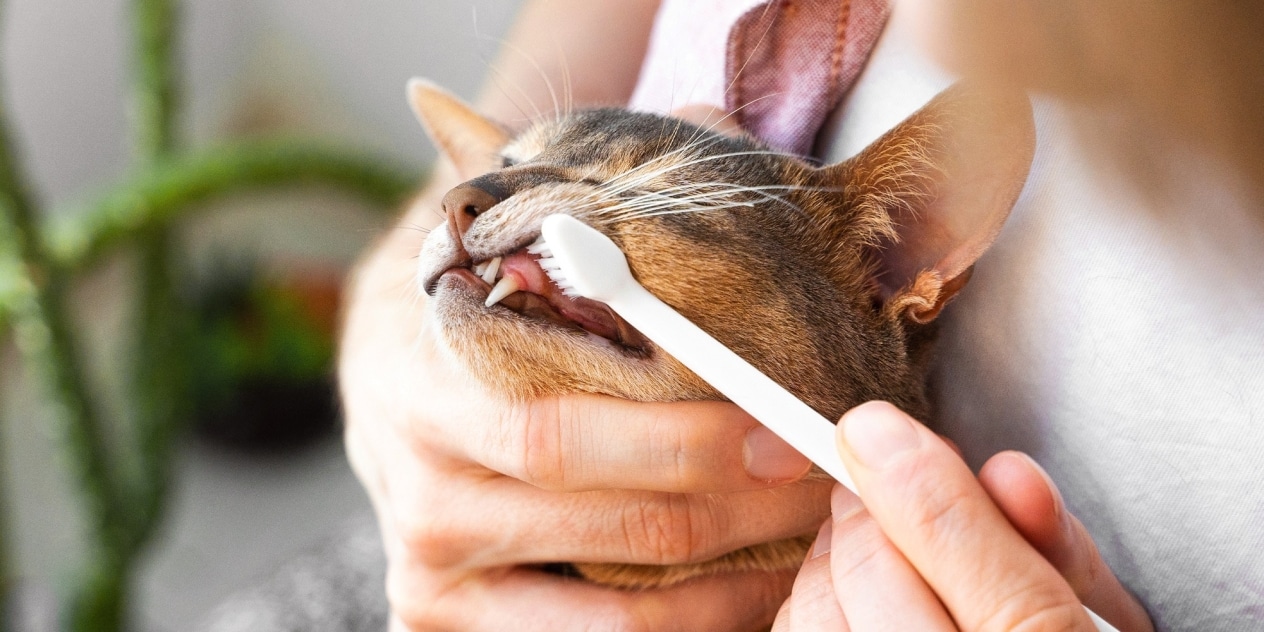
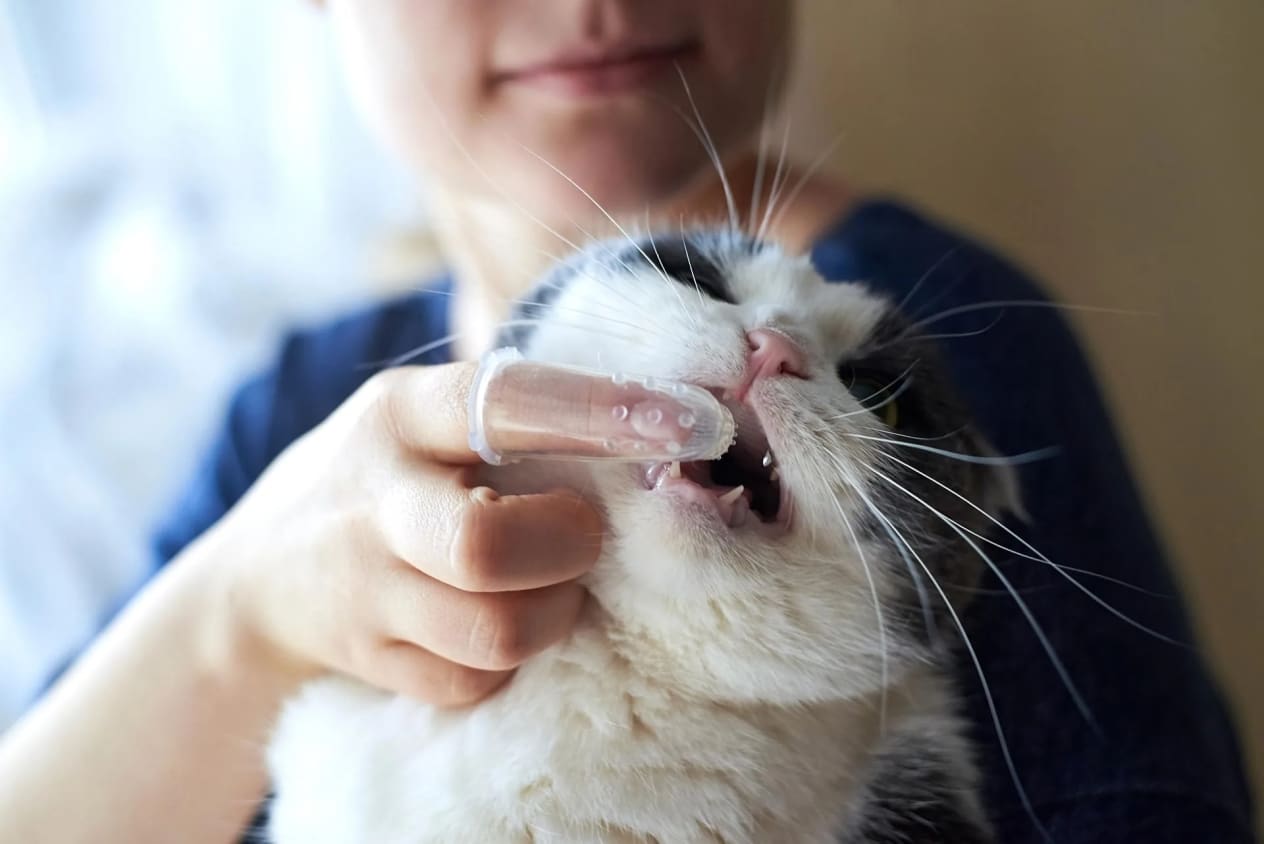
Is it realistic for a cat to brush its teeth at home?
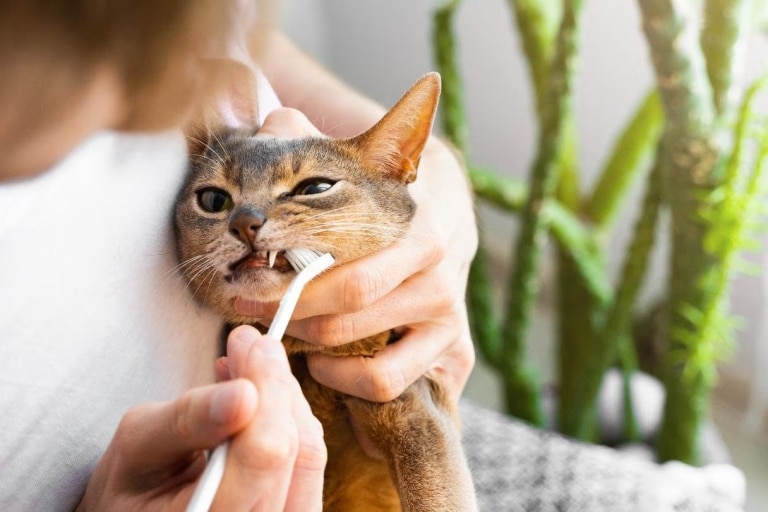
Yes, and it is much more beneficial than it seems. The best option for prevention is regular home brushing with a special pet toothpaste. Human toothpaste is categorically not suitable for cats because it contains ingredients that they swallow and can be toxic.
It is ideal to accustom your cat to the procedure from an early age. At first, it’s enough to just touch the muzzle with your finger, then the gums, and then use a special brush or silicone fingertip. The main thing is not to do it by force and not to turn the procedure into stress. Even a few cleanings a week can make a big difference.
But we have to be honest: not all cats allow you to brush their teeth properly. Some breeds are more calm, while others categorically do not tolerate interference. In such cases, additional methods can help: dental gels, special water additives, chewy treats, or professional cleaning at a veterinary clinic.
If the tartar is already hard and yellow-brown, a home brush will not remove it. In this case, ultrasonic cleaning by a veterinarian is required. And it’s important not to delay, because inflammation is often already hiding under the stone.
How do I know if my cat already has dental problems?
The most common symptom is bad breath. Many people think that “cats have it that way,” but a strong, unpleasant odor almost always indicates bacteria or inflammation.
You should also pay attention if your cat
– starts eating more slowly;
– refuses to eat solid food;
– shakes his head while chewing;
– rubs his face with his paw;
– has reddened gums;
– drooling
– shows aggression for no reason;
– loses weight.
Sometimes owners are surprised how much more active and cheerful their cat becomes after dental treatment. This shows how long the animal could live with constant pain.
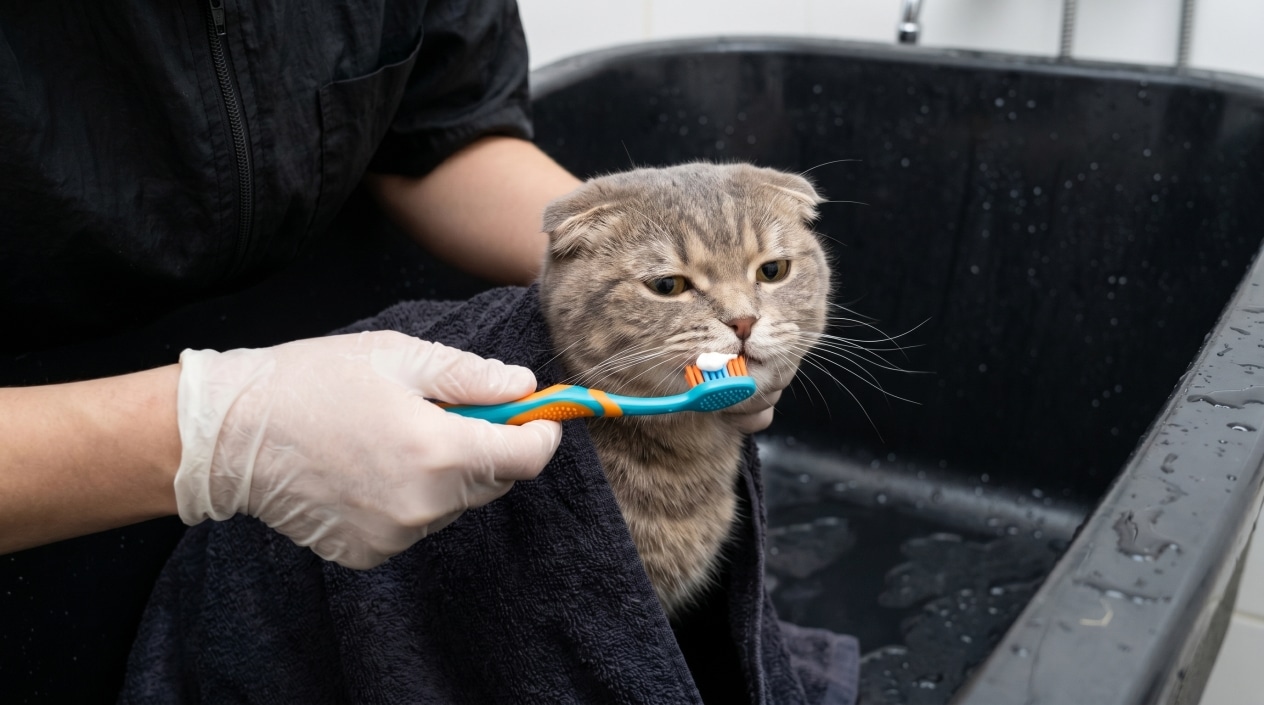
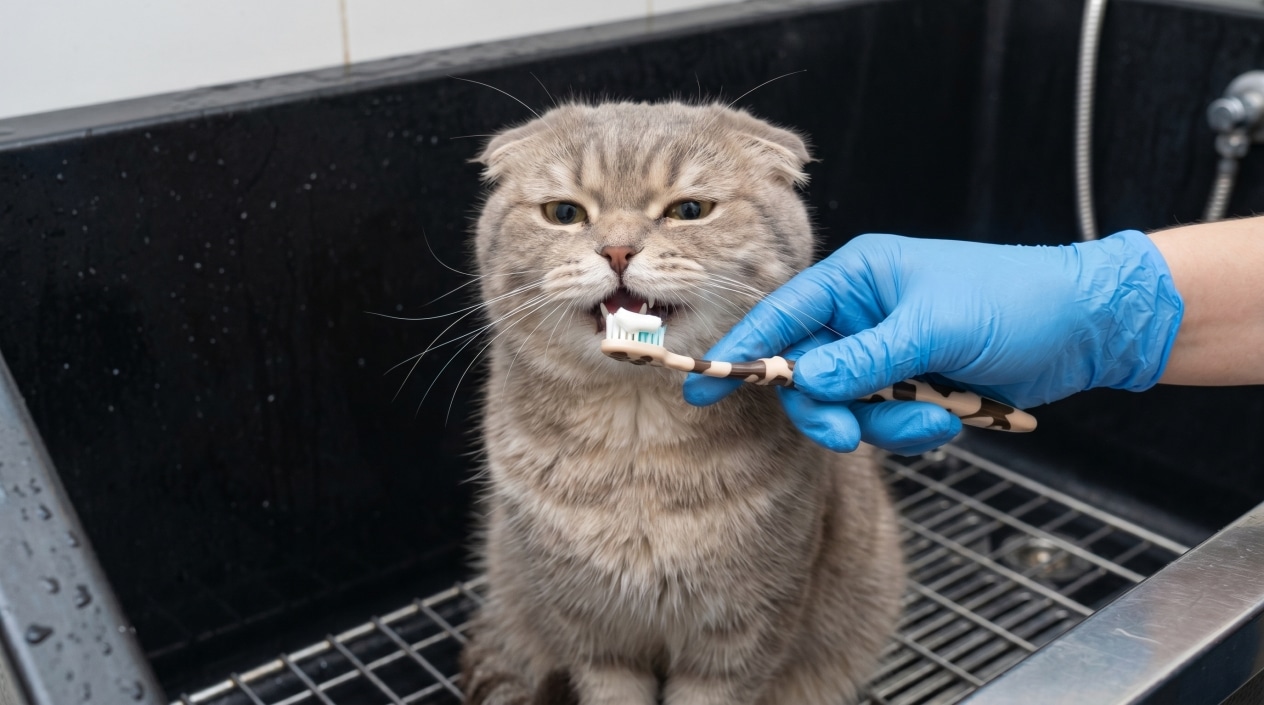
By the way, during grooming or bathing, the masters often notice problems with the teeth even earlier than the owners, because they are in close contact with the animal’s face. V.O.G DOG SALON always pays attention not only to the coat, but also to the general condition of the pet, because beauty and health in animals are very closely related.