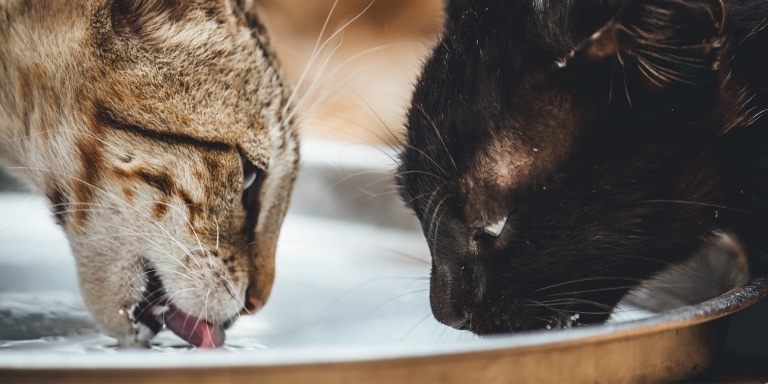
Many people remember how cats in villages were regularly given milk and lived to be 15–20 years old. That’s why today’s claims that milk is supposedly strictly off-limits come as a surprise. So what’s the truth? In reality, the answer isn’t so clear-cut.
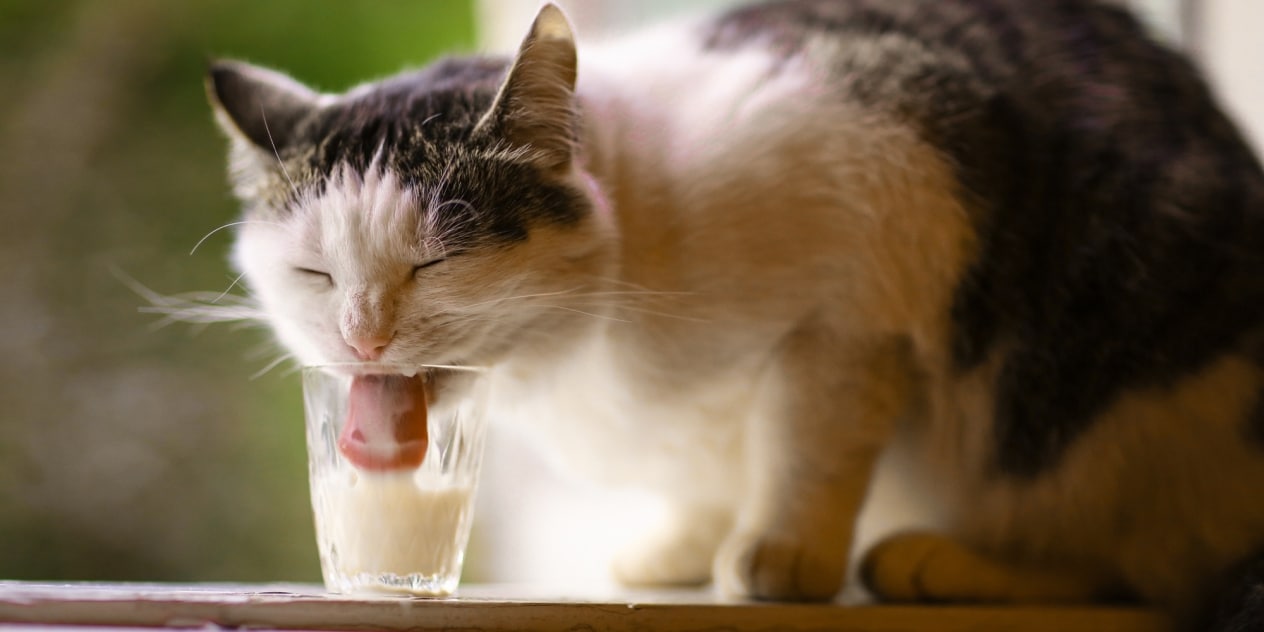
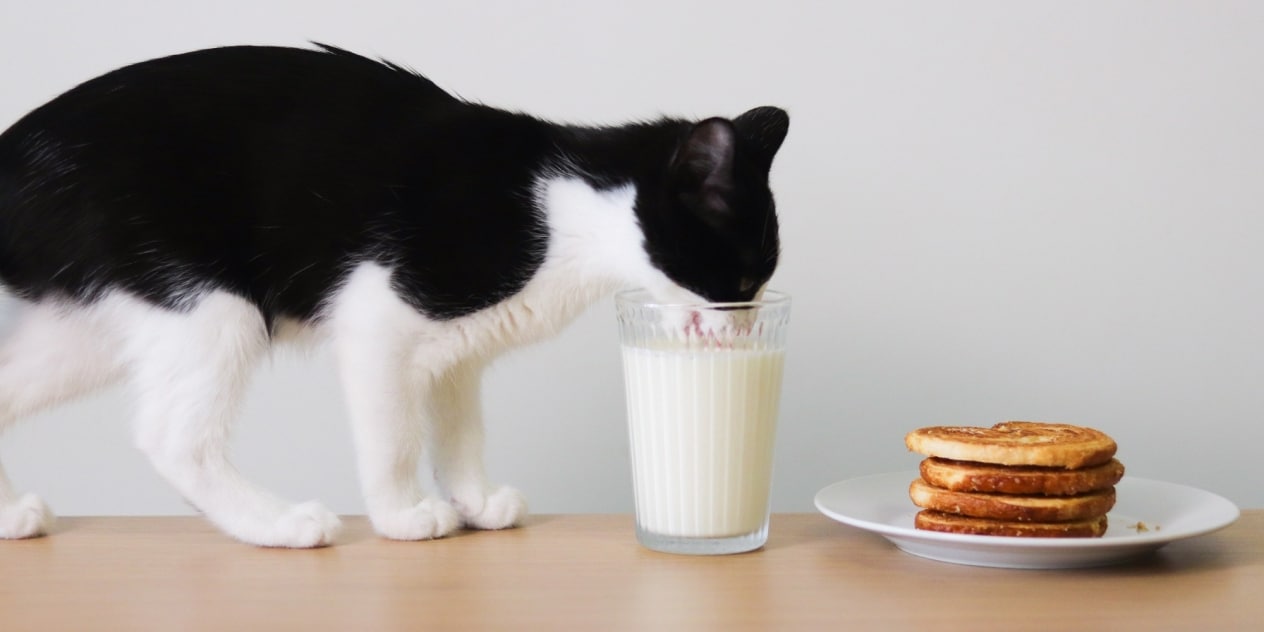
Why were cats given milk in the past, and why did they seem to be fine?
In the past, milk was available in almost every village. Owners often gave it to their cats, but that doesn’t mean it was their main food.
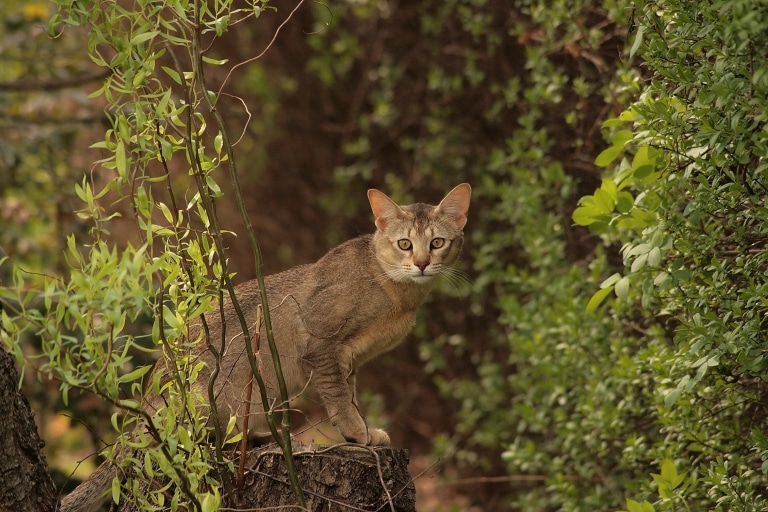
A rural cat hunted mice, birds, and insects every day and received scraps of meat or fish from the table. Milk was merely a pleasant addition to its diet, not its mainstay.
In addition:
- cats were very active and burned more energy;
- fresh milk often contained more natural enzymes than modern pasteurized milk;
- not all cats reacted the same way to milk—it’s just that digestive problems were rarely discussed back then.
Therefore, the longevity of rural cats cannot be explained by milk alone. It was just one of many factors in their lifestyle.
Why do people say today that milk is harmful?
The main reason is lactose, or milk sugar.
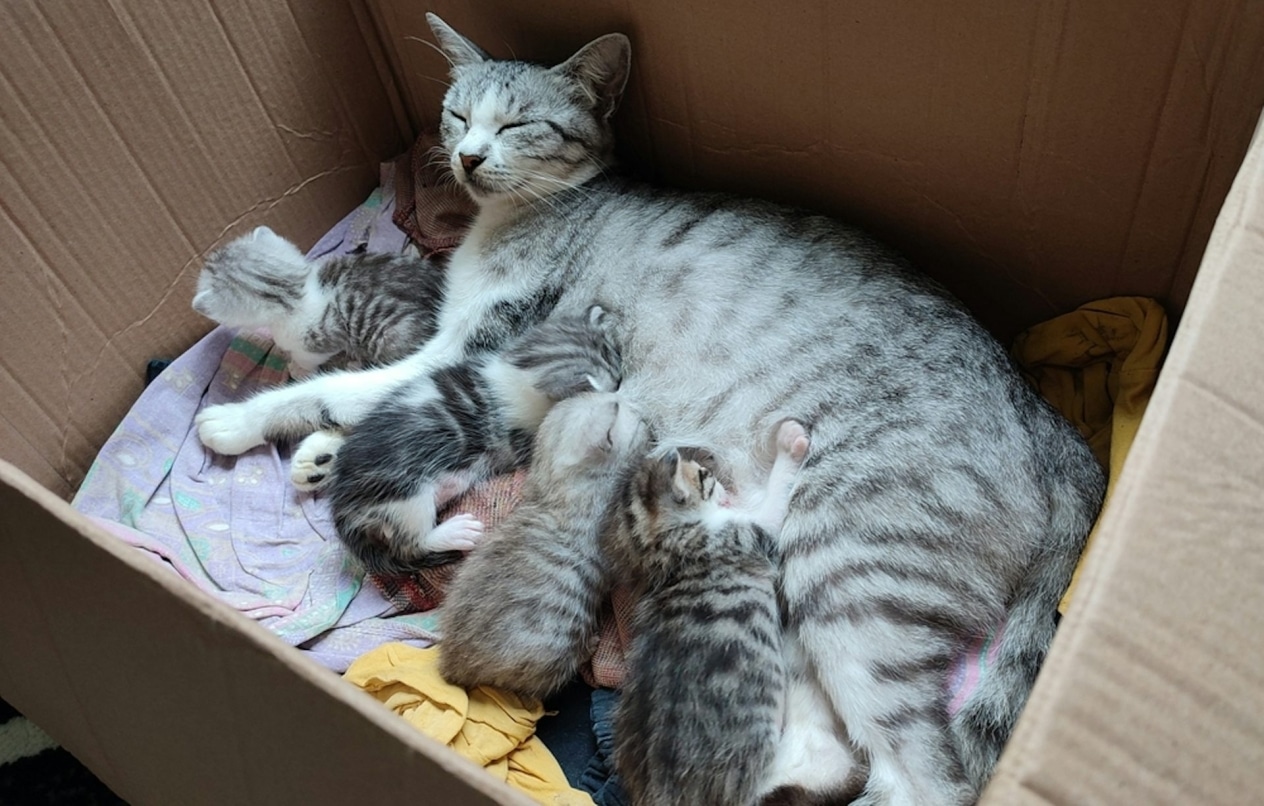
While kittens are nursing from their mother, their bodies produce enough of the enzyme lactase to help digest milk. After weaning, production of this enzyme decreases significantly in most adult cats.
As a result, consuming regular cow’s milk may cause:
- diarrhea;
- bloating;
- gas;
- intestinal discomfort.
But it’s important to understand: this doesn’t mean that milk is poisonous to all cats.
Some adult cats tolerate small amounts of milk just fine and have no problems at all. Others may experience digestive upset even after just a few sips. It all depends on the individual cat.
So, is it okay to give them milk after all?
Yes, but in moderation.
If your cat doesn’t develop diarrhea or other symptoms after consuming a small amount of milk, it’s perfectly acceptable to treat them to a small portion every now and then.
However, milk should not replace your cat’s regular drinking water, as water is the body’s primary source of hydration. Milk is also not a complete food and cannot provide an adult cat with all the necessary nutrients. That is why milk, even if your pet tolerates it well, should remain only an occasional treat and not constitute a significant part of its daily diet.
If your cat really loves milk but experiences problems after drinking it, you might want to consider special lactose-free cat milk. It’s specifically formulated to accommodate the unique characteristics of a cat’s digestive system.
Conclusion
The myth that “milk is deadly for all cats” is not true. But the idea that an adult cat should drink milk all the time is just as false.
The truth lies somewhere in between: milk isn’t a necessary part of a cat’s diet, but it’s not strictly off-limits either. If a particular cat tolerates it well, a small amount from time to time isn’t a problem. The most important thing is to observe your own pet’s reaction, and the foundation of its diet should remain a complete, balanced meal plan and fresh drinking water.