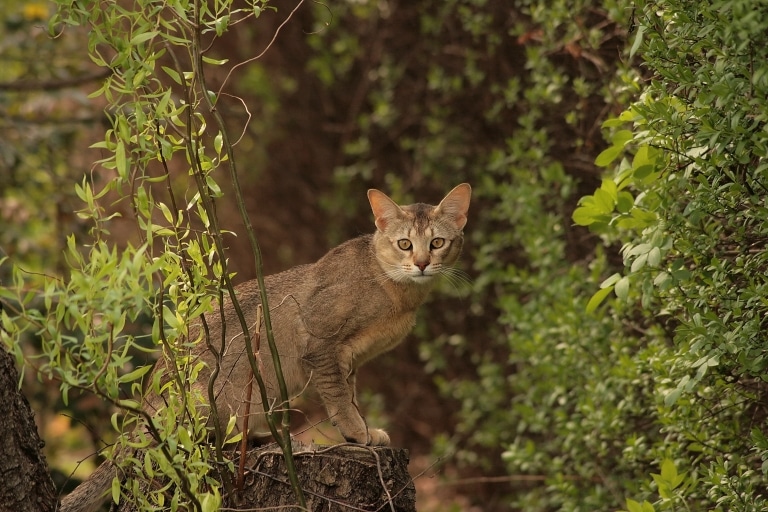
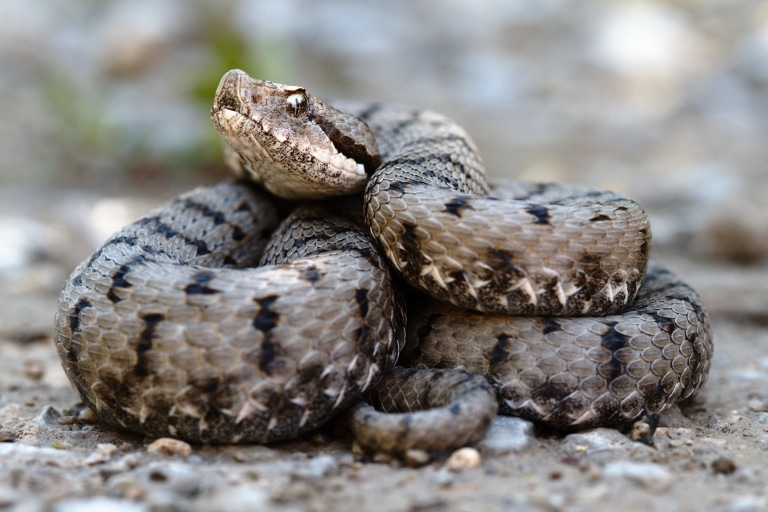
The most dangerous encounter in nature isn’t always accompanied by hissing or a menacing growl. Sometimes the threat is a nearly invisible tick on your leg, a wasp in a can of soda, or a fox that approaches people with unusual boldness.
There are animals in Ukraine that can be life-threatening if you come into contact with them. However, this doesn’t mean they attack all the time, nor does every bite have fatal consequences. The danger depends on the circumstances, the person’s condition, and how quickly they receive medical attention.
Vipers
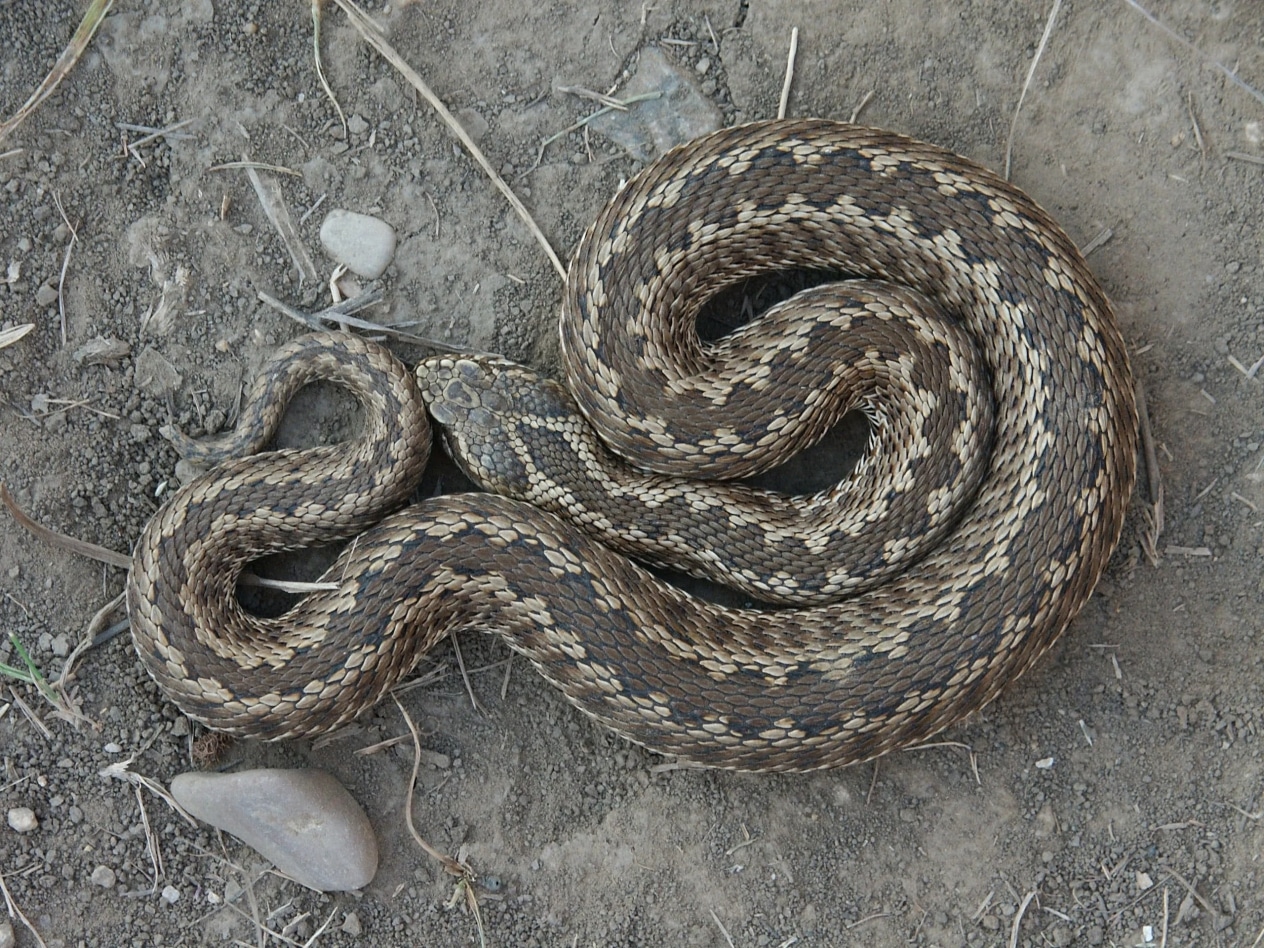
Vipers do not pursue people or hunt tourists. They usually try to avoid contact and bite only when stepped on, squeezed, or picked up. It is precisely the attempt to catch or kill the snake that can turn an ordinary encounter into a dangerous one.
In Ukraine, the common viper, the steppe viper, and Nikolsky’s viper are found. They inhabit various natural areas, including Polissya, the Carpathians, and the steppes. A bite can cause severe pain, swelling, weakness, and a drop in blood pressure. Fatalities are rare, but serious complications are possible, especially for children, the elderly, and people with certain medical conditions.
When out walking, wear closed-toe shoes, watch your step, and do not reach under rocks or logs. If you are bitten by a snake, move away from it, minimize your movements, immobilize the affected limb, and call 103 or 112. Do not apply a tourniquet, cut open the wound, or suck out the venom.
Karakurt
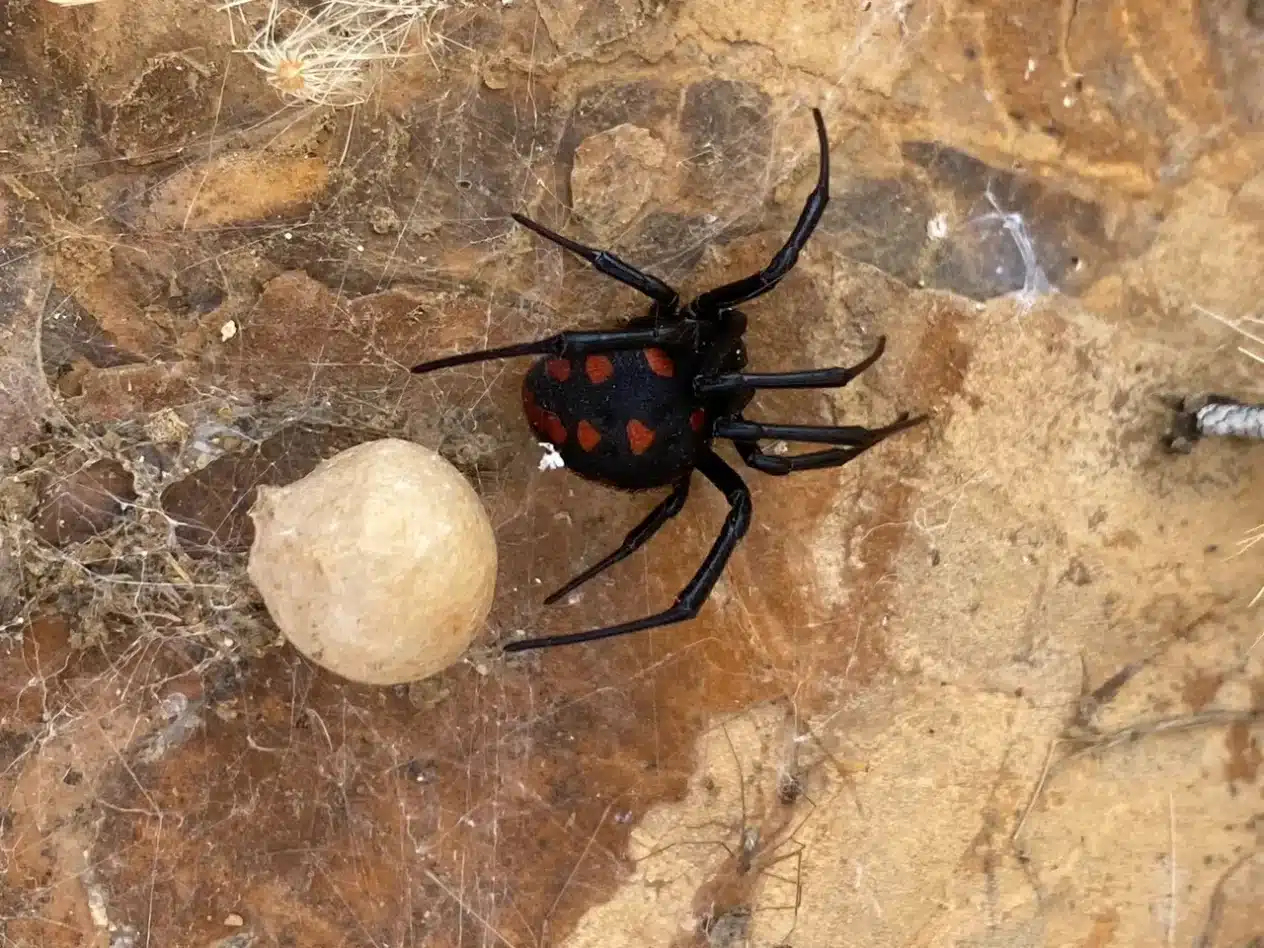
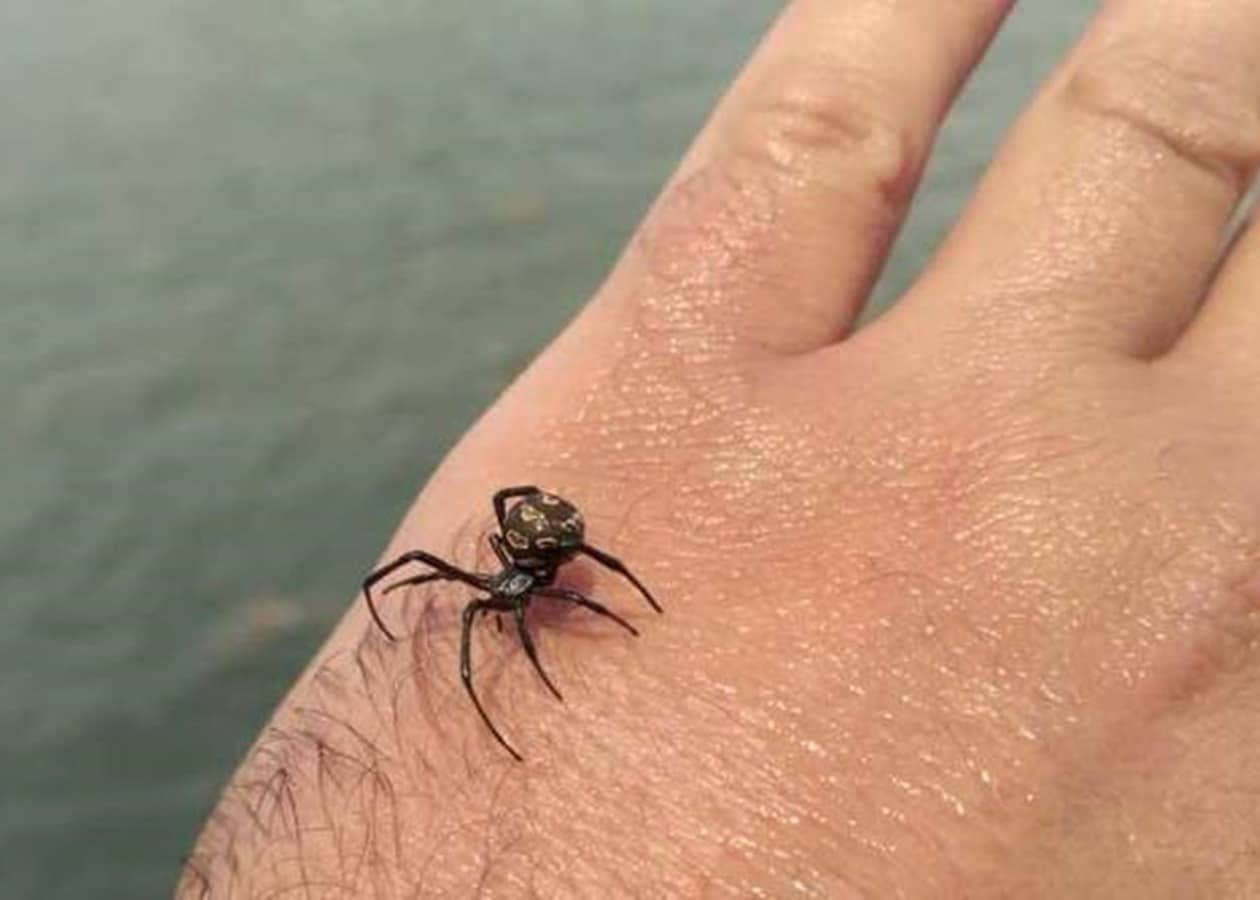
A large spider can be intimidating just to look at, but its size does not determine the potency of its venom. The karakurt—a member of the “black widow” group—is considered one of the most dangerous spiders in Ukraine.
The insidious nature of its bite lies in the fact that it may be almost imperceptible at first. A person may continue working or resting, but later experience severe pain, muscle spasms, sweating, nausea, weakness, or difficulty breathing. These symptoms require immediate medical attention.
When working near firewood, rocks, or household materials, wear gloves and check items left outdoors. If you suspect a karakurt bite, seek help. Do not cauterize the skin or try to squeeze out the venom. There is also no need to catch the spider with your hands to show it to a doctor.
Wasps, Bees, and Hornets
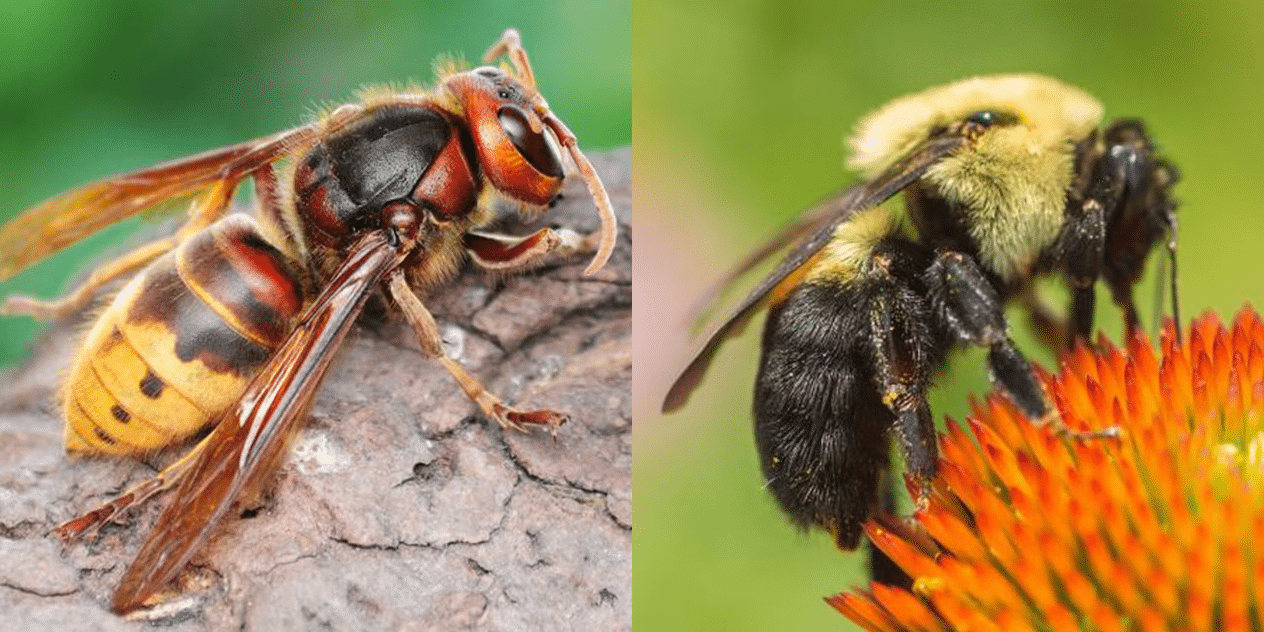
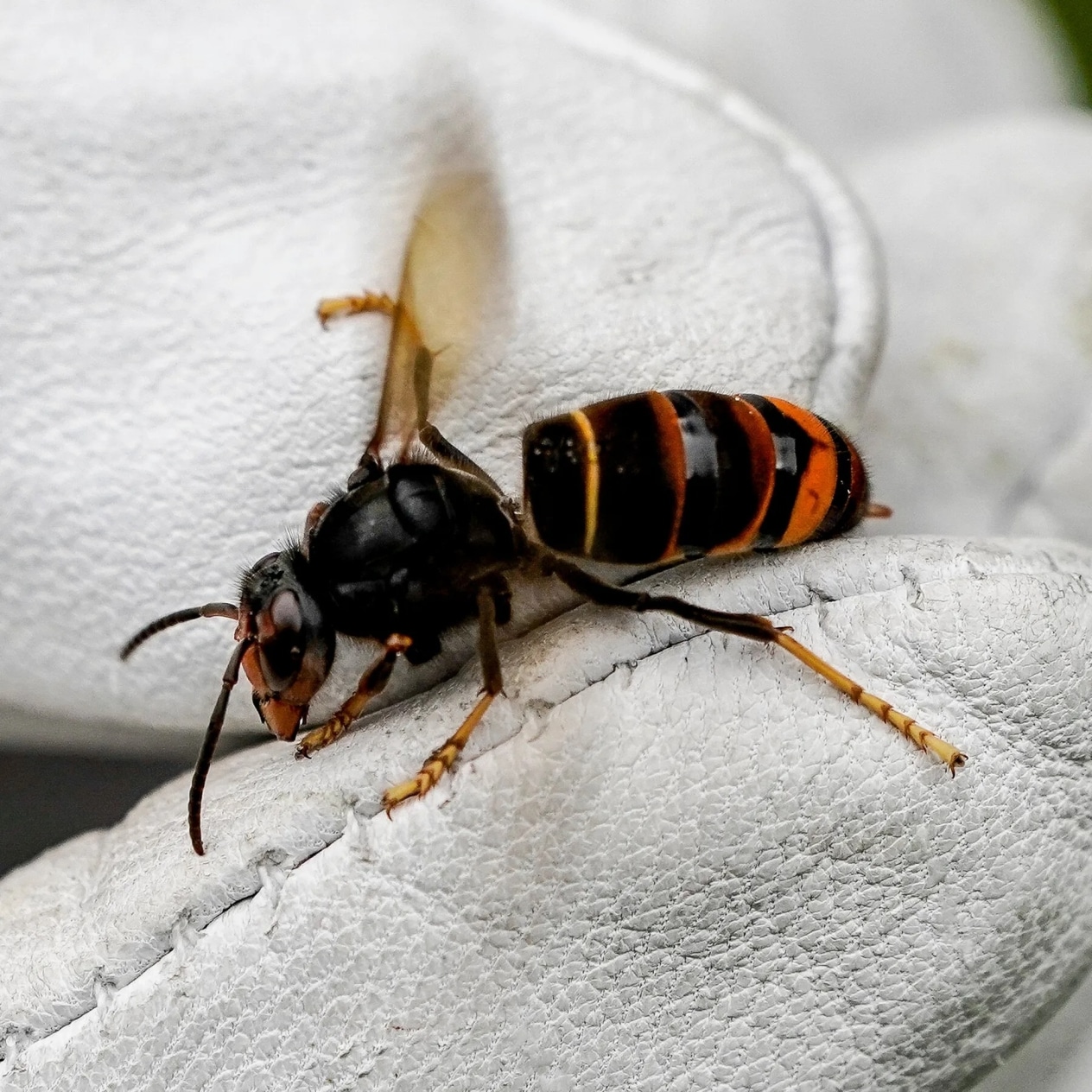
An ordinary bee can pose a greater danger to a specific person than a large spider. The reason is an allergy to its venom. For most people, a sting results in localized pain and swelling, but in the case of anaphylaxis, the reaction can quickly threaten breathing and circulation. Multiple stings pose a particular danger.
Be especially careful near nests and when eating outdoors. An insect may unnoticedly get into an open jar or bottle of a sweet drink, so check it before taking a sip.
If, after a sting, your tongue or throat swells, you have difficulty breathing, or you experience sudden weakness or loss of consciousness—call 103 or 112 immediately. If the person has been prescribed an epinephrine auto-injector, administer it according to the instructions. An antihistamine tablet is not a substitute for epinephrine in cases of anaphylaxis.
Ticks
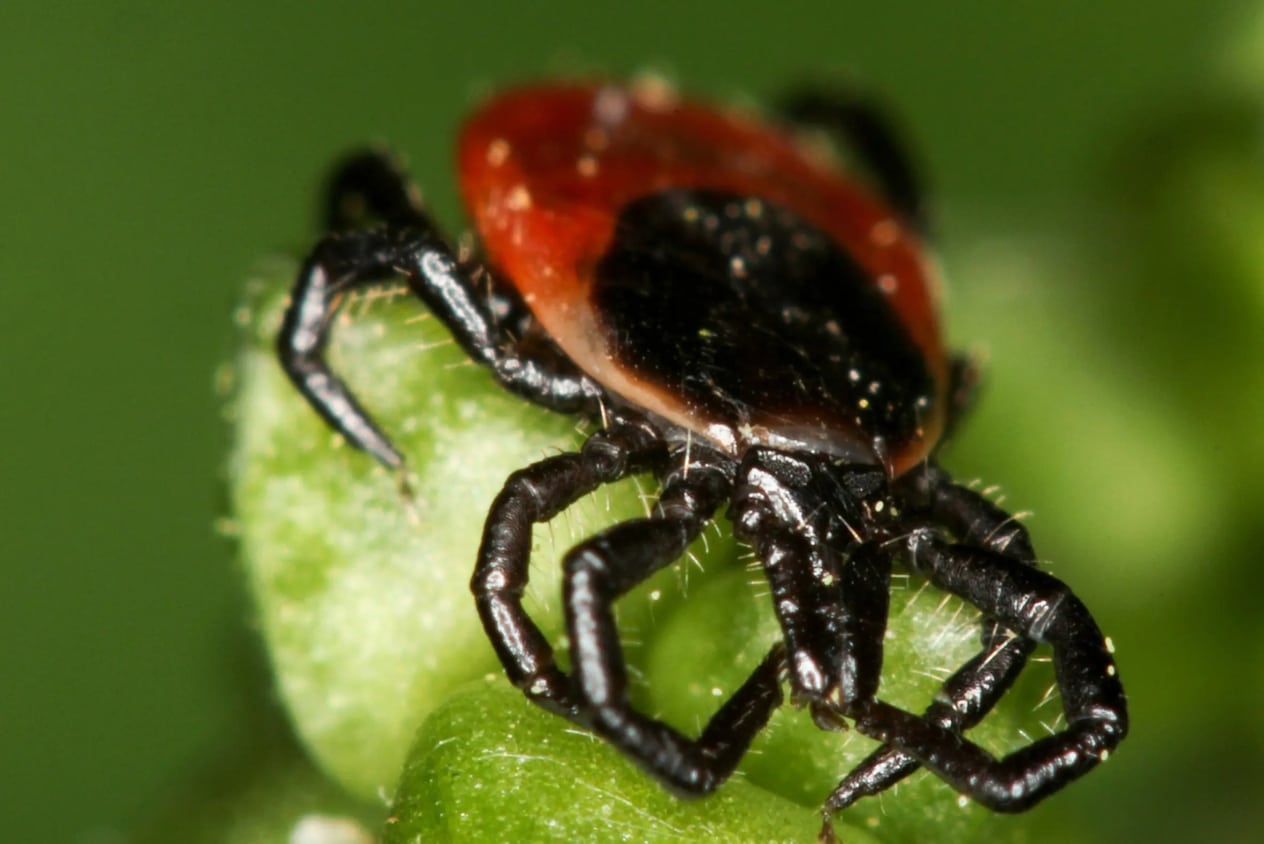
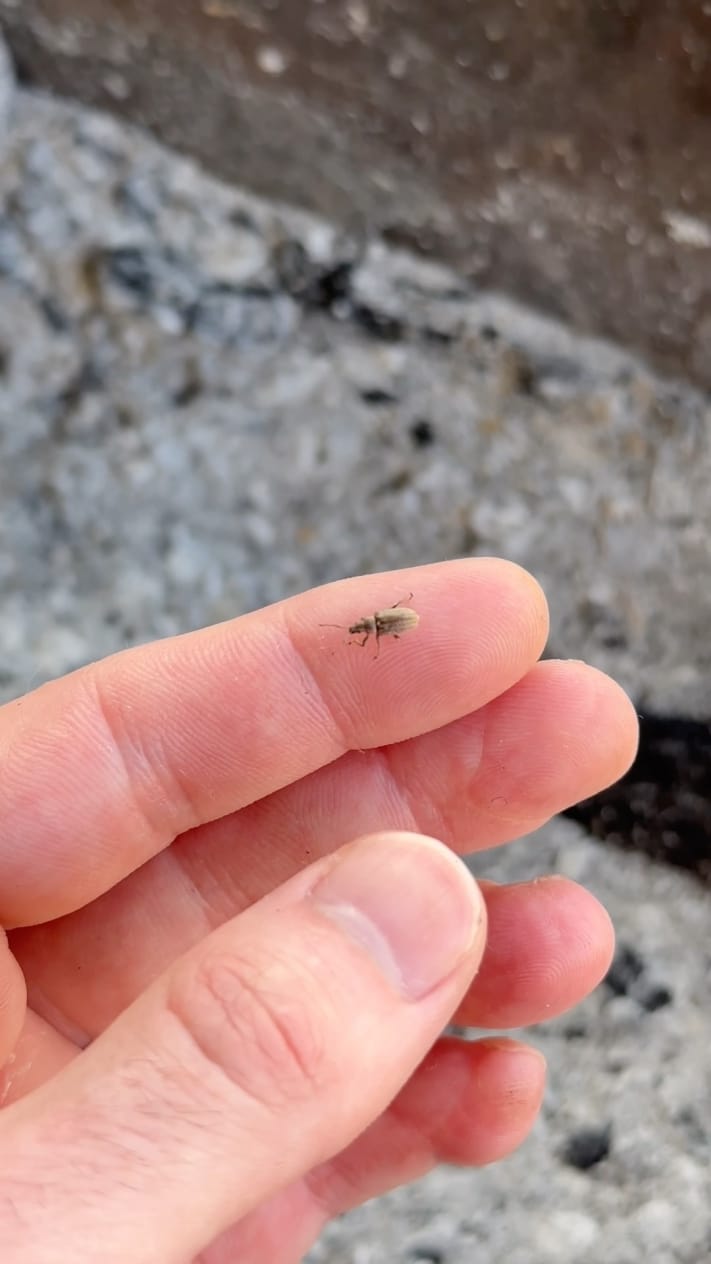
Ticks do not jump out of trees or chase people. They usually end up on the body or clothing from grass and low vegetation, after which they look for a place to attach themselves. So you don’t have to go deep into the wilderness to have an unwanted encounter—a walk in the park is enough.
The main threat isn’t the bite itself. Some ticks carry the pathogens that cause Lyme disease, tick-borne encephalitis, and other infections. Not every tick is infected, but it’s impossible to tell by its appearance.
Use an appropriate repellent, wear protective clothing, and check yourself for ticks after walks. A tick that has attached itself must be removed as quickly as possible: use fine-tipped tweezers to grasp it as close to the skin as possible and pull it straight up gently, without jerking. Do not pour oil on it or cauterize it. If you later develop a rash, a fever, or feel unwell, see a doctor.
Foxes, Dogs, Cats, and Bats
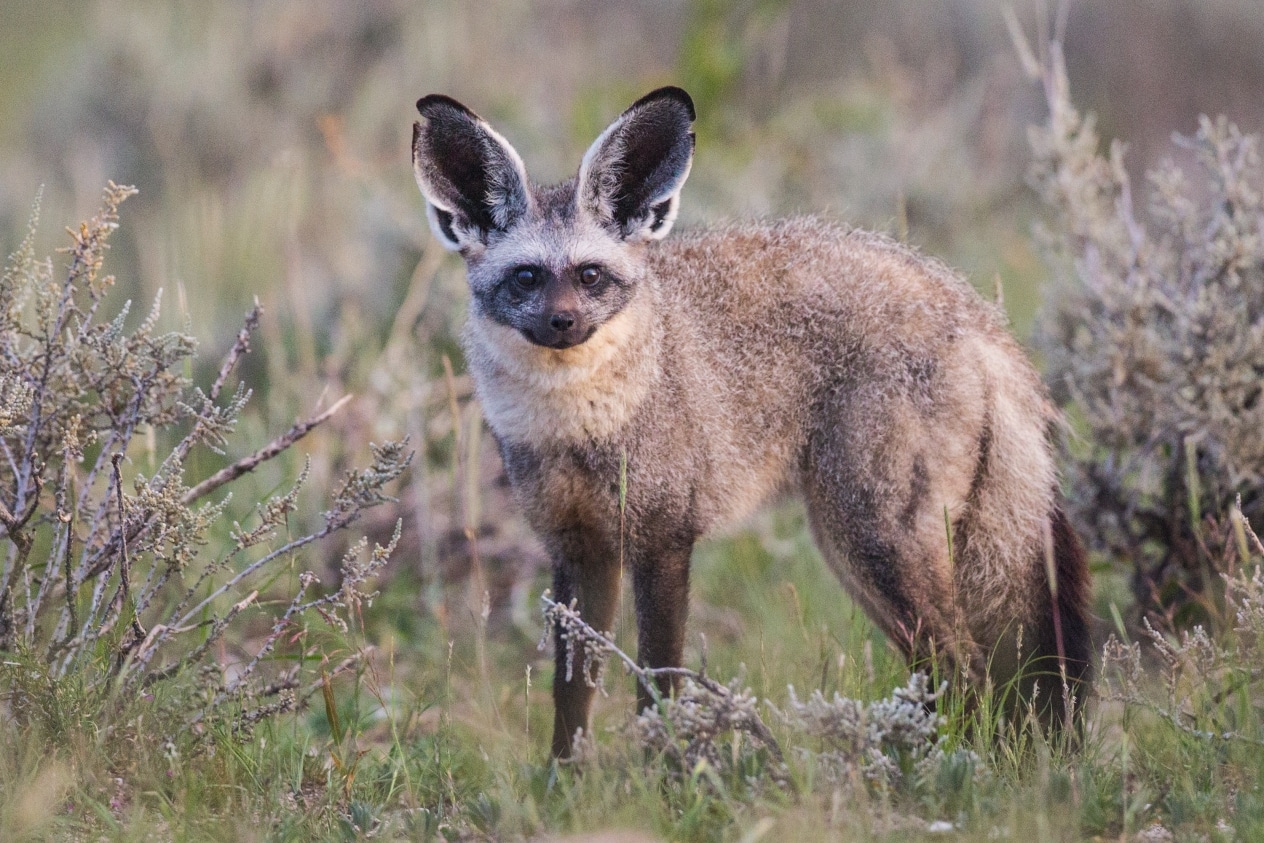
A fox that lets you get up close may seem like a perfect subject for a photo. But this unusual lack of fear in a wild animal is a reason to keep your distance. Rabies does not always manifest as aggression, and the “foaming at the mouth” typically seen in movies is not a mandatory symptom.
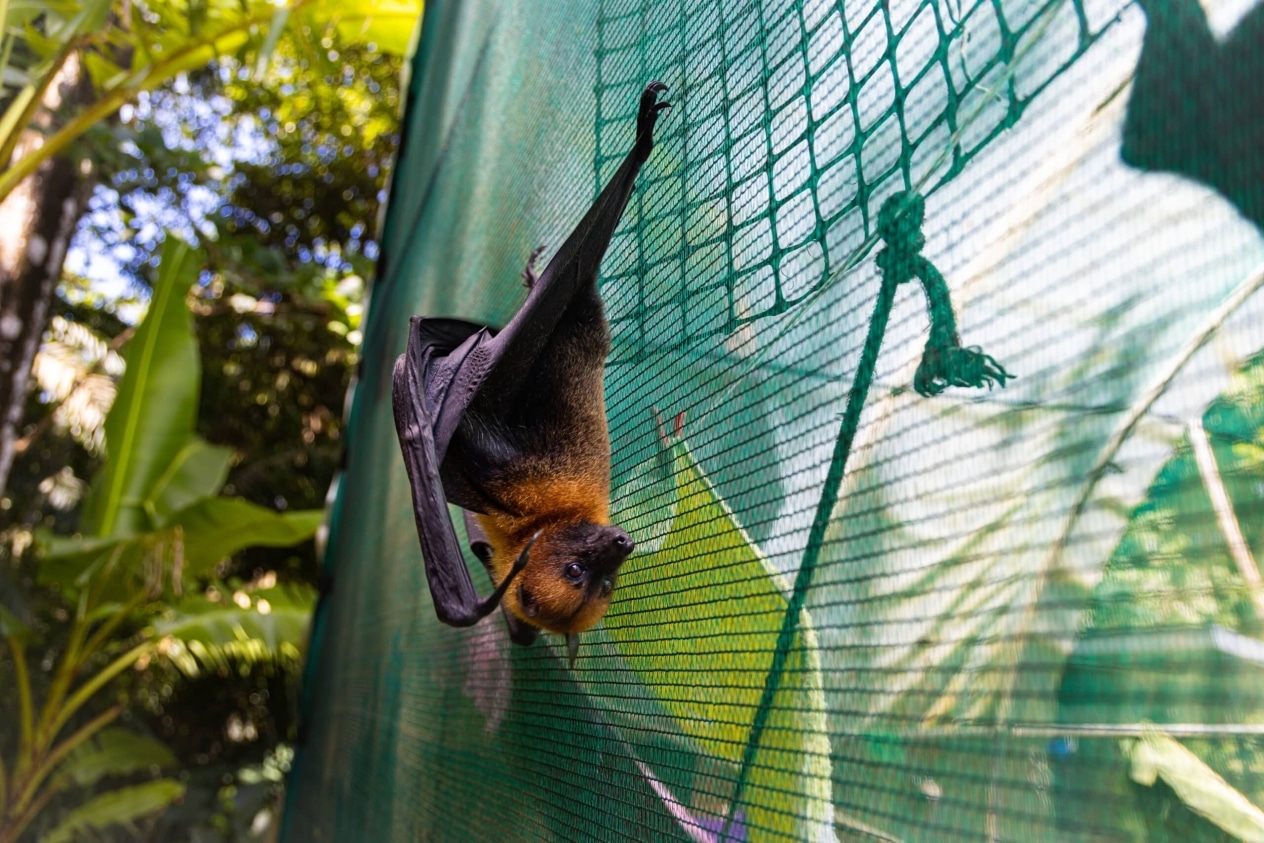
The virus can be carried by both wild and domestic mammals, including foxes, bats, dogs, and cats. Even an animal that appears healthy can shed the virus in its saliva before any noticeable symptoms appear. Infection can occur through a bite, a scratch, or contact between infected saliva and broken skin or mucous membranes.
After high-risk contact, wash the wound with running water and soap for at least 15 minutes and seek medical attention immediately. A doctor will determine whether rabies prophylaxis is necessary. Do not wait for symptoms to appear: once they do, the disease is almost always fatal, whereas timely prophylaxis saves lives.

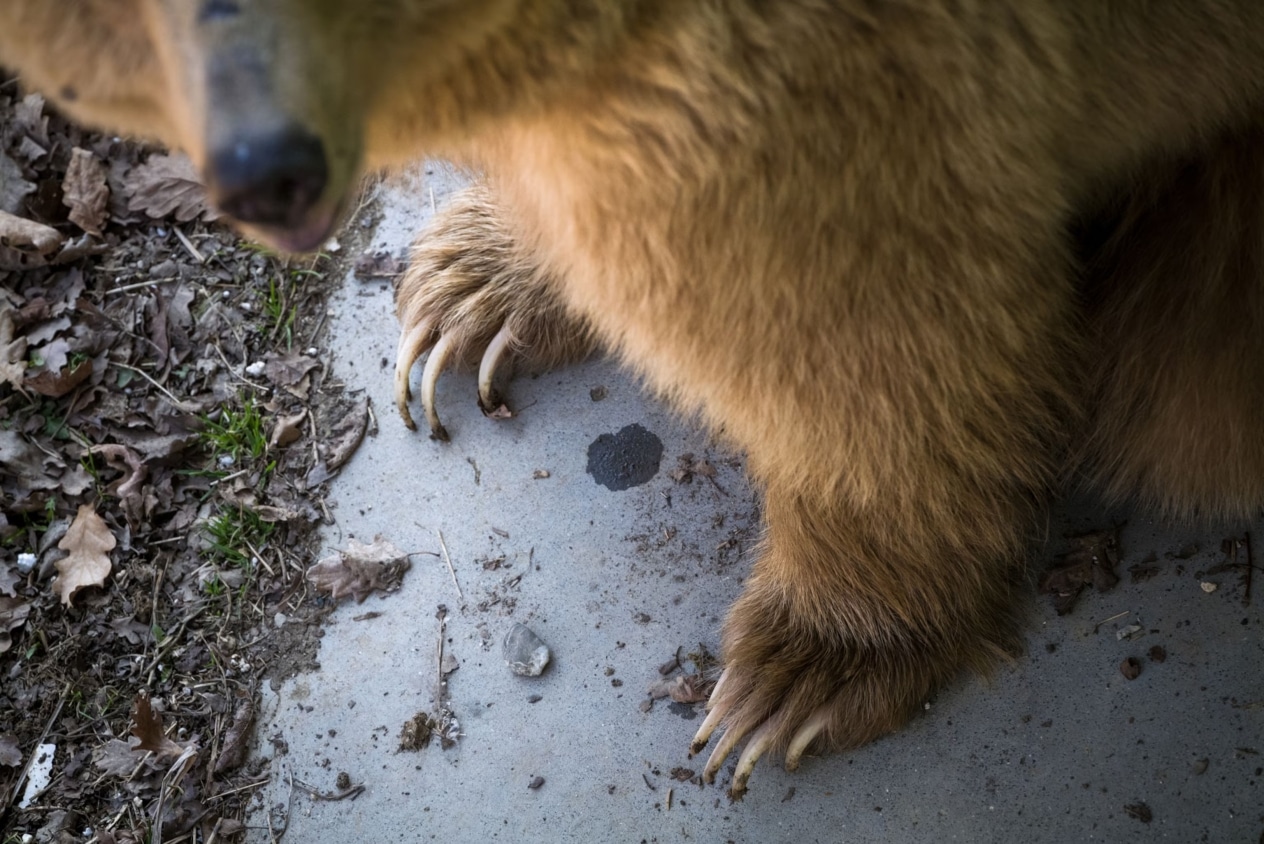
Brown Bear
Sometimes a simple conversation during a hike in the woods can help avoid a dangerous encounter. Most wild animals try to avoid humans: when they hear voices, they have a chance to move away. This is important even in areas where bears live.
The danger increases when people get too close, try to feed the animal, or approach cubs. A large animal that is defending itself or feels threatened can cause serious injury.
If you spot a bear, do not close the distance just to take a photo. Calmly back away, leaving the bear a clear path to retreat. Do not run: this may provoke a chase.
Conclusion
Danger doesn’t always look menacing. A nearly invisible tick, a familiar dog, or an ordinary bee can pose a serious threat under certain circumstances. At the same time, most unwanted encounters can be prevented through vigilance, proper behavior, and maintaining a safe distance.
Do not pick up unfamiliar animals, do not let children approach wild animals, and do not let your dog near snakes or other forest creatures.
After a snake bite, a suspected black widow spider bite, or a high-risk encounter involving rabies, do not wait for the symptoms to “just go away.” If you experience difficulty breathing, throat swelling, convulsions, or loss of consciousness, call 103 or 112 immediately. Don’t waste time trying to catch the animal or relying on folk remedies.
Nature is worth exploring, but close contact isn’t always necessary. It’s better to return home without a spectacular photo than with consequences that could have been avoided.