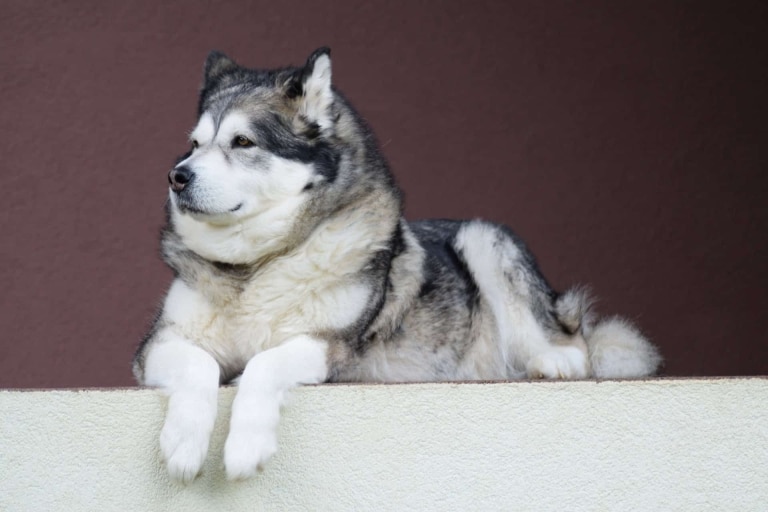
For some dogs, the first snow is a real treat. They dive into snowdrifts, roll around on their backs, and happily linger on their walks. Breeds whose ancestors lived and worked in cold climates are especially likely to behave this way. Let’s meet five well-known lovers of winter adventures.
1. Husky
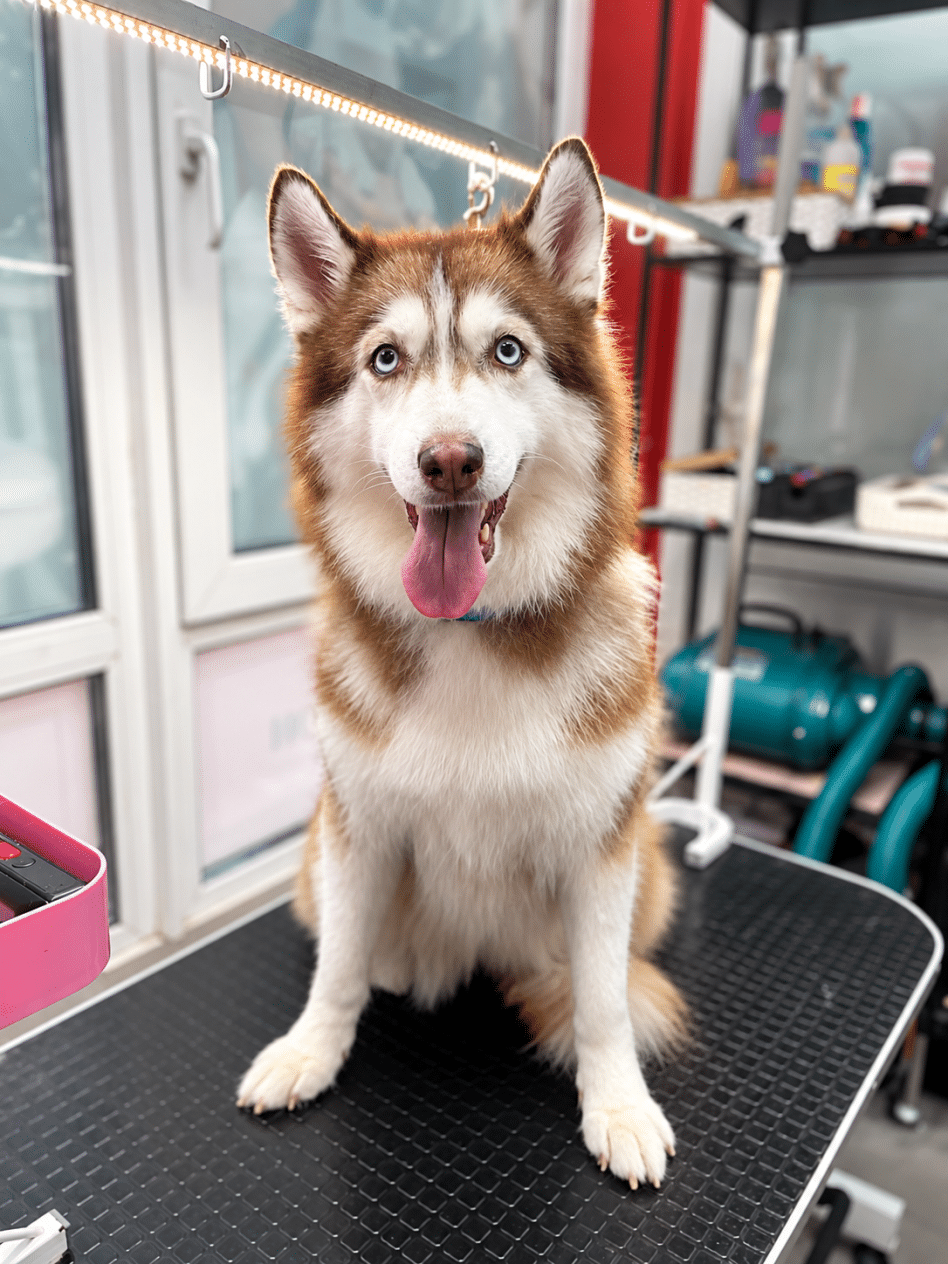
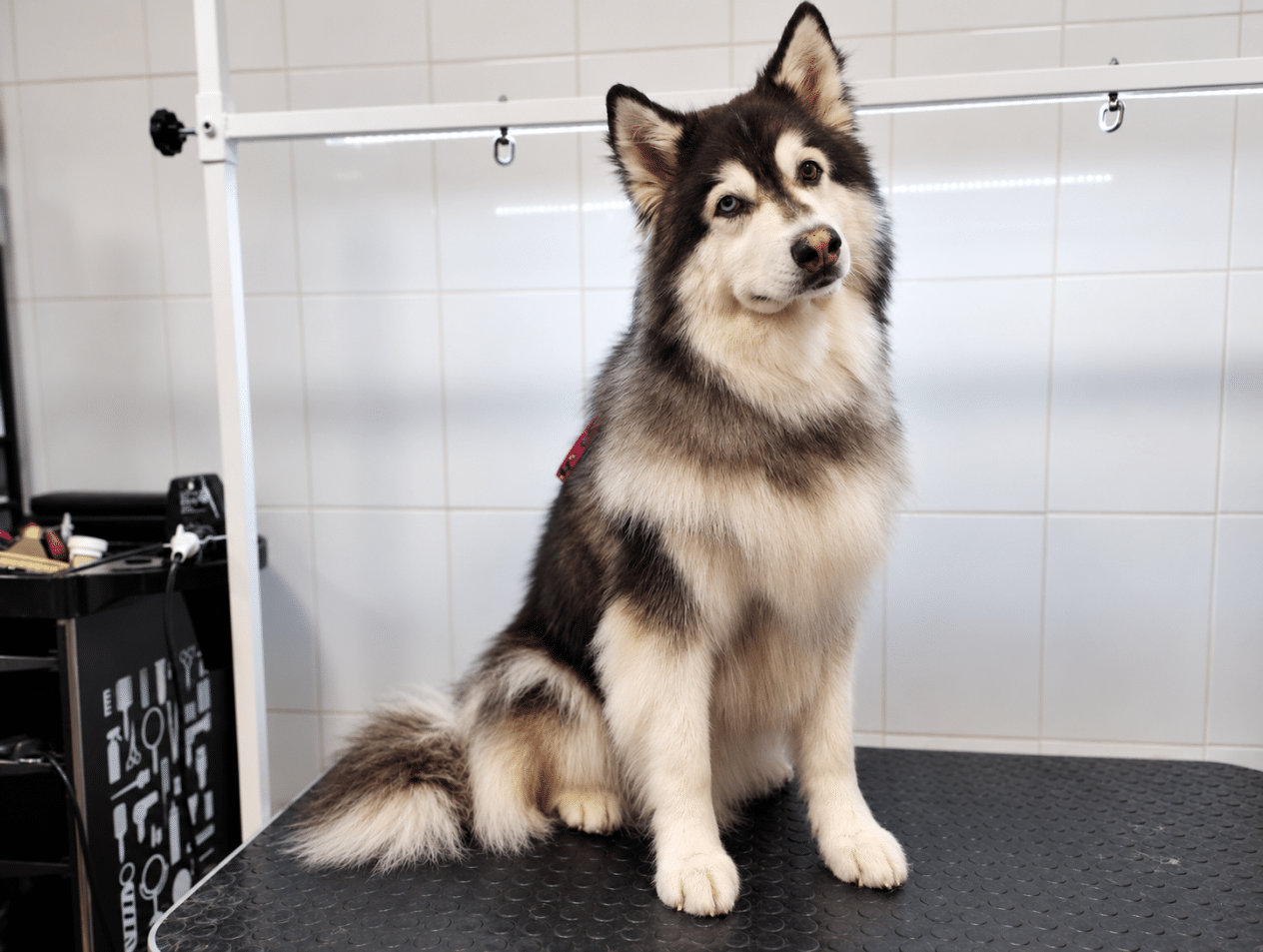
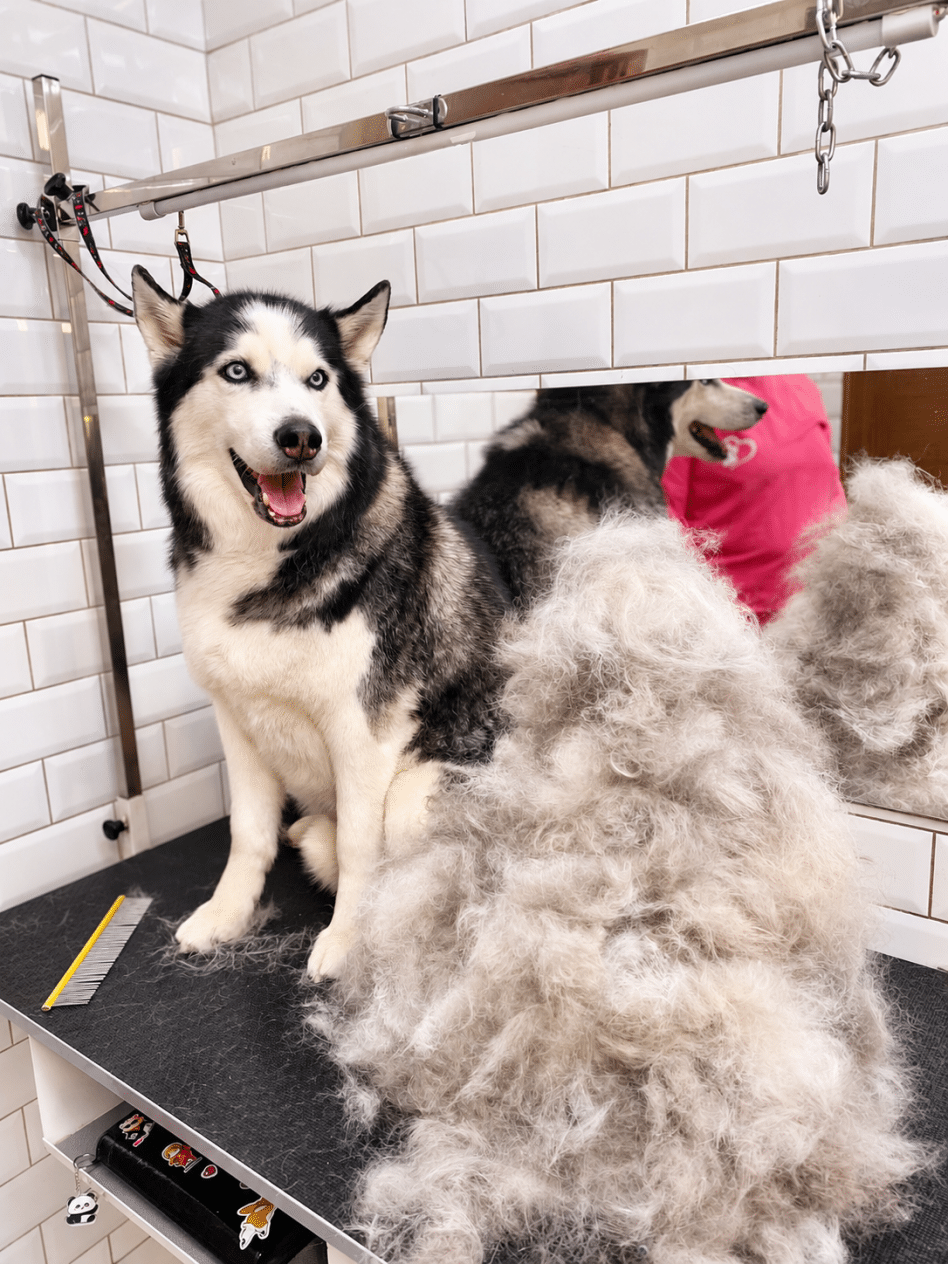
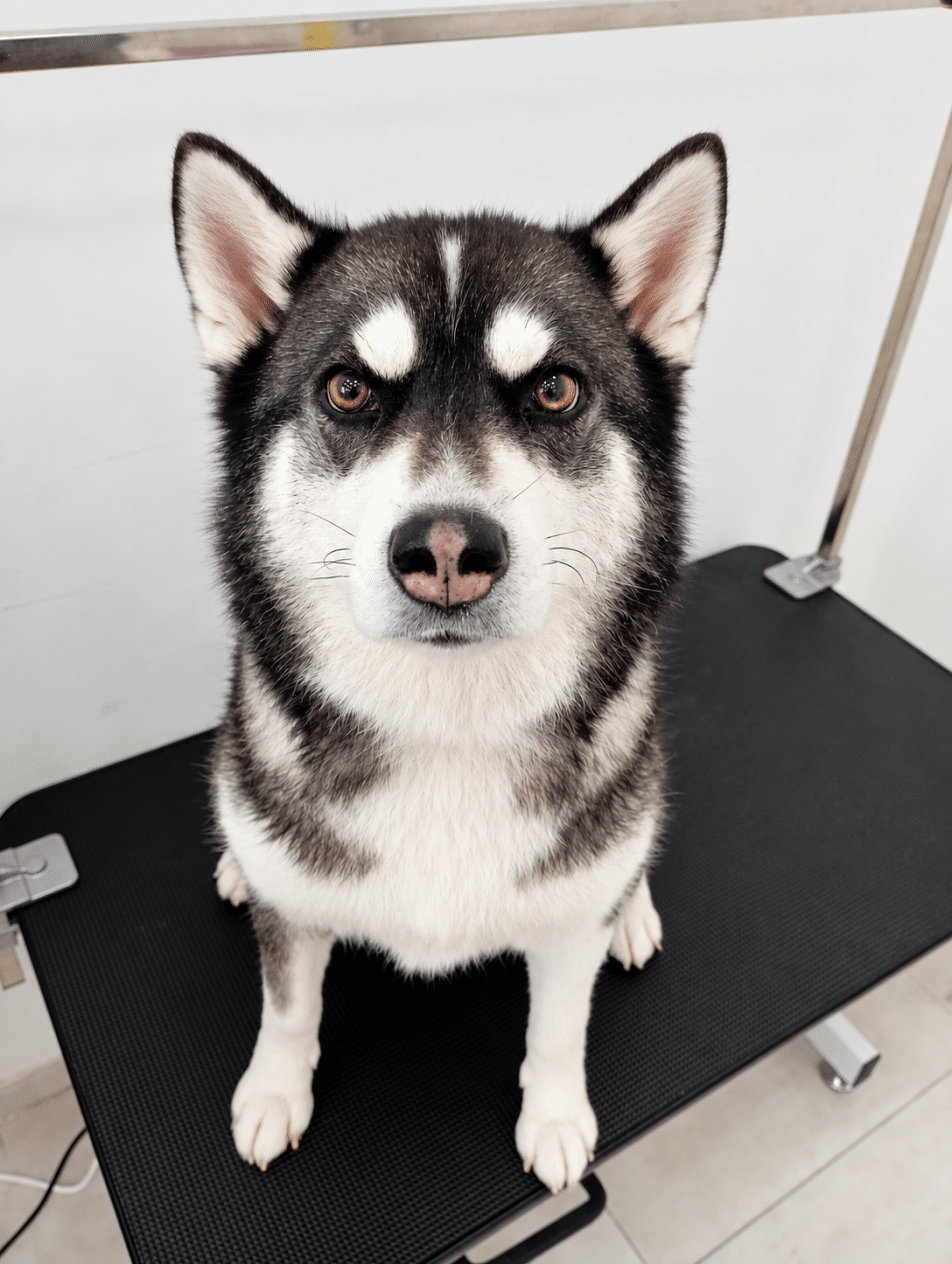
The Husky is built for traveling across snow-covered expanses. Its ancestors helped the Chukchi people transport cargo over long distances, so endurance and a need for activity have become important traits of the breed.
A thick double coat helps retain heat, and cool weather creates comfortable conditions for physical exertion. However, even a snow-covered yard cannot replace a full-fledged walk for a Husky: this dog needs new routes, training, and shared activities with its owner.
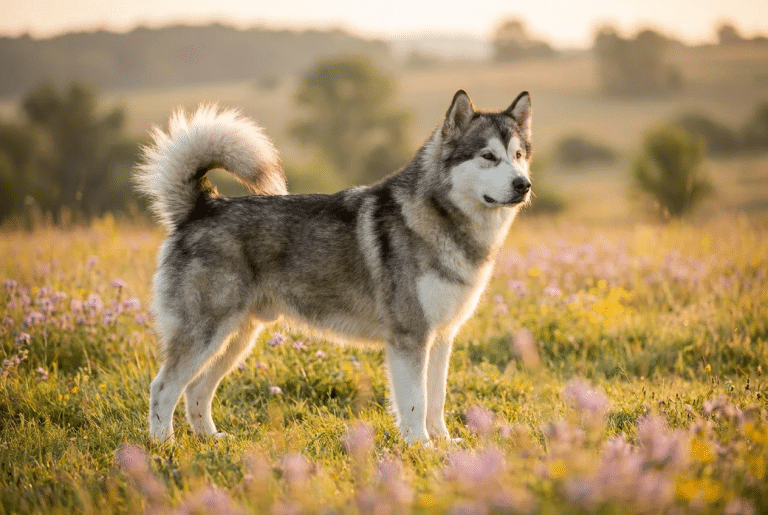
2. Alaskan Malamute
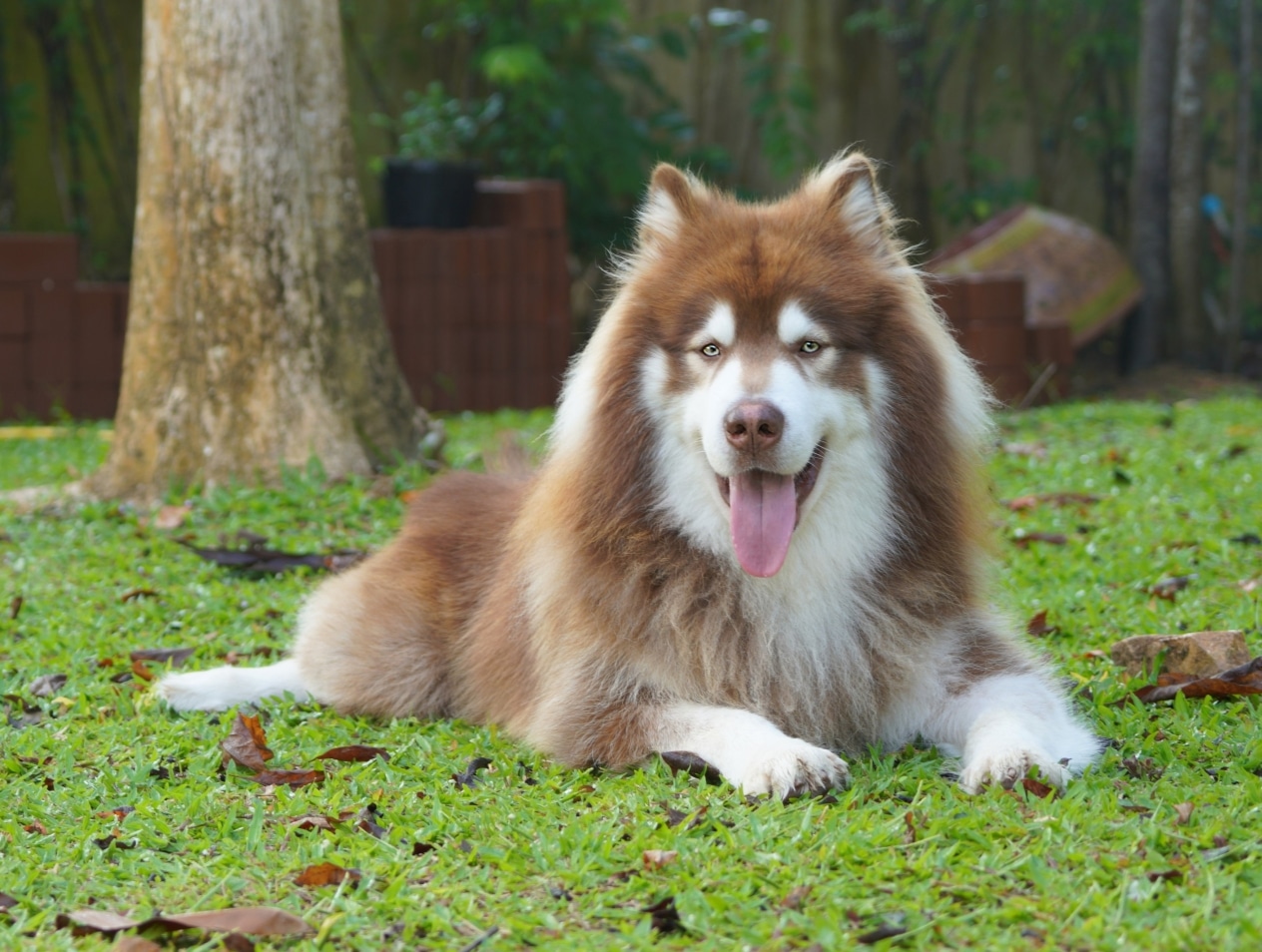
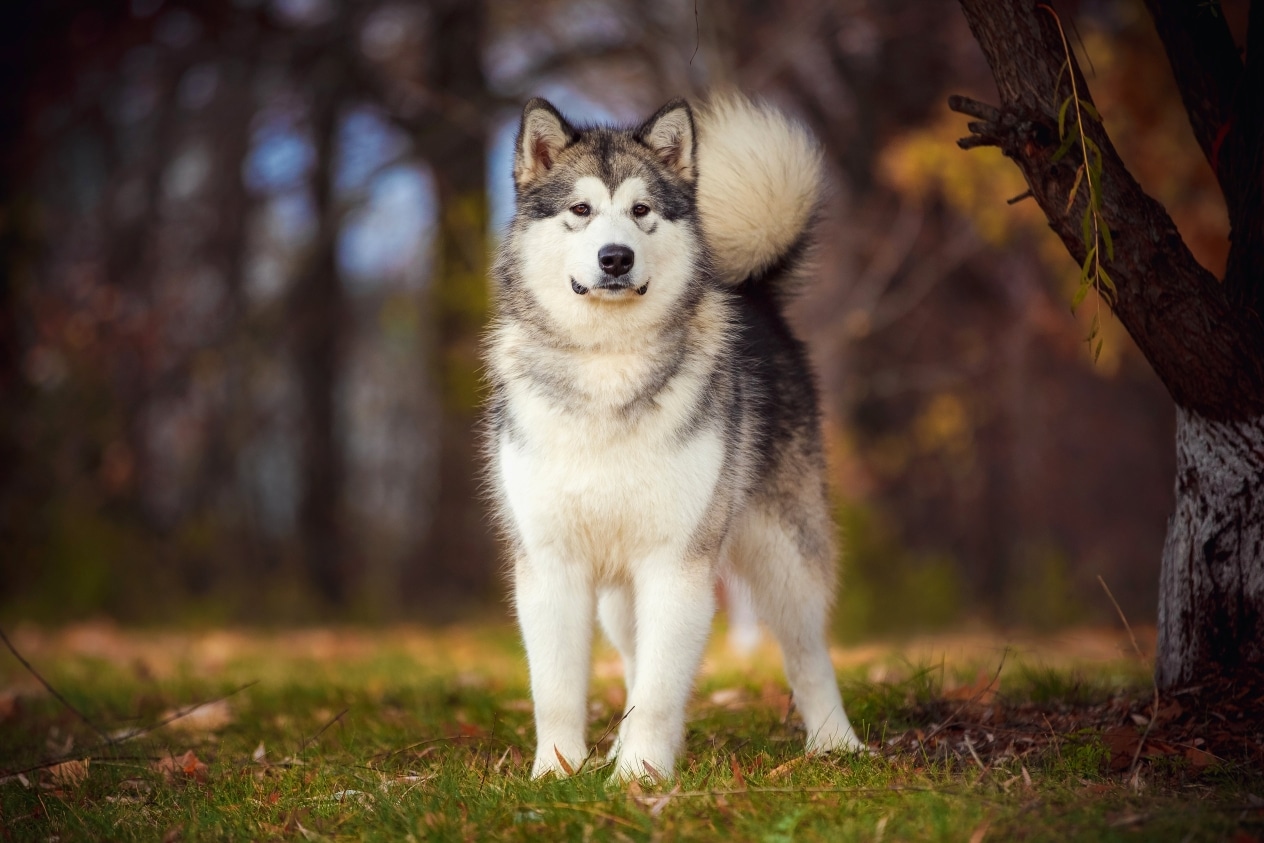
The Malamute is a sturdy Arctic dog that was used to haul heavy loads. It is more massive than a Husky, and its thick coat with a dense undercoat is well-adapted to cold climates.
Many Malamutes love to run through the snow and explore snowdrifts. Behind its fluffy appearance lies a strong working dog, so it’s important for owners to focus on training and provide appropriate physical exercise.

3. Samoyed
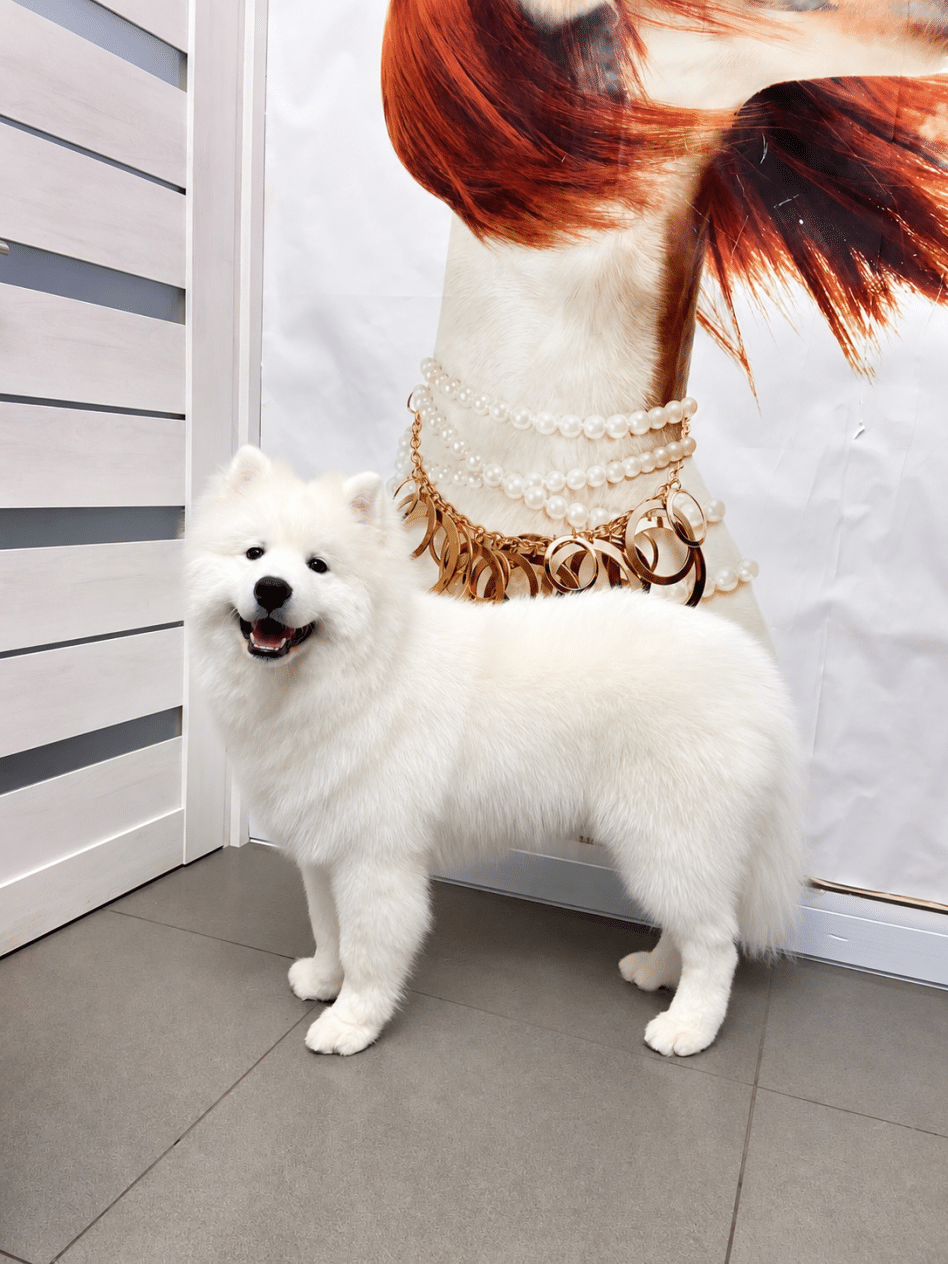
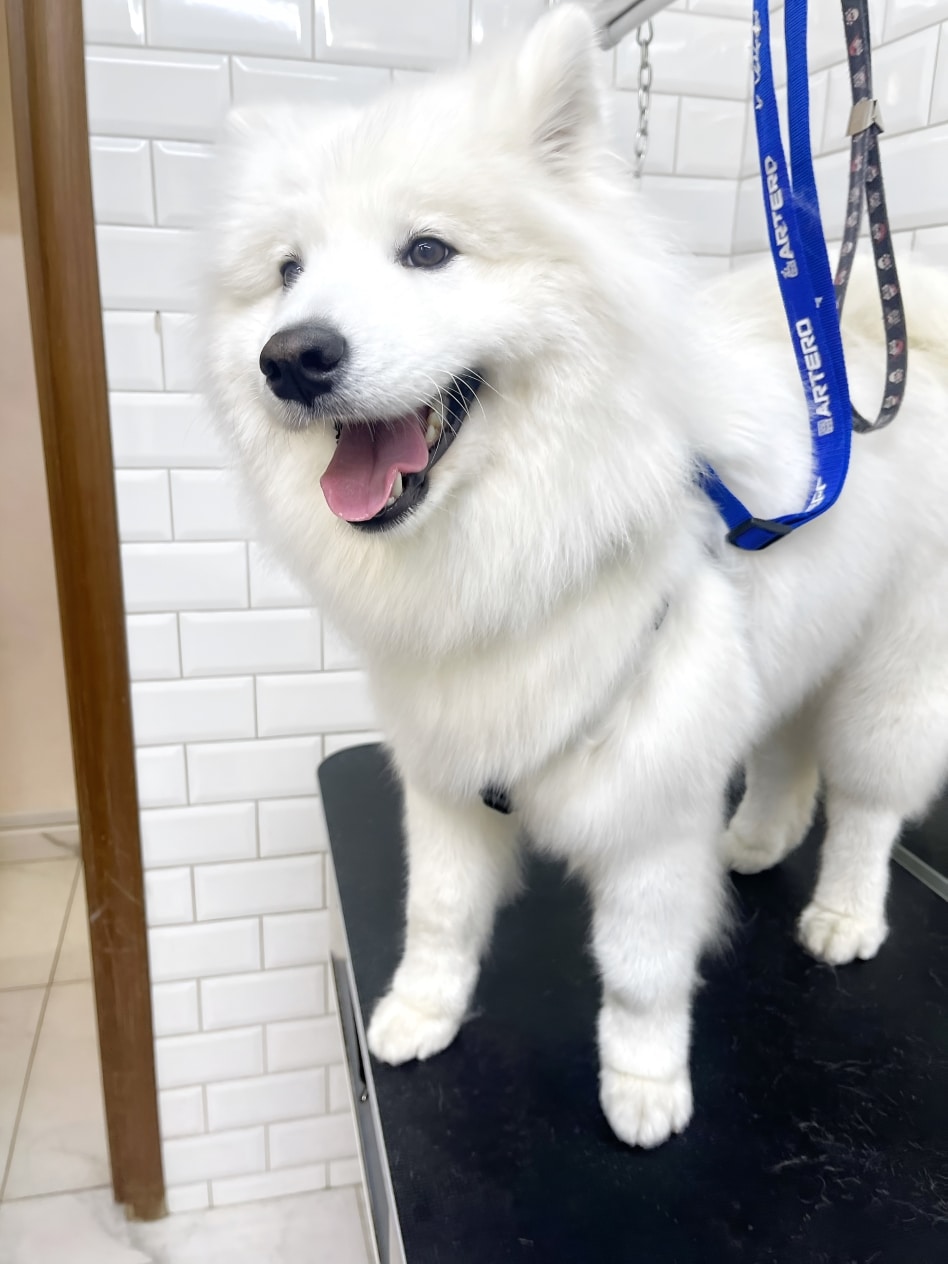
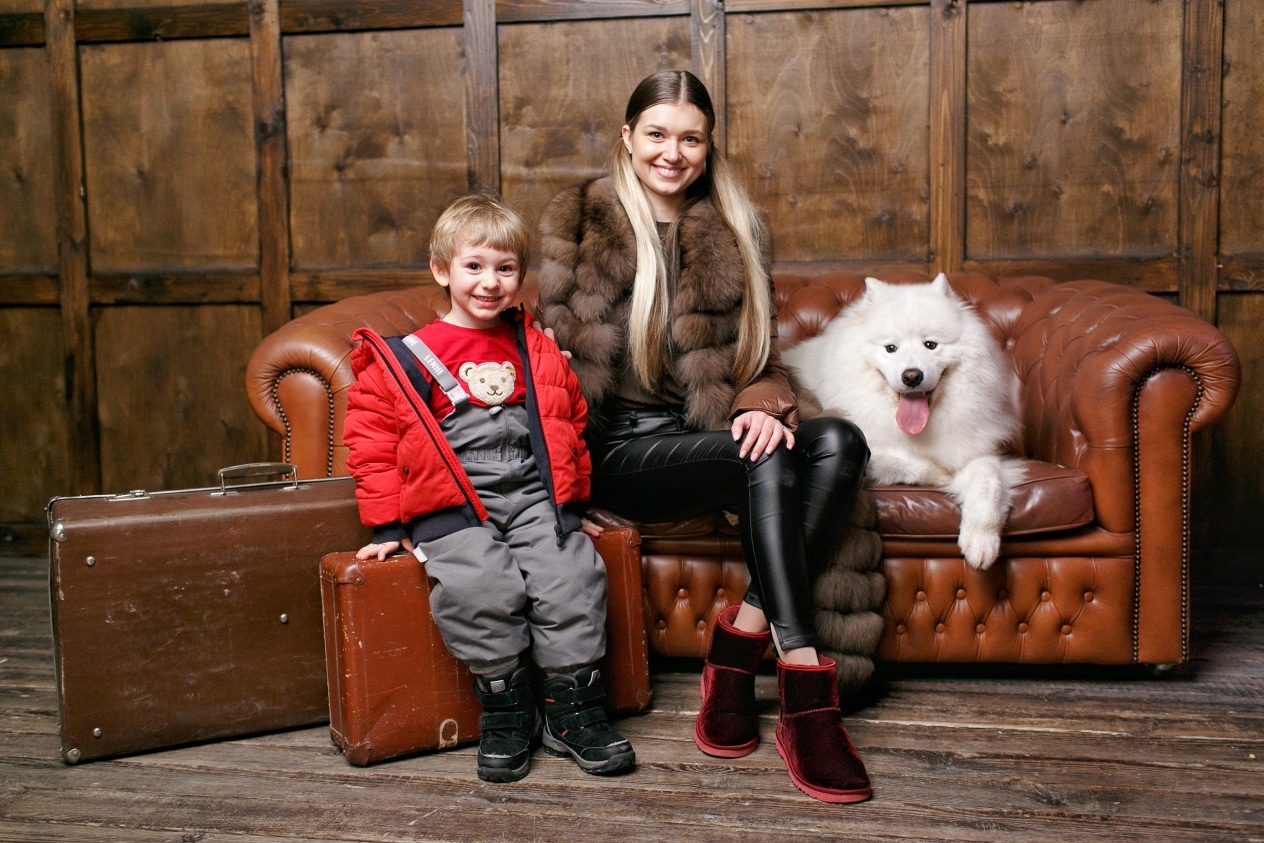
Its white, fluffy coat and distinctive “smile” make the Samoyed particularly striking against a winter backdrop. Its ancestors helped herd reindeer, pull small sleds, and accompanied people in their daily lives.
A dense undercoat provides insulation, while the longer outer coat protects against inclement weather. This luxurious coat requires regular brushing, especially during shedding season. Social interaction and physical activity are also important to the Samoyed—the most enjoyable winter walk for him is one spent with his family.
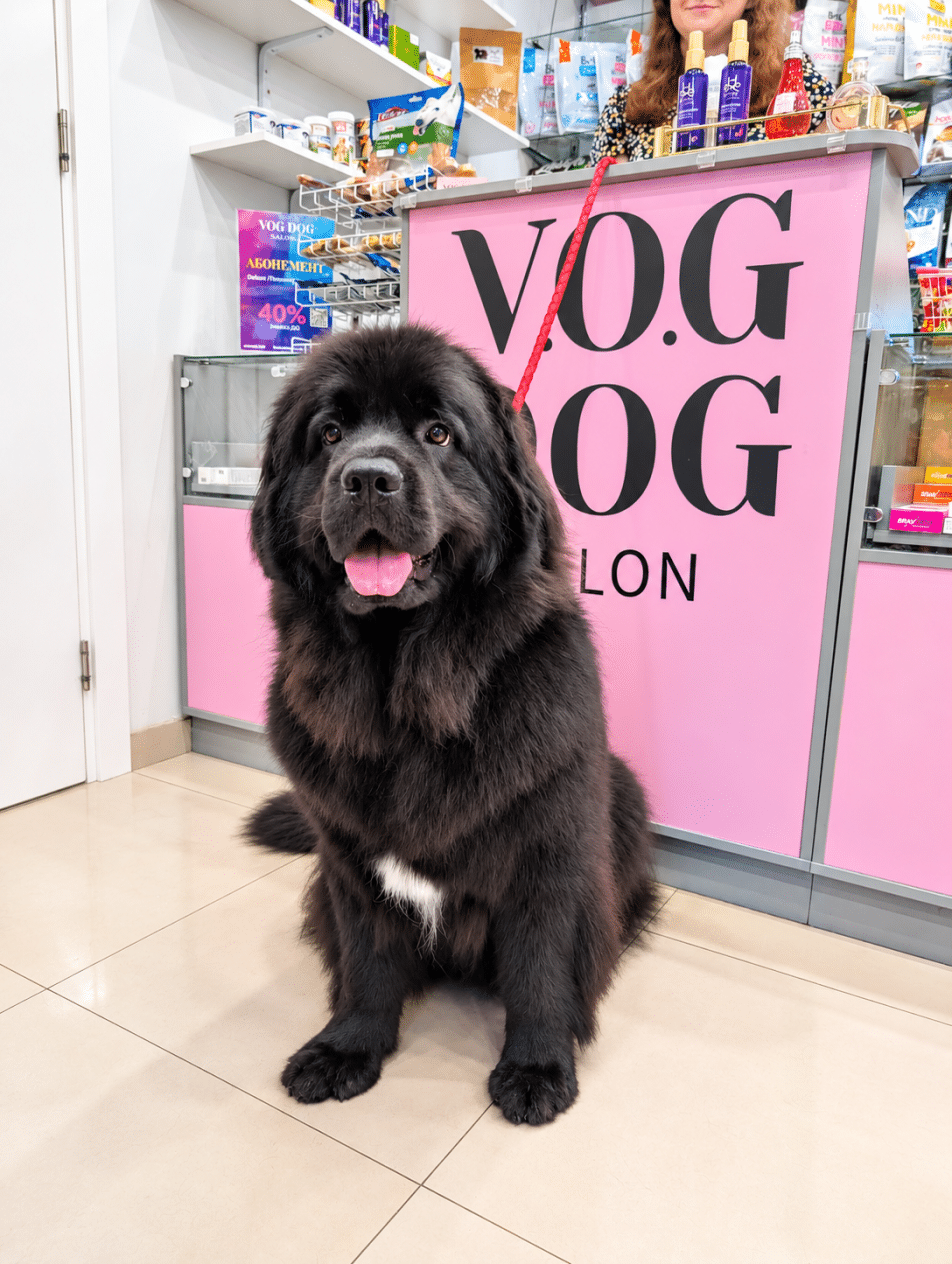
4. Newfoundland
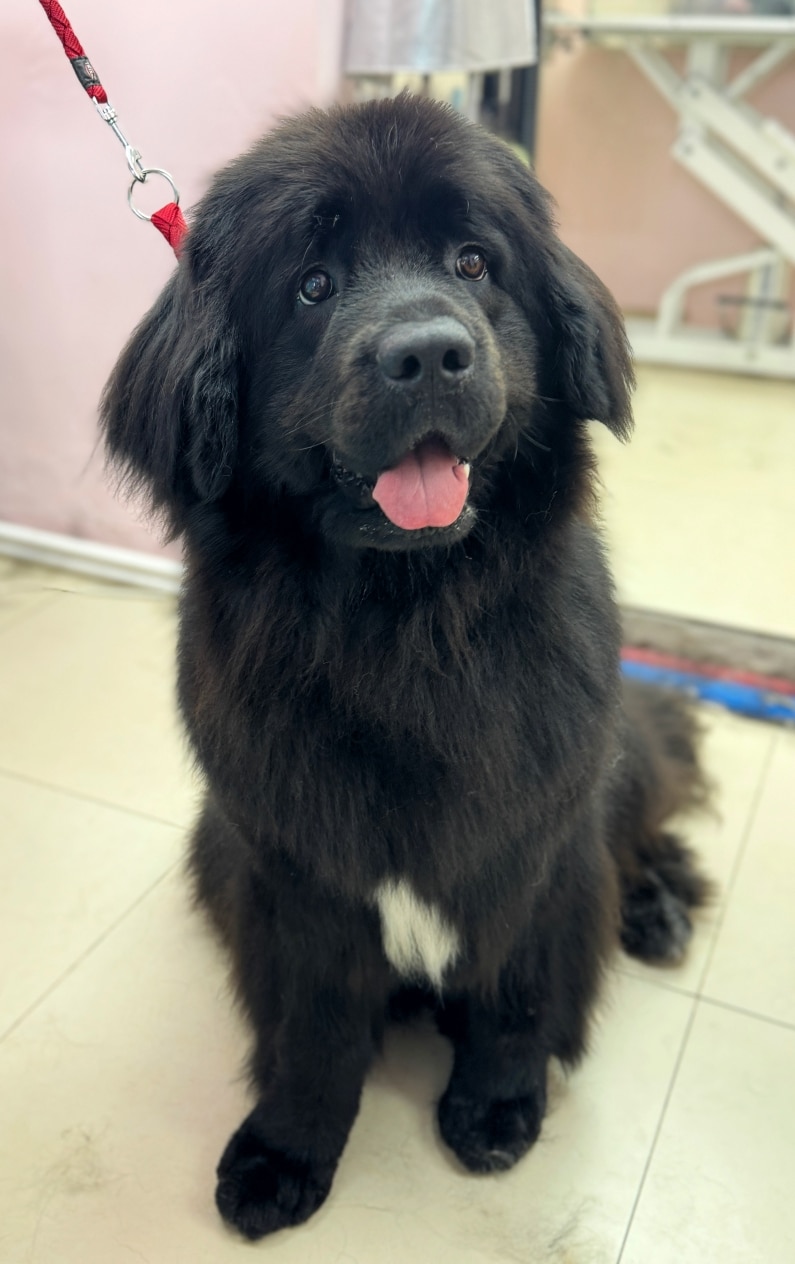
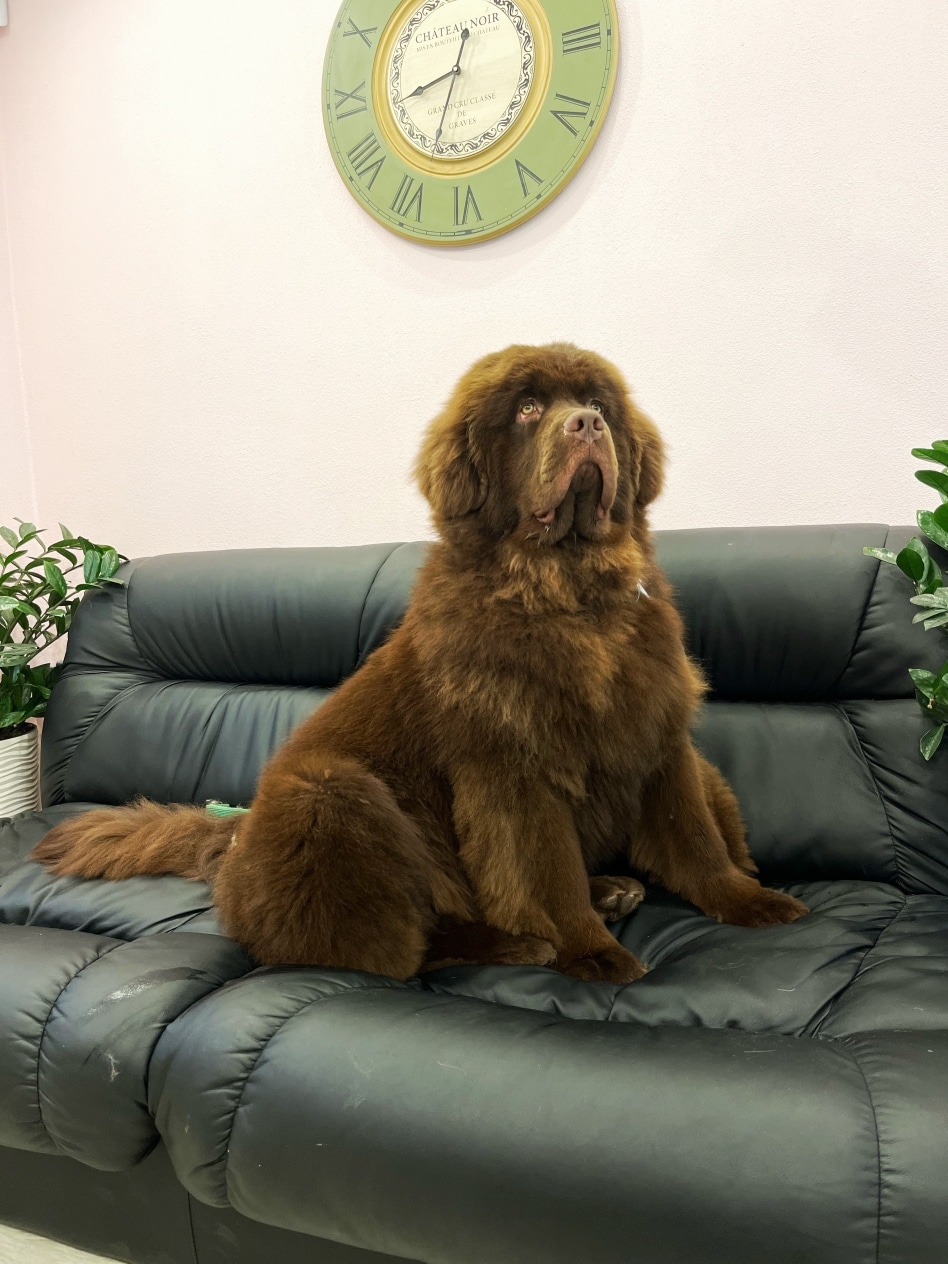
This large dog breed originates from the island of Newfoundland off the Atlantic coast of Canada. Its history is tied to working near water, helping people, and transporting cargo.
Its thick, double coat with water-repellent properties helped it work in challenging weather conditions. Many Newfoundlands enjoy the cool air and walks outdoors. However, after wet snow, it’s important to check their coat and dry the dog thoroughly before letting it go back out into the cold.


5. Bernese Mountain Dog
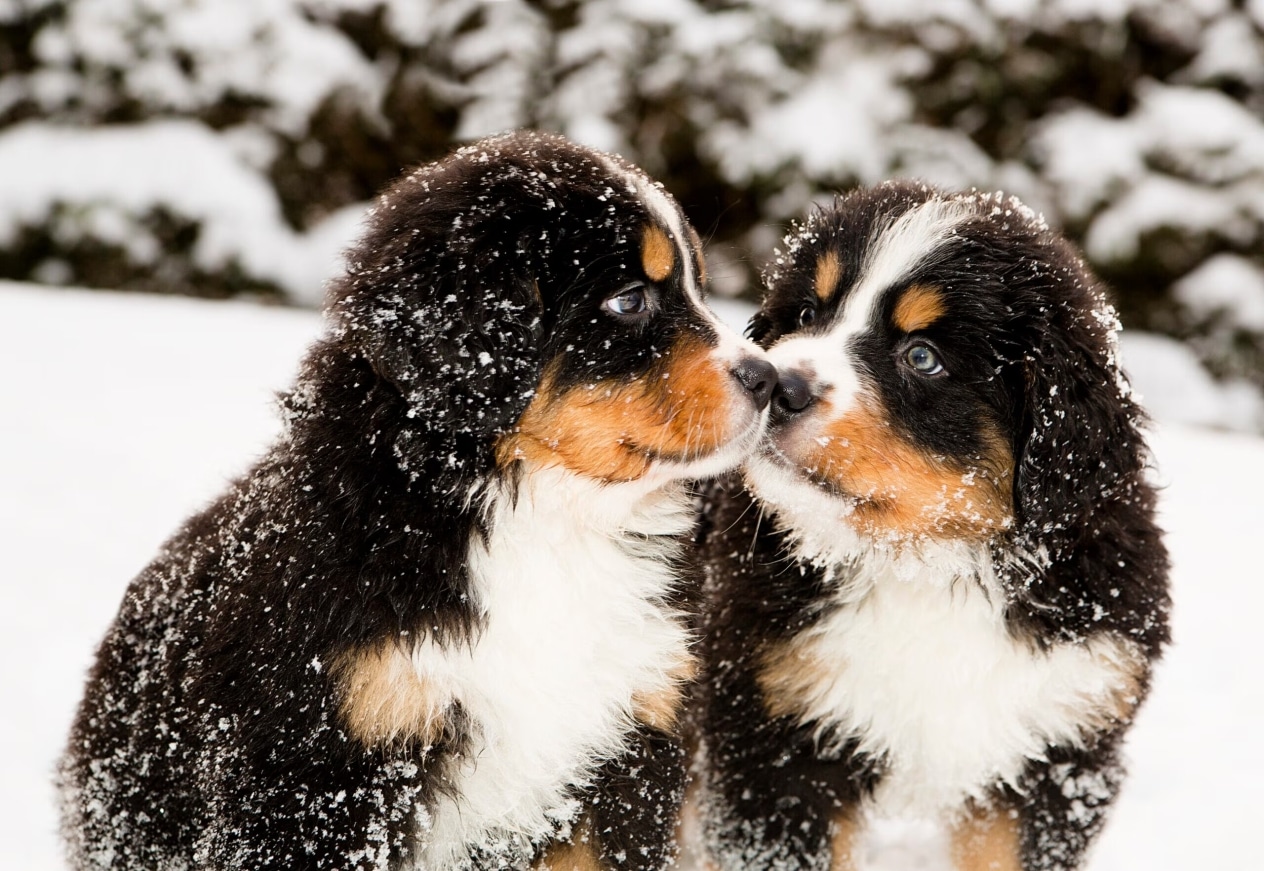
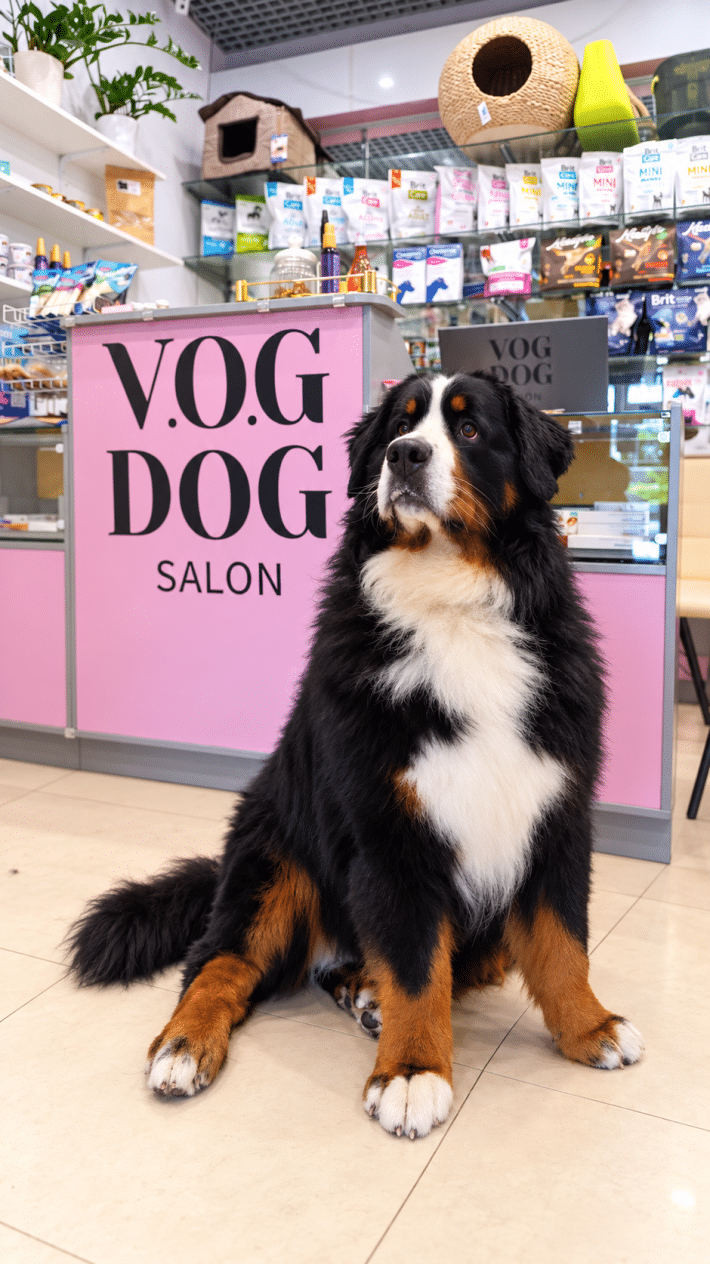
The tricolor Bernese Mountain Dog was bred in Switzerland as a farmhand. Its sturdy build and thick coat are well-suited to cool climates.
Many Bernese Mountain Dogs love to walk in the snow and spend time with their families. The pace and duration of walks should be tailored to the individual dog: some enjoy active play, while others prefer to leisurely explore winter trails.
Caring for These Fluffy Winter Lovers
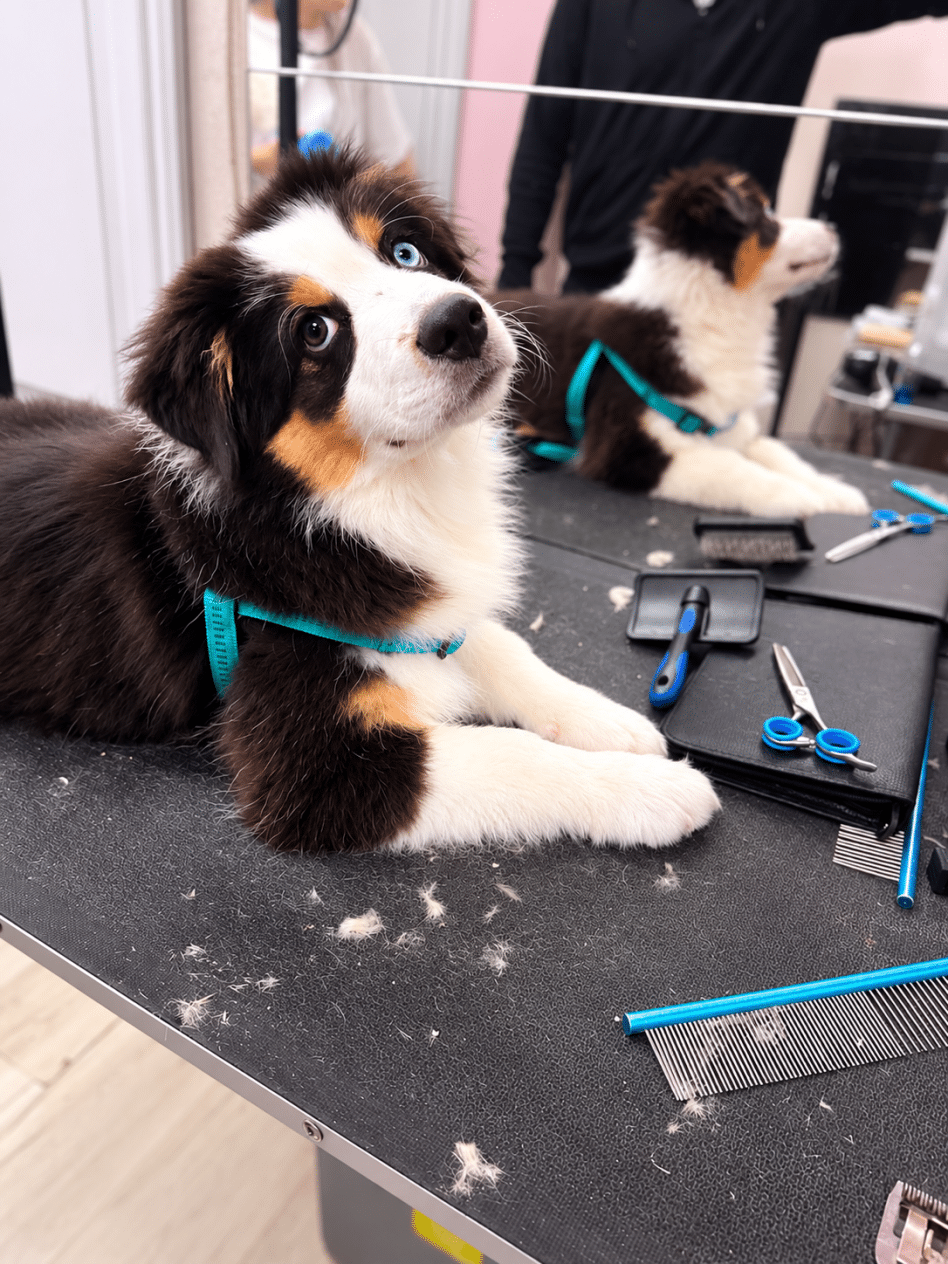
Their thick coat requires attention year-round. Regular brushing helps remove dead undercoat and prevent matting. Shaving dogs with a double coat solely for the sake of ease of grooming is generally not recommended, as it can compromise the coat’s protective properties.
Even northern breeds can get cold. If your dog is shivering, tucking its paws in, or begging to go home, it’s time to end the walk. Upon returning home, check their paws and rinse off any road chemicals. Enjoying winter is most rewarding when you have an attentive owner by your side who notices your pet’s needs.