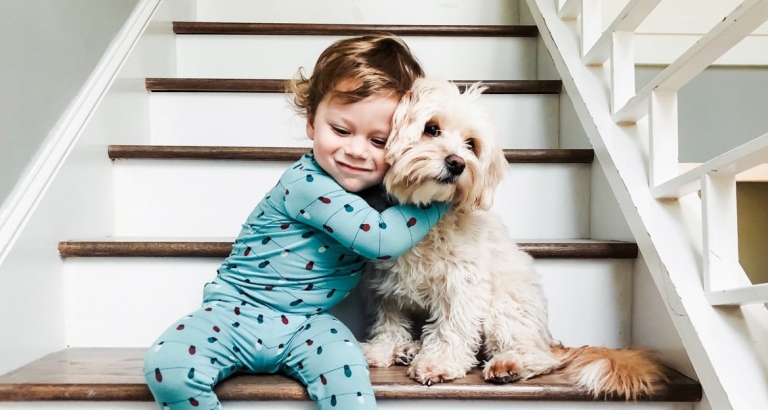
— Mom, look. She’s so tiny. She doesn’t even need much space.
My daughter shows me a video of a puppy whose ears are too big for its head. Over the next five minutes, you’ll learn that she’ll walk it to school, feed it after school, and is even willing to make it her only birthday present ever. And, hardest of all, she sincerely believes every word she says.
Meanwhile, the cat scratches at an empty bowl with its paw. On the side table stands an aquarium that my daughter has long since refused to help take care of. Do you remember how, back in the day, at ten o’clock in the evening, the whole family would argue over whose turn it was to walk the previous dog—the one they had to give to Grandma in the village because the child’s earlier promises to take care of her hadn’t been backed up by action?
In this family, they already know the true weight of the promise, “I’ll do everything myself.”
A child might say that a cat isn’t that interesting to her, that fish don’t do anything at all, and that things will be different with a dog. She might genuinely want to walk a puppy. But actually taking it out into the dark before school, when it’s raining outside—that’s a whole different story from imagining a walk while watching a video on a phone.
Especially since you’ve already had a dog. At first, everyone wanted to walk it. Then one was busy, another promised to go later, and a third figured it definitely wasn’t their turn today. Even after arguments, taking care of the dog never became a regular thing. In the end, you had to take the dog to Grandma’s in the village.
How to Say “No” and Give Your Child Time to Be Sad
The phrase “we’ll see” sounds gentler. But a child might interpret it as “give me a little more time,” and then every new video of a puppy will reopen the negotiations. If the decision has already been made, state it directly and calmly.
“I can see how much you want a dog. And I believe you’re ready to walk it now. But last time, we all thought we could handle it, and it turned out that the dog ended up moving in with Grandma. Right now, we adults can’t take on the daily care and expenses. That’s why we’re not getting a dog right now.”
After that, you don’t have to immediately look for something to cheer her up. Later, you can ask what she wants most. Maybe she dreams of teaching a dog tricks. Or maybe she just misses the dog that lives with Grandma.
As for the cat and the fish, agree on age-appropriate chores separately. For example, check the water in the cat’s bowl together after dinner. If your child starts helping regularly, acknowledge it without promising to buy a puppy. These animals already live with you, and caring for them is valuable in and of itself.
If your family hasn’t had a dog yet, but you’re truly ready to discuss it later, start by caring for the pet that already lives at home. “Let’s agree that after dinner, you’ll change the cat’s water, feed the fish, and so on. In a few weeks, we’ll see how you’re doing with this every day, and then we’ll talk about getting a dog again.” This way, your child will get a sense of what daily care entails, especially on those days when all they want to do after school is relax. And you’ll be able to return to the conversation without promising that a puppy will appear at home as a reward for completing the task.
Conclusion
When your daughter shows you the puppy again, you can watch the video together and say, “It really is adorable. I understand why you want it so much.” It’s important for your child to know that you’ve heard her. And it makes sense to revisit the conversation about a new dog when at least one adult can say, “If no one else is going to take care of it, I will.”